Review · COOKING CLASSES WITH A MARKET TOUR
Lagos, Nigeria: Nigerian Cooking Class and Market Visit
The best part of this experience happens before the cooking begins: you enter a local market with Aisha, choose ingredients, learn how bargaining works, and see the daily rhythm of Lagos food shopping. Then you carry those ingredients back to a home kitchen and turn them into Nigerian dishes you can repeat at home.
I like the private, small-group format, which gives you room to ask questions and work directly with Aisha. I also like the practical extras: an Adire tie-dye apron and a PDF recipe book make the class useful after your five hours in Lagos are over.
The main consideration is the pace and setting. This is a real market and a home-based class, not a polished studio show. You should be comfortable with heat, noise, shopping activity, and presenting an international passport or copy for identification.
Key points to know before booking
- Market shopping comes first: Visit a local market in the Oniru area and learn about spices, fresh meat, bargaining, and everyday food buying.
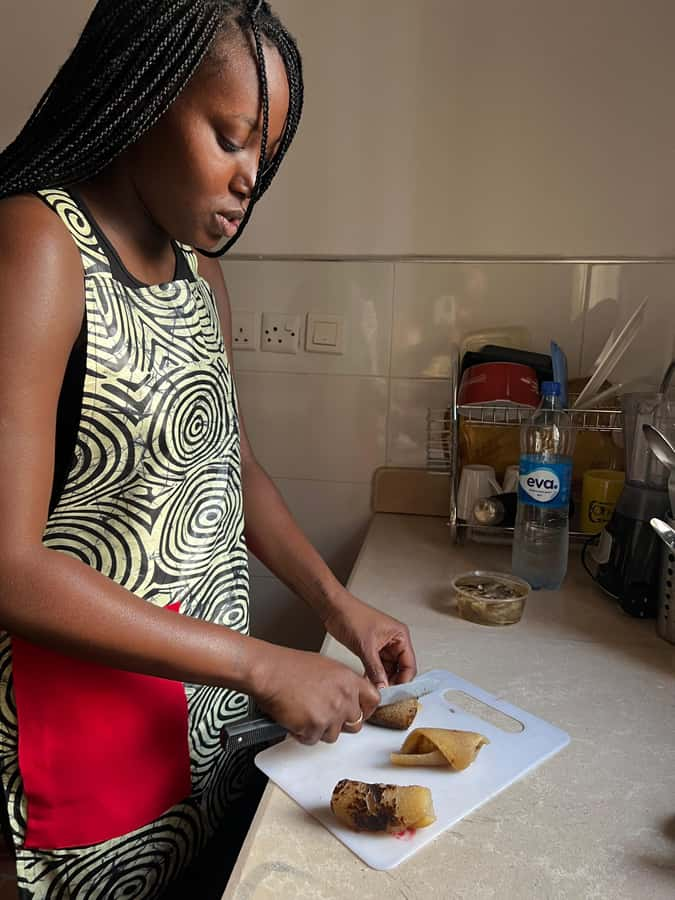
- Aisha teaches in her home kitchen: The class is personal and hands-on rather than a large demonstration.
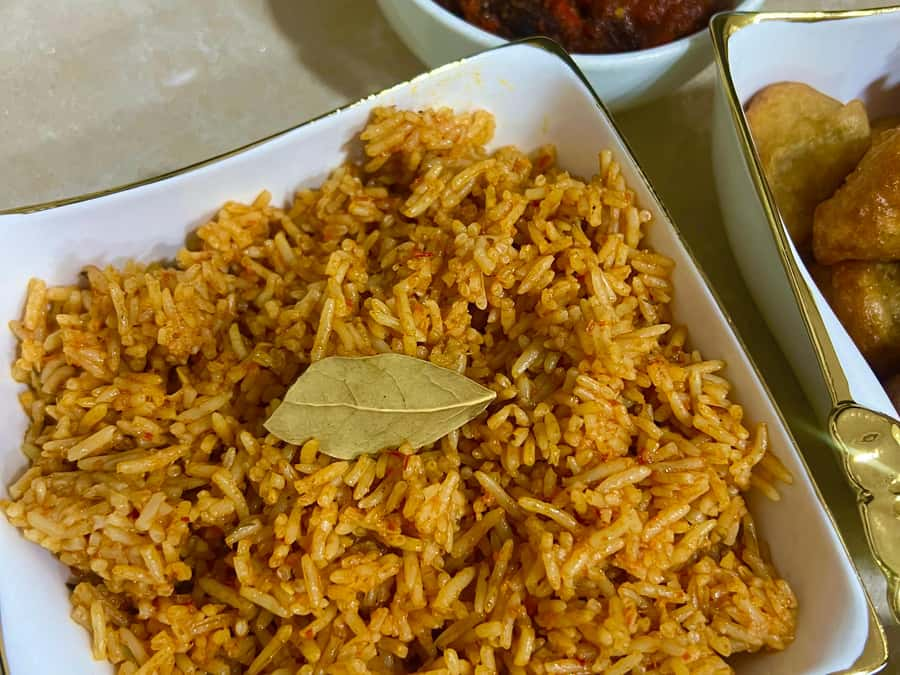
- You may cook several Nigerian favorites: Dishes can include jollof rice, stew, egusi, fufu, puff puff, meat pie, and pepper soup.
- The price covers up to two people: At $175 per private group, the value improves when two people share the booking.
- You leave with useful takeaways: Your food, Adire apron, and PDF recipe book help extend the experience beyond Lagos.
- Plan for identification and sun: Bring a passport or copy, comfortable shoes, water, sunscreen, and a hat.
From Oniru market to the home kitchen
This five-hour experience is built around a simple idea: Nigerian food makes more sense when you shop for the ingredients before you cook them. Instead of meeting only at a counter and following instructions, you begin with the raw materials and the people who sell them.
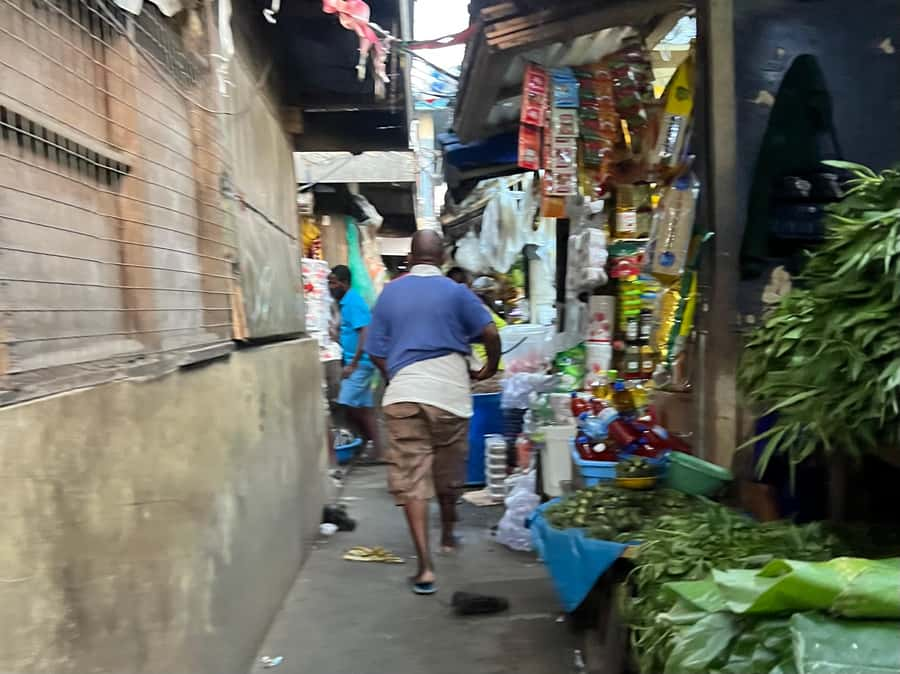
The market visit takes place in the Oniru beach neighborhood, described as part of the Lagos Island area. It offers a look at the practical side of Nigerian cooking. You can expect to explore stalls, learn about spices used in local dishes, select fresh meats, and see how bargaining fits into the buying process.
That setting matters. Nigerian recipes often depend on ingredients that may be unfamiliar if you cook mostly European or North American food. Seeing them in their market setting gives you a better sense of what they look like before preparation and how they fit into everyday meals.
Bring a secure way to carry your phone. Photo opportunities are part of the appeal, but market shopping calls for ordinary care with your belongings. Comfortable shoes are also a good idea, since the market portion involves walking and standing rather than sitting through a presentation.
A hat, sunscreen, and water are specifically recommended. Lagos can feel hot during an outdoor market visit, and these small preparations can make the first part of the class much more comfortable.
More Cooking Classes with a Market Tour in the world:
- Hanoi Cooking Class: Culture, Local Market & Meaning CSR Impact
★ 5.0 · 5,147 reviews - 5 Traditional Dishes Hanoi Cooking Class with Market Trip
★ 5.0 · 4,890 reviews - Cooking Class and Lunch at a Tuscan Farmhouse with Local Market Tour from Florence
★ 5.0 · 4,831 reviews
What the market visit adds to the class
The market is not just a stop to collect groceries. It is where Aisha explains the building blocks of Nigerian cooking. You can learn about different spices, ask what they contribute to a dish, and see how ingredients are selected.
The chance to barter is another useful part of the visit. Bargaining is not treated as a staged performance here. You are shown an everyday buying practice and given a direct way to take part in it.
The class also includes the chance to choose fresh meats. That is helpful if you want to understand how Nigerian home cooking begins, rather than simply receiving measured ingredients in bowls. It connects the final meal to the shopping decisions made earlier.
There is a tradeoff. Markets can be crowded, active, and unpredictable. You may find the surroundings less comfortable than a quiet cooking school, especially if you prefer a controlled setting. That is part of the point, but it is worth knowing before you book.
Aisha’s hands-on cooking approach
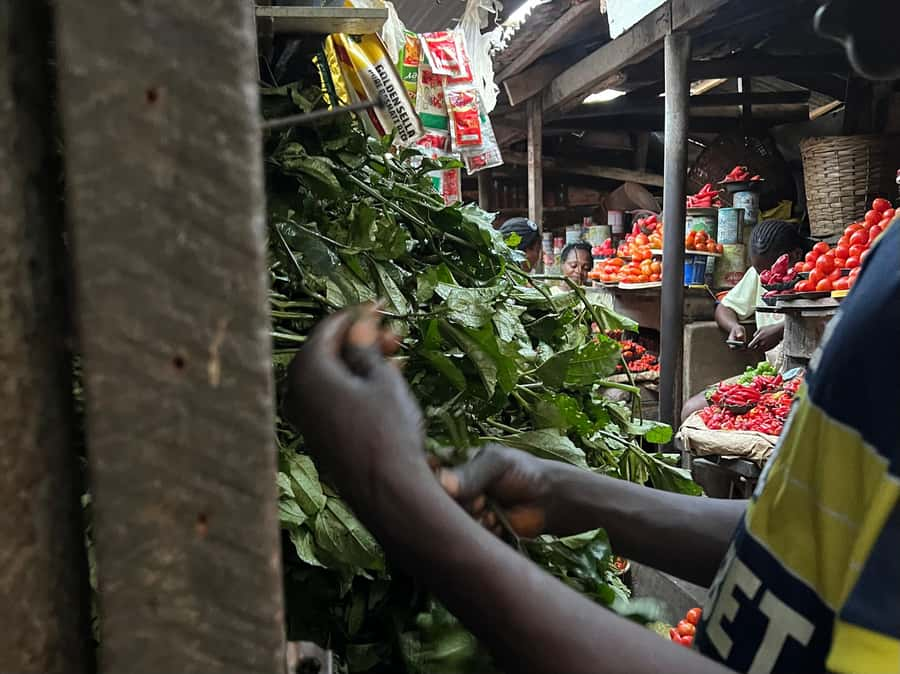
After shopping, you return to Aisha’s home kitchen for the cooking portion. She is a home cook who teaches the food she enjoys making, and the format is designed around direct participation.
You should expect step-by-step guidance rather than a lecture. The stated format is one-to-one or for a small private group, so you have a better chance to handle the ingredients yourself and ask about techniques as you go.
That personal format is especially useful with dishes that may seem unfamiliar. If a recipe calls for a new spice, a different preparation method, or a texture you have not worked with before, you can stop and ask for clarification. A large class can leave you watching from the side. This one is intended to keep you involved.
The class is conducted in English. It is also wheelchair accessible, an important detail for anyone who needs that support. Since the class takes place in Aisha’s home, you must present an international passport for identification. A copy is accepted.
Smoking, smoking indoors, alcohol, and drugs are not allowed. Children under five are not suitable for the activity, and the experience is also not suitable for children under 13, so this is aimed at adults and older participants.
The Nigerian dishes you may prepare
The exact selection may vary, but the cooking program includes some of the best-known Nigerian comfort foods. The range is broad enough to show different cooking methods, textures, and flavors.
Jollof rice is likely to be a major attraction for anyone curious about Nigerian food. It is one of the country’s most recognized dishes, and learning to prepare it gives you a practical foundation for cooking Nigerian food at home.
Stew and egusi show another side of the cuisine. Egusi is made with melon seeds and is often served with a starch such as fufu. The class gives you a chance to understand how these components work together instead of treating them as isolated recipes.
Fufu is as much about texture and serving style as ingredients. Making it by hand helps you understand how it belongs with soups and stews. If you have only eaten Nigerian food in a restaurant, this is the kind of detail that can change how you approach the meal.
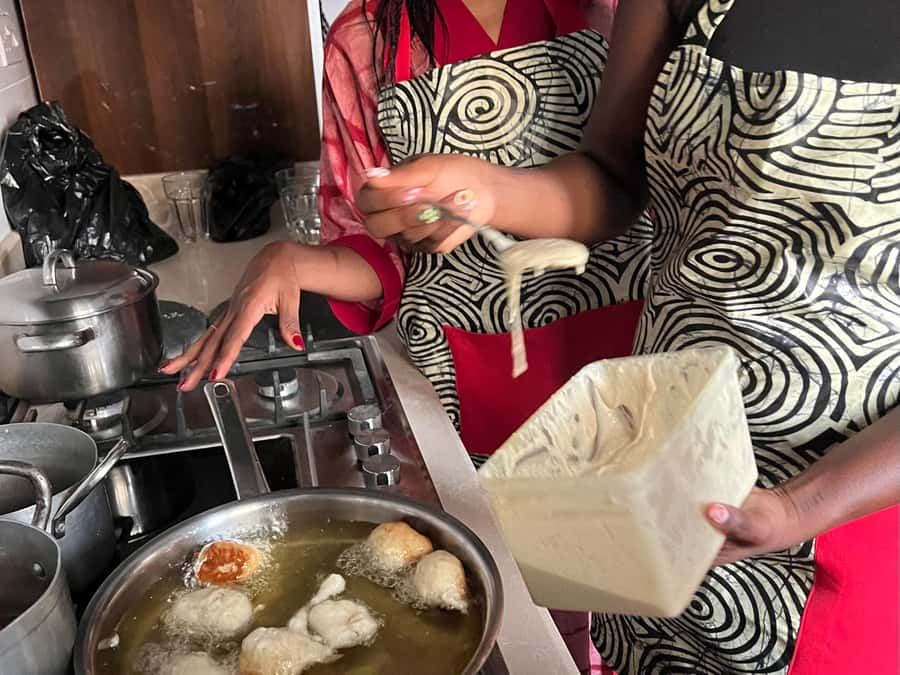
The sweet side of the class includes puff puff, a popular fried dough snack. You may also work on meat pie, which adds another preparation style and gives the class a familiar reference point for comparison.
Pepper soup brings a different profile, with spices and heat at the center. The variety of dishes means you are not spending five hours learning one recipe only. You get a broader introduction to Nigerian flavors and home cooking methods.
The advantage is range. The possible drawback is that a long list of dishes can mean less time on each one. If you have a favorite, such as jollof rice or egusi soup, tell Aisha early so you can pay close attention to the techniques that matter most to you.
More Cooking Classes in the world:
- Half-Day Thai Cooking Class at Organic Farm in Chiang Mai
★ 5.0 · 19,087 reviews - Florence: Pasta Cooking Class with Unlimited Wine
★ 4.9 · 10,285 reviews - 3 in 1 Cooking Class near Navona: Fettuccine, Ravioli & Tiramisu
★ 5.0 · 7,376 reviews - Florence: Pasta & Tiramisu Cooking Class with Unlimited Wine
★ 4.9 · 6,708 reviews
Taking the food beyond Lagos
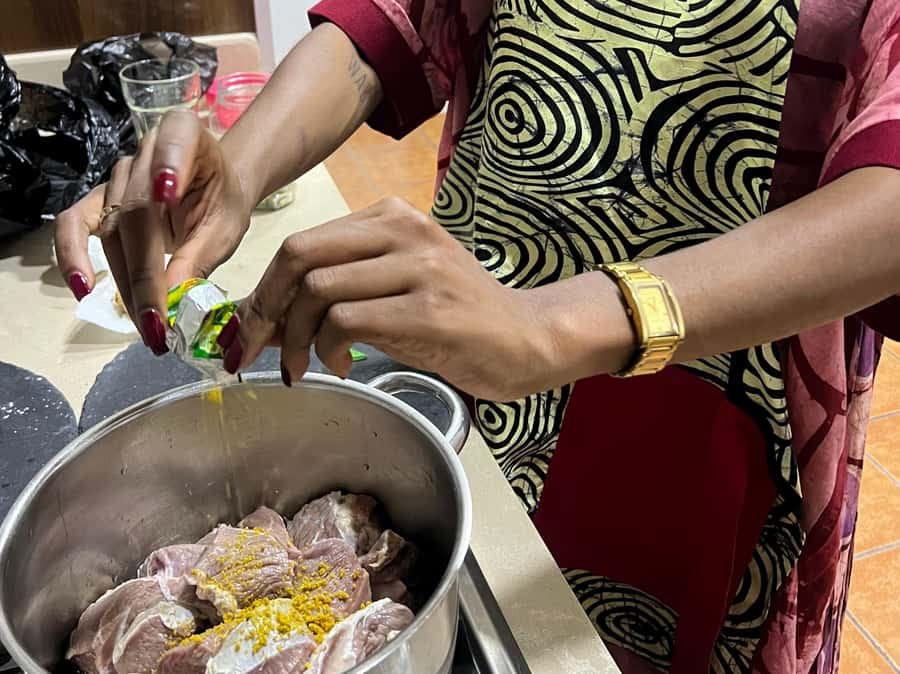
You get to take the cooked food home, which makes the experience feel like a meal as well as a lesson. It also gives you a chance to taste what you prepared instead of relying only on memory or a demonstration.
The Adire apron is a particularly nice souvenir. Adire is a Nigerian tie-dye textile tradition, and receiving a locally made apron connects the cooking activity to local craft. It is more useful than a small decorative item because you can wear it the next time you try the recipes.
You also receive a PDF recipe book with measurements and instructions for the dishes made in class. This matters because cooking lessons can fade quickly once you return home. Written quantities and steps give you a way to repeat the food without guessing.
The recipe book will not replace practice. Nigerian cooking can involve unfamiliar ingredients and methods, and your first attempt at home may not taste exactly like the class version. Still, having the instructions makes the class far more practical than an experience that ends when the meal is finished.
Is $175 good value for two people?
The price is $175 per private group of up to two people. For two participants, that works out to $87.50 each for five hours, including the market visit, private instruction, ingredients, prepared food to take home, an Adire apron, and the PDF recipes.
That is a stronger value for a couple, friends, or two family members who want to cook together. You are paying for personal attention rather than a seat in a large group, and the private format can make a major difference when you are learning unfamiliar dishes.
For one person, the full group price feels more expensive. The advantage is that you still receive a private class rather than joining strangers, but solo visitors should decide how much they value personal instruction and cultural context.
The price is also easier to justify if you care about learning rather than simply eating. A restaurant meal might cost less, but it would not include the market visit, guidance on ingredients, cooking practice, apron, and recipe book.
Who will enjoy this most?
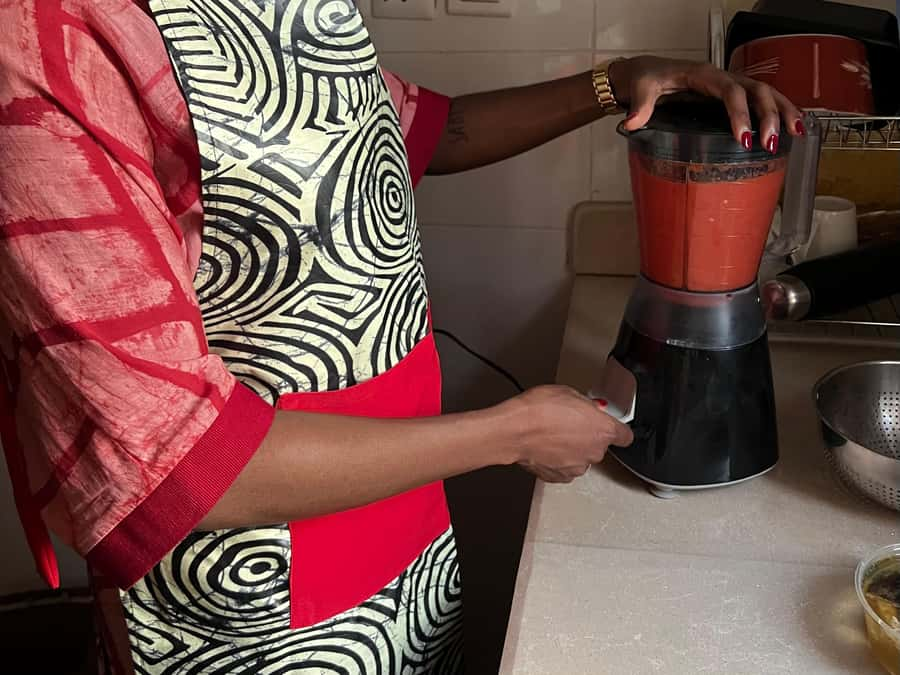
I would recommend this for anyone who wants food to be the main way into Nigerian culture. It suits curious eaters, home cooks, couples, and small groups who prefer a personal experience over a large tour.
It is also a good fit if you want to bring a new skill home. The dishes are familiar enough to be appealing, but the ingredients and methods offer something different from a standard international cooking class.
This is less suited to someone who dislikes markets, heat, noise, or hands-on preparation. You will not simply sit down and receive a finished meal. You will shop, handle ingredients, cook, and spend part of the day in a private home.
Families with young children should pay close attention to the age limits. Children under five are not suitable, and the activity is not suitable for children under 13. The format is better for adults and older participants who can stay involved for five hours.
Practical planning for your five hours
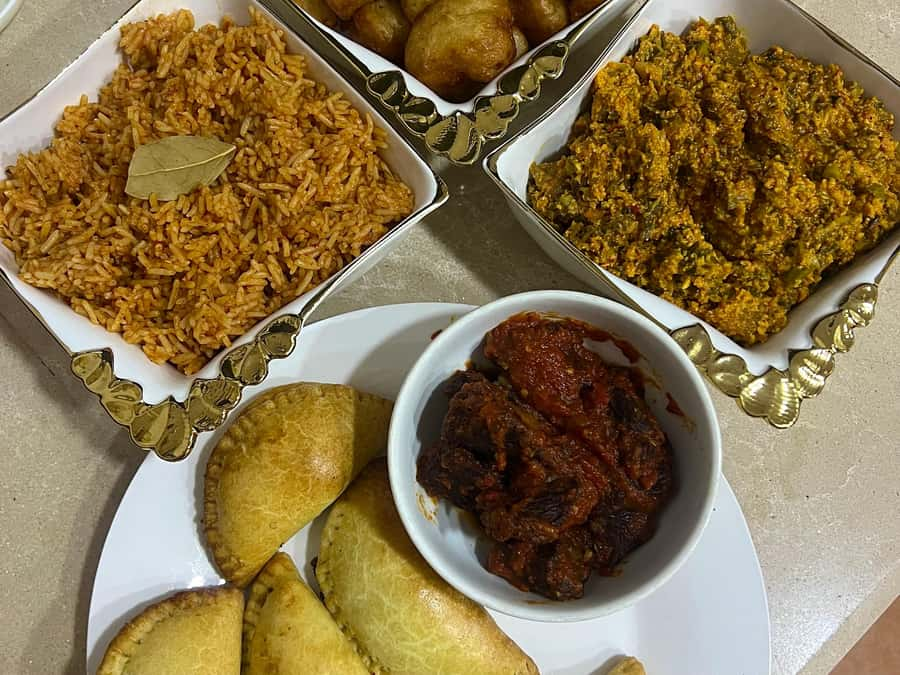
Wear comfortable shoes and clothing suited to market walking and kitchen work. Bring water, sunscreen, and a sun hat or hat, especially since the market portion takes place outdoors.
Carry your international passport or a copy. This is required because the class takes place in Aisha’s home, and a copy is accepted.
The activity has flexible starting times based on availability. It lasts five hours, so avoid placing it beside another appointment that requires a tight departure. You need enough time for the market, shopping, travel back to the kitchen, cooking, eating or packing the food, and receiving the apron and recipes.
Wheelchair accessibility is available. If you have specific mobility needs, confirm the practical details at booking, since the experience includes both a market visit and time in a home kitchen.
Free cancellation is available up to 24 hours in advance for a full refund. You can also reserve now and pay later, which helps if your Lagos schedule is still changing.
Should you book the Nigerian Cooking Class and Market Visit?
Book it if you want more than a meal. The strongest reason to choose this experience is the connection between market shopping and home cooking. You see the ingredients, learn how they are bought, then use them under Aisha’s guidance.
I especially like the combination of private instruction, Nigerian dishes, and useful take-home materials. The Adire apron and recipe book give the experience a life after your trip, while the five-hour format allows time for both the market and the kitchen.
Skip it if you want a short, polished demonstration or a quiet restaurant-style activity. The market can be active, the class is hands-on, and the passport requirement is part of the arrangement.
For two people who enjoy food and want a personal look at Nigerian daily life, $175 is a fair price. Aisha’s patient teaching, praised by Lade, and her welcoming, enthusiastic approach noted by Eleanor, are good reasons to expect a friendly class with plenty of guidance. Just arrive prepared for a real market, an active kitchen, and a full afternoon of cooking.
FAQ
How long does the Nigerian cooking class and market visit last?
The experience lasts five hours.
How much does the experience cost?
The price is $175 per private group of up to two people.
Is the activity private?
Yes. It is offered as a private group experience for up to two people.
Who leads the cooking class?
The class is hosted by Aisha, a home cook who teaches Nigerian food and cooking.
What language is the class taught in?
The activity is conducted in English.
Where does the market visit take place?
The market visit takes place in the Oniru beach neighborhood in the Lagos Island area.
What dishes can be included in the class?
Possible dishes include jollof rice, stew, egusi, fufu, puff puff, meat pie, and pepper soup.
What do I need to bring?
Bring comfortable shoes, a sun hat or hat, sunscreen, water, and your international passport or a copy.
Do I need identification?
Yes. Because the class takes place in Aisha’s home, you must present an international passport. A copy is accepted.
What is included after the cooking class?
You can take your cooked food home and receive a locally made Adire apron and a PDF recipe book with measurements and instructions.
Newest classes around the world
- Aroidee’s Farm-Fresh Thai Cooking Experience★ 5.0 · 8 reviews
- Authentic Thai Cooking Class and Farm Visit in Chiang Mai★ 5.0 · 66 reviews
- Signature Thai Cooking Course★ 5.0 · 79 reviews
- Half Day Guided Thai Cooking Class in Chiang Mai★ 5.0 · 13 reviews
- Yummy Tasty Thai Cooking School in Chiang Mai★ 5.0 · 2 reviews
- Online Thai and Akha Cooking Class★ 5.0 · 70 reviews
- Northern Thai Cooking Class in Chiang Mai in a Countryside Home★ 5.0 · 2 reviews
- Private Half-Day Thai Cooking Class in Chiang Mai★ 5.0 · 4 reviews
Cooking Classes with a Market Tour, compared.
Hanoi Cooking Class: Culture, Local Market & Meaning CSR Impact
Read our review →
5 Traditional Dishes Hanoi Cooking Class with Market Trip
Read our review →
Cooking Class and Lunch at a Tuscan Farmhouse with Local Market Tour from Florence
Read our review →
Cooking Class, Market & Thai Herbs Garden Tour
Read our review →
Authentic Cooking Class with Market & Farm Visit
Read our review →
Paella Cooking Experience & Boqueria Market Tour
Read our review →
Cooking Class Hoi An:Local Market, Basket Boat, Fishing & Cooking
Read our review →