Review · COOKING CLASSES WITH A MARKET TOUR
Kuala Lumpur: Malaysian Cooking Class with Market Tour
Kuala Lumpur’s food culture makes the most sense when you start with the ingredients. This experience takes you through TTDI Wet Market before moving to LaZat Cooking School, where you grind spices, work with traditional utensils, and cook a three-course Malaysian lunch.
I like the market-to-table format, and I like that each day features a different ethnic menu. The individual cooking station, including a gas burner, mortar and pestle, and utensils, also gives you real work to do instead of leaving you to watch a chef from the sidelines.
The main drawback is the early start and the location logistics. You must make your own way to the wet market, and the class ends without transport onward. At $149 per person, this is a serious food experience rather than a cheap lunch, so you should plan to cook, learn, and stay for most of the morning.
Key points to know before booking
- Meet at TTDI Wet Market at 8:30 AM: Your day begins at the entrance facing Jalan Wan Kadir, not at the cooking school.
- Shop before you cook: The market visit helps you connect Malaysian dishes with the fresh herbs, spices, and other ingredients used later.
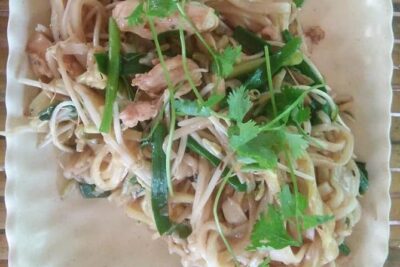
- Cook a full three-course meal: You prepare an appetizer, main course, and dessert, then eat the lunch together.
- Menus change by day: The exact dishes are not fixed, so check the date if you have your heart set on a particular menu.
- Saadiah is a memorable possible instructor: If she is leading your class, expect personal stories about Malaysian food and culture alongside the cooking.
- Bring your own transport plan: The transfer from the wet market to LaZat is included, but transport to the market and after class is not.
Starting at TTDI Wet Market at 8:30 AM
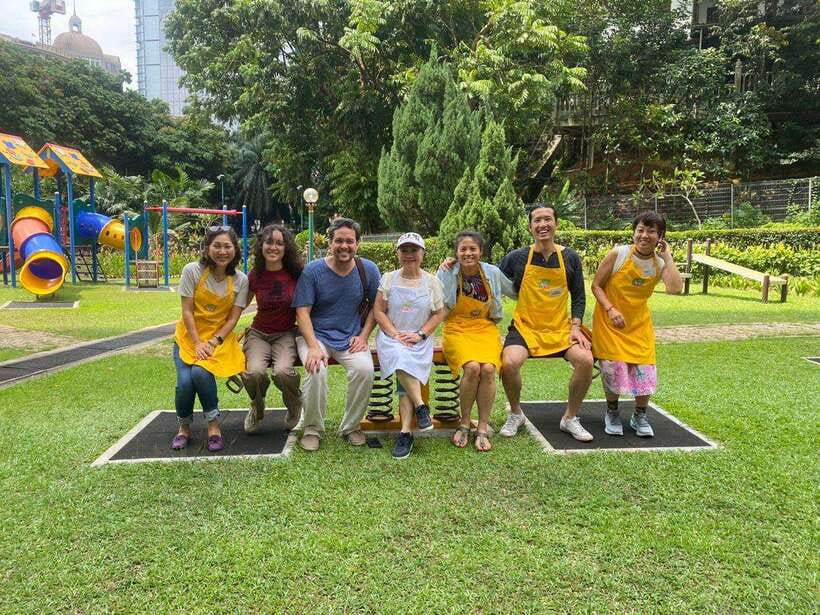
The meeting point is TTDI Wet Market, also called Pasar Besar TTDI. Look for the representative at the entrance facing Jalan Wan Kadir. This detail matters because the activity does not begin at LaZat Cooking School, and arriving at the wrong place could cost you the market portion.
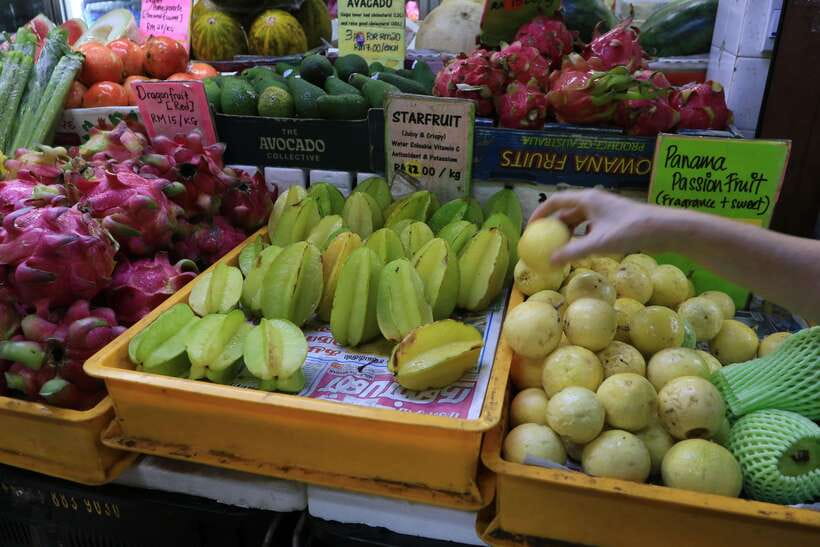
The early meeting time suits Kuala Lumpur’s food culture. You see ingredients in their everyday setting before they are measured and arranged for a cooking lesson. The market portion is not just a quick shopping stop. It gives your guide a chance to explain local ingredients and cooking methods while you see where the food begins.
You should allow time to reach the market on your own. Transport there is not included, and the directions supplied identify the meeting entrance rather than offering a pickup service. After the market visit, a transfer to LaZat Cooking School is included, which removes the awkward part of getting from the market to the kitchen.
The visit also gives you a small taste of local eating before class. Roti canai at the market has been singled out as a particularly good morning bite, so you may want to arrive with enough room for a snack. Snacks, coffee, and tea are included in the activity, but any extra market food is your own expense.
More Cooking Classes with a Market Tour in the world:
- Hanoi Cooking Class: Culture, Local Market & Meaning CSR Impact
★ 5.0 · 5,147 reviews - 5 Traditional Dishes Hanoi Cooking Class with Market Trip
★ 5.0 · 4,890 reviews - Cooking Class and Lunch at a Tuscan Farmhouse with Local Market Tour from Florence
★ 5.0 · 4,831 reviews
Seeing Malaysian ingredients before handling them
I like the order of this experience. You first see the produce, herbs, spices, and other market goods in context. Then you use related ingredients in the kitchen. That simple sequence helps you remember what you are cooking and why each item matters.
LaZat places strong emphasis on fresh herbs and spices from its garden and local farms. The goal is not simply to hand you a recipe and send you home. You learn how flavor develops through preparation, grinding, mixing, and careful cooking.
The school’s approach follows founder Ana’s family cooking philosophy: treat ingredients with care and give them time and attention. That idea can sound poetic, but it has a practical side. Malaysian cooking often depends on the way aromatics and spices are handled before they meet the pan, and the mortar and pestle lets you feel that process directly.
The market tour also gives the instructor a natural way to talk about Malaysian food traditions without turning the morning into a lecture. You can ask about unfamiliar ingredients as you see them, then recognize them later when they appear at your station.
Moving from the market to LaZat Cooking School
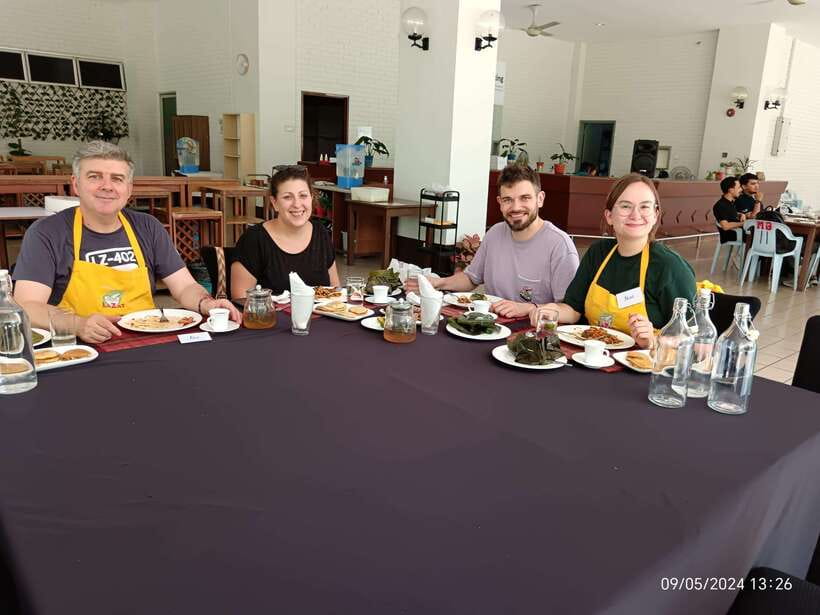
Once the market portion ends, the included transfer takes you to LaZat Cooking School. This is useful because you do not have to arrange a second taxi or work out public transport between the two parts of the morning.
The total experience lasts 330 minutes, or five and a half hours. That is enough time for the market, the transfer, preparation, cooking, and lunch, but it also means you should not book a tight late-morning appointment immediately afterward.
The school welcomes individual participants and groups. You cook in a small-group setting with an instructor and other people, which gives you company without turning the class into a large demonstration. The exact group size is not stated, so you should expect a shared class rather than a private lesson.
English, Malay, and Chinese are available as instructor languages. That gives you useful flexibility, especially if you are booking for a mixed-language group. The teaching style can also vary by instructor. Saadiah, when scheduled, brings personal stories about her life, Malaysian culture, and food into the lesson. Her classes have included nasi lemak and chicken rendang, two dishes that offer a strong introduction to Malaysian cooking.
Your own burner, mortar, and pestle
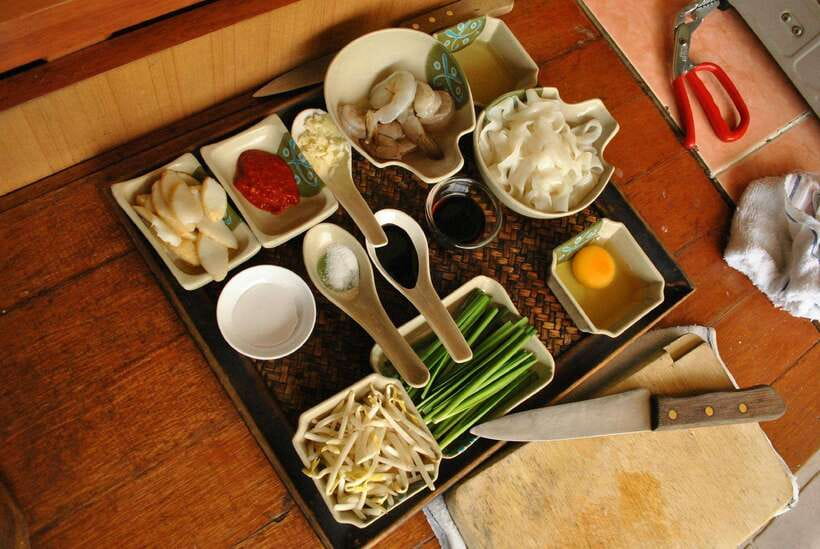
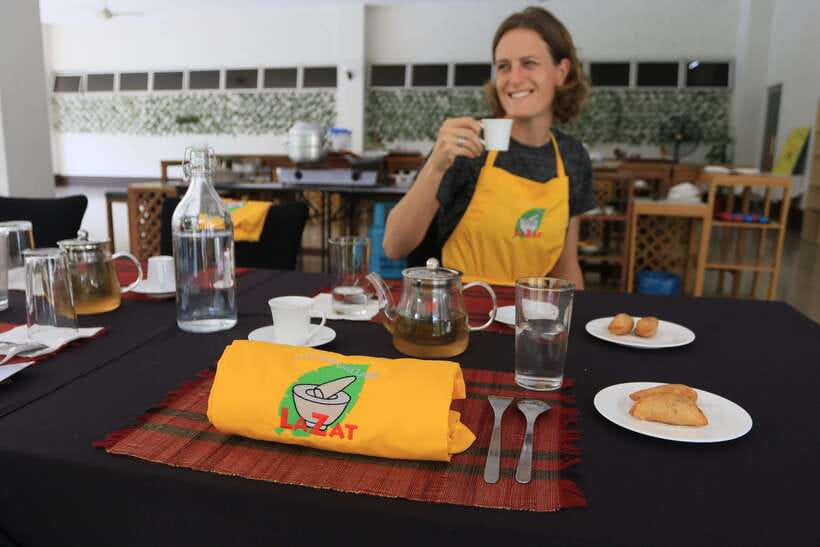
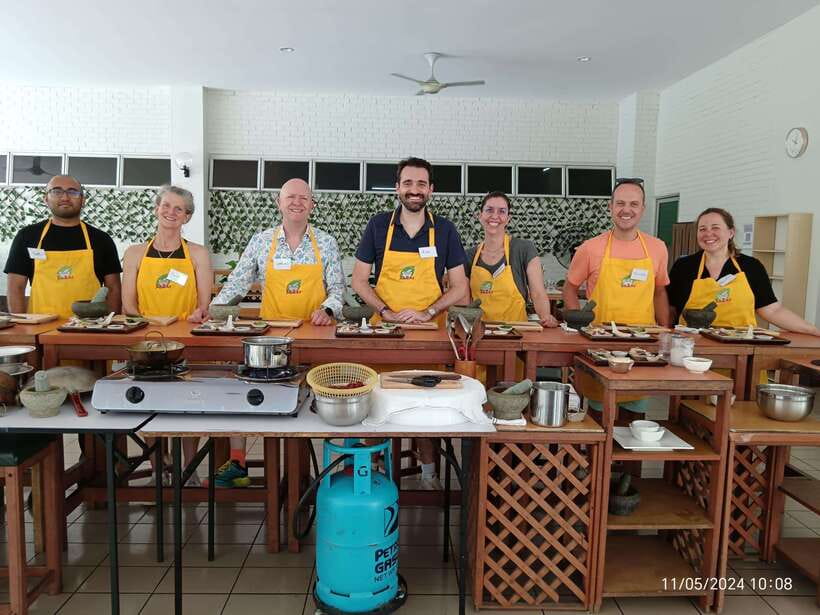
This is a hands-on class in the proper sense. Each participant receives an individual equipment set with a gas burner stove, countertop, cooking utensils, traditional utensils, and a mortar and pestle.
That setup is one of the strongest reasons to consider the price. You are not standing behind a counter watching someone else do all the important work. You handle the ingredients, use the tools, and follow the cooking process yourself, with guidance from the instructor.
The mortar and pestle is especially useful. It connects the class to older kitchen methods and makes spice preparation more physical than using a food processor. You can see how the texture of a spice paste affects a finished dish, rather than treating the seasoning as something that simply comes out of a packet.
The individual stations also make the class a good fit for people with different levels of cooking confidence. You can work at your own station while the instructor moves around the group, answers questions, and keeps an eye on safety. A basic level of kitchen experience is not required in the information provided, and the class is presented as suitable for both individuals and groups.
More Cooking Classes in the world:
- Half-Day Thai Cooking Class at Organic Farm in Chiang Mai
★ 5.0 · 19,087 reviews - Florence: Pasta Cooking Class with Unlimited Wine
★ 4.9 · 10,285 reviews - 3 in 1 Cooking Class near Navona: Fettuccine, Ravioli & Tiramisu
★ 5.0 · 7,376 reviews - Florence: Pasta & Tiramisu Cooking Class with Unlimited Wine
★ 4.9 · 6,708 reviews
A changing three-course Malaysian lunch
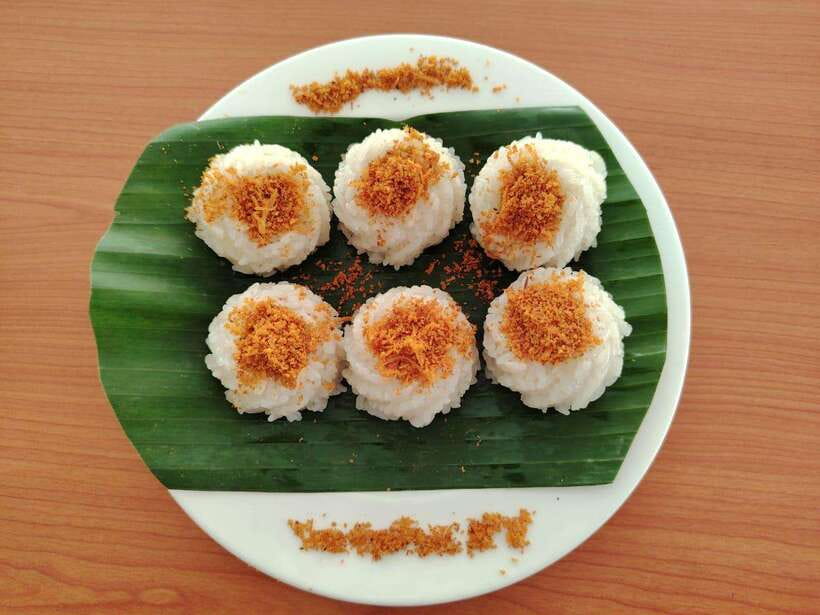
Each class includes an appetizer, main course, and dessert. The menu changes by day and may follow a different ethnic tradition, so you should not assume that every date offers the same meal.
That changing menu is a plus if you want a broader picture of Malaysian food. It is less convenient if you are booking specifically for one dish. If nasi lemak or chicken rendang is your priority, check the date and menu details before paying.
Nasi lemak and chicken rendang make a particularly useful pair for learning. Nasi lemak shows how a Malaysian meal brings together rice and accompanying flavors, while rendang teaches you about slow cooking and spice. The exact menu is not guaranteed for every class, though, so I would treat these dishes as examples rather than promises.
Dessert is part of the work, not an afterthought. Preparing a sweet course rounds out the lesson and gives you a complete meal to share at the end. You are not just learning one recipe. You are building a three-part lunch with the group.
After cooking, you sit down and eat what you have prepared. This is where the morning’s work pays off. The meal gives you time to compare results, talk with the instructor, and enjoy the food while it is fresh.
The human side of the lesson
A good cooking class depends heavily on the teacher. LaZat’s instructors are meant to guide you through technique while also explaining the cultural meaning behind the dishes.
Saadiah has received especially strong praise for her warmth, helpful teaching, and ability to connect food with Malaysian life and culture. If she is leading your class, you can expect more than step-by-step instruction. Her teaching has included stories about her own background, which helps place the recipes in a personal setting.
The experience is also social without requiring you to arrive with a group. You cook alongside other participants, share lunch, and work through the same recipes together. That format suits solo visitors who want an activity with built-in company, as well as couples and families who prefer doing something practical together.
The class is welcoming to different dietary needs. Still, you should communicate those needs when booking or ahead of the class, rather than waiting until ingredients are being prepared. The supplied information says the school welcomes everyone regardless of dietary requirements, but it does not list specific substitutions for each menu.
Is $149 a fair price?
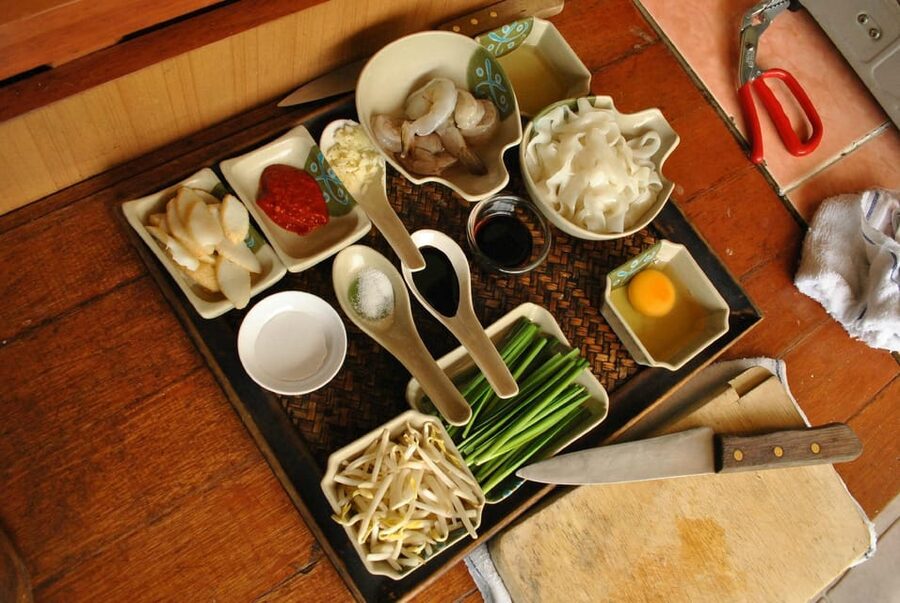
At $149 per person, this is not the right choice if your main goal is simply to eat an inexpensive Malaysian lunch. You can find food in Kuala Lumpur for far less.
The value comes from the full package: a market tour, instruction from local chefs, an individual cooking setup, snacks, coffee or tea, the transfer to the school, and a three-course meal that you prepare yourself. The class lasts five and a half hours, so you are paying for a substantial activity rather than a short cooking demonstration.
I think the price makes the most sense if you enjoy food enough to care about technique and ingredients. You also get something that can continue after the class, since the family recipes and cooking methods may help you recreate Malaysian dishes at home.
The value is weaker if you dislike early mornings, prefer a private class, or want a fixed menu. The experience is small-group rather than private, and the daily menu changes. You also need to budget for your own transport to the wet market and away from the school after lunch.
Who should book this cooking class?
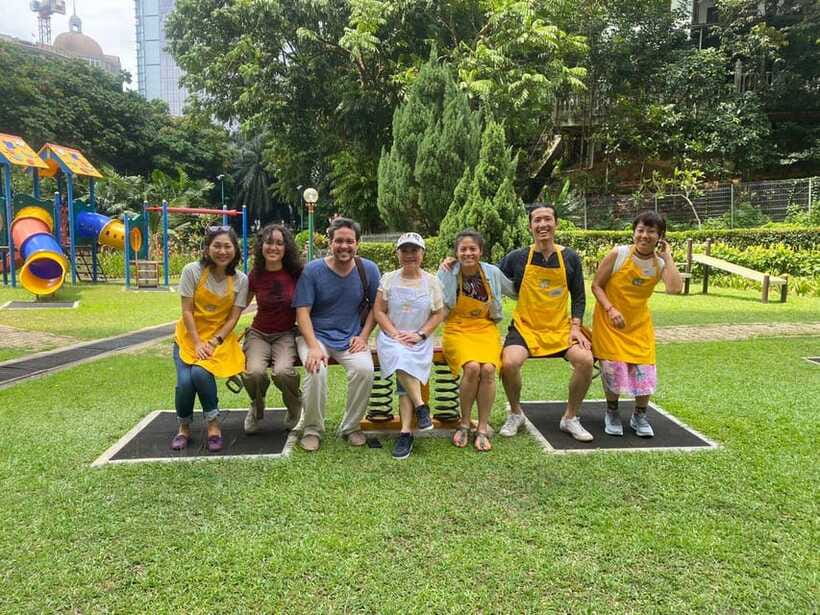
I would recommend it to food-focused visitors who want a closer look at Malaysian cooking than a restaurant meal can provide. It suits solo visitors, couples, friends, and groups looking for a shared activity with a clear beginning and end.
It is also a good choice if you want cultural context without signing up for a long sightseeing tour. The market, the traditional tools, the family recipes, and the instructor’s stories all point back to daily Malaysian food habits.
Families and mixed-ability groups may appreciate the individual workstations. You can participate at your own pace while still receiving help from the instructor. The school’s stated welcome for dietary needs is another useful point for groups with different requirements.
I would hesitate if you need a late start, must leave Kuala Lumpur by midday, or want to know your exact dishes in advance. The 8:30 AM meeting, five-and-a-half-hour schedule, changing menu, and independent transport arrangements require some planning.
Practical details that affect your morning
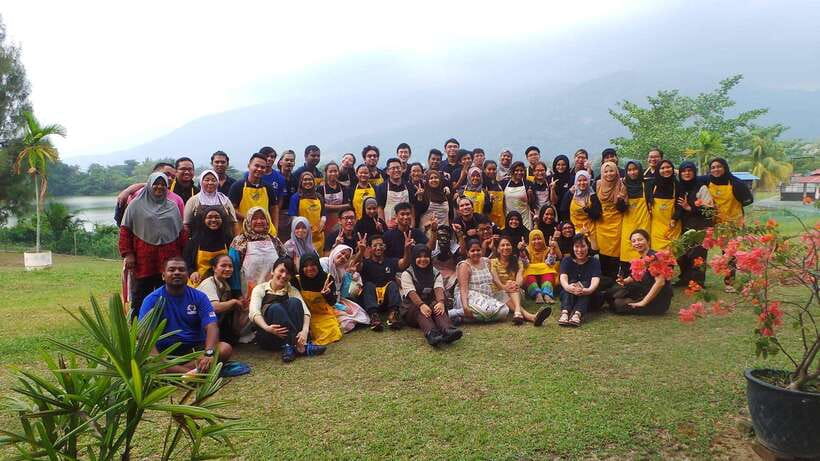
Your transport to TTDI Wet Market is not included. The market meeting point is the entrance facing Jalan Wan Kadir, and the guide or representative waits there at the start time.
The transfer from the wet market to LaZat Cooking School is included. Transport after the class ends is not included, so decide in advance how you will continue your day.
Coffee, tea, and snacks are provided. Alcoholic drinks are not included. Since you are preparing and eating a full three-course lunch, avoid scheduling another major meal immediately afterward.
The activity can be canceled up to 24 hours in advance for a full refund. You can also reserve now and pay later, which is useful if your Kuala Lumpur plans are still shifting.
Should you book LaZat Cooking Class?
Book it if you want to understand Malaysian food by handling it yourself. The combination of TTDI Wet Market, a personal cooking station, traditional tools, a changing three-course menu, and a shared lunch gives you a fuller experience than a standard chef demonstration.
Before booking, confirm the date, menu, meeting point, and transport plan. If Saadiah is scheduled and you enjoy stories alongside cooking instruction, that may be an especially appealing class date. Skip it if you want a quick meal, a private lesson, or a guaranteed dish.
For food lovers willing to give up most of a morning, the $149 price is reasonable because the class offers both a meal and a practical introduction to Malaysian cooking.
FAQ
Where does the Malaysian cooking experience begin?
It begins at TTDI Wet Market, also known as Pasar Besar TTDI. The meeting point is at the entrance facing Jalan Wan Kadir.
What time does the market tour start?
The market tour begins at 8:30 AM.
How long does the activity last?
The full experience lasts 330 minutes, which is five and a half hours.
Is transport to the wet market included?
No. You must arrange your own transport to TTDI Wet Market.
Is transport from the market to the cooking school included?
Yes. A transfer from the wet market to LaZat Cooking School is included after the market tour.
Is transport after the cooking class included?
No. Transport after the class finishes is not included.
What food do you prepare?
You prepare a three-course lunch consisting of an appetizer, main course, and dessert. The menu changes by day, and examples include nasi lemak and chicken rendang.
What languages are available?
The instructors speak English, Malay, and Chinese.
What equipment is provided?
Each participant receives an individual gas burner stove, countertop, cooking utensils, traditional utensils, and a mortar and pestle.
Are snacks and drinks included?
Yes. Snacks, coffee, and tea are included. Alcoholic beverages are not included.
Newest classes around the world
- Aroidee’s Farm-Fresh Thai Cooking Experience★ 5.0 · 8 reviews
- Authentic Thai Cooking Class and Farm Visit in Chiang Mai★ 5.0 · 66 reviews
- Yummy Tasty Thai Cooking School in Chiang Mai★ 5.0 · 2 reviews
- Signature Thai Cooking Course★ 5.0 · 79 reviews
- Half Day Guided Thai Cooking Class in Chiang Mai★ 5.0 · 13 reviews
- Online Thai and Akha Cooking Class★ 5.0 · 70 reviews
- Northern Thai Cooking Class in Chiang Mai in a Countryside Home★ 5.0 · 2 reviews
- Private Half-Day Thai Cooking Class in Chiang Mai★ 5.0 · 4 reviews
Cooking Classes with a Market Tour, compared.
Hanoi Cooking Class: Culture, Local Market & Meaning CSR Impact
Read our review →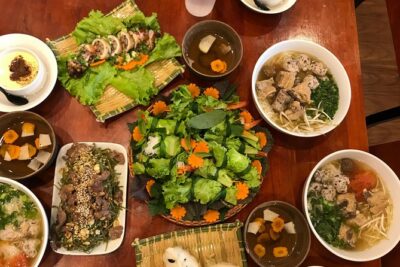
5 Traditional Dishes Hanoi Cooking Class with Market Trip
Read our review →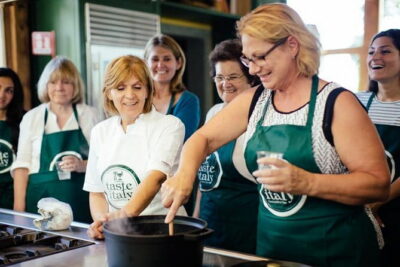
Cooking Class and Lunch at a Tuscan Farmhouse with Local Market Tour from Florence
Read our review →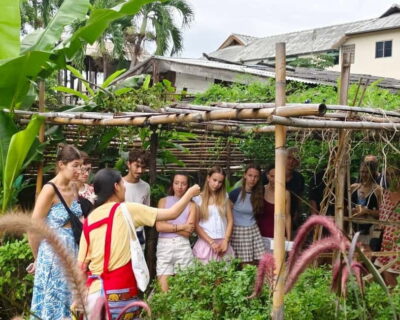
Cooking Class, Market & Thai Herbs Garden Tour
Read our review →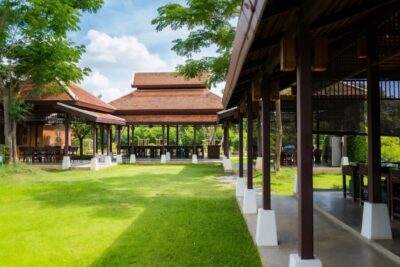
Authentic Cooking Class with Market & Farm Visit
Read our review →
Paella Cooking Experience & Boqueria Market Tour
Read our review →
Cooking Class Hoi An:Local Market, Basket Boat, Fishing & Cooking
Read our review →