
Review · ITALY COOKING CLASSES
Homemade fresh pasta cooking class
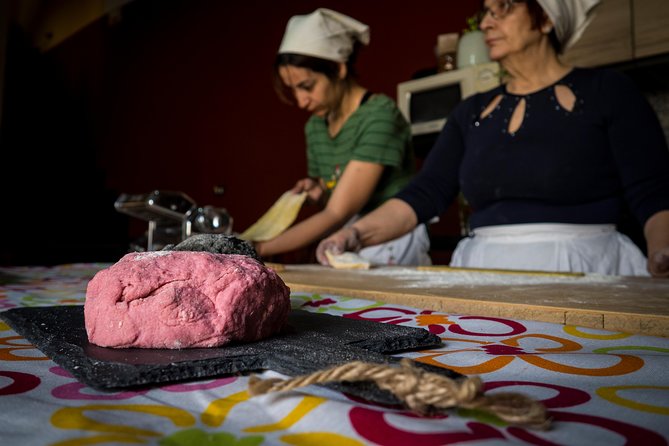
Sardinian pasta is the heart of this four-hour experience. In Sinnai, a small town near Cagliari, Isabella and Valerio teach you to make malloreddus, the island’s ridged little pasta, and culurgiones, ravioli folded into a distinctive wheat-stalk shape. The class takes place inside a traditional Campidanese house, with mud-brick walls and wooden roofs.
I like the personal scale, with no more than 10 people, and the chance to learn recipes you can actually repeat at home. I also like the setting: this feels more like cooking with a Sardinian family than attending a polished demonstration. The main caution is important for solo bookers: the experience requires at least two participants, yet the booking system has occasionally accepted a one-person reservation.
Key points to know before booking
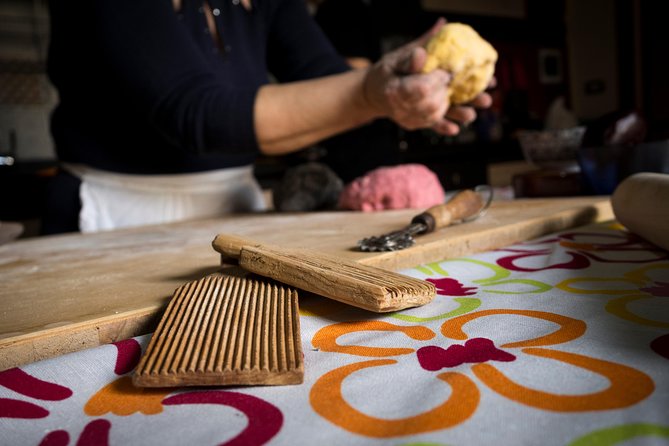
- Two classic Sardinian pastas: Learn malloreddus and the carefully folded culurgiones.
- A real home in Sinnai: The class takes place in a historic Campidanese-style house near Cagliari.
- Warm, personal teaching: Isabella and Valerio lead the class in English, with close help in a group of up to 10.
- Lunch is an option: Choose the lunch version for pasta, local starters, wine, coffee, and other Sardinian products.
- Pets share the house: Two cats and one dog live there, so this suits animal lovers and may not suit anyone with allergies.
- Pickup from Cagliari: Free transfer is offered within 20 kilometers of the city, with a surcharge beyond that area.
Why this pasta class feels different
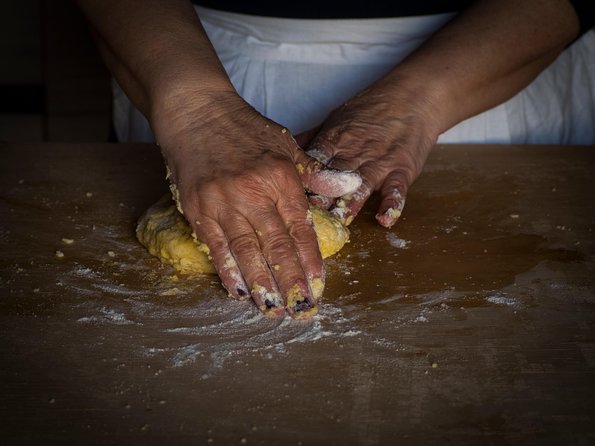
Many pasta classes are held in commercial kitchens built for demonstrations. This one takes place in Sinnai, where Isabella and Valerio open their home to you. That change of setting matters. You see a small Sardinian town rather than spending the whole day in central Cagliari, and the cooking is tied to a household rather than a cooking school.
Sinnai still has examples of traditional Campidanese houses in its old centre. Their mud-brick walls and wooden roofs give the class a strong sense of place. You are not simply making generic pasta in Italy. You are working with two shapes that belong to Sardinia, an island with its own food traditions and local identity.
The tone is informal and social. Isabella teaches the cooking, while Valerio helps host and explain. The experience is offered in English, and the hosts have been praised for speaking it well. That makes the class a good fit if you want conversation about Sardinian food and culture without worrying about a language barrier.
The presence of Isabella and Valerio’s family adds to the homelike feel. Their mother has also been involved in some sessions, and the household includes two cats and a dog. If you enjoy animals, this is part of the charm. If you have an allergy, tell the operator before you go and consider the setting carefully.
More Pasta Making Classes in Italy:
- Florence: Pasta Cooking Class with Unlimited Wine
★ 4.9 · 10,285 reviews - 3 in 1 Cooking Class near Navona: Fettuccine, Ravioli & Tiramisu
★ 5.0 · 7,376 reviews - Florence: Pasta & Tiramisu Cooking Class with Unlimited Wine
★ 4.9 · 6,708 reviews
Arriving in Sinnai from Cagliari
Pickup is available from hotels and other locations in and around Cagliari. The transfer is free within 20 kilometers of the city. A surcharge applies if you are farther away, so confirm the exact pickup point and cost before finalizing plans.
The organizers ask you to call or message at least 24 hours before the class to confirm pickup and discuss allergies or food intolerances. I would treat that as essential, not optional. It gives you a chance to make sure the driver knows where to meet you and that the class is ready for your dietary needs.
The transfer also makes the experience easier for visitors who do not have a car. Sinnai is near Cagliari, but you will not need to work out your own route if you qualify for included pickup. If you are staying outside the free zone, compare the surcharge with the cost and effort of arranging your own transport.
The day lasts about four hours. That includes the instruction, pasta making, cooking, and, if selected, the shared lunch. The pace is not designed for a quick one-hour lesson. Give yourself room in your schedule, especially if pickup is involved.
Making malloreddus, Sardinia’s little ridged pasta
The class covers two different pasta styles, which gives you more than one technique to take home. Malloreddus is often described as Sardinian gnocchi, although it is made from pasta dough rather than potato. Its small, ridged shape is built to hold sauce.
You will learn how to form the pieces by hand. The appeal is practical: the process does not depend on expensive equipment or advanced kitchen skills. Once you know the basic method, you can make the pasta again at home and adjust the quantity for your own table.
This part of the class is likely to be the easier of the two shapes. It gives you a steady start before moving to culurgiones, which calls for more care. If you are cooking with children or teenagers, malloreddus offers a simple task they can take part in without needing perfect finger work.
The class also gives context to the food. Pasta is not presented as an isolated recipe, but as part of Sardinian home cooking. Several sessions have included conversation about the island and its food traditions, which helps you understand why these shapes matter beyond their appearance.
Folding culurgiones into their signature pattern
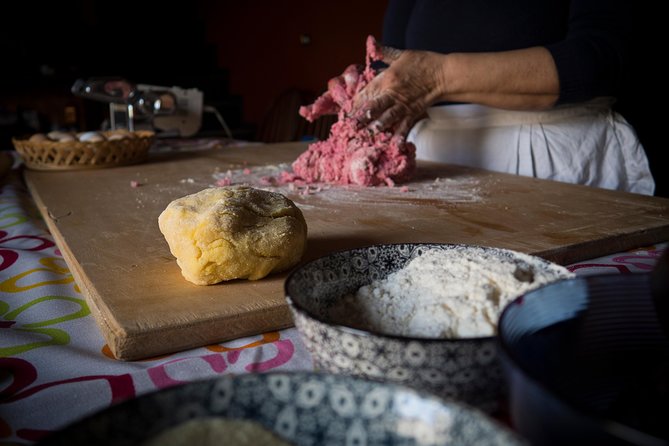
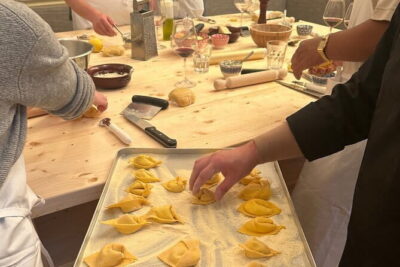
Culurgiones are Sardinian ravioli, usually filled and closed by hand. Their distinctive seal is often compared to a wheat ear or stalk. This folding technique is the most special skill in the class, but it may also be the part that demands patience.
Do not expect your first few pieces to look perfect. The value is in learning the movement and seeing how the shape develops. Isabella and Valerio can give personal help because the class is limited to 10 people, and smaller groups make it easier to ask for another demonstration.
The culurgiones lesson also gives the class a stronger connection to Sardinia. You are learning a shape with a clear regional identity, not just a standard ravioli technique found in many parts of Italy. It is the kind of recipe that can bring back a specific place when you prepare it later.
One useful detail is that recipes are shared, so you are not left with only a pleasant memory and a vague idea of what happened. Write down any notes about filling, sealing, and cooking while the method is fresh.
More Cooking Classes in Italy:
- Florence: Pasta Cooking Class with Unlimited Wine
★ 5.0 · 6,413 reviews - Cooking Class and Lunch at a Tuscan Farmhouse with Local Market Tour from Florence
★ 5.0 · 4,831 reviews - Rome: Pasta Making Class with Wine, Limoncello, and Dessert
★ 4.9 · 3,177 reviews - Pastamania – Florence Pasta Making Class
★ 5.0 · 3,050 reviews
The lunch spread: local food beyond the pasta
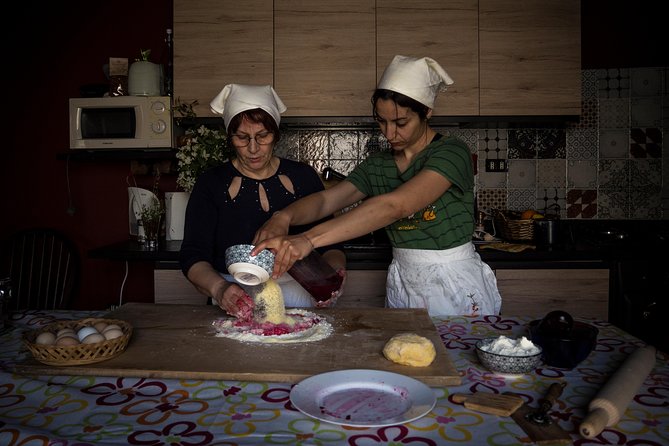
Lunch is included only when you select the lunch option. That distinction matters when comparing the price or deciding what you want from the day. The meal is not merely a bowl of pasta at the end of the lesson.
The sample menu includes cheese, dry sausage, seasonal vegetables, Sardinian bread, and Sardinian honey. Culurgiones and malloreddus form the main course, followed by coffee in some sessions. A glass of local wine is included with the meal.
This menu gives you a useful introduction to Sardinian table habits. The starters let you taste local products before the pasta arrives, while the bread, honey, cheese, and cured sausage add simple regional flavors. The seasonal vegetables keep the meal connected to what is available rather than turning it into a fixed restaurant menu.
The meal is also where the social side of the experience becomes strongest. You sit down with the people from the class and share what you have made. If you are looking for a formal cooking lesson with a quick departure afterward, this may feel longer than expected. If you want an unhurried meal and conversation, the extra time is part of the value.
Tell the hosts about allergies or intolerances in advance. The home includes pets, and the menu may need adjustments depending on your needs. Do not wait until the lesson begins to raise an important dietary concern.
What the small group changes
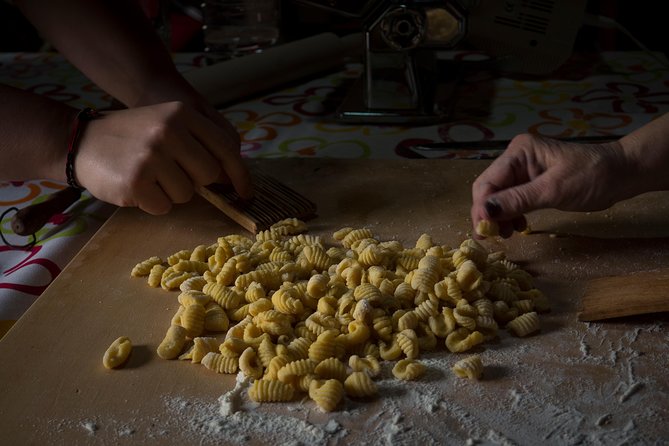
The maximum group size is 10 people. That is still large enough for a lively table, but small enough to keep the lesson personal. You are not likely to spend the whole class watching from the back of a room.
Personal attention matters most during the culurgiones folding. A teacher can look at your dough and hand position, then correct the problem before you produce a whole batch of poorly sealed pasta. The setting also encourages questions about ingredients, local customs, and the food on the table.
The group may include people from different countries. Previous sessions have brought together people from the United States, Germany, Argentina, and elsewhere. That mix can make the shared lunch more social, though it also means you should be comfortable spending several hours with a small group of strangers.
Families can work well here. The experience has suited adult children and teenagers, and the hands-on tasks give everyone something to do. A birthday or other special occasion can fit naturally into the meal, though the central focus remains Sardinian pasta.
Solo visitors need extra care. The stated minimum is two participants. The operator has acknowledged that its booking system has sometimes accepted a single booking even though the tour requires two people. Contact the provider directly at least 24 hours ahead, and ask for written confirmation that the class will run before relying on it for a major part of your itinerary.
Is $90.11 a fair price?
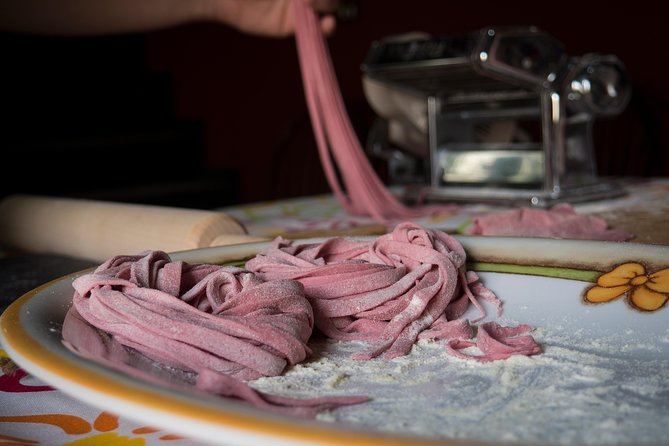
At $90.11 per person, this is not the cheapest meal you will find in Cagliari. You are paying for about four hours, instruction in two pasta shapes, the recipes, the home setting, and pickup within the free 20-kilometer area. If you choose lunch, you also receive a full spread of Sardinian products, homemade pasta, wine, and coffee.
The value is strongest if you want more than food. A restaurant can feed you for less, but it will not teach you to make culurgiones or take you into a traditional home in Sinnai. A shorter cooking lesson may cost less, but it may not include transport, two pasta styles, and a shared meal.
Check exactly which option you book. The lunch is listed as an option, so do not assume the full menu is part of every price. Also check the pickup surcharge if you are staying more than 20 kilometers from Cagliari.
The average advance booking period is 56 days. That suggests you should reserve early, especially if you need a particular date or are visiting during a busy season. I would not wait until the last morning to arrange this experience, particularly if you are traveling alone or need special food arrangements.
Who should book this class?
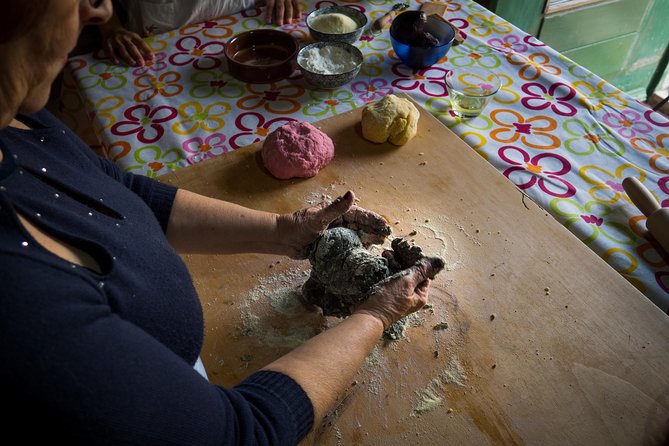
I would recommend it most strongly to people who enjoy learning through food and prefer a personal home setting to a formal school. It suits couples, families, and small groups of friends who want to spend half a day together rather than simply ticking off a meal.
It is also a good choice if you want to add something distinctly Sardinian to a Cagliari stay. Malloreddus and culurgiones give you two local recipes with different shaping methods, and Sinnai adds a small-town setting close to the capital.
The class may not suit you if you dislike animals, since two cats and a dog live in the house. It may also be a poor fit if you need a highly predictable commercial setup, have severe allergies, or are booking alone without confirming the minimum group requirement.
The activity is offered in English, and service animals are allowed. It is near public transportation, while pickup can remove much of the transport problem within the stated area.
Cancellation and planning details
You can cancel at least 24 hours before the local start time for a full refund. Changes or cancellations made inside that 24-hour window are not accepted for a refund.
The experience itself requires a minimum number of participants. If the operator cancels because that minimum is not met, you should be offered another date or experience, or a full refund. Because of the solo-booking issue, I would still contact the provider before the cancellation deadline and confirm that your reservation is active.
A mobile ticket is provided, and confirmation is issued when you book. Keep the pickup instructions handy, and send your hotel details and dietary information well ahead of time.
Should you book this Sardinian pasta experience?
Book it if you want a warm, hands-on food experience with local hosts, a traditional home, and two pasta shapes that clearly belong to Sardinia. The strongest reasons are the personal teaching, the unusual culurgiones folding, the generous lunch option, and the chance to spend time in Sinnai rather than only in Cagliari’s centre.
Think twice if you are traveling alone, have animal allergies, or want a quick, tightly programmed class. For everyone else, I would reserve ahead, choose the lunch option if you want the full social meal, and confirm pickup and the two-person minimum directly with Isabella and Valerio.
FAQ
Where does the pasta class take place?
It takes place in Sinnai, a small town near Cagliari, inside a traditional Campidanese-style house with mud-brick walls and wooden roofs.
Who teaches the class?
Isabella and Valerio teach and host the experience. The class is offered in English.
Which Sardinian pastas will I make?
You will learn to make malloreddus, also known as Sardinian gnocchi, and culurgiones, Sardinian ravioli closed with a distinctive folding pattern.
Is lunch included?
Lunch is included if you select the lunch option. The sample menu includes cheese, dry sausage, seasonal vegetables, Sardinian bread, honey, both pastas, wine, and coffee.
Are drinks included with lunch?
A glass of local wine is included with the lunch meal.
Is hotel pickup available?
Yes. Free pickup is offered within 20 kilometers of Cagliari. A surcharge applies to pickup locations farther away.
Are there pets in the house?
Yes. Two cats and one dog live in the house. You should tell the provider about allergies or intolerances before the class.
How many people can join?
The activity has a maximum of 10 participants and requires a minimum of two participants.
Can I cancel for a full refund?
Yes, if you cancel at least 24 hours before the experience’s local start time. Cancellations or changes made less than 24 hours before the start are not refunded.
Newest classes around Italy
- Cooking Class in a Sicilian countryhouse★ 5.0 · 5 reviews
- Cesarine: Market Tour & Home Cooking Class in Catania★ 4.0 · 6 reviews
- Cesarine: Home Cooking Class & Meal with a Local in Catania★ 4.5 · 10 reviews
- Cooking Class in Taormina with Lunch Included★ 5.0 · 2 reviews
- Cooking class in Capri for small groups★ 4.0 · 4 reviews
- Cooking Class and Wine Pairing in Capri★ 5.0 · 57 reviews
- Lezione di Cucina : Pasta Fresca★ 5.0 · 12 reviews
- Private Cooking Class Experience in Reggio Calabria★ 5.0 · 5 reviews
Italy Cooking Classes, compared.
3 in 1 Cooking Class near Navona: Fettuccine, Ravioli & Tiramisu
Read our review →
Pasta & Tiramisu Cooking Class with Unlimited Wine
Read our review →
Cooking Class and Lunch at a Tuscan Farmhouse with Local Market Tour from Florence
Read our review →
Pasta Making Class with Wine, Limoncello, and Dessert
Read our review →
Rome Cooking Class: Make Pasta and 3 Spritz Cocktails
Read our review →Browse the lists this tour appears in