
Review · HANOI COOKING CLASSES
Hanoi: Maya Traditional Cooking Class & Market Tour
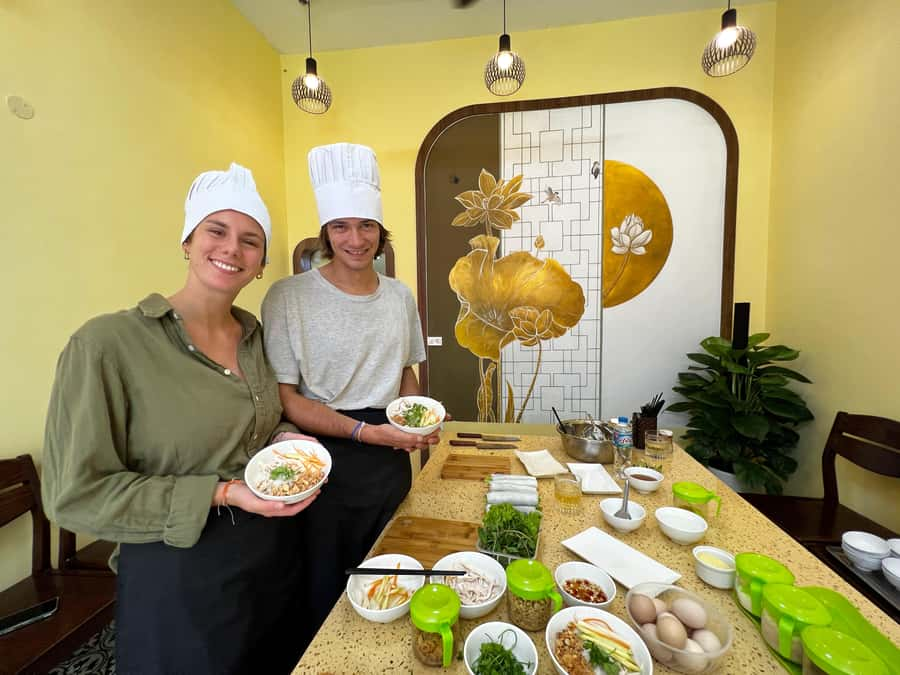
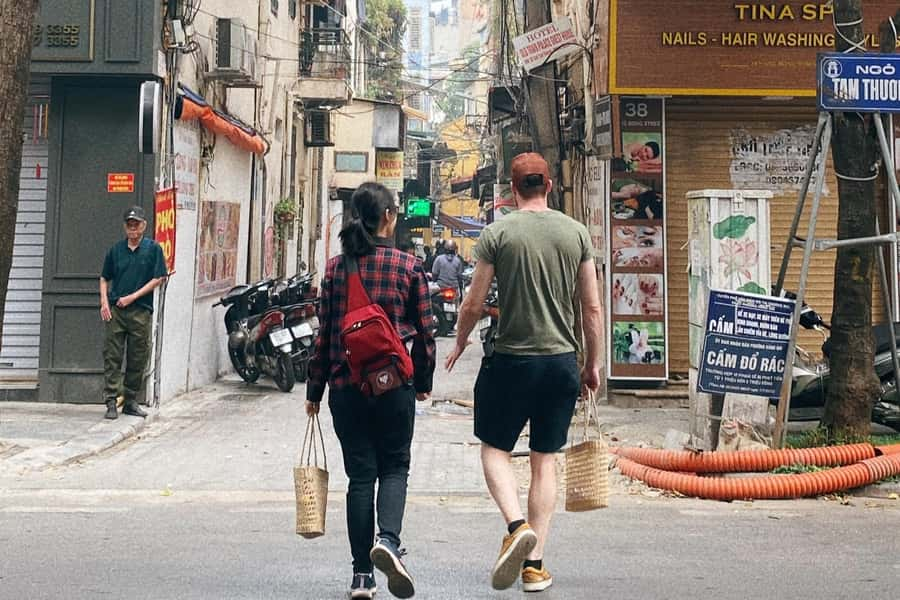
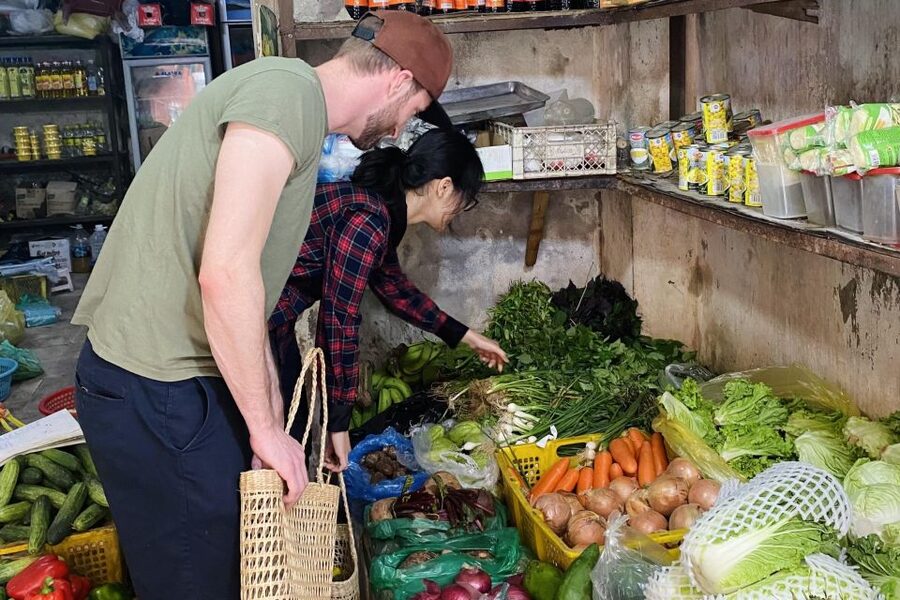
Hanoi’s Maya Traditional Cooking Class begins with a market visit, not a lecture. At Yen Thai Market, you see the fresh herbs, fruit, vegetables, and other ingredients that give Vietnamese food its clean, sharp flavors. Then you use those ingredients yourself, making pho rolls, fried spring rolls, papaya salad, mixed pho, and egg coffee.
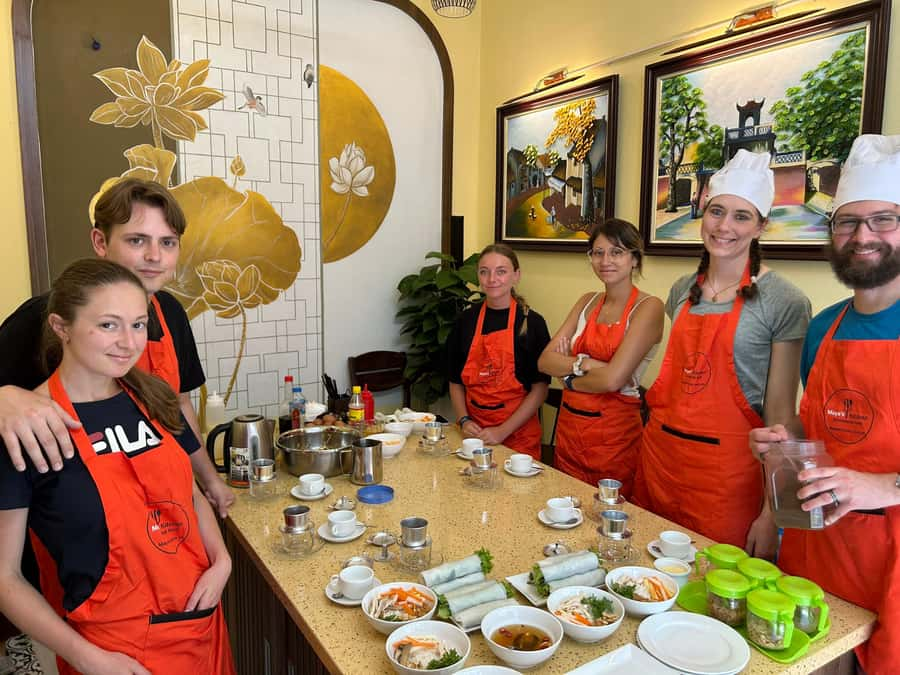
I like the hands-on format and the small groups, capped at 10 people. You are not simply watching a chef work from across the room. You roll, mix, fry, season, and ask questions. I also like the cultural side, especially the way guides such as Ruby, Iris, Stephanie, Evelyn, and Devin explain local ingredients and food customs in clear English.
The main thing to consider is timing. The class lasts three to four hours, and you normally eat after the cooking is finished, so do not arrive starving. An afternoon booking can also miss the market, since Yen Thai Market usually operates in the morning.
Key points at a glance
- Yen Thai Market first: See local produce and learn about ingredients before cooking with them.
- Five Vietnamese specialties: Prepare pho tron, pho cuon, fried spring rolls, papaya salad, and egg coffee.
- Small groups: The class is limited to 10 participants, with plenty of opportunity to take part.
- Practical teaching: Guides give step-by-step instructions, cooking tips, and recipes to use at home.
- Good value at $22: The price covers the market tour, ingredients, food, drinks, dessert, and local wine tasting.
- Morning is best: Book an early session if seeing the market is important to you.
Starting at Yen Thai Market in Hanoi
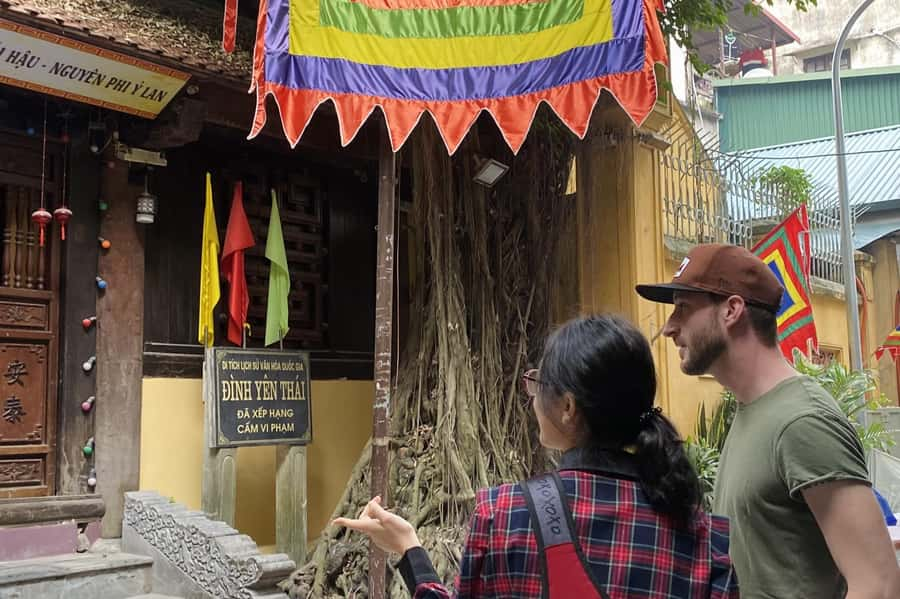
You meet at the Crossing Vietnam Tour office, then walk or travel to nearby Yen Thai Market with your guide. This opening gives the class a useful sense of place. Instead of treating Vietnamese food as a set of restaurant dishes, you see the raw ingredients that shape everyday cooking.
Your guide points out fresh produce and explains how ingredients are used. The market also helps with substitutions, which is valuable if you hope to recreate the recipes at home. Vietnamese cooking often depends on herbs, fruit, vegetables, noodles, and balancing flavors, so seeing the ingredients before handling them makes the later lesson easier to follow.
The market visit is fairly short. That is fine if you mainly want to shop for the cooking class and understand the basics. If you want a long market walk or a full food tour, this is not that kind of experience. The emphasis quickly shifts to the kitchen.
Morning matters here. Local markets may not be available for an afternoon class, so check the start time before booking. Early sessions also give you the best chance to see the market in its normal rhythm and choose fresh fruit for the meal.
Several guides have made this part especially useful. Devin has been praised for explaining unfamiliar fruit, while Anne and Stephanie have helped participants choose fresh produce. The exact guide varies, but the format is consistent: your instructor uses the market to introduce Vietnamese ingredients before the cooking begins.
More Cooking Classes with a Market Tour in Hanoi
- Hanoi Cooking Class: Culture, Local Market & Meaning CSR Impact
★ 5.0 · 5,147 reviews - 5 Traditional Dishes Hanoi Cooking Class with Market Trip
★ 5.0 · 4,890 reviews - Vietnamese Food Cooking Class in Hanoi with Market Experience
★ 5.0 · 778 reviews
A kitchen lesson built around four dishes
After the market, you head to the cooking space. The class is designed around four familiar Vietnamese dishes, each teaching a different technique and flavor balance:
- Pho tron, or mixed pho
- Pho cuon, or fresh pho rolls
- Nem ran, or fried spring rolls
- Nom du du, or green papaya salad
You also make ca phe trung, the famous Hanoi egg coffee, and finish with seasonal fruit. This is a generous menu for a three to four hour class, although the dishes are served in manageable portions. You should still plan for a substantial meal at the end.
The menu works well because it is varied. You learn rolling, mixing, frying, salad preparation, and drink making rather than repeating one basic method. It also lets you compare fresh, crisp, fried, savory, sweet, and creamy flavors in one sitting.
Fried spring rolls and the art of rolling
The first main lesson is usually fried spring rolls. Your instructor demonstrates how to prepare the filling and fold the wrappers, then guides you through the process. The rolling takes a little hand control. Neat, even rolls fry more reliably, so this is one of the few parts where technique matters more than simply following a recipe.
Fried spring rolls are linked with holidays and family gatherings in Vietnam, which gives the dish more meaning than a simple starter. You learn a useful party food while getting a small lesson in how food fits into Vietnamese social life.
The class keeps you involved. Guides such as Lena and Ruby have been praised for giving clear instructions and making sure everyone has something to do. That matters in a group class, since it is easy for one confident cook to take over. With a small group, you should have room to practice rather than just watch.
The rolls are fried as part of the meal. A cooking space may feel warm during this section, although one session took place in an air-conditioned room, and another included the memorable experience of frying on a balcony while rain fell over the busy street below. The exact setting can vary, but the cooking remains informal and practical.
Papaya salad and Vietnamese flavor balance
Next comes green papaya salad, known locally as nom du du. The dish centers on a sour and sweet balance, with crisp papaya providing the texture. This is a good lesson in Vietnamese seasoning because small adjustments can change the whole bowl.
Your instructor explains how to combine the elements and taste as you go. That is more useful than receiving fixed measurements alone. Vietnamese ingredients can vary in strength, and the recipes you receive later will work best when you also remember the taste you are aiming for.
This is one of the easier dishes to adapt at home if green papaya is difficult to find. The class discusses ingredient substitutes at the market, which helps you think beyond a strict shopping list. You are learning a method and a flavor pattern, not just copying a dish once.
More Cooking Classes with a Market Tour in Vietnam
- Hanoi: 5 Local Dishes Cooking Class with Meal & Market Visit
★ 5.0 · 420 reviews - Hanoi Cooking Class and Market Tour in Ancient House
★ 5.0 · 379 reviews - Rose Kitchen Hanoi: Market, Cooking & Culture Tour + Free PickUp
★ 5.0 · 342 reviews - Hanoi: Cooking Class in a Local Villa with Market Tour
★ 4.9 · 320 reviews
Fresh pho rolls, or pho cuon
Pho cuon uses pho noodles in a fresh roll rather than a hot soup. You assemble the components, roll them by hand, and serve them fresh. The result gives you a different way to think about pho, especially if you are used to the steaming bowl associated with Hanoi.
This part is less about heat and more about clean assembly. You need to keep the roll firm enough to hold together without squeezing out the filling. The instructor demonstrates the motion, then lets you repeat it.
The fresh rolls also balance the fried spring rolls well. One is crisp and cooked in oil, while the other is light and cool. That contrast makes the final meal feel varied instead of heavy.
Mixed pho, or pho tron
Pho tron is mixed pho, served without the usual soup format. It is a useful dish for showing how noodles, herbs, seasoning, and toppings can be combined into a complete meal without a bowl of broth.
You prepare the ingredients, mix the dish, and adjust the flavor with guidance from your instructor. Because the ingredients are combined at the end, this is another good chance to learn about balance. You can see how sauce, herbs, noodles, and savory elements work together.
The class does not try to turn you into a professional cook in one morning. Instead, it gives you a set of repeatable steps. That is the right level for most people on holiday. You leave with dishes you can attempt in your own kitchen, even if your local ingredients are not identical.
Making Hanoi egg coffee
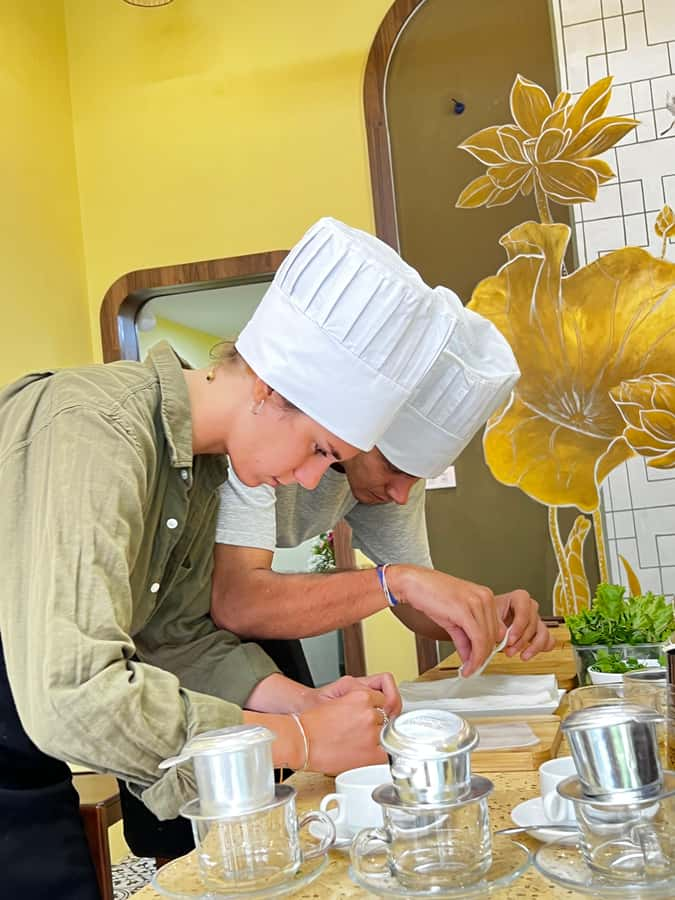
The drink lesson is one of the most distinctive parts of the class. Ca phe trung, or egg coffee, combines strong Vietnamese coffee with a creamy egg mixture. It is associated especially with Hanoi, so making it here adds a sense of place that a standard cooking lesson may lack.
Your guide explains the process step by step. The egg mixture needs the right texture, and the coffee gives it a firm, bitter base. The result is more like a dessert drink than a regular cup of coffee, which is why it pairs nicely with the seasonal fruit served at the end.
Many people come to the class mainly for the food, then find the egg coffee the most unusual item on the menu. It is also easy to talk about afterward, since it is a distinctly Hanoi-style specialty rather than a generic Vietnamese beverage.
The listing includes all food and drinks, drinking water, seasonal fruit, and a local wine tasting. The wine tasting is a small extra rather than the focus of the class. You should think of it as part of the meal, not as a separate tasting tour.
Eating what you prepare
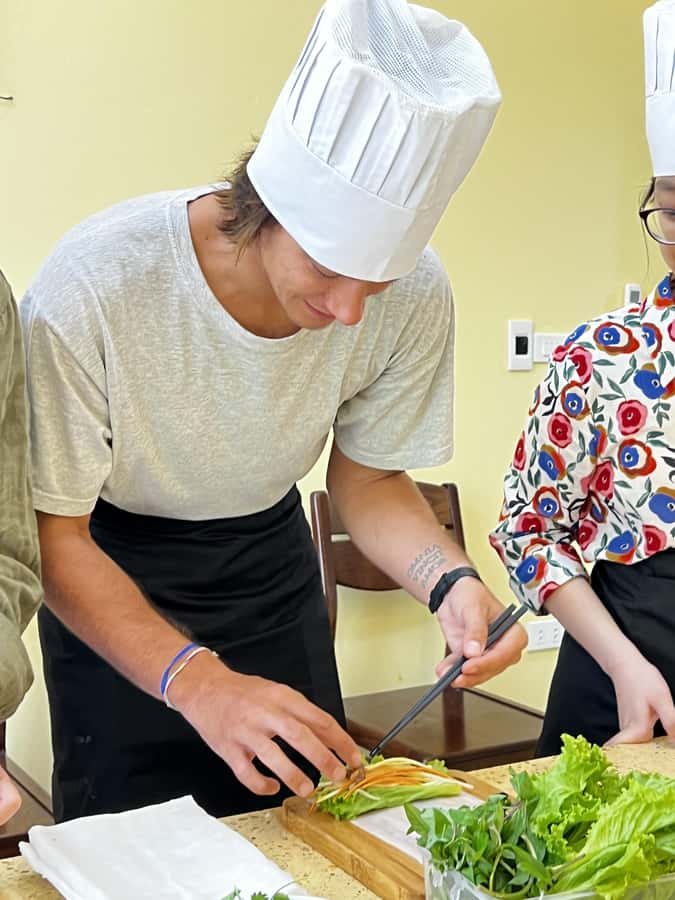
You sit down to eat after the cooking is complete. This is an important part of the experience. You can compare your own spring rolls, salad, pho dishes, and coffee, while your guide answers questions about ingredients and local eating habits.
The serving sizes are sensible. One participant noted that the four dishes were large enough to be satisfying without becoming overwhelming, and several sessions produced enough food for leftovers. Depending on the group and the day, you may be able to take some food home.
Seasonal fruit follows the main meal. The exact fruit changes, which is part of the point. At the market, your guide may introduce fruit you have never tried before, and you can use the dessert course to sample it without ordering an entire portion elsewhere.
Food allergies and preferences should be raised when you book or at the start. One participant with a nut allergy was accommodated without trouble, and another session adjusted fruit choices to suit the group. The information provided does not promise every dietary request can be met, so clear communication is sensible.
The guides make the class work
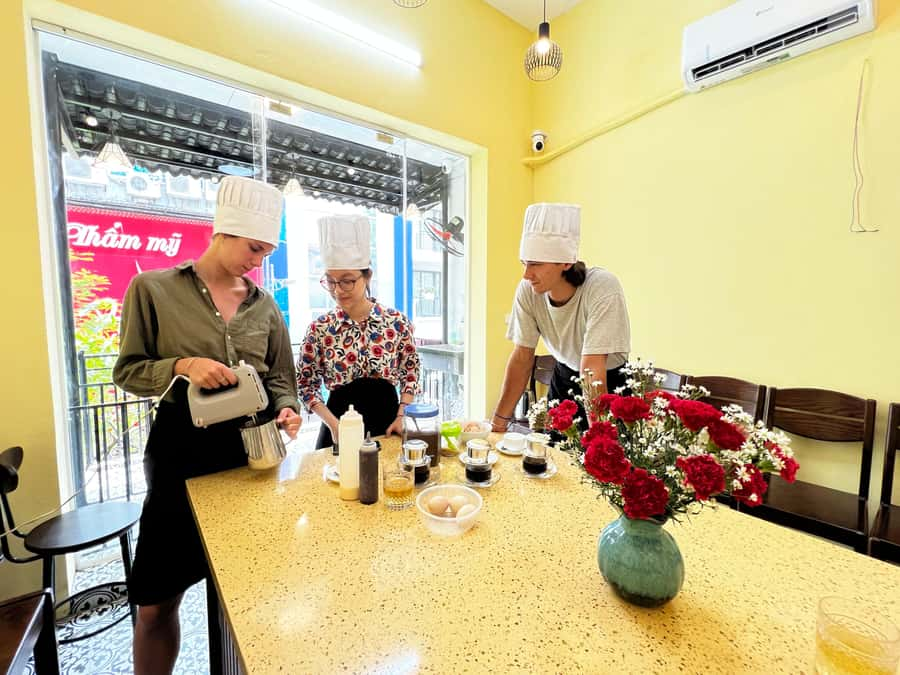
The class uses different instructors, so your guide will not necessarily be the person named in another booking. Frequently praised instructors include Ruby, Iris, Stephanie, Evelyn, Lena, Devin, Anne, Yuu, Ashley, Aurora, and Linh.
The strongest feature across these sessions is patient, personal instruction. Iris has been especially effective with families and teenagers, while Stephanie has been praised for making beginners feel comfortable. Ruby is known for explaining dishes carefully and sending recipes afterward. Evelyn has been noted for discussing Hanoi, food, and local customs while helping with the cooking.
English and Vietnamese are offered. English ability varies by instructor, but the supplied information and feedback indicate that the class is intended for English-speaking participants. If you have a detailed allergy, cooking question, or strong dietary need, say it plainly and early.
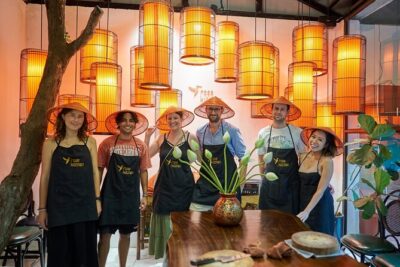
The group limit of 10 is a real advantage. You get a better chance to handle the ingredients, and the instructor can correct your rolling or seasoning. Sometimes the booking may be much smaller, even just two people, which can feel close to a private class.
What $22 gets you
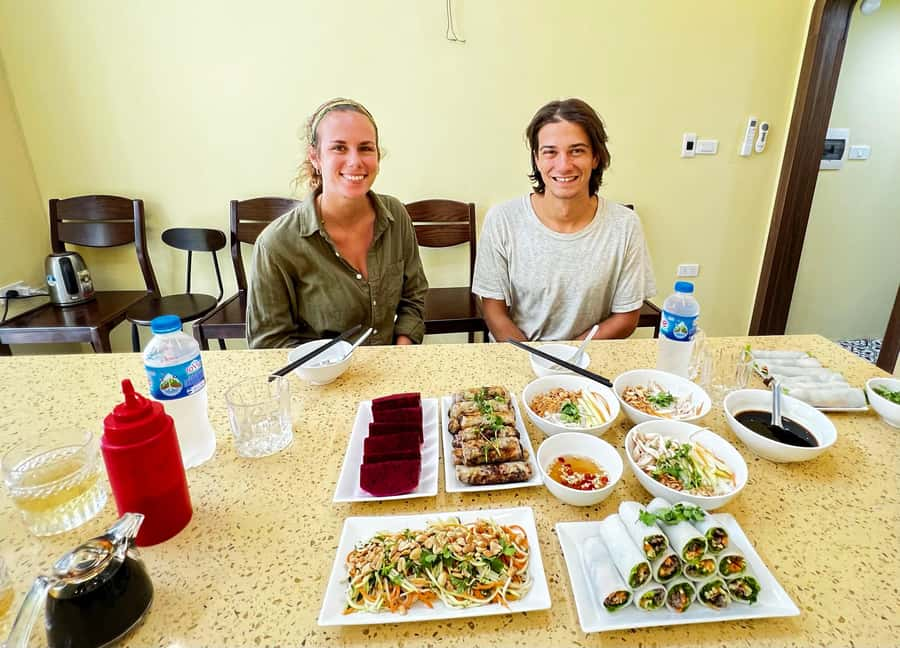
At $22 per person, this is strong value for a three to four hour activity. The fee includes the market visit, ingredients bought for the class, instruction, all food and drinks, seasonal fruit, water, recipes, and local wine tasting.
The value is not just the amount of food. You also get a guided introduction to Vietnamese produce, several cooking techniques, and recipes you can use again. A meal alone may cost less, but it would not give you the market context or the practical lesson.
There are limits. Hotel pickup and drop-off are not included, so you must make your own way to the Crossing Vietnam Tour office. The experience is also not a full food crawl, a long market tour, or a restaurant meal prepared entirely for you. You trade some convenience for participation.
Free cancellation is available up to 24 hours before the activity, and you can reserve now and pay later. Availability and start times vary, so check the morning and afternoon options carefully.
Who should book this cooking class?
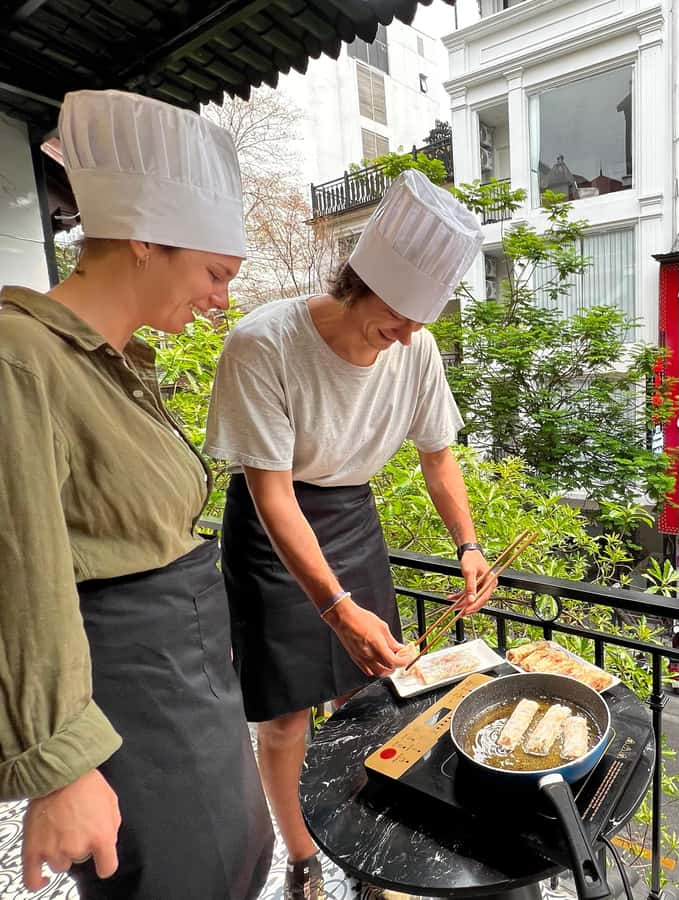
I would choose this class if you want to understand Vietnamese food by making it yourself. It suits couples, solo visitors, families with older children, and small groups who like to share a meal after working together.
It is particularly useful early in a Hanoi visit. The market introduces ingredients you will see elsewhere, and the guide can answer basic questions about food customs and flavors. You may also leave with ideas for what to order at restaurants.
You do not need serious cooking skills. The instruction is step by step, and the menu includes approachable tasks such as rolling, mixing, and assembling. You should be ready to work with your hands and accept that your first spring roll may not look perfect.
I would hesitate only if your priority is a long market tour, a quiet restaurant meal, or a class focused on one complex dish. The market portion is brief, especially compared with the kitchen session, and the meal comes at the end.
Should you book Maya Traditional Cooking Class?
Book it if you want a reasonably priced, social introduction to Hanoi’s food culture with plenty of hands-on work. The combination of Yen Thai Market, four dishes, egg coffee, fruit, recipes, and a small group gives you more than a basic cooking demonstration.
Choose a morning session if the market matters to you. Tell the instructor about allergies before cooking, and plan your day around a late meal. If you can accept those small limits, Maya’s class offers a practical way to meet Hanoi through its ingredients, techniques, and shared table.
FAQ
Where does the cooking class meet?
You meet at the Travel Agency Crossing Vietnam Tour office. Hotel pickup and drop-off are not included.
How long does the experience last?
The activity lasts about three to four hours, including the market visit, cooking lesson, and meal.
What dishes will I make?
You will prepare mixed pho, pho rolls, fried spring rolls, green papaya salad, and Hanoi egg coffee. Seasonal fruit is served for dessert.
Is the market visit included?
Yes. The experience includes a visit to Yen Thai Market and the ingredients purchased there for the class. Afternoon sessions may not include the market because local markets usually operate in the morning.
How large is the group?
The class is limited to 10 participants. Some sessions may have fewer people, depending on bookings.
What is included in the $22 price?
The price includes the market tour, ingredients for the class, instructor, food and drinks, seasonal fruit, drinking water, cooking recipes, and local wine tasting.
Newest classes around Hanoi
- Hanoi Vegan Cooking Class: A Vietnamese Culinary Adventure★ 4.8 · 5 reviews
- Hanoi: Vietnamese Cooking Class- Market Tour with Local Chef★ 5.0 · 2 reviews
- Hanoi Food Adventure: Vietnamese Market Tour & Cooking Class★ 4.8 · 5 reviews
- Hanoi: Vegan Vietnamese Cooking Class in a Local Villa★ 5.0 · 42 reviews
- Hanoi’s Culinary: Authentic Cooking Class and Local Market★ 4.8 · 5 reviews
- Hanoi Cooking Class in Haven of Tranquility – Thom culinary★ 5.0 · 3 reviews
- Hanoi: Village Farm Tour and Cooking Class with Lunch★ 5.0 · 7 reviews
- Hanoi Farm Tour and Cooking Class with Local Family★ 4.9 · 14 reviews
Hanoi Cooking Classes, compared.
Hanoi Cooking Class: Culture, Local Market & Meaning CSR Impact
Read our review →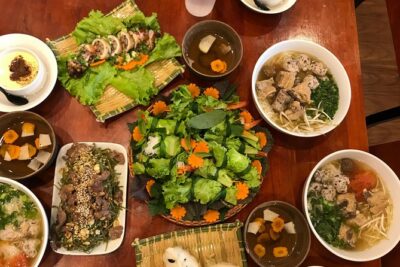
5 Traditional Dishes Hanoi Cooking Class with Market Trip
Read our review →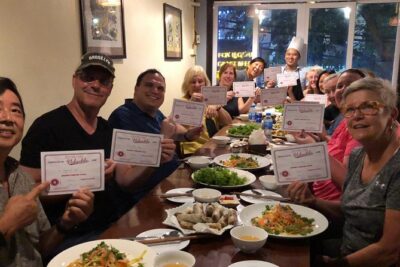
Vietnamese Food Cooking Class in Hanoi with Market Experience
Read our review →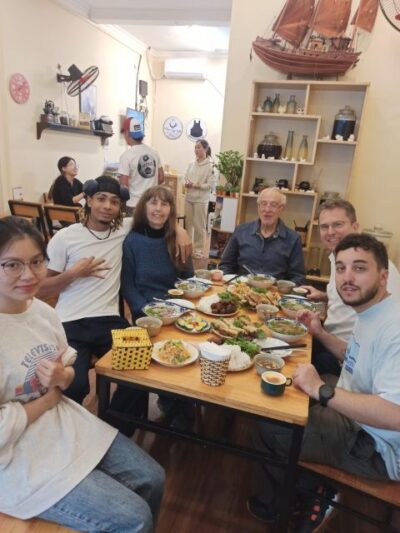
5 Local Dishes Cooking Class with Meal & Market Visit
Read our review →
Hanoi Cooking Class and Market Tour in Ancient House
Read our review →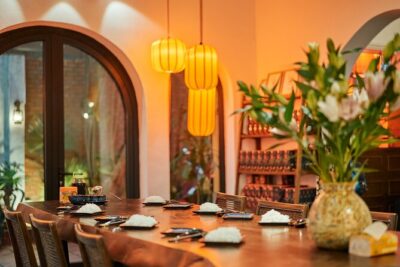
Rose Kitchen Hanoi: Market, Cooking & Culture Tour + Free PickUp
Read our review →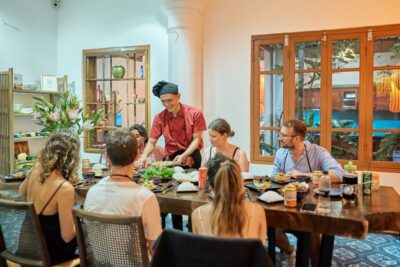
Cooking Class in a Local Villa with Market Tour
Read our review →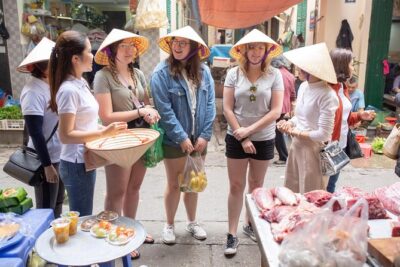
Hanoi Maya Kitchen: Traditional Cooking Class & Market Tour
Read our review →Browse the lists this tour appears in