
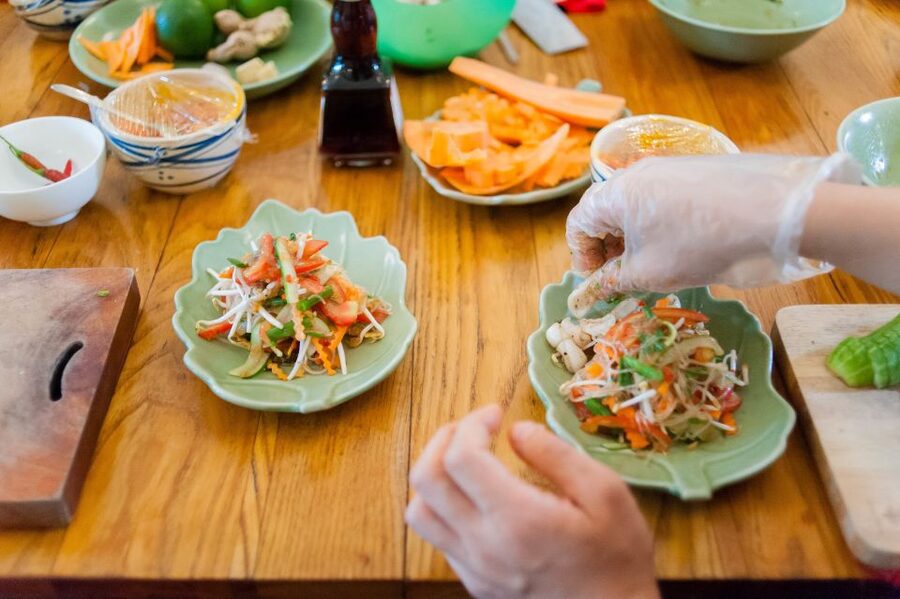
Review · HO CHI MINH CITY COOKING CLASSES
Hands-On Vietnamese Cooking Lesson in Small Group
Vietnamese food is best understood with your hands, not just a fork. In this small-group class in Ho Chi Minh City, you prepare three dishes from start to finish, then eat them as you go. The chef demonstrates each step, but you do the actual work with your own ingredients and equipment.
I like the personal cooking stations, which make it easier to see how each ingredient changes during cooking. I also like the calm, friendly teaching style reported across sessions with chefs including Vivian, Vy, Wan, Oanh, and Lei. The main consideration is that some ingredients arrive pre-prepared, so this is more about cooking technique and flavor than doing every bit of chopping and weighing yourself.
Key points at a glance
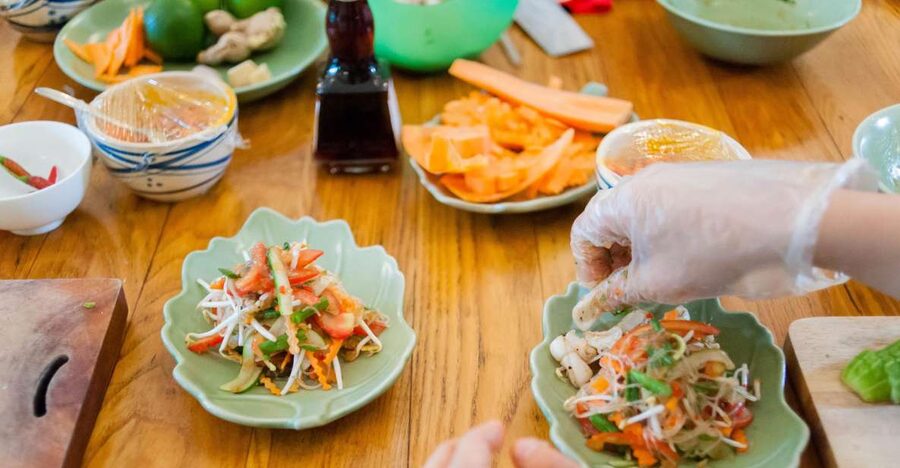
- Three dishes in three hours: Cook and eat a full Vietnamese meal rather than watching a demonstration.
- Small groups: Classes have been held with as few as one or two students and around eight people.
- English instruction: Chefs explain the ingredients, cooking tools, and methods in clear English.
- Fresh herbs and natural ingredients: The menu uses natural produce, herbs, and traditional Vietnamese components.
- Useful recipes afterward: Digital recipes let you repeat the dishes at home.
- Flexible dietary options: Vegetarian, vegan, and allergy-friendly requests can be made when booking.
Why this class works well in Ho Chi Minh City
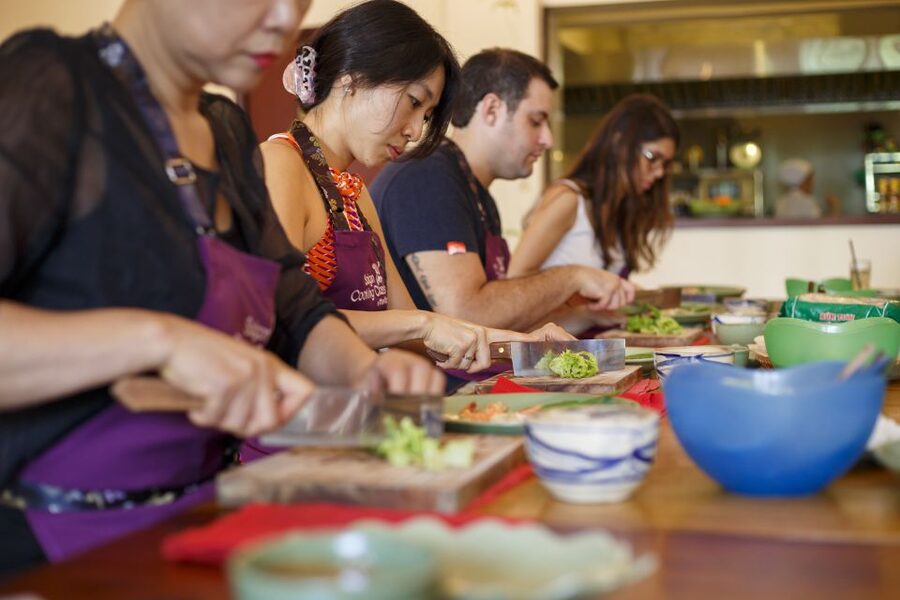
A cooking class gives you something a restaurant meal cannot. You learn why Vietnamese dishes taste the way they do, how herbs are used, and how several small preparations come together at the table.
This class is also a practical way to spend a morning in District 1. It runs from 10 a.m. to 1 p.m., leaving the rest of your day open for museums, markets, or a slower lunch elsewhere. Since you eat the food you prepare, the activity functions as both a lesson and a meal.
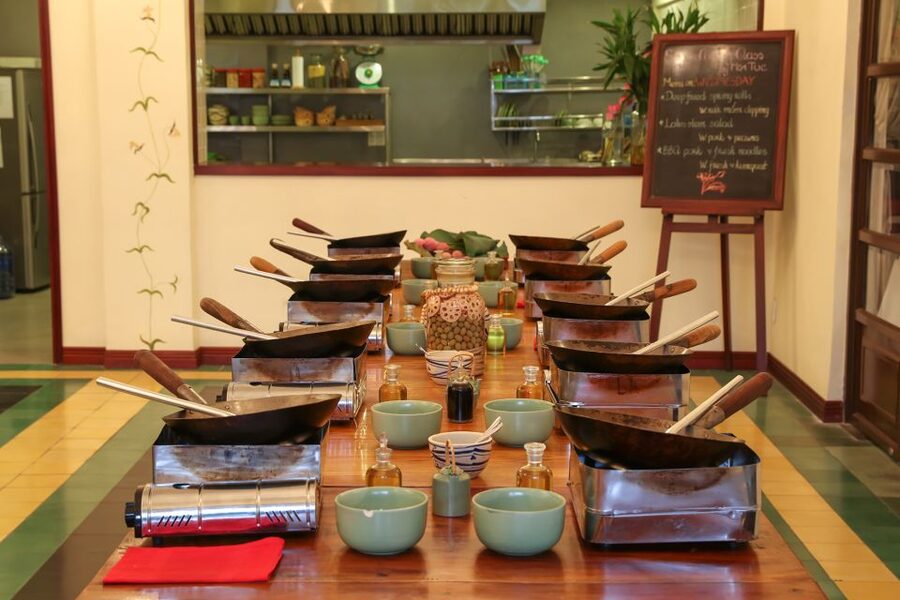
The setting is designed for participation. You do not simply stand behind a chef while someone else handles the knives and stove. Each person has their own materials and ingredients, so you can follow the method at your own pace and see the results directly.
That matters for Vietnamese food, where small details carry much of the flavor. The balance between herbs, fillings, dipping sauces, vegetables, and broth is easier to understand when you prepare each part yourself.
More Vietnamese Classes in Ho Chi Minh City:
- Authentic Vietnamese Cooking Class with Market Visit in HCMc
★ 5.0 · 182 reviews - Ho Chi Minh City: Vietnamese Homestyle Cooking Class
★ 4.9 · 91 reviews - HCMc:Vietnamese Cooking Class with Local market tour & Meal
★ 5.0 · 8 reviews
Finding the kitchen at 80 Nguyen Trai Street
The meeting point is at 80 Nguyen Trai Street in District 1. Look for the small alley at that address, then turn in and find the venue on the left.
The directions are short but worth reading before you leave. An alley entrance can be easy to miss in a busy central district, so allow a little extra time rather than arriving at 10 a.m. in a rush.
The cooking room has been described as modern, clean, spacious, and comfortable. One session had only four people, while another had eight, which gives you a useful idea of the likely scale. The class can still operate with only one or two participants, so your group may be very small on a quieter day.
That small-group format is one of the strongest reasons to choose this class. You have room to ask questions, watch the chef closely, and get help when a sauce or cooking step does not behave as expected.
The 10 a.m. introduction to Vietnamese ingredients
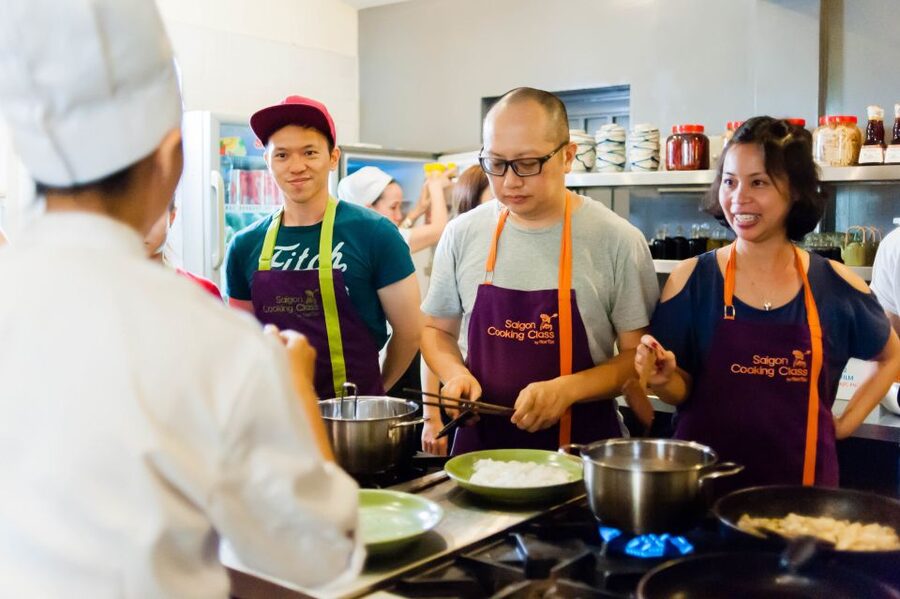
The class begins with an introduction to Vietnamese cooking and the tools used in the kitchen. Expect the chef to explain the ingredients before you start combining them.
You learn about herbs, vegetables, seasonings, and the role each item plays in the finished dish. This is especially helpful if you enjoy Vietnamese food but are unsure which ingredients matter most or what substitutions might work at home.
The class uses natural ingredients and herbs. Past menus have included dishes such as banh xeo, spring rolls, mango salad, bun cha, and pho. The exact selection can vary, so you should treat these as examples rather than a guaranteed menu.
The chef also explains traditional kitchenware. That detail gives the lesson more context than a basic recipe demonstration. You are not just following a list of instructions. You are learning how Vietnamese cooking is organized and how familiar local tools support the method.
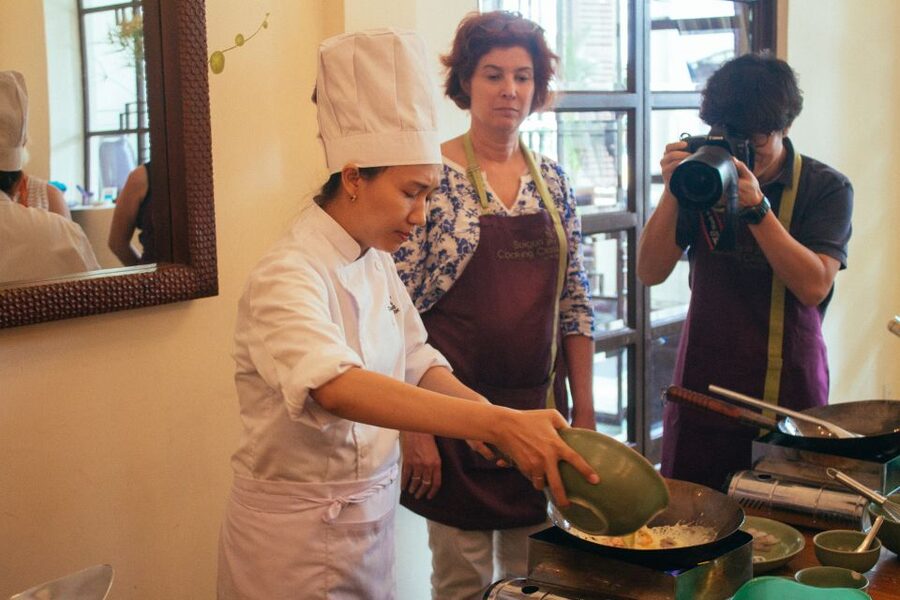
English is the teaching language. The chefs are described as clear, patient, friendly, and good at explaining both recipes and ingredients. Vivian, in particular, has led sessions praised for being well planned and easy to follow, while other classes have included chefs named Vy, Wan, Oanh, and Lei.
Cooking your own spring rolls, salads, and pho
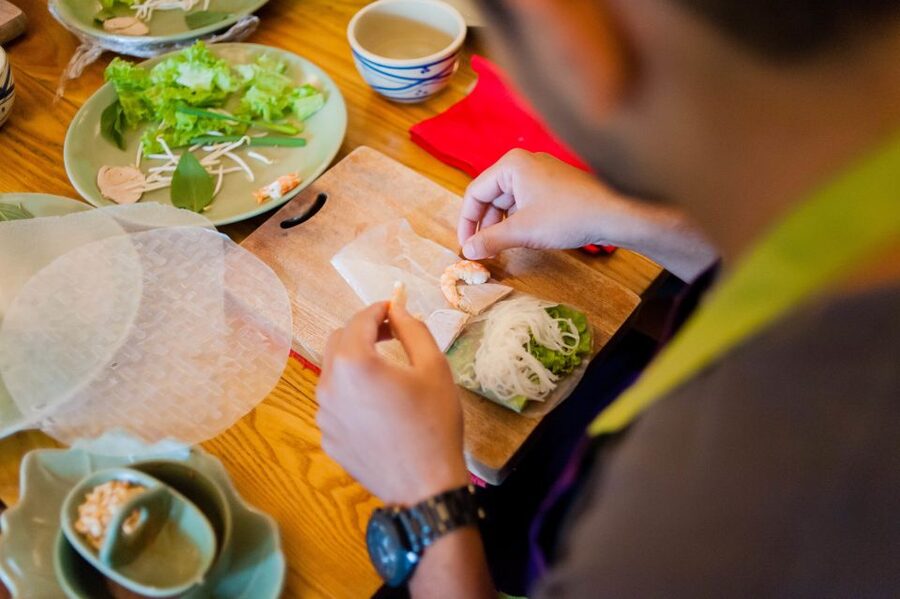
The heart of the morning is hands-on preparation. The chef demonstrates a step, and you repeat it with your own ingredients. The other people in the group cook alongside you, but you are not expected to share one set of supplies.
One possible menu includes spring rolls, a salad, and pho. Another session featured banh xeo, spring rolls, and mango salad. These examples show the range of skills involved: shaping and filling, balancing fresh flavors, handling herbs, and building a dish with more layered seasoning.
You may also prepare bun cha, a dish that introduces a different combination of grilled or cooked meat, noodles, herbs, and sauce. If you have eaten bun cha in Vietnam but never made it, the class can help you understand how the separate parts work together.
The teaching method is easy to follow rather than overly technical. This makes the class a good fit if you are new to Vietnamese cooking or do not spend much time in the kitchen.
At the same time, it may feel less demanding if you already cook regularly. One participant felt that several ingredients were pre-prepared and would have preferred to mince garlic, weigh meat, and handle more of the early preparation. That is a fair point. The class aims to keep the three-hour session moving, so it does not appear to cover every kitchen task from raw ingredient to finished plate.
More Cooking Classes in Ho Chi Minh City:
- Cai Be Mekong Delta Tour: Cooking Class, Cycling & Craft Villages
★ 5.0 · 1,881 reviews - Mekong Delta 4 Islands, TukTuk, Boat, Try Khot Cake Local Cooking
★ 5.0 · 1,148 reviews - Chef Vu Cooking Class Plus Market Trip in Saigon Center (Pick up by Cyclo)
★ 5.0 · 477 reviews - Immersive Cooking Class & Market Tour By Local Chef+Cookbook
★ 4.8 · 426 reviews
Eating each course as you go
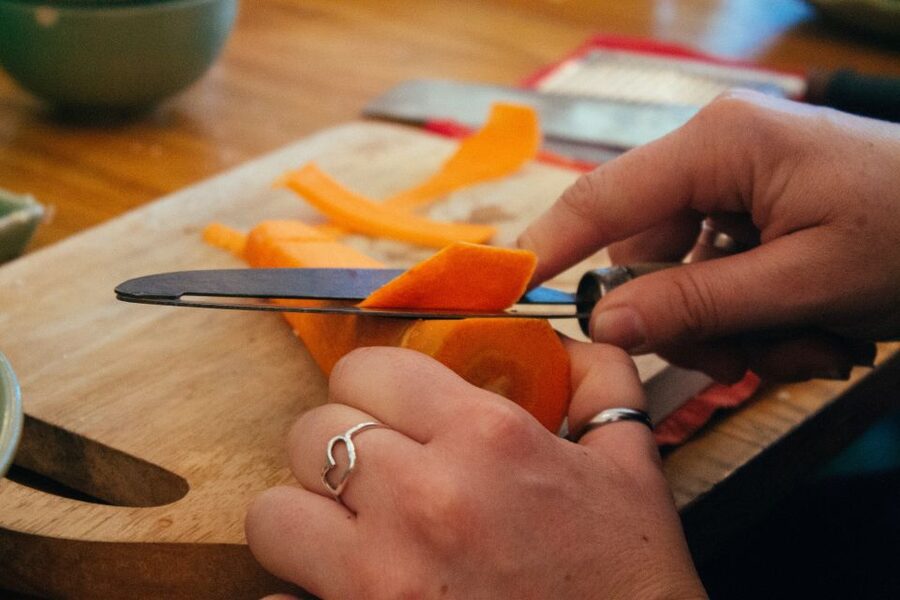
You do not have to wait until the very end to eat. The format is to prepare a course, taste it, and then continue with the next dish.
I like this approach because it breaks the class into manageable stages. You can notice how the first dish tastes, ask questions, and then apply what you learned to the next preparation. It also keeps the meal from becoming a single crowded serving at the end.
The food is regularly described as delicious, tasty, and satisfying. One participant felt the dishes were better than meals eaten at restaurants in the city. That does not mean every dish will suit every palate, but it does suggest that the cooking is not treated as a token activity before lunch.
You should arrive ready to eat. Water and iced tea are included, along with the three dishes you prepare. The class is not a market tour or a restaurant tasting, so the value comes from learning while you eat.
What makes the group size important
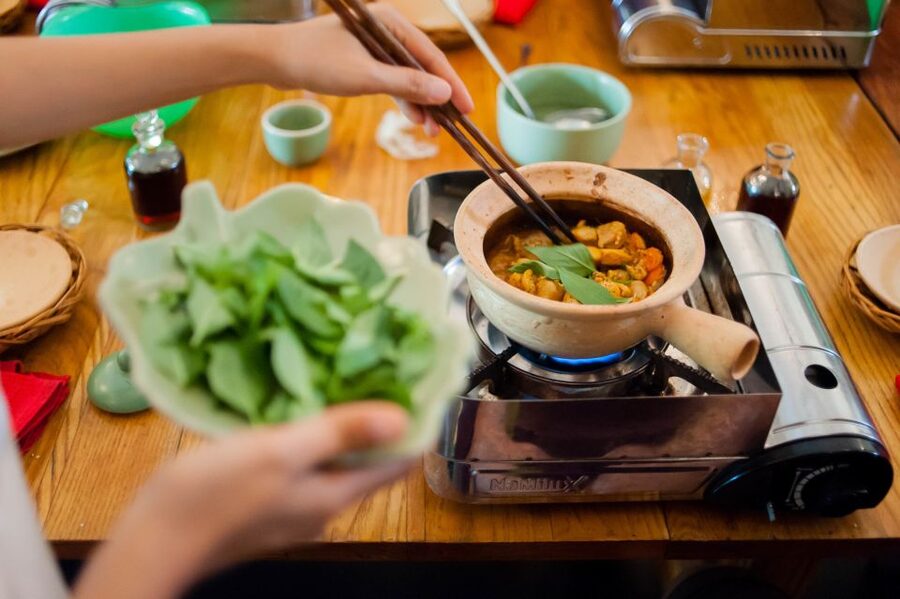
A cooking class with eight people can still feel personal if every person has their own materials. That size also gives the room some social energy without making it hard to hear the chef.
Smaller groups have another advantage. Sessions have sometimes run with only one or two participants, and that can turn the class into something close to a private lesson. You get more time for questions and more direct attention during hands-on steps.
The trade-off is that the group size is not fixed at one number. You may have an intimate session or a fuller class. The format is built to work with both, but your experience of the room will depend on the number booked that day.
For families, couples, solo visitors, and small friend groups, this flexibility is useful. Families in particular can share the work while each person still has a chance to handle ingredients and cooking tasks.
Dietary requests and menu planning
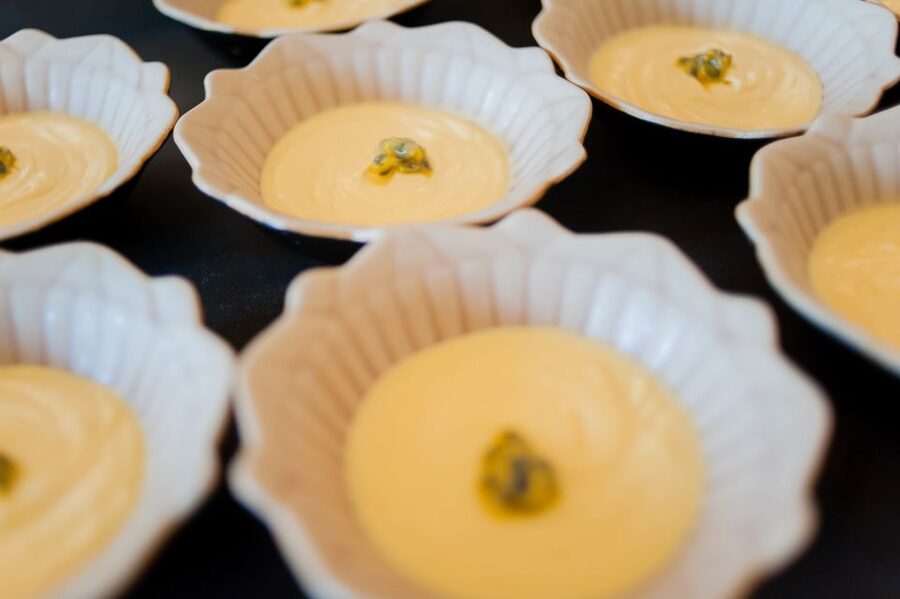
Vegetarian and vegan options can be arranged, and food allergies should be reported when you book. Do not wait until the class begins, since the menu and ingredient preparation need to be planned in advance.
The class can also explain alternatives for vegetables that may be difficult to find at home. That is one of the most useful parts of taking a Vietnamese cooking lesson abroad. You learn not only the local version of a dish, but also how to think about replacing ingredients once you return home.
Still, ask clearly about any allergy or dietary concern when reserving your place. The supplied information confirms that adaptations are possible, but it does not list a standard menu for every diet.
Recipes you can use after Vietnam
You receive digital recipes after the class. This gives the activity lasting value, especially if you want to cook Vietnamese food once you are back home.
The recipes cover the three dishes prepared during the session. One participant hoped for a larger collection, since some cooking schools provide additional recipes, so you should not expect a full Vietnamese cookbook.
What you do receive should be enough to repeat the class menu. Because you have already made the food yourself, the recipes are more useful than a souvenir card handed over after a demonstration. You have seen the texture, timing, and sequence firsthand.
If you are cooking in a country where some Vietnamese ingredients are hard to find, ask about substitutions during the lesson. The chefs can point out alternatives, and that advice may be more valuable than a long list of unfamiliar ingredients.
Is $33 a fair price?
At $33 per person, the price covers three hours of instruction, the three-course meal, water, iced tea, ingredients, kitchen equipment, and digital recipes.
That is good value if you want both lunch and a useful activity. A standard restaurant meal may cost less, but it will not teach you how to recreate the dishes. A private lesson might offer more individual attention, but this class gives you a small-group setting at a lower price.
The strongest value comes from the combination of food and instruction. You are not paying just to watch a chef. You handle the ingredients, cook the dishes, sit down to eat them, and leave with recipes.
The value is less clear if you already have extensive experience with Vietnamese cooking and want advanced technique. The class is built around clear, accessible instruction, and some preparation is done in advance. For most holidaymakers, though, that keeps the morning relaxed and manageable.
Who should book this cooking lesson?
I would recommend it to anyone who enjoys food and wants a structured activity in Ho Chi Minh City. It is especially suitable for:
- First-time visitors who want more context for Vietnamese cuisine
- Couples and families looking for a shared activity
- Solo visitors who enjoy meeting a small group
- Beginner cooks who prefer clear, guided steps
- Vegetarians, vegans, and people with food allergies who arrange their needs in advance
- Anyone who wants recipes they can use after returning home
You may want a different type of lesson if you expect a market visit, a long ingredient-shopping session, or advanced knife work. Those features are not part of the stated experience.
This is also not the right choice if you dislike eating what you cook or prefer a quick demonstration. Three hours gives the class enough time to teach, cook, and eat, but it is still a full morning.
Booking details worth knowing
You can reserve the class and pay later, which helps if your Ho Chi Minh City plans are still changing. Free cancellation is available up to 24 hours before the start time for a full refund.
The activity lasts three hours, from 10 a.m. to 1 p.m. You should check availability for the date you want, since the exact start time is subject to the available schedule.
Instruction is in English. The meeting point is the alley beside 80 Nguyen Trai Street, District 1. Most importantly, add all vegetarian, vegan, and allergy requests during booking.
Should you book it?
Book this class if you want a hands-on Vietnamese meal, friendly English instruction, and recipes you can use later. The small-group format, personal equipment, and chance to eat each course make it more useful than a simple cooking demonstration.
Go in expecting a well-organized introduction rather than an advanced culinary course. Some ingredients may be pre-prepared, and the exact menu can change. For $33, that is a sensible trade-off for a relaxed three-hour lesson that gives you food, practical skills, and a better understanding of Vietnamese cooking.
FAQ
Where does the cooking class take place?
The class meets at 80 Nguyen Trai Street in District 1, Ho Chi Minh City. Enter the small alley at that address and look for the venue on the left.
How long does the cooking class last?
The activity lasts three hours, from 10 a.m. to 1 p.m.
What language is the class taught in?
The instruction is in English.
How many dishes do I cook?
You cook and eat three dishes. The exact menu can vary, with examples including spring rolls, salad, pho, banh xeo, mango salad, and bun cha.
Are ingredients and cooking equipment provided?
Yes. Each participant has their own materials and ingredients for the hands-on cooking lesson.
Is a meal included?
Yes. The three dishes you prepare are included as your meal, along with water and iced tea.
Can the menu accommodate vegetarians or food allergies?
Yes. Vegetarian, vegan, and food allergy requests can be accommodated if you specify them when booking.
Do I receive recipes after the class?
Yes. Digital recipes are provided after the lesson.
Can I cancel for a full refund?
Yes. You can cancel up to 24 hours in advance for a full refund. You can also reserve now and pay later.
Newest classes around Ho Chi Minh City
- Top Home Cooking Class with Stunning River View AC Kitchen★ 5.0 · 25 reviews
- Street Food Walking Tour with a Cooking Instructor★ 5.0 · 5 reviews
- M.O.M COOKING CLASS★ 4.8 · 6 reviews
- Mama Lan’s Home Cooking Class with 30+ Years of Experience★ 5.0 · 3 reviews
- MY Kitchen – Vietnamese Home Cooking Class in Hoi An★ 5.0 · 6 reviews
- Farm-To-Table Healthy Cooking Class: Half-Day Tour★ 4.8 · 41 reviews
- Ho Chi Minh: Local Cooking Class At Auntie’s Home★ 4.9 · 14 reviews
- HCMc:Vietnamese Cooking Class with Local market tour & Meal★ 5.0 · 8 reviews
Ho Chi Minh City Cooking Classes, compared.
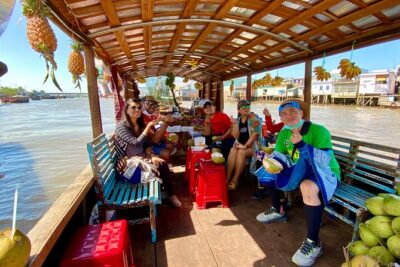
Cai Be Mekong Delta Tour: Cooking Class, Cycling & Craft Villages
Read our review →
Mekong Delta 4 Islands, TukTuk, Boat, Try Khot Cake Local Cooking
Read our review →
Mekong Day Trip Explore Village Bicycle CookingClass Group 12 Pax
Read our review →
Chef Vu Cooking Class Plus Market Trip in Saigon Center (Pick up by Cyclo)
Read our review →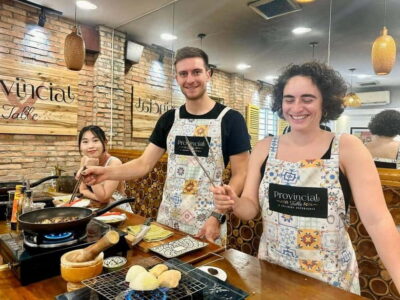
Immersive Cooking Class & Market Tour By Local Chef+Cookbook
Read our review →
Immersive Cooking Class & Wet Market Tour by Local Chef +Cookbook
Read our review →
Small-group 2-Day Mekong Delta: Floating market, Cooking Class…
Read our review →
Authentic Vietnamese Cooking Class with Market Visit in HCMc
Read our review →Browse the lists this tour appears in