Review · COOKING CLASSES
Experience Singapore: Cultural Cooking Class
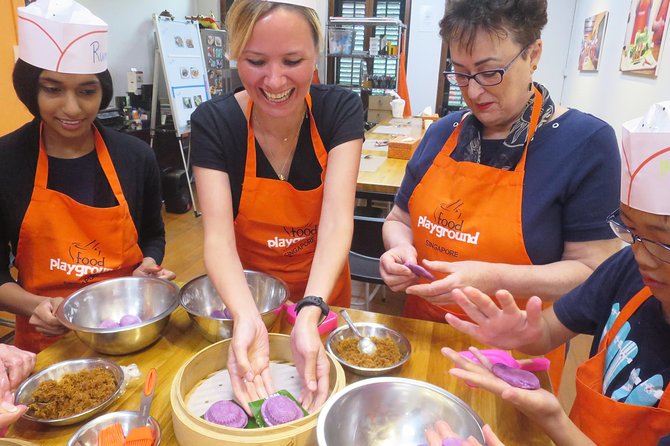
Singapore’s food culture makes the most sense when you get your hands dirty. At Food Playground, you’ll prepare three local dishes, perhaps laksa, curry chicken, chicken satay, or Hainanese chicken rice, then sit down and eat what you made. The class takes place in a heritage shophouse in Chinatown, not a hotel conference room.
I like the small class size, capped at 12 and often much smaller, because you get a real chance to chop, stir, ask questions, and taste as you go. I also like the cultural context: instructors such as Mary, Monica, Sara, Nur, and YY explain how Chinese, Malay, Indian, and British influences shaped Singapore’s food.
The one catch is pacing. Some instructors spend a long time on introductions, food history, or dishes you are not cooking that day. That background can be useful, but if you want nonstop cooking from the first minute, the opening may feel slow.
Key points to know before booking
- Three dishes in about three hours: You cook several Singaporean favorites, then eat lunch together.
- Small Chinatown setting: Food Playground is at 24A Sago Street, near several MRT stations and close to the Buddha Tooth Relic Temple.
- Hands-on, but shared: You usually cook in pairs or small groups rather than at a completely private workstation.
- Local food stories matter: Instructors explain ingredients, cooking methods, and the cultural roots of each dish.
- Recipes and photos are provided: You leave with practical help for making the dishes at home.
- Good for families and solo participants: The minimum age is 7, and the class accepts between 2 and 12 people.
Cooking Singapore in a Chinatown shophouse
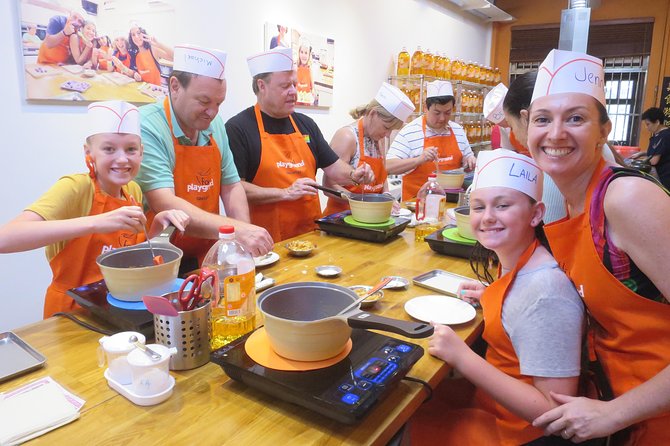
Food Playground sits on Sago Street in Chinatown, in a restored old shophouse. The setting gives the class a sense of place before you even pick up a knife. You are in one of Singapore’s historic food districts, surrounded by temples, food halls, and old shopfronts.
The meeting time is 9:30 am, and the class lasts about three hours. You should arrive ready to work and eat lunch afterward. Hotel pickup is not included, so plan your own way to 24A Sago Street. The location is close to several MRT stations, making public transportation practical.
After class, Chinatown gives you an easy follow-up plan. You can visit the nearby Buddha Tooth Relic Temple, including its upper garden and museum, or browse the Chinatown food hall. The catch is simple: after cooking and eating three dishes, you may not have room for much more food.
The room has proper cooking equipment and ingredients supplied for you. You do not need to shop for spices, carry utensils across Singapore, or guess which ingredients to buy. That matters in a short class, since your time goes into learning and cooking rather than preparation logistics.
More Cooking Classes in the world:
- Half-Day Thai Cooking Class at Organic Farm in Chiang Mai
★ 5.0 · 19,087 reviews - Florence: Pasta Cooking Class with Unlimited Wine
★ 4.9 · 10,285 reviews - 3 in 1 Cooking Class near Navona: Fettuccine, Ravioli & Tiramisu
★ 5.0 · 7,376 reviews
A short introduction before the knives come out
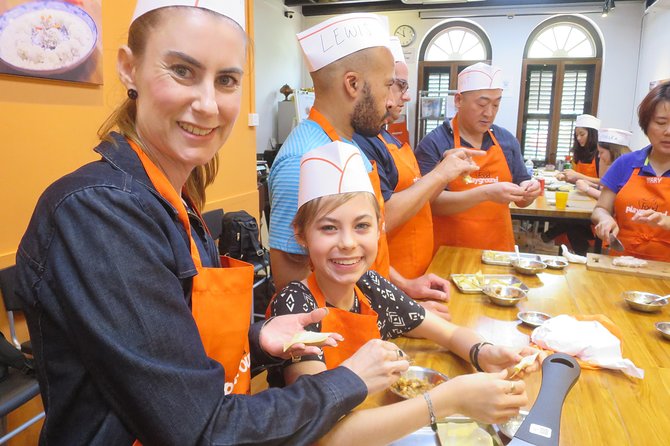
The class typically begins with an introduction to Singapore’s food traditions. You may hear about the different communities that shaped local cooking, along with the background of dishes that are not necessarily on that day’s menu.
A food quiz has also been used to get the group involved. This is a nice touch for families and people who enjoy context, since it turns the opening talk into something more active. Instructors such as Mary and Monica have been praised for making the cultural material easy to follow, while Sara, Nur, YY, Kiat, Cindy, and Ann have each led classes with their own style.
This is also the part most likely to test your patience. Some sessions spend too much time discussing other Singaporean dishes or the instructor’s personal stories before cooking begins. I would not book this class expecting a tightly timed professional kitchen lesson. It is a social cultural class first, with cooking at its center.
Preparing three Singaporean dishes by hand
The menu changes, so you should not book with one exact dish as a guarantee. Possible dishes include laksa, curry chicken, chicken satay, Hainanese chicken rice, and ondeh ondeh. The class menu, ingredients, and instructions are subject to change.
The useful part is the step-by-step format. The instructor demonstrates the recipe and techniques, then the group prepares the food with guidance. You may make curry paste from scratch, handle spices and seasonings, and learn how the ingredients work together rather than simply watching someone cook.
This is not a silent demonstration followed by a plate handed to you. You take part in the preparation. At the same time, it is not always a private cooking station for every person. One common arrangement is two people sharing a station, with the instructor moving around to help.
That shared format works well for couples, friends, and families. It also gives the class a social side, since you are making food alongside people from different places. Solo participants can still take part fully, and a small group may give them their own station when space allows.
The class is suitable for complete beginners. You do not need advanced knife skills or a professional kitchen background. The recipes are explained in clear steps, and the instructors provide help during the hands-on work.
What makes the food lesson useful at home
A good cooking class should send you home with more than a full stomach. Here, the practical value comes from learning the process behind Singaporean favorites, especially the spice work and the order in which ingredients are prepared.
Laksa, for example, is not just noodles in broth. The flavor depends on the spice mixture, the preparation of the paste, and the way the ingredients are combined. Curry chicken also gives you a chance to understand how a dish develops its flavor instead of relying on a jarred sauce.
The exact recipes vary, but the class supplies instructions after the session. Photos taken during the class are also shared afterward. That is useful because a cooking class can move quickly, and written recipes help you remember what happened once you are back in your own kitchen.
I would still take notes if there is a technique you particularly want to remember. The class covers three dishes in a limited time, and the shared format means you may not personally perform every single step.
Same region, a different dish to learn:
- Florence: Pasta & Tiramisu Cooking Class with Unlimited Wine
★ 4.9 · 6,708 reviews - Florence: Pasta Cooking Class with Unlimited Wine
★ 5.0 · 6,413 reviews - Hanoi Cooking Class: Culture, Local Market & Meaning CSR Impact
★ 5.0 · 5,147 reviews - 5 Traditional Dishes Hanoi Cooking Class with Market Trip
★ 5.0 · 4,890 reviews
Sitting down to eat what you cooked
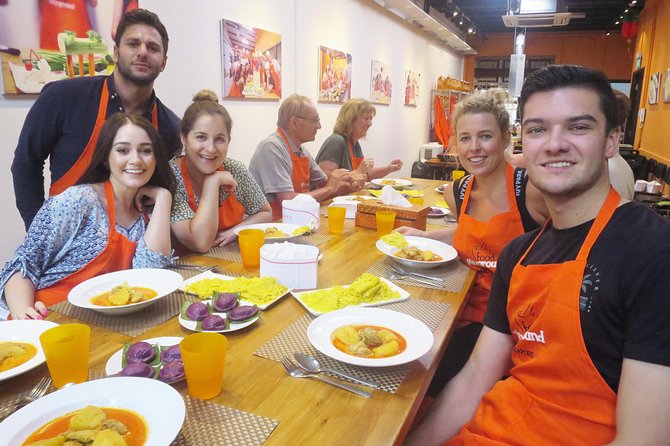
Once the cooking is finished, you sit in the dining area and eat the meal with the class. Lunch includes water, coffee, and tea. This final meal is more than a convenient ending. It gives you time to compare results, ask follow-up questions, and talk with the people who cooked beside you.
The food is the strongest reward for the work. You have smelled the spices, handled the ingredients, and watched each dish take shape. Even a simple bowl of noodles feels different when you know how the paste and seasoning were prepared.
The meal is informal rather than formal restaurant service. That suits the class. You are there to share food and conversation, not to receive a polished tasting menu. If you want a quiet meal or a highly structured culinary lesson, this social format may not be your favorite part.
For many people, though, the shared table is where the class comes together. The cooking gives you a common task, and lunch gives you time to enjoy the result.
The instructors shape the experience
The class is only as good as the person leading it, and the instructors have different personalities and teaching styles. Mary has been singled out for clear guidance, a good food quiz, and a strong grasp of the material. Monica has been praised for hands-on help and explanations of food origins.
Sara is known for clear instructions and an easygoing approach. Nur has brought humor and useful information to the class. YY and Kiat have combined food preparation with stories about Singapore’s food heritage, while Sara and Cindy have been noted for their friendly, warm teaching style.
Ann has provided strong explanations of Singaporean food, though the introductory talk can run long. This variety means your session will not feel identical to someone else’s. The core structure remains the same, but the amount of storytelling and the rhythm of the cooking can vary by instructor.
I see that as part of the charm, with one practical warning. If you prefer a polished, identical lesson every time, a class led by different instructors may feel less predictable. If you enjoy meeting a local teacher and hearing personal insight, the variation is a plus.
How much value do you get for $96.97?
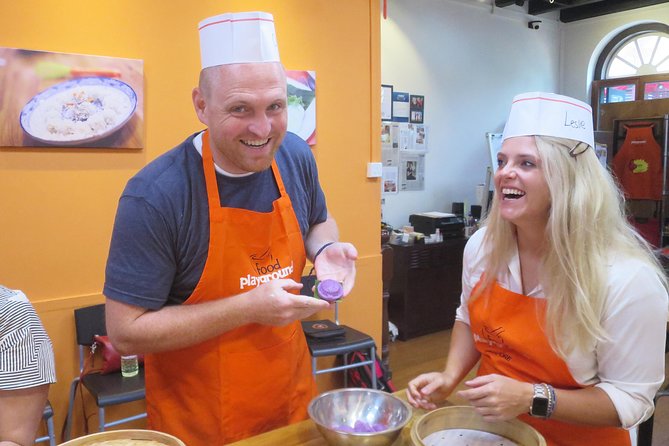
At $96.97 per person, this is not the cheapest way to eat in Singapore. You can have a very good meal at a hawker center for far less. The price makes more sense when you count the full package: about three hours of instruction, ingredients, equipment, lunch, drinks, cultural background, recipes, and photos.
You also get three dishes rather than one plated meal. The food itself is only part of what you are paying for. The real value is learning how to reproduce local dishes after you leave Singapore.
The small group limit helps justify the cost. With a maximum of 12 people, and some classes much smaller, you are not lost in a large demonstration. You can ask for help and take part in the preparation. The class may be especially good value for a couple, family, or solo participant who already enjoys cooking and wants a practical souvenir.
I would not recommend it as a bargain lunch. I would recommend it as a food-and-culture activity that replaces a morning of sightseeing and includes a substantial meal.
Who should book this class?
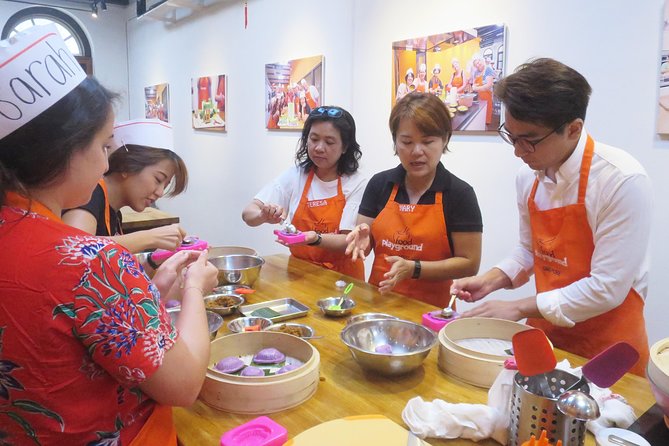
This class fits several types of visitors particularly well:
- Beginner cooks: The teaching is step by step, and the instructors help as you work.
- Food-focused visitors: You learn how local dishes are built instead of only tasting the final product.
- Families with older children: The minimum age is 7, and the quiz and hands-on work can keep young cooks involved.
- Solo participants: The small group gives you an easy way to meet people while doing something practical.
- Returning Singapore visitors: Recipes let you take home techniques and make local favorites again.
- Couples and friends: Shared stations make the class a cooperative activity rather than a passive show.
It may suit you less if you dislike group cooking, need a fixed menu, or want every minute devoted to knife work and stovetop tasks. The cultural talk is part of the product, not filler to be skipped.
Practical details that affect your morning
The class starts at 9:30 am at 24A Sago Street and ends at the same meeting point. Since hotel transportation is not included, check your route before leaving. The Chinatown location is easy to pair with sightseeing afterward, especially the Buddha Tooth Relic Temple and nearby food areas.
The group requires at least two participants and allows no more than 12. The minimum age is 7. Tell the provider about dietary requirements when booking, but keep in mind that the menu and ingredients can change.
Mobile tickets are accepted, and group discounts are available. Free cancellation applies if you cancel at least 24 hours before the local start time. A cancellation inside that window is not refundable, and the class may be rescheduled or refunded if the minimum number of participants is not reached.
Should you book Food Playground?
I would book this class if you want to understand Singapore through its food and would enjoy making lunch with other people. The best parts are the manageable group size, the local setting, the chance to prepare three dishes, and the recipes and photos you receive afterward.
I would skip it if your main goal is simply a cheap meal or a perfectly timed professional cooking lesson. Allow for some talking at the start, accept that the menu can change, and expect shared cooking rather than a private station.
For most food-minded visitors, the combination of culture, hands-on work, and a meal you helped create makes the $96.97 worthwhile. It is also a smart choice early in your Singapore stay, since the food knowledge may guide what you order for the rest of your visit.
FAQ
Where does the cooking class take place?
The class takes place at Food Playground, 24A Sago Street, Singapore 059020.
What time does the class start?
The class starts at 9:30 am.
How long does the cooking class last?
The experience lasts approximately three hours.
How many dishes will I prepare?
You will learn to prepare three dishes. The exact menu can change and may include dishes such as laksa, curry chicken, chicken satay, Hainanese chicken rice, or ondeh ondeh.
Is lunch included?
Yes. You eat the dishes prepared during class, and water, coffee, and tea are included.
Are ingredients and cooking equipment provided?
Yes. All ingredients and equipment needed for the class are provided.
Is hotel pickup included?
No. Hotel pickup and drop-off are not included. You meet at the Food Playground location and return there at the end.
What is the minimum age?
The minimum age is 7 years.
How many people can join the class?
The class requires a minimum of two participants and has a maximum of 12 participants.
Can I cancel for a refund?
You can cancel for a full refund at least 24 hours before the experience start time. Cancellations or changes made less than 24 hours before the start are not accepted or refunded.
Newest classes around the world
- Aroidee’s Farm-Fresh Thai Cooking Experience★ 5.0 · 8 reviews
- Authentic Thai Cooking Class and Farm Visit in Chiang Mai★ 5.0 · 66 reviews
- Yummy Tasty Thai Cooking School in Chiang Mai★ 5.0 · 2 reviews
- Signature Thai Cooking Course★ 5.0 · 79 reviews
- Half Day Guided Thai Cooking Class in Chiang Mai★ 5.0 · 13 reviews
- Online Thai and Akha Cooking Class★ 5.0 · 70 reviews
- Northern Thai Cooking Class in Chiang Mai in a Countryside Home★ 5.0 · 2 reviews
- Private Half-Day Thai Cooking Class in Chiang Mai★ 5.0 · 4 reviews
Cooking Classes, compared.
Half-Day Thai Cooking Class at Organic Farm in Chiang Mai
Read our review →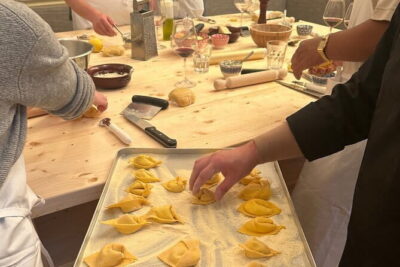

3 in 1 Cooking Class near Navona: Fettuccine, Ravioli & Tiramisu
Read our review →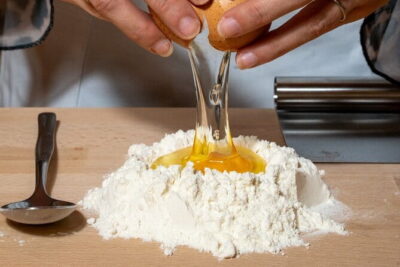
Pasta & Tiramisu Cooking Class with Unlimited Wine
Read our review →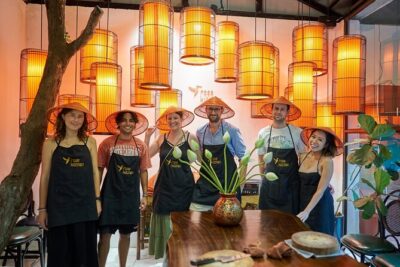
Hanoi Cooking Class: Culture, Local Market & Meaning CSR Impact
Read our review →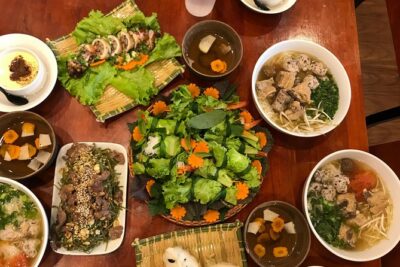
5 Traditional Dishes Hanoi Cooking Class with Market Trip
Read our review →