
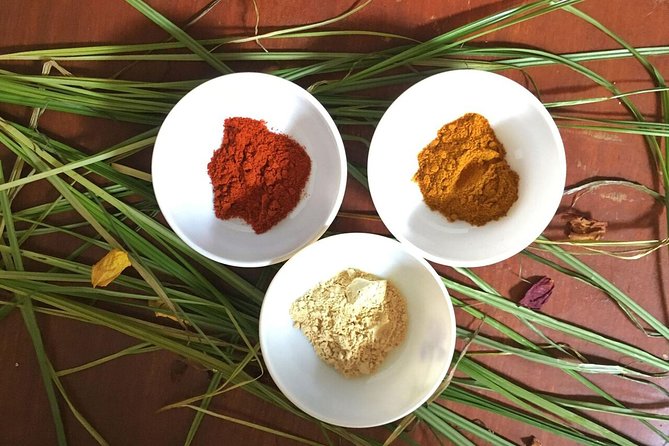
Review · COOKING CLASSES
Ethiopian Cooking Class and Coffee Ceremony with a Local in Addis with transfers
Ethiopian food is best understood at the kitchen table, and this private Addis Ababa visit puts you there. Tigist teaches you to prepare injera, shiro, or tibs, while Daniel adds context about Ethiopian culture, food, and daily life. The coffee ceremony then turns a meal into a proper social occasion.
I like the home setting and the chance to talk with Daniel, who has led trips around Ethiopia for more than a decade. I also like the practical hotel transfers, a real help in a large city. The main thing to consider is the price: at $154 per person, this is not a budget meal, though the private class, food, coffee, transfers, and conversation make it more than a standard restaurant visit.
Key points to know before you book
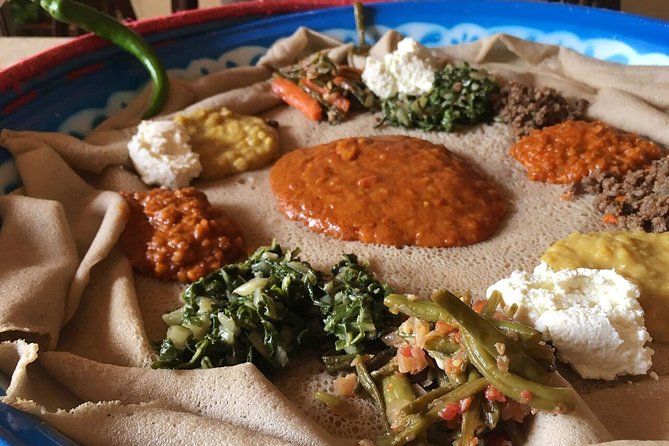
- You cook in Daniel and Tigist’s home kitchen, not in a commercial culinary school.
- Tigist leads the food preparation, drawing on cooking skills learned from her mother.
- Daniel speaks excellent English and brings a background in social anthropology and Ethiopian tourism.
- You may prepare injera, shiro, or tibs, with the menu changing by season.
- The coffee ceremony includes roasting the beans, not just drinking a prepared cup.
- Hotel pickup and drop-off are included, with a scheduled start at 3:30 pm.
Why a home kitchen tells you more than a restaurant
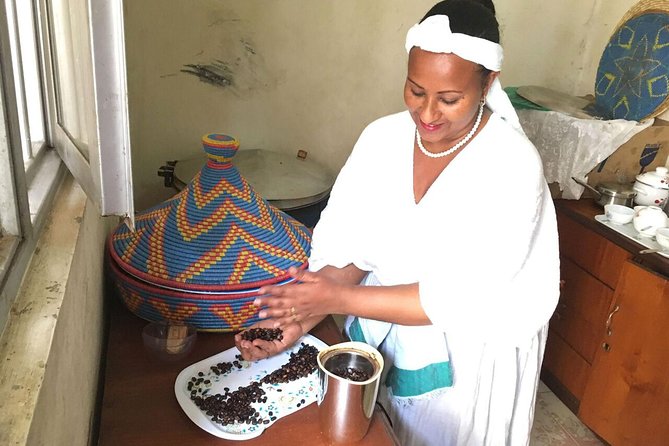
A restaurant can show you what Ethiopian food tastes like. This visit helps you understand how the food comes together.
You spend the cooking portion in the home kitchen of Daniel and Tigist. That matters because Ethiopian cooking is tied closely to family life. Tigist learned by helping her mother as a child, then ran her own kitchen after marrying Daniel. Her instruction comes from daily practice, not from a short professional course built for tourists.
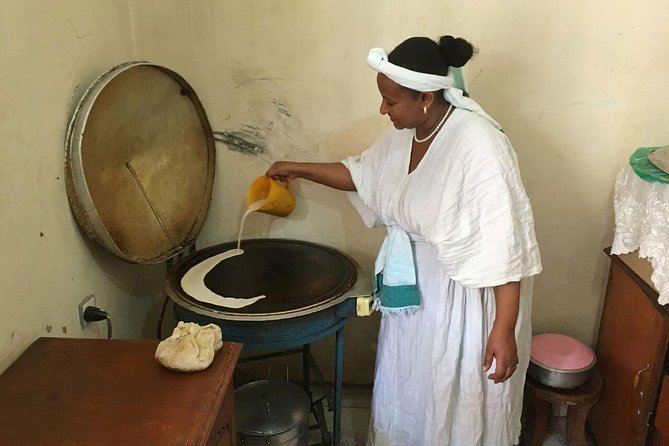
The class lasts about 1.5 to 2 hours within the roughly four-hour experience. You should expect a hands-on lesson, but the exact amount of work you do may depend on the dish and the pace of the group. Tigist shows you how to prepare a traditional Ethiopian dish and how to pour and cook injera.
The setting also keeps the experience personal. This is a private activity for your group only, rather than a large class filled with strangers. If you are curious about family routines, regional food, or how Ethiopian meals are prepared at home, you can ask questions as they come up.
There is one small trade-off. A home kitchen is less predictable than a commercial school. You may not get a polished workstation, printed recipe booklet, or fixed menu. The reward is a more direct look at how cooking fits into an Ethiopian household.
More Coffee Stops in the world:
- Da Nang Cooking Class with Coffee Tasting and Market Visit
★ 5.0 · 310 reviews - Hanoi Cooking Class: Pho/Bun Cha/Banh Xeo…+Free Egg/Salt Coffee
★ 5.0 · 267 reviews - Market Tour and Cooking Class with a Coffee Ceremony at a Home in Addis Ababa
★ 5.0 · 32 reviews
Injera is the lesson’s essential skill
Injera is more than a side dish. It is the edible plate, utensil, and foundation of many Ethiopian meals.
The bread is soft, spongy, and slightly sour. You tear off a piece with your right hand, use it to pick up stews or meat, and eat the combination together. Learning to pour and cook it gives you a useful glimpse into the technique behind a food you will see throughout Ethiopia.
The class focuses on the process rather than simply placing injera in front of you. You can watch how the batter is poured and cooked, and you may get a chance to take part. The information provided does not promise that every participant will make an entire injera from start to finish, so think of this as a guided introduction rather than a formal baking certification.
This part is particularly useful if you plan to eat Ethiopian food again during your trip. Once you understand how injera functions, a platter of food becomes easier to approach. You also gain a better sense of why shared eating is central to the meal.
The menu can change with the season. That is good news for freshness, but it means you should not book with the expectation of one guaranteed dish unless you confirm it ahead of time.
Shiro and tibs show two sides of Ethiopian cooking
You might learn to make shiro, tibs, or both depending on the day and the arrangement.
Shiro is a stew made from chickpea or broad bean flour. It is a comforting, thick dish and often suits vegetarians, though you should state your dietary needs when booking. Its appeal is in the seasoning and texture rather than a long list of ingredients.
Tibs is stir-fried meat cooked with vegetables and spices. It offers a different experience from shiro, with a more direct focus on meat, heat, and sautéed flavor. If you have a preference, ask in advance. The menu may vary, and an additional dish must be requested before booking.
Adding another dish will extend the cooking time. That is worth considering if you want a longer food lesson, but it could make the afternoon feel less relaxed. For most people, one main dish plus injera gives enough time to learn, eat, and talk without turning the visit into a marathon.
Vegetarian cooking is available. You should also share allergies, dietary restrictions, and cooking preferences when you make the reservation. Do not wait until you arrive. The hosts can plan better when they have this information ahead of time.
Coffee roasting makes the afternoon feel distinctly Ethiopian
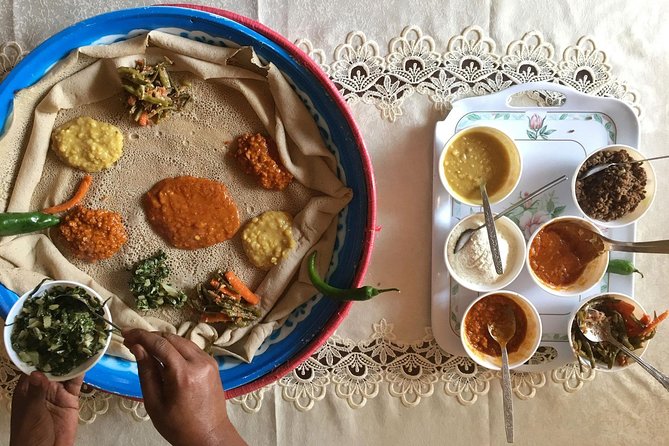
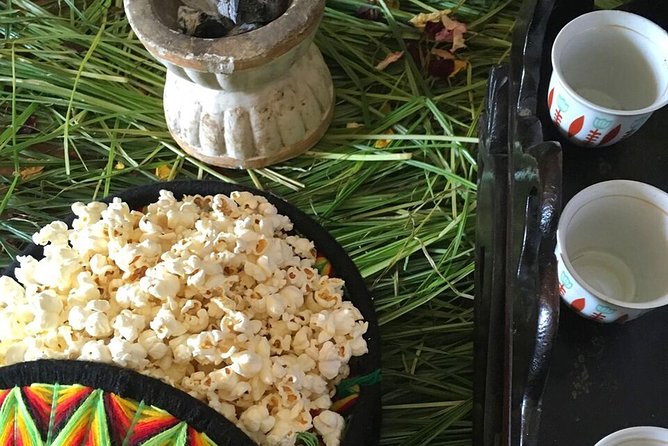
The coffee portion is not an afterthought. You learn to roast the beans, then take part in a traditional coffee ceremony in the country associated with coffee’s origins.
Roasting gives you a stronger connection to the drink than simply ordering a cup. You see an important step before brewing and taste coffee as part of a social ritual. The ceremony adds a slower, more communal rhythm after the active cooking session.
Coffee in Ethiopia is tied to hospitality and conversation. Here, the ceremony gives you time to sit with your hosts and continue the exchange. You can ask Daniel about food, history, politics, or other subjects connected to Ethiopian life. His master’s degree in social anthropology and long work in tourism make him well suited to that kind of conversation.
The experience includes coffee or tea and bottled water. Alcoholic drinks are not included. If you are mainly interested in coffee, this is still a broader cultural visit rather than a dedicated coffee farm or barista course. You roast beans and experience the ceremony, but the focus remains the connection between food, family, and conversation.
More Cooking Classes in the world:
- Half-Day Thai Cooking Class at Organic Farm in Chiang Mai
★ 5.0 · 19,087 reviews - Florence: Pasta Cooking Class with Unlimited Wine
★ 4.9 · 10,285 reviews - 3 in 1 Cooking Class near Navona: Fettuccine, Ravioli & Tiramisu
★ 5.0 · 7,376 reviews - Florence: Pasta & Tiramisu Cooking Class with Unlimited Wine
★ 4.9 · 6,708 reviews
Daniel and Tigist bring different strengths
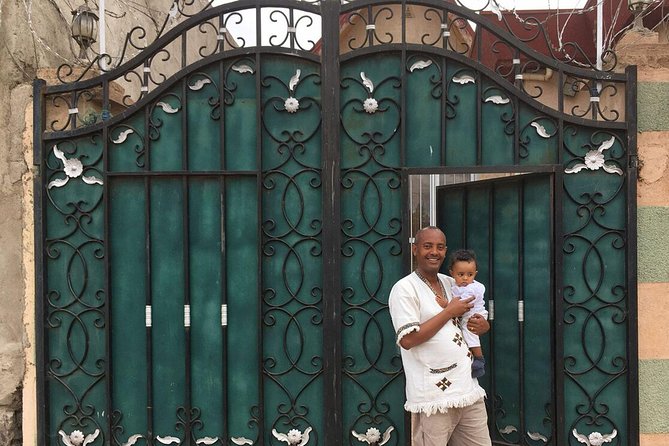
The hosts divide the experience in a natural way.
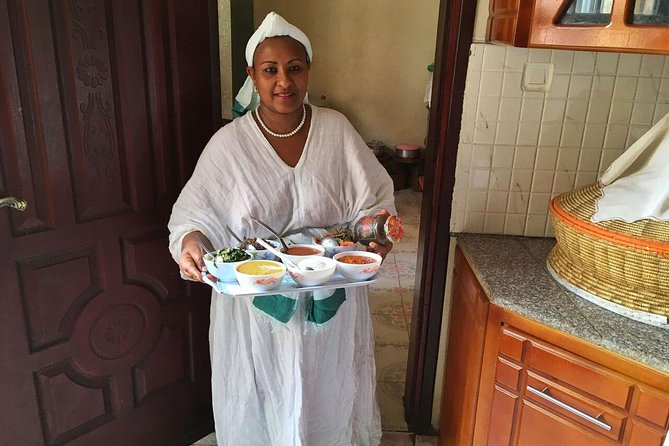
Tigist is the cooking guide. Her knowledge began at home, helping her mother, and continued through running her own kitchen. She shows you the food preparation and the injera technique. If you want practical guidance, she is the person to watch closely.
Daniel handles much of the conversation and cultural explanation. He speaks perfect English, has a master’s degree in social anthropology, and has worked as a tourism professional for more than ten years. That combination is useful because you can ask both simple food questions and broader questions about Ethiopia.
The visit is not limited to a scripted talk. Daniel enjoys discussing different subjects, including food, history, and politics. You should still keep in mind that the amount of discussion depends on your interests and the time available. This is a private experience, so you can shape the conversation more easily than you could in a large group.
Daniel and Tigist are from the Oromia region, but they cook dishes from across Ethiopia. That gives the meal a pan-Ethiopian character rather than presenting only one regional style. If you want to understand how food differs across the country, ask about the origins of each dish as you cook.
Their three sons may join the experience on weekends. This can add a family feel, but it also means the visit may include the ordinary sounds and movement of a working household. If you want a tightly controlled, classroom-style session, this is not that kind of experience.
The neighborhood visit can add context to the meal
One particularly useful feature is the chance to see more of the hosts’ neighborhood in the hills on the outskirts of Addis Ababa. This is not presented as a separate sightseeing tour with a long list of stops. Instead, it adds local context around the home visit.
That setting helps you see that the activity is not simply a staged cooking demonstration. You are being welcomed into a real part of Addis Ababa, with the food and conversation connected to the place where the hosts live.
The exact extent of the neighborhood look may depend on timing and the day’s arrangements. Do not book this expecting a full city tour. The main purpose is cooking, eating, coffee, and conversation. Still, the neighborhood context can make the afternoon more memorable than a class held in a hotel kitchen.
Hotel pickup and drop-off are included, which is useful when visiting an unfamiliar city. Addis Ababa traffic and distances can make a short outing feel more complicated than expected. With transfers arranged, you can focus on the experience instead of working out transport to a private home.
You must provide your hotel name and address when booking. The scheduled start time is 3:30 pm, and the total duration is about four hours. That makes this a good late-afternoon activity, with enough time for the class, meal, coffee roasting, ceremony, and conversation.
What the $154 price really covers
At $154 per person, this is an expensive meal if you judge it only by the food. It becomes more reasonable when you count what is bundled into the afternoon.
You receive hotel pickup and drop-off, a private cooking class, the meal, beverages, bottled water, coffee or tea, taxes, fees, and gratuities. You are also paying for personal time with two hosts, not just for ingredients and a seat at a table.
The private format is the key value. Your group does not share the class with other bookings, so you can ask questions at your own pace. A couple or small family that wants direct contact with local hosts may find the cost worthwhile. Larger groups should ask about group discounts, which are offered.
I would not choose this experience if your main goal is the cheapest possible Ethiopian meal. Addis Ababa has restaurants that will cost less. I would choose it if you have limited time, want a structured cultural activity, and prefer a personal introduction to Ethiopian food over a standard restaurant meal.
The average booking lead time is about 35 days. That suggests you should plan ahead, especially if your dates are fixed. Confirmation is provided when you book, and cancellation is allowed for a full refund up to two full days before the start time. Inside that window, the payment is not refunded, and changes are not accepted.
Who will get the most from this cooking class
This suits you if you want to meet local people and ask questions rather than simply watch a demonstration. It is also a strong choice for food-focused visitors who want to understand injera, shiro, tibs, and Ethiopian coffee in one afternoon.
It works well for first-time visitors to Addis Ababa because the transfer removes some transport planning. It also fits travelers with a tight schedule: you get food, a cultural introduction, and a coffee ceremony in roughly four hours.
Families may enjoy the home setting, particularly on a weekend when the hosts’ sons might be present. Couples and small private groups will benefit from the flexible conversation and personal attention.
You may want to skip it if you prefer a formal cooking school with a fixed syllabus, exact recipes, and professional kitchen equipment. It is also less suitable if you want a full-day regional food tour or a dedicated coffee production visit. The strength here is the household setting and the human connection.
Practical tips for making the afternoon work well
- Give the hosts your correct hotel name and address when booking so pickup can be arranged.
- State vegetarian needs, allergies, restrictions, and cooking preferences in advance.
- Ask before booking if you want an additional dish. It will add time to the class.
- Treat the menu as seasonal. Shiro, tibs, or another dish may be offered depending on what is available.
- Leave enough room in your schedule for conversation. The meal is only part of the experience.
- If you want to discuss a particular subject with Daniel, bring your questions. Food, history, politics, and Ethiopian culture are all suitable topics.
- Remember that alcohol is not included. Coffee, tea, and bottled water are provided.
- Book early if your Addis Ababa dates are fixed, since this experience is often reserved well ahead of time.
Should you book this Addis Ababa home cooking experience?
Book it if you want an afternoon built around people, food, and conversation. Daniel and Tigist offer more than a recipe lesson: Tigist gives you a practical look at Ethiopian home cooking, while Daniel helps place the dishes in a wider cultural setting. The coffee roasting and ceremony give the visit a fitting finish.
The price is high for a four-hour activity, but the private format, hotel transfers, meal, instruction, and personal hosting make the value easier to understand. I would especially recommend it to first-time visitors, food lovers, couples, and small groups who want a direct introduction to Addis Ababa life.
Skip it if you want a low-cost restaurant meal or a polished culinary school. Choose it if the idea of cooking in a real home, talking with an Ethiopian tourism professional, and sharing coffee after the meal sounds like the kind of afternoon you will remember.
FAQ
Where does the cooking class take place?
The class takes place in Daniel and Tigist’s home kitchen in Addis Ababa. It is a private visit rather than a commercial cooking school.
What time does the experience begin?
The scheduled start time is 3:30 pm.
How long does the experience last?
The experience lasts approximately four hours. The cooking portion takes about 1.5 to 2 hours, followed by the meal and coffee experience.
Which Ethiopian dishes might I learn to make?
You might learn to make injera, shiro, or tibs. Shiro is a chickpea or broad bean stew, while tibs is stir-fried meat with vegetables and spices. The menu may vary by season.
Is a vegetarian option available?
Yes. A vegetarian option is available, but you should request it when booking.
Can I request a particular dish or an additional dish?
You can request an additional dish in advance. Adding another dish will extend the cooking time. The menu may still depend on seasonal availability.
Is hotel transportation included?
Yes. Hotel pickup and drop-off are included. You need to provide your hotel name and address when booking.
Is the experience private?
Yes. Only your group participates in the activity.
Can I cancel for a full refund?
Yes, if you cancel at least two full days before the experience start time. Cancellations or changes made within two full days are not refunded or accepted.
Newest classes around the world
- Aroidee’s Farm-Fresh Thai Cooking Experience★ 5.0 · 8 reviews
- Authentic Thai Cooking Class and Farm Visit in Chiang Mai★ 5.0 · 66 reviews
- Signature Thai Cooking Course★ 5.0 · 79 reviews
- Half Day Guided Thai Cooking Class in Chiang Mai★ 5.0 · 13 reviews
- Yummy Tasty Thai Cooking School in Chiang Mai★ 5.0 · 2 reviews
- Online Thai and Akha Cooking Class★ 5.0 · 70 reviews
- Northern Thai Cooking Class in Chiang Mai in a Countryside Home★ 5.0 · 2 reviews
- Private Half-Day Thai Cooking Class in Chiang Mai★ 5.0 · 4 reviews
Cooking Classes, compared.
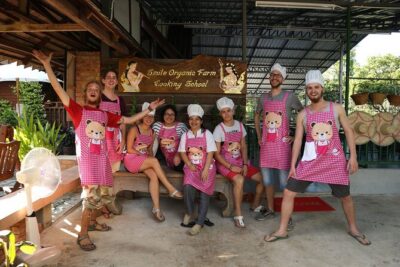
Half-Day Thai Cooking Class at Organic Farm in Chiang Mai
Read our review →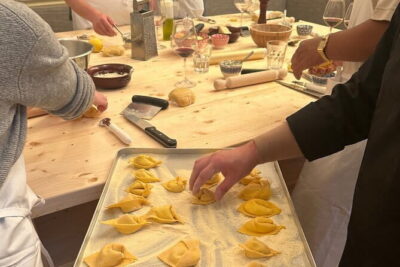

3 in 1 Cooking Class near Navona: Fettuccine, Ravioli & Tiramisu
Read our review →
Pasta & Tiramisu Cooking Class with Unlimited Wine
Read our review →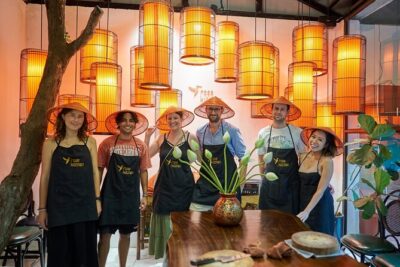
Hanoi Cooking Class: Culture, Local Market & Meaning CSR Impact
Read our review →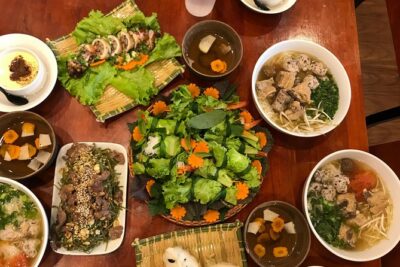
5 Traditional Dishes Hanoi Cooking Class with Market Trip
Read our review →
Cooking Class and Lunch at a Tuscan Farmhouse with Local Market Tour from Florence
Read our review →Browse the lists this tour appears in