Review · ITALY COOKING CLASSES
Culurgiones Cooking Class Cagliari
Culurgiones are Sardinia’s answer to the filled pasta dumpling, but the real treat here is learning the hand movements that give them their signature braided edge. I like the hands-on instruction and the chance to eat what you make at a shared table. I also like that the ingredients, including durum wheat flour, potatoes, mint, and cheese, come from Sardinian producers and farmers.
The main thing to consider is the shared filling. Everyone seasons and shapes pasta, but the finished culurgiones are mixed together for lunch. If you are not fond of cheese, or have strict food preferences, ask about the filling before you book.
Key points at a glance
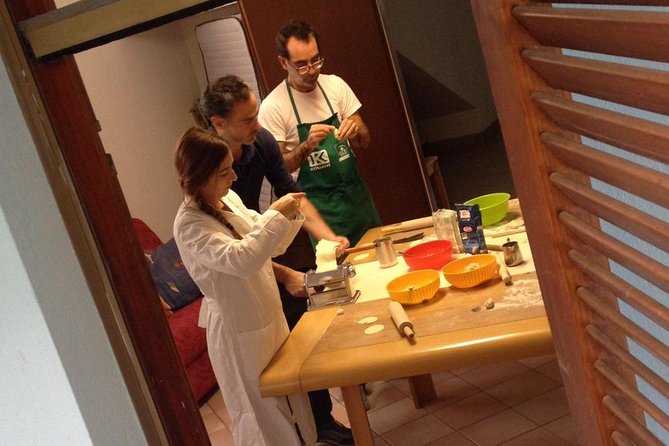
- Learn the traditional culurgiones seal: You will practice closing each dumpling by hand, with guidance from Damiano and his helpers.
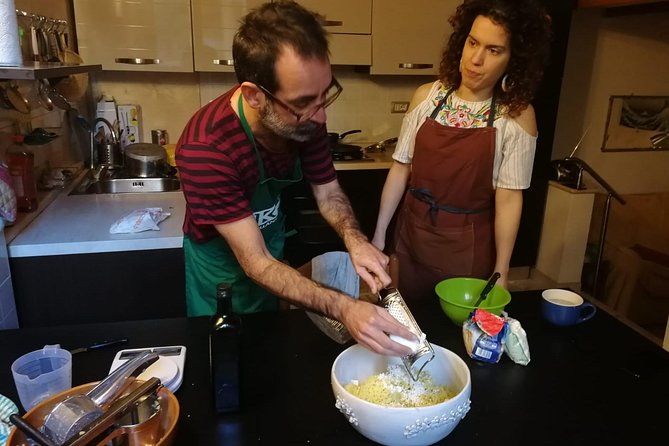
- Held in a local home: The class takes place in Damiano Usala’s home, giving the meal a warm, personal setting rather than a formal school atmosphere.
- Small group of up to eight: The size allows for individual help, though some feedback refers to groups of around ten, so confirm the exact number for your date.
- Lunch is part of the class: Your meal includes the culurgiones you prepare, Sardinian cheese, seasonal vegetable appetizers, wine, and myrtle liqueur.
- Suitable for beginners and families: The minimum age is four, and the teaching is patient and practical.
- Good choice from the cruise port: The meeting point is about a 10-minute taxi ride from the port, according to the experience details shared by participants.
Why culurgiones are worth learning in Cagliari
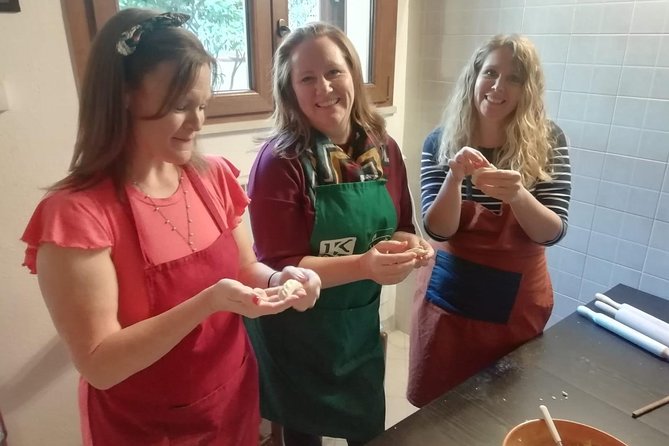
Culurgiones are not just another pasta shape. They are closely tied to Sardinian home cooking, especially the kind of meal prepared slowly for a Sunday table. The filling traditionally brings together potatoes, cheese, mint, garlic, and seasoning, then gets enclosed in soft dough and sealed with a neat braided pattern.
That seal is the part you will remember. At first, your dumpling may look more like a folded pouch than a polished Sardinian crescent. With a little practice, you get a feel for pinching and turning the dough. Damiano gives direct tips and helps correct your technique without making the class feel like a test.
I like this format because you learn a skill you can use at home. The class is not only a demonstration where you watch someone else make pasta. You handle the dough, work with the filling, and shape enough pieces to see your progress.
The food also gives you a better sense of Sardinia. Local cheese, mint, potatoes, olive oil, wine, and myrtle liqueur are not decorative extras. They show how a simple island meal depends on a small group of familiar ingredients used well.
More Cooking Classes in Italy:
- Florence: Pasta Cooking Class with Unlimited Wine
★ 4.9 · 10,285 reviews - 3 in 1 Cooking Class near Navona: Fettuccine, Ravioli & Tiramisu
★ 5.0 · 7,376 reviews - Florence: Pasta & Tiramisu Cooking Class with Unlimited Wine
★ 4.9 · 6,708 reviews
Arriving at Via Cettigne at 11:00
The class starts at 11:00 am at Via Cettigne, 20, in Cagliari. It ends at the same meeting point, so you do not need to arrange a second pickup location.
The timing makes sense for a cooking class built around lunch. You arrive while the potatoes and tomato sauce begin cooking, then move into pasta preparation. Since the meal comes at the end, expect the experience to run close to three hours rather than feeling like a quick one-hour lesson.
If you are coming from the cruise port, allow time for the ride. The location is said to be about 10 minutes by taxi from the port, and one group enjoyed walking from the port. The practical choice depends on your ship schedule, the heat, and how much time you have before returning onboard.
The meeting point is near public transportation. The activity is offered in English, which makes the cooking steps easier to follow if you do not speak Italian.
Starting with dough, potatoes, and sauce
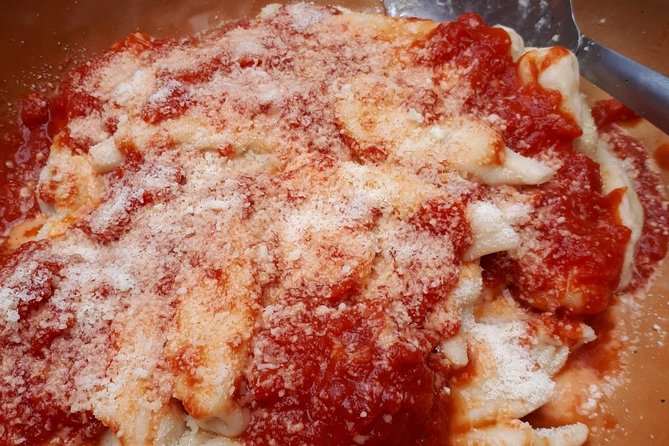
The class begins with the pasta dough. You use durum wheat flour from a Sardinian local producer, rather than an anonymous supermarket product. That matters because durum wheat gives the dough its firm, springy feel, which is part of what makes filled pasta hold together.
While the potato and sauce cook, you work with the dough and prepare the filling. The process moves at a friendly pace, with time to ask questions and repeat a technique. Families and complete beginners are welcome, and the minimum age is four.
Damiano has been praised for his patience and clear corrections. That is especially useful here because pasta making involves small physical details that are hard to understand from a recipe alone. You may need help with dough thickness, how much filling to add, or how firmly to close each piece.
The class also has a social side. You work around a table with people from different places, then eat together. That can be one of the best parts of a small cooking class, but it also means this is not a private lesson built around your own pace.
Shaping the culurgiones by hand
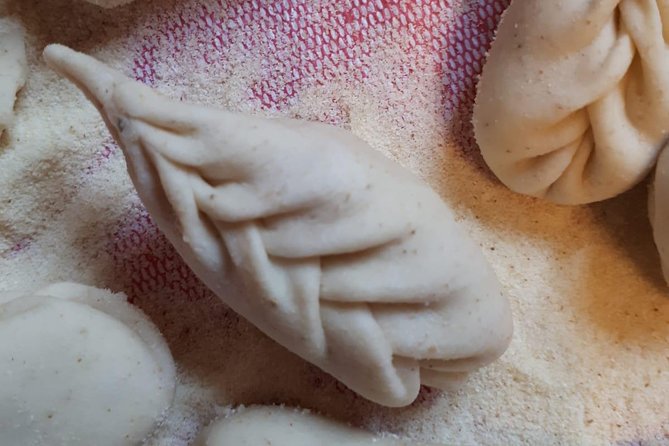
Once the dough and filling are ready, the central lesson begins. You place the potato and cheese mixture into the dough, then close and seal each dumpling. The distinctive edge takes practice, so do not expect every piece to look identical.
That is part of the fun. You may start with uneven shapes and finish with a few that look convincingly Sardinian. The instructors help with the hand position and show different ways to improve the seal. Several class descriptions point to the patience and humor of Damiano, Claudio, Mateo, Marcus, and the other helpers involved on different dates.
The recipe seems to focus on a potato-based filling with cheese, garlic, mint, and seasoning. The precise seasoning may vary according to the group. That flexibility can make the food more personal, but it leads to the one clear caution: the finished pasta is combined before serving.
If one person adds more cheese or favors a stronger mint flavor, everyone may taste that choice at lunch. One participant especially liked the tomato-sauce version but felt the shared seasoning was less ideal for people who prefer less cheese. If you have allergies, dietary restrictions, or strong dislikes, speak with the provider before booking.
Same region, a different dish to learn:
- Florence: Pasta Cooking Class with Unlimited Wine
★ 5.0 · 6,413 reviews - Cooking Class and Lunch at a Tuscan Farmhouse with Local Market Tour from Florence
★ 5.0 · 4,831 reviews - Rome: Pasta Making Class with Wine, Limoncello, and Dessert
★ 4.9 · 3,177 reviews - Pastamania – Florence Pasta Making Class
★ 5.0 · 3,050 reviews
Sitting down to a Sardinian lunch
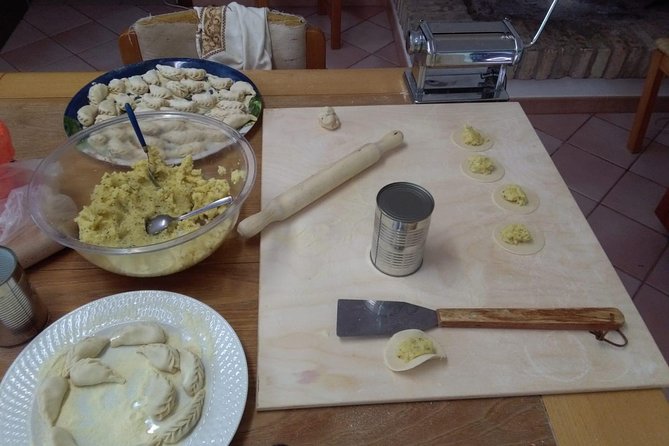
After the pasta is prepared, the table is set and the group eats together. Your culurgiones are the main course, so the lunch gives you a direct reward for the work you have just done.
The meal begins with a selection of at least two Sardinian cheeses. The menu also lists seasonal vegetarian appetizers, such as pickled vegetables, vegetables preserved in oil, or other seasoned produce. These starters help you taste the local pantry before the pasta arrives.
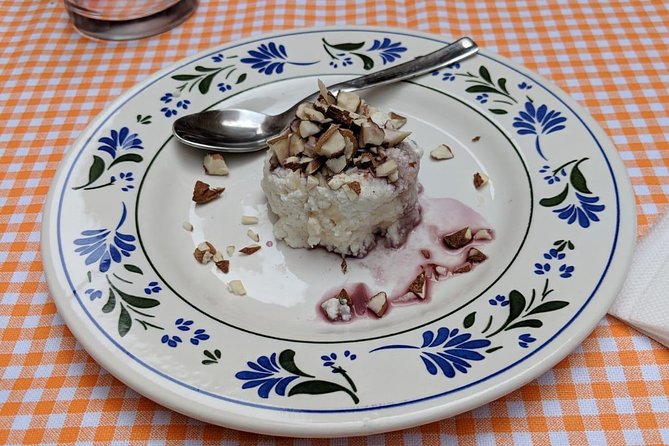
Wine is served with the meal, and dessert is a small pour of myrtle liqueur. Myrtle, called mirto in Sardinia, is a traditional after-dinner drink made from the island’s myrtle plant. It gives the meal a distinct local finish, though it is worth remembering that it is an alcoholic drink.
The food is simple by design. This is not a polished restaurant tasting menu with multiple courses and elaborate plating. You get cheese, vegetables, pasta, wine, and a digestif, served in a communal setting. I see that as a strength if you want a home-style food experience, but less so if you are seeking a formal culinary workshop with advanced techniques.
The value of a $96.79 cooking class
At $96.79 per person, this is not the cheapest lunch in Cagliari. The price makes more sense when you count the full experience: about three hours of instruction, the ingredients, the meal, wine, appetizers, the small group setting, and the cultural background woven into the class.
A restaurant meal could cost less, especially if you order a simple plate of pasta. But a restaurant will not teach you how to mix the dough, prepare the filling, or make the culurgiones seal. You are paying for the time and attention involved in learning, not only for the food.
The group discount may improve the cost for families or friends booking together. With a maximum of eight people, the class should feel more personal than a large demonstration. Still, the exact number can matter. Some accounts describe a group of ten, so I would confirm the size if individual attention is important to you.
The best value comes if you plan to recreate the dish at home. You leave with a method, not merely a memory of what Sardinian pasta tastes like. One family even carried some of its handmade pasta to a later hotel and cooked it there, though you should only plan that if the provider confirms it is practical and safe.
Who will enjoy this experience most
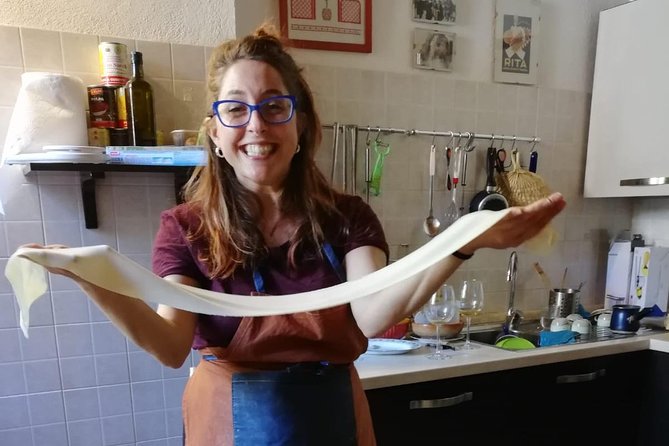
This class suits curious eaters, families, couples, solo visitors who enjoy meeting people, and anyone who wants more than a standard sightseeing stop. You do not need prior pasta-making experience. The instruction is aimed at beginners, and the activity welcomes children from age four.
It is also a good option for a mixed-age group. The hands-on work gives children something concrete to do, while adults can focus on the food and conversation. Younger children may need help with the dough and the sealing, but that becomes part of the shared activity.
Food lovers will appreciate the local cheese, mint, potatoes, wine, and myrtle. The class is especially worthwhile if you have already eaten Italian pasta in restaurants and want to understand the work behind filled pasta.
You should think twice if you dislike group meals, want a private lesson, or need a strictly controlled menu. The class centers on shared food, and the filling may reflect the group’s choices. Service animals are allowed, but you should still tell the provider about any dietary or access needs before arrival.
What the atmosphere is like
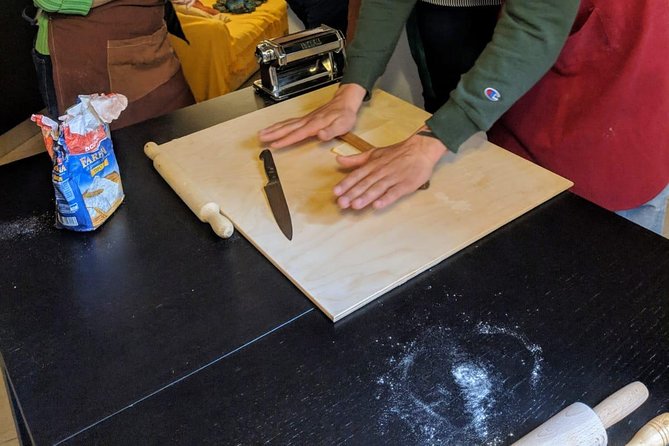
The setting is a home rather than a large commercial cooking studio. Damiano welcomes the group, and other helpers may assist with teaching and serving. That creates a relaxed mood, with plenty of conversation and laughter around the worktable.
I like the fact that the host sits down and eats with the group. It makes the meal feel less like a transaction and more like an invitation into a local food tradition. The tradeoff is that a home setting may feel less structured than a professional culinary school.
The small group helps. You can see the demonstration, copy the movement, and ask for help without waiting behind a crowd. A group of eight is listed as the maximum, although descriptions from some sessions refer to a larger gathering. If you are booking during a busy period, check the current size.
The activity has a strong social element. You may arrive with your own family or partner and leave having shared a meal with people from other countries. That is a major part of the appeal, but it is not something you can control. If you prefer quiet, private dining, choose a restaurant instead.
Useful planning details before you book
The experience starts at 11:00 am and lasts about three hours. Plan your day around a late lunch and avoid scheduling a tight activity immediately afterward.
You receive confirmation when booking, and free cancellation is available if you cancel at least 24 hours before the start time. Cancellations or changes made inside that window are not refunded or accepted, and the cut-off uses local time.
The activity is available in English. It is near public transportation, begins and ends at Via Cettigne, 20, and allows service animals. The minimum age is four.
Because the meal includes cheese, vegetables, pasta, wine, and myrtle liqueur, ask ahead about food allergies, vegetarian needs, and alcohol preferences. The listed menu is vegetarian in its starters and centers on cheese and potato culurgiones, but the provider should confirm any special request.
Should you book the culurgiones class?
Book it if you want a personal Sardinian food experience, enjoy learning by doing, and like the idea of eating lunch with a small group. The strongest parts are the patient pasta instruction, the local ingredients, the home setting, and the chance to practice a traditional seal that you can try again at home.
Skip it if you want a private class, a tightly controlled menu, or a short activity that fits neatly between port errands. The shared filling and communal meal are central to the experience, not minor details.
For most visitors with room in their Cagliari schedule, the $96.79 price is fair because it covers both a lesson and a full local meal. With a 4.9 rating from 321 reviews and 99 percent recommendation, it has a strong record. Just confirm the group size and discuss dietary needs before paying. If those points work for you, this is one of the better ways to turn Sardinia’s food culture into a skill you can take home.
FAQ
Where does the culurgiones cooking class meet?
The class meets at Via Cettigne, 20, 09129 Cagliari CA, Italy. The activity ends back at the same meeting point.
What time does the class start?
The class starts at 11:00 am.
How long does the experience last?
The activity lasts approximately three hours.
What language is the class offered in?
The class is offered in English.
What is included in the meal?
The meal includes the culurgiones you prepare, Sardinian cheese, seasonal vegetarian appetizers, local wine, and traditional myrtle liqueur.
What is the maximum group size?
The stated maximum is eight people. Some class accounts describe groups of around ten, so confirm the exact group size for your date if this matters to you.
Is the class suitable for children?
Yes. The minimum age is four years old.
Can I cancel for a full refund?
Yes, if you cancel at least 24 hours before the experience starts. Cancellations or changes made less than 24 hours before the start time are not refunded or accepted.
Newest classes around Italy
- Cooking Class in a Sicilian countryhouse★ 5.0 · 5 reviews
- Cesarine: Home Cooking Class & Meal with a Local in Catania★ 4.5 · 10 reviews
- Cesarine: Market Tour & Home Cooking Class in Catania★ 4.0 · 6 reviews
- Cooking Class in Taormina with Lunch Included★ 5.0 · 2 reviews
- Cooking class in Capri for small groups★ 4.0 · 4 reviews
- Cooking Class and Wine Pairing in Capri★ 5.0 · 57 reviews
- Lezione di Cucina : Pasta Fresca★ 5.0 · 12 reviews
- Private Cooking Class Experience in Reggio Calabria★ 5.0 · 5 reviews
Italy Cooking Classes, compared.
3 in 1 Cooking Class near Navona: Fettuccine, Ravioli & Tiramisu
Read our review →
Pasta & Tiramisu Cooking Class with Unlimited Wine
Read our review →
Cooking Class and Lunch at a Tuscan Farmhouse with Local Market Tour from Florence
Read our review →
Pasta Making Class with Wine, Limoncello, and Dessert
Read our review →