
Review · BANGKOK COOKING CLASSES
Cultural immersion: Thai cooking, rice farming, eco printing
The best part of this day is how quickly it moves you beyond Bangkok’s tourist center. You’ll shop by sight at Nakhon Nayok fresh market, cook five familiar Thai dishes, then get muddy planting rice and make a leaf-fish souvenir with local materials.
I like the mix of hands-on work and ordinary village life. The eco-printing gives you a useful keepsake, while the cooking class turns lunch into something you made yourself. The supplied boots and rain ponchos make the rice-field work easier, though you should still expect an early start, a long day, and some dirt.
The main drawback is the schedule. Pickup begins around 6:30 AM and you return to Bangkok about 5:30 PM, so this is not a gentle half-day outing. Wheelchair users cannot be accommodated, and children need an adult with them.
Key points at a glance
- Nakhon Nayok market: See everyday shopping and try local snacks such as Khanom Krok, small coconut-rice pancakes.
- Eco-printing in a fruit orchard: Use leaves to create a fabric souvenir, with the finished piece returned later in the day.
- Five-dish Thai cooking class: Prepare Somtam, fried spring rolls, Pad Thai, Tom Yum Goong, and Panang Kai, then eat lunch.
- Rice farming with boots and ponchos: Learn basic planting techniques and take part in a traditional rural task.
- Pla Tapian wicker craft: Make a small fish from natural materials at a village workshop.
- Bangkok pickup and drop-off: Air-conditioned transport, an English-speaking guide, bottled water, and towels are included.
A full day from Bangkok to rural Nakhon Nayok
At $169 per person, this is a substantial day tour rather than a quick cultural stop. You leave Bangkok early, spend the day in several rural settings, eat a full lunch, and return by late afternoon.
That price makes the most sense if you want several activities bundled together. You are paying for hotel transportation, an English-speaking guide, insurance for the travel date, ingredients, lunch, drinks, craft materials, and the practical gear needed for rice farming. You are not paying simply to watch demonstrations. Much of the day asks you to cook, print, plant, taste, and make.
The group can be private, which matters if you want to set the pace or are traveling with family and friends. Exact departure time is arranged with the local operator after booking, but the advertised plan begins at about 6:30 AM. Be ready in your hotel lobby 10 minutes before pickup, and confirm your hotel if it does not appear in the booking system.
More Thai Classes in Bangkok:
- Bangkok: Hands-on Thai Cooking Class and Market Tour
★ 4.9 · 1,614 reviews - Bangkok: Tingly Thai Cooking School Half-Day Cooking Class
★ 4.9 · 1,191 reviews - Bangkok: Maliwan Thai Cooking Class with Market Tour
★ 4.9 · 1,133 reviews
Starting at Nakhon Nayok fresh market
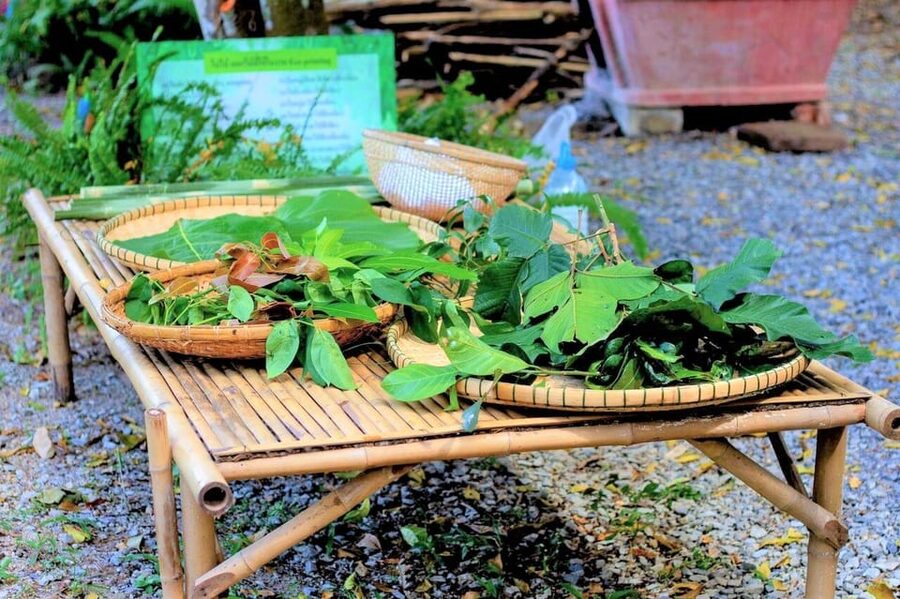
The first stop gives you a useful introduction to Thai food before you cook it. At Nakhon Nayok fresh market, you can watch people buy the ingredients used in everyday meals rather than seeing those foods only on a restaurant menu.
This is the place to notice the small details: fresh produce, prepared snacks, and the pace of local shopping. Your guide can help explain unfamiliar ingredients and show you how Thai cooking begins with fresh, strongly flavored components.
You will have the chance to try Khanom Krok, often described as coconut-rice pancakes, along with other local snacks. This is a good morning stop because it gives you something light to eat after the early pickup without replacing lunch.
I like this opening because it gives the cooking class context. Instead of beginning with a prepared workstation and a stack of recipes, you first see the kind of market that supplies Thai kitchens. The tradeoff is that markets can be a sensory experience, and anyone who dislikes strong smells or unfamiliar foods may want to take the tasting slowly.
Leaves, fruit, and eco-printing in the orchard
From the market, you continue to a fruit orchard. Seasonal fruit is part of the visit, and you may see trees such as papaya and mango while learning more about the garden.
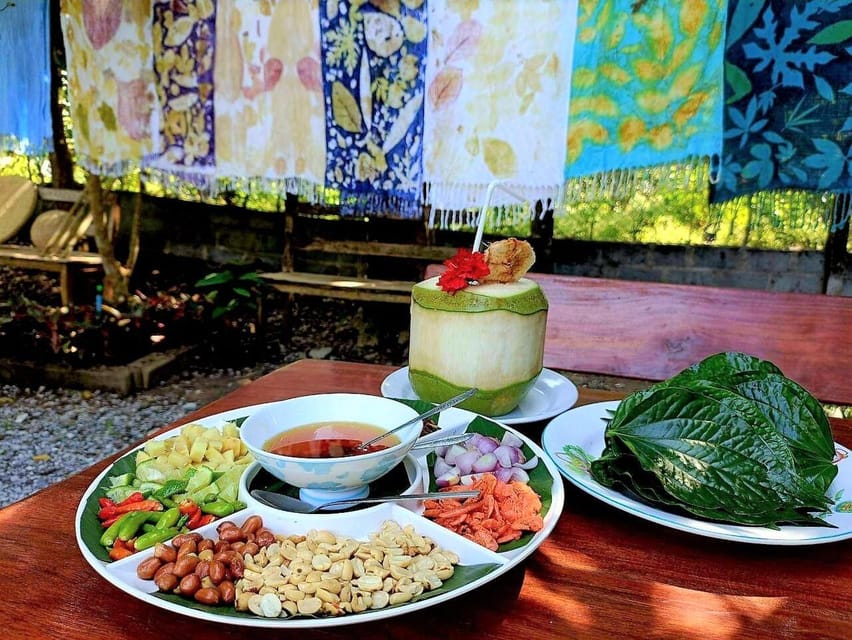
The orchard stop also includes Miang Kham, a traditional Thai snack often assembled in a leaf. You taste a combination of ingredients wrapped together, then wash it down with coconut water, Thai tea, or coffee. If you are a cautious eater, this is a manageable way to try something new because the portions are part of a guided tasting rather than a full meal.
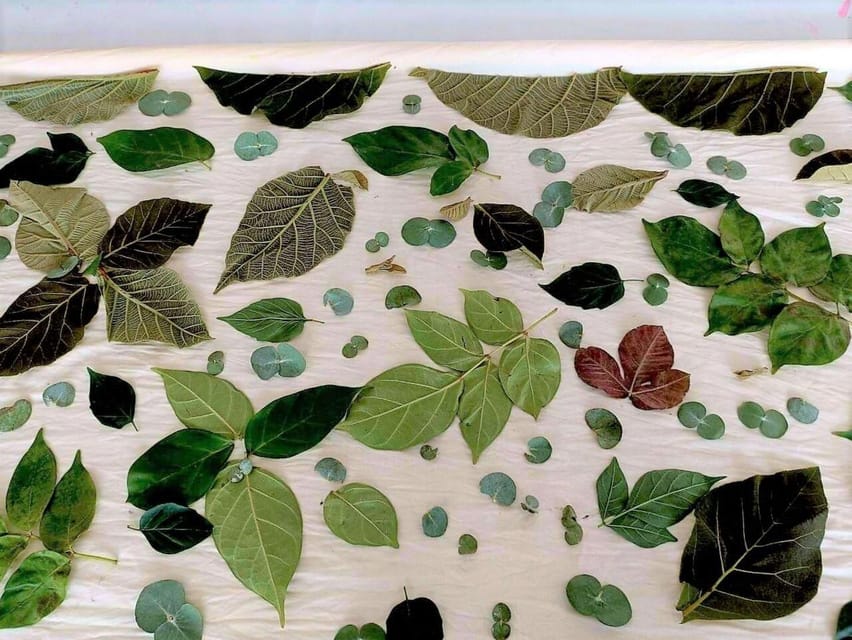
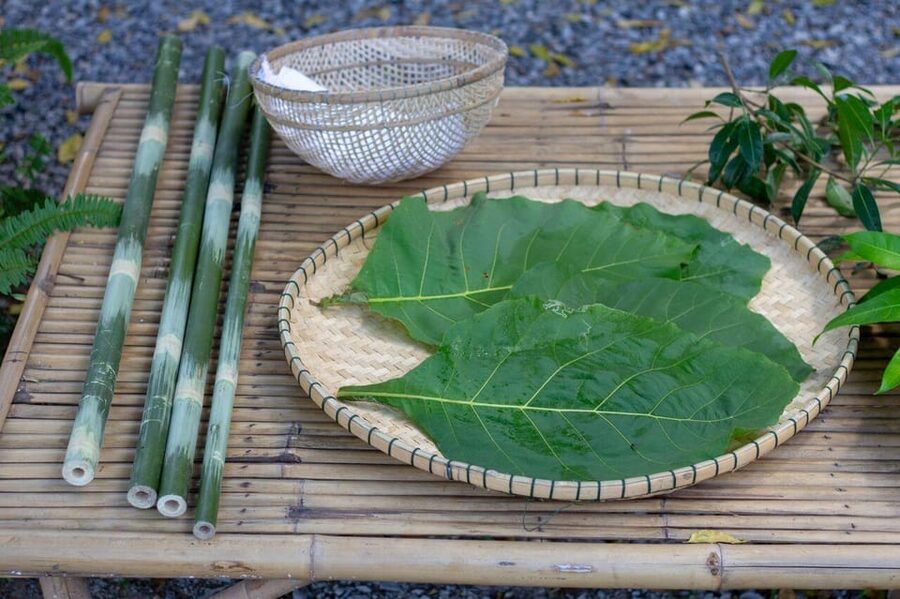
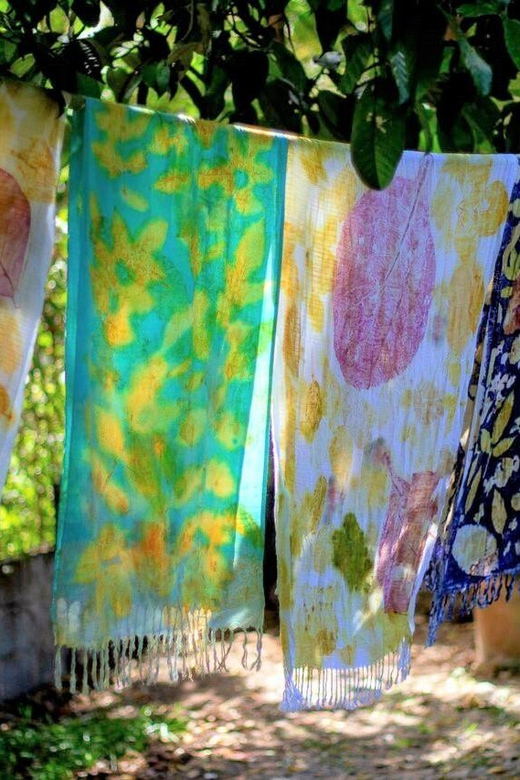
The eco-printing activity is one of the day’s strongest features. You use leaves to create a print on fabric, producing a souvenir tied to the place you visited. The fabric is processed while you continue with the rest of the program and is returned later, so you do not need to carry a wet or unfinished item all day.
Bring a camera if you enjoy recording small details, but protect your phone around food, water, and craft materials. You should also expect the exact fruit selection and plant life to vary with the season. The activity is about working with natural materials, not choosing from a fixed catalog of designs.
Cooking five Thai dishes outdoors
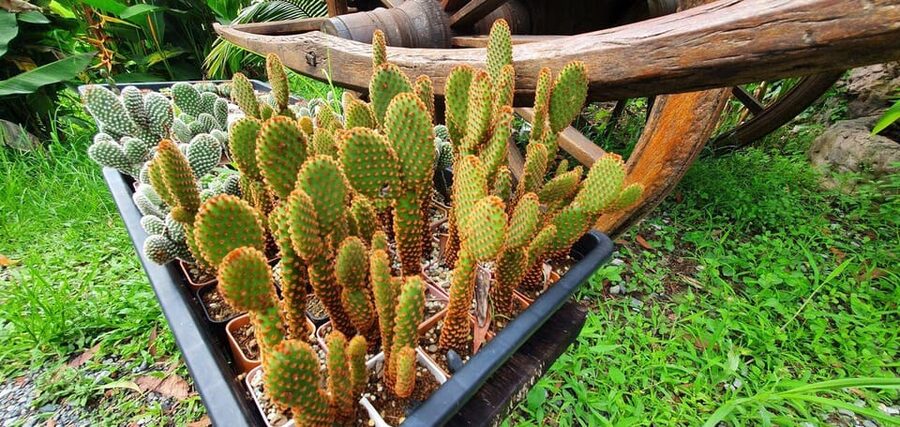
The cooking session takes place at Baan Tung Tiam Kawieng, a setting described as open-air but protected from rain. That arrangement lets you enjoy the rural surroundings without making the class entirely dependent on the weather.
You prepare five well-known Thai dishes:
- Somtam, or papaya salad
- Poh Pia Tod, fried spring rolls
- Pad Thai
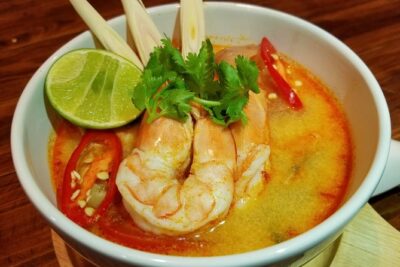
- Tom Yum Goong, spicy shrimp soup
- Panang Kai, Panang curry with chicken
This is a generous menu for one class. You get several kinds of Thai cooking in one sitting: pounding and mixing for Somtam, rolling and frying for spring rolls, stir-frying noodles, building a hot and sour soup, and making a creamy curry.
The value here is practical. You are not only eating Thai food, you are seeing how different tastes and textures are put together. If Pad Thai is the dish you already know, the curry, soup, salad, and spring rolls give you a broader sense of Thai home-style cooking.
Lunch consists of the dishes you helped prepare, followed by mango sticky rice. Tea, coffee, coconut water, and drinking water are included. Soft drinks and alcohol are not included, so bring cash if you want to buy them.
Tell the operator about allergies or dietary restrictions when booking. The menu includes shrimp, chicken, and other ingredients that may not suit every diet. The supplied information does not promise a vegetarian, vegan, halal, or allergy-free version, so ask before paying rather than relying on changes at the cooking station.
More Cooking Classes in Bangkok:
- Hands on Thai Cooking Class and Market Tour
★ 5.0 · 660 reviews - Tingly Thai Cooking Class with Morning Market Tour
★ 5.0 · 589 reviews - Hands-on Thai Cooking Class & Market Tour in Sukhumvit
★ 5.0 · 571 reviews - Pink Chili – Thai Cooking Class and Market Tour in Bangkok
★ 5.0 · 416 reviews
Rice planting with boots and rain ponchos
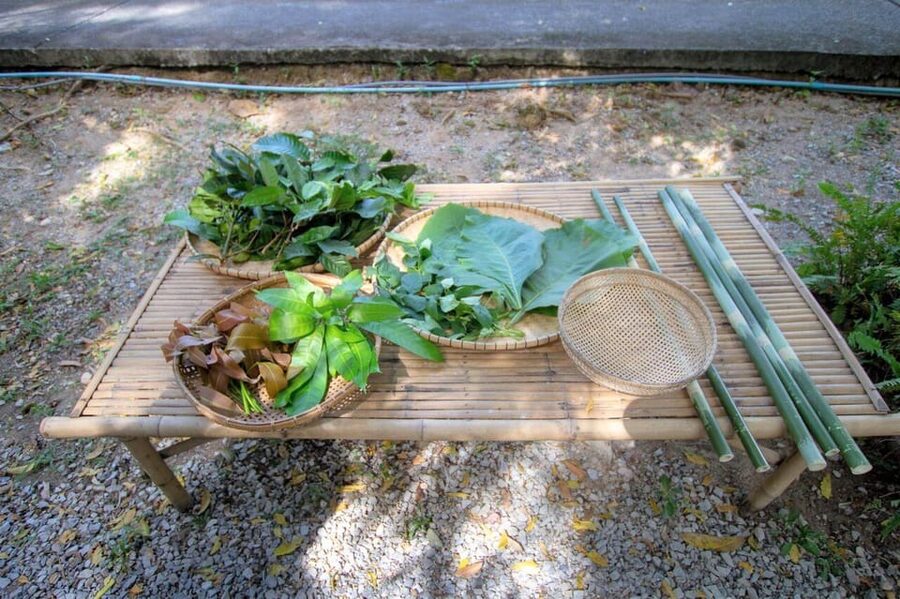
After lunch, the day shifts from kitchen work to farm work. You learn the basics of rice farming and take part in planting rice, using the gear provided for the activity.
This is likely to be the most memorable part for many people because it is physical and a little untidy. Provided boots and rain ponchos help, but you should still wear clothes you can wash easily and bring a complete change of clothes. Comfortable shoes are listed among the recommended items, but for the field itself you will use the supplied equipment.
The rice activity gives you a better feel for the labor behind a staple that appears at nearly every Thai meal. It also breaks up the cooking class with something active. If you have mobility limits, balance concerns, or dislike muddy conditions, this is the portion to consider carefully.
The tone can be lighthearted. You may find yourself laughing as you learn how to work in the field, especially if it is your first time. That said, the exact condition of the field can depend on weather and farming conditions, so prepare for a hands-on task rather than a polished photo stop.
Making a Pla Tapian fish by hand
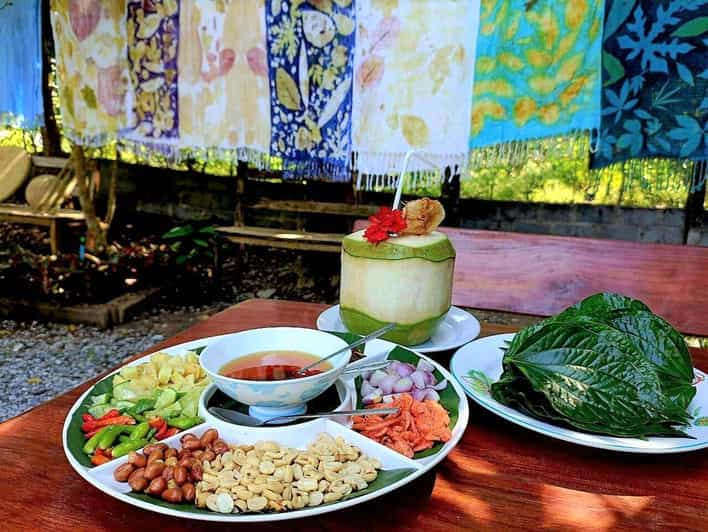
The final cultural activity takes place at a wicker-work village. Here you learn simple techniques for making a Pla Tapian, a fish-shaped decoration made from natural materials.
This craft is a quiet change of pace after the rice field. You sit on woven mats, work with your hands, and take home a souvenir you made yourself. The setting may include family members and lively conversation, which gives the stop a more personal feel than a standard shop visit.
The Pla Tapian is also a useful reminder that Thai culture is not only food and temples. Wicker work connects design, household craft, and local materials. You do not need to be especially artistic to enjoy it. The point is learning the basic method and leaving with something imperfect but personal.
Your eco-printed fabric is expected to be ready around this part of the day as well. Having both souvenirs gives the outing a nice shape: one comes from leaves and fabric, the other from natural fibers and handwork.
What the timing and transport mean
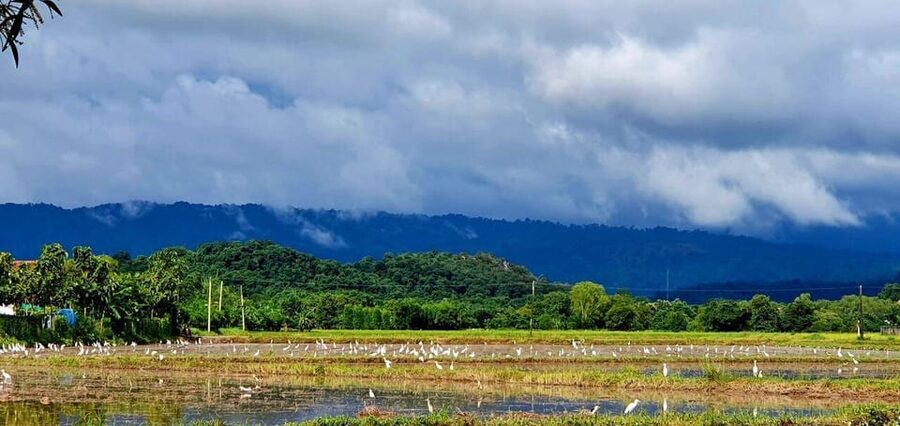
The advertised day runs for about 11 hours, with a planned return to Bangkok near 5:30 PM. Pickup and drop-off at your hotel are handled in an air-conditioned car or van, and bottled water and refreshing towels are provided, three of each throughout the day.
An early start is necessary because the experience covers several locations outside Bangkok. If you have an evening appointment, tell the guide in advance so the return timing can be discussed. The schedule is full, and traffic can affect any Bangkok transfer.
You can also bring luggage if you need to check out that day. Airport drop-off at Suvarnabhumi Airport may involve an extra charge, so confirm that arrangement before booking.
Bring a charged smartphone, power bank, cash, personal medicine, comfortable clothing, and a camera. Drinks cannot be taken into the vehicle, smoking is not allowed inside, and alcohol, drugs, fireworks, pets, and animal feeding are prohibited.
Who will get the most from this experience
I would choose this tour if you want active cultural contact rather than a string of short photo stops. It suits couples, families with older children, and small private groups who enjoy trying food, getting involved, and asking questions along the way.
Children ages 3 to 16 must be booked with an adult. Children under 2 can travel free, but no child seat is provided, so bring your own if required. The day may be tiring for very young children because of the early pickup and long return transfer.
Food lovers will get the fullest value from the cooking class and market visit. Craft fans will appreciate the eco-print and Pla Tapian activities. Anyone looking for a relaxed city tour, a short outing, or a fully accessible program should consider a different choice.
The experience is not suitable for wheelchair users, and no accessibility solution is offered for the rice fields or craft areas. You should also expect weather exposure during outdoor portions, even though the cooking area has protection from rain.
Is $169 a fair price?
For one person, $169 is not a bargain-priced Bangkok excursion. It becomes easier to justify when you count what is included: hotel transport, a full English-speaking guide, insurance, a market visit, orchard tasting, two craft activities, rice farming, five cooked dishes, dessert, and nonalcoholic refreshments.
The private-group option can improve the value if you are traveling with several people and want more control over the day. Solo visitors or pairs may find the price high compared with a basic cooking class, but this includes far more than cooking.
I would compare it with the cost of arranging separate transport to rural Nakhon Nayok, finding a cooking class, buying craft materials, and organizing a farm activity. The convenience is a major part of the price. You also avoid spending the day guessing which local stops are suitable or how to get between them.
Should you book it?
Book this day if you want to use your hands, eat what you cook, and see more than Bangkok’s central sights. The combination of market, orchard, cooking, rice farming, and wicker work gives you a broad look at Thai daily life in one long outing.
Think twice if you need a slow schedule, have strict dietary needs that have not been confirmed, or cannot manage muddy outdoor work. For everyone else, the strongest reason to go is the balance of food and work: you taste local ingredients, make a meal, plant rice, and leave with two handmade souvenirs instead of only photographs.
Free cancellation is available up to 24 hours before the activity for a full refund, and you can reserve now and pay later. That flexibility helps if your Bangkok plans are still shifting, but confirm your pickup hotel, dietary needs, names for insurance, and any airport transfer before the day arrives.
FAQ
What time does the tour start and finish?
Pickup is planned for about 6:30 AM after breakfast, with a return to Bangkok around 5:30 PM. The exact departure time is arranged with the local operator after booking.
Is hotel pickup included?
Yes. Transportation includes hotel pickup and drop-off in an air-conditioned car or van. Be ready in your hotel lobby 10 minutes before the scheduled pickup time.
What food is included?
You prepare and eat Somtam, fried spring rolls, Pad Thai, Tom Yum Goong, and Panang Kai. Mango sticky rice, tea, coffee, coconut water, and drinking water are also included.
Are drinks and alcohol included?
Bottled water, coconut water, tea, and coffee are included. Alcoholic drinks and soft drinks are not included and can be purchased separately.
Can children join the activity?
Children ages 3 to 16 must be booked with an adult. Children under 2 can travel free of charge. No child seats are provided, so bring one if needed.
Is the activity wheelchair accessible?
No. The activity is not suitable for wheelchair users. You should also be prepared for outdoor work during the rice-farming portion.
Newest classes around Bangkok
- Thai cooking class experience in Bangkok with Tingly Thai cooking school★ 5.0 · 59 reviews
- Thai Cooking Class in Bangkok★ 5.0 · 23 reviews
- Hands-On Thai Cooking Class Bangkok with Local Chef (Small Group)★ 5.0 · 119 reviews
- Bangkok Udomsuk Thai Cooking Class with local market tour★ 5.0 · 5 reviews
- Baipai Thai Cooking School: Authentic Cooking Class Tour★ 5.0 · 3 reviews
- Thai Cooking Class★ 5.0 · 25 reviews
- Sompong Thai Cooking School★ 5.0 · 92 reviews
- Sompong Thai Cooking School: Hands-On Culinary Experience★ 5.0 · 4 reviews
Bangkok Cooking Classes, compared.
Tingly Thai Cooking School Half-Day Cooking Class
Read our review →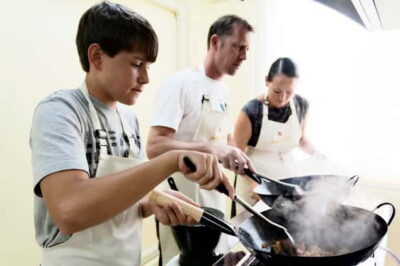
Tingly Thai Cooking Class with Morning Market Tour
Read our review →
Hands-on Thai Cooking Class & Market Tour in Sukhumvit
Read our review →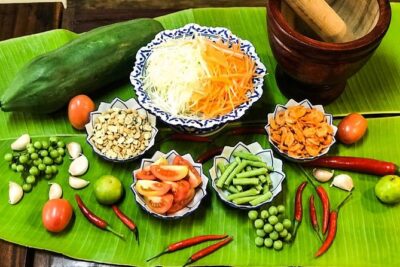
Pink Chili – Thai Cooking Class and Market Tour in Bangkok
Read our review →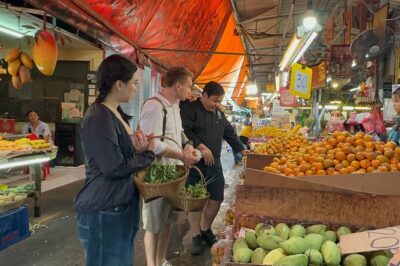
Authentic Thai Cooking with the Largest market visit &TukTuk ride
Read our review →Browse the lists this tour appears in