Review · SICILY COOKING CLASSES
Catania Home Cooking: Pistachio Ravioli, Sicilian Pasta & Wine
Catania’s best food lesson may be the one that leaves the restaurant kitchen behind. Here, you work with fresh pasta, pistachios, ricotta, tomatoes, and local sauces in a private home, then sit down to eat what you made. The small maximum of six people gives the class a personal feel, rather than the assembly-line pace of a large cooking school.
I like two things in particular. First, the menu reaches well beyond basic pasta: you might make pistachio ravioli, caserecce, gnocchetti, Norma sauce, Trapanese pesto, and an Aeolian-style dressing. Second, the meal includes thoughtful extras, from pear and sun-dried tomato bruschette to local wine and homemade liqueurs on some occasions.
The main consideration is that this is a home-based experience, not a polished culinary studio. Standards and teaching styles may vary by host, and one sharply negative account raised concerns about dogs, smoking, and kitchen hygiene, while the host disputed those details. If you need a formal cooking school setting, think carefully before booking.
Key points at a glance
- Pistachio-filled ravioli: Learn a distinctly Sicilian pasta preparation rather than only making standard noodles.
- Three-hour home meal: The class combines hands-on cooking with a full meal, wine, and conversation.
- Several Sicilian sauces: Pair pasta with Norma dressing, Trapanese pesto, Aeolian-style sauce, and other regional flavors.
- Creative ricotta dessert: Finish with biancomangiare, deconstructed cannoli, or cannolamisù, a Sicilian spin on tiramisu.
- Very small group: The maximum is six people, which should allow more direct help than a large class.
- Flexible participation: You can ask to skip the cooking and simply spend time with the host while the menu is prepared.
Cooking Sicilian pasta in a Catania home
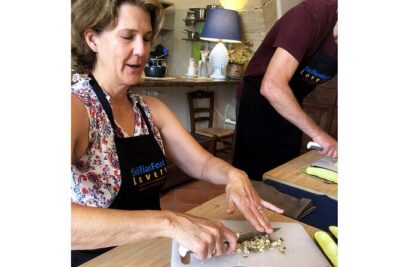
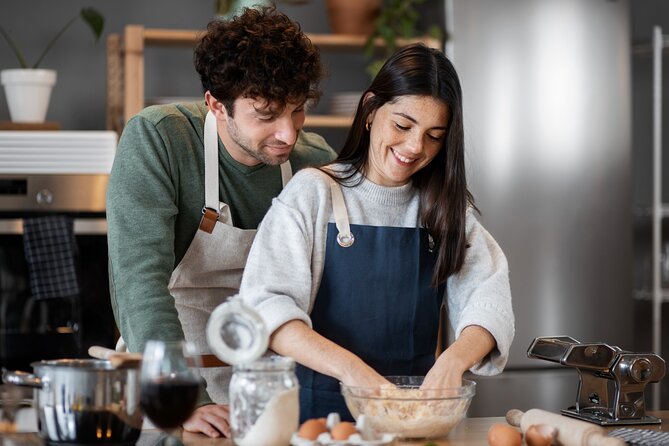
The appeal here is simple: you do not just watch a chef plate food. You handle the ingredients, shape pasta, prepare sauces, and then eat the result at the same table.
The setting is a private home in Catania at Via E. A. Pantano, 112. That matters because the mood is likely to feel more like a dinner invitation than a school lesson. You should expect a social evening, not a tightly timed professional kitchen session.
The experience lasts about three hours. That gives you enough time to work through several dishes without turning dinner into a rushed race. The exact balance between instruction, preparation, and conversation may depend on your host and the pace of your group.
Hosts have included Angela, Anna, Daniela, Francesco, Barbi, Silvia, and Antonio. The accounts describe warm hosting, helpful cooking instruction, and generous conversation, but the different names also suggest that your experience may not be led by one single permanent teacher. If meeting a particular host matters to you, confirm that before booking.
The class is offered in English. One account describes a language barrier handled with Google Translate when a family member who normally helped translate was unavailable. That suggests the lesson can still work when communication is imperfect, but I would not expect a formal, technical lecture in pasta-making vocabulary.
More Cooking Classes with Wine Tasting in Italy
- Palermo: Pasta and Tiramisu Small Group Cooking Class with Wine
★ 5.0 · 348 reviews - Sea Villa Cefalù: Hands-on 4-Course Pasta Cooking Class & Wine
★ 5.0 · 63 reviews - Palermo Rooftop Cooking Class with Full Meal, Wine & Storytelling
★ 5.0 · 21 reviews
Starting with bruschette and Sicilian flavors
The meal begins with gourmet bruschette. Along with a traditional tomato topping, the menu may include combinations such as pear and sun-dried tomato.
That small detail tells you something useful about the class. It is not limited to a single tourist version of Sicilian food. You get familiar ingredients in combinations that show how a home cook can vary texture and flavor without complicated equipment.
Bruschette also make a practical first course. They can be prepared while the pasta dough rests or while other ingredients are organized. You get something to eat early in the evening, which is welcome if you arrive hungry.
The menu is not fixed down to every last dish. The stated options include several sauces and more than one dessert, while earlier cooking sessions have included dishes such as risotto, caponata, and spinach and feta tortellinis. You should see the advertised menu as a guide to the style of the class rather than a guarantee that every named dish will appear at every sitting.
Making pistachio ravioli, caserecce, and gnocchetti
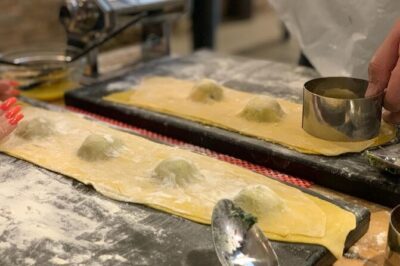
The main part of the lesson focuses on handmade pasta. Pistachio-filled ravioli is the signature dish, and it is the most distinctive reason to choose this class over a standard pasta workshop.
Pistachios are closely tied to Sicilian cooking, especially in the island’s celebrated pastry and savory traditions. Working them into ravioli gives you a recipe with a strong sense of place. You are not simply learning how to fold dough around a generic cheese filling.
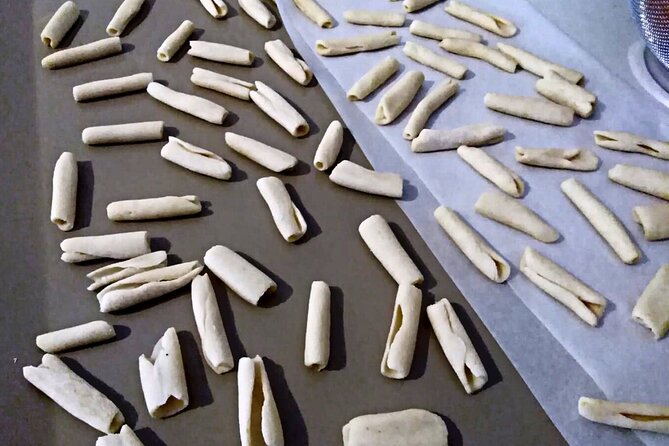
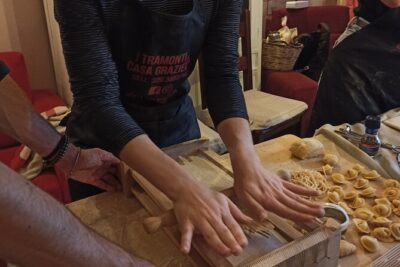
You may also prepare caserecce and gnocchetti. These shapes give you different lessons in texture and sauce pairing. Ravioli requires careful filling and sealing. Caserecce, with its curled shape, catches sauce well. Gnocchetti bring a softer, more rounded bite.
The advertised pairings include Norma dressing, Trapanese pesto, and an Aeolian-style dressing. Norma is associated with eggplant and tomato, while Trapanese pesto typically brings together tomatoes, almonds, garlic, cheese, and herbs. The Aeolian reference points toward the flavors of the Aeolian Islands, where simple seafood, tomato, capers, olives, and herbs often shape the cooking.
The class is especially useful if you want recipes you can repeat at home. Fresh pasta can seem intimidating when you only see the finished dish. By making several shapes in one sitting, you get a better sense of dough handling, filling, cutting, and cooking.
One past participant who already had years of experience rolling pasta still learned a different technique. That is a good sign for confident home cooks, although beginners should also feel comfortable here. The group size gives you a better chance to ask for help when the dough sticks, the filling spreads, or a ravioli edge refuses to seal.
Sicilian desserts with ricotta and a playful twist
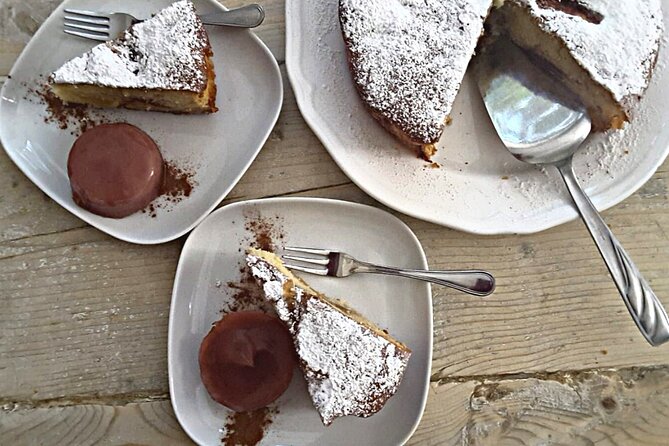
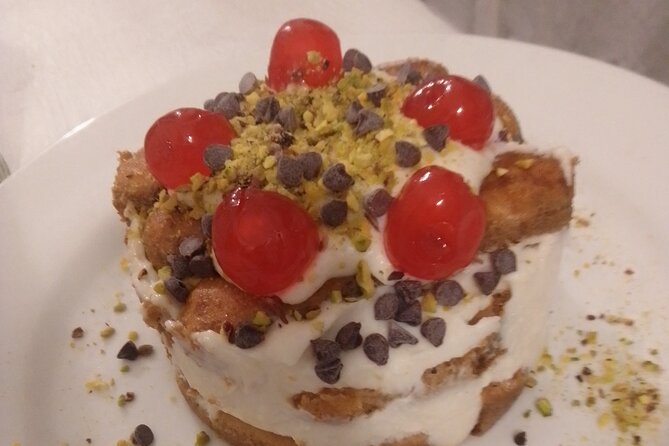
Dessert may be biancomangiare, deconstructed cannoli, or cannolamisù. The last option is the most memorable name and concept: a tiramisu-style dessert made with creamy ricotta and cannoli flavors.
This part of the meal adds variety. You are not spending three hours only on pasta, then receiving a purchased dessert at the end. Instead, you get a look at how familiar Sicilian sweets can be rearranged into a home dessert.
The ricotta connection is important. Sicilian pastry often depends on ricotta’s creamy texture, and cannoli are one of the island’s best-known examples. A deconstructed version can be easier to assemble than traditional filled shells, while still giving you the same broad flavor idea.
You should keep your expectations flexible. One negative account described a gelatin-like dessert that had already been prepared, while other accounts describe making tiramisu and enjoying a multi-course meal. The exact dessert and the amount of hands-on work may vary. If dessert preparation is a major reason you are booking, ask for the planned menu in advance.
Same region, a different dish to learn:
- Sicilian Cuisine Cooking Class in Palermo
★ 5.0 · 208 reviews - In the province of Palermo Sicilian Cooking Class near Cefalu
★ 5.0 · 203 reviews - Sicilian Cooking Class in Taormina
★ 5.0 · 186 reviews - Sicilian Cooking Class in Taormina
★ 4.5 · 171 reviews
Wine, conversation, and the value of a private meal
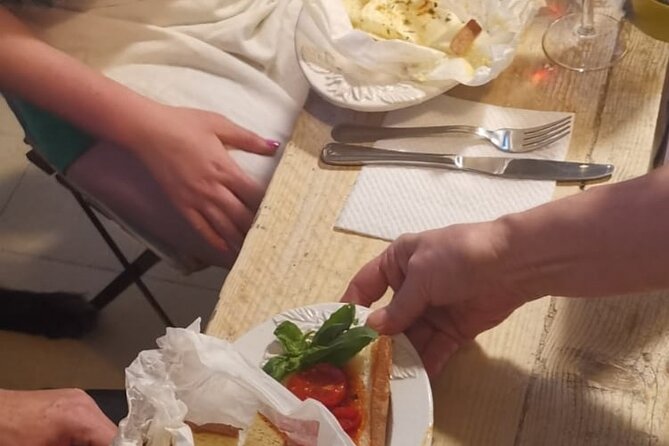
After the cooking, you eat the food you prepared and pair it with local wine. This is where the experience earns more than a simple cooking demonstration.
At $106.04 per person, the price is not low for a three-hour activity. But it includes instruction, several courses, a home meal, and wine. For someone who would otherwise pay for dinner and a separate class, the combination can be fair value.
The financial value depends on what you want. If you mainly want to eat, a Catania restaurant will give you more choice and probably a more predictable kitchen standard for less money. If you want to learn recipes and spend an evening with a local family, the class provides something a restaurant cannot.
Several sessions have included four-course meals, wine, and extended conversation after dinner. One family group also enjoyed homemade limoncello and walnut liqueur after the meal. Those additions are not guaranteed in the stated menu, but they show how the evening can continue beyond the formal cooking time.
The host may also offer local advice. Anna gave suggestions for the following day in Naples, which shows the kind of informal help you can sometimes receive in a home setting. Do not book the class solely for travel planning, but bring a few questions if you enjoy this kind of local exchange.
The small group makes a real difference
The maximum is six people, and at least two people are required per booking. This is a useful setup for couples, families, and small friend groups.
A small class gives you more room at the work surface and more direct contact with the host. You can watch how the dough feels, ask about substitutions, and get help before a mistake ruins a batch.
It also means the social side matters more. You are sharing a home and a meal with a small number of people, so a quiet, private evening may not be the right fit if you prefer to keep to yourself. On the other hand, the format suits anyone who likes conversation with dinner.
The option to attend without cooking is worth noting. You can ask simply to enjoy the atmosphere and talk with the host while she prepares the menu. That choice changes the value of the experience, since you would be paying mainly for the meal and company rather than a lesson.
Practical concerns inside a private kitchen
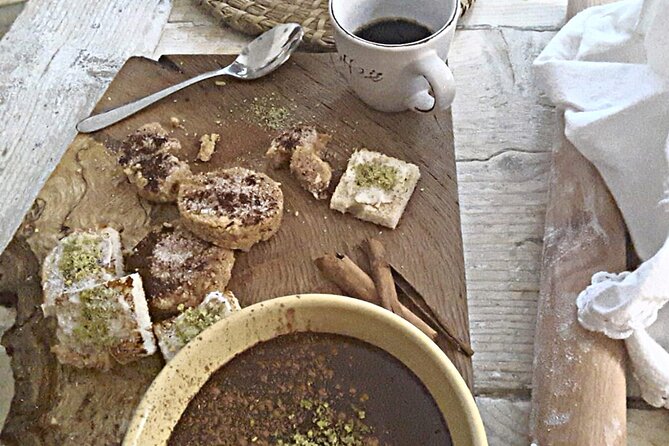
A private home brings warmth, but it also brings variables that a commercial cooking school can control more closely.
One serious account described a cluttered apartment, dogs underfoot, smoking, uncovered hair, bare hands, and concerns about sanitation. The host rejected those claims, stating that the visitors had agreed to have the dogs present and that smoking did not take place during the class. The conflicting accounts make one point clear: you should ask practical questions before arrival if dogs, smoke, or food-handling procedures affect your comfort.
The dog issue is particularly important. Some people will enjoy animals in a home. Others need an animal-free kitchen for comfort or allergy reasons. Tell the provider about allergies and intolerances in advance, and ask directly about pets if that matters to you.
This is not a reason to dismiss the experience automatically. Most of the available accounts describe friendly hosts, tasty food, and a memorable evening. It is a reason to recognize that the setting is personal and informal, with less uniformity than a professional school.
The experience ends back at the meeting point, so you do not need to arrange a second pickup location. The start point is Via E. A. Pantano, 112, in Catania. Since the activity includes wine, you may want to plan your evening around walking or another safe way to return.
Who will enjoy this Catania cooking class
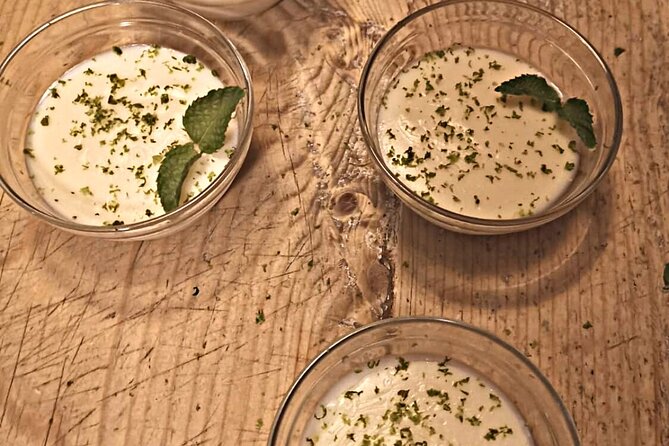
I would recommend this experience most strongly to you if you like food, conversation, and hands-on work in equal measure.
It suits:
- Couples seeking a shared evening activity
- Families who want a meal connected to local culture
- Home cooks interested in fresh pasta techniques
- Food lovers who want Sicilian sauces and desserts they can repeat at home
- Small groups that prefer a personal setting
- People who enjoy meeting hosts in their own homes
It may be less suitable if you want a polished cooking studio, strict professional sanitation procedures, or a guaranteed fixed menu. It also may not suit you if you dislike dogs, cigarette smoke, or informal home settings. Ask about those points before paying.
The English option helps, but you should still expect some flexibility in communication. Simple demonstrations, shared work, and translation tools may be part of the evening. If you need highly detailed culinary instruction in precise English, ask how the current host conducts the lesson.
Booking, cancellation, and what to ask first
You receive confirmation when booking, and free cancellation is available up to 24 hours before the start time. Cancellations or changes made less than 24 hours before the experience are not accepted for a refund.
Before you go, I would confirm four things:
- Which host will lead the class
- Which dishes are planned that evening
- Whether dogs will be present in the kitchen
- How allergies and intolerances will be handled
Those questions are sensible for any private-home food activity. They help you match the experience to your comfort level and reduce the chance of arriving with different expectations.
Should you book this Catania cooking class?
Book it if you want a social Sicilian evening built around handmade food, especially pistachio ravioli, regional pasta shapes, ricotta desserts, and local wine. The small group, home setting, and chance to eat your own cooking give it a personal character that a regular restaurant cannot copy.
At $106.04, I see it as fair value for a full meal plus instruction, but not a bargain. The biggest risk is inconsistency: hosts, menus, language support, and home conditions may differ. Confirm the details that matter to you, particularly pets, smoking, hygiene, and the exact dessert.
For an open-minded food lover who values company as much as technique, this can be one of the more memorable evenings in Catania. For someone seeking a formal culinary course, choose a professional kitchen instead.
FAQ
How long does the Catania cooking class last?
The experience lasts approximately three hours.
Where does the activity start and finish?
It starts at Via E. A. Pantano, 112, 95129 Catania CT, Italy, and ends back at the meeting point.
What food might I prepare?
The menu can include pistachio-filled ravioli, caserecce, gnocchetti, Sicilian sauces, bruschette, and a dessert such as biancomangiare, deconstructed cannoli, or cannolamisù.
Is wine included?
Yes. The prepared dishes are served with local wines.
How many people can join the class?
A minimum of two people is required per booking, and the maximum is six travelers.
Can I attend without taking part in the cooking?
Yes. You can ask to enjoy the atmosphere and conversation while the host prepares the menu instead of joining the cooking lesson.
More Pasta Making Classes in Sicily
- Palermo: Pasta & Gelato Cooking Class in Palermo
★ 5.0 · 131 reviews
More Home Cooking Classes in Italy
- Cesarine: Home Cooking Class & Meal with a Local in Palermo
★ 5.0 · 15 reviews - Cesarine: Small Group Market Tour & Cooking Class in Messina
★ 4.5 · 5 reviews - Dining Experience at a local’s Home in Campofelice di Roccella with Show Cooking
★ 5.0 · 5 reviews - Pastamama, Home Cooking Classes at Grace’s Home
★ 5.0 · 521 reviews
Newest classes around Sicily
- Palermo: Pasta & Gelato Cooking Class in Palermo★ 5.0 · 131 reviews
- Cesarine: Small Group Market Tour & Cooking Class in Messina★ 4.5 · 5 reviews
- Cesarine: Home Cooking Class & Meal with a Local in Palermo★ 5.0 · 15 reviews
- Dining Experience at a local’s Home in Campofelice di Roccella with Show Cooking★ 5.0 · 5 reviews
- Palermo Rooftop Cooking Class with Full Meal, Wine & Storytelling★ 5.0 · 21 reviews
- Sea Villa Cefalù: Hands-on 4-Course Pasta Cooking Class & Wine★ 5.0 · 63 reviews
- From market to Table Cooking lesson with a local in Sicily★ 5.0 · 114 reviews
- Market Tour with Cooking Class and Lunch with Negropolis View★ 5.0 · 15 reviews
Sicily Cooking Classes, compared.
Pasta and Tiramisu Small Group Cooking Class with Wine
Read our review →
In the province of Palermo Sicilian Cooking Class near Cefalu
Read our review →
From market to Table Cooking lesson with a local in Sicily
Read our review →