Review · COOKING CLASSES
Buenos Aires: Empanada & Alfajor Cooking Lesson in Palermo
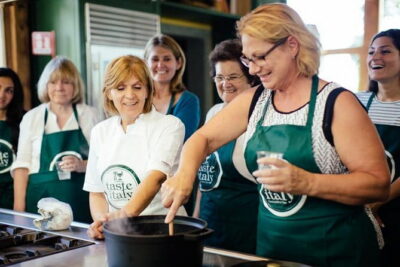
Argentina’s most useful food lesson is also one of its most fun. In Palermo, you make two national favorites from scratch: savory empanadas and dulce de leche alfajores. Guides such as Carolina, Tomas, Catalina, Lourdes, and Paulina have led this class, with a friendly, hands-on approach that suits families as well as serious home cooks.
I like the practical cooking skills and the social side. You learn how to fold an empanada properly, compare fresh and prepackaged dough, and make alfajores you can repeat at home. You also get mate tea and cultural conversation, not just a recipe sheet. The main consideration is that some steps may be demonstrated rather than done by every person, especially in a family group.
Key points at a glance
- Two Argentine staples in one class: Prepare empanadas and dulce de leche alfajores during a 150-minute lesson.
- A genuinely hands-on format: Mix, fill, shape, bake, and assemble your own food, with guidance at each stage.
- Meat or vegan empanadas: You can choose a vegan filling if that suits your diet.
- Mate adds local context: Sip Argentina’s famous herbal tea while learning how food fits into everyday culture.
- Good for families: Children and adults can take part, although some cooking stages may be shared or demonstrated.
- A strong $49 value: Ingredients, instruction, mate tea, and the meal you prepare are included.
Why these two dishes matter in Argentina
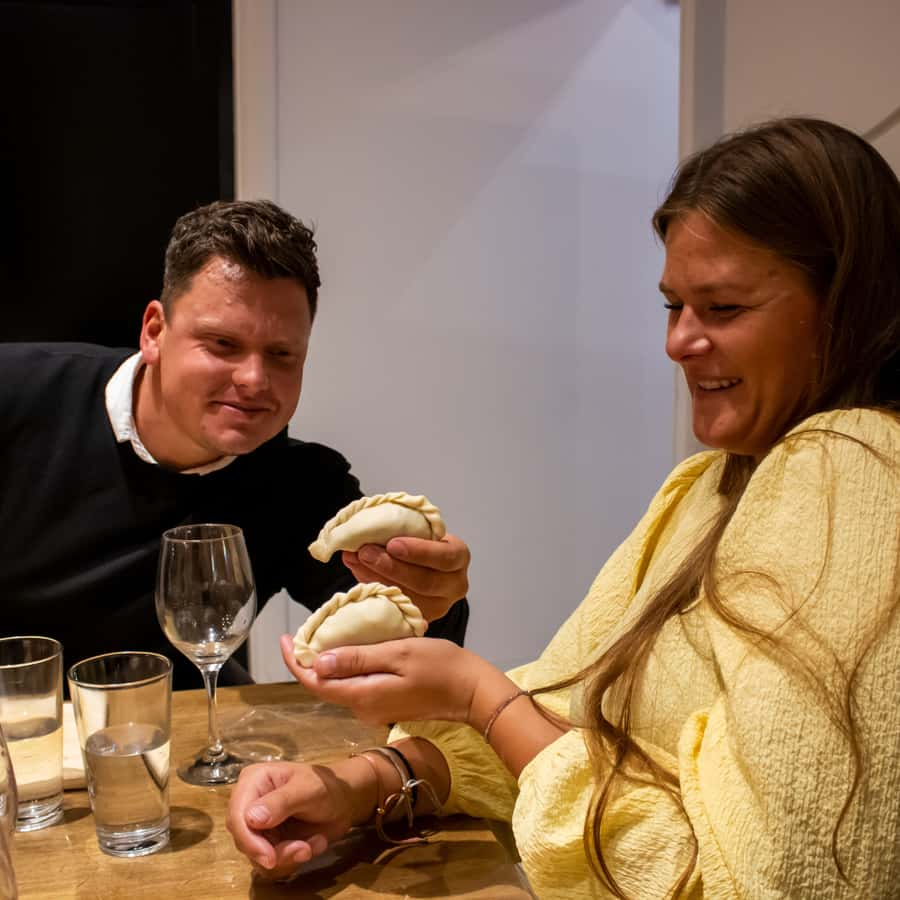
This class works because it focuses on food you will see everywhere in Buenos Aires. Empanadas are not simply a convenient snack. Their fillings, seasoning, dough, and folded edges vary from place to place, and learning the method gives you a better sense of how Argentine cooking works.
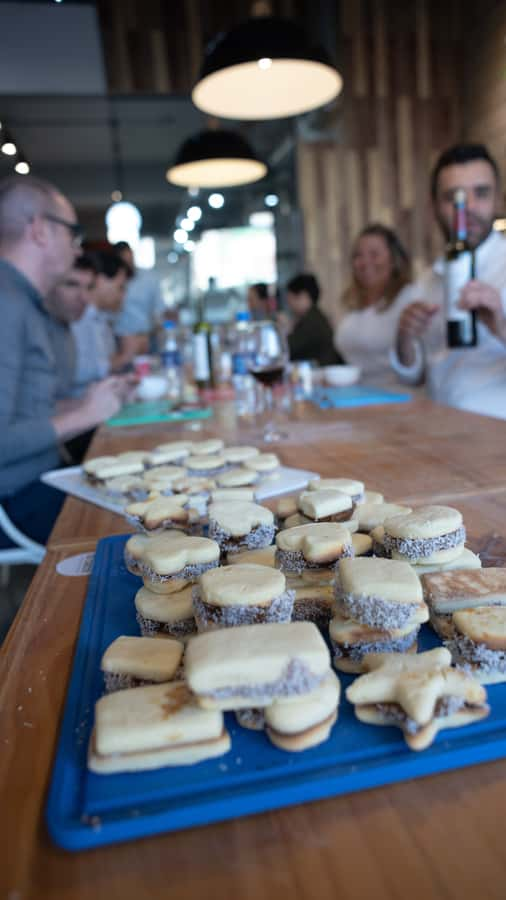
Alfajores offer a sweeter look at the country’s food culture. The version made here uses buttery cookies and creamy dulce de leche. You mix the dough, bake the cookies, and sandwich them together. It is a simple process, but getting the texture right makes a real difference.
I like that the class covers both sides of the table. Empanadas teach you about preparation, filling, and the small art of sealing the dough. Alfajores slow things down and show how a few familiar ingredients can become a favorite local dessert.
More Cooking Classes in the world:
- Half-Day Thai Cooking Class at Organic Farm in Chiang Mai
★ 5.0 · 19,087 reviews - Florence: Pasta Cooking Class with Unlimited Wine
★ 4.9 · 10,285 reviews - 3 in 1 Cooking Class near Navona: Fettuccine, Ravioli & Tiramisu
★ 5.0 · 7,376 reviews
Starting in Palermo at Gorriti Street
The meeting point is in Palermo at Gorriti 4882, with the practical information also giving the number as 4886. Since both addresses appear in the supplied details, check the exact location on your booking confirmation before setting out. This is a useful step in a neighborhood where several addresses can look similar.
There is no hotel pickup or drop-off, so you arrange your own way to Palermo. The activity takes place indoors and runs in rain or sunshine, which makes it a useful option when the weather turns wet or when you want a break from sightseeing.
The class lasts 150 minutes. That is long enough to cook, eat, ask questions, and enjoy the social part without taking up an entire day. I would place it on a morning or early afternoon when you can treat the meal as your main lunch, depending on the starting time available.
Making empanadas, one fold at a time
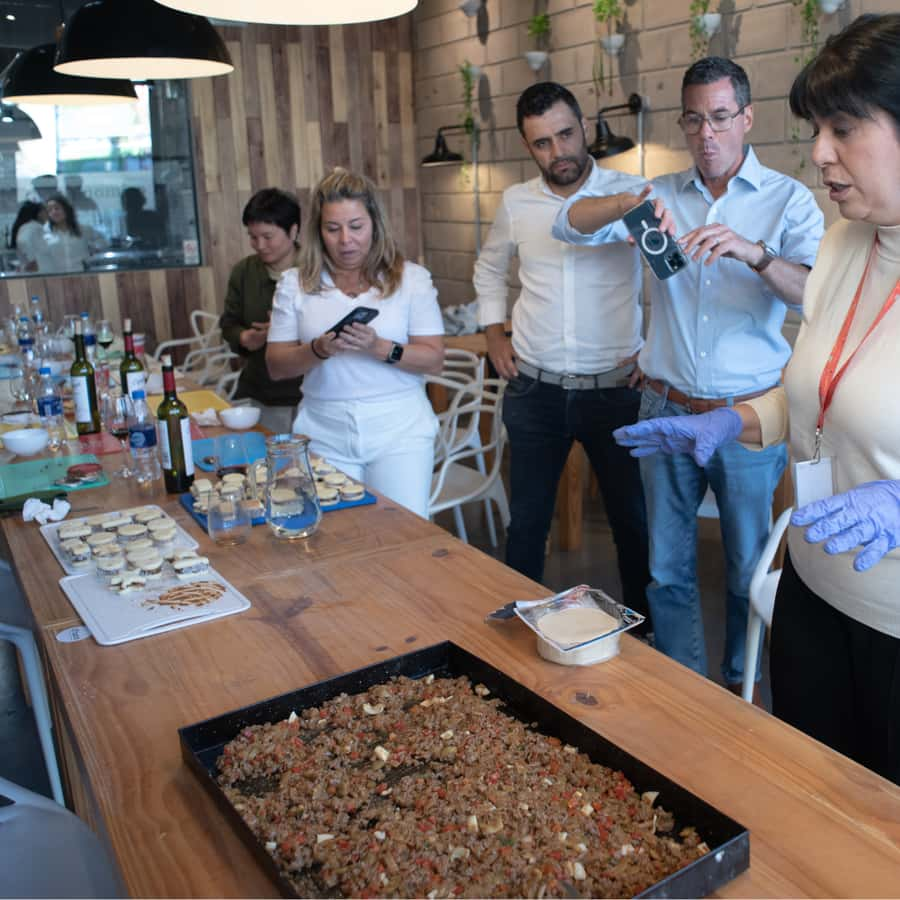
The first major task is the empanada. Your host introduces the ingredients and walks you through the preparation before you fill and shape the pastries. The folding matters more than it first appears. A neat edge helps keep the filling inside, and the decorative folds are part of the Argentine tradition.
One particularly useful detail is the chance to compare prepackaged empanada dough with freshly made dough. That comparison gives you a realistic home-cooking lesson. You see where convenience helps, where homemade dough changes the result, and which approach fits your own kitchen.
The filling can be meat or vegan. The class is therefore more flexible than a fixed meat-centered food tour, especially for families or mixed groups. If you want the vegan option, make that clear when arranging the experience so the instructor can plan accordingly.
The instructor does not simply leave you to copy a recipe. Guides including Carolina, Tomas, Catalina, Lourdes, and Paulina have been praised for patient demonstrations and clear explanations. That matters here because shaping empanadas is easier when someone can correct your technique as you work.
Some groups may not have every person actively cooking during every stage. One family experience found that a few parts involved more demonstration than participation. If you are bringing children, ask the instructor how the group will share the work, and expect the class to combine personal hands-on tasks with shared preparation.
Baking alfajores with dulce de leche
The second recipe is the alfajor, a cookie filled with dulce de leche. You mix the dough, bake the rounds, and assemble the finished sweets. This gives you a full start-to-finish lesson rather than a quick demonstration of a ready-made dessert.
The alfajores have become a highlight for many people because the process is manageable at home. One participant later taught the recipe to her mother, while another described the cookies as a favorite dessert during time in Argentina. You leave with a dish that is both strongly tied to local food culture and realistic for a home kitchen.
The contrast with the empanadas keeps the class moving. The savory recipe is about dough, filling, and folding. The alfajor is about texture, baking, and balance between cookie and dulce de leche. Together, they give you two very different lessons in Argentine cooking.
The class provides the alfajor ingredients, so you do not need to arrive with anything beyond an appetite. Since the supplied information does not promise a specific quantity to take home, plan to enjoy what you make during the session. Some hosts have packed leftovers for participants, but that is not guaranteed for every class.
Same region, a different dish to learn:
- Florence: Pasta & Tiramisu Cooking Class with Unlimited Wine
★ 4.9 · 6,708 reviews - Florence: Pasta Cooking Class with Unlimited Wine
★ 5.0 · 6,413 reviews - Hanoi Cooking Class: Culture, Local Market & Meaning CSR Impact
★ 5.0 · 5,147 reviews - 5 Traditional Dishes Hanoi Cooking Class with Market Trip
★ 5.0 · 4,890 reviews
Mate, conversation, and the Argentine table
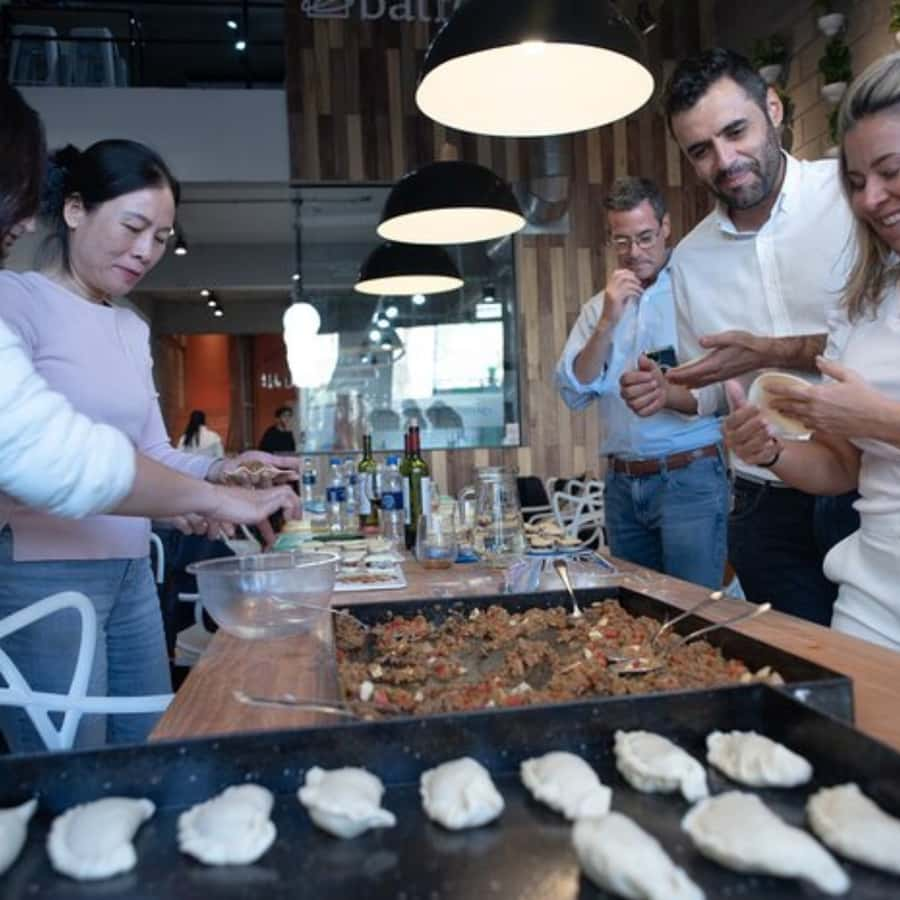
Mate tea is included, and it adds more than another drink to the class. Mate is tied to daily social life in Argentina, so learning about it while cooking helps connect the recipes to wider local customs.
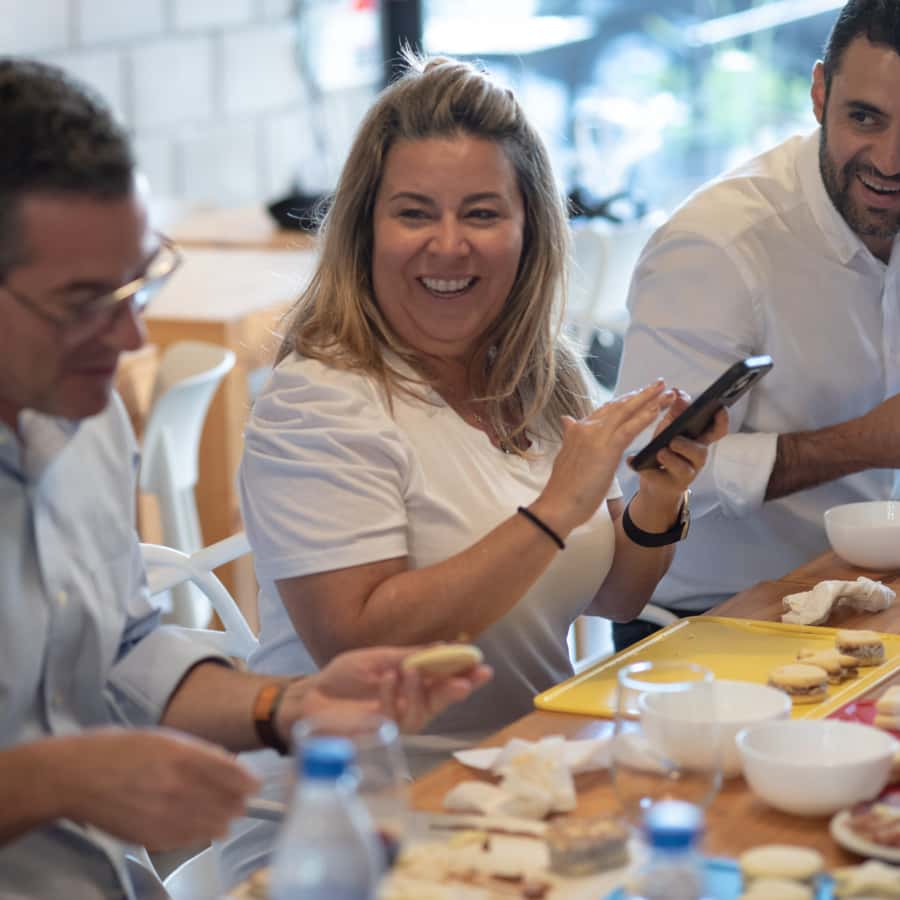
The atmosphere is designed for conversation. You may cook with people from several countries, compare folding styles, and talk with the guide while the food is prepared. The experience is not a silent technical workshop. The cultural exchange is part of its appeal.
Some sessions have also included wine with the meal, and one host served a charcuterie board. Since those extras are not listed as standard inclusions, treat them as host-dependent rather than something to book specifically for. The dependable inclusions are ingredients, a local instructor, and mate tea.
I like this balance. You get useful instruction, but you also get a relaxed meal where the food becomes a reason to talk. That social element is especially helpful early in a Buenos Aires visit, when you are still learning what local dishes taste like and how people enjoy them.
How much food do you get for $49?
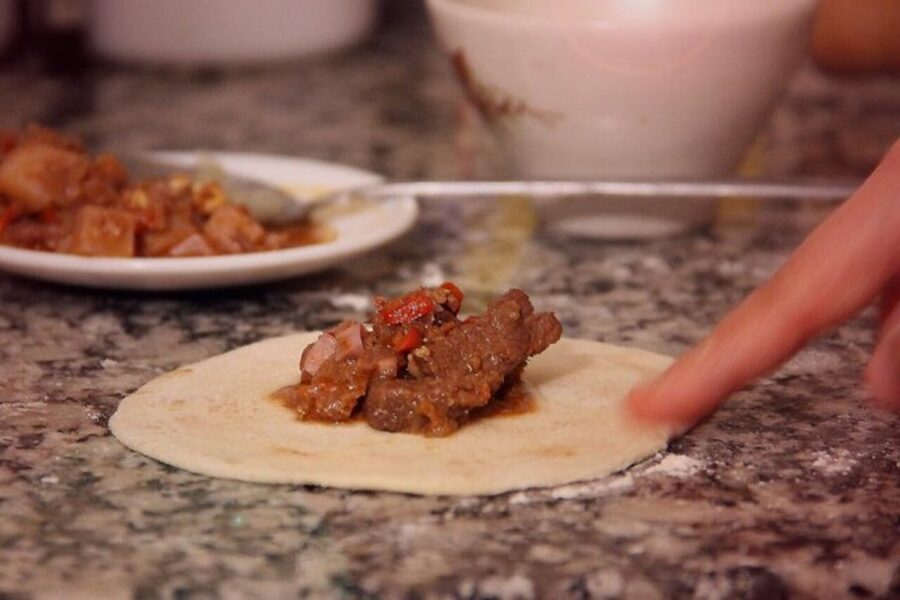
At $49 per person, the value is strongest if you want both a meal and a lesson. You are paying for 150 minutes of instruction, all empanada and alfajor ingredients, mate tea, and the chance to eat what you prepare. A standard restaurant meal might be cheaper, but it would not teach you how to recreate the dishes.
The price also makes sense for families. Instead of paying separately for a sightseeing attraction and then buying lunch, you get a shared activity with a clear result. Children can take part in mixing, filling, shaping, or assembling, subject to the group setup and the instructor’s direction.
It is less compelling if you only want to taste Argentine food without working for it. This is not a passive tasting. You should be ready to handle ingredients, follow instructions, and spend time at the table. The reward is food you understand better because you helped make it.
The strongest value comes from the recipes you can use later. Empanadas and alfajores are practical souvenirs in a way a postcard is not. You can make them for friends, adapt the filling, and bring a small piece of your Buenos Aires experience into your own kitchen.
The teaching style and named guides
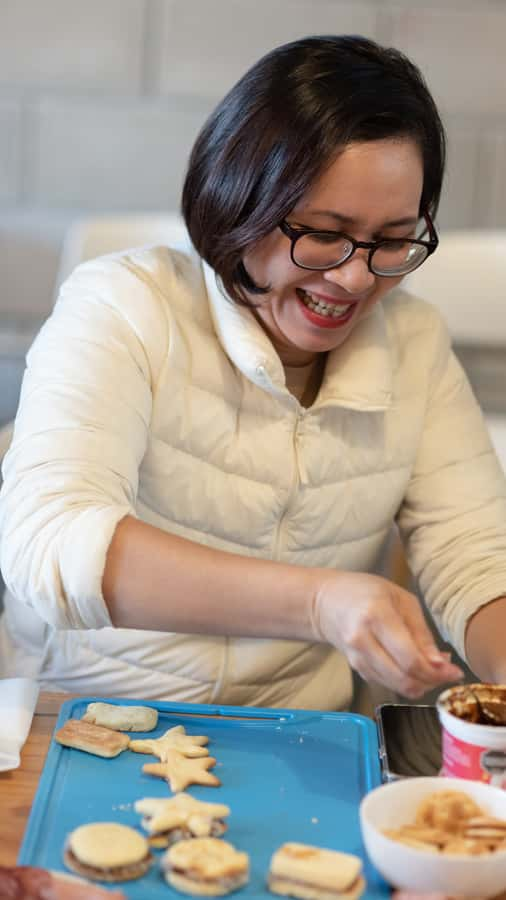
The experience is led by a local instructor, with English, Spanish, and Portuguese available. Several hosts have been singled out for their warmth and patience, including Carolina, Tomas, Catalina, Lourdes, Paulina, Layla, Nyla, and Graziela.
Tomas has been praised for giving detailed instructions and useful cooking tips. Carolina is known for guiding participants through every step and keeping the class lively. Catalina has led relaxed sessions with a strong social feel, while Paulina has welcomed groups into a home setting and shared her own cooking skills and culture.
The exact guide depends on the date and group. That means you should not book expecting one particular person unless the provider confirms it. The consistent feature is the local, personal teaching style rather than a scripted lecture.
The language choices are a real advantage. English support makes the class easy for many international visitors, while Spanish or Portuguese can make the conversation feel even more natural for speakers of those languages.
Who will enjoy this class most?
Families are a natural match. The activity has been enjoyed by children and adults together, including one group ranging from age 11 to 48. It gives young participants a task they can see and taste, which usually works better than a long museum visit.
It also suits couples, solo visitors, and friends who want an easy way to meet people. The small-group cooking format encourages conversation without requiring you to perform or compete.
Home cooks will get more from it than people who only want a photo opportunity. Even someone already familiar with empanadas may learn a new folding method, filling idea, or dough comparison. The alfajores add a second recipe, so the session does not feel repetitive.
You should think twice if you dislike shared cooking or want complete control over each stage. The group may divide tasks, and some parts may be demonstrated rather than completed by every participant. The class is friendly and practical, but it is still a group lesson.
Practical details before you book
The meeting point is Gorriti 4882 in Palermo, while another instruction gives Gorriti 4886. Confirm the exact number before leaving your accommodation. Hotel transport is not included.
The activity is wheelchair accessible, and it operates in all weather. Starting times vary, so check availability for your date. The advertised duration is 150 minutes, which includes the cooking and the meal.
Free cancellation is available up to 24 hours before the experience for a full refund. You can also reserve now and pay later, which is useful if your Buenos Aires schedule is still shifting.
Bring an appetite and wear something comfortable for a cooking session. The supplied information does not specify dress requirements or a kitchen layout, so avoid assuming that personal equipment or special dietary arrangements are available beyond the stated vegan empanada option.
Should you book the Palermo cooking class?
Book it if you want to learn two central Argentine recipes in one sitting and enjoy meeting people around a shared table. The strongest reasons are the hands-on empanada folding, the homemade alfajores, the mate conversation, and the chance to repeat the recipes at home.
I would recommend it especially for families, first-time visitors who want cultural context with their food, and anyone who values an activity over another restaurant meal. The $49 price is fair because it covers the food, instruction, and a full 150-minute experience.
Skip it if you want a quick tasting, a private chef lesson, or guaranteed individual control over every step. Also confirm the Gorriti address and any dietary needs before booking. For most people looking for a friendly, useful introduction to Argentine food, this is a smart Palermo choice.
FAQ
Where does the cooking class meet?
The meeting point is on Gorriti Street in Palermo, Buenos Aires. The supplied information gives the address as Gorriti 4882 and also as Gorriti 4886, so confirm the exact number before attending.
How long does the experience last?
The class lasts 150 minutes.
What food will I make?
You will prepare Argentine empanadas and dulce de leche alfajores. The lesson includes mixing, cooking, assembling, and eating the food you make.
Are vegan options available?
Yes. Vegan empanada options are available. The provided information does not specify vegan substitutions for the alfajores.
What is included in the price?
The price includes empanada ingredients, alfajor ingredients, a local instructor, and mate tea.
Which languages are available?
The live guide may provide the experience in English, Spanish, or Portuguese.
Is the activity suitable for children and wheelchair users?
The experience is described as suitable for families and children, and it is wheelchair accessible. Some cooking stages may be demonstrated rather than completed by every person in the group.
Newest classes around the world
- Aroidee’s Farm-Fresh Thai Cooking Experience★ 5.0 · 8 reviews
- Authentic Thai Cooking Class and Farm Visit in Chiang Mai★ 5.0 · 66 reviews
- Signature Thai Cooking Course★ 5.0 · 79 reviews
- Half Day Guided Thai Cooking Class in Chiang Mai★ 5.0 · 13 reviews
- Yummy Tasty Thai Cooking School in Chiang Mai★ 5.0 · 2 reviews
- Online Thai and Akha Cooking Class★ 5.0 · 70 reviews
- Northern Thai Cooking Class in Chiang Mai in a Countryside Home★ 5.0 · 2 reviews
- Private Half-Day Thai Cooking Class in Chiang Mai★ 5.0 · 4 reviews
Cooking Classes, compared.
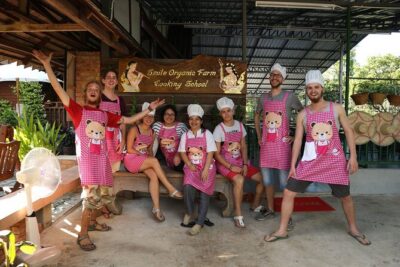
Half-Day Thai Cooking Class at Organic Farm in Chiang Mai
Read our review →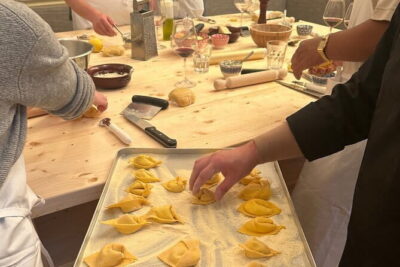
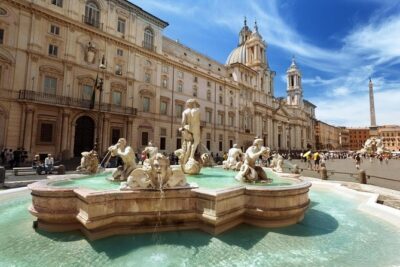
3 in 1 Cooking Class near Navona: Fettuccine, Ravioli & Tiramisu
Read our review →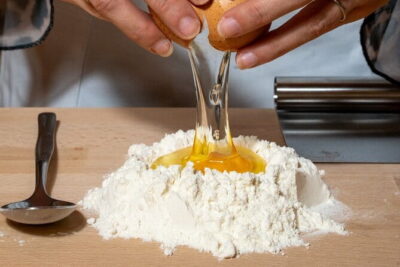
Pasta & Tiramisu Cooking Class with Unlimited Wine
Read our review →
Hanoi Cooking Class: Culture, Local Market & Meaning CSR Impact
Read our review →
5 Traditional Dishes Hanoi Cooking Class with Market Trip
Read our review →