
Review · BANGKOK COOKING CLASSES
Backstreet Bangkok Exploring the Cradle of Thai Cooking
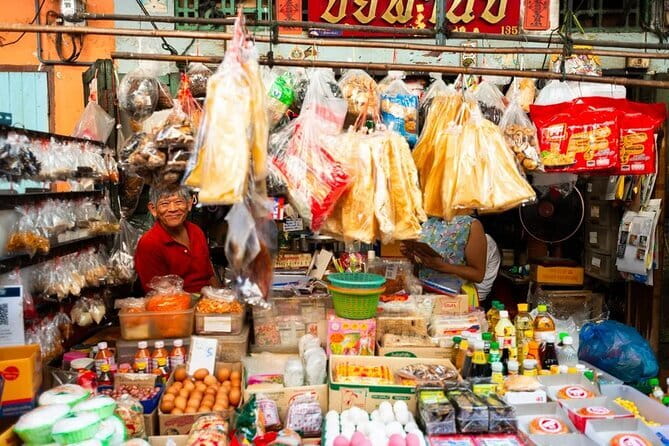
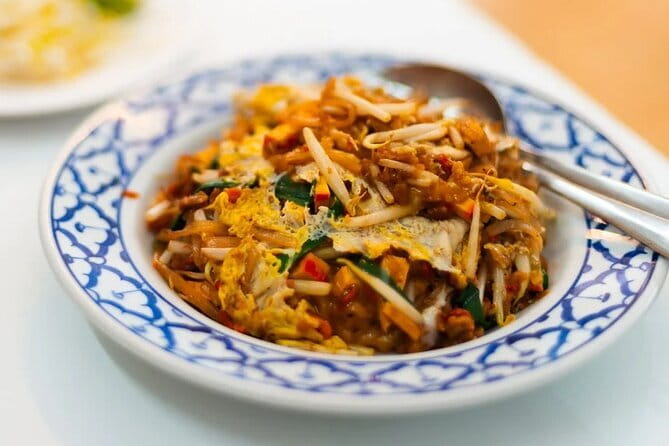
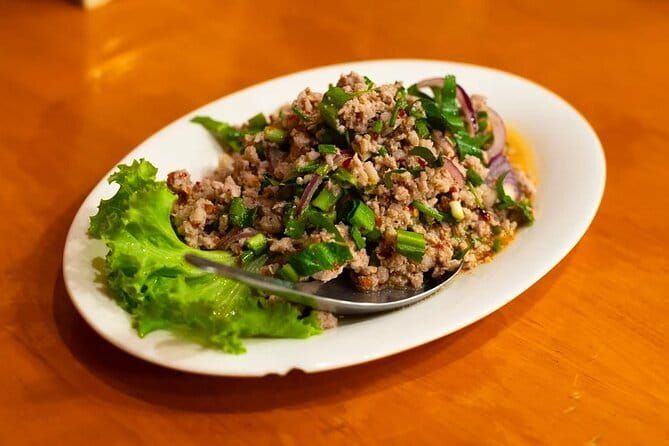
Bangkok’s food story makes more sense when you walk through the neighborhoods that shaped it. This five-hour tour links old temples, markets, food stalls, restaurants, and food businesses across the city’s historic core, so you get more than a string of tastings. You see how Thai cooking sits beside Indian, Chinese, and other regional influences.
I like two things right away. First, the small maximum of seven people gives the guide room to answer questions and adjust the pace. Second, the tour includes dinner, snacks, bottled water, and alcoholic drinks, so the $125 price covers much more than a guided stroll. The main caution is that the route involves a fair amount of walking through crowded market areas, and the published details can sound a little confusing about timing, so confirm the start information when you book.
Key points to know before booking
- A food walk with a historical backbone: Temples and old districts explain why the food tastes the way it does.
- A small group of no more than seven: You get a more personal outing than on a large bus tour.
- Four central Bangkok areas: The route includes Wat Ratchaburana, Rattanakosin Island, Phahurat Market, and Sampeng Market.
- Dinner and drinks included: The price covers alcoholic beverages, bottled water, snacks, and dinner.
- Guides with strong local ties: Anna and Lek have received especially warm praise for their care, food knowledge, and Bangkok expertise.
- A walking tour near public transport: You meet at Sam Yot MRT station and return there at the end.
Why this food walk is different from a standard Bangkok tasting tour
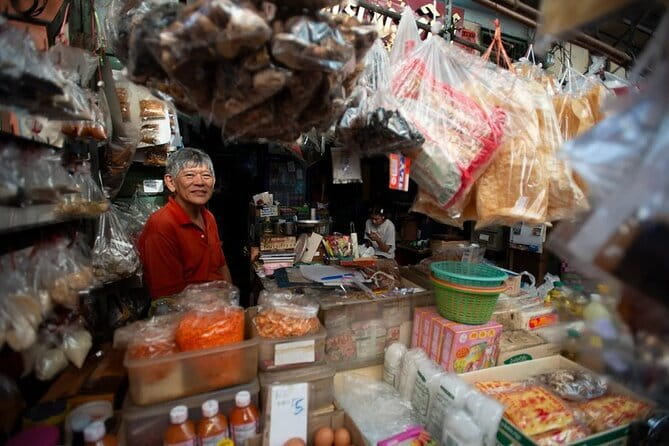
Many Bangkok food tours focus on dishes. This one tries to explain the city behind those dishes. You move through Wang Burapha and nearby historic quarters, where old temples, markets, religious communities, and trading streets help explain the mix on your plate.
That approach matters in Bangkok. Food here is not just a matter of finding something spicy and delicious at a street stall. Recipes and ingredients have traveled through Chinese, Indian, Thai, and other communities. A stop at a market can tell you as much about the city as a stop at a restaurant.
The route also gives you variety. You are not spending five hours in one market or sitting through a cooking demonstration. You visit religious and historic sites, then move into places where people buy textiles, electronics, sweets, prepared foods, and everyday goods. This keeps the outing moving and gives you a wider look at old Bangkok.
The group size is a real advantage. With a limit of seven people, you can usually stay close to the guide and ask about unfamiliar ingredients or customs. The experience can also feel more flexible than a large organized walk. Lek and Anna are two guides associated with particularly strong experiences, and the praise for them centers on warmth, attention, and a clear connection to Bangkok.
More Thai Classes in Bangkok:
- Bangkok: Hands-on Thai Cooking Class and Market Tour
★ 4.9 · 1,614 reviews - Bangkok: Tingly Thai Cooking School Half-Day Cooking Class
★ 4.9 · 1,191 reviews - Bangkok: Maliwan Thai Cooking Class with Market Tour
★ 4.9 · 1,133 reviews
Meeting at Sam Yot and starting in Wang Burapha
The meeting point is Sam Yot MRT station, Exit 3, on Thanon Unakan in Wang Burapha Phirom. This is useful for independent visitors because the tour begins near public transportation rather than requiring a complicated hotel pickup.
The published start time is 9:00 am, and the activity lasts about five hours. Some of the description refers to an afternoon-into-evening outing, so I would check the confirmed start time carefully after booking. The important practical point is simple: arrive early at the stated meeting point and allow time to find the correct exit.
You do not get private transportation. That is both a limitation and part of the appeal. Walking lets you see the narrow connections between Bangkok’s old quarters, but it also means you should wear comfortable shoes and expect the route to feel active. The tour returns to the same meeting point, which makes planning the rest of your day easier.
Wat Ratchaburana: start with a 15th-century temple
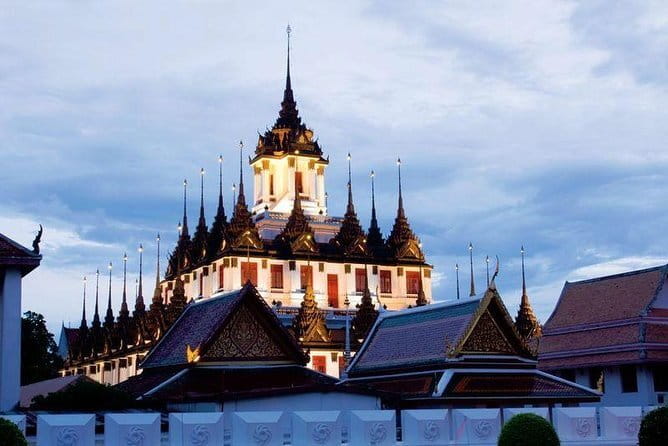
The first listed stop is Wat Ratchaburana Ratchaworawihan, an ancient temple near Wang Burapha. The temple dates to the 15th century and is noted for its architecture and historical importance.
This opening stop gives the food walk a useful sense of place. Instead of beginning with a plate and a quick explanation, you start with one of Bangkok’s old religious landmarks. The setting helps you understand that this is not a modern restaurant district built for visitors. It is part of the historic center, where daily life, trade, and worship have long shared the same streets.
The scheduled time is about one hour. Admission is free. You should treat this as a cultural stop, not simply a pause between tastings. The temple offers a chance to slow down before the markets become busier and more crowded.
As with any temple visit in Bangkok, respectful clothing and behavior are sensible, although the supplied details do not set out a formal dress code. The tour information also does not specify which parts of the temple you enter or exactly how much food is served nearby, so you should think of this stop mainly as an introduction to the district and its past.
Rattanakosin Island and the historic heart of Bangkok
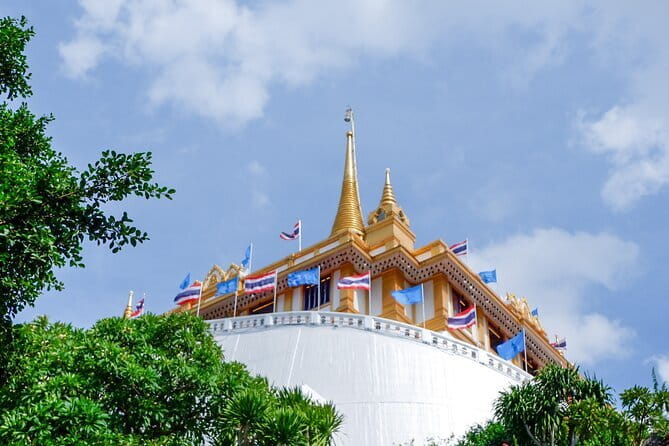
The next major area is Rattanakosin Island, the historic zone associated with landmarks such as the Grand Palace, Wat Phra Kaew, and Wat Pho. The tour description places this area close to Wang Burapha.
Rattanakosin gives you the broadest historical context of the walk. Bangkok’s best-known monuments are concentrated here, but this experience is not presented as a full Grand Palace or Wat Pho sightseeing visit. Instead, the area helps connect the food stops to the development of the capital.
I like this part of the route because it prevents the tour from becoming a simple eat-and-move-on schedule. Food is tied to the city’s growth, its communities, and its old commercial streets. Your guide can use the surroundings to explain why different cooking traditions found a place in Bangkok.
The stated time is about one hour, with no admission charge listed. Do not book this tour expecting included entry to the Grand Palace or Wat Phra Kaew. Those landmarks are named as part of the area’s context, not as ticketed attractions included in the experience.
More Cooking Classes in Bangkok:
- Hands on Thai Cooking Class and Market Tour
★ 5.0 · 660 reviews - Tingly Thai Cooking Class with Morning Market Tour
★ 5.0 · 589 reviews - Hands-on Thai Cooking Class & Market Tour in Sukhumvit
★ 5.0 · 571 reviews - Pink Chili – Thai Cooking Class and Market Tour in Bangkok
★ 5.0 · 416 reviews
Phahurat Market, Bangkok’s Little India
Phahurat Market is often called Little India. It is known for Indian culture, textiles, jewelry, and food, and it gives the tour a clear look at one of the communities that helped shape Bangkok’s cooking.
This is one of the most interesting stops for anyone who wants more than familiar pad Thai and curry. The market’s goods and food point to the way trade and migration influence what a city eats. You may find yourself looking as closely at fabrics and spices as at the dishes themselves.
The listed visit lasts about an hour, and admission is free. That is enough time for a meaningful walk through the market, though not enough to inspect every shop or browse at leisure. If you enjoy shopping, you may wish the tour allowed more free time. If your priority is learning and tasting, the guided format should keep the visit focused.
The market can be narrow and crowded. Keep your belongings secure and stay aware of the group. The guide’s role matters here, especially when you encounter foods or products that are unfamiliar. Lek has been praised for explaining Bangkok’s history and food with a personal connection, while Anna has been praised for taking care of the group and encouraging people to keep tasting.
Sampeng Market and the lanes of Chinatown
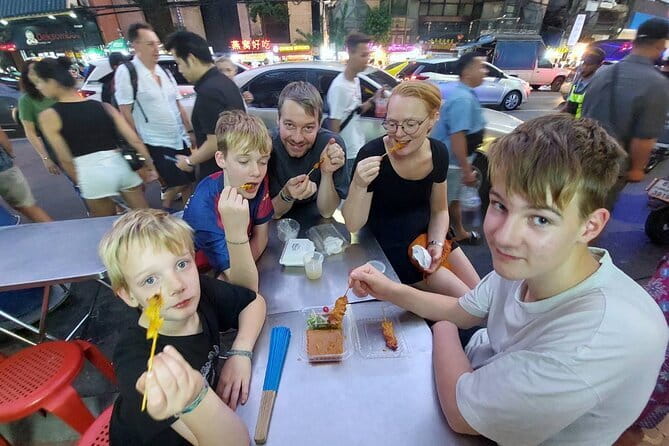
Sampeng Market is part of Bangkok’s Chinatown market area. It runs through narrow lanes filled with an eclectic mix of goods, including textiles and electronics, and it has a long connection to the city’s commercial life.
The scheduled stop is about 30 minutes, shorter than the temple and Phahurat visits. That makes sense for a tight market lane where the point is to experience the movement and variety rather than spend a full afternoon shopping.
This part of the route should appeal to you if you like seeing the everyday side of a city. Sampeng is not presented as a polished retail center. It is a working market, and the narrow lanes are part of the experience. You may find the pace quick, especially if the area is crowded, but that is also why a guide is helpful.
The Chinatown connection adds another piece to the food story. Along with the Indian influence at Phahurat and the Thai setting around the temples, Sampeng shows how Bangkok’s cuisine developed in a city shaped by trade and mixed communities.
What you actually get for $125
At $125 per person, this is not a budget food crawl. The value depends on how much you want from a guided experience.
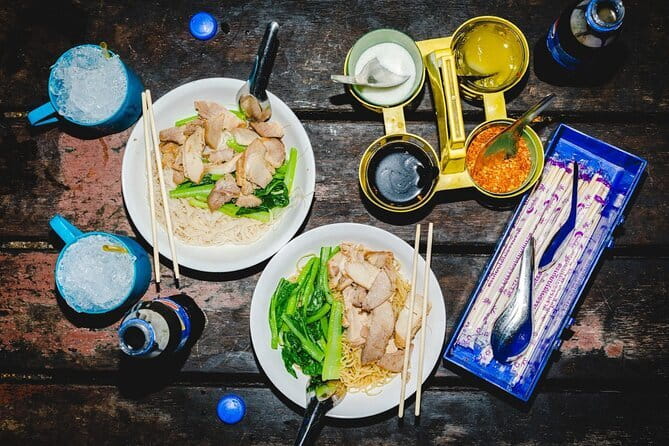
The price includes a licensed guide, dinner, snacks, bottled water, and alcoholic beverages. You are not paying only for individual samples. You are also paying for a five-hour route through several historic districts, the guide’s explanations, and the convenience of having food selected and arranged as you go.
The included meal helps justify the price, especially if you would otherwise pay separately for dinner and drinks. The tour also saves you from guessing which places are worth trying in unfamiliar markets. That is useful in Bangkok, where the range can be exciting but overwhelming.
Still, you should be honest about your priorities. If you want the lowest possible food cost, you can spend far less by eating independently. If you want to move quickly through the major temples, this is not a substitute for a dedicated sightseeing tour. The value is strongest for you if food, local culture, and context are equally important.
The inclusion of alcoholic beverages may appeal to some people, but it does not matter to everyone. Bottled water is a practical inclusion in Bangkok’s heat, and dinner means you do not need to plan a separate evening meal.
The guides make the difference
The clearest strength of this experience is the human side. Anna is praised for showing the group a great deal, encouraging people to eat more, and creating a generous, attentive atmosphere. Lek is especially associated with strong knowledge of Bangkok’s food and history, including a personal connection to the city as a Thai resident of about 30 years.
One especially useful detail is that the tour can sometimes become a private outing if no other people book the same departure. That is not guaranteed, so you should book expecting a small group rather than a private tour. If it happens, the extra space allows the guide to shape the conversation around your interests.
The feedback also points to a tour that works well for people who have visited Bangkok before. The route can introduce new neighborhoods, restaurants, and foods even if you already know the city’s famous sights. First-time visitors can also benefit, but you should not expect a broad overview of all Bangkok attractions.
Your experience will depend partly on the guide assigned that day. The provider is Culinary Backstreets Walks, and the available information specifically names Anna and Lek. If you have a preference, you can ask when booking, but there is no guarantee of a particular guide.
Who should book this Bangkok experience
I would recommend this walk to you if you:
- Want food explained through history and local neighborhoods
- Prefer a small group to a large sightseeing tour
- Enjoy markets, narrow streets, temples, and informal food stops
- Have already seen Bangkok’s biggest monuments and want a different angle
- Like trying unfamiliar foods with a guide nearby
- Want dinner, snacks, water, and drinks included in one price
It may be less suitable if you dislike walking, crowded market lanes, or an active schedule. It is also not the best choice if your main goal is a formal cooking class, a long temple tour, or private transportation.
Most travelers can participate according to the supplied information, and the tour is near public transportation. Still, the route’s market sections may feel tight, and no detailed mobility information is provided. Ask the operator before booking if you need specific accessibility arrangements.
Booking details and cancellation
You receive confirmation when you book, and the activity accepts mobile tickets. The tour requires a minimum number of participants. If that minimum is not reached, you are offered another date or experience, or a full refund.
You can cancel for a full refund up to 24 hours before the local start time. Changes or cancellations inside that 24-hour window are not accepted for a refund. Since the published booking lead time averages 96 days, this experience is often planned well ahead, especially by people organizing a Bangkok food itinerary.
Should you book Backstreet Bangkok?
Book it if you want Bangkok’s food to come with a story. The combination of Wat Ratchaburana, Rattanakosin Island, Phahurat Market, and Sampeng Market gives you a wider view than a simple list of tastings. The small group, included dinner, and guides such as Lek and Anna add real value.
Skip it if you want a cheap, unstructured snack hunt or a private car-based tour. You should also confirm the 9:00 am start time, since part of the published wording describes the outing differently.
For food lovers, repeat visitors, and anyone curious about how Bangkok’s communities shaped its cooking, this is a strong use of five hours. You get a meal, but the better payoff is learning where that meal fits in the city.
FAQ
How long is Backstreet Bangkok?
The experience lasts approximately five hours.
How much does the tour cost?
The listed price is $125 per person.
Where does the tour begin?
It begins at Sam Yot MRT station, Exit 3, at 111 Thanon Unakan in Wang Burapha Phirom, Bangkok.
Where does the tour end?
The activity ends back at the meeting point.
What time does the tour start?
The published start time is 9:00 am.
What is included in the price?
The price includes a licensed guide, alcoholic beverages, bottled water, dinner, and snacks.
Is private transportation included?
No. Private transportation is not included. The meeting point is near public transportation.
How many people can join the tour?
The maximum group size is seven people.
Newest classes around Bangkok
- Thai cooking class experience in Bangkok with Tingly Thai cooking school★ 5.0 · 59 reviews
- Thai Cooking Class in Bangkok★ 5.0 · 23 reviews
- Hands-On Thai Cooking Class Bangkok with Local Chef (Small Group)★ 5.0 · 119 reviews
- Bangkok Udomsuk Thai Cooking Class with local market tour★ 5.0 · 5 reviews
- Thai Cooking Class★ 5.0 · 25 reviews
- Baipai Thai Cooking School: Authentic Cooking Class Tour★ 5.0 · 3 reviews
- Sompong Thai Cooking School★ 5.0 · 92 reviews
- Sompong Thai Cooking School: Hands-On Culinary Experience★ 5.0 · 4 reviews
Bangkok Cooking Classes, compared.
Tingly Thai Cooking School Half-Day Cooking Class
Read our review →
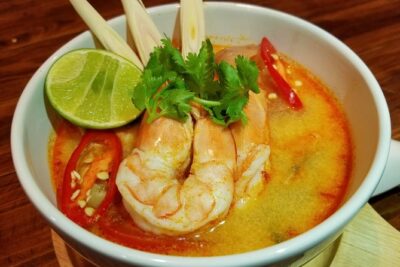
Tingly Thai Cooking Class with Morning Market Tour
Read our review →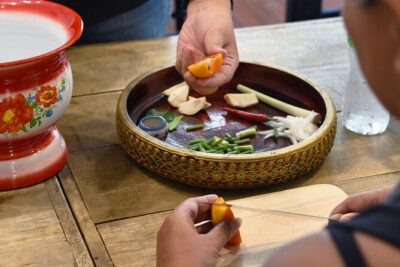
Hands-on Thai Cooking Class & Market Tour in Sukhumvit
Read our review →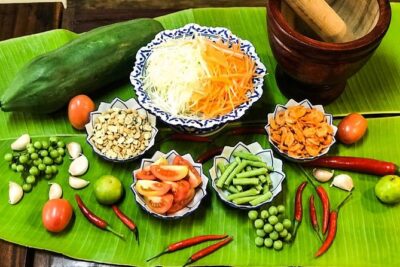
Pink Chili – Thai Cooking Class and Market Tour in Bangkok
Read our review →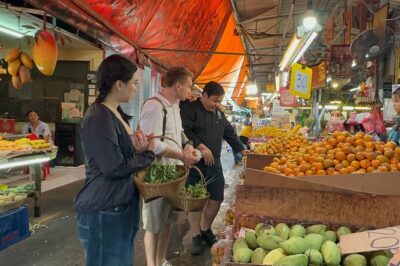
Authentic Thai Cooking with the Largest market visit &TukTuk ride
Read our review →Browse the lists this tour appears in