Review · COOKING CLASSES
Authentic Lebanese Virtual Cooking Class Live from Lebanon
Lebanese cooking comes to your kitchen in this private, three-hour class led live from Beirut. You will prepare a full meal, not just watch a demonstration, using family recipes passed down by the instructor’s mother and grandmother. Robin and Raymond are named as instructors connected with the experience.
I like the personal menu choices, since you can work with meat, vegetarian, or vegan dishes. I also like the hands-on format: you gather your own ingredients, cook along with the instructor, and finish with three courses and drinks.
The main catch is simple but important: ingredients are not included, and the booking is non-refundable. You need to plan your shopping before class and be certain your chosen date works.
Key points to know before you book
- Three hours of cooking from home: Plan enough time to prepare starters, a main dish, dessert, and drinks.
- Private instruction for your group: You do not share the session with unrelated participants.
- Lebanese family recipes: The food reflects what the instructor grew up eating, with recipes taught by family.
- Flexible menu choices: Meat, vegetarian, and vegan meals can be arranged, along with other dietary needs.
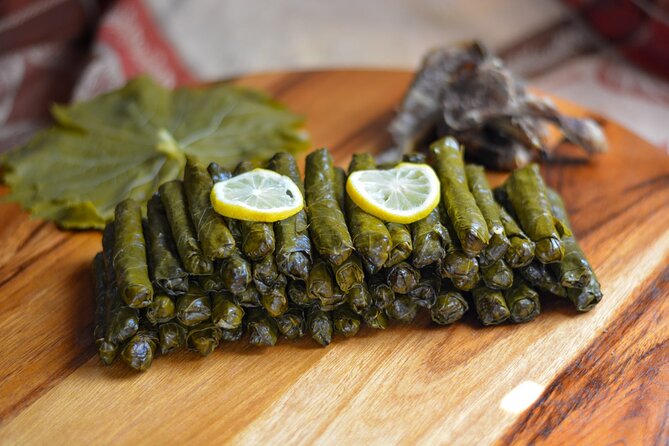
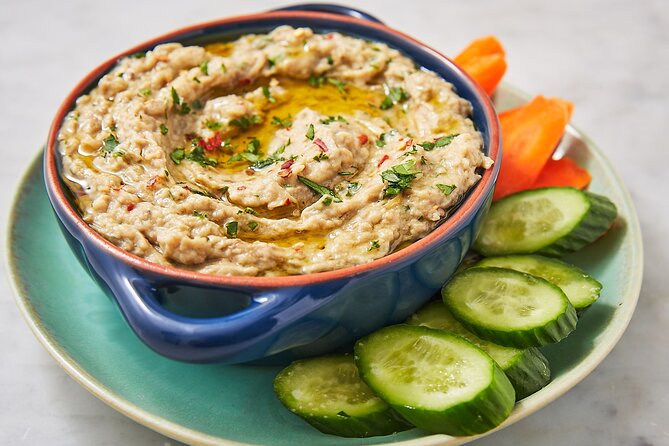
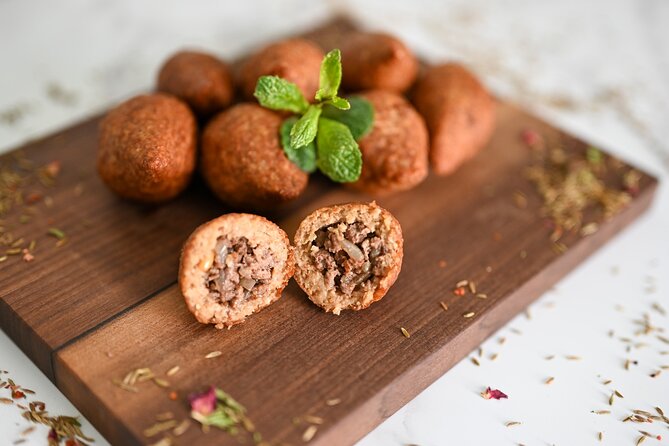
- Examples include hummus, falafel, stuffed cabbage rolls, and Mujadara: Your exact menu depends on the arrangements made for the class.
- Recipes arrive as a PDF: You keep the instructions so you can make the dishes again after the class.
What this Beirut cooking class actually feels like

This is a live kitchen lesson rather than a prerecorded food video. You join from your own home, meet the Lebanese instructor online, and cook along as the session unfolds.
The private format matters. Your group can ask questions, slow down, and get help with the steps instead of trying to keep pace with a large public class. It also gives the class a more social feel for families, couples, or friends booking together from different places.
The experience is built around food the instructor learned at home. That gives the class a useful sense of place without requiring a flight to Lebanon. You are not simply making a generic dish labeled Lebanese. You are learning recipes connected to the instructor’s own family table.
The class lasts about three hours. That is a serious cooking session, but the length makes sense if you are preparing several courses. Set aside the full block rather than squeezing it between other plans. You will need time for preparation, cooking, questions, and the final meal.
More Cooking Classes in the world:
- Half-Day Thai Cooking Class at Organic Farm in Chiang Mai
★ 5.0 · 19,087 reviews - Florence: Pasta Cooking Class with Unlimited Wine
★ 4.9 · 10,285 reviews - 3 in 1 Cooking Class near Navona: Fettuccine, Ravioli & Tiramisu
★ 5.0 · 7,376 reviews
Choosing your Lebanese menu
The menu can include three courses and drinks. Examples of starters include hummus and falafel. These are familiar names, but the value is in learning the instructor’s method, seasoning choices, and order of preparation.
A main course might be stuffed cabbage rolls or Mujadara, a lentil and rice dish. These choices give you a useful contrast. Stuffed cabbage involves careful assembly and patience, while Mujadara focuses on grains, lentils, onions, and seasoning. Both are more substantial than a quick snack and help you understand how a Lebanese home meal comes together.
Dessert is also part of the plan, although the supplied information does not name a specific sweet. Ask about the dessert when arranging your menu, especially if you have allergies or a strong preference.
Drinks are included in the cooking plan as well. Since no fixed drink is listed, confirm what you will prepare and what ingredients you need before shopping.
The broad menu choice is one of the class’s best features. You can request meat dishes, vegetarian food, or vegan meals. Other dietary needs can also be considered. That does not mean every request is automatically possible, so tell the provider about your needs when booking and confirm the final menu before class day.
How the three-hour session is likely to unfold
The exact order can change with your selected recipes, but you should expect a guided progression through a starter, main dish, dessert, and drinks.
At the beginning, you connect with the instructor and establish what you will cook. This is the moment to make sure everyone has the right ingredients and understands the plan. If you are booking for a group, have each person ready with the same shopping list.
The starter usually gets the meal moving. Hummus may involve balancing chickpeas, tahini, lemon, and seasoning. Falafel requires attention to texture and cooking technique. The useful part is not just reaching the final plate. You learn how the ingredients are handled and how small changes affect the result.
The main dish takes more of the class’s attention. Stuffed cabbage rolls require filling and rolling, so the instructor’s live guidance can help you avoid loose or overfilled parcels. Mujadara may be less fiddly, but it still depends on timing and seasoning. These are the moments when a live class earns its place over a recipe alone.
Dessert gives the meal a proper finish. Because the specific sweet is not listed, you should confirm it in advance and buy the required items. The same applies to the drinks. The PDF recipe packet should help you repeat the full meal later, but it is wise to keep your own notes if your instructor suggests substitutions.
By the end, you have prepared a multi-course Lebanese meal in your own kitchen. You are not only watching someone cook in Beirut. You are handling the food yourself, with help available while each dish takes shape.
Robin, Raymond, and the teaching style

The available information names Robin and Raymond in connection with the experience. Robin is described as funny and as a strong teacher who offers a wide choice of recipes and explains new techniques and spice combinations. That points to a class with room for questions and practical coaching rather than a stiff lecture.
Raymond is described as flexible and organized. That matters for a private family booking, especially if you are arranging the session for a holiday or special occasion. One family used the class as a Christmas Day activity, which shows how the format can work as a shared event even when people are cooking from home.
You should not assume that every class feels identical. The instructor, menu, group size, and dietary requests can shape the pace. Still, the private setup gives you a better chance to request the kind of class you want than a fixed public session would.
If you prefer to watch a professional cook do everything while you relax, this may not be the best fit. The point is to prepare the dishes yourself. You need to chop, measure, mix, assemble, and keep up with the instructions.
Same region, a different dish to learn:
- Florence: Pasta & Tiramisu Cooking Class with Unlimited Wine
★ 4.9 · 6,708 reviews - Florence: Pasta Cooking Class with Unlimited Wine
★ 5.0 · 6,413 reviews - Hanoi Cooking Class: Culture, Local Market & Meaning CSR Impact
★ 5.0 · 5,147 reviews - 5 Traditional Dishes Hanoi Cooking Class with Market Trip
★ 5.0 · 4,890 reviews
Shopping for ingredients before class
Your ingredients are not included. This is the chief practical task on your side.
After booking, confirm the menu and ask for the full ingredient list. Do not rely only on the broad examples of hummus, falafel, stuffed cabbage rolls, or Mujadara. Your actual dishes may differ, and the dessert and drink are not specified.
Give yourself time to shop. A missing spice or substitute ingredient can slow down a three-hour class. If your group is spread across different homes, make sure each kitchen has the same list and that every participant understands which quantities are needed.
You also need a working kitchen and the basic equipment required for your selected recipes. The supplied details do not list equipment, so ask the provider what you should have ready. This is especially useful if you choose a dish that involves rolling, frying, or preparing several components.
The upside is that you buy only what you need and can choose the quality or brand of your ingredients. The downside is that the $35 price does not cover the food itself. Your final cost depends on your menu and local grocery prices.
What the $35 price buys you

At $35 per person, the experience costs more than a recipe PDF and less than an in-person cooking event that includes a meal, venue, and staff. The price pays for a private live class, personal instruction, a three-course cooking plan with drinks, and the family recipe PDF.
The private format is the key value. If you are booking alone, the price buys focused time with a Lebanese instructor. If you are booking with relatives or friends, group discounts may improve the value, but you need to ask for the current group rate.
The meal itself is not included as a delivered service. You provide the ingredients and do the cooking. Look at the fee as payment for instruction and access to family recipes, not as the cost of a ready-made dinner.
For a special occasion, the price can make sense because the class doubles as an activity and a meal. It can also be useful if you want to learn techniques you can repeat. If you only want to taste Lebanese food without doing kitchen work, spend the money at a restaurant instead.
Timing, private groups, and booking details
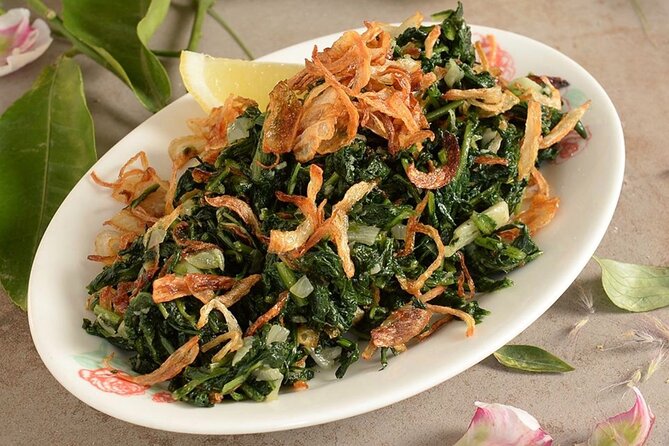
The class is offered daily from 8:30 AM to 10:30 PM during the stated operating period, which runs through June 16, 2026. Those broad hours make it easier to arrange a session across time zones, but you should still confirm the exact start time with the provider.
Because the class is live from Beirut, pay attention to the time difference between Lebanon and your home. A late afternoon or evening slot for you may be a different part of the day for the instructor.
Confirmation is sent within 48 hours of booking, subject to availability. The experience is private, so only your group takes part. That makes it a good choice for a family gathering, a small celebration, or friends who want a shared activity without strangers in the session.
The experience is listed for booking an average of eight days ahead. I would use that as a sensible planning guide, particularly if you need a specific date, a holiday session, or special dietary adjustments.
The cancellation terms deserve attention. The booking is non-refundable and cannot be changed for any reason. Do not book until your group agrees on the date and everyone understands the ingredient and timing commitments.
Who will get the most from this class
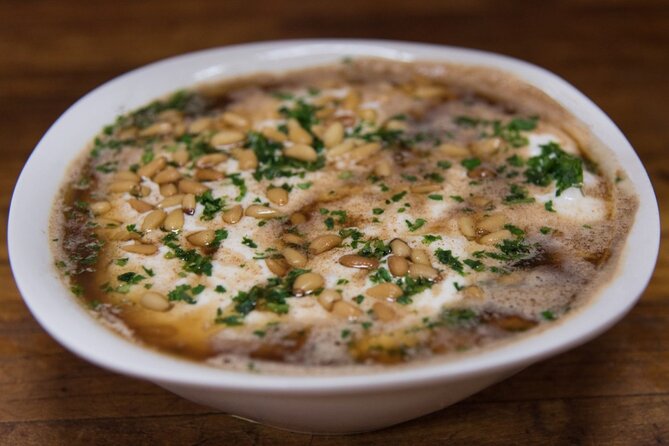
I would recommend this experience to people who enjoy cooking and want a direct connection to Lebanese home food. It suits families, couples, and friends who want to work together on a meal rather than passively watch a screen.
It is also a good pick for vegetarians and vegans because those options are specifically available. Someone who wants to learn more about lentils, rice, chickpeas, tahini, or Lebanese spice combinations may find the class especially useful.
The class works well for a holiday activity, too. Raymond’s flexibility and organization are suited to a planned family event, while Robin’s teaching style sounds useful for people who want help with technique and flavor.
I would be more cautious if your group has a very tight schedule. Three hours is not a quick lesson. I would also think twice if you dislike buying ingredients in advance or want a fixed menu with every dish listed before payment. Ask for those details first.
The recipe PDF and life after class
The complimentary PDF is more valuable than a souvenir photograph because it lets you repeat the meal. A live class can move quickly, especially when you are watching a demonstration, cooking your own food, and keeping up with several dishes.
Use the PDF soon after class while the techniques are fresh. Note any changes you made, such as ingredient substitutions or adjustments to seasoning. The instructions give you a base, while your own notes can record what worked in your kitchen.
The recipes also make the class a practical introduction rather than a one-off online event. You can prepare the dishes again for your family or use the meal as a starting point for more Lebanese cooking.
The PDF does not remove the need to pay attention during the class. The most useful information may be the instructor’s explanation of texture, timing, and spice balance. Those details are difficult to capture fully on a printed page.
My call: book it if you want to cook, not just watch
Book this class if you want a private Lebanese food lesson with a personal family connection, flexible dietary choices, and enough time to prepare a full meal. The combination of live instruction, three courses, drinks, and a recipe PDF gives the $35 fee a fair value, especially for a small group or special event.
Before paying, confirm the instructor, menu, dessert, drink, ingredient list, equipment, and class time. Remember that the booking cannot be refunded or changed. If you are ready to shop and cook, this is a personable way to bring Beirut into your kitchen. If you want a simple food tasting with no preparation, choose a different kind of experience.
FAQ
Where does the cooking class take place?
The class is live online from Beirut, Lebanon, and you participate from the comfort of your own home.
How long does the class last?
The class lasts approximately three hours.
Is the class private?
Yes. Only your group participates in the private online activity.
How much does the class cost?
The listed price is $35 per person. Group discounts are available.
Are ingredients included?
No. You are responsible for buying and preparing your own ingredients.
What food will I learn to cook?
Possible dishes include starters such as hummus or falafel, mains such as stuffed cabbage rolls or Mujadara lentil rice, dessert, and drinks. Confirm your exact menu before the class.
Can the menu be vegetarian or vegan?
Yes. Meat, vegetarian, and vegan meals can be arranged. Other dietary needs may also be accommodated.
Will I receive the recipes?
Yes. You receive a complimentary PDF containing authentic Lebanese family recipes.
When is the class available?
The listed opening hours are Monday through Sunday, from 8:30 AM to 10:30 PM, during the stated booking period ending June 16, 2026.
Can I cancel or change my booking?
No. The experience is non-refundable and cannot be changed for any reason after booking. Confirmation is sent within 48 hours, subject to availability.
Newest classes around the world
- Aroidee’s Farm-Fresh Thai Cooking Experience★ 5.0 · 8 reviews
- Authentic Thai Cooking Class and Farm Visit in Chiang Mai★ 5.0 · 66 reviews
- Signature Thai Cooking Course★ 5.0 · 79 reviews
- Half Day Guided Thai Cooking Class in Chiang Mai★ 5.0 · 13 reviews
- Yummy Tasty Thai Cooking School in Chiang Mai★ 5.0 · 2 reviews
- Online Thai and Akha Cooking Class★ 5.0 · 70 reviews
- Northern Thai Cooking Class in Chiang Mai in a Countryside Home★ 5.0 · 2 reviews
- Private Half-Day Thai Cooking Class in Chiang Mai★ 5.0 · 4 reviews
Cooking Classes, compared.

Half-Day Thai Cooking Class at Organic Farm in Chiang Mai
Read our review →

3 in 1 Cooking Class near Navona: Fettuccine, Ravioli & Tiramisu
Read our review →
Pasta & Tiramisu Cooking Class with Unlimited Wine
Read our review →
Hanoi Cooking Class: Culture, Local Market & Meaning CSR Impact
Read our review →
5 Traditional Dishes Hanoi Cooking Class with Market Trip
Read our review →