Review · COOKING CLASSES
Authentic Lebanese Cooking Lesson and Meal with Tania’s Family in Beirut
The best part of this Beirut experience happens around a family kitchen, not in a restaurant. Tania, her home-chef mother, and her retired butcher father show you how Lebanese food fits into daily life, from garden produce to family recipes and serious attention to meat. I like the hands-on cooking and the chance to share a meal with the people who made it.
I also like that the class is private and personal. You can ask about food, farming, family habits, and Lebanese culture without trying to keep up with a large group. The main consideration is the meeting point in Forn El Chebbak, since hotel pickup is not included, and the three-hour visit may feel short if you want a long cooking lesson and an extended meal.
Key points to know before booking
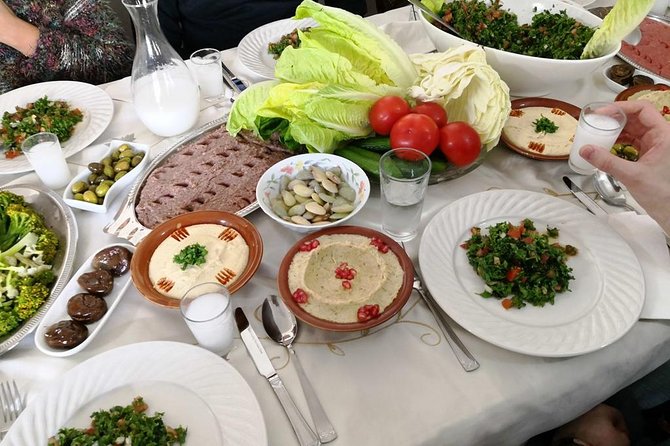
- Cook five Lebanese dishes: The lesson covers traditional recipes and may include favorites such as hummus, baba ganoush, eggplant salad, stuffed zucchini, and kibbeh.
- Meet Tania’s family: Her mother leads the home cooking, while her father brings experience as a former butcher and gardener.
- Eat what you prepare: The class ends with a shared home-cooked meal, soft drinks, and one or two glasses of local arak.
- See food from garden to table: Much of the family’s produce comes from their local organic garden outside Beirut.
- Plan your own way there: The experience starts at 11:00 a.m. in Forn El Chebbak and ends at the same meeting point.
- Ask about food needs early: Vegetarian options are available, and allergies, dietary restrictions, and cooking preferences should be given when booking.
A Beirut cooking class built around family life
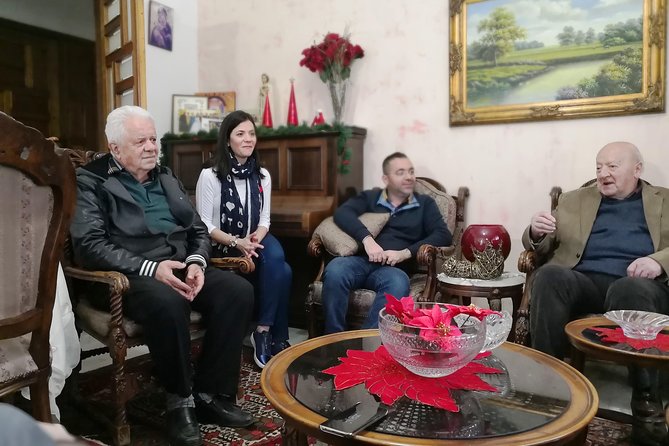
This is not a polished demonstration where you sit quietly and watch someone else cook. You enter a traditional Lebanese home and take part in the work of preparing a family meal.
Tania is an agronomist and food safety specialist, so food is more than a hobby for her. She also sings, plays piano, and enjoys travel. That mix gives the visit a wider focus. You are not only learning how to season a dish. You are talking about ingredients, food habits, growing produce, and the place cooking holds in Lebanese family life.
Tania’s mother is the home chef. She has cooked traditional meals for her family throughout her life, using recipes passed down through the family. Her role gives the class its strongest link to everyday Lebanese cooking. This is the food people make at home, not a restaurant menu adjusted for tourists.
Tania’s father adds another useful angle. He is a retired butcher and takes meat seriously. He also grows fruit and vegetables in a garden on the outskirts of Beirut. The family uses much of this local, fresh, organic produce at home, so you can ask where ingredients come from and how they are grown.
I like this setup because each family member brings a different piece of the food story. Tania can explain food safety and agriculture. Her mother brings years of cooking experience. Her father contributes his knowledge of meat and gardening. You get a fuller picture than you would from a standard cooking class led by one instructor.
More Cooking Classes in the world:
- Half-Day Thai Cooking Class at Organic Farm in Chiang Mai
★ 5.0 · 19,087 reviews - Florence: Pasta Cooking Class with Unlimited Wine
★ 4.9 · 10,285 reviews - 3 in 1 Cooking Class near Navona: Fettuccine, Ravioli & Tiramisu
★ 5.0 · 7,376 reviews
What happens during the three-hour visit
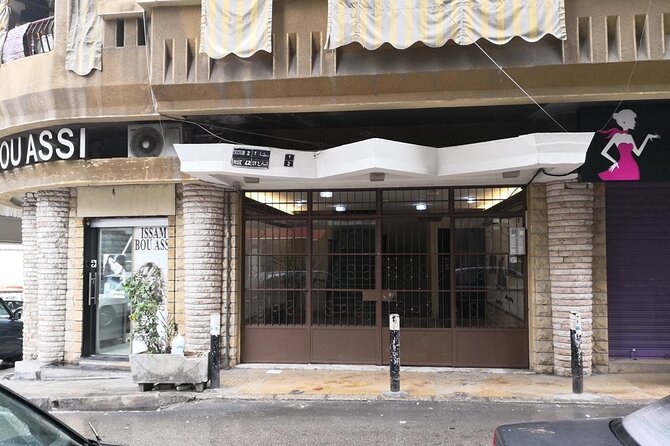
The experience begins at 11:00 a.m. in Forn El Chebbak, a Beirut area that serves as the meeting point and the place where the family home visit takes place. You arrange your own transportation, since hotel pickup and drop-off are not included.
The visit is private, so only your group takes part. That matters in a home kitchen. You can ask questions as you go, and the pace can feel more natural than a class with a dozen or more people. A private setting also makes it easier to discuss dietary needs or cooking preferences, though you should provide that information at the time of booking.
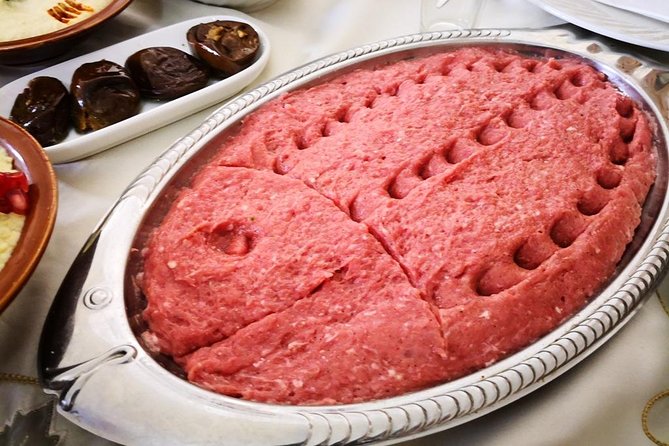
The cooking lesson covers five authentic Lebanese dishes. The exact menu is not laid out in advance in the information provided, but the food described includes hummus, baba ganoush, eggplant salad, stuffed zucchini, and kibbeh. One account also describes preparing kibbeh naye, a raw meat dish, so meat-focused cooking may be part of the experience.
That last point is important. If you are vegetarian, a vegetarian option is available, but you need to request it before the visit. If you have allergies or other dietary restrictions, mention them when booking rather than waiting until you arrive.
You should expect to work with the family rather than simply watch. The lesson gives you a chance to see how ingredients are handled, combined, and prepared in a home setting. It also lets you ask why a dish is made a certain way, how family recipes change, and which foods appear at the table for special occasions.
The three-hour length leaves room for both cooking and eating, but it is not an all-day kitchen session. If you love long technical classes, you may find the time limited. If you want a practical introduction followed by a relaxed family meal, the schedule should fit well.
The dishes: familiar flavors, home methods
Lebanese food is often known abroad through a short list of dips and mezze. This class gives you more context for those dishes.
Hummus is familiar to many people, but making it in a family kitchen lets you ask about texture, seasoning, and how it fits into a larger meal. Baba ganoush and eggplant salad show another side of Lebanese cooking, where vegetables carry the main flavor rather than playing a minor supporting role.
Stuffed zucchini adds a more involved preparation to the menu. It gives you a look at the care that goes into filling and cooking vegetables for a family meal. This is the type of dish that can teach more about home cooking than a quick plate of mezze, since preparation matters as much as the final seasoning.
Kibbeh brings meat into the lesson. Tania’s father was a butcher, so his presence is especially relevant when the class includes meat preparation. Kibbeh naye is a raw version, and its inclusion may appeal to adventurous eaters who want to try a traditional dish in the home where it is prepared.
That said, anyone uneasy about raw meat should ask about the menu ahead of time. The supplied details do not promise that every group will prepare every dish listed above, and dietary requests need to be made before the experience.
I appreciate the range. You get dips, vegetables, and possibly meat rather than spending three hours on one recipe. The class is best understood as a taste of Lebanese home cooking, not a professional culinary course with exact measurements and formal instruction in every technique.
The meal is part of the lesson
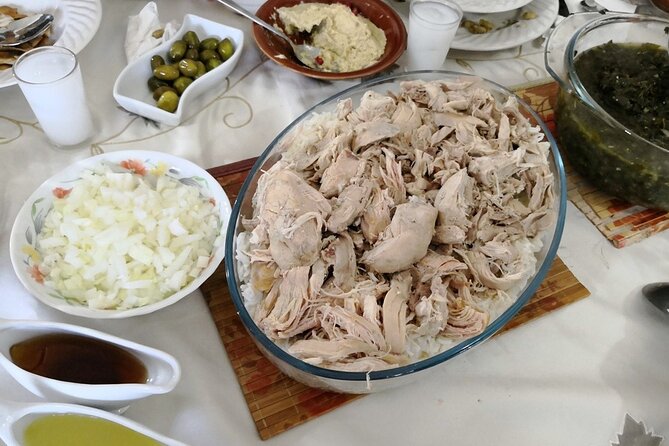
After the work in the kitchen, you sit down to eat what has been prepared. This is the point where the experience shifts from cooking class to family gathering.
A home-cooked meal gives you time to talk without measuring ingredients or watching a cooking step. Tania and her parents can discuss food, family, gardening, travel, and Lebanese traditions. The atmosphere is meant to be social, and the family’s warm welcome is a central part of the visit.
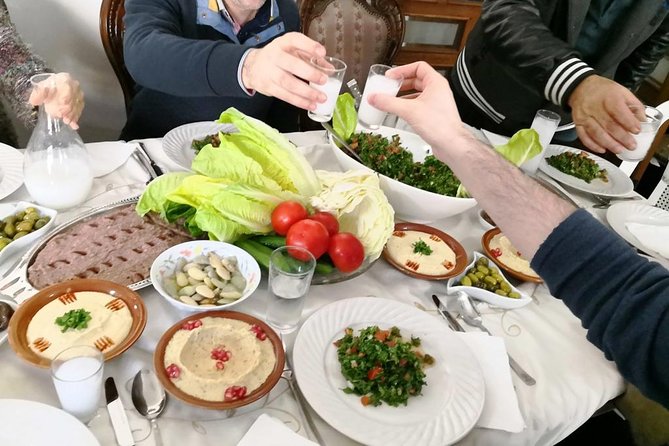
The meal includes non-alcoholic drinks and one or two glasses of arak, a local Lebanese spirit. Arak is commonly associated with anise flavor and is traditionally enjoyed with food, though the details supplied here only promise local alcohol rather than a specific serving style. If you do not drink, non-alcoholic beverages are included.
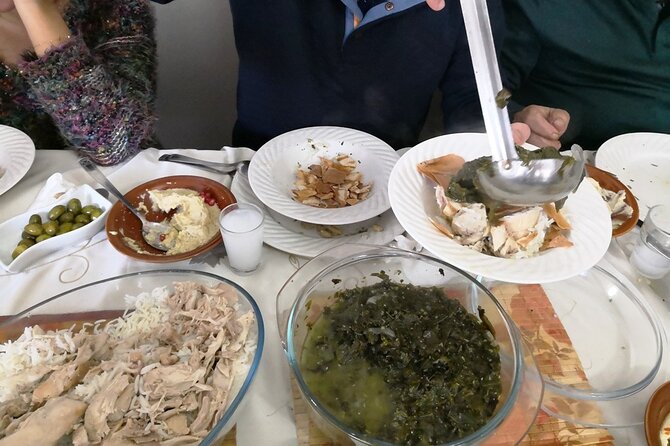
I would arrive hungry. The cooking itself may involve tasting, but the main reward comes when the dishes are served together. You are not buying a quick snack or a restaurant table. You are paying for the time spent preparing food with the family and then sitting down to eat it with them.
The family setting also means the experience may feel less predictable than a restaurant meal. Home cooking is personal. The menu, conversation, and pace are shaped by the people hosting you. That is a strength if you want contact with ordinary life, but it may not suit you if you prefer a tightly scripted food tour.
Same region, a different dish to learn:
- Florence: Pasta & Tiramisu Cooking Class with Unlimited Wine
★ 4.9 · 6,708 reviews - Florence: Pasta Cooking Class with Unlimited Wine
★ 5.0 · 6,413 reviews - Hanoi Cooking Class: Culture, Local Market & Meaning CSR Impact
★ 5.0 · 5,147 reviews - 5 Traditional Dishes Hanoi Cooking Class with Market Trip
★ 5.0 · 4,890 reviews
Fresh produce and the garden connection
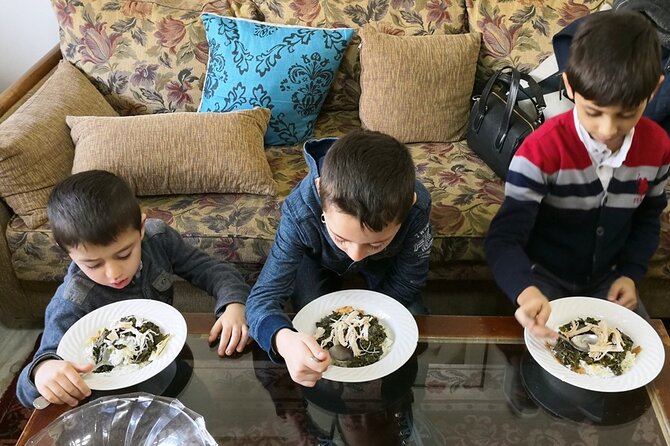
One of the most interesting details is the family’s connection to its own garden. Tania’s father grows fruits and vegetables on the outskirts of Beirut, and much of the produce used at home comes from there.
This gives the meal a clear connection to place. You can talk about what the family grows, how produce reaches the kitchen, and why local ingredients matter. It also helps explain why the food may feel different from a restaurant version. The point is not just to reproduce a recipe. It is to show how Lebanese food is tied to available produce, family habits, and seasonal cooking.
The garden element will appeal to you if you care about food sourcing. It is also useful for anyone trying to understand the practical side of Lebanese home cooking. The class links agriculture, food safety, preparation, and eating in one visit.
Do not expect a formal farm tour. The available details say the family grows produce and uses it in the home, but they do not promise a separate garden walk or a detailed agricultural demonstration. Think of the garden as part of the conversation and the meal’s background.
Why the private format matters
A private class costs $100 per person, which is more than a basic group cooking lesson in many destinations. The value depends on what you want from the visit.
If you only want to learn a few recipes, the price may seem high. You are not paying only for ingredients or instruction. You are paying for a private visit to a family home, a three-hour food experience, a meal, drinks, and direct time with Tania and her parents. Taxes, fees, handling charges, gratuities, and alcoholic beverages are included.
The private format makes the price easier to understand. Only your group participates, so you are not sharing the kitchen with strangers or waiting for everyone to catch up. You can ask about subjects that interest you, from meat preparation to gardening to family recipes.
Group discounts are available, which may make the experience more attractive if you are traveling with several people. Since the class is private, it can work well for a couple, a family, or a small group of friends who want to spend part of their Beirut visit together.
I would choose this experience for the personal contact, not for the number of dishes alone. If your budget is tight and your main goal is to eat cheaply, a restaurant is the better choice. If you want a meal that also gives you access to a Lebanese household, the cost is more reasonable.
Getting there and planning the morning
The meeting point is in Forn El Chebbak, Lebanon. The experience begins at 11:00 a.m. and ends back at the meeting point after about three hours.
Since no hotel transportation is included, check your route before booking. The meeting point is not a minor detail. You need to allow enough time to reach Forn El Chebbak without arriving late to a private appointment in someone’s home.
Confirmation is provided when you book. Service animals are allowed. The activity is private and personalized, but the supplied details do not give a maximum group size, so ask the provider if your party is larger than a typical small group.
Cancellation is flexible until two full days before the start time. You need to cancel at least 48 hours in advance for a full refund. Changes or cancellations made inside that period are not accepted and are not refunded, with cut-off times based on Beirut local time.
Who will enjoy this Beirut food experience
I would recommend it most strongly if you want to meet local people and understand food through family life. It suits you if you enjoy conversation, hands-on activity, and a meal that takes place in a real home rather than a commercial dining room.
Food-focused visitors will get the most from the range of subjects. You can ask about hummus, eggplant, stuffed vegetables, kibbeh, meat, gardening, and food safety in one visit.
It also suits couples and families looking for a private activity. The format allows your group to share the experience without being folded into a larger tour. Children may enjoy the hands-on element, but the supplied information does not specify a minimum age, so ask before booking if you are traveling with young children.
Vegetarians can take part if they request the vegetarian option in advance. Meat eaters may especially enjoy the chance to discuss kibbeh and butchery with Tania’s father. If you are uncomfortable with raw meat, ask what the menu will include before committing.
You may want to skip it if you prefer formal culinary training, a restaurant tasting menu, or a busy sightseeing schedule. The experience depends on personal exchange, so its appeal is less about speed and more about time spent talking, cooking, and eating together.
Should you book Tania’s family cooking class?
I would book this if you want a genuine food connection in Beirut and value people as much as recipes. The strongest features are the private home setting, Tania’s broad food background, her mother’s lifetime of cooking, and her father’s links to meat and gardening.
The experience is especially good for anyone who wants to understand how Lebanese dishes reach the family table. Just plan your own way to Forn El Chebbak, request dietary changes early, and arrive ready to eat and talk.
At $100 per person, it is not the cheapest meal in Beirut. But for a private three-hour lesson, five dishes, a home-cooked meal, drinks, and time with a welcoming family, it offers a personal experience that a restaurant cannot match.
FAQ
Where does the cooking experience take place?
It takes place in a traditional Lebanese home in Forn El Chebbak, Lebanon.
What time does the experience start?
The experience starts at 11:00 a.m.
How long does the cooking class and meal last?
The experience lasts approximately three hours.
How many people take part?
This is a private activity, so only your group participates.
What food will I learn to prepare?
You will learn to prepare five authentic Lebanese dishes. Foods described for the experience include hummus, baba ganoush, eggplant salad, stuffed zucchini, kibbeh, and possibly kibbeh naye.
Are vegetarian meals available?
Yes. A vegetarian option is available, but you should request it when booking. You should also provide details about allergies, dietary restrictions, or cooking preferences at that time.
Are drinks included?
Yes. Non-alcoholic beverages and one or two glasses of local alcohol, including arak, are included.
Newest classes around the world
- Aroidee’s Farm-Fresh Thai Cooking Experience★ 5.0 · 8 reviews
- Authentic Thai Cooking Class and Farm Visit in Chiang Mai★ 5.0 · 66 reviews
- Signature Thai Cooking Course★ 5.0 · 79 reviews
- Half Day Guided Thai Cooking Class in Chiang Mai★ 5.0 · 13 reviews
- Yummy Tasty Thai Cooking School in Chiang Mai★ 5.0 · 2 reviews
- Northern Thai Cooking Class in Chiang Mai in a Countryside Home★ 5.0 · 2 reviews
- Private Half-Day Thai Cooking Class in Chiang Mai★ 5.0 · 4 reviews
- Online Thai and Akha Cooking Class★ 5.0 · 70 reviews
Cooking Classes, compared.
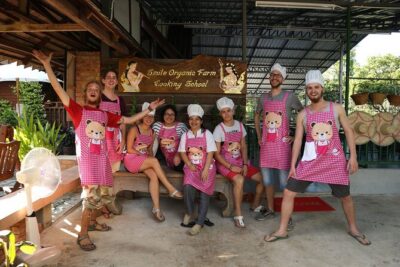
Half-Day Thai Cooking Class at Organic Farm in Chiang Mai
Read our review →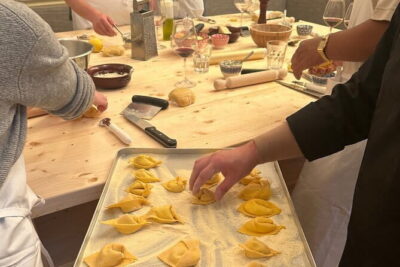

3 in 1 Cooking Class near Navona: Fettuccine, Ravioli & Tiramisu
Read our review →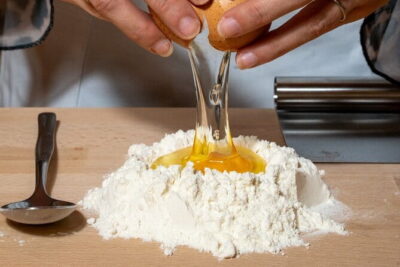
Pasta & Tiramisu Cooking Class with Unlimited Wine
Read our review →
Hanoi Cooking Class: Culture, Local Market & Meaning CSR Impact
Read our review →
5 Traditional Dishes Hanoi Cooking Class with Market Trip
Read our review →