
Review · TURKEY COOKING CLASSES
Antalya: Kunefe Cooking Class with Local Chef in Old Town
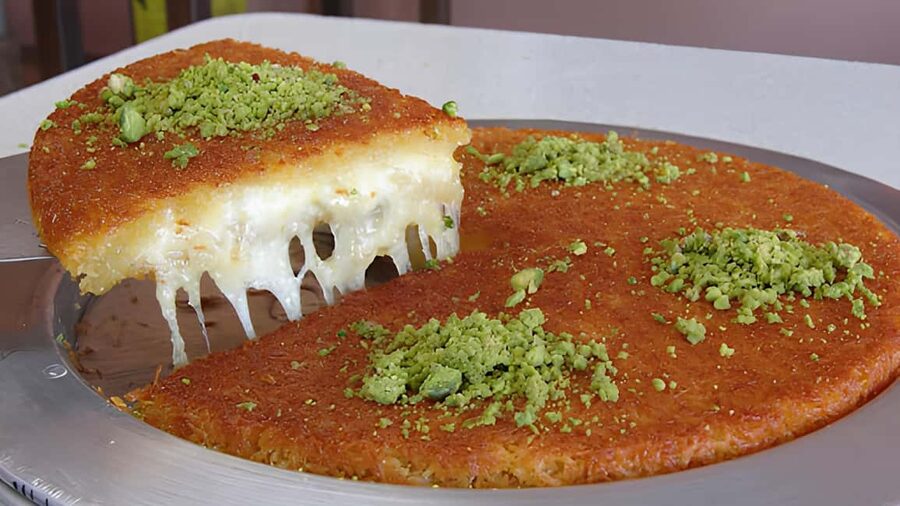
Kunefe is best understood as a small kitchen lesson disguised as dessert. In Antalya’s Old Town, you’ll layer fine kadayıf pastry with cheese and clarified butter, cook it on a round tray over a low flame, then soak it in syrup and finish it with pistachios. The cooking is simple in theory, but getting that crisp top and soft, stretchy center takes care.
I like the hands-on format and the chance to hear how kunefe differs across Turkey. I also like the small group, capped at six, which gives you room to ask questions and handle the ingredients. The main drawback is time: at 1.5 hours, this is a focused lesson, not a broad Turkish cooking course, and children under 10 cannot take part.
Key points
- You cook the kunefe yourself, including buttering, layering, rotating, and controlling the heat.
- The lesson explains kunefe’s regional roots and its place in Turkish food culture.
- A local chef teaches in English or Turkish in a cozy kitchen in central Antalya.
- The final dessert is served with Turkish tea, pistachios, warm syrup, and conversation.
- The small group has a maximum of six people, making the practical instruction more personal.
- The $65 price includes the lesson, tea, and dessert, but not transportation to the workshop.
What makes Antalya’s kunefe lesson different
Many food activities ask you to watch a cook prepare something, take a few photos, and eat the result. This one puts you beside the heat. You learn how the dessert is built and why each part matters before you sit down to eat it.
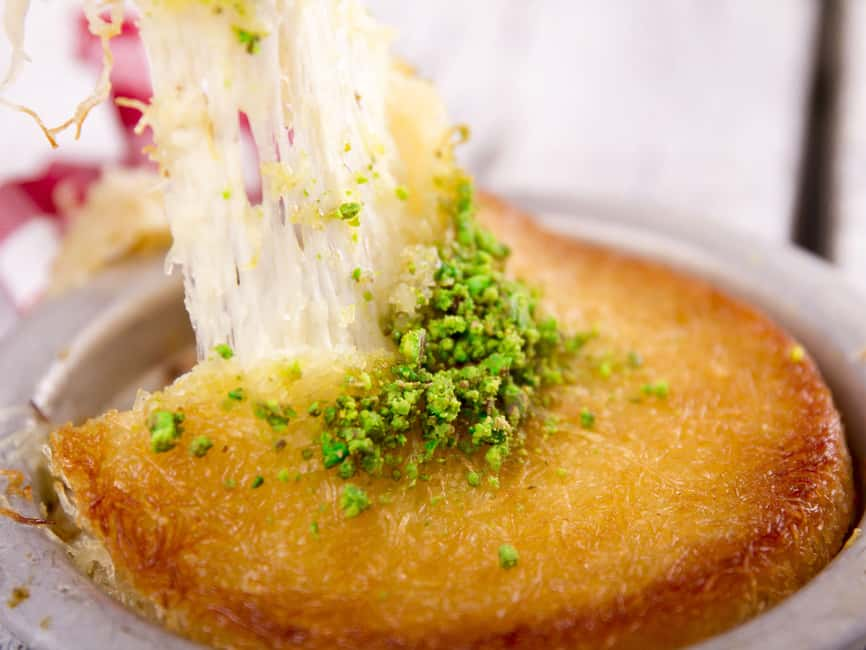
Kunefe, also written as künefe, uses thin strands of kadayıf pastry, a mild cheese that melts without turning into a sauce, butter, sugar syrup, and pistachios. The finished dessert should offer several textures at once: crisp pastry on the outside, warm cheese in the middle, and enough syrup to make it sweet without leaving it soggy.
That balance is the heart of the class. You are not simply following a recipe. You are learning what to watch for. Too much heat can burn the pastry before the cheese warms. Too little turning can leave one side pale and the other too dark. The round tray and low flame make the process visible and practical.
The setting also matters. You meet in a small kitchen in central Antalya’s Old Town rather than in a large demonstration room. That keeps the focus on food, conversation, and the local host. The atmosphere is likely to feel more like being welcomed into a working kitchen than attending a formal school.
More Cooking Classes in Turkey:
- Traditional Home Cooking with a Local in İstanbul City Center
★ 5.0 · 82 reviews - Traditional Home Cooking with a Local in İstanbul Center
★ 4.9 · 78 reviews - Farmers Market visit & Turkish Cooking Class
★ 5.0 · 60 reviews
A Turkish tea welcome in a central Old Town kitchen
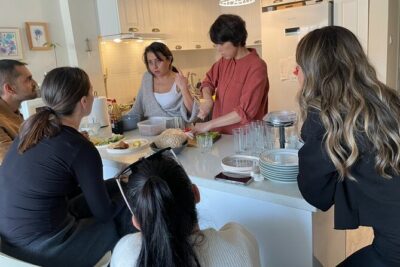
The class begins with Turkish tea and an introduction from the local chef. This opening gives you time to settle in, hear what you will make, and ask questions before your hands get busy.
The chef teaches in English and Turkish. Since the group is limited to six people, you should have a better chance to see the techniques clearly and take part rather than wait behind a crowd. Small groups are especially useful for a dessert like kunefe, where small changes in butter, pressure, or heat can affect the result.
The kitchen is described as cozy and welcoming, which suits the activity. You will not need a grand setting for this lesson. The point is to focus on the ingredients and the host’s instruction, with Old Town outside the door giving the class a clear sense of place.
Transportation is not included. You will need to make your own way to the workshop in central Antalya, so allow enough time to find the kitchen before the scheduled start. The exact starting times depend on availability.
Why kunefe matters in Turkish food culture
Before cooking, you learn where kunefe comes from and how it changes from one region to another. That short background adds meaning to what could otherwise be just a sweet snack.
Kunefe is closely tied to southern Turkish and broader eastern Mediterranean food traditions. The lesson does not present it as a single fixed recipe. Instead, you learn that the type of cheese, the thickness of the pastry, and the balance of syrup can vary. That regional view is useful because it shows how Turkish cooking works in practice: familiar dishes often shift from one town to the next.
You also learn about the ingredients before mixing them. The chef explains how to choose good kadayıf, why the cheese matters, and how clarified butter, known as tereyağı, helps produce a crisp finish. If you cook Turkish food at home, this information is more useful than a basic ingredient list.
Cheese can be the tricky part for cooks outside Turkey. The class covers possible substitutions, which gives you a better chance of recreating the dessert later. You should still expect the result at home to vary if your cheese has a different salt level, moisture content, or melting quality.
Building the dessert with kadayıf, butter, and cheese
The hands-on work begins with the kadayıf. These fine strands need to be spread and coated properly so the pastry cooks evenly. Your chef guides you through the buttering process, including how to make sure the fat reaches the layers rather than sitting only on top.
This is a useful part of the lesson because the pastry is easy to mishandle. Press it too firmly and you can lose the light texture. Leave gaps and the finished dessert may cook unevenly. You learn by touching and arranging the ingredients, not just by hearing instructions.
Next comes the cheese. The filling must remain soft and warm while the outside turns crisp. You get an explanation of the right type of cheese and how to substitute it when you are back home. That makes the class more practical for anyone hoping to make kunefe after the trip.
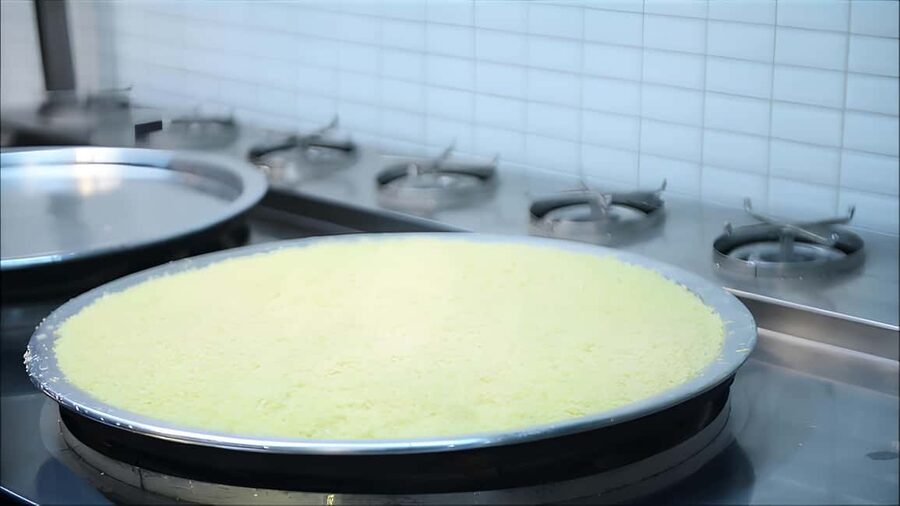
The chef then helps you shape the dessert on a traditional round tray. The tray is not just a serving dish. Its size and shape help create the familiar round kunefe that can be turned during cooking.
Same region, a different dish to learn:
- Bodrum: Market Visit and Cooking Class
★ 4.9 · 41 reviews - Authentic Turkish Cooking at a Local’s Home in Istanbul
★ 4.9 · 24 reviews - Cooking Class in Authentic Etrim Village
★ 4.5 · 23 reviews - Istanbul: Turkish Cooking Class with a Professional Chef
★ 4.8 · 23 reviews
The low flame is where the real technique appears
Cooking takes place over a low flame. This slower heat gives you time to learn the key skill: rotating the tray so the pastry colors evenly.
You will watch the surface closely and adjust the tray as needed. The chef explains how to control the heat and how to judge when the underside has reached the right color. This is the point where kunefe moves from a list of ingredients to a craft.
The process can be more demanding than it first appears. You need patience, attention, and a willingness to follow the chef’s timing. If you want a quick demonstration with an immediate dessert, this may feel a little slow. I see that as part of the value, though, because you leave knowing why the cooking method matters.
The lesson also gives you a clear sense of the dessert’s texture. The goal is not simply to brown the pastry. You want a crisp outer layer while the inside stays soft and cheesy. That contrast is what makes kunefe special.
Warm syrup, pistachios, and the best part of the class
Once the pastry is cooked, you add warm syrup. This step needs care because the dessert should absorb sweetness without losing its crisp texture. The chef guides you through the timing and amount.
Pistachios finish the dish and add color and crunch. Then you sit down to eat the kunefe you prepared, served with Turkish tea. The meal is small, but it gives the class a satisfying ending. You can taste the effect of the butter, the cheese, the syrup, and the pastry in one dish.
The tea is more than a drink on the side. Turkish tea helps slow the pace and turns the final tasting into a social moment. You have time to talk with the chef, ask about Turkish sweets, and share the result with the other people in the group.
This closing conversation was one of the most praised parts of the experience. The chef and the women working with him were described as passionate and eager to pass on their knowledge. That warmth matters here because the class depends as much on personal exchange as on cooking technique.
What the $65 price includes
At $65 per person, the class costs more than simply ordering kunefe at a café. You are paying for instruction, ingredients, use of the kitchen, Turkish tea, and a small-group format. You also receive a cultural introduction and the chance to prepare the dessert yourself.
I think the price is reasonable if you value participation and conversation. The maximum of six people is important: a smaller group can make the lesson easier to follow and gives you more opportunity to handle the food. A large group would change the experience, especially during the tray rotation and cooking stages.
The value is less clear if your only goal is to taste kunefe. Antalya has plenty of places where you can order dessert without spending $65. This class makes sense for you if you want to understand the dish, learn a technique, and take home a better sense of Turkish culinary culture.
There is no transportation included, so factor in the cost and time of getting to the central Old Town kitchen. The duration is 1.5 hours, which makes it easy to fit around sightseeing, but it also limits how much else can be covered.
Who will enjoy this class most
This activity suits adults and children aged 10 and over who enjoy food, local customs, and practical lessons. You do not need to be an experienced cook. The chef leads you through each step, and the recipe has enough structure for a beginner to follow.
It is especially good for you if:
- You want a short food activity in Antalya rather than a full-day cooking course.
- You enjoy learning through your hands instead of only watching.
- You want a dessert-focused introduction to Turkish cuisine.
- You like small groups and direct contact with a local host.
- You plan to cook kunefe at home and need advice about cheese substitutions.
- You enjoy ending a class with tea and conversation.
It may not suit children under 10, since they are not allowed to participate. It is also not the best pick if you want a savory meal, a long market visit, or a broad lesson covering many Turkish dishes. Alcohol and drugs are not allowed during the activity.
Timing and practical planning for your day
The class lasts 1.5 hours, so it works well as a morning or afternoon addition to an Antalya itinerary. One pair of participants combined a perfume-making activity in the morning with the kunefe class later in the day, creating a full day of hands-on local activities.
You should arrive ready to take part. The activity involves butter, pastry, cheese, syrup, and heat, so comfortable clothing is sensible. The provided information does not specify kitchen clothing, accessibility arrangements, or exact meeting instructions, so check those details before booking if they matter to you.
The activity is offered in English and Turkish. If you need detailed cooking explanations in English, confirm that the available instructor for your chosen time can provide them. The class is limited to six people, which is a useful feature for anyone who prefers a quieter setting.
You can cancel up to 24 hours before the activity for a full refund. A reserve-now, pay-later option is also available, which gives you some flexibility when your Antalya plans are still shifting.
Should you book the Antalya kunefe class?
Book it if you want more than a dessert. The strongest reasons are the small group, the hands-on cooking, the explanation of regional traditions, and the warm finish with tea and conversation. You will leave with a better understanding of how kunefe is made, not just a sweet taste in your memory.
Skip it if you only want to sample kunefe cheaply, need transportation included, or are traveling with a child under 10. At $65, the class earns its price through personal instruction and cultural exchange rather than quantity of food.
For a short, focused activity in central Antalya, this is a good choice. The chef’s friendly teaching style, the chance to control the round tray over a low flame, and the final syrup-soaked dessert give the class a clear purpose. Just keep your expectations in the right place: this is a compact kunefe workshop, not a full survey of Turkish cooking.
FAQ
Where does the kunefe class take place?
The activity takes place in a cozy kitchen in central Antalya’s Old Town.
How long does the experience last?
The class lasts 1.5 hours.
How much does the experience cost?
The listed price is $65 per person.
What languages does the instructor speak?
Instruction is available in English and Turkish.
How many people can join the group?
The class is limited to six participants.
Is Turkish tea included?
Yes. Traditional Turkish tea is served at the beginning and with the finished kunefe.
Is transportation included?
No. You are responsible for getting to the workshop.
Can children join the activity?
Children under 10 are not permitted to participate.
Newest classes around Turkey
- Bodrum Cooking Class★ 5.0 · 3 reviews
- Farmers Market visit & Turkish Cooking Class★ 5.0 · 60 reviews
- Cooking Class in Authentic Etrim Village★ 4.5 · 23 reviews
- Bodrum Cooking Class with Local Couple★ 5.0 · 6 reviews
- Turkish Cuisine Cooking Class at Local Home with Family★ 5.0 · 9 reviews
- Istanbul: Vegan/Vegetarian Cooking Class with Locals at Home★ 5.0 · 8 reviews
- Istanbul: Turkish Baklava Cooking Class with a Local Host★ 5.0 · 3 reviews
- Istanbul: Turkish Cooking Class with a Professional Chef★ 4.8 · 23 reviews
Turkey Cooking Classes, compared.
Traditional Home Cooking with a Local in İstanbul City Center
Read our review →
Traditional Home Cooking with a Local in İstanbul Center
Read our review →
Authentic Turkish Cooking at a Local’s Home in Istanbul
Read our review →
Istanbul Turkish Home Cooking Class with a Local
Read our review →Browse the lists this tour appears in