Review · COOKING CLASSES
Experience Sarajevo: Bosnian Cooking Class
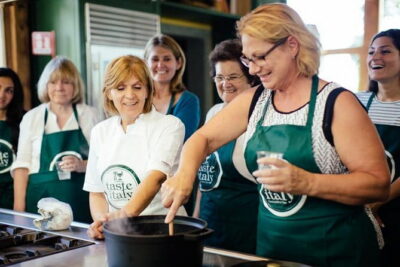
Sarajevo’s best food lesson may happen far from a restaurant table. You’ll shop for ingredients at a local farmers’ market, then cook in a family home with Danijela and Armin. The menu can include burek, pies, and sarma, with each dish explained as you make it.
I like the market stop because it gives the meal a clear starting point, and I like the hands-on format because you do more than watch someone cook. Bosnian coffee, local wine, and rakija add a useful cultural touch. The one drawback is that the exact menu is not fixed in the details provided, so you should confirm any dietary needs before booking.
Key points to know before booking
- A real family kitchen: You cook and eat in a Sarajevo home rather than simply sitting through a demonstration.
- Fresh shopping first: The 30-minute market visit lets you see the ingredients before they reach the kitchen.
- Three hours at the home: Most of the experience is spent preparing food, learning techniques, and sharing the finished meal.
- Small group size: With no more than six participants, you should get a better chance to work directly with the cook.
- Hotel pickup included: Private transportation covers the ride from Sarajevo to the home and back.
- Recipes to take home: You receive instructions for each meal, so the class can continue in your own kitchen.
Start with Sarajevo’s market, not a recipe card
The experience begins with pickup in Sarajevo, either from your hotel or an arranged city location. You meet your local guide in the city center and head to a farmers’ market for about 30 minutes.
This short stop matters. Bosnian cooking is built around ordinary, fresh ingredients, and seeing them at the market helps you understand the food before you start chopping or rolling. You’ll have a chance to see what goes into the meal and how the day’s cooking begins with shopping rather than a premeasured box of ingredients.
The market visit is not meant to be a full food tour. Thirty minutes gives you enough time to gather what you need, but not enough for a long wander through every stall. That is a fair trade because the main event is the cooking itself.
All ingredients are included, so you are not paying extra at the market. You also avoid the awkward problem of buying an unfamiliar ingredient in an unfamiliar language. Your guide handles the practical side while explaining what you are picking up.
More Cooking Classes in the world:
- Half-Day Thai Cooking Class at Organic Farm in Chiang Mai
★ 5.0 · 19,087 reviews - Florence: Pasta Cooking Class with Unlimited Wine
★ 4.9 · 10,285 reviews - 3 in 1 Cooking Class near Navona: Fettuccine, Ravioli & Tiramisu
★ 5.0 · 7,376 reviews
A short private ride into the home kitchen
After shopping, you ride in a private car for about 15 minutes to the family home. The return ride takes another 15 minutes, making the transport simple and easy to follow.
I like this setup because you do not have to find a suburban address or arrange a taxi after the market. Hotel pickup and drop-off are included, which is useful if you are carrying shopping bags or would rather keep the four-hour schedule tidy.
The ride is also a small break between the market and the kitchen. Since the group is limited to six, the outing should feel more personal than a large food class. Still, the available information does not promise a private booking for every reservation. If you want the entire class reserved for your own party, ask before paying.
The activity is wheelchair accessible, which is an important practical point. Since the class takes place in a private home, you may still want to confirm the access details for your particular needs in advance.
Bosnian coffee starts the cooking lesson
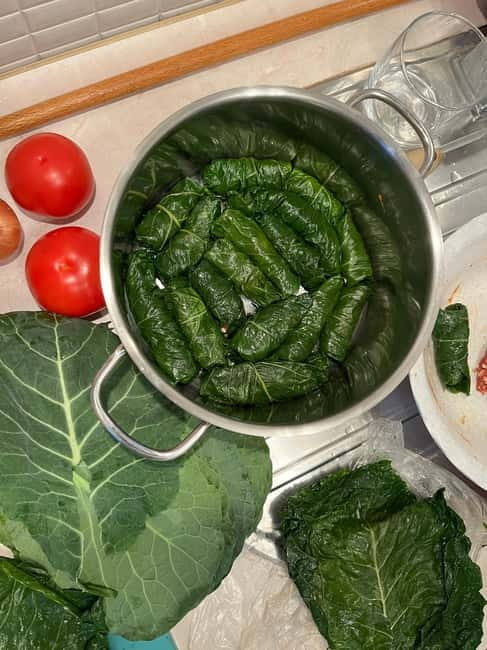
At the home, you are welcomed with Bosnian coffee before the cooking begins. This is more than a quick drink while someone lays out the ingredients. It gives the host a natural moment to explain the dishes, the plan for the meal, and what you will be doing in the kitchen.
Bosnian coffee is traditionally prepared and served in a distinctive way, and having it at the start sets the tone for the visit. You are not being rushed straight into a task. Instead, the class begins with hospitality, conversation, and a look at the meal ahead.
The hosts speak English, Croatian, Serbo-Croatian, Serbian, and Bosnian through the guide or hosting team. That language range should make the instructions accessible to a broad group, although you should select the language you need when checking availability.
Danijela and Armin are the hosts named in the available information. They welcomed one participant into their home and led the preparation of several classic dishes. Their role is central to the appeal here: you are learning family cooking in a home setting, not just following a professional chef in a commercial classroom.
Learn by making burek, pies, and sarma
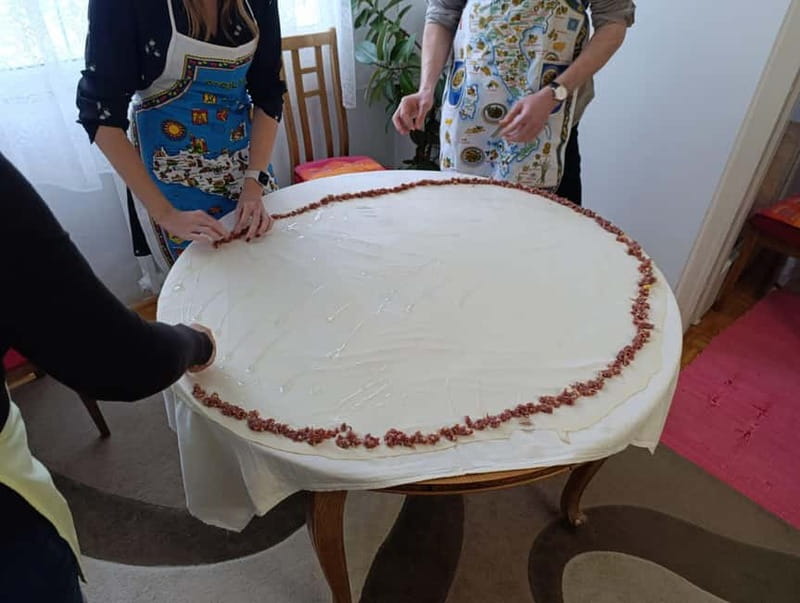
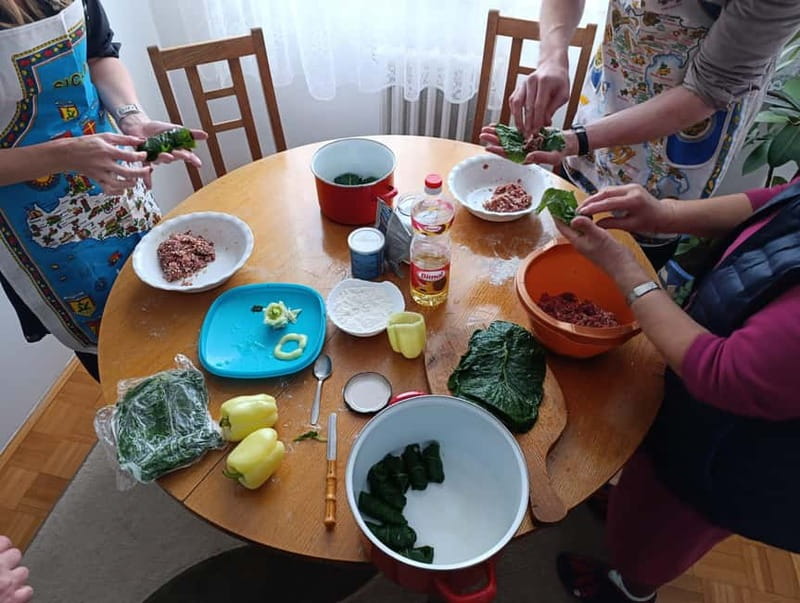
The cooking portion lasts about three hours, giving you enough time to take part in several stages of preparation. The dishes specifically associated with the experience include burek, pies, and sarma.
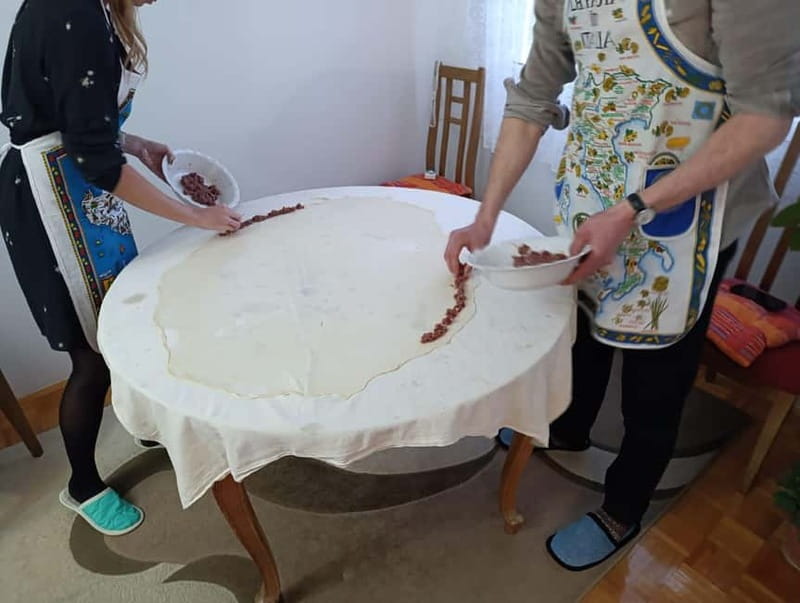
Burek is a familiar Balkan pastry, but the value of making it yourself is in the technique. You can see how the filling and pastry are handled, then repeat the process with the recipe provided afterward. Pies broaden the lesson beyond one famous dish, while sarma introduces another traditional preparation with its own method.
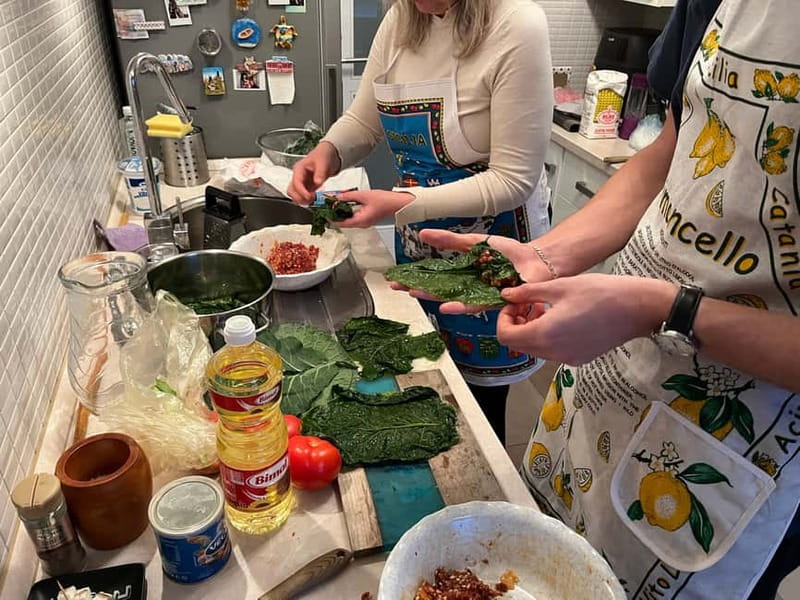
The class is hands-on at each stage. You are not simply watching Danijela or Armin work while waiting for lunch. You roll up your sleeves, help prepare the food, and receive an explanation of what you are doing.
That makes this a good choice if you want to recreate the meal at home. A restaurant can show you what Bosnian food tastes like. This class gives you a better chance of remembering how it was made.
The recipes are particularly useful because cooking instructions often disappear once a trip ends. Here, the cook explains each meal in detail and provides the recipe for later use. You can make a Bosnian dinner after returning home instead of relying on a vague memory of ingredients and techniques.
The precise menu may depend on the day and the host. The supplied details do not list every possible dish, and there is no stated vegetarian, vegan, gluten-free, or allergy-adapted menu. If food restrictions affect your booking, ask the provider before confirming. That is the main practical gap in the otherwise clear plan.
Same region, a different dish to learn:
- Florence: Pasta & Tiramisu Cooking Class with Unlimited Wine
★ 4.9 · 6,708 reviews - Florence: Pasta Cooking Class with Unlimited Wine
★ 5.0 · 6,413 reviews - Hanoi Cooking Class: Culture, Local Market & Meaning CSR Impact
★ 5.0 · 5,147 reviews - 5 Traditional Dishes Hanoi Cooking Class with Market Trip
★ 5.0 · 4,890 reviews
Share the meal in the family home
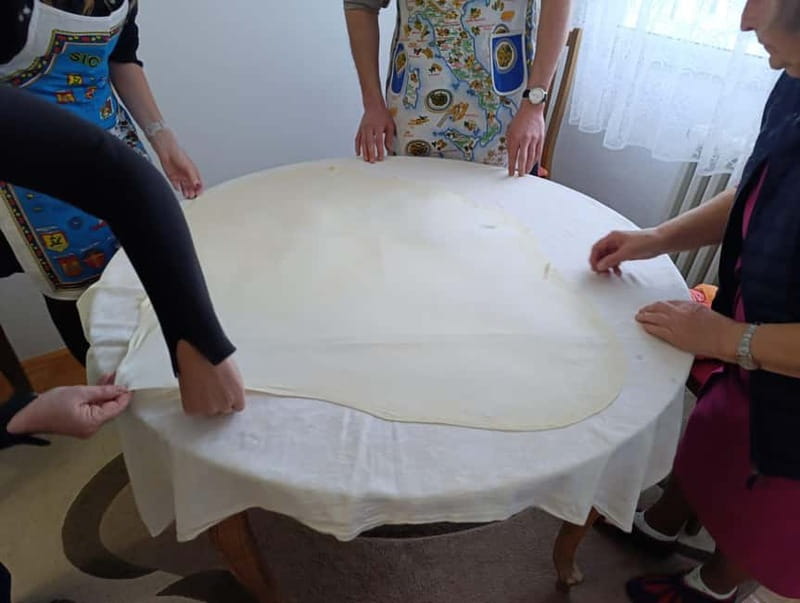
Once the dishes are ready, you sit down and eat what you helped prepare. The meal is included, along with beverages, local wine, and rakija.
This shared meal is where the class becomes more than a cooking lesson. You get to taste the results while the preparation is still fresh in your mind. It also gives you time to talk with your hosts and ask about the food without the clock pressing you toward the next sightseeing stop.
Rakija is a strong local fruit brandy commonly served across the Balkans. You do not have to treat it as a challenge or drink more than you want. A small taste is enough to understand why it is part of the region’s hospitality, and wine offers a gentler option with the meal.
Bosnian coffee is included at the beginning, while wine and rakija are served with the food. If you do not drink alcohol, the activity still includes the meal and coffee, but the details do not specify substitute beverages. Ask in advance if that matters to you.
One practical bonus is that leftovers may be available to take away. This was specifically possible for one participant, but it should not be treated as guaranteed for every group. Portions, household plans, and the day’s menu can affect what remains.
Why the four-hour schedule works
The total duration is four hours. About 30 minutes goes to the market, 15 minutes each way to transportation, and roughly three hours to the home visit, cooking, and meal.
That balance is sensible. You do not spend half the activity driving, and the kitchen time is long enough to cover several dishes without turning the class into a rushed demonstration. The four-hour length also makes it easy to fit into a Sarajevo day alongside sightseeing.
You should avoid scheduling something immediately afterward. Cooking times can vary, and a shared meal works best when you are not watching the clock. The supplied schedule is clear, but any home-based activity can have a more relaxed rhythm than a bus tour.
The class starts in Sarajevo and returns you to the city. Hotel pickup and drop-off are included, which removes the need to plan your own transport. Check the available start times when booking because the exact departure time is not fixed in the basic description.
The value of $106 per person
At $106 per person, this is not the cheapest way to eat in Sarajevo. You can find a restaurant meal for far less. The price needs to be judged as a four-hour cultural activity with transportation, shopping, instruction, ingredients, a home-cooked meal, coffee, wine, and rakija included.
The private car adds useful value, especially if you are staying in central Sarajevo and do not know where the host’s home is located. The market visit would also cost time and effort to arrange on your own, while the class turns it into part of a guided food lesson.
The small group limit of six is another reason the price may make sense. You are paying for a more personal class rather than a seat in a large cooking demonstration. You should have more opportunities to ask questions and handle the food directly.
The strongest value comes if you actually plan to cook the dishes again. A meal alone has a short life. A recipe and a clear explanation of the process give the experience some use after you leave Bosnia.
If your main goal is simply to eat local food as cheaply as possible, this is poor value compared with a normal restaurant. If you want food, instruction, transport, and a family setting in one half-day, the price is easier to justify.
Who will enjoy this Sarajevo cooking class
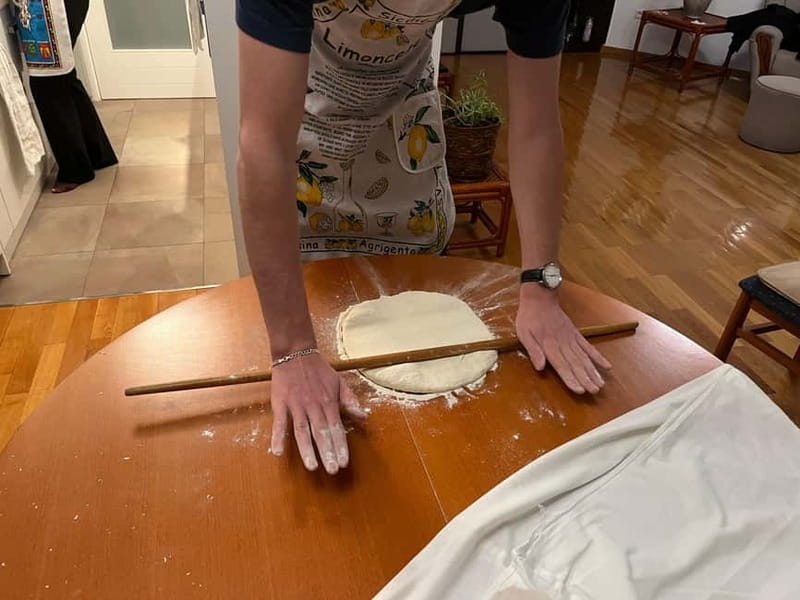
I would choose this activity for couples, families, solo participants, and small groups who want a slower social experience. It suits you especially well if you enjoy learning by doing and like meeting local people through food.
It is also a strong option for a repeat visitor to Sarajevo. If you have already seen the main city sights, a home cooking class gives you a different way to spend part of the day.
The format works for people with modest cooking experience because the host explains each stage. You do not need to arrive as a skilled cook. At the same time, confident home cooks should find enough value in the traditional methods and local dishes.
Families should check the age suitability directly, since no minimum age is provided. The activity is wheelchair accessible, but the home setting makes it wise to confirm any specific mobility requirements.
I would be more cautious if you have strict dietary restrictions. The included menu can feature pastry and other ingredients that may not fit every diet, and no alternative menu is promised in the available information.
Small details that shape the experience
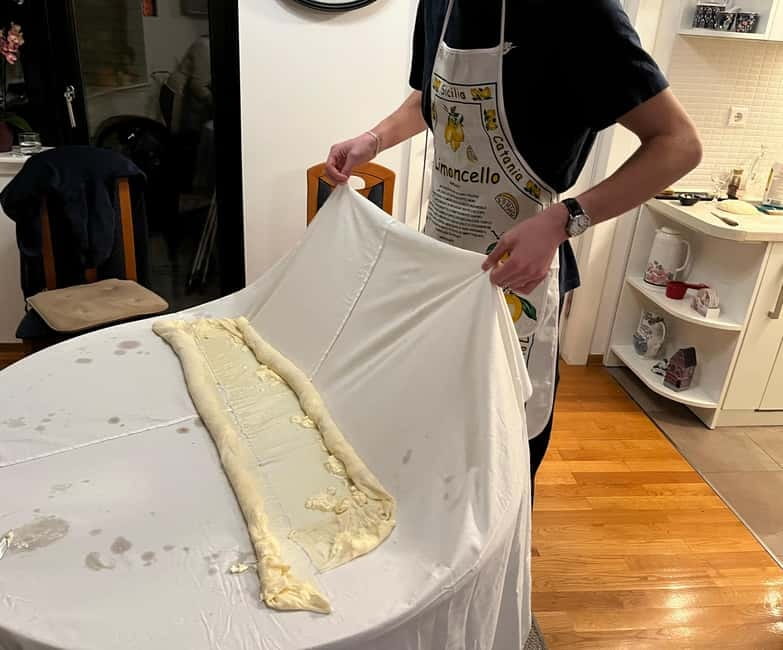
The strongest feature is the welcome. Bosnian coffee at the start, a family kitchen, and a shared meal make the class feel connected to everyday hospitality rather than designed only for a quick photo.
The second strength is the instruction. You get explanations for each dish and recipes for later, which gives the class lasting value. You are not just told that a food is traditional. You learn how to prepare it.
The market stop adds context without taking over the day. You see the ingredients, then use them soon afterward. That simple connection makes the meal easier to understand and remember.
The main limitation is the lack of a fixed menu in the published details. Burek, pies, and sarma are named, but you should not assume that every session includes exactly the same dishes or that special diets can be accommodated.
Cancellation is flexible: you can cancel up to 24 hours before the activity for a full refund. You can also reserve now and pay later, which helps if your Sarajevo schedule is still changing.
Should you book this experience?
Book it if you want to cook with a Bosnian family, not merely eat Bosnian food. The combination of a farmers’ market, private transport, hands-on preparation, recipes, and a shared meal gives you a useful look at local food culture in four hours.
I would especially recommend it if you value personal contact, small groups, and dishes you can try again at home. Danijela and Armin’s warm hosting, the chance to prepare burek, pies, and sarma, and the included coffee, wine, and rakija make this a well-rounded half-day.
Skip it if you want a quick restaurant meal, a fixed menu, or a class built around advanced cooking techniques. Also check first if you have dietary restrictions or need detailed access arrangements inside the private home.
For most food-focused visitors to Sarajevo, $106 is a fair price for the time, transport, ingredients, instruction, and meal. This is the kind of activity that can turn a familiar dish on a menu into something you understand and know how to make.
FAQ
How long does the Bosnian cooking class last?
The activity lasts four hours, including the market visit, transportation, cooking class, meal, and return to Sarajevo.
Where does the experience begin?
Pickup is available in Sarajevo, including hotel pickup. You meet your guide in the city center or at the arranged pickup location.
How many people can join the class?
The activity is a small group experience limited to six participants.
What food will I learn to prepare?
The dishes named for the experience include burek, pies, and sarma. The exact menu is not otherwise specified, so confirm the day’s dishes and any dietary requests before booking.
Are food, drinks, and transportation included?
Yes. The experience includes cooking ingredients, the prepared meal, Bosnian coffee, local wine and rakija, private transportation, hotel pickup, and hotel drop-off.
Can I cancel or pay later?
You can cancel up to 24 hours before the activity for a full refund. The reserve-now, pay-later option lets you book without paying immediately.
Newest classes around the world
- Aroidee’s Farm-Fresh Thai Cooking Experience★ 5.0 · 8 reviews
- Authentic Thai Cooking Class and Farm Visit in Chiang Mai★ 5.0 · 66 reviews
- Signature Thai Cooking Course★ 5.0 · 79 reviews
- Half Day Guided Thai Cooking Class in Chiang Mai★ 5.0 · 13 reviews
- Yummy Tasty Thai Cooking School in Chiang Mai★ 5.0 · 2 reviews
- Online Thai and Akha Cooking Class★ 5.0 · 70 reviews
- Northern Thai Cooking Class in Chiang Mai in a Countryside Home★ 5.0 · 2 reviews
- Private Half-Day Thai Cooking Class in Chiang Mai★ 5.0 · 4 reviews
Cooking Classes, compared.
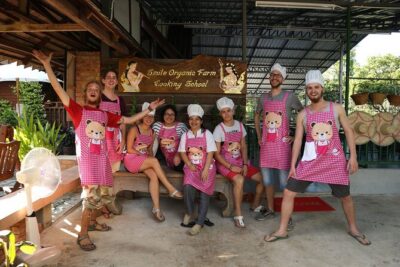
Half-Day Thai Cooking Class at Organic Farm in Chiang Mai
Read our review →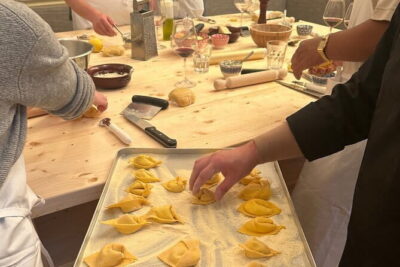

3 in 1 Cooking Class near Navona: Fettuccine, Ravioli & Tiramisu
Read our review →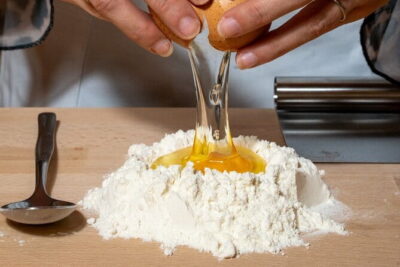
Pasta & Tiramisu Cooking Class with Unlimited Wine
Read our review →
Hanoi Cooking Class: Culture, Local Market & Meaning CSR Impact
Read our review →
5 Traditional Dishes Hanoi Cooking Class with Market Trip
Read our review →