
Review · ITALY COOKING CLASSES
Pizza Cooking Class
Taormina’s Porta Messina cooking class turns a meal into a practical Sicilian lesson. You work with flour, water, and fresh ingredients, shape pasta by hand, prepare pizza dough, and then eat what you make with wine, cheese, dessert, and plenty of conversation.
I like the friendly teaching style, especially the patient help from chefs such as Giovanni, Luca, Maurizio, and Mauro. I also like the useful extras: a takeaway apron, recipes, certificate, cannoli, and limoncello. The main caution is group size. Some sessions are intimate, while others can reach 15, 18, or even 40 people, which may make the class feel less personal.
Key points to know before booking
- You make both pasta and pizza, not just one or the other.
- Chef Giovanni is especially patient, explaining each step in clear English and helping people individually.
- The meal goes well beyond pizza, with cheese, cold cuts, olives, bread, wine, dessert, cannoli, and limoncello included.
- Group size can vary sharply, from a small table of four to a much larger class.
- The class meets at Porta Messina Restaurant, in central Taormina, close to shops and the upper-town area.
- You leave with practical souvenirs, including an apron, recipe instructions, and a certificate.
Starting at Porta Messina in central Taormina
The class begins at 10:30 a.m. at Ristorante Pizzeria Porta Messina, on Largo Giove Serapide in central Taormina. Afternoon sessions and special-event classes may be possible by arrangement, so contact the provider if the morning time does not fit your plans.
The location is useful for a day in town. The restaurant is near public transportation and close to the center, so you can pair the class with shopping, sightseeing, or a walk through Taormina afterward. The activity ends where it begins, which keeps the day simple.
If you arrive by car, plan ahead. There is no parking directly at the restaurant. One practical option is the Lumbi Parking Garage. From the upper level, stairs lead toward the center, and the restaurant is near the top of that climb. This is worth knowing if you are working with a tight schedule.
The stated duration is about three hours, though the cooking itself may last two to three hours before the meal and finishing touches. You are not rushing through a quick demonstration. The class is designed as a half-day food experience, with time for preparation, tasting, and socializing.
More Pizza Making Classes in Italy:
- Florence Cooking Class The Art of Making Gelato & Authentic Pizza
★ 5.0 · 2,053 reviews - Cooking Class in the Heart of Rome: Pizza and Tiramisu Making
★ 5.0 · 1,330 reviews - Rome: Traditional Pizza Cooking Class near Piazza Navona
★ 4.7 · 1,241 reviews
Pasta first, with simple Sicilian ingredients
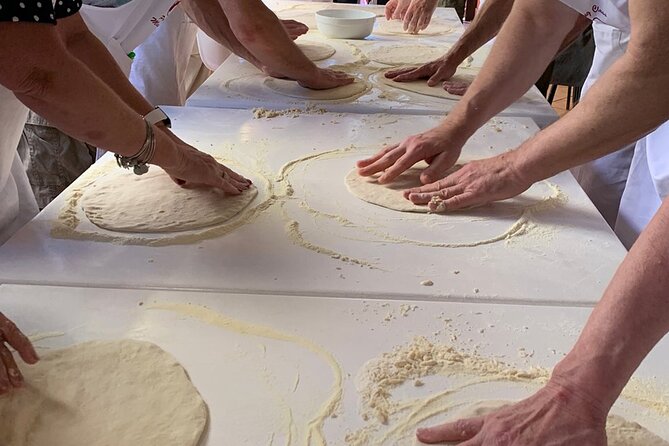
The class may begin with pasta made from semolina flour and water. The ingredients are basic, but the work is hands-on. You knead the dough, learn how it should feel, and shape it into several forms using your hands and simple tools.
That simplicity is part of the lesson. You see how much can be done without a pasta machine or a long list of ingredients. The class has included shapes with holes, which can look tricky at first but become manageable once the chef demonstrates the motion.
The pasta is made without eggs, using semolina and water. That gives you a useful point of comparison with the fresh egg pasta often taught in other Italian cooking classes. You are not just copying a recipe. You are learning how flour, water, pressure, and resting time affect the final result.
Chef Giovanni has been praised for moving around the table, checking each person’s dough, answering questions, and helping anyone who falls behind. That individual attention matters in a class like this. Pasta dough can look easy when a chef handles it, but your hands need a little correction before the texture and shape come together.
If someone arrives late, the staff may try to catch them up during the session. That is considerate, though late arrivals can add movement and noise to the class. If you want the most complete experience, arrive early enough to settle in before the first demonstration.
A generous break with cheese, bread, and wine
After the pasta work, you return to the restaurant table for a break and a spread of local foods. Depending on the session, this can include cheeses, cold cuts, olives, and different breads.
This pause helps the class feel like a meal rather than a kitchen drill. You have time to talk with people at your table and enjoy the restaurant setting while the staff handles the next stage of preparation. Wine, including red and white, is served with the meal, and water is available.
The wine is one reason the experience feels social. You are likely to share a table with people from several countries, and the relaxed format makes conversation easy. Couples, families, friends, and solo participants can all fit into the setup, though a solo visitor should be comfortable eating at a shared table.
The quantity of food is another strong point. This is not a small tasting followed by a separate lunch you must arrange yourself. You eat the pasta and pizza you prepare, with extra food before and after the main dishes. The result is a filling afternoon or evening.
Learning the pizza dough, then choosing your toppings
The pizza section begins with another dough lesson. You work through the ingredients and kneading process, while the chef explains why the dough needs time to rest and rise.
Because proper pizza dough takes hours to develop, the class uses prepared dough for part of the shaping process. Your own dough is prepared during the session, but you also receive dough that has already rested so you can continue cooking without waiting several hours.
This is a sensible compromise, but it is important to understand what it means. You learn how to make the dough from scratch, yet the pizza you shape and bake may use dough prepared ahead of time. That lets you enjoy the full pizza-making process within a three-hour class.
The shaping is done by hand. You stretch and spread the dough with your fingers until it fits the plate or work surface. The chefs guide you through the movement and check your work as they walk around the room.
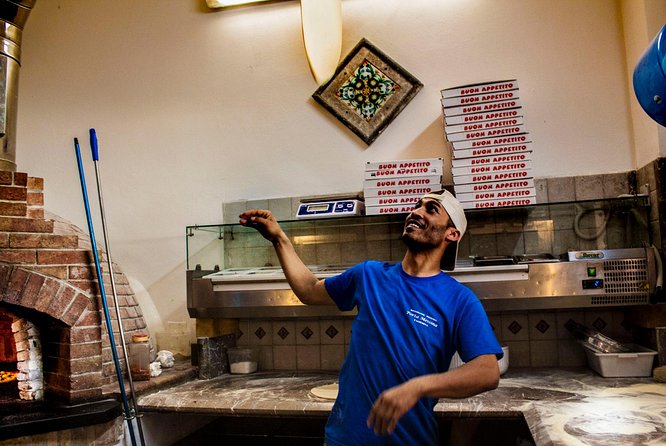
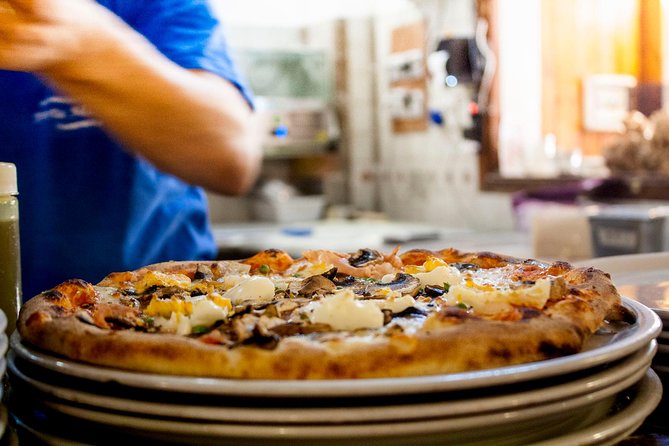
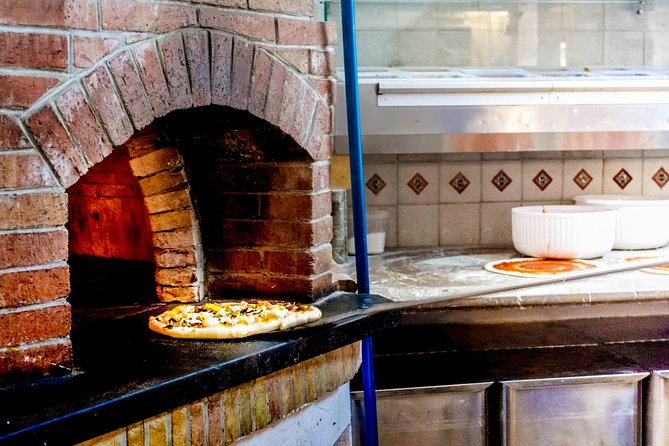
Next comes the fun part. In small groups, you go to the oven preparation area and add your toppings. The class allows personal choices, and special ingredients can be requested. You then watch the pizza maker put the pizzas into the oven before returning to the table.
That arrangement keeps the oven work safe and organized, but it may mean you are not personally managing every part of the bake. You shape and top your pizza, while the restaurant team handles the oven.
More Cooking Classes in Italy:
- Florence: Pasta Cooking Class with Unlimited Wine
★ 4.9 · 10,285 reviews - 3 in 1 Cooking Class near Navona: Fettuccine, Ravioli & Tiramisu
★ 5.0 · 7,376 reviews - Florence: Pasta & Tiramisu Cooking Class with Unlimited Wine
★ 4.9 · 6,708 reviews - Florence: Pasta Cooking Class with Unlimited Wine
★ 5.0 · 6,413 reviews
Eating your own pizza with a full Sicilian finish
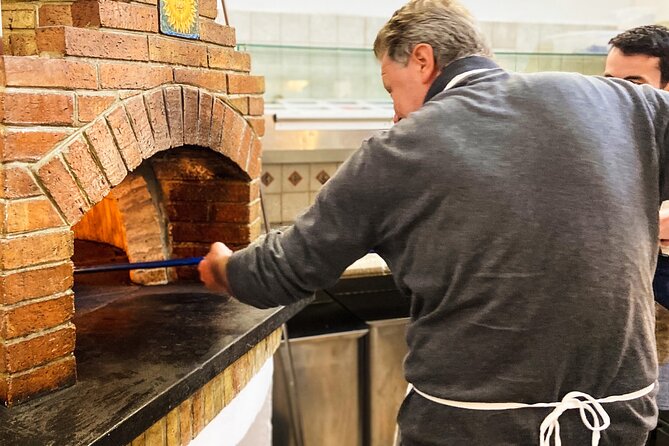
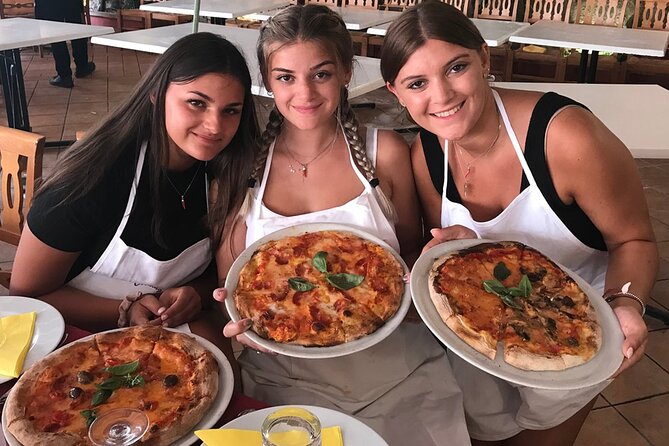
The best part is straightforward: you eat the pizza and pasta you have made. The food is served at the restaurant table, along with wine and other drinks.
The meal can also include local cheese, cured meats, olives, and bread before the pizza arrives. At the end, the class may include a special dessert, fresh cannoli, and limoncello. These extras turn a basic cooking lesson into a long food-focused outing.
The cannoli and limoncello are particularly memorable because they give the class a distinctly Sicilian finish. You are not simply handed a pizza and sent away. The meal continues after the main cooking is over.
You also receive an apron to keep, a certificate, and recipes for the dishes. The recipes are valuable if you want to repeat the experience at home. The apron and certificate are lighter souvenirs, but they make the class feel like an occasion, especially for birthdays, honeymoons, or family trips.
The instructors shape the mood
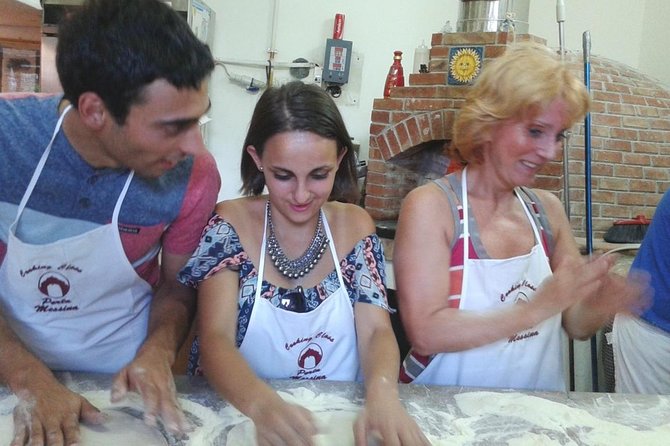
The cooking itself is only half the experience. The instructors set the tone, and the strongest sessions seem to depend on their warmth and humor.
Chef Giovanni is noted for teaching in clear English, explaining the reasons behind each step, and giving personal help without making beginners feel awkward. Luca has also been praised for patience and humor, while Maurizio is described as engaging and attentive. Mauro and Francesca have worked especially well with families and children.
The range of names reflects a real feature of this activity: the exact instructor may vary. You could have one chef leading the class or several staff members assisting a larger group. That can work well when the restaurant is organized and the instructors move from table to table.
There is also a tradeoff. The restaurant remains an active business, and the cooking class may take place alongside regular service. In one less successful session, the class felt chaotic because there were more than 40 participants and the restaurant was busy with other diners. Another experience felt too impersonal, with too little focus on pizza technique.
So I would not book this expecting a private lesson. Think of it as a social restaurant-based class whose quality depends partly on the day’s group size and staff coverage.
Group size is the main factor to weigh
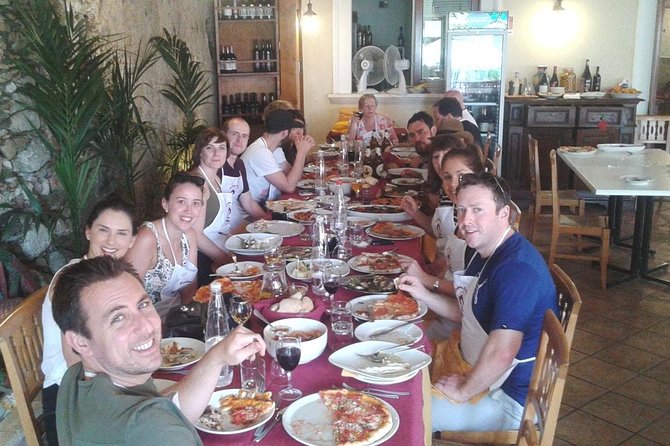
The activity allows up to 40 participants, but actual sessions can be much smaller. Experiences have ranged from only four people to groups of about 15 or 18. That spread makes a difference.
With four people, you can expect more direct instruction and easier conversation with the chef. With a medium group, the atmosphere becomes livelier, and you may meet people from several countries. A large session can be fun and full of laughter, but you will have less time for personal correction.
If technique is your top priority, ask about the expected group size before booking. If your main goal is food, wine, and a memorable social evening, a larger group may not bother you.
The setting is best for people who enjoy a little noise and shared tables. Families and teenagers can have a good time, but younger children may need help with the dough and the wait between cooking stages. The class also suits couples who want something more active than another restaurant meal.
Is $90.74 a fair price?
At $90.74 per person, this is not the cheapest pizza class in Italy. The value depends on how much of the included food and extras you use.
You are paying for roughly three hours, instruction in English, pasta and pizza preparation, a full meal, wine, cheese, bread, dessert, and small take-home items. An apron, recipes, certificate, cannoli, and limoncello add more value than the headline pizza suggests.
The price makes better sense if you consider the class as both an activity and dinner. You do not need to book a separate meal afterward, and you leave with a practical skill rather than only a plate of food.
The value is weaker if you want detailed pizza theory or a quiet, private lesson. The class gives you a solid introduction, but the group format and working restaurant can limit the technical depth.
Who will enjoy this Taormina cooking class?
I would recommend it most strongly to:
- Couples looking for a relaxed food activity
- Families with older children or teenagers
- Friends who enjoy wine and shared meals
- Solo visitors who like meeting people at communal tables
- Cruise passengers who can arrange their own transport from the port
- Beginners who want recipes they can try at home
It is less suited to an advanced home cook seeking a highly technical lesson. It may also disappoint you if you dislike group activities or expect every participant to receive long one-to-one instruction.
Cruise passengers should pay close attention to timing. The class does not include transportation to or from the port, and the meeting point is in Taormina. You will need to arrange your own connection and leave enough time for the return journey.
Vegetarian participation is available if requested at booking. Specific dietary needs should also be provided in advance. Service animals are allowed, and the restaurant is near public transportation.
Booking advice and cancellation terms
This experience is often reserved about a month ahead, with average booking time around 32 days. That suggests you should reserve early if your Taormina dates are fixed, especially during a busy season.
Confirmation is provided at booking. Free cancellation is available up to 24 hours before the start time for a full refund. Changes or cancellations inside that 24-hour window are not accepted for a refund, and the cut-off uses local time.
Before booking, ask one practical question: how many people are expected in your session? That single detail may tell you more about the likely experience than the menu does.
Should you book the Porta Messina class?
Book it if you want a lively, food-centered introduction to Sicilian cooking in central Taormina. The combination of pasta, pizza, wine, generous portions, cannoli, limoncello, an apron, and recipes gives you plenty for the price.
I would especially choose it for a couple, family, or group of friends who value laughs and a shared table as much as perfect technique. Chef Giovanni, Luca, Maurizio, Mauro, and the rest of the team can make the class warm and easy for beginners.
Skip it if you want a quiet private lesson or a serious study of pizza fermentation. The group may be small and personal, or it may be large and busy. Go in expecting a social restaurant class, arrive on time, ask about group size, and you are more likely to get the kind of experience this activity does best.
FAQ
Where does the pizza cooking class begin?
It begins at Ristorante Pizzeria Porta Messina, Largo Giove Serapide 4, in Taormina. The activity ends at the same meeting point.
What time does the class start?
The standard start time is 10:30 a.m. Afternoon and special-event classes may be available by contacting the provider.
How long does the experience last?
The experience lasts approximately three hours. The cooking portion generally takes about two to three hours.
What food and drinks are included?
You make pizza and fresh pasta, then eat your creations. The menu can also include cheese, cold cuts, olives, bread, a special dessert, cannoli, wine, and water. Limoncello may be served at the end.
Is the class available in English?
Yes. The class is offered in English, and the instructors explain the cooking steps in English.
Can I cancel for a full refund?
Yes, if you cancel at least 24 hours before the local start time. Cancellations or changes made less than 24 hours before the experience are not refundable.
Newest classes around Italy
- Cooking Class in a Sicilian countryhouse★ 5.0 · 5 reviews
- Cesarine: Market Tour & Home Cooking Class in Catania★ 4.0 · 6 reviews
- Cesarine: Home Cooking Class & Meal with a Local in Catania★ 4.5 · 10 reviews
- Cooking Class in Taormina with Lunch Included★ 5.0 · 2 reviews
- Cooking class in Capri for small groups★ 4.0 · 4 reviews
- Cooking Class and Wine Pairing in Capri★ 5.0 · 57 reviews
- Lezione di Cucina : Pasta Fresca★ 5.0 · 12 reviews
- Private Cooking Class Experience in Reggio Calabria★ 5.0 · 5 reviews
Italy Cooking Classes, compared.
3 in 1 Cooking Class near Navona: Fettuccine, Ravioli & Tiramisu
Read our review →
Pasta & Tiramisu Cooking Class with Unlimited Wine
Read our review →
Cooking Class and Lunch at a Tuscan Farmhouse with Local Market Tour from Florence
Read our review →
Pasta Making Class with Wine, Limoncello, and Dessert
Read our review →
Rome Cooking Class: Make Pasta and 3 Spritz Cocktails
Read our review →Browse the lists this tour appears in