
Review · VIETNAM COOKING CLASSES
Dalat: Home Cooking Class with Central Market Tour
Dalat’s Central Market is the starting point for a practical introduction to Vietnamese food. You shop for ingredients with Ms Son, then carry them to a local home kitchen and turn them into lunch or dinner. The market visit gives the cooking class a real sense of place, while the garden meal keeps the afternoon relaxed.
I like the chance to choose a starter and two main dishes, including phở, grilled pork with noodles, curries, tofu dishes, and soups. I also like the personal touch: Ms Son explains market customs, chats with vendors, and answers questions as you shop. The main drawback is simple: hotel pickup is not included, so you must reach Stop and Go Boutique Coffee on your own.
Key points to know before booking
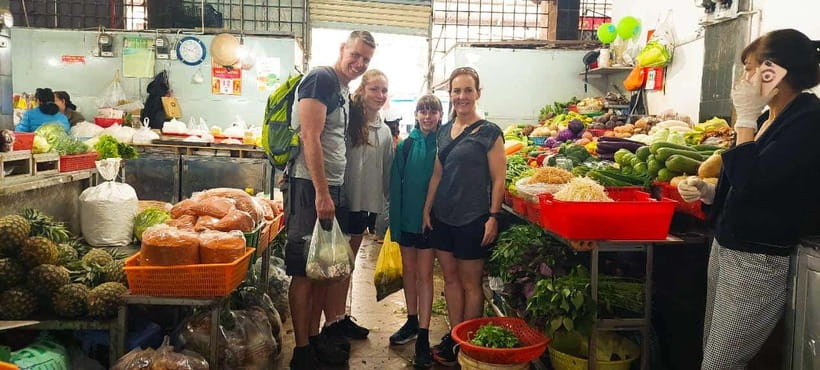
- Shop before you cook: Visit Dalat Central Market with Ms Son and select fresh ingredients for your chosen dishes.
- Choose your menu: Pick one starter and two main dishes, with many vegetarian choices.
- Learn in a home kitchen: Cooking takes place at a local’s home, not in a formal restaurant school.
- Allow five hours: The experience includes the market, preparation, cooking, eating, and time in the garden.
- Meet at Stop and Go Boutique Coffee: The tour begins and ends at this meeting point, with no hotel transfer.
- Book around your schedule: Morning and afternoon starting times are offered, subject to availability.
Why the market visit matters in Dalat
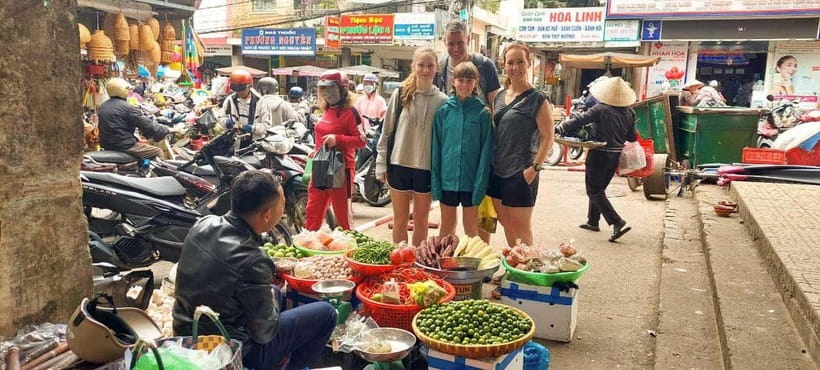
A cooking class can be little more than a kitchen lesson. This one begins where the food starts: at Dalat Central Market. That makes the experience more useful if you want to understand how Vietnamese meals are assembled, not just copy a recipe from a card.
At the market, you shop for the ingredients used later in class. Ms Son explains what the foods are, how the market operates, and the customs connected with buying and selling. She also interacts with vendors, giving you a look at the everyday exchange behind the meal.
The market portion uses your senses in the most direct way. You see the produce and other ingredients, smell the food stalls, hear the activity around you, and then taste the results later. You may already know some Vietnamese dishes from restaurants, but seeing their ingredients before cooking helps connect the dish to ordinary home life.
I especially like that the guide does not simply point at food and move on. Ms Son has been described as warm, funny, eloquent, and open in conversation. Those qualities matter here because the market is not just a shopping stop. It is also the place to ask why certain ingredients are used and how food fits into local routines.
The market can be a lively setting, so this is not the quietest part of the day. If you prefer a polished, carefully staged cooking demonstration, you may find the market section less orderly than a standard class. If you enjoy learning by watching daily life unfold, it is one of the strongest parts of the experience.
More Cooking Classes with a Market Tour in Vietnam
- Hanoi Cooking Class: Culture, Local Market & Meaning CSR Impact
★ 5.0 · 5,147 reviews - 5 Traditional Dishes Hanoi Cooking Class with Market Trip
★ 5.0 · 4,890 reviews - Cooking Class Hoi An:Local Market, Basket Boat, Fishing & Cooking
★ 5.0 · 3,660 reviews
Cooking with Ms Son in a local home
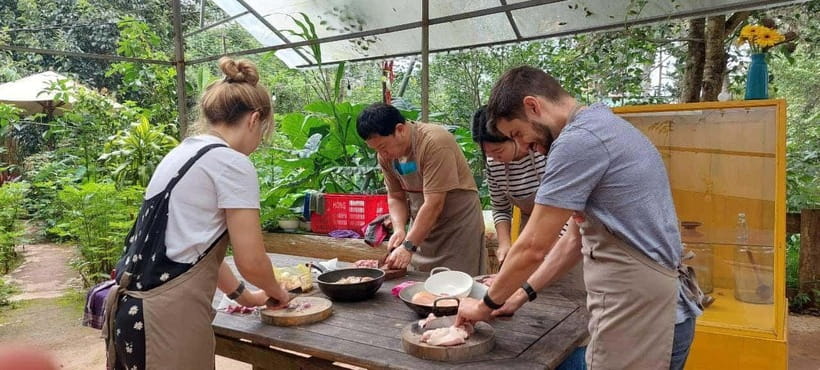
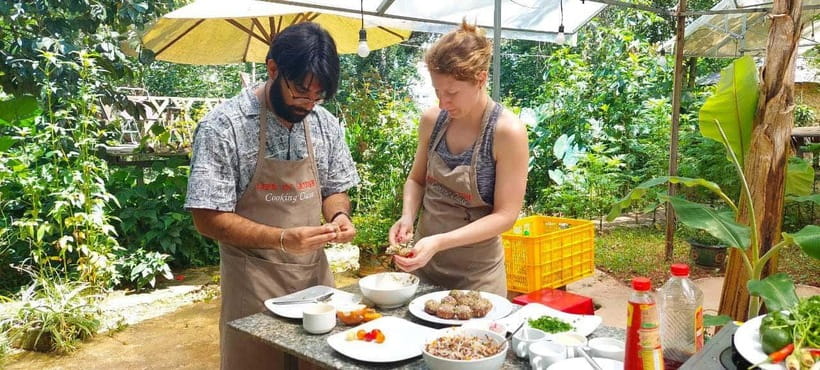
After shopping, you head to the cooking setting at a local home. The class is hands-on, so you prepare food rather than only watching a chef work. Ms Son guides you through the preparation and cooking, with conversation and questions built into the time in the kitchen.
This home setting gives the class a more personal feel than a restaurant lesson. You are not simply being shown how a dish should look. You are learning the steps needed to make it, then sitting down to eat the food you helped prepare.
The menu is broad enough to suit different tastes. For a starter, you choose one of the following:
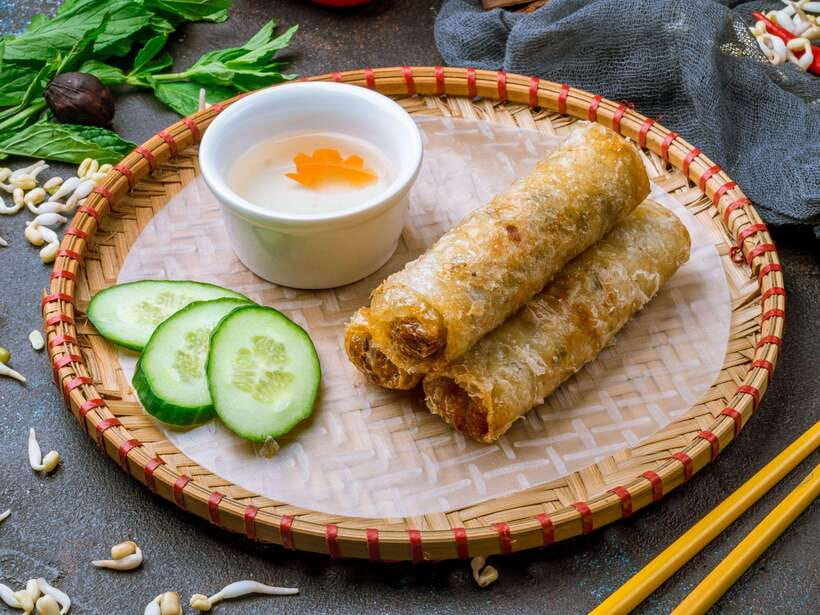
- Fresh or fried spring rolls
- Stuffed shiitake mushrooms
- Traditional Vietnamese pumpkin soup
- Banana salad with chicken or pork ear
- Vegetable and crab soup
- Stuffed cabbage soup
- Khoai Mỡ, a traditional colorful soup
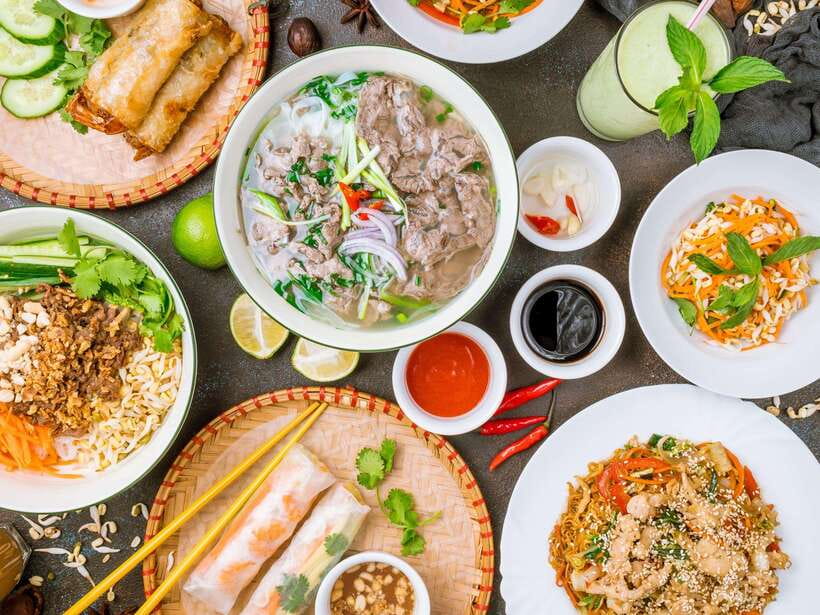
For the main course, choose two dishes. The options include several kinds of phở, such as beef, chicken, or fish noodle soup. You can also choose crab noodle soup, grilled pork with noodles, chicken or beef stir-fried with lemongrass and chili, beef wrapped in guise leaves, stuffed tomatoes, stuffed bell peppers, steamed fish with coconut sauce, or one of several curries.
Vegetarian choices are unusually well represented. You can select crab-style vegetarian noodle soup, abalone mushrooms with lemongrass and chili, tofu wrapped in guise leaves, stuffed mushrooms in soy sauce, stuffed or fried tofu with tomato sauce, tofu with lemongrass and chili, vegetarian curry, or caramelized tofu and mushroom.
That range is useful because it lets you shape the meal around your interests. You might choose phở if you want to understand one of Vietnam’s best-known dishes, or select a less familiar soup or tofu recipe for something new. If you have a favorite dish not clearly covered by the standard choices, write it on the booking page so the cooking team can consider it.
Seasonality also plays a role. The class teaches seasonal dishes, so the exact ingredients available at the market may affect what you work with. That is a benefit if you want food connected to the time of year, though it also means you should not expect every ingredient to be identical to what you find in a restaurant back home.
From preparation to the garden table
The payoff comes when you sit down to eat the food prepared during the class. Meals are included, so the price covers not only instruction but also the dishes you make. You can discuss the food as you eat, ask more questions, and compare the different flavors on the table.
The garden gives the meal a slower finish. After the market and cooking, you have time to relax in a scenic outdoor setting rather than rushing straight back into Dalat’s streets. This is a useful feature for anyone who likes a social meal and a little breathing room after several hours of activity.
I would not think of this as a quick recipe workshop. The five-hour format allows the market visit, cooking, eating, and cultural conversation to fit into one outing. It also means you should keep the rest of your schedule flexible. A five-hour activity can take up much of a morning or afternoon, especially if you want to enjoy the meal rather than hurry through it.
The reviews supplied for this experience repeatedly praise the conversation and laughter around the meal. That is important to note because the appeal is not only the food. Ms Son’s personality appears to be a major part of the day, and her interaction with the group helps turn cooking into a cultural exchange.
What you can learn about Vietnamese food
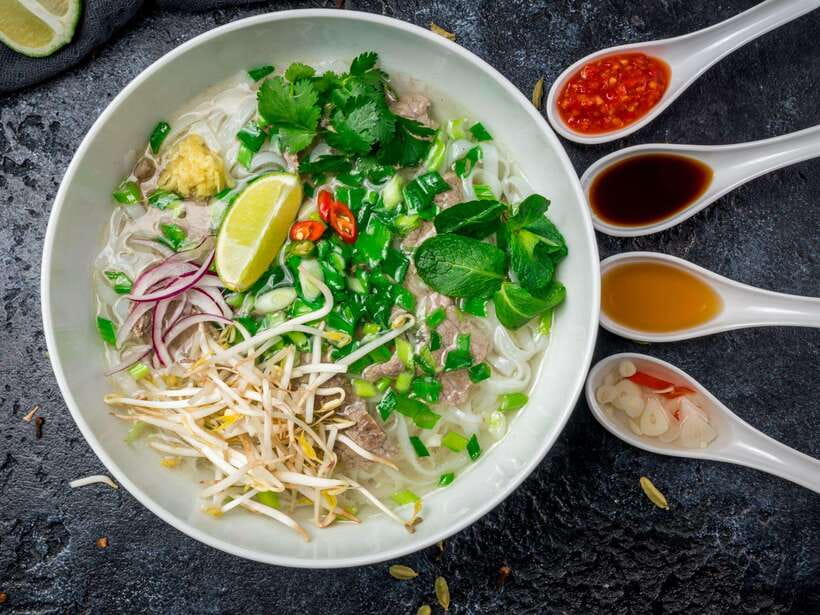
Vietnamese cooking often depends on balance: fresh herbs, savory ingredients, soups, noodles, vegetables, and sauces working together rather than one heavy flavor dominating. This menu gives you several ways to see that balance in practice.
Phở offers a lesson in broth and noodles. Grilled pork with noodles shows a different combination of cooked meat, noodles, and fresh accompaniments. Lemongrass and chili dishes highlight the way fragrance and heat can change a simple stir-fry. Stuffed vegetables and tofu dishes show how Vietnamese home cooking can be filling without relying on meat.
The starter choices also offer variety. Spring rolls are familiar to many visitors, but pumpkin soup, stuffed cabbage soup, banana salad, and Khoai Mỡ give you a chance to try foods you may not otherwise order. If you choose a dish such as banana salad with pork ear, you should be comfortable with less familiar textures. The menu lets you make that choice yourself.
Vegetarians have meaningful options at every stage, not just a single substitute plate. Still, it is wise to make your dietary needs clear when booking and again at the beginning of the class. The information confirms vegetarian food is available, but it does not specify how other dietary restrictions are handled.
More Home Cooking Classes in Vietnam
- Hoi An: Traditional Cooking Class & meal with Local Family
★ 4.9 · 396 reviews - Da Nang Authentic Home Cooking Class
★ 5.0 · 354 reviews - Hoi An: Vegetarian Cooking Class w Local Family and transfer
★ 4.9 · 145 reviews - My Grandma’s Home Cooking Class in Hoi An
★ 5.0 · 124 reviews
The five-hour schedule and meeting point
The experience begins and ends at Stop and Go Boutique Coffee, identified as the Dalat Cooking Class meeting point. Since hotel pickup and drop-off are not included, plan your route to the coffee shop before the start time. The exact start time depends on the date and availability, and you can choose a morning or afternoon session when offered.
This meeting arrangement keeps the tour straightforward, but it places the responsibility for getting there on you. I would allow a little extra time, especially if you are unfamiliar with Dalat or are carrying anything you do not want near food preparation.
The activity lasts five hours. That covers:
- Meeting at Stop and Go Boutique Coffee
- Visiting Central Market for ingredients
- Learning about the market and Vietnamese food customs
- Preparing seasonal dishes
- Cooking with guidance from Ms Son
- Eating the meal you made
- Relaxing in the garden
- Returning to the meeting point
The tour is conducted in English. That matters because the class depends on conversation, from market questions to cooking instructions and cultural discussion. If you want a silent demonstration with minimal interaction, this may not be the right format. If you like to ask questions as you go, the language setup is a clear advantage.
Is $50 a fair price?
At $50 per person, this is more expensive than simply eating a Vietnamese meal in Dalat. That comparison misses what is included. You are paying for five hours of activity, a market visit, instruction, ingredients, and the meal itself.
The value is strongest if you would otherwise book separate food tours and cooking lessons. Here, the market and kitchen are joined together, and the food you eat is part of the activity rather than an additional restaurant bill. The garden setting and cultural conversation add time that a short demonstration would not provide.
The value is less clear if your main goal is a cheap lunch or a fast introduction to one recipe. You may not want to spend five hours cooking if your schedule is tight or if you would rather sample food from several restaurants. The price also does not cover transportation to or from the meeting point.
For someone interested in food, $50 is reasonable because the experience combines shopping, preparation, instruction, and dining. I would book it for the cultural contact and the chance to learn several dishes, not simply because meals are included.
Who will enjoy this cooking class?
This class fits you well if you like food markets, informal teaching, and long shared meals. It also suits couples, families, and small groups who want an activity with conversation instead of a sightseeing stop where everyone moves quietly from place to place.
Vegetarians have plenty of menu choices. People who enjoy familiar dishes can choose beef, chicken, fish, or grilled pork. Adventurous eaters can try banana salad with pork ear, Khoai Mỡ, crab noodle soup, or ingredients they have not encountered before.
It may be less suitable if you need hotel transportation, want a short activity, or dislike choosing food in a market. The five-hour duration is a real commitment. You should also be comfortable with a class shaped by seasonal ingredients and the cooking style of a local home.
The morning or afternoon choice helps with scheduling. A morning class can fit well on a day when you want a later afternoon free, while an afternoon class can work after a relaxed start to the day. Check the available starting times rather than assuming both options run every day.
Practical booking advice
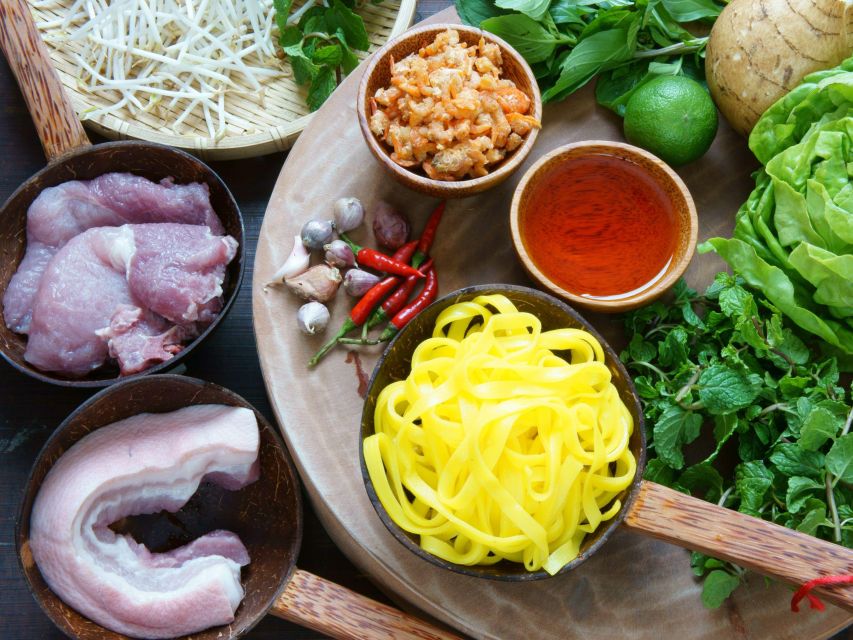
Write down a favorite dish when you book if you have one in mind. The menu already offers many choices, but this gives the cooking team a chance to consider your request.
If you are vegetarian, identify that clearly before the class. The menu includes substantial vegetarian starters and main dishes, so you are not limited to a token alternative.
Wear something comfortable for a five-hour food activity, though no special clothing requirement is provided. Since the experience includes a market visit and a home kitchen, keep your plans simple and leave enough time to return to the meeting point at the end.
Cancellation is flexible up to 24 hours before the activity for a full refund. You can also reserve now and pay later, which helps if your Dalat schedule is still changing. These policies are useful, but the practical point remains: check the start time and meeting point carefully before you commit.
Should you book it?
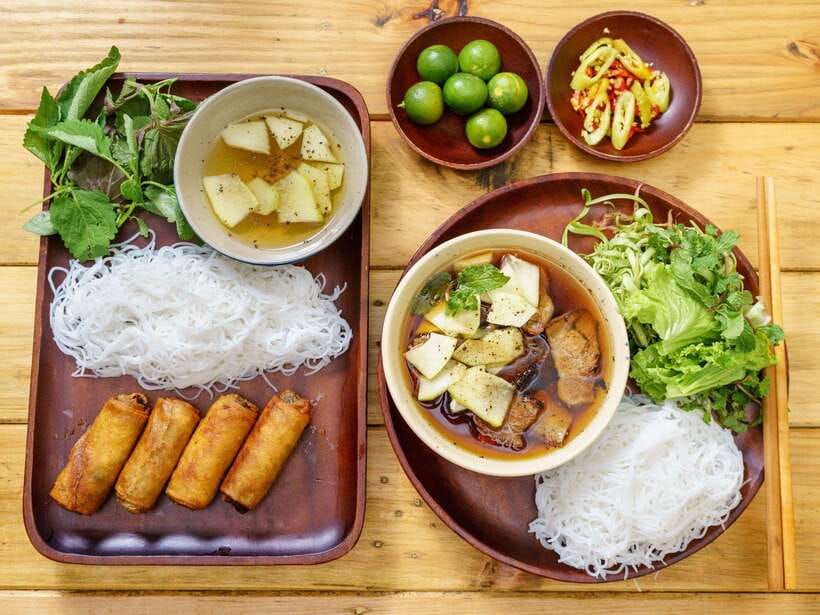
Book this Dalat cooking class if you want more than a recipe demonstration. The best features are the market shopping with Ms Son, the chance to choose your own dishes, the genuine home-kitchen setting, and the relaxed meal in the garden.
I would skip it if you need door-to-door transport, have only a short window in Dalat, or want to spend the day eating rather than cooking. For most food-focused visitors, though, the $50 price buys a full half-day of useful activity and personal contact. Meet at Stop and Go Boutique Coffee, bring your appetite, and expect the market conversation to be as important as the recipes.
FAQ
Where does the cooking class begin?
The activity begins at Stop and Go Boutique Coffee, identified as the Dalat Cooking Class meeting point.
Where does the experience end?
The activity ends back at the meeting point.
How long does the experience last?
The experience lasts five hours.
Are morning and afternoon sessions available?
Yes. You can choose a morning or afternoon experience, depending on the available starting times.
Is hotel pickup included?
No. Hotel pickup and drop-off are not included.
What language is the class conducted in?
The instructor language is English.
Does the experience include a market visit?
Yes. You visit Dalat Central Market to get fresh ingredients for the cooking class.
Is food included?
Yes. The experience includes the meal you prepare during the class.
Are vegetarian dishes available?
Yes. Vegetarian starters and main dishes are available, including vegetarian noodle soup, tofu dishes, mushrooms, and vegetarian curry.
Can I cancel for a full refund?
Yes. You can cancel up to 24 hours in advance for a full refund.
Newest classes around Vietnam
- Can Tho Cooking Class in the countryside – Vegetarian available★ 5.0 · 10 reviews
- Full-Day Experience in Mekong Cycling and Authentic Home Cooking★ 5.0 · 89 reviews
- Biking and Cooking Class in Can Tho Rural★ 5.0 · 5 reviews
- Cooking, Farming and Waterfall In Vietnam Countryside★ 3.0 · 6 reviews
- Cooking class & Vibrant Market by Scooter/Tuktuk (Half-Day)★ 5.0 · 55 reviews
- Top Home Cooking Class with Stunning River View AC Kitchen★ 5.0 · 25 reviews
- Tam Coc Cooking Class with Unique Experience★ 4.3 · 13 reviews
- Street Food Walking Tour with a Cooking Instructor★ 5.0 · 5 reviews
Vietnam Cooking Classes, compared.
Hanoi Cooking Class: Culture, Local Market & Meaning CSR Impact
Read our review →
5 Traditional Dishes Hanoi Cooking Class with Market Trip
Read our review →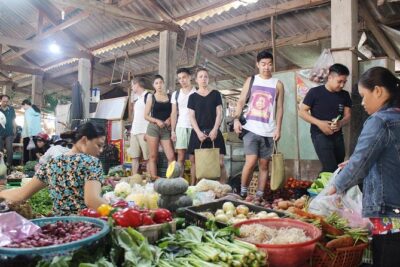
Cooking Class Hoi An:Local Market, Basket Boat, Fishing & Cooking
Read our review →
Hoi An Cooking Class(Market,BasketBoat Crabfishing&Cooking Class)
Read our review →
Market Tour, Basket Boat Ride and Cooking Class
Read our review →
Cai Be Mekong Delta Tour: Cooking Class, Cycling & Craft Villages
Read our review →
Basket Boat with Lantern-Making & Cooking Class Tour
Read our review →
Hoi An Cooking Class(Local market,Basket Boat,Fishing & Cooking)
Read our review →Browse the lists this tour appears in