
Review · DA NANG COOKING CLASSES
Da Nang Cooking: Market tour, farming, and cooking class
Da Nang’s best food lesson may begin with your hands in the soil. This experience combines an organic farm visit, a local market trip, and a hands-on class where you prepare four Vietnamese dishes, then sit down to eat what you made. I like the practical rhythm: you see the ingredients growing, help buy them, and learn how they reach the plate.
I also like the small group size of 14, which gives you a real turn at each cooking step instead of watching from the back. Guides including Jane and Nhi are warm, funny, and clear in the kitchen. The main drawback is simple: hotel pickup is not included, and $25 can feel a little high if you choose only the short cooking class.
Key points at a glance
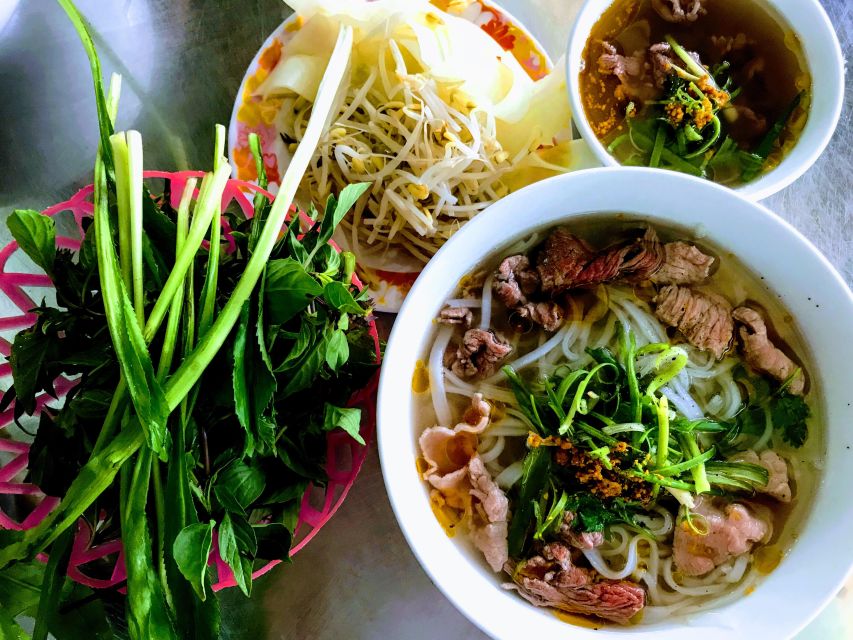
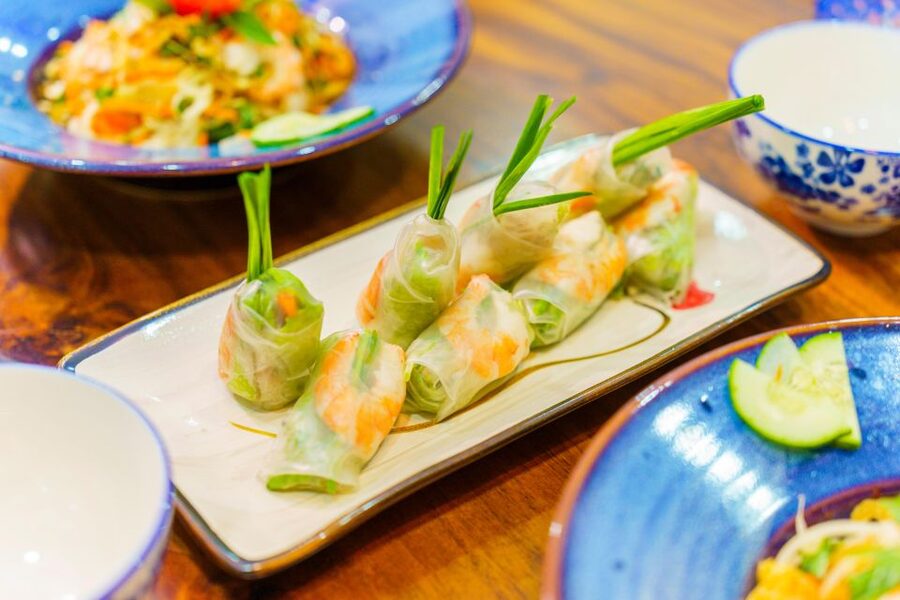
- Four dishes in one class: Menus include pho, Quang noodles, banh xeo, salads, spring rolls, and other local favorites.
- Farm before food: Planting and watering help you understand Vietnamese ingredients before you cook them.
- Two rotating menus: Your dishes depend on the day, so check the schedule before booking.
- Morning is best for market energy: The market is livelier at its main trading time, while later visits may feel calmer and less crowded.
- Vegetarian cooking is available: You can request the vegetarian menu, with choices such as pho or Quang noodles, eggplant, salads, and spring rolls.
- Good value for a small group: The $25 price includes ingredients, recipes, an English-speaking guide, dessert, water, herbal tea, the market visit, and farming activity on the full tour.
From organic garden to Vietnamese cooking pot
The full experience lasts about four hours, though the listed duration range runs from 150 to 270 minutes. You begin at the organic farm, where the lesson starts before anyone turns on a stove.
This is more than a quick look at rows of vegetables. You can learn how food is grown and take part in simple farm work such as planting and watering. That matters because Vietnamese cooking often depends on fresh herbs and greens that are treated as central ingredients, not decoration added at the end.
I like this opening because it gives you a better sense of what you will later see at the market. You are not just memorizing unfamiliar names. You are connecting the ingredient to the soil, then to the shopping basket, then to the dish.
The farm activity is also a good fit for families. Children can take part in practical jobs instead of sitting through a long food lecture. If the day is hot or rainy, the experience is designed to continue, though you should still dress for outdoor conditions and expect some time in the elements.
More Cooking Classes with a Market Tour in Vietnam
- 5 Dishes Cooking Class with Market Trip in Da Nang
★ 5.0 · 466 reviews - 5 traditional dishes Da Nang cooking class with market trip
★ 5.0 · 331 reviews - Da Nang Cooking Class with Coffee Tasting and Market Visit
★ 5.0 · 310 reviews
Reading a Da Nang market like a local shopper
After the farm, you head to a local fresh market to collect ingredients. This is where the food lesson becomes more useful for the rest of your Vietnam trip. Your English-speaking guide can introduce Vietnamese ingredients and explain what you are looking for before you cook with them.
A market visit also gives you a better feel for everyday food shopping than a restaurant meal does. You can see the colors, shapes, and textures of ingredients that may look puzzling on a menu. This is especially useful for first-time visitors who want to cook Vietnamese food at home later.
Choose a morning start if you want the market at its busiest trading time. That is when you are more likely to see the full energy of the fresh-food scene. A later start can be more comfortable if you dislike crowds or strong heat, but the market may feel quieter.
This timing choice is one of the few meaningful decisions you can make when booking. The early option gives you more atmosphere. The later option may give you a calmer walk and a less rushed feeling. Neither is automatically better.
Choosing between the two main menus
The class runs two standard menus during the week. Menu 1 is offered on Monday, Wednesday, and Friday:
- Quang noodles
- Fish sauce chicken wings
- Green papaya salad with shrimp
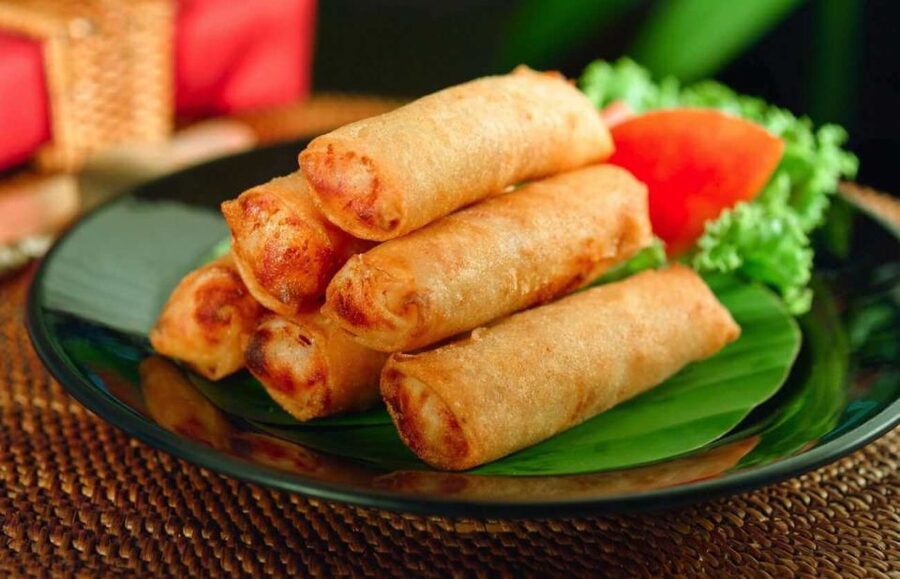
- Deep-fried spring rolls
Menu 2 is offered on Tuesday, Thursday, Saturday, and Sunday:
- Beef noodle soup, or pho
- Crispy Vietnamese pancakes, or banh xeo
- Green mango salad with shrimp
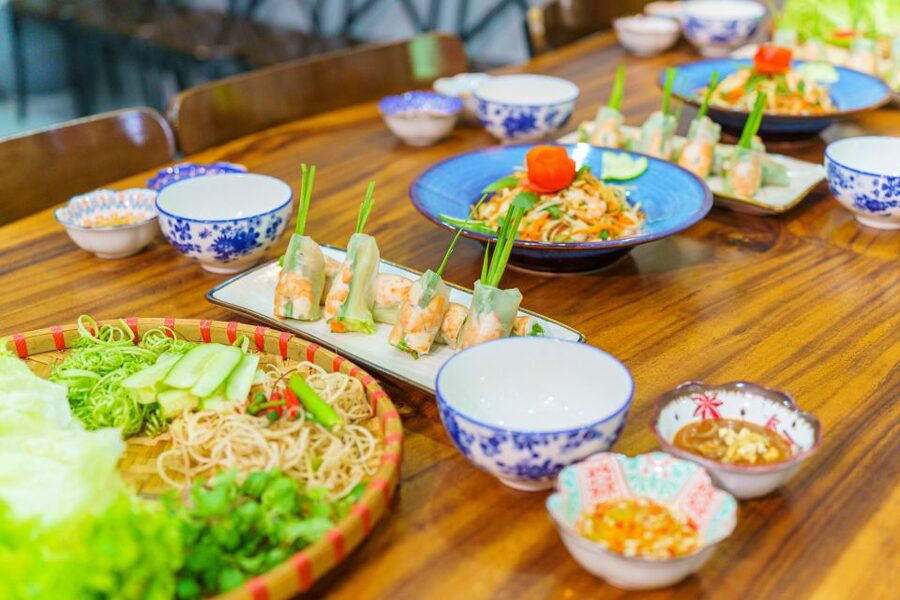
- Fresh spring rolls
The menu schedule makes a difference. If learning pho is your main goal, choose Menu 2. If you want to try Quang noodles, a central Vietnamese specialty, book on Menu 1.
Banh xeo is another strong reason to choose Menu 2. You learn to make the crisp, stuffed pancake and can practice the handling that makes it different from an ordinary omelet. One participant specifically planned to recreate the banh xeo at home, which tells you how practical this part of the class can be.
Menu 1 gives you a taste of central Vietnam through Quang noodles, while the chicken wings, papaya salad, and fried spring rolls add variety. Menu 2 leans toward widely known Vietnamese favorites. The choice is less about quality than about which dishes you want to take home in your cooking memory.
What the hands-on class is really like
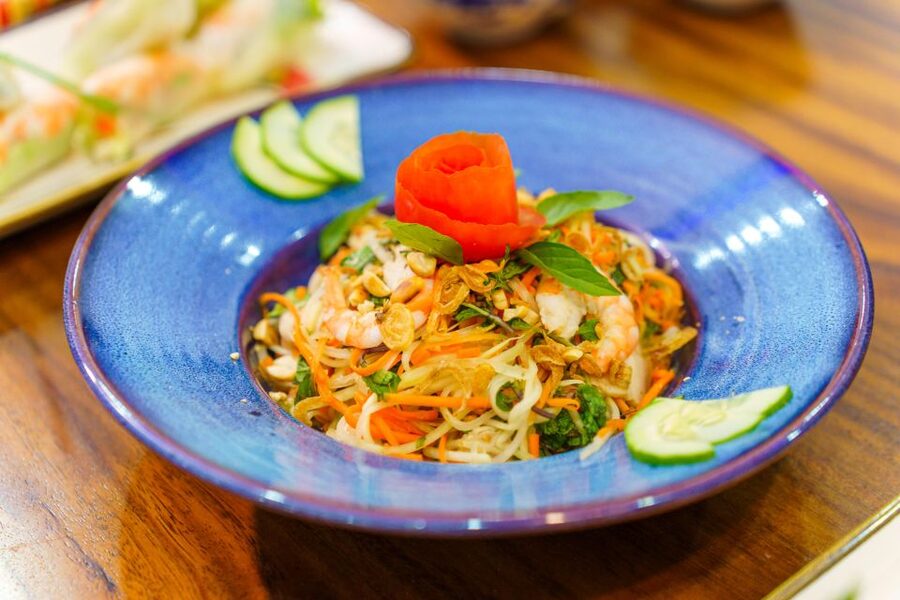
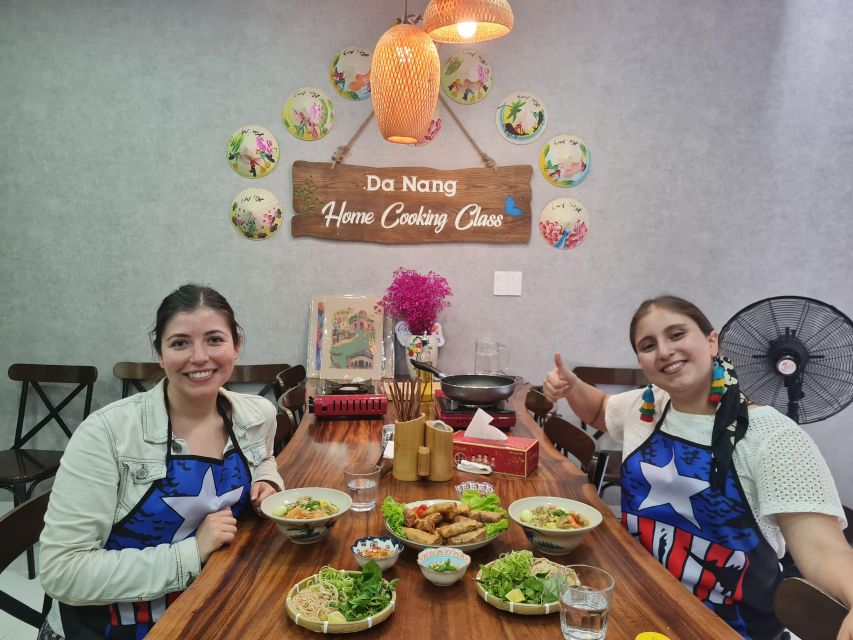
The main cooking session is not a demonstration where you simply watch a chef work. You take part in the steps, with the instructor guiding you through the preparation of four dishes.
That hands-on format is the strongest part of the experience. You can learn small techniques that are hard to pick up from a restaurant meal, such as how ingredients are combined, how a pancake is handled, or how fresh rolls are assembled.
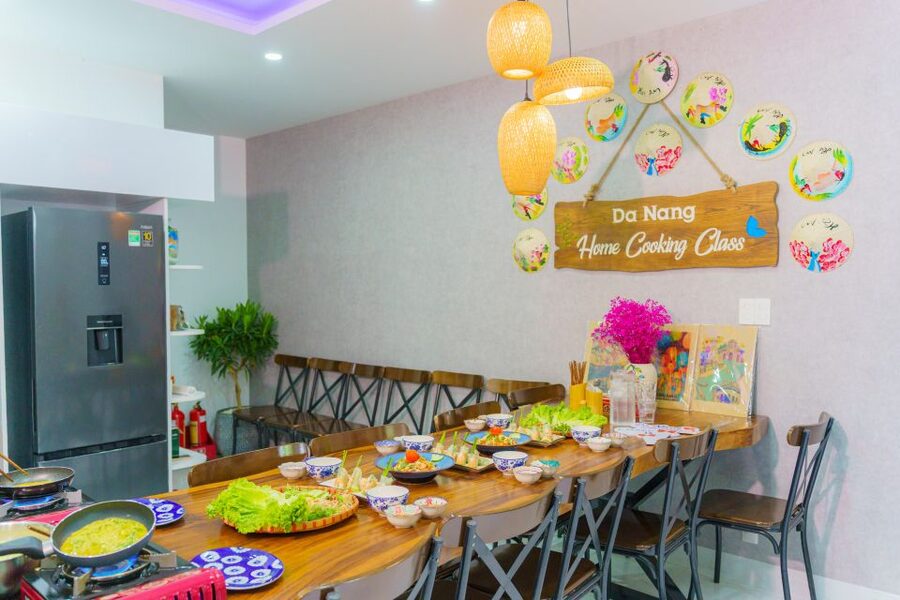
The class size is limited to 14 people. That is not a private lesson, but it is small enough for the cooking to remain personal. You should have a chance to work at each stage rather than standing behind a crowd with a camera.
Jane is described as a funny and encouraging teacher who makes sure people learn while having a good time. Nhi has also led sessions that combine useful explanations with practical work in the field and kitchen. Since guides can vary, you should expect an English-speaking instructor but not assume one particular guide will lead your date.
The meal at the end gives the cooking a clear purpose. You are not making practice portions that disappear into a bin. You eat the dishes you prepared, with dessert included. Herbal tea and water are also provided.
More Cooking Classes with a Market Tour in Da Nang:
- Market Tour, Basket Boat Ride & Cooking Class by Hangcoconut
★ 4.8 · 95 reviews - Hanoi Cooking Class: Culture, Local Market & Meaning CSR Impact
★ 5.0 · 5,147 reviews - 5 Traditional Dishes Hanoi Cooking Class with Market Trip
★ 5.0 · 4,890 reviews - Cooking Class and Lunch at a Tuscan Farmhouse with Local Market Tour from Florence
★ 5.0 · 4,831 reviews
The vegetarian menu is a real option
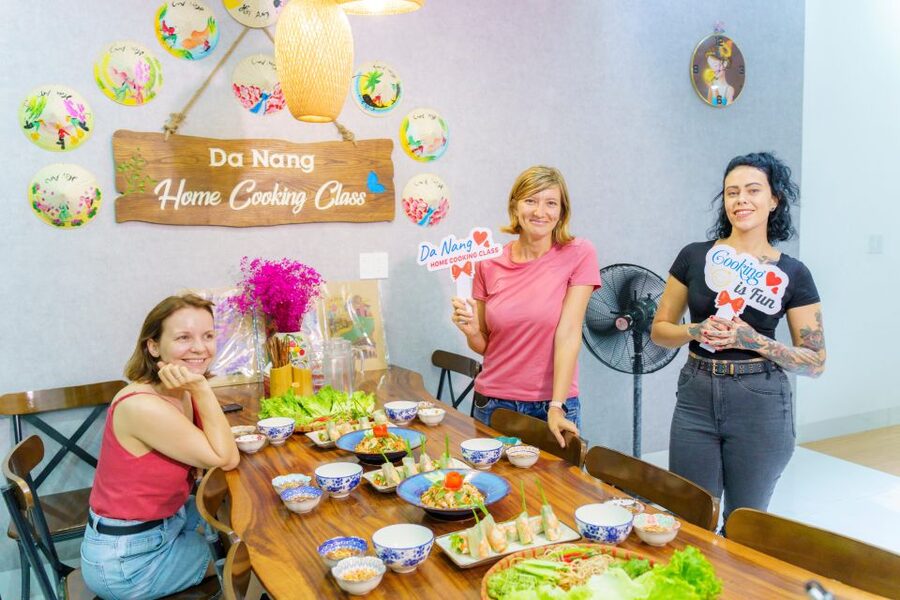
You do not need to eat meat or seafood to take part. The vegetarian menu can include Quang noodles or pho, eggplant stir-fry, mango salad or papaya salad, and fried or fresh spring rolls.
This is helpful for mixed groups. One person can choose the regular menu while another chooses vegetarian dishes, rather than the whole party having to follow one plan.
If vegetarian food is important to you, select the vegetarian option when booking or confirm it ahead of time. The supplied information confirms that the option is available, but it does not specify every ingredient used in the broths or sauces. Asking before the class is sensible if you have strict dietary needs.
The menus also make this a useful introduction to Vietnamese vegetables. The farm visit, market shopping, and eggplant or salad dishes give the vegetarian option more substance than simply removing meat from the regular plate.
Short class or full four-hour experience
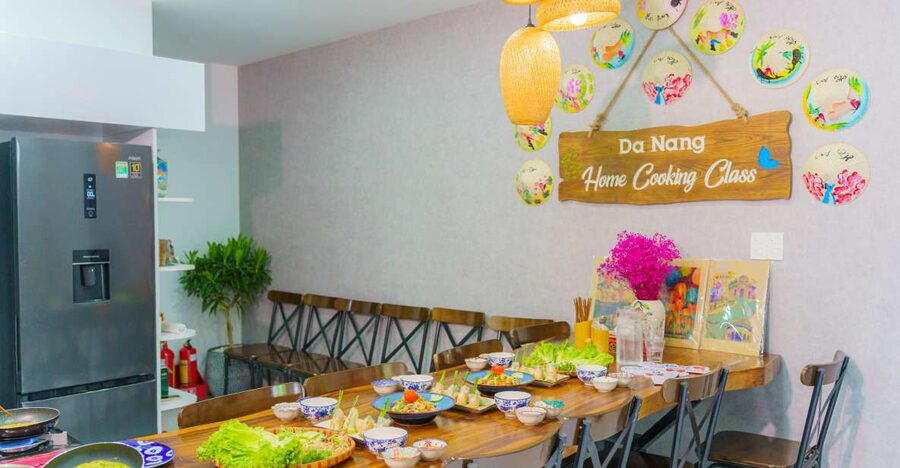
You have two main formats. The short cooking-only class takes about 2.5 hours. The full experience takes about four hours and includes farming, the market tour, and cooking.
Choose the short version if your Da Nang schedule is tight or you mainly want a practical cooking lesson. It still gives you the central part of the experience, but you lose the farm and market context.
I would choose the full version if you have the time. The farm and market are not filler. They explain the ingredients and add a sense of place that a kitchen-only class cannot provide. Four hours is long enough to feel substantial, but it still leaves room in your day for other plans.
There is also an optional coffee-making workshop lasting 1.5 hours. The available information does not give a separate price for that add-on, so check the cost before deciding. It can suit you if you want to spend more time on Vietnamese food and drink culture, but it is not needed to get the main cooking experience.
Is $25 a fair price?
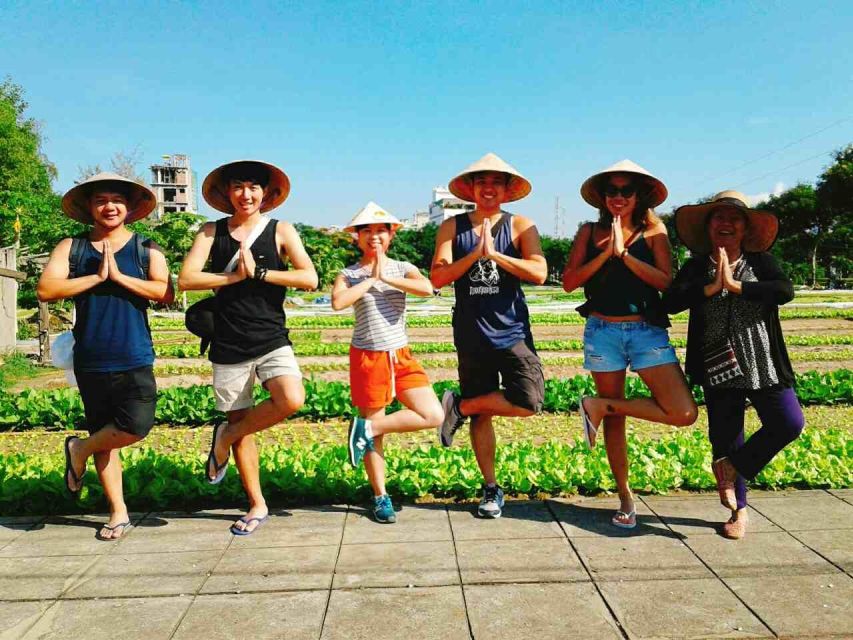
At $25 per person, the full tour is fairly priced for what it includes. You get an English-speaking guide, all cooking ingredients, the farm activity, the market tour, herbal tea, water, dessert, and English recipe copies.
The recipe sheets add lasting value. A cooking class is easy to enjoy and forget, but written instructions give you a chance to make pho, spring rolls, banh xeo, or Quang noodles once you are home.
The price feels less compelling if you choose only the short cooking session and place little value on instruction. You are paying for a guided activity, not simply a meal, so the benefit depends on your interest in learning.
Hotel pickup and drop-off are not included. You need to arrange your own way to the meeting point, and that can affect the total cost and convenience. The available details do not state the meeting point or transport price, so check those details before booking.
Free cancellation is available up to 24 hours before the activity for a full refund. You can also reserve now and pay later, which helps if your Da Nang plans are still shifting.
Who will enjoy this most?
I would recommend the full tour to solo visitors, couples, families with children, and friends who want an active food experience rather than a restaurant meal. The group size keeps it social without making the class feel huge.
Families should like the mix of outdoor work, market sights, and cooking. Children may not care about every explanation, but planting, watering, rolling, mixing, and eating provide several ways to stay involved.
Solo visitors can join without needing to organize a private class. The shared format gives you a natural setting to meet others while still giving you practical work to do.
You should think twice if you dislike outdoor activity, do not want to cook, or are looking for an upscale dining experience. This is a working class. Ingredients are handled, pancakes are cooked, and the result is valued because you helped make it.
The experience is wheelchair accessible, which is useful to know when comparing food activities. You should still confirm the exact route and farm conditions if you have specific mobility needs, since the information provided does not describe every surface or transfer.
Small details that improve the day
Wear clothes you can work in and expect some outdoor heat. The experience is offered in both harsh sun and rainy weather, so a practical approach is better than dressing for a polished restaurant.
Check the menu calendar before choosing your date. Monday, Wednesday, and Friday bring Quang noodles and fried spring rolls. Tuesday, Thursday, Saturday, and Sunday bring pho, banh xeo, and fresh spring rolls.
Pick the morning if the market is a major reason for booking. Choose a later start if you prefer a quieter market and a more relaxed pace.
Keep your recipe copies. They are one of the most useful parts of the class, especially if you want to show your family or friends what you learned after returning home.
Should you book the Da Nang cooking class?
Book it if you want to understand Vietnamese food through more than a single plate. The farm, market, and kitchen form a sensible chain, and the four-hour option gives you enough time to take part without swallowing your entire day.
I especially recommend it if you want pho, banh xeo, Quang noodles, or fresh spring rolls in your cooking toolkit. Check the menu day first, choose the vegetarian option if needed, and remember that hotel transport costs extra.
Skip the full version if you have only a narrow gap in your schedule. In that case, the 2.5-hour cooking-only class is a practical compromise. At $25, the full experience offers the better value for anyone who enjoys food, hands-on learning, and a look at how local ingredients move from farm to market to table.
FAQ
How long does the Da Nang cooking experience last?
You can choose a cooking-only class lasting about 2.5 hours, or a full experience lasting about four hours with farming, a market tour, and cooking. The listed duration range is 150 to 270 minutes.
How much does the experience cost?
The price is $25 per person.
What dishes are included on the Monday, Wednesday, and Friday menu?
Those days include Quang noodles, fish sauce chicken wings, green papaya salad with shrimp, and deep-fried spring rolls.
What dishes are included on the Tuesday, Thursday, Saturday, and Sunday menu?
Those days include beef noodle soup, or pho, crispy Vietnamese pancakes, or banh xeo, green mango salad with shrimp, and fresh spring rolls.
Is a vegetarian menu available?
Yes. The vegetarian menu can include Quang noodles or pho, eggplant stir-fry, mango salad or papaya salad, and fried or fresh spring rolls.
Is hotel pickup included?
No. Pickup and drop-off at your hotel are not included.
What is included in the full experience?
The full experience includes an English-speaking guide, all ingredients, English recipe copies, dessert, herbal tea, water, the market tour, and the farming activity.
Is the class taught in English?
Yes. English instruction is provided.
Can I cancel for a full refund?
Yes. You can cancel up to 24 hours in advance for a full refund. You can also reserve now and pay later.
Newest classes around Da Nang
- Market Tour, Basket Boat Ride & Cooking Class by Hangcoconut★ 4.8 · 95 reviews
- HOI AN Cooking Class and Lantern Workshop★ 4.7 · 6 reviews
- Da Nang Vegetarian Cooking and coffee Class★ 4.6 · 11 reviews
- Da Nang: Cooking Pho & Vietnamese Dishes With Local Chef★ 5.0 · 5 reviews
- Da Nang Family Cooking Class – with Local Family in Da Nang★ 4.3 · 4 reviews
- Da Nang: Cooking Class and tasting Pho with Local Girl★ 5.0 · 6 reviews
- Da Nang: Coffee Making And Cooking Class★ 5.0 · 7 reviews
- RICE PAPER Noodle Making Experience & Hoi An Cooking Class Class★ 5.0 · 164 reviews
Da Nang Cooking Classes, compared.
5 Dishes Cooking Class with Market Trip in Da Nang
Read our review →
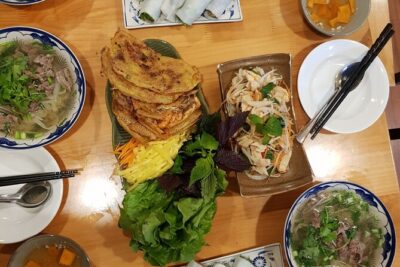
5 traditional dishes Da Nang cooking class with market trip
Read our review →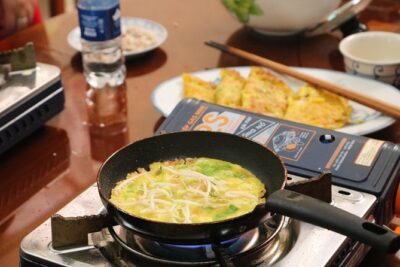
Da Nang Cooking Class with Coffee Tasting and Market Visit
Read our review →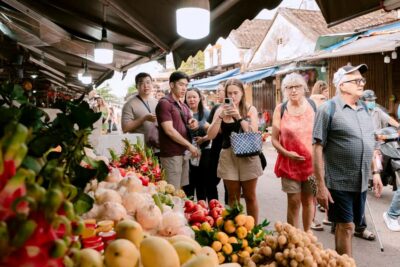
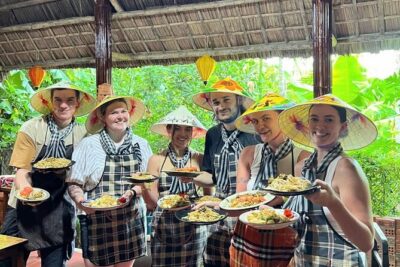
RICE PAPER Noodle Making Experience & Hoi An Cooking Class Class
Read our review →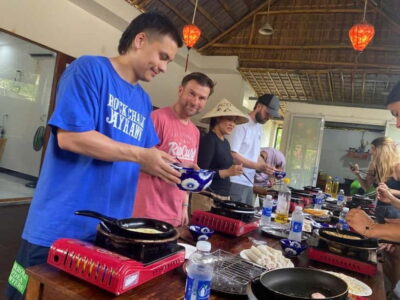
Market Tour, Basket Boat Ride & Cooking Class by Hangcoconut
Read our review →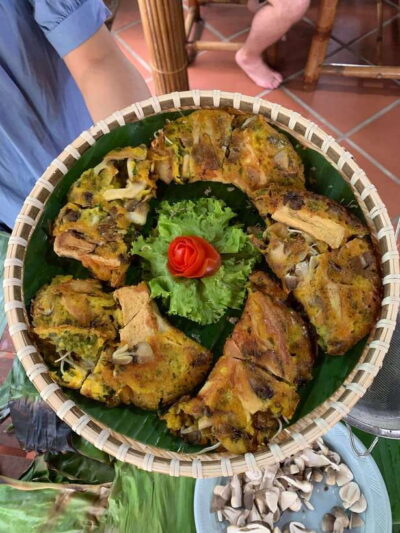
Browse the lists this tour appears in