Review · COOKING CLASSES
Bosnian Cooking Lessons
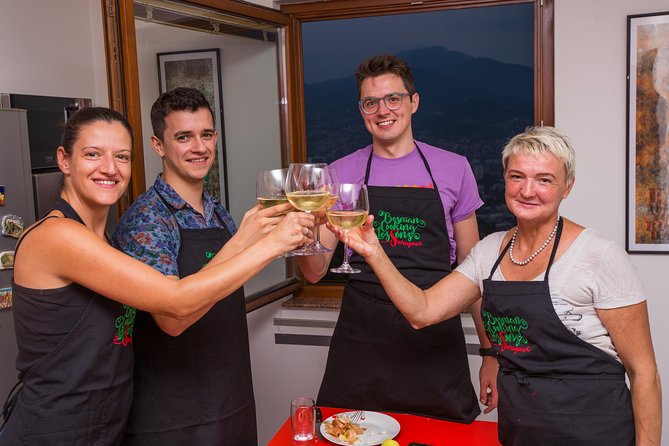
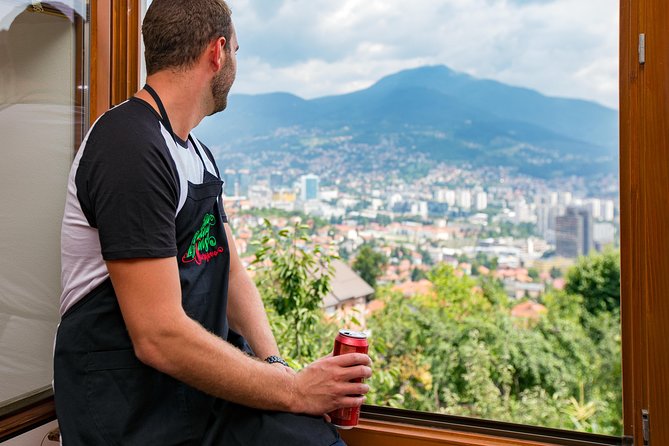
Bosnian cooking is at its best when you are doing more than watching. In this Sarajevo class, you fill onions and peppers, roll leafy greens, and learn the brave little art of stretching burek dough until it is thin enough to bake crisp. Mersiha and Mustafa host the lesson in their home, with a panoramic view over Sarajevo and plenty of time for conversation.
I like two things right away: the class gives you several classic dishes rather than one narrow recipe, and the food you prepare becomes your dinner. The wine, coffee, and tea also help turn the lesson into a relaxed social afternoon. The main consideration is that this is a shared home-based experience, not a polished restaurant school, and private transportation is not included.
Key points to know before booking
- Three kinds of stuffed vegetables: Prepare sogan dolma, japrak, and paprika dolma with minced meat, rice, onions, and spices.
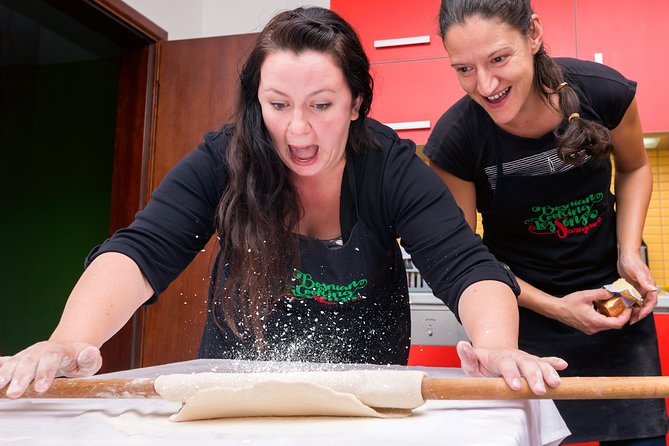
- Burek is the star skill: Learn how phyllo dough is rolled and stretched for a potato, meat, or cheese filling.
- A home kitchen with Sarajevo views: The setting feels personal, and the panoramic outlook adds something a standard classroom cannot.
- Wine is part of the lesson: Herzegovina wine, soft drinks, coffee, and tea are served as you cook.
- Recipes continue at home: Step-by-step recipes and videos are sent after the class, so the meal does not end in Sarajevo.
- Small shared group: The class accepts a maximum of 13 people and lasts about four hours.
Why this class is more than a meal
Many cooking classes give you one recipe, a short demonstration, and a plate of food. This one covers a useful slice of Bosnian home cooking. You work with meat and rice fillings, leafy vegetables, peppers, onions, and phyllo dough. That makes the afternoon a practical introduction to the country’s everyday flavors.
The setting matters. You meet Mersiha and Mustafa at their home on Skendera Kulenovića, not at a large commercial kitchen. You receive a welcome drink, coffee, or tea, then have time to meet your hosts before the cooking begins. A broad view over Sarajevo gives the afternoon a sense of place before the first onion is peeled.
I especially like the way the cooking creates room for conversation. Mersiha has shared stories about growing up in Bosnia and offered useful local suggestions, including advice about getting around by bus. That can be as valuable as the recipes if this class comes early in your Sarajevo stay.
The tone is warm and informal. One solo participant found the host’s patience and personal attention especially helpful, including photos taken during the class. If you are traveling alone, that small gesture can make the afternoon feel less like an organized activity and more like being welcomed into someone’s home.
More Cooking Classes in the world:
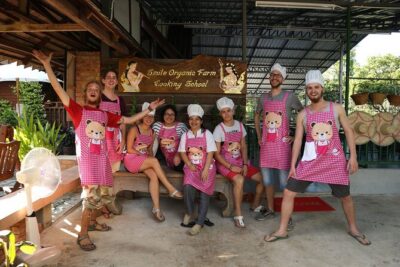
- Half-Day Thai Cooking Class at Organic Farm in Chiang Mai
★ 5.0 · 19,087 reviews - Florence: Pasta Cooking Class with Unlimited Wine
★ 4.9 · 10,285 reviews - 3 in 1 Cooking Class near Navona: Fettuccine, Ravioli & Tiramisu
★ 5.0 · 7,376 reviews
Arriving at the Sarajevo home
The meeting point is on Skendera Kulenovića, 71000 Sarajevo. The class begins at 2:30 pm and ends back at the same meeting point after about four hours. Since private transportation is not included, you need to plan your own route there.
Walking from central Sarajevo can take roughly 40 minutes, with views along the way. That may suit you if you want to see more of the city’s hills and neighborhoods, but it is worth allowing enough time for the uphill sections. The address and meeting details should be checked carefully when you book.
At arrival, expect a welcome drink and a choice of coffee or tea. This first pause is useful because the class is not built around rushing from one cooking station to another. You have time to meet Mersiha and Mustafa, settle in, and take in the view.
The group can include up to 13 people. That is still small enough for a social class, but it is not a private lesson. If you want individual attention at every step, a larger group may mean waiting briefly while the chef guide helps someone else.
The first course: three styles of dolma
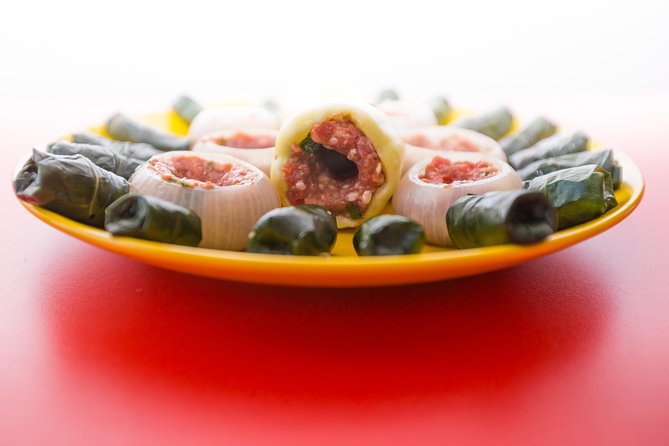
The first part of the lesson focuses on stuffed vegetables. This is where you learn how a simple mixture of minced meat, rice, onions, and spices becomes several different dishes.
Sogan dolma
Sogan dolma uses onions filled with the meat and rice mixture. The work is more delicate than it first appears. You need to separate the onion layers without tearing them, then fill and arrange them carefully.
This is a good lesson in how Bosnian food uses humble ingredients with patience. The onion becomes soft and sweet during cooking, while the filling brings savory weight. It is also the sort of dish you can make at home without needing a long list of unusual ingredients.
Same region, a different dish to learn:
- Florence: Pasta & Tiramisu Cooking Class with Unlimited Wine
★ 4.9 · 6,708 reviews - Florence: Pasta Cooking Class with Unlimited Wine
★ 5.0 · 6,413 reviews - Hanoi Cooking Class: Culture, Local Market & Meaning CSR Impact
★ 5.0 · 5,147 reviews - 5 Traditional Dishes Hanoi Cooking Class with Market Trip
★ 5.0 · 4,890 reviews
Japrak
Japrak uses mangel or spinach leaves rolled around the same general filling. The leaves bring a different texture and a lighter vegetable taste. Rolling them neatly is part of the skill, and you get a clear sense of how Bosnian cooks turn seasonal greens into a proper meal.
The use of leaves also makes this section more flexible. Vegetarian and vegan versions are available by request, so you should mention your dietary needs before the class rather than waiting until the food is on the table.
Dolma with peppers
The third stuffed vegetable is paprika, or pepper dolma. This is the most familiar shape for many home cooks, but the lesson shows how it fits into a larger Bosnian tradition of filled vegetables.
Cooking three versions side by side is useful. You can compare how the same filling behaves inside onion, leafy greens, and peppers. Instead of memorizing one dish, you learn a method that can be adapted to what is available in your own kitchen.
Stretching burek dough by hand
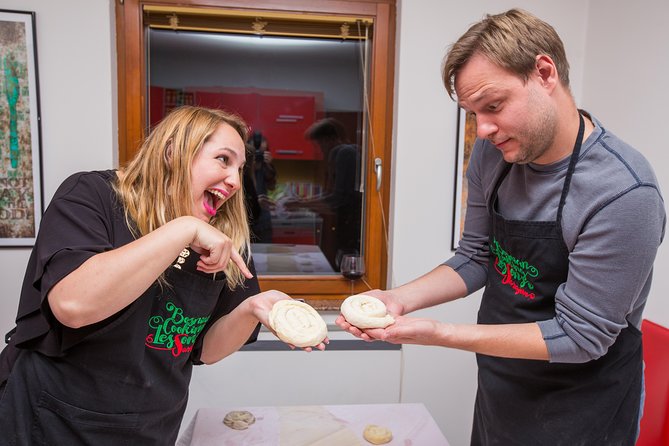
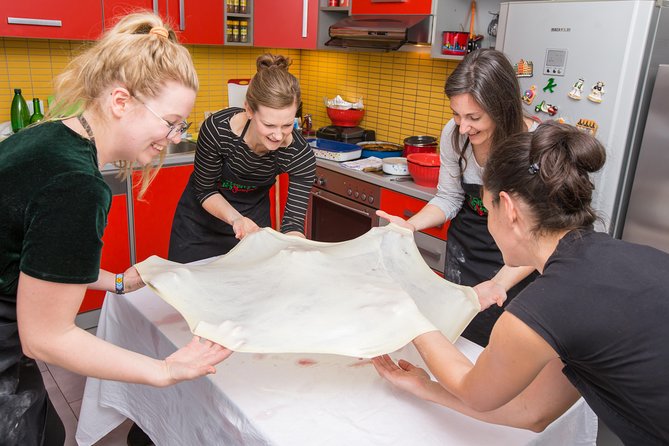
The second part is devoted to burek, a Bosnian classic made with phyllo dough. The filling can be potato, meat, or cheese, depending on the season. The specific filling is not the only point. The real lesson is handling the dough.
Burek dough must be rolled and stretched very thin. The process takes a light touch, and beginners may find it harder than expected. The hosts make the task feel playful, with Herzegovina wine served as part of the experience. A little courage helps when you are asked to pull dough thinner than seems sensible.
You also learn why handmade burek has its familiar crisp, layered texture. Seeing the dough become thin enough to fold and roll gives you a better understanding of the finished pastry than simply eating it in a bakery.
This is probably the most memorable part of the class, but it is also the point where expectations should stay realistic. You may not produce perfect bakery-style burek on your first attempt. That is not a flaw in the lesson. It is part of learning a technique that takes practice.
The filling changes with the season, so you should not book this class expecting one guaranteed version. Potato, meat, and cheese are all part of the plan, but the exact choice depends on availability.
Sitting down to the food you made
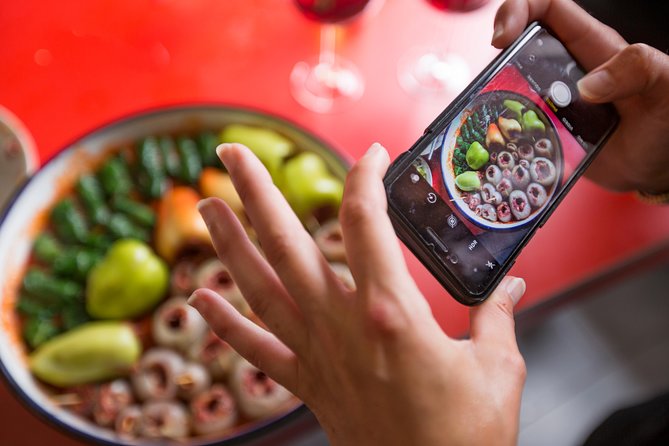
After the cooking is finished, you eat the meal together. Dinner is included, as are alcoholic beverages, coffee, and tea. Soft drinks are also served while you work.
That shared meal is important because it gives you time to taste each dish while the cooking steps are still fresh. You can compare the stuffed vegetables with the burek and ask why each recipe is prepared in its particular way.
The class also leaves room for questions about Bosnia beyond food. The hosts have offered local activity suggestions and transport advice, which can help you shape the rest of your Sarajevo visit. I would bring a short list of questions rather than treating the afternoon as a rushed demonstration.
The home setting may appeal to you if you value hospitality and conversation. It may be less suitable if you prefer a formal school with printed workstations, strict timings, and a professional kitchen designed for classes. This experience is built around people as much as technique.
Recipes, videos, and useful skills after Sarajevo
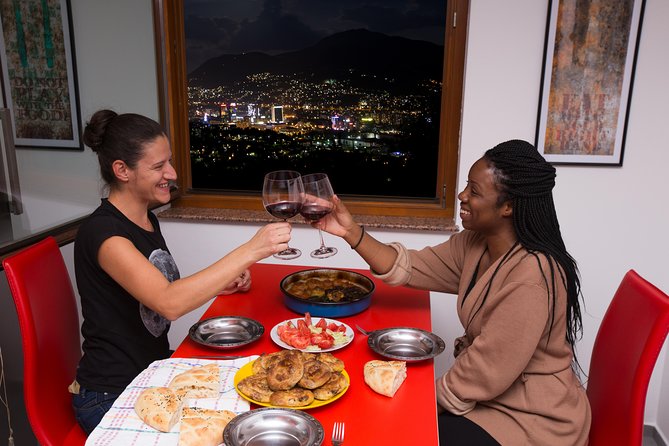
A cooking class is better value when you can repeat what you learned. Recipes and step-by-step videos are sent after the experience, giving you a practical way to make the dishes again at home.
That follow-up is especially helpful for burek. Dough stretching is a hands-on skill, so a written recipe alone may not be enough. A video can remind you how the dough was handled and folded.
The stuffed vegetables are also well suited to home cooking. Once you understand the basic filling, you can work with different vegetables and adjust the quantity. The class does not merely introduce food names. It gives you a pattern for building several dishes from a similar base.
If you have dietary restrictions, request vegan or vegetarian options in advance. The information confirms that these are available, but it does not specify every substitute or menu change. Ask before booking so the hosts can plan properly.
What the $96.79 price includes
At $96.79 per person, the price is higher than paying for a single restaurant meal in Sarajevo. The value comes from the length and scope of the experience. You receive about four hours of instruction, a full dinner, drinks, a home visit, Sarajevo views, and follow-up recipes and videos.
You are also paying for access to family-style Bosnian cooking that can be difficult to understand from a menu alone. Terms such as dolma, japrak, and burek become much clearer when you handle the ingredients yourself.
The price is easier to justify if you want an activity rather than just lunch or dinner. It is less compelling if your main goal is a cheap meal or a quick food tasting. Private transportation is not included, so add your own cost and time for reaching the meeting point if needed.
The maximum group size is 13. That keeps the price below many private cooking experiences, but it means the class may feel social rather than exclusive. Solo visitors can still fit in well, especially since the hosts make a point of welcoming individuals.
Who will enjoy this Sarajevo afternoon
I would recommend this class to you if you like learning by doing. You should be willing to touch the dough, roll the leaves, fill the vegetables, and accept a few imperfect shapes along the way.
It is a strong choice for:
- Couples who want a relaxed food-based afternoon
- Solo visitors looking for conversation and a personal welcome
- Families with older children who can take part in kitchen tasks
- Anyone interested in Bosnian home cooking rather than only restaurant food
- Visitors who want recipes they can use after returning home
The class may not suit you if you need a completely private setting, dislike alcohol, or want a fixed menu with no seasonal variation. Wine is part of the atmosphere, though soft drinks, coffee, and tea are also served.
English ability should not be a major concern for most participants. One attendee with limited English found Mersiha’s explanations easy to follow. Still, cooking involves demonstration and hands-on practice, so you can learn by watching as well as listening.
Booking details worth keeping in mind
The experience is usually booked about 21 days ahead, so reserving early is sensible during busy Sarajevo dates. Confirmation is normally sent at booking. If you reserve within five hours of the start time, confirmation comes as soon as possible and depends on availability.
Free cancellation is available up to 24 hours before the 2:30 pm start time. Canceling later, or changing the booking within that final 24-hour period, does not qualify for a refund.
The ticket is mobile, which keeps the arrival process simple. Bring the address details with you and allow time to reach the home without relying on a last-minute transfer.
Should you book Bosnian Cooking Lessons?
Book it if you want Sarajevo to be more than a list of sights. You will learn several well-known dishes, eat what you make, meet a local couple, and leave with recipes and videos that give the afternoon a life beyond Bosnia.
The strongest reasons to choose it are the personal home setting, the generous range of dishes, and the chance to learn real burek technique instead of simply ordering a slice. The main limits are the shared format, the need to arrange your own transport, and the fact that dough work requires patience.
For a first Sarajevo visit, I would place this class in the middle of your stay. You can use the hosts’ local suggestions afterward, and you will already have enough context to appreciate the food. If warm hospitality and practical cooking matter more to you than a formal classroom, this is a very good use of four hours.
FAQ
Where does the Bosnian cooking class take place?
The meeting point is on Skendera Kulenovića, 71000 Sarajevo, Bosnia and Herzegovina. The activity ends back at the same meeting point.
What time does the class start?
The class starts at 2:30 pm.
How long does Bosnian Cooking Lessons last?
The experience lasts approximately four hours.
What dishes will I learn to make?
You will prepare sogan dolma, japrak, paprika dolma, and burek. The dolma dishes use minced meat, rice, and spices, while the burek filling may be potato, meat, or cheese depending on the season.
Are vegetarian and vegan options available?
Yes. Vegetarian and vegan options are available upon request. Contact the provider before the class so the menu can be arranged.
Are drinks and dinner included?
Yes. Dinner, coffee or tea, and alcoholic beverages are included. Wine, soft drinks, coffee, and tea are served during the experience.
How many people can join the class?
The class has a maximum of 13 participants.
Can I cancel for a full refund?
Yes, if you cancel at least 24 hours before the experience start time. Cancellations or changes made less than 24 hours before the start are not refunded.
Newest classes around the world
- Aroidee’s Farm-Fresh Thai Cooking Experience★ 5.0 · 8 reviews
- Authentic Thai Cooking Class and Farm Visit in Chiang Mai★ 5.0 · 66 reviews
- Signature Thai Cooking Course★ 5.0 · 79 reviews
- Half Day Guided Thai Cooking Class in Chiang Mai★ 5.0 · 13 reviews
- Yummy Tasty Thai Cooking School in Chiang Mai★ 5.0 · 2 reviews
- Online Thai and Akha Cooking Class★ 5.0 · 70 reviews
- Northern Thai Cooking Class in Chiang Mai in a Countryside Home★ 5.0 · 2 reviews
- Private Half-Day Thai Cooking Class in Chiang Mai★ 5.0 · 4 reviews
Cooking Classes, compared.
Half-Day Thai Cooking Class at Organic Farm in Chiang Mai
Read our review →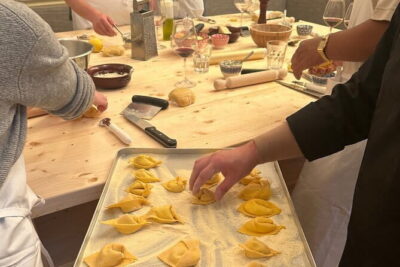

3 in 1 Cooking Class near Navona: Fettuccine, Ravioli & Tiramisu
Read our review →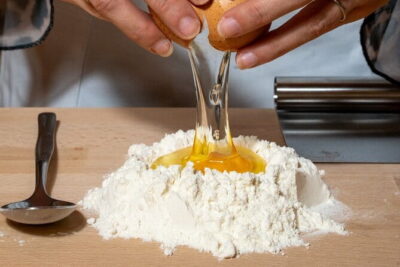
Pasta & Tiramisu Cooking Class with Unlimited Wine
Read our review →
Hanoi Cooking Class: Culture, Local Market & Meaning CSR Impact
Read our review →
5 Traditional Dishes Hanoi Cooking Class with Market Trip
Read our review →