
Review · POSITANO COOKING CLASSES
Ravioli & Tagliatelle Cooking Class at a Local’s Home in Positano
The best part of this Positano cooking class is that it takes place in a family home in Montepertuso, not in a polished restaurant kitchen. Emily, Genny, and their mother lead you through old family recipes while stories, singing, wine, and pasta-making fill the afternoon or evening. You arrive as a visitor and quickly become part of the meal.
I especially like the garden-to-table cooking and the generous meal that follows. You help pick ingredients, then use them for caprese salad, grilled vegetables, ravioli, and tagliatelle. I also like the family storytelling, including memories of their grandmother and great-grandmother, which gives the recipes a real sense of place.
The main consideration is location. The class meets at Piazza Cappella and takes place in Montepertuso, above Positano, so you need to allow time for the uphill journey. A shared taxi can help, and the family has helped arrange one for groups, but transportation details deserve attention before booking.
Key points at a glance

- Cook in a family home in Montepertuso: The setting feels personal and lived-in, with a balcony view over the Positano area.
- Make three dishes from scratch: The class covers fresh ravioli, hand-cut tagliatelle, and tiramisu.
- Use ingredients from the garden: Tomatoes, vegetables, and other produce are picked during the experience when available.
- Eat a full meal with local drinks: The spread includes appetizers, pasta, dessert, prosecco, wine, and homemade limoncello.
- Learn from Emily and Genny: English-language instruction is combined with stories about family recipes and local traditions.
- Plan the uphill transport: The meeting point is Piazza Cappella, and the activity returns there after about three hours.
A family kitchen above Positano
This is a cooking class with a strong sense of home. The family’s kitchen and dining area provide the stage, while Emily guides the class and explains how the recipes came through her grandmother and earlier generations.
That difference matters. In a restaurant-based class, you may learn a recipe and move on. Here, the food is tied to family memory. The hosts talk about the land, the ingredients, and the way pasta was made at home. The result feels less like a demonstration and more like being welcomed into an Italian household for a long meal.
The class is offered in English, and the experience is suitable for children. With a maximum of 14 people, it is not a private lesson, but it is still small enough for hands-on work. Some groups have had around 12 participants, with couples and families cooking together around the same tables.
Expect a social atmosphere. There is plenty of laughter, and the family dynamic is part of the appeal. Emily has also been praised for taking photos and videos during the class and sharing them through WhatsApp afterward. That is a useful extra for anyone who wants a record of the day without spending the whole time holding up a phone.
More Home Cooking Classes in Italy
- Pastamama, Home Cooking Classes at Grace’s Home
★ 5.0 · 521 reviews - Traditional Home Cooking Experience in Venice
★ 5.0 · 377 reviews - Catania: Pistachio Ravioli, Pasta Home Cooking Class w/ Wine
★ 4.7 · 204 reviews
Meeting in Positano and heading to Montepertuso
The official starting point is Piazza Cappella, 84017 Positano SA. The class itself is in Montepertuso, a hillside area above the main Positano center. The named stops are Montepertuso and Li Galli, but this is not presented as a sightseeing tour with a series of formal stops. The heart of the experience is the family home and its coastal setting.
The uphill position is part of what gives the class its views. From the villa and balcony, you may see across the dramatic Positano area toward the Li Galli islands. That setting adds a special touch to the meal, especially if you eat outdoors.
Getting there deserves practical planning. The meeting point is clear, but the supplied details do not include a standard transfer from your hotel. The family has helped arrange shared cabs for groups near their accommodation, which can reduce the cost and simplify the ride. Ask about this after booking rather than assuming it is included.
At the end, the activity returns to the meeting point. Since Positano’s roads can be slow and the hills are steep, avoid scheduling another fixed appointment immediately afterward.
Starting with prosecco and local snacks
The class begins with a welcome aperitif. Expect prosecco alongside salami, tarallucci, local cheese, and olives. This is more than a quick snack, since it gives everyone time to meet the hosts and the other people in the group before the work begins.
The opening spread also sets the tone for the rest of the class. Food is served generously, and the family treats the meal as part of the social experience rather than as a reward saved for the final few minutes.
The menu can include caprese salad with fresh tomatoes and local mozzarella, rocket, and grilled vegetables picked from the garden. The garden connection is one of the most appealing details. You are not simply told that the produce is local. You may help gather some of it before preparing the dishes.
That said, garden availability can vary with the season. The menu description includes several options for the ravioli filling, including ricotta, vegetables, or meat, so the precise meal may depend on the ingredients available and the group’s preferences.
Rolling ravioli together
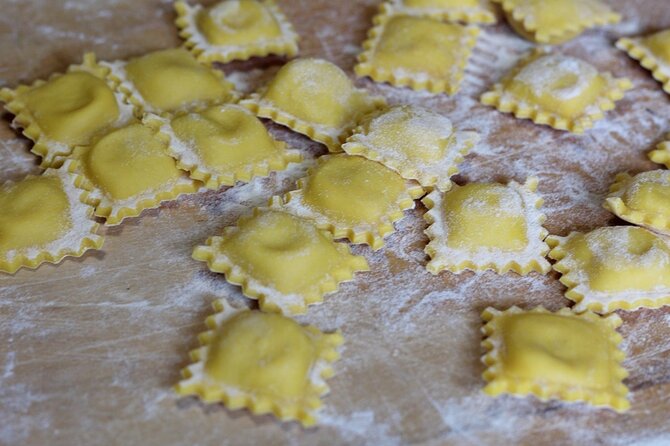
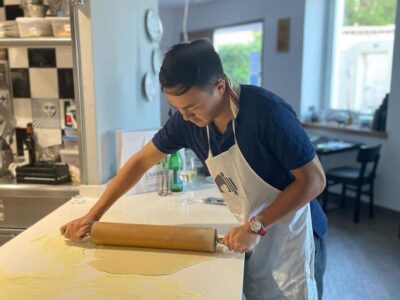
Fresh ravioli is the centerpiece of the hands-on work. You help prepare the dough, roll it, add the filling, and shape the pasta. This is the stage where teamwork becomes part of the fun, especially when a long sheet of dough needs several pairs of hands.
The filling can be chosen together from options such as ricotta, vegetables, or meat. That flexibility is useful for a mixed group, although you should not assume every dietary need can be accommodated unless you confirm it in advance.
The class focuses on the basic skills you can repeat at home: handling the dough, making even sheets, adding filling without overloading the pasta, and sealing the edges. The family provides guidance throughout rather than leaving you to guess.
This is also where the family connection becomes clear. The hosts explain that these methods come from their grandmother’s recipes. You are learning a practical dish, but you are also hearing how pasta-making fits into family life in Positano.
More Pasta Making Classes in Italy:
- Florence: Pasta Cooking Class with Unlimited Wine
★ 4.9 · 10,285 reviews - 3 in 1 Cooking Class near Navona: Fettuccine, Ravioli & Tiramisu
★ 5.0 · 7,376 reviews - Florence: Pasta & Tiramisu Cooking Class with Unlimited Wine
★ 4.9 · 6,708 reviews - Florence: Pasta Cooking Class with Unlimited Wine
★ 5.0 · 6,413 reviews
Cutting tagliatelle by hand
The second pasta is tagliatelle, described on the menu as handmade noodles. This gives you a useful contrast with ravioli. Ravioli requires filling and careful sealing, while tagliatelle tests your ability to roll and cut pasta into consistent ribbons.
The activity is accessible to beginners. You do not need advanced kitchen skills, and the emphasis is on taking part rather than producing restaurant-perfect pasta. Expect a relaxed pace, with the hosts helping as the dough is stretched and cut.
The homemade pasta is served with fresh ingredients from the garden. The exact sauce is not specified, so you should think of the class as a lesson in pasta-making and family cooking rather than a fixed technical workshop with a detailed printed syllabus.
Recipes are provided afterward as a PDF, according to the experience details shared by participants. That makes the class more useful once you return home. You can buy a pasta maker later if the class inspires you, but the lesson itself centers on hand preparation.
Finishing with grandmother’s tiramisu
Tiramisu provides the sweet finish. The recipe is described as an old family version passed down from the grandmother. Even people who do not usually choose tiramisu may find this part especially memorable because it is tied to the family’s own kitchen traditions.
You prepare the dessert during the class, then eat it after the savory courses. That keeps the experience balanced: you are not only making pasta, but also learning a familiar Italian dessert that is realistic to repeat at home.
The full meal can be substantial. Along with the pasta and tiramisu, you may have the welcome snacks, caprese salad, grilled vegetables, wine, prosecco, and limoncello. If you prefer a light lunch or dinner, pace yourself early.
The drinks are part of the hospitality. Local wine is served with the meal, and homemade limoncello may appear at the end. Anyone avoiding alcohol should make that clear when booking or on arrival, since the advertised welcome and meal include alcoholic drinks.
Why the family stories matter
Food classes can sometimes feel like a series of instructions with little connection to the destination. This one places the recipes inside a family story. Emily talks about her grandmother, the family’s history in the area, and traditions connected with cooking, gardens, oil, and wine.
The setting in a home adds warmth, but it also means the experience is less formal. You may hear family members talking with one another, see several generations involved, and take part in a lively group meal. That is a strength if you want human contact and local context.
It may be less suitable if you prefer a quiet, highly structured class. The atmosphere can include singing, dancing, and plenty of conversation. Some people will find that memorable; others may want a more technical lesson with strict timing and detailed chef instruction.
Emily’s English is described as excellent, and she combines instruction with historical and family details. Genny and their mother also help create the welcoming atmosphere. The hosts are not presented as celebrity chefs, and that is not the point. Their strength is passing on the way their family cooks at home.
The view from the balcony
The scenery is an important part of the value. The family villa has a broad view over the Positano coast, with the Li Galli area visible from the home. You are eating in a hillside setting rather than looking at a printed photograph of the Amalfi Coast.
Weather affects how much you enjoy this part of the experience. The activity requires good weather, presumably because parts of the meal or the view may depend on outdoor space. If poor weather forces a cancellation, you can receive a full refund or choose another date.
The view also helps explain why this class is located away from Positano’s main beach. You trade some convenience for a more local setting, more space, and a quieter home atmosphere. A short taxi ride uphill can be worthwhile, but it is not as simple as walking into a restaurant near the waterfront.
Is $181.41 a fair price?
At $181.41 per person, this is not a budget meal. The value depends on what you want from the experience. You are paying for roughly three hours of instruction, a full meal, drinks, a family setting, a garden visit, recipes to take home, and a view from the villa.
If you only want to learn how to make pasta, a less expensive class may be enough. If you want a social evening that combines cooking, food, local stories, and hospitality, the price is easier to justify.
The meal itself is extensive. Prosecco, appetizers, mozzarella and tomatoes, vegetables, two fresh pasta dishes, tiramisu, wine, and limoncello add up to more than a standard cooking lesson with one small tasting plate.
The strongest value is emotional rather than technical. You are buying access to a family’s home and traditions, not just a set of kitchen instructions. That makes the experience especially worthwhile for couples, families, and anyone marking a birthday or another special occasion.
Who should book this class?
I would choose this for people who want a warm, social experience and enjoy eating as much as cooking. It suits couples, families with children, and small groups looking for something more personal than a restaurant meal.
It is also a good fit if you want to bring a piece of Positano home. The pasta and tiramisu recipes are practical enough to try again, and several people have gone on to buy pasta equipment after the class.
You should think twice if you dislike group activities, avoid alcohol, need a fully fixed menu, or want a professional chef-led master class. The group can reach 14 people, and the atmosphere is relaxed rather than formal.
You should also be comfortable with the location. Montepertuso is above Positano, and the meeting point and taxi arrangements require some attention. Children are accepted, but young participants may need help with the dough and cooking steps.
Booking and cancellation details
The experience is offered in English and uses a mobile ticket. Confirmation is provided at booking, and the activity is near public transportation, although the class’s hillside location may still make a taxi the simplest choice.
You can cancel for a full refund up to 24 hours before the start time. Changes or cancellations made within 24 hours are not accepted for a refund. The experience also requires a minimum number of participants, so an insufficient group or poor weather can lead to a rescheduled date, another experience, or a full refund.
Because it is booked an average of 77 days ahead, reserve early if your Positano dates are fixed. That is particularly important for summer visits and for anyone planning the class around a birthday or anniversary.
Should you book Ravioli and Tagliatelle Cooking Class?
Book it if you want Positano through food, family, and a hillside view rather than through another standard restaurant meal. The combination of garden produce, handmade ravioli, tagliatelle, tiramisu, local drinks, and stories about Emily’s grandmother gives the class a clear sense of identity.
I would not book it solely for advanced culinary training. The real reward is the setting and the welcome. Allow extra time for the trip to Montepertuso, ask about shared taxi arrangements, and arrive ready for a long, generous meal with plenty of conversation.
For a first visit to Positano, this is one of the more personal ways to spend three hours. The recipes are useful, the food is substantial, and the family atmosphere gives you something a restaurant class cannot easily provide.
FAQ
Where does the cooking class take place?
The class takes place in a local family home in Montepertuso, above Positano. The official meeting point is Piazza Cappella in Positano, and the activity ends back at the meeting point.
How long does the experience last?
The cooking class lasts approximately three hours.
What dishes will I make?
You will make fresh ravioli, handmade tagliatelle, and tiramisu. The class also includes appetizers, caprese salad, and grilled vegetables.
What ingredients are included?
The experience includes fresh ingredients, with tomatoes and vegetables picked from the family garden when available. Ravioli fillings may include ricotta, vegetables, or meat.
Is the class offered in English?
Yes. The experience is offered in English, and Emily leads the instruction and explains the family recipes and stories.
Are drinks included?
Yes. The menu includes prosecco with the welcome aperitif, local wine with the meal, and homemade limoncello may also be served.
Is the class suitable for children?
Yes. The activity is listed as suitable for children.
What happens if the weather is poor?
The experience requires good weather. If it is canceled because of poor weather, you will be offered another date or a full refund.
Newest classes around Italy
- Cooking Class in a Sicilian countryhouse★ 5.0 · 5 reviews
- Cesarine: Market Tour & Home Cooking Class in Catania★ 4.0 · 6 reviews
- Cesarine: Home Cooking Class & Meal with a Local in Catania★ 4.5 · 10 reviews
- Cooking Class in Taormina with Lunch Included★ 5.0 · 2 reviews
- Cooking class in Capri for small groups★ 4.0 · 4 reviews
- Cooking Class and Wine Pairing in Capri★ 5.0 · 57 reviews
- Lezione di Cucina : Pasta Fresca★ 5.0 · 12 reviews
- Private Cooking Class Experience in Reggio Calabria★ 5.0 · 5 reviews
Positano Cooking Classes, compared.
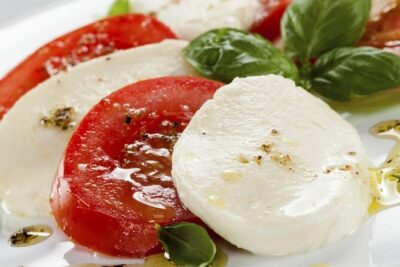
Cooking class with Pasta, mozzarella and Tiramisu with wine
Read our review →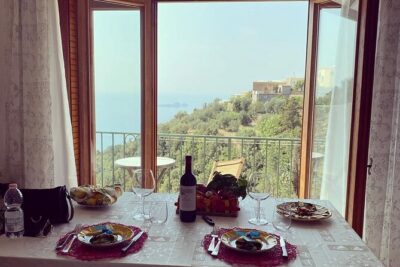
Small-Group Cooking Class in Positano: Gnocchi, Tiramisù & Drinks
Read our review →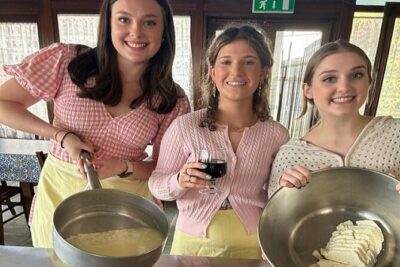
Amalfi Coast Cooking Class: Make Pasta, Mozzarella & Tiramisu
Read our review →
Pasta & Tiramisu Cooking Class at a Local’s Home
Read our review →
Small Group Cooking Class with Prosecco & Dessert
Read our review →Browse the lists this tour appears in