Review · CHIANG RAI COOKING CLASSES
Chiang Rai:Lanna Home Cooking Class at Give Green Farm House
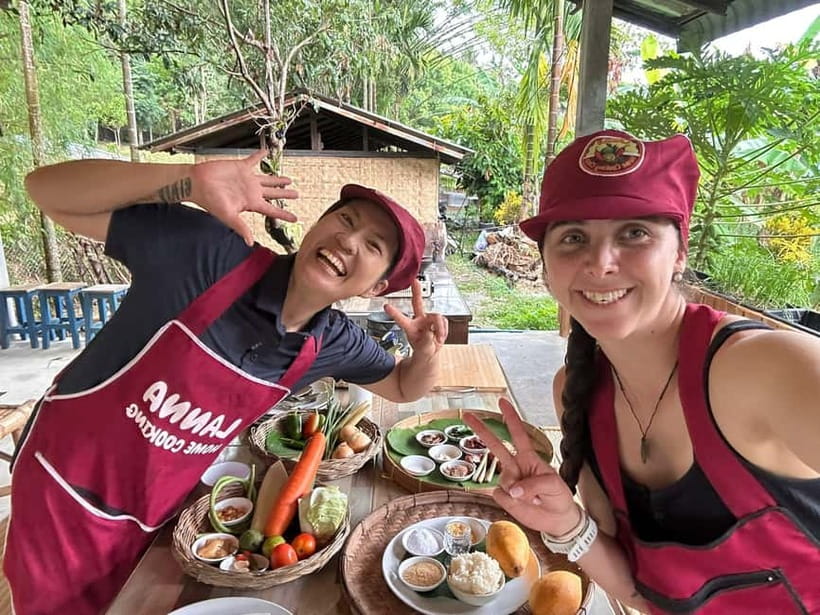
The best part of this Chiang Rai cooking class starts before the stove. Lanna takes you through a local market, explains unfamiliar ingredients, and encourages you to taste regional snacks before bringing you to Give Green Farm House. There, you cook Thai food yourself rather than watching a demonstration.
I like the small-group feel and Lanna’s patient, playful teaching style. I also like the farm connection: ingredients come from an organic garden, so the class links the food on your plate with the way it is grown. The main consideration is that the menu structure can be a little unclear. The class describes five dishes within a chosen category, while several recent sessions prepared four dishes, so confirm the exact menu when booking.
Key points to know
- Market first, cooking second: You begin with a guided visit to a local market and sample Thai foods along the way.
- Lanna teaches with warmth and humor: Her personal attention suits first-time cooks and anyone nervous about unfamiliar ingredients.
- Four hours of hands-on food: You chop, mix, fry, season, and eat the dishes you prepare.
- Four cooking themes: Choose from soups and curries, stir-fries, salads, or desserts.
- Farm-to-table setting: Give Green Farm House combines a local organic farm, restaurant, and cooking area.
- Good value at $56: Pickup, drop-off, market visit, ingredients, drinking water, recipes, and instruction are included.
Starting at the Chiang Rai market
The morning class begins with pickup at 9:00 a.m. The afternoon class begins at 3:00 p.m. You should wait in your hotel lobby at least 10 minutes before pickup. Transfers are offered within Mueang Chiang Rai, which keeps the start simple if you are staying in the city.
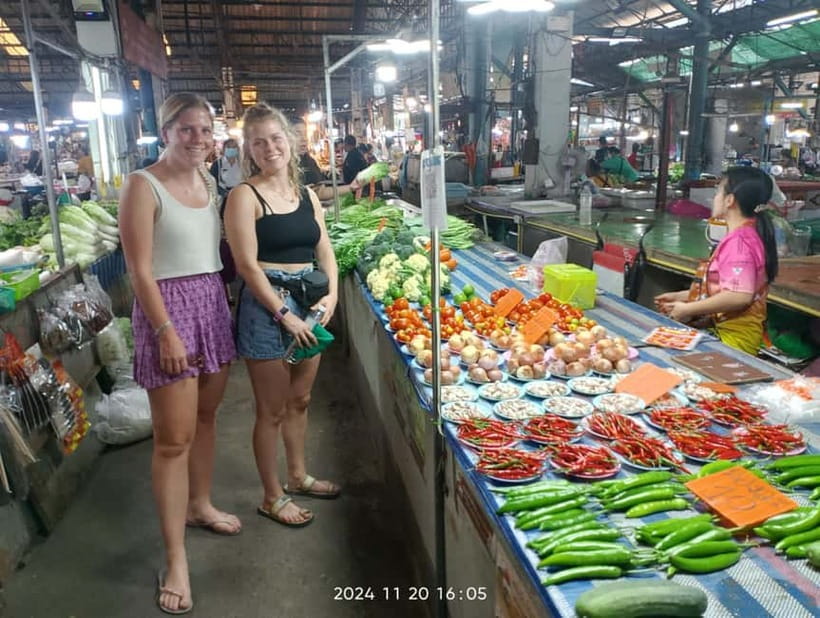
The market visit gives the class its local character. Instead of walking straight into a cooking school with premeasured ingredients, you first see the raw materials in the place where local shoppers buy them. Lanna explains spices, herbs, vegetables, curry pastes, and other foods, then invites you to try selected snacks and treats.
This is useful even if you already cook Thai food. A recipe can tell you to use galangal, basil, mango, or curry paste, but a market visit helps you understand what those ingredients look and smell like before they are prepared. Lanna also explains where ingredients come from and how some foods are made.
You may find the market more interesting than a standard tourist stop because the focus is practical. You are not simply taking photographs. You are learning how ingredients fit into everyday Northern Thai cooking and trying foods you might otherwise pass by.
The market is also the less predictable part of the experience. The precise selection of produce and snacks can change from day to day. That is part of its appeal, but you should not expect a fixed tasting menu or the same stop every time.
Several people who joined the class chose not to eat breakfast first, since the market tasting and cooking create a very full morning. You do not need to arrive hungry to the point of discomfort, but a large breakfast is probably unwise.
More Farm Cooking Classes in Thailand
- Half-Day Thai Cooking Class at Organic Farm in Chiang Mai
★ 5.0 · 19,087 reviews - Chiang Mai: Authentic Cooking Class with Market & Farm Visit
★ 4.9 · 4,546 reviews - Chiang Mai: Cooking Class with Organic Farm at Mama Noi
★ 4.9 · 1,151 reviews
Arriving at Give Green Farm House
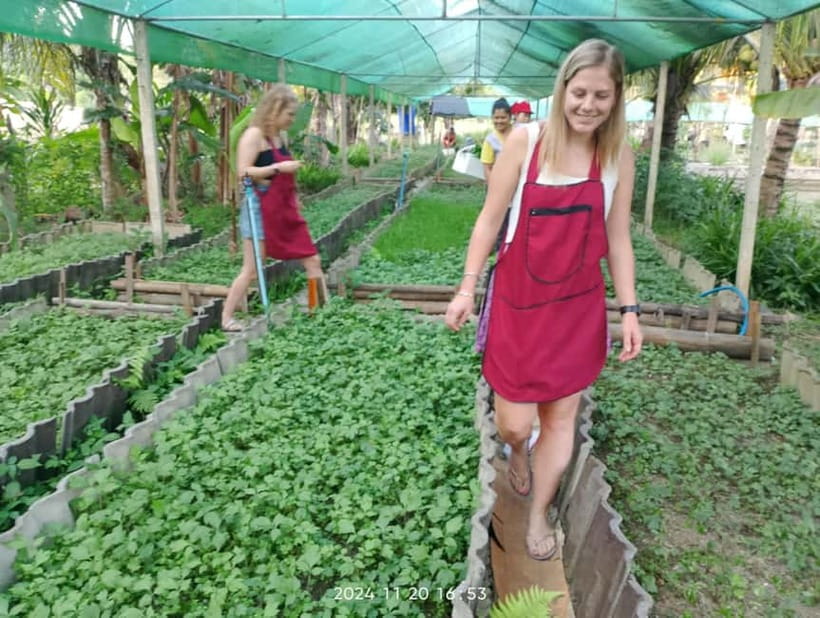
After the market, you continue to Give Green Farm House, a family-run organic farm and restaurant. The setting shifts from the lively market to a quieter place where you can see the growing side of the food you are about to prepare.
The farm visit adds context without turning the class into a formal agricultural tour. You have time to walk around, look at the garden, and learn how local ingredients are used. The exact amount of garden time may depend on the group and the cooking schedule, but the farm is an active part of the experience rather than just a name.
I like this connection because it makes the cooking feel less staged. You are not only handling ingredients bought for a lesson. You are learning in a family setting where food, farming, and the restaurant are connected.
The restaurant also provides a comfortable place to sit down and eat at the end. That matters during a four-hour class, since you are likely to prepare several dishes and sample food at more than one point in the day.
Choosing your Thai cooking theme
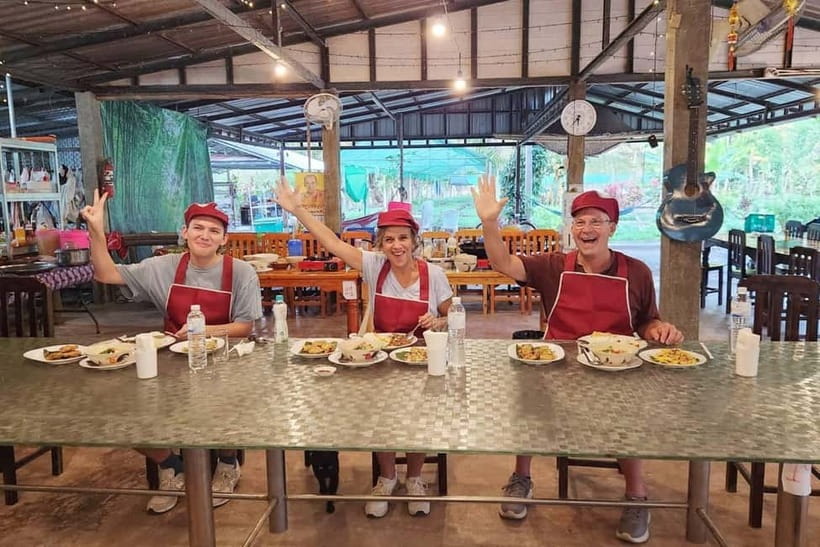
You select one main course category from four options. The categories help you shape the class around the food you actually want to eat at home.
Thai soups and curries
This is the choice for strong herbs, coconut milk, spice, and brothy dishes. Possible dishes include Tom Yum Kung with shrimp, Tom Kha Gai, green curry, Khao soi, and Hung-Lea with streaky pork.
Khao soi is especially relevant in Chiang Rai and Northern Thailand. It gives you a chance to learn a dish associated with the region rather than focusing only on the familiar Pad Thai. Tom Yum and Tom Kha are useful choices if you want to recreate classic Thai soups at home.
The menu includes both clear and coconut-based soups, so the class can show how different textures and flavors come from related ingredients. If you have dietary restrictions, tell Lanna in advance. Vegetarian adjustments have been made for participants using vegetables and tofu, and allergies are taken into account.
More Home Cooking Classes in Thailand
- Benny’s Home Cooking Chiang Mai
★ 5.0 · 328 reviews - Koh Samui: Thai Cooking Class with Samui Local Family
★ 5.0 · 131 reviews - Private Thai Home Cooking Lesson (since 2004)
★ 5.0 · 52 reviews - Chiang Mai Home Cooking Class with Garden Tour & Hotel Transfers
★ 5.0 · 30 reviews
Thai stir-fries
The stir-fry category includes fried cashew nuts, Pad Kee Mao, sweet and sour dishes, fried basil, and Pad Thai. This is probably the most practical option for home cooks who want quick meals.
Stir-fries teach you how to prepare ingredients before the pan gets hot. Once cooking begins, the process moves quickly, so Lanna’s guidance is helpful for beginners. You learn how herbs, vegetables, sauces, and heat work together rather than simply following a recipe line by line.
Pad Thai is familiar to many people, but making it yourself can clarify the balance of sweet, salty, sour, and savory flavors. Fried basil and Pad Kee Mao offer a different path, with more emphasis on herbs and spice.
Thai salads
The salad category includes green papaya salad, green mango salad, egg fried salad, glass noodle salad, and lemongrass salad. These dishes are fresh, sharp, and often spicy.
This category suits you if you want lighter food or prefer learning how to build flavor without a long cooking time. Thai salads are not bland side dishes. They depend on the balance of lime, chili, herbs, sweetness, and salt, which makes tasting and adjusting an important part of the lesson.
The ingredients can also be easier to adapt at home. Lanna helps explain substitutions when an exact Thai ingredient may be difficult to find outside Thailand.
Thai desserts
The dessert option includes mango sticky rice, bananas or pumpkin in coconut milk, banana samosas, deep-fried banana with pandan and coconut milk, and Thai vegetable spring rolls.
This is a good pick for cooks with a sweet tooth, though the inclusion of vegetable spring rolls makes the category broader than desserts alone. Mango sticky rice is the most recognizable choice, while bananas or pumpkin in coconut milk offer a simple lesson in using coconut milk for a sweet dish.
Ask about the exact selection before the class begins, since the available fruit and produce may affect what you prepare.
Cooking four or five dishes with Lanna
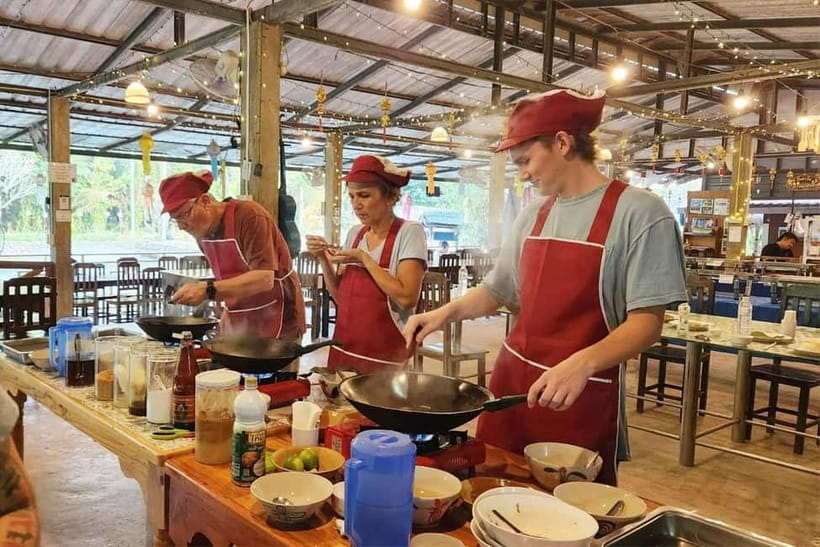
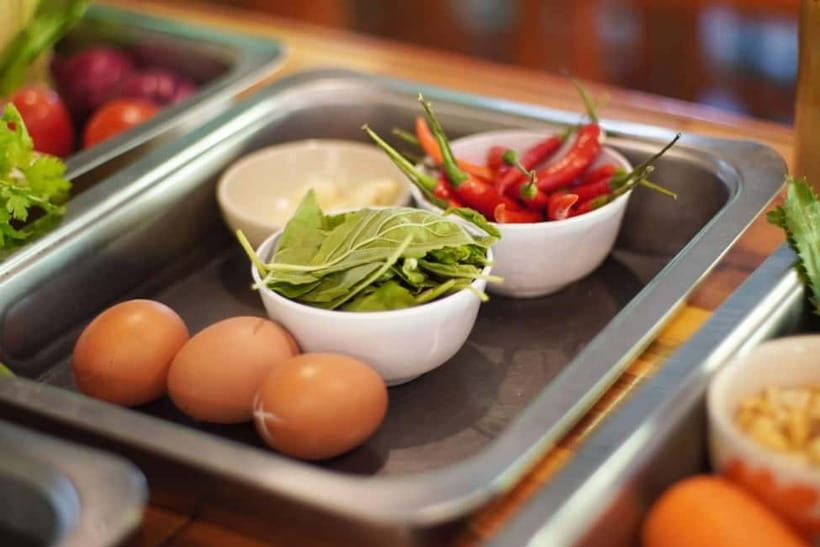
The class is designed for hands-on work. You do not sit at a table while Lanna prepares everything in front of you. You take part in the chopping, mixing, frying, seasoning, and final assembly, with guidance throughout.
No previous cooking experience is required. Lanna’s teaching style is patient and lighthearted, which helps when you are handling unfamiliar herbs, curry pastes, or a hot pan. She gives individual attention and keeps the process approachable rather than technical.
The advertised format describes a selected category with five signature dishes. In practice, recent sessions commonly prepared four dishes. Examples include vegetable spring rolls, Khao soi, Pad Thai, and mango sticky rice. Another session prepared five dishes, while other groups cooked four.
That difference is worth noting, but it does not change the main value of the class. You get several dishes, not a single recipe, and you eat what you make. If the number of dishes matters to you, ask Lanna or the booking provider for the menu planned on your date.
The cooking sheet is included, so you have written guidance to take home. The most useful part, though, is watching how Lanna handles the ingredients and adjusts the seasoning. Recipes can give you measurements, but a good instructor also shows you what the mixture should look and smell like.
Lanna has also helped participants choose substitutions for ingredients that may be hard to find at home. That practical advice is one reason the class works well as a take-home skill rather than just a pleasant meal.
Food, stories, and a family welcome
Lanna is central to the experience. She acts as market guide, cooking teacher, host, and driver, with help from her staff and family. Her teaching combines food instruction with stories about her life, local customs, and pride in Northern Thai culture.
The tone is informal. You can expect conversation, jokes, photographs, and a relaxed pace between cooking tasks. Lanna has taken photos and videos during some sessions and shared them afterward, which can be a nice record of the day.
The personal side matters because cooking classes can easily feel like assembly lines. Here, the small-group format allows Lanna to watch what you are doing and step in when you need help. She can also adjust ingredients for vegetarians and accommodate allergies when informed.
Do not confuse a friendly class with a private lesson by default. The experience is described as a small group, and some bookings may be private depending on the date and group size. If you need guaranteed one-on-one instruction, confirm that before paying.
How much food you will eat
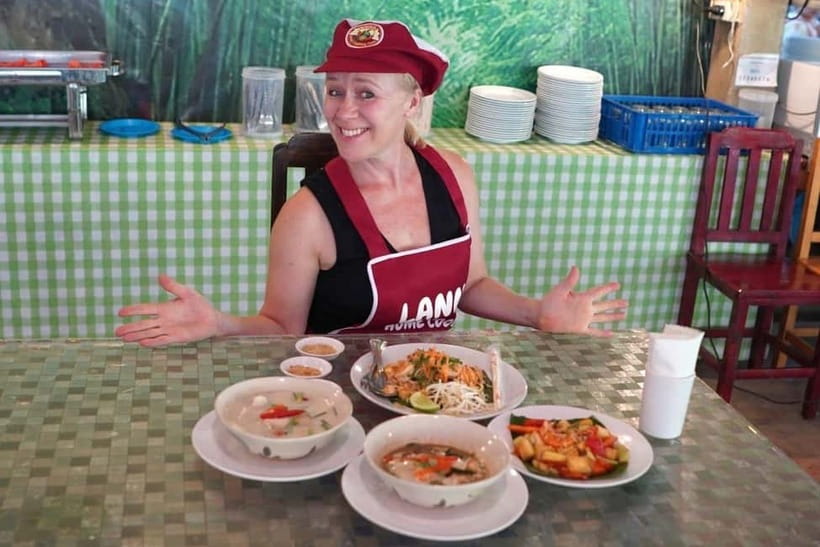
You should plan to eat a lot. The market visit includes tastings, then you prepare several full dishes at the farm restaurant. The final meal is not a token sample. You sit down and enjoy the food you cooked.
That makes the $56 price easier to judge. You are paying for four hours of instruction, round-trip hotel transfer, a market visit, market tastings, an organic farm visit, ingredients, drinking water, recipes, and the meal you prepare. A comparable restaurant meal would not provide the same practical lesson or local contact.
The value is strongest if you want to cook Thai food after returning home. If you only want a quick meal and a few photographs, the class may feel long. If you enjoy food and want a personal connection to Chiang Rai, the market and farm make the cost reasonable.
Bring cash and any personal medication you need. Cash may be useful at the market if you want to buy snacks or ingredients, though personal purchases are not listed as included.
Morning or afternoon class?
The morning option starts at 9:00 a.m. and gives you a full half-day before evening plans. It is a good choice if you want to use the rest of the day for Chiang Rai sightseeing.
The afternoon option starts at 3:00 p.m. and is useful if you prefer a slower morning or have another activity planned earlier. Since the class lasts four hours, it may run into the evening. Keep that in mind if you have a timed dinner reservation or a night excursion.
Both options include pickup and drop-off in Mueang Chiang Rai. The main difference is how the class fits into your day, not the listed content.
Who will enjoy this class most?
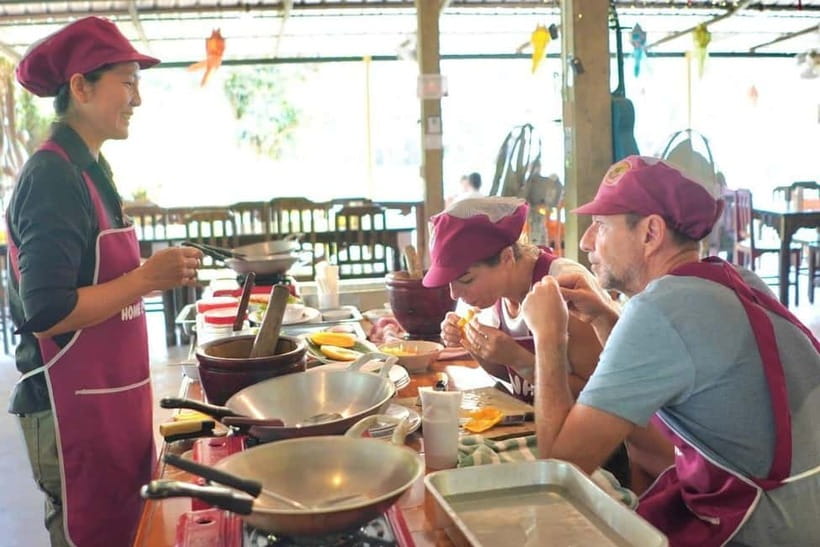
I would recommend it to first-time Thai cooks, food-focused visitors, couples, families, and anyone who wants a gentle introduction to Northern Thai home cooking. You do not need knife skills or experience with Thai ingredients.
It also suits vegetarians, provided you explain your needs ahead of time. Adjustments using vegetables and tofu have been made, and the instructor can discuss ingredient substitutions.
The class may be less suitable if you dislike eating a large meal, want a strict professional cooking course, or prefer a fixed menu with exact dish counts. The atmosphere is warm and social rather than formal.
Families can benefit from the clear, practical teaching, though the supplied information does not give a minimum age. Ask before booking if you are traveling with young children.
Booking details worth knowing
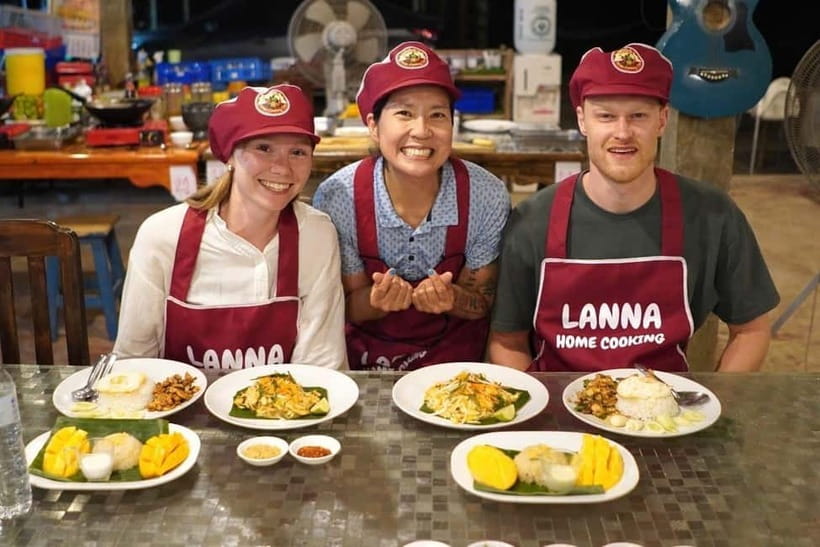
The experience costs $56 per person and lasts four hours. English instruction, hotel pickup and drop-off, the market visit, farm visit, cooking class, cooking sheet, and drinking water are included.
Cancellation is free up to 24 hours before the start time for a full refund. You can also reserve now and pay later, which helps if your Chiang Rai plans are still shifting.
The activity has a 5.0 rating from 61 reviews, and transport received a perfect score from 93 percent of participants. Those figures suggest that the transfer and organization are dependable, but you should still be ready in the hotel lobby at least 10 minutes early.
Should you book Lanna Home Cooking Class?
Yes, if you want more than a standard cooking demonstration. The market visit, organic farm, and personal teaching make this a useful way to connect Chiang Rai food with daily life.
Book it especially if Khao soi, curry, Pad Thai, mango sticky rice, or Thai salads are on your must-eat list. Choose the category that best matches your interests, and ask ahead about the exact number of dishes, vegetarian adjustments, allergies, and the menu for your date.
At $56, this is not the cheapest way to eat in Chiang Rai. It is good value for a four-hour experience that includes transportation, a meal, recipes, and direct help from Lanna. Skip it only if you want a short, fixed-format activity or do not enjoy hands-on cooking.
FAQ
Where does the cooking class take place?
The class takes place at Give Green Farm House in Chiang Rai. The site includes a local organic farm, restaurant, and cooking area.
Is hotel pickup included?
Yes. Pickup and drop-off are included for locations in Mueang Chiang Rai. Wait in your hotel lobby at least 10 minutes before the scheduled pickup.
What time does the class begin?
The morning class pickup is at 9:00 a.m. The afternoon class pickup is at 3:00 p.m. The activity lasts four hours.
Do I need cooking experience?
No. Beginners are welcome, and the class is designed for hands-on learning with guidance from an English-speaking instructor.
Can I choose what kind of food to cook?
Yes. You choose one category from Thai soups and curries, Thai stir-fries, Thai salads, or Thai desserts. Confirm the exact dish count and menu for your date, since sessions may prepare four or five dishes.
Are vegetarian adjustments available?
Yes. Vegetarian participants can be accommodated with vegetables and tofu. Tell the instructor about dietary needs or allergies in advance.
Newest classes around Thailand
- Aroidee’s Farm-Fresh Thai Cooking Experience★ 5.0 · 8 reviews
- Authentic Thai Cooking Class and Farm Visit in Chiang Mai★ 5.0 · 66 reviews
- Signature Thai Cooking Course★ 5.0 · 79 reviews
- Half Day Guided Thai Cooking Class in Chiang Mai★ 5.0 · 13 reviews
- Yummy Tasty Thai Cooking School in Chiang Mai★ 5.0 · 2 reviews
- Online Thai and Akha Cooking Class★ 5.0 · 70 reviews
- Northern Thai Cooking Class in Chiang Mai in a Countryside Home★ 5.0 · 2 reviews
- Private Half-Day Thai Cooking Class in Chiang Mai★ 5.0 · 4 reviews
Chiang Rai Cooking Classes, compared.

Jungle Adventure-Group Trekking & Bamboo Cooking
Read our review →
Half-Day Thai Cooking Class with organic ingredients
Read our review →
1 Day Trekking Group Tour With Bamboo Cooking / Chiang Rai
Read our review →
Chiang Rai Private Cooking Class – Cooking With Ann
Read our review →
Chiang Rai Jungle Trek & Bamboo Tube Cooking Adventure
Read our review →