
Review · HOI AN COOKING CLASSES
Cooking School from Hoi An/ Da Nang
Four dishes, a full meal, and a look inside a local cooking home make this a useful way to spend half a day in central Vietnam. You do not just watch a chef work. You chop, mix, fold, fry, and sit down to eat what you have made.
I like the small maximum group of 20 and the fact that the class focuses on cooking rather than adding a boat ride or a string of unrelated stops. I also like the recipes, which use ingredients and methods you can usually recreate at home. The main thing to consider is that menus change by day in Da Nang, and the class includes several fried dishes, so it may not suit you if you want a lighter meal.
Four reasons this class is worth your time
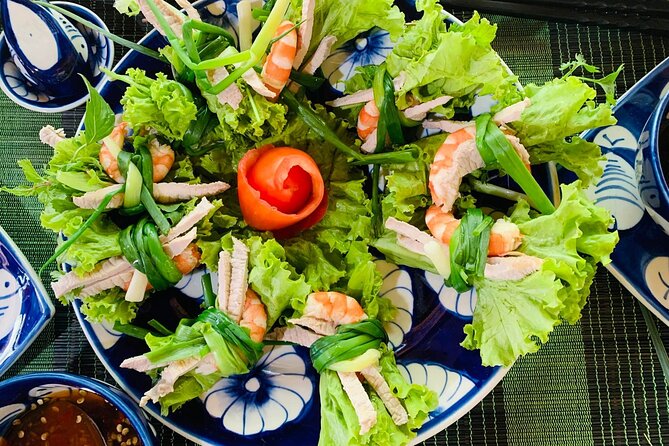
- Four dishes in about two and a half hours: You learn several Vietnamese staples and eat them at the end.
- Different menus in Da Nang: Quang noodles, chicken wings, salads, and spring rolls appear on some days, while pho, banh xeo, mango salad, and fresh spring rolls appear on others.
- A local cooking setting: The Hoi An class takes place in Cam Thanh Village, while the Da Nang option is held at a local home.
- Useful instruction: Lily, Lynn, and Quan are among the guides associated with the classes, and recipes are provided for home cooking.
- Hotel transfers included: Pickup and return are offered for hotels in central Hoi An and Da Nang.
- Good value at $22: The fee covers instruction, food, water, and transfers, though tips are extra.
What you actually do in the Hoi An class
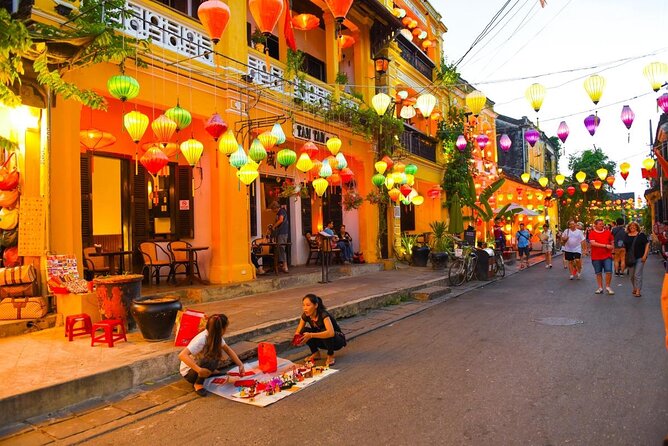
From Hoi An, the class begins with pickup at 10:15 in the morning or 4:15 in the afternoon. A driver takes you to the cooking house in Cam Thanh Village, an area outside the central streets of the old town. The return transfer leaves at about 12:30 or 6:30, making the total outing roughly two and a half hours.
The schedule is compact. You are not spending half the day touring the countryside before cooking. That is a plus if your main goal is food, and it also makes the class easier to fit around a visit to Hoi An Ancient Town.
The Hoi An menu includes four dishes:
- Beef noodle soup
- Deep-fried spring rolls
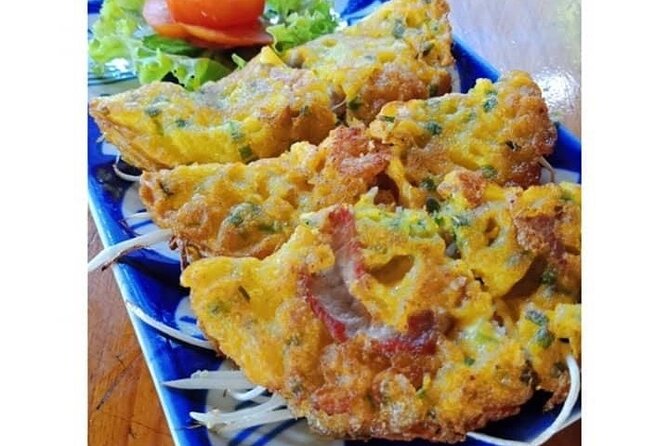
- Hoi An pancake, or banh xeo, with pork and prawns
- Green papaya salad
This is a good introduction to the range of Vietnamese food. Pho gives you a warm noodle soup, banh xeo shows you how rice batter becomes a crisp pancake, spring rolls teach a basic filling and frying method, and papaya salad adds a fresh, sharp counterpoint.
The class is hands-on. You are shown the ingredients and preparation steps, then take part in the work. The exact amount of chopping or cooking you do may depend on the group and the pace, but the format is designed around making the dishes rather than simply watching a demonstration.
After cooking, you eat the food at the venue. Bring a healthy appetite. Four dishes can produce a large meal, and the class is not a tasting menu with tiny portions. One useful detail is that recipes are supplied at the end, so you can try the dishes again instead of relying on memory.
More Cooking Classes in Hoi An:
- Cooking Class Hoi An:Local Market, Basket Boat, Fishing & Cooking
★ 5.0 · 3,660 reviews - Hoi An Cooking Class(Market,BasketBoat Crabfishing&Cooking Class)
★ 5.0 · 3,386 reviews - From Hoi An: Market Tour, Basket Boat Ride and Cooking Class
★ 4.8 · 2,208 reviews
The Cam Thanh setting adds a local touch
The Hoi An class is held in Cam Thanh Village rather than in the middle of the old town. That change of scene is modest but worthwhile. You get out of the tourist center and spend time in a local cooking house, where the food lesson feels connected to everyday home meals.
The setting is described as clean and pleasant, with a cooking area and hand-washing facilities. Some of the activity may take place outdoors. At certain times of year, mosquitoes can be an issue, so insect repellent is a sensible thing to carry.
Do not expect a polished restaurant kitchen or a formal culinary school. The appeal is the friendly, home-style setting and direct contact with the people teaching you. Guides such as Lily and Quan have been praised for clear explanations, humor, and patience. One instructor even helped a participant learn to use chopsticks, which gives you an idea of the relaxed tone.
There is one small caution. A class can feel different depending on the instructor and group size. One negative account described a teacher as unfriendly, while other experiences with the named instructors were warm and encouraging. I would not treat one poor interaction as the norm, but it is fair to remember that a hands-on class depends on the person leading it.
Da Nang offers two rotating menus
Pickup from central Da Nang is scheduled for 9:15 in the morning or 3:15 in the afternoon. The cooking class begins at a local home, and the activity ends around noon or 6:00 in the evening. You then make your own way back to the hotel, unlike the Hoi An description, which specifically includes a return van.
The Da Nang menu changes according to the day of the week. On Monday, Wednesday, Friday, and Sunday, you prepare:
- Quang noodles
- Fish sauce chicken wings
- Green papaya salad with shrimp
- Deep-fried spring rolls
On Tuesday, Thursday, and Saturday, the menu becomes:
- Beef noodle soup, or pho
- Crispy Vietnamese pancakes, or banh xeo
- Green mango salad with shrimp
- Fresh spring rolls
This schedule matters. If you have your heart set on pho or banh xeo, check the day before booking. If you prefer Quang noodles, the other menu may be the better choice. The rotating format also gives repeat visitors a reason to choose a different day.
The Da Nang class is a good fit if you want to learn regional dishes beyond pho. Quang noodles are associated with central Vietnam, and the combination of chicken wings, salad, and spring rolls gives you several different techniques in one sitting. The alternative menu is more familiar to many first-time visitors, with pho and banh xeo leading the way.
The four dishes teach different kitchen skills
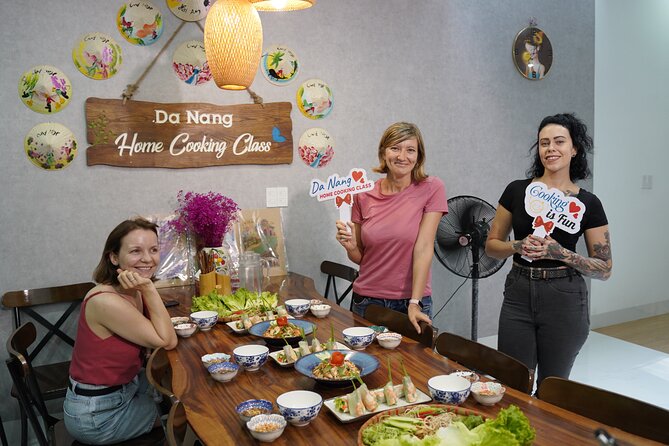
The value of this class comes from variety. You are not spending two hours preparing four versions of the same dish. Each recipe introduces a different texture, cooking method, or balance of flavors.
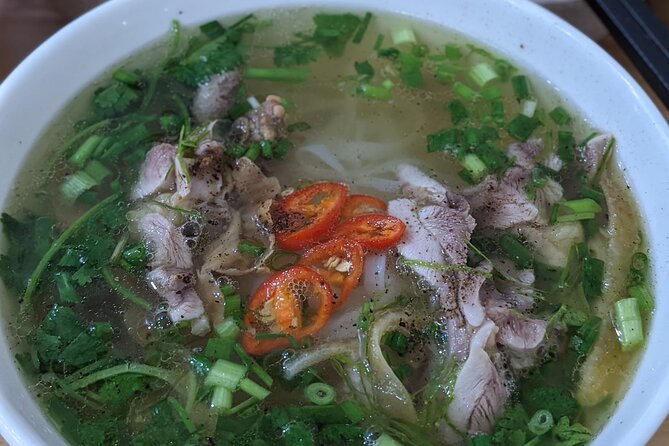
Pho or beef noodle soup teaches you about a broth-based meal built around noodles and seasoning. It is one of Vietnam’s best-known dishes, but preparing it yourself gives you a better sense of the parts that make it work.
Banh xeo is a particularly good class dish because it is visual and practical. You work with a rice-based batter and learn how it becomes crisp around fillings such as pork and prawns. The pancake also gives you a lesson in timing, since a soggy result is not what you want.
Spring rolls appear in several versions. The Hoi An menu features deep-fried rolls, while the Da Nang menu on some days includes fresh spring rolls. This lets you compare a crisp fried wrapper with a lighter preparation. If you are looking for healthier recipes, note that the Hoi An menu includes two fried elements, and one Da Nang menu includes fried chicken wings and spring rolls.
Papaya or mango salad keeps the meal from becoming too heavy. Green papaya salad appears in Hoi An and on one Da Nang menu, while green mango salad appears on the other. Shrimp is included in the Da Nang salads, while the Hoi An version is described simply as papaya salad.
Vegetarian options are available, but you should arrange that in advance rather than assume every dish will be changed automatically. The listed menus include meat or seafood, so tell the operator about your needs before the class.
Same region, a different dish to learn:
- Hoi An: Basket Boat with Lantern-Making & Cooking Class Tour
★ 4.9 · 1,444 reviews - Hoi An Cooking Class(Local market,Basket Boat,Fishing & Cooking)
★ 5.0 · 1,323 reviews - Hoi An: Basket Boat Ride, Cooking Class by Hangcoconut
★ 4.9 · 802 reviews - Hoi An Eco Tour Cooking Class & Fishing (Local market,basket boat,learn cooking)
★ 5.0 · 567 reviews
The meal is part of the lesson
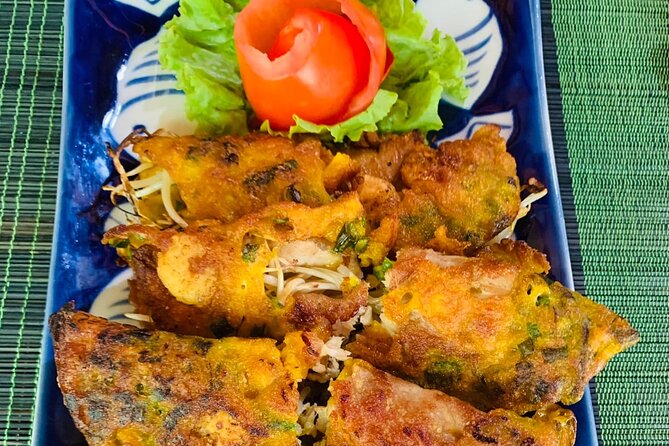
At the end, you sit down and eat the dishes you prepared. This is more than a reward. It lets you judge how the techniques worked and see how the dishes fit together as a Vietnamese meal.
The portions are generous. People with small appetites may find the food excessive, while anyone who likes to sample several dishes will appreciate the spread. Plan the class as a meal, not as a quick activity followed by lunch elsewhere.
The food is also practical for home cooking. Ingredients are presented as items that can be found outside Vietnam, and the recipes are handed out afterward. That makes this a better choice than a class that leaves you with a pleasant memory but no way to repeat the meal.
You should still keep expectations sensible. A recipe sheet cannot reproduce every local ingredient or the exact heat of the cooking area. It does, however, give you a useful starting point for pho, spring rolls, pancakes, and salads when you return home.
The guides shape the mood
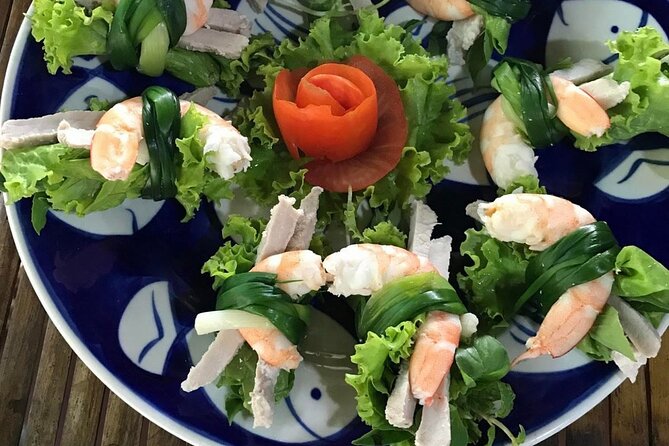
The instructors named in the experiences include Lily, Lynn, and Quan. Lily is described as fluent in English, patient, funny, and clear about substitutions. Lynn is noted for making people feel at home and involving everyone in the cooking. Quan is described as friendly and good at explaining the methods behind the dishes.
That matters because cooking classes can become confusing when instructions are rushed. Here, the strongest pattern is a well-paced lesson with the ingredients prepared in advance and enough guidance to let each person take part.
The class can work well for families. A nine-year-old participant enjoyed the activity, and another family praised the warm welcome from the hosts. Children may not handle every cooking step on their own, but the variety of tasks helps keep the session active.
Couples and solo visitors can also fit in comfortably. The maximum group size is 20, though the actual group may be smaller. One account described a session with only two participants, which can make the lesson feel more personal, but a very small group may also affect the instructor’s mood or the energy in the room.
Is $22 a good value?
At $22 per person, this is a strong food value in Hoi An or Da Nang. The price includes the cooking class, four dishes, the meal you prepare, a bottle of water, an English-speaking guide, and pickup and drop-off for central Hoi An hotels. Da Nang includes pickup from hotels in the city center, but the return arrangement is described as making your own way back.
The transfers matter. You avoid arranging a taxi to a village or local home, and the class can be added to a morning or afternoon without taking up a full day. The price is especially attractive for families, since everyone receives both an activity and a substantial meal.
Tips are not included. You do not have to tip, but it is wise to carry some cash if the instruction and hospitality are good.
The main value question is not the food alone. You are paying for a guided cultural activity, practice with local recipes, and the chance to ask questions while cooking. If you only want to eat Vietnamese food, a restaurant will be simpler. If you want to understand how the dishes are made, this class gives you more for the money.
Timing, pickup, and small practical points
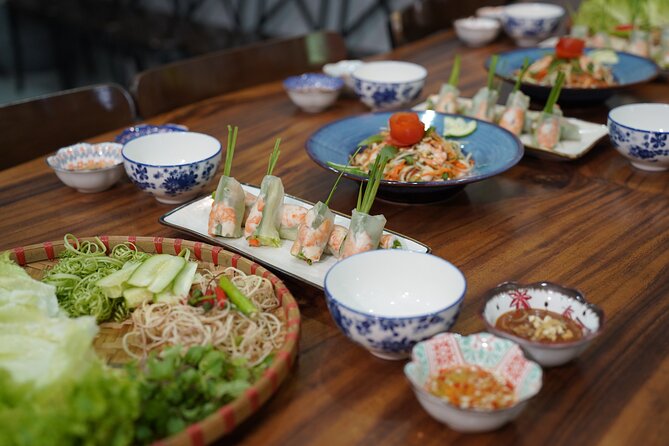
Choose the morning if you want the class to serve as lunch. Choose the afternoon if you prefer to cook toward dinner. The Hoi An pickup times are 10:15 and 4:15, while Da Nang pickup is at 9:15 and 3:15.
Pickup is offered from central hotel areas. The information does not promise collection from every hotel outside those zones, so confirm your location when booking. The Hoi An return transfer is included in the stated schedule, while the Da Nang activity ends with you making your own way back.
The class requires good weather and a minimum number of participants. If poor weather cancels the activity, you can choose another date or receive a full refund. If the minimum is not reached, you are offered another date or experience, or a full refund.
Cancellation is free up to 24 hours before the start time. Inside that window, the payment is not refunded, and changes are not accepted. The experience accepts mobile tickets and confirmation is provided at booking.
Who should book this cooking class?
I would choose this for you if you want a focused food activity, especially if you like learning by doing. It suits families, couples, and first-time visitors who want more than a restaurant meal but do not want an all-day tour.
It is also a good match if you plan to cook Vietnamese food at home. The recipe sheets, simple explanations, and familiar ingredients give you a fair chance of repeating the dishes.
I would hesitate if you dislike group activities, have strict dietary needs that have not been arranged ahead of time, or want a quiet class with no fried food. The menus are generous and meat or seafood-based, with vegetarian adjustments available by request.
Should you book it?
Yes, if you want a reasonably priced, hands-on introduction to Vietnamese cooking with hotel pickup and a real meal at the end. The Hoi An version is especially easy to fit into a visit because it includes the return transfer and stays focused on cooking.
Before you book from Da Nang, check the day’s menu. Choose the class based on the dishes you want most, not just the departure time. If you are visiting Hoi An, pack insect repellent for an outdoor session, arrive hungry, and leave room in your schedule for the large meal you will make.
FAQ
How long does the cooking class last?
The activity lasts approximately two hours and 30 minutes, including the cooking session, meal, and transfers described for the Hoi An option.
Where does the Hoi An class take place?
The Hoi An class takes place at a cooking house in Cam Thanh Village.
Where does the Da Nang class take place?
The Da Nang class takes place at a local home.
What dishes are prepared in Hoi An?
The Hoi An menu includes beef noodle soup, deep-fried spring rolls, Hoi An pancake with pork and prawns, and papaya salad.
What dishes are prepared in Da Nang?
The Da Nang menu changes by day. One menu includes Quang noodles, fish sauce chicken wings, green papaya salad with shrimp, and deep-fried spring rolls. The other includes pho, banh xeo, green mango salad with shrimp, and fresh spring rolls.
Does the tour include hotel pickup?
Yes. Pickup is offered from hotels in central Hoi An and central Da Nang. The Hoi An option also includes hotel drop-off in the stated schedule.
Is the return transfer included from Da Nang?
The Da Nang schedule states that the activity ends at noon or 6:00 PM and that you make your own way back to your hotel.
Are vegetarian options available?
Yes, vegetarian options are available. Arrange this before the class because the standard menus include meat or seafood.
Are recipes provided?
Yes. Recipes and cooking techniques are provided for you to take home after the class.
Can I cancel for a full refund?
Yes, if you cancel at least 24 hours before the experience start time. Cancellations within 24 hours are not refunded.
Newest classes around Hoi An
- Rural Cycle, Market Tour, Basket Boat & Organic Farm Cooking★ 5.0 · 64 reviews
- Private cooking class tour with Master Chef★ 5.0 · 5 reviews
- Market Tour – Cooking Class – Coconut Boat Riding★ 4.4 · 43 reviews
- Mad Monkey Hoi An Cooking Class & Bamboo Boats★ 4.5 · 6 reviews
- Hoi An : Lantern Making & Cooking Class With Local Family★ 5.0 · 3 reviews
- Hoi An :Lantern Making – Cooking Class -Coconut Basket Boat★ 4.9 · 17 reviews
- Hoian/Da Nang: Fishing, basket riding and cooking class★ 3.3 · 5 reviews
- Hoi An Villages Biking – Basket Boat- Cooking Class★ 5.0 · 2 reviews
Hoi An Cooking Classes, compared.
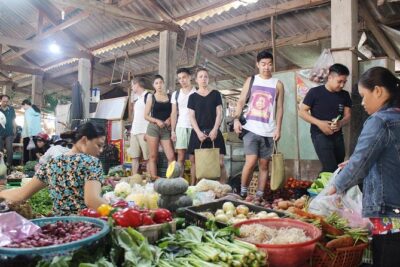
Cooking Class Hoi An:Local Market, Basket Boat, Fishing & Cooking
Read our review →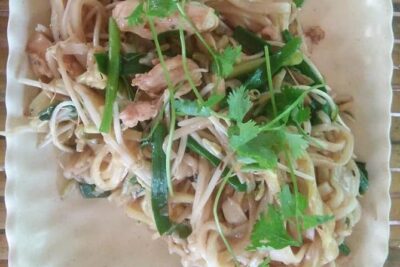
Hoi An Cooking Class(Market,BasketBoat Crabfishing&Cooking Class)
Read our review →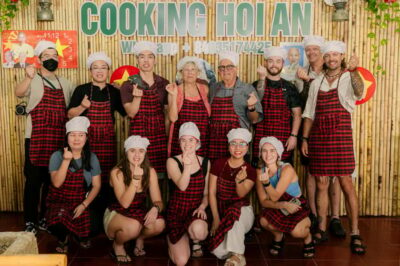
Market Tour, Basket Boat Ride and Cooking Class
Read our review →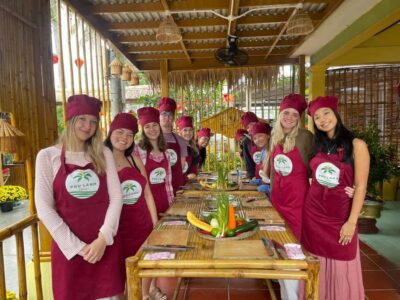
Basket Boat with Lantern-Making & Cooking Class Tour
Read our review →
Hoi An Cooking Class(Local market,Basket Boat,Fishing & Cooking)
Read our review →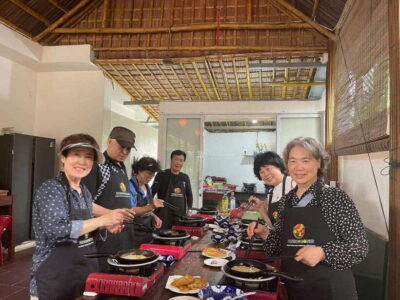
Hoi An Eco Tour Cooking Class & Fishing (Local market,basket boat,learn cooking)
Read our review →
Browse the lists this tour appears in