Review · COOKING CLASSES
Cebu Traditional Bamboo Cooking Class
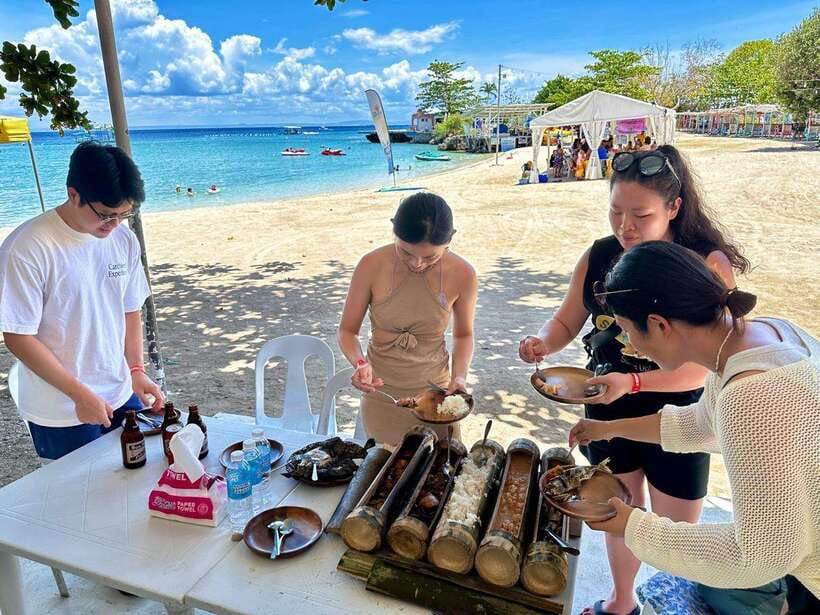
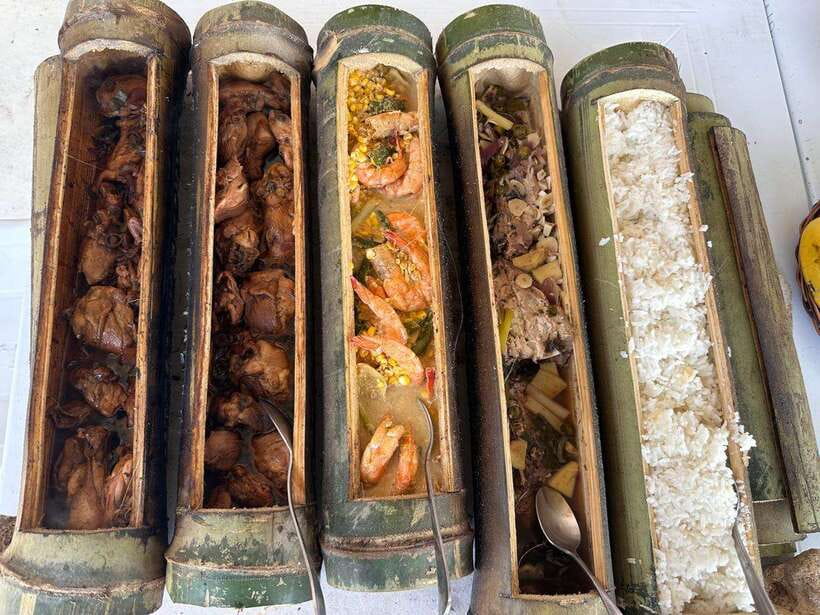
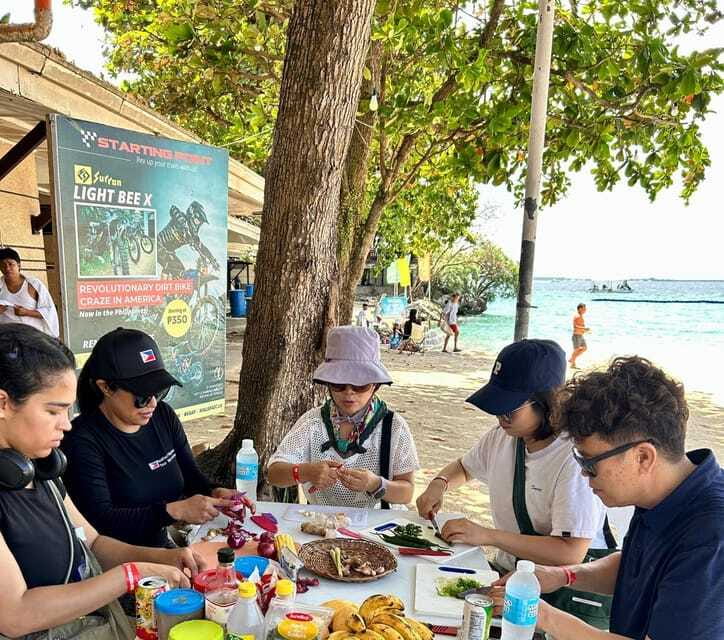
Cebu’s most unusual cooking class puts your lunch in bamboo tubes over charcoal, with the sea just beyond the cooking area. At Hadsan Cove Resort in Marigondon, Lapu-Lapu City, you prepare three Filipino dishes using chicken, shrimp, and fish, then sit down to eat what you made.
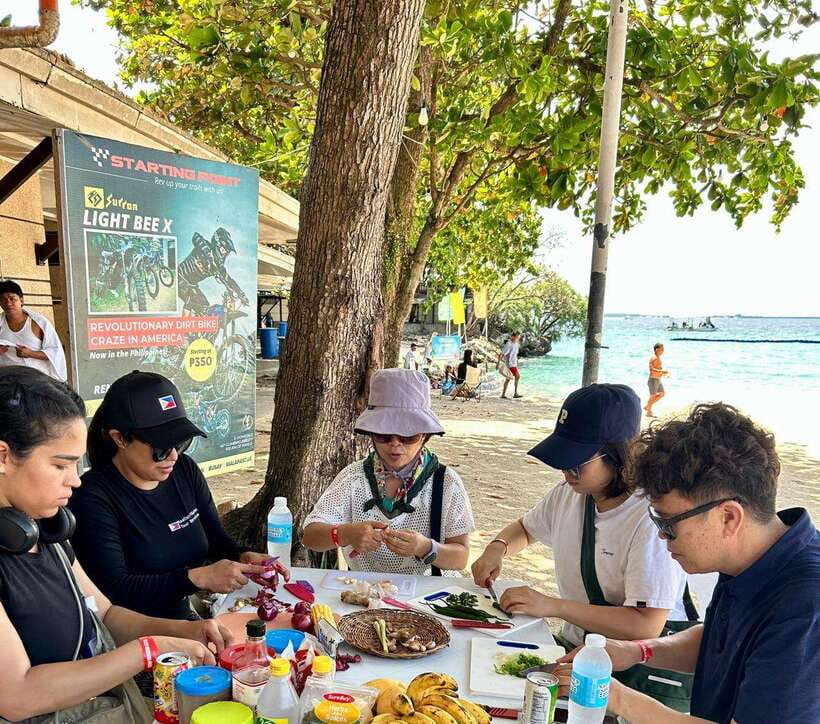
I like the hands-on range: you work with herbs and spices, make native garden salad and hanging rice, and help prepare a local fruit dessert. I also like the relaxed setting, since you can swim while the charcoal does its slow work. Your class may be led by the owner, a detail that adds a personal touch and supports a woman-run local business.
The main thing to watch is the timing. The activity is sold as three hours, but the cooking description allows up to four hours, so do not schedule a tight airport transfer or another tour afterward. The $112 price is also high for a meal, though it makes more sense if you value instruction, the beach setting, photos, and recipes.
Key points to know before booking
- Bamboo cooking over charcoal: Your main dishes are cooked in a traditional outdoor style rather than on a modern kitchen stove.
- Three Filipino proteins: The menu includes chicken, shrimp, and fish, along with salad, hanging rice, and dessert.
- Beach time while food cooks: Bring swimwear because you may take a dip at Hadsan Cove during the cooking wait.
- Owner-led personal feel: The class may be taught by the company owner, and the experience includes time for conversation and Filipino cooking history.
- Recipes and photos afterward: You receive an email with pictures from the session and recipes for cooking the dishes at home.
- Plan ahead for bamboo: A booking needs at least one week of notice so the bamboo can be ordered.
From Hadsan Cove to the cooking fire
The meeting point is Hadsan Cove Resort in Marigondon, Lapu-Lapu City. When you arrive, tell the guards you are heading to the bamboo cooking class. The activity ends back at the same meeting point, which keeps the day simple if you are already staying or spending time in the area.
The setting does a lot of the work here. This is not a classroom tucked inside a hotel. You cook in front of the beach, with the charcoal fire and shoreline sharing the scene. You should still think of it as a working cooking session, not a beach day with a food demonstration attached. The food preparation comes first, and swimming fits into the waiting periods.
The class is conducted in English. Since the experience includes conversation and a short introduction to Filipino cooking history, the language matters. You are not only shown what to do. You also get context for the ingredients and methods before the hands-on work begins.
More Cooking Classes in the world:
- Half-Day Thai Cooking Class at Organic Farm in Chiang Mai
★ 5.0 · 19,087 reviews - Florence: Pasta Cooking Class with Unlimited Wine
★ 4.9 · 10,285 reviews - 3 in 1 Cooking Class near Navona: Fettuccine, Ravioli & Tiramisu
★ 5.0 · 7,376 reviews
The opening lesson on Filipino cooking
Before the chopping and seasoning start, you receive a brief introduction to Filipino cooking history. The description is short, so you should not expect a long cultural lecture. Its value is that it gives the food a frame before you begin working with it.
That opening can help you understand why the class uses several familiar Filipino elements at once: seafood, chicken, herbs, spices, rice, garden vegetables, and local fruit. The meal is not built around one famous dish. Instead, it gives you a small look at how different parts of a Filipino meal fit together.
The personal style may vary with the host. One session was taught by the owner, which suggests that you may spend time talking directly with the person who runs the company. That can make the class feel less like a standard food activity and more like an exchange around a family kitchen, although the exact instructor is not guaranteed.
Preparing chicken, shrimp, and fish dishes
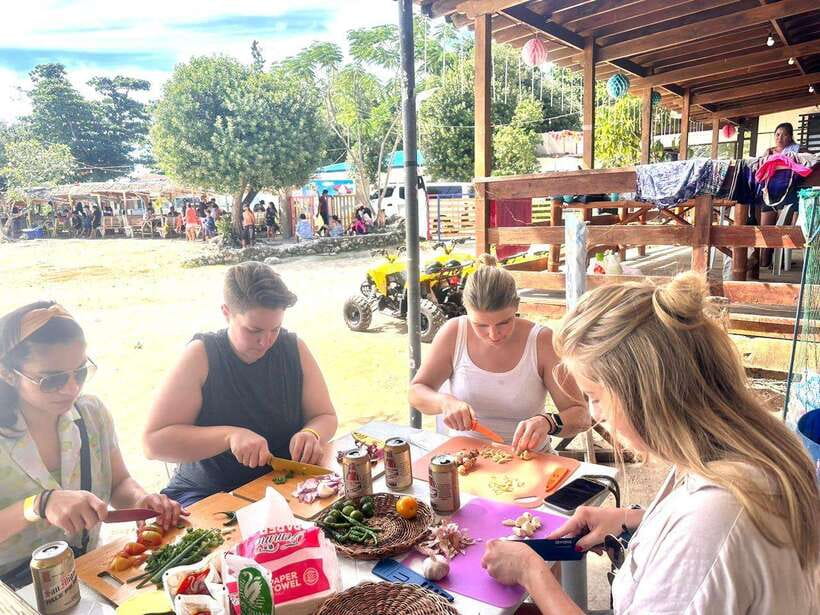
The central part of the class is the preparation of three traditional Filipino dishes. One features chicken, one shrimp, and one fish. The exact dish names are not provided, so you should not book this expecting a fixed menu of familiar names such as adobo or sinigang.
That lack of a detailed menu is worth noting. If you have allergies, strong dislikes, or a very specific dish in mind, ask before booking. The confirmed menu includes all three proteins, and the experience is designed around preparing the listed dishes rather than choosing from a restaurant-style menu.
You will prepare the herbs, spices, and other components used in the meal. This is where the class earns its place as a cooking activity rather than a simple lunch. You get to see how seasoning is put together and how the ingredients change as they cook over charcoal.
The food is free of MSG. That is useful if you prefer to avoid added monosodium glutamate, though you should still explain any allergies or dietary restrictions before the session. Additional vegetarian dishes can be requested, but they are not presented as part of the standard menu. Ask early so the host has time to plan.
Bamboo, charcoal, and the patient part of lunch
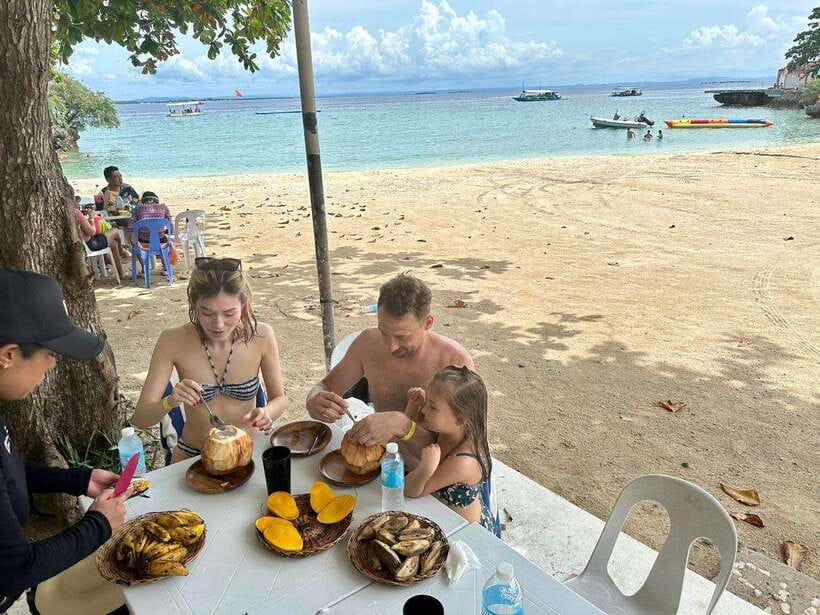
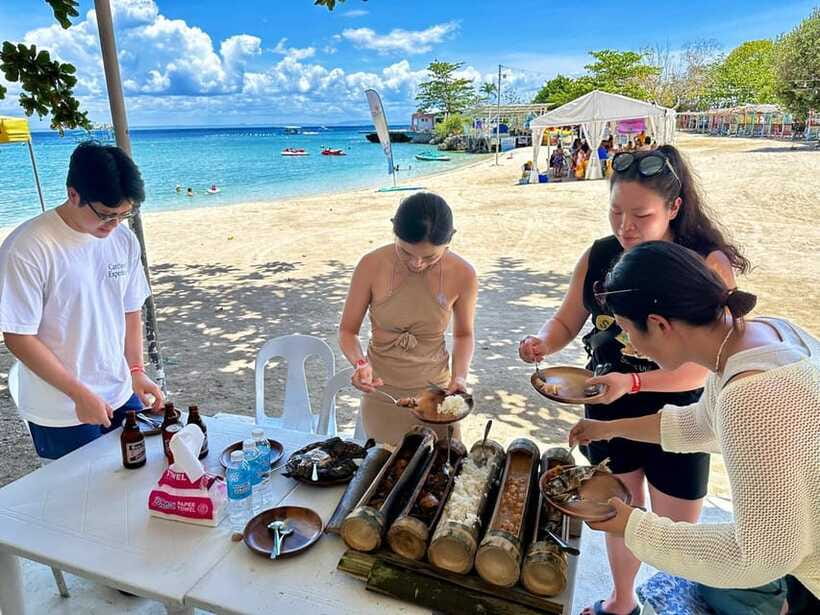
Bamboo is the defining tool here. The class requires advance notice of at least one week so the necessary bamboo can be ordered. This is not a minor booking footnote. It tells you that the cooking method depends on physical preparation and supplies that cannot always be arranged at the last minute.
Your food cooks over charcoal, which gives the session a slower rhythm than a regular kitchen class. You prepare the ingredients, set the food to cook, and then wait. That waiting time is not wasted, but it does change the pace. If you prefer a fast demonstration followed by immediate eating, this may feel leisurely.
The beach makes that pause useful. You can take a refreshing swim while the food cooks, so bring beachwear and a change of clothes. The experience specifically allows swimming at the beach in front of the cooking area. It does not promise snorkeling, guided water activities, or any special equipment, so treat the snorkeling gear suggestion as optional rather than part of the program.
The tour runs rain or shine. That matters because the cooking area and beach setting are part of the plan, but the weather may affect how pleasant the waiting period feels. Bring sun protection for clear weather and be ready for a less comfortable outdoor session if rain arrives.
Same region, a different dish to learn:
- Florence: Pasta & Tiramisu Cooking Class with Unlimited Wine
★ 4.9 · 6,708 reviews - Florence: Pasta Cooking Class with Unlimited Wine
★ 5.0 · 6,413 reviews - Hanoi Cooking Class: Culture, Local Market & Meaning CSR Impact
★ 5.0 · 5,147 reviews - 5 Traditional Dishes Hanoi Cooking Class with Market Trip
★ 5.0 · 4,890 reviews
Garden salad, hanging rice, and local dessert
The class includes more than the three main proteins. You also prepare a native Filipino garden salad and hanging rice. Hanging rice is a distinctive presentation and serving method, and it adds a clear local touch to the meal.
The exact salad ingredients are not listed, so expect a seasonal or locally available combination rather than a fixed recipe you can preview in advance. The same applies to dessert. A Filipino dessert made with local seasonal fruit is prepared while the savory food cooks.
Seasonality is part of the appeal. You get a dessert tied to what is available locally instead of a standard packaged sweet. The tradeoff is that you may not know the precise fruit or preparation until the day itself. If you have food allergies, ask about the dessert as well as the main dishes.
Once everything is cooked, you eat the food you prepared. That final meal gives the class a clear payoff. You are not watching someone else cook a tasting menu. You take part in the work, then sit down to judge the results yourself.
What the $112 price really covers
At $112 per person, this is not the budget way to find lunch in Cebu. You can eat Filipino food for much less. The price needs to be judged as a package that combines instruction, ingredients, charcoal cooking, a beach setting, a prepared meal, and follow-up materials.
You also receive pictures taken during the session and recipes by email afterward. That adds lasting value if you want to recreate the meal at home. A restaurant meal disappears when you leave. A recipe and a set of cooking pictures give you something practical to keep.
The price makes the most sense for someone who wants a private-feeling cultural activity and enjoys taking part in the preparation. It is less convincing for someone who simply wants to eat seafood by the water. You are paying for the process, including the slower cooking time and conversation, not just the food on the plate.
The class received two five-star ratings, with particular praise for the owner-led approach, the chance to support a woman entrepreneur, the food, the conversation, and the beautiful setting. I would give those points real weight. A cooking class can be technically correct but socially flat. Here, the human exchange appears to be a key part of the experience.
At the same time, two ratings are not enough to establish every detail of how each session runs. Group size, the exact dishes, and the precise start time are not supplied. Ask those questions before paying if they affect your decision.
Who will enjoy this Cebu cooking class
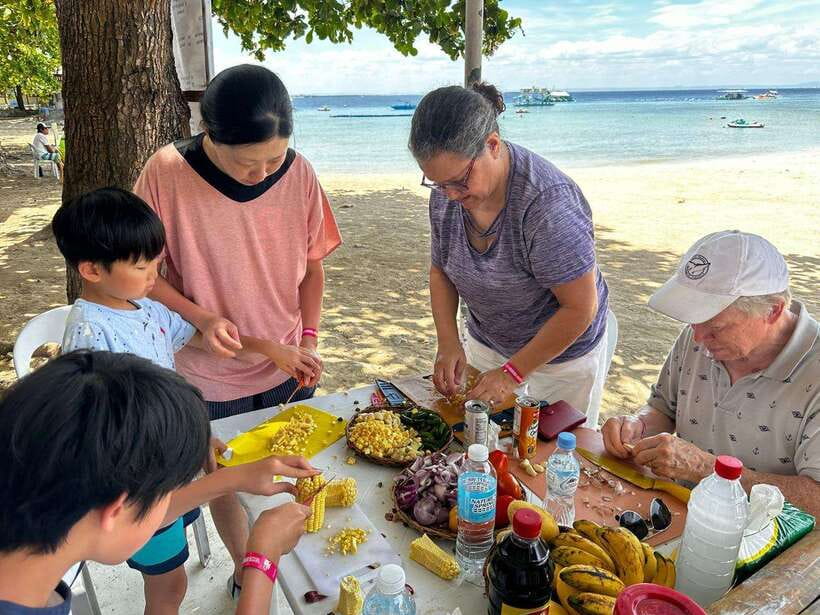
I would recommend this for you if you like food activities that involve work, conversation, and a sense of place. It suits couples, families, and small groups who want something more active than a restaurant meal. It can also work well for anyone interested in Filipino food but unsure how to begin cooking it at home.
The beach setting makes it a good fit for people who like to combine activities. You can cook, eat, and swim without arranging separate stops. Just remember that the cooking class remains the main event. The swim is a useful part of the waiting period, not a full water excursion.
It is also a good match for people who value a personal business. The class may be taught by the owner, and the experience has been praised for its support of women entrepreneurs. If meeting local hosts and having a real conversation matters to you, that is an important reason to consider it.
I would be more cautious if you need a precise three-hour schedule. The booking information gives a duration of three hours, while the cooking outline describes the full experience as taking four hours. Plan around the longer figure. I would also ask about the menu if you do not eat one of the three standard proteins.
What to bring to Hadsan Cove
Wear comfortable clothes and shoes that can handle an outdoor cooking area. Flip-flops are useful for the beach, but comfortable shoes are also listed, so bring the pair that makes sense for the conditions.
Pack sunscreen, sunglasses, a sun hat, and beachwear. A change of clothes is important if you swim. A daypack keeps those items together without making the session cumbersome.
You may bring a camera, though the host also sends pictures afterward. Cash is listed among the recommended items, but no specific extra charge is given. Hand sanitizer or tissues are sensible for any hands-on food activity.
Weapons, sharp objects, drones, and valuables are not allowed. Leave unnecessary valuables behind, especially if you plan to swim. Snorkeling gear is listed as something to bring, but no snorkeling activity is promised.
Booking details and practical timing
The class has free cancellation up to 24 hours before the activity for a full refund. You can also reserve now and pay later, which helps if your Cebu schedule is still shifting.
Give the host at least one week of notice because bamboo must be ordered. If you want to book the cooking class alone, send a message before booking. That request is not described as a standard instant-book option.
Check the available start times before committing. Since the advertised length and the detailed cooking estimate do not match exactly, leave a generous gap before your next plan. You do not want to be watching the clock while the charcoal finishes the meal.
The activity runs rain or shine. The location is outdoors by the beach, so weather can shape the comfort of the day even when it does not cancel the class. Bring sun protection, and keep your schedule flexible enough to enjoy the slower pace.
Should you book it?
Book this class if you want to learn by doing, eat three Filipino protein dishes, and spend part of the session beside the sea. The bamboo cooking method, hanging rice, seasonal dessert, and follow-up recipes give it more substance than a standard food tasting.
I would skip it if your priority is a quick, inexpensive meal or a tightly timed itinerary. The $112 cost is a serious splurge, and the activity may take closer to four hours than three. For the right person, though, the owner-led feel, charcoal cooking, beach swim, and recipes to take home make this one of Cebu’s more distinctive food experiences.
FAQ
Where does the Cebu Traditional Bamboo Cooking Class take place?
It takes place at Hadsan Cove Resort in Marigondon, Lapu-Lapu City, in the Visayas region of the Philippines.
How long does the cooking class last?
The activity is listed as three hours, but the detailed description says the cooking experience takes place within four hours. Allow up to four hours when planning your day.
What food will I prepare?
You will prepare three traditional Filipino dishes featuring chicken, shrimp, and fish. The experience also includes native Filipino garden salad, hanging rice, and a local seasonal fruit dessert.
Is MSG used in the food?
No. The dishes are prepared without MSG.
Can I request vegetarian food?
Yes. Additional vegetarian dishes can be requested, but you should make the request before the class so it can be arranged.
Can I swim during the activity?
Yes. The class takes place in front of a beach, and you can swim while the food cooks. Bring beachwear and a change of clothes.
What language is the class taught in?
The instructor speaks English.
How much advance notice is needed to book?
At least one week of notice is required so the bamboo can be ordered. If you want to book the cooking class alone, send a message before booking.
Newest classes around the world
- Aroidee’s Farm-Fresh Thai Cooking Experience★ 5.0 · 8 reviews
- Authentic Thai Cooking Class and Farm Visit in Chiang Mai★ 5.0 · 66 reviews
- Signature Thai Cooking Course★ 5.0 · 79 reviews
- Half Day Guided Thai Cooking Class in Chiang Mai★ 5.0 · 13 reviews
- Yummy Tasty Thai Cooking School in Chiang Mai★ 5.0 · 2 reviews
- Northern Thai Cooking Class in Chiang Mai in a Countryside Home★ 5.0 · 2 reviews
- Private Half-Day Thai Cooking Class in Chiang Mai★ 5.0 · 4 reviews
- Online Thai and Akha Cooking Class★ 5.0 · 70 reviews
Cooking Classes, compared.
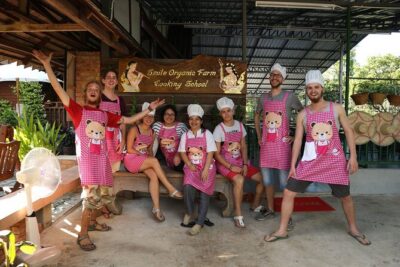
Half-Day Thai Cooking Class at Organic Farm in Chiang Mai
Read our review →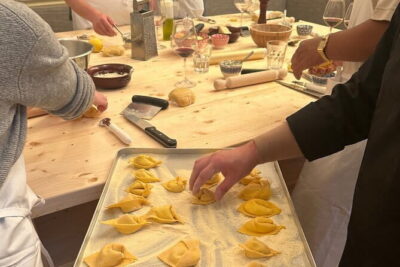

3 in 1 Cooking Class near Navona: Fettuccine, Ravioli & Tiramisu
Read our review →
Pasta & Tiramisu Cooking Class with Unlimited Wine
Read our review →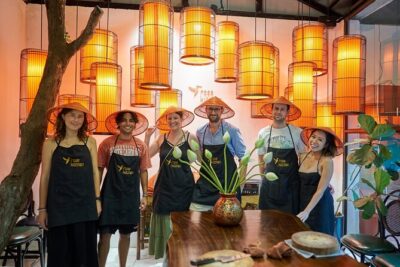
Hanoi Cooking Class: Culture, Local Market & Meaning CSR Impact
Read our review →
5 Traditional Dishes Hanoi Cooking Class with Market Trip
Read our review →