Review · ITALY COOKING CLASSES
Cagliari: Sardinian Cooking Class with Meal and Drinks
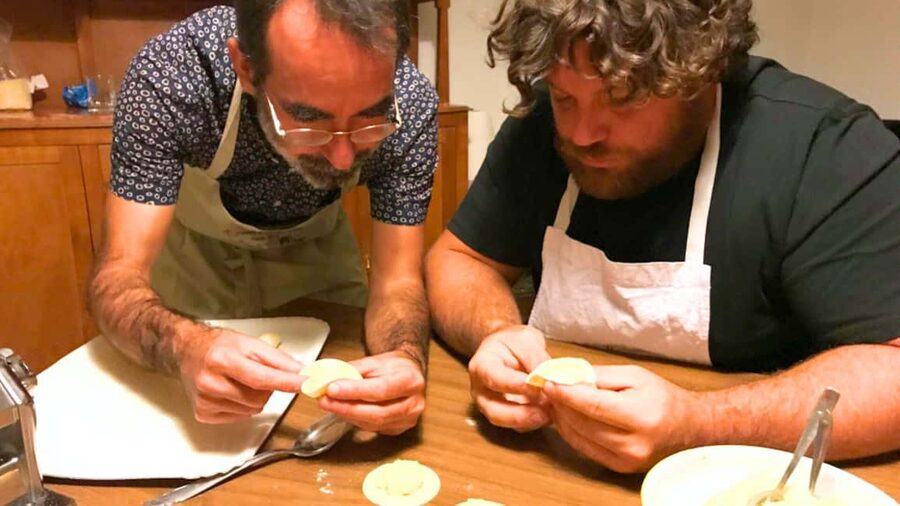
The best part of this Cagliari cooking class is learning the little ear-shaped fold that closes a proper culurgiones. Damiano learned the recipe from his grandmother, who makes it with family on Sundays and holidays. Here, you are not just watching a chef work. You are handling the dough, tasting the filling, and trying a Sardinian technique tied to the town of Jerzu in Ogliastra.
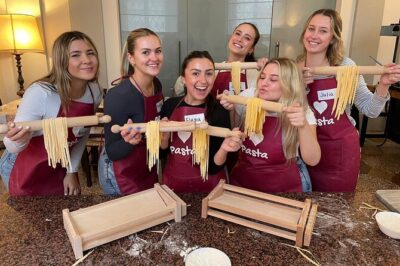
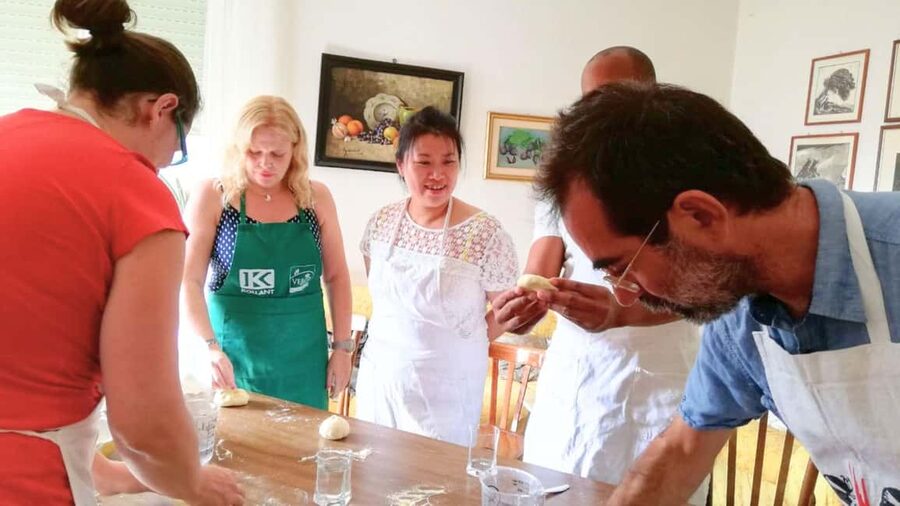
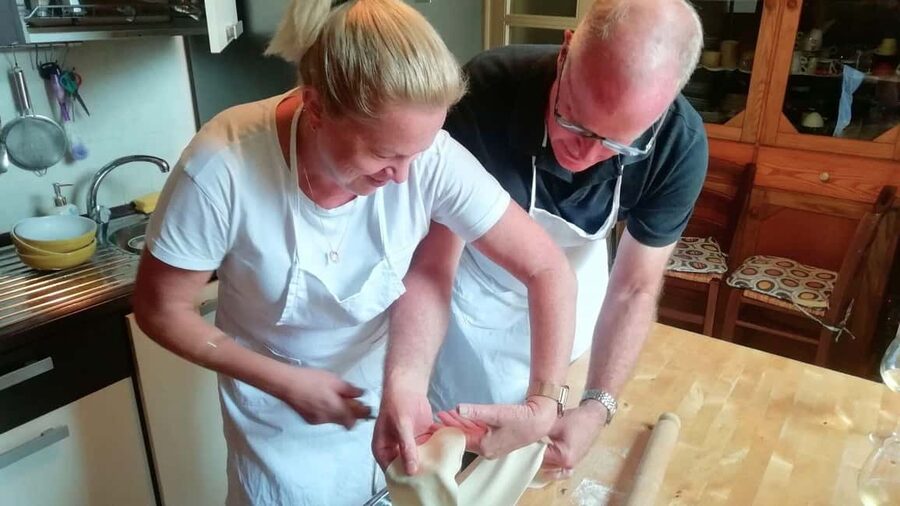
I like the small group of eight because pasta making needs hands-on help. Damiano and his sister Barbara can watch your technique, fix a stubborn fold, and explain both the traditional and simpler ways to seal the pasta. I also like that the class ends with a real meal: local cheeses and cold cuts first, then your culurgiones with two toppings, wine, dessert, and a digestif.
The main consideration is that this is a home-style food workshop, not a polished restaurant kitchen or a sightseeing tour. You must wash your hands, wear an apron, and use gloves if needed, and anyone with an intolerance or vegetarian requirement should contact the hosts in advance. Children under seven cannot take part.
Key points to know before booking
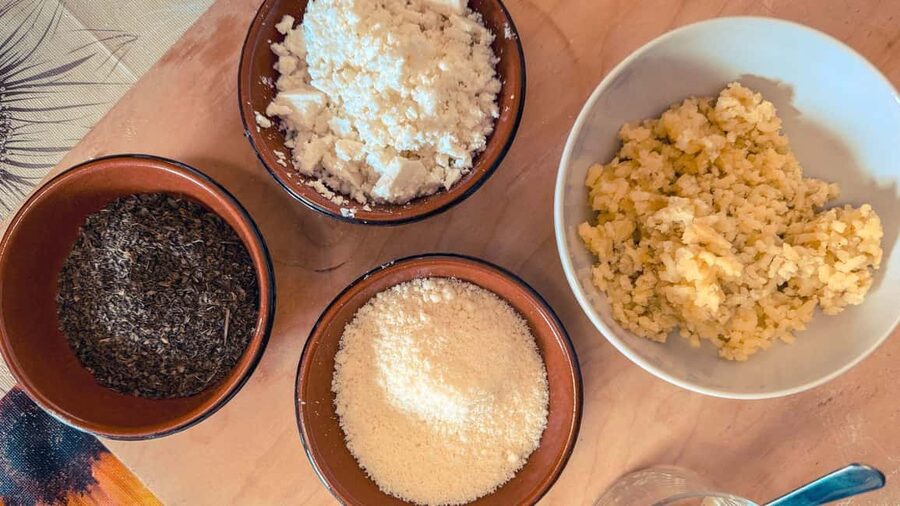
- You make culurgiones by hand: Prepare the pasta, mix the filling, and learn the traditional a spighedda closure.
- Damiano learned the recipe from his grandmother: The class uses the Jerzu style from Sardinia’s Ogliastra province.
- The meal is generous for a three-hour class: Expect an aperitif, two pasta preparations, wine, water, dessert, and a digestif.
- The group is limited to eight people: This gives you a better chance to get help with the fiddly pasta folds.
- Damiano and Barbara lead the class: Qualified staff may step in if a last-minute problem prevents the hosts from attending.
- Food needs must be shared ahead of time: Gluten-free and other dietary needs may be accommodated, but you must notify the hosts using the booking contact.
Why culurgiones make a good Sardinian cooking lesson
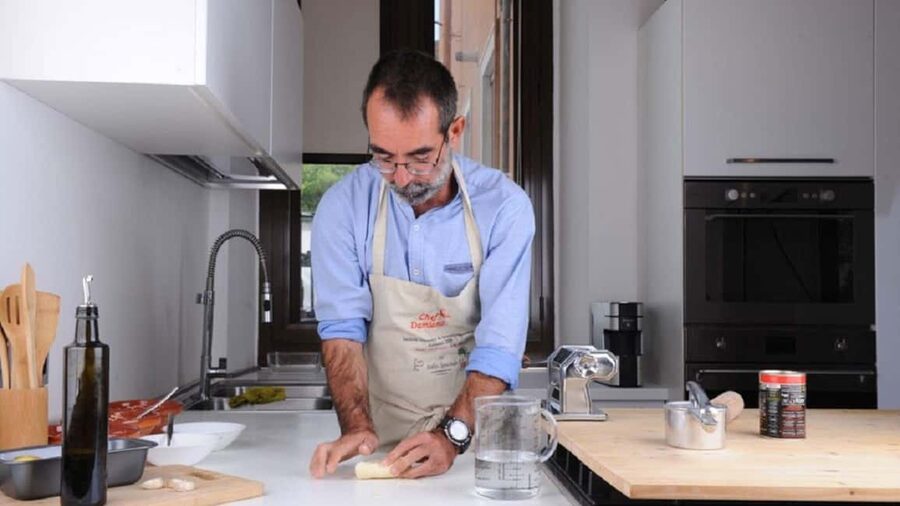
Sardinia has many kinds of pasta, but culurgiones gives you something to do with your hands. These stuffed parcels are usually recognized by their braided or ear-like edge, called a spighedda. The shape is pretty, but it also teaches patience and finger control.
That makes the dish a good fit for a cooking class. You can see the dough change as it is rolled and shaped, taste the ingredients before they go into the pasta, and learn why a filling that is too wet or a seal that is too loose can cause trouble in the pot.
The recipe taught here comes from Jerzu, a town in the Ogliastra area of southeastern Sardinia. Sardinian recipes vary from one town to the next, so this is not presented as the single correct version of culurgiones. It is one family recipe, passed from Damiano’s grandmother to him and now shared in his kitchen.
I appreciate that distinction. A cooking class is more useful when it shows you a real local version instead of treating regional food as one fixed formula. You leave with a technique and a story, not just a plate of pasta.
More Cooking Classes in Italy:
- Florence: Pasta Cooking Class with Unlimited Wine
★ 4.9 · 10,285 reviews - 3 in 1 Cooking Class near Navona: Fettuccine, Ravioli & Tiramisu
★ 5.0 · 7,376 reviews - Florence: Pasta & Tiramisu Cooking Class with Unlimited Wine
★ 4.9 · 6,708 reviews
Meeting Damiano and Barbara in Cagliari
The meeting point is in front of Zuzy Café. From there, the class takes place in a home-style setting hosted by Damiano and his sister Barbara. The available information does not specify the walking distance from the meeting point or the exact address, so check your booking details carefully before setting out.
Damiano’s teaching style seems suited to beginners. He explains common mistakes, demonstrates the pasta work, and shows both a traditional sealing method and a simpler alternative. That matters because the classic edge can be difficult on your first attempt. You should expect a few misshapen pieces. That is part of the lesson, not a failure.
The class is offered in Italian and English. With only eight participants, you can ask questions without having to compete with a large crowd. The hosts may also have qualified replacement staff if an unexpected problem keeps them away, so the activity is designed to continue rather than be canceled at the last minute.
Preparing the dough and tasting the filling
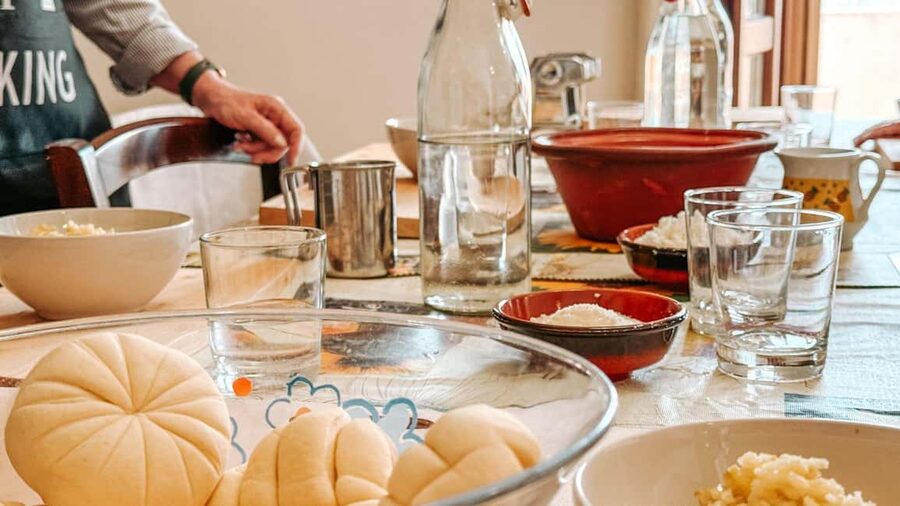
At the start, you receive a scivedda, a container used during the preparation. The dough has already been left to rest, which keeps the three-hour schedule practical. You then work with the dough and prepare the filling.
This part is more than simple assembly. You are encouraged to taste the ingredients, which helps you understand how the final pasta should be balanced before it reaches the pot. You can also see why the dough needs the right texture. Pasta that is too dry may be hard to close, while filling that is too loose can escape during cooking.
The class follows the rhythm of home cooking rather than a rapid demonstration. You are learning a dish associated with Sunday meals and holidays, so the food comes with a sense of occasion. If you prefer a quick cooking lesson where everything is finished in an hour, this may feel slow. I think the slower pace is the point here.
Learning the a spighedda fold
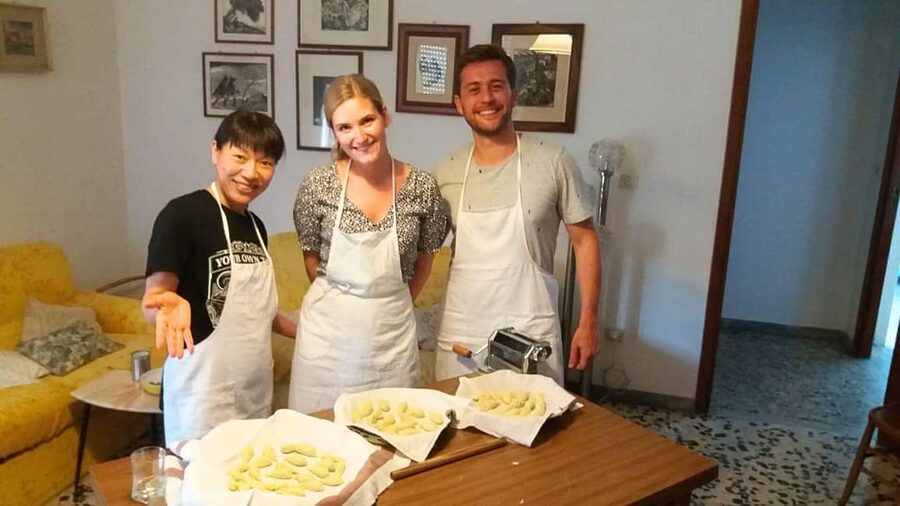
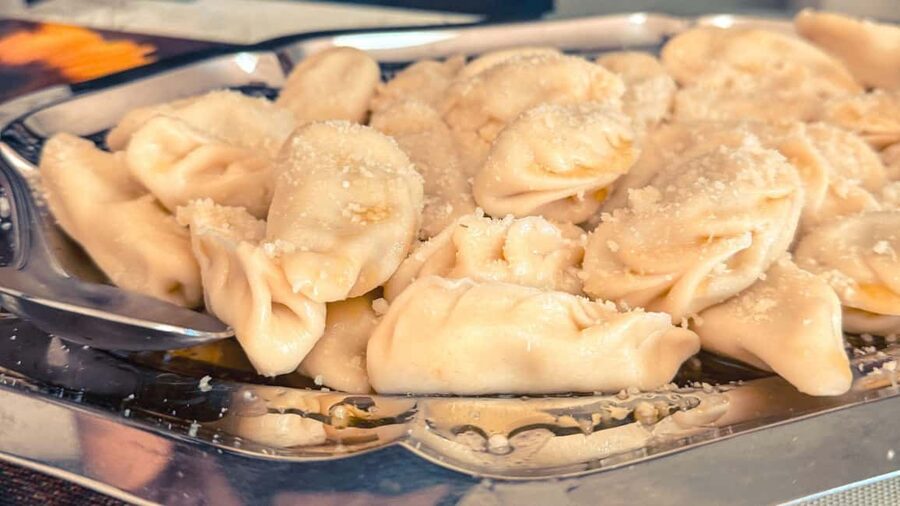
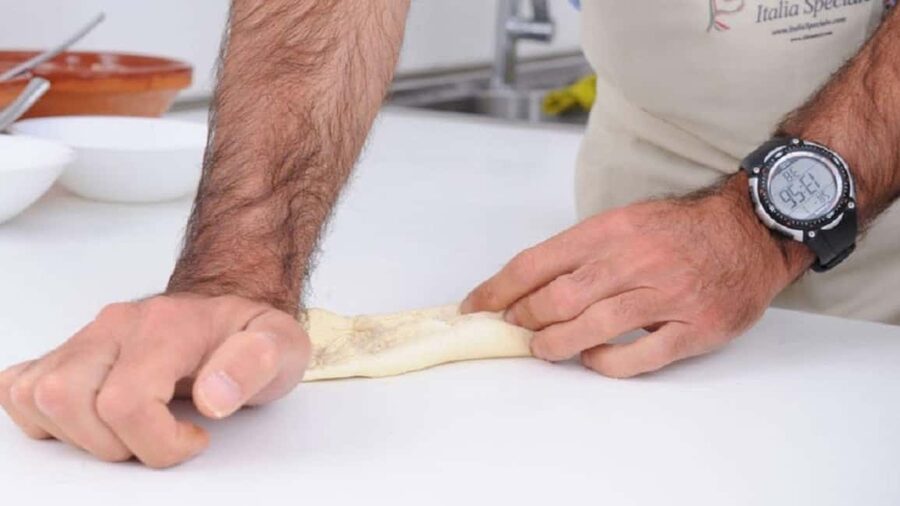
The most memorable task is closing the culurgiones. The edge is shaped to resemble an ear of wheat or a small braided seam. You pinch and fold the dough around the filling, working your way along the parcel until it is sealed.
Expect this to take practice. The hosts can show you where to press and how to keep the filling away from the edge. A good seal is important because it keeps the pasta together once it enters boiling water.
One useful feature is the choice of methods. Damiano demonstrates the traditional closure, then shows a simpler version. That gives you a realistic path for cooking at home. You can aim for the classic finish when you have time, or use the easier seal when you want dinner without a long struggle at the counter.
The shape also gives the class a shared goal. Everyone is working on the same small problem, and the results will not look identical. That makes the activity social without requiring you to be an experienced cook.
Same region, a different dish to learn:
- Florence: Pasta Cooking Class with Unlimited Wine
★ 5.0 · 6,413 reviews - Cooking Class and Lunch at a Tuscan Farmhouse with Local Market Tour from Florence
★ 5.0 · 4,831 reviews - Rome: Pasta Making Class with Wine, Limoncello, and Dessert
★ 4.9 · 3,177 reviews - Pastamania – Florence Pasta Making Class
★ 5.0 · 3,050 reviews
From the worktable to the dining table
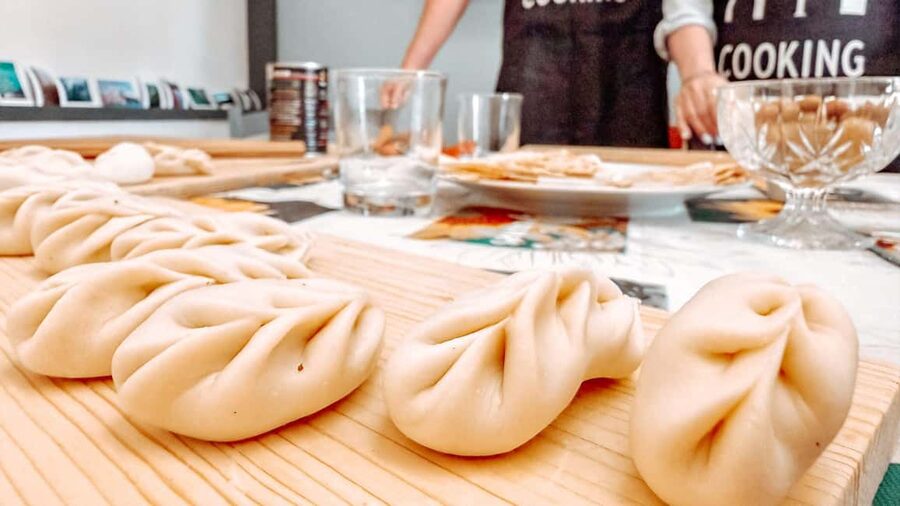
Once the culurgiones are closed, the pace shifts. You sit down for an aperitif of local cheeses and cold cuts with a glass of wine while the water comes to a boil.
This pause is practical as well as pleasant. Fresh pasta needs to be cooked at the right time, and the hosts use the interval to prepare the meal. It also gives you a chance to talk with the other people in the group instead of spending the entire class standing at the work surface.
The included meal is fuller than a small tasting. Your culurgiones are served with two toppings, along with water and wine. Dessert and a digestif are also included. The exact dessert and digestif are not specified, so do not book this expecting a particular final course.
A particularly nice touch is tasting the pasta in both traditional preparations. Damiano may also offer a creative version of the dish, giving you a comparison between the familiar Sardinian style and a more personal interpretation. That makes the meal feel like part of the teaching, not just a reward after the class.
What the three hours are really worth
The price is $105 per person. That is not a bargain if you only measure the experience as a pasta lesson. It becomes more reasonable when you count the three-hour format, the instruction, the small group, the aperitif, two pasta preparations, wine, dessert, and digestif.
You are also paying for access to a family recipe and a host who can correct your technique. In a large group, the hard part of culurgiones making would be easy to miss. Here, the limit of eight people makes personal help more likely.
I would compare it with the cost of a meal in Cagliari, then ask how much you value the practical lesson. If you want to recreate Sardinian pasta at home, the class offers more lasting value than a standard restaurant dinner. If you mainly want to eat and have little interest in making pasta, a restaurant may suit you better.
The full meal makes this a strong choice for a special occasion. One group used it for a 70th birthday celebration, and the class was suitable for people of different ages, within the minimum age rules. Couples, families with older children, and friends can all share the work without needing the same level of cooking skill.
Dietary needs, accessibility, and the practical details
Tell the hosts about food intolerances or vegetarian needs through the phone number on your booking voucher. Gluten-free needs have been accommodated in the past, but you should never rely on an adjustment being possible unless you notify the hosts before the class.
The kitchen follows standard hygiene rules for a home cooking setting. You must wash your hands and wear an apron, and gloves may be required when appropriate. Pets are not allowed.
The experience is wheelchair accessible. It lasts three hours, and starting times depend on availability. Since the class includes a meal and wine, allow enough time afterward rather than scheduling a rushed visit to another attraction.
You can cancel up to 24 hours in advance for a full refund, and the reserve-now, pay-later option keeps your plans flexible. Children under seven are not permitted, so this is not a suitable activity for families with toddlers.
Who will enjoy this class most
I would choose this class if you like food with a story behind it. The Jerzu recipe, the grandmother connection, and the focus on a family Sunday or holiday dish give the activity a clear Sardinian identity.
It also suits people who want to do something social in Cagliari without signing up for a full-day excursion. Three hours is long enough to learn a real technique and eat a proper meal, but short enough to fit into a city stay.
You do not need advanced cooking skills. Beginners can follow the demonstration, and the simpler sealing method gives you a practical fallback. Still, you should be comfortable working with dough and repeating a small task several times. The class is hands-on, not a food demonstration where you sit and watch.
I would be more cautious if you have severe dietary restrictions, dislike group activities, or expect a highly formal restaurant setting. Contact the hosts first about your food needs, and remember that the atmosphere is home cooking, with all the warmth and informal limits that implies.
Should you book the Cagliari culurgiones class?
Book it if you want to learn a real Sardinian dish, eat a substantial meal, and spend time with local hosts rather than simply ticking off a city sight. Damiano’s family recipe, Barbara’s help, the eight-person limit, and the chance to practice both the classic and easier fold give the class genuine value.
Skip it if your priority is a short tasting, a luxury kitchen, or a child-friendly activity for children under seven. For most pasta lovers, though, the combination of hands-on work, local food, wine, and a generous meal makes this one of the more useful three-hour experiences you can add to a Cagliari visit.
FAQ
Where does the cooking class meet?
The meeting point is in front of Zuzy Café in Cagliari.
How long does the experience last?
The class lasts three hours. Starting times depend on availability.
Who teaches the cooking class?
Damiano and his sister Barbara lead the class. Qualified staff may replace them if an unexpected last-minute problem prevents them from attending.
What type of pasta will I make?
You will learn to prepare culurgiones, a stuffed pasta associated with southern Sardinia. The recipe taught comes from Jerzu in the Ogliastra province.
What will I eat during the experience?
The meal includes culurgiones with two toppings, local cheeses and cold cuts, water, wine, dessert, and a digestif.
Is the class offered in English?
Yes. The experience is available in Italian and English.
Can I tell the hosts about food intolerances or vegetarian needs?
Yes. You should contact the number on your booking voucher in advance to report food intolerances or vegetarian requirements. Gluten-free needs have been accommodated before, but advance notice is required.
Is the cooking class wheelchair accessible?
Yes, the experience is listed as wheelchair accessible.
Are children allowed to attend?
Children under seven are not allowed to take part. The activity is otherwise described as suitable for older participants, including family groups.
Newest classes around Italy
- Cooking Class in a Sicilian countryhouse★ 5.0 · 5 reviews
- Cesarine: Market Tour & Home Cooking Class in Catania★ 4.0 · 6 reviews
- Cesarine: Home Cooking Class & Meal with a Local in Catania★ 4.5 · 10 reviews
- Cooking Class in Taormina with Lunch Included★ 5.0 · 2 reviews
- Cooking class in Capri for small groups★ 4.0 · 4 reviews
- Cooking Class and Wine Pairing in Capri★ 5.0 · 57 reviews
- Lezione di Cucina : Pasta Fresca★ 5.0 · 12 reviews
- Private Cooking Class Experience in Reggio Calabria★ 5.0 · 5 reviews
Italy Cooking Classes, compared.
3 in 1 Cooking Class near Navona: Fettuccine, Ravioli & Tiramisu
Read our review →
Pasta & Tiramisu Cooking Class with Unlimited Wine
Read our review →
Cooking Class and Lunch at a Tuscan Farmhouse with Local Market Tour from Florence
Read our review →
Pasta Making Class with Wine, Limoncello, and Dessert
Read our review →