
Review · ITALY COOKING CLASSES
Cagliari Home Cooking Class: Pasta, Wine & Sardinian Flavors
The best part of this Cagliari experience is that you do not just eat Sardinian pasta, you make culurgiones by hand and then sit down to enjoy what you prepared. The class takes place in a real home kitchen, with local food, wine, and conversation rather than a polished cooking-school setup.
I like the small group of up to six people, which gives you room to ask questions and get help with the tricky pasta folds. I also like the generous meal: antipasti, your handmade pasta, dessert, wine, and homemade Mirto are all included. The main consideration is the location. It is near Cagliari Airport, not in the middle of the historic center, so you will want to plan your route carefully.
Key points to know before booking
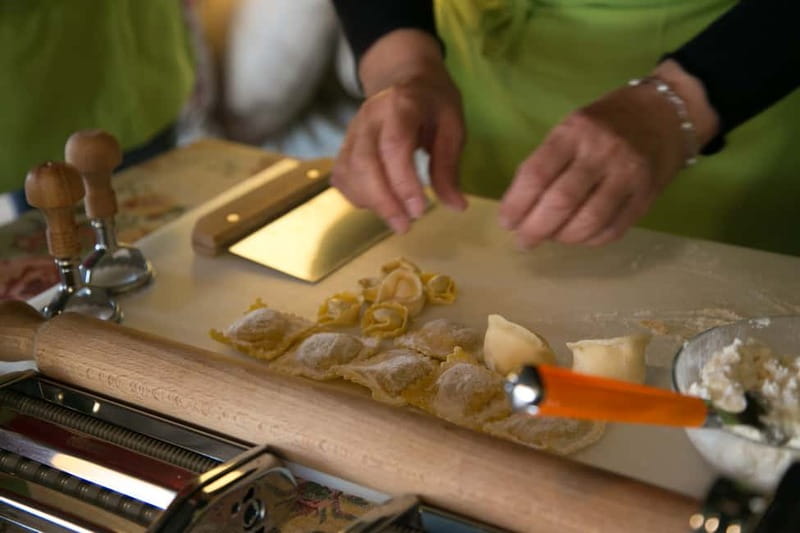
- Culurgiones are the star lesson: You will shape Sardinia’s distinctive filled pasta by hand, along with fresh tagliatelle.
- Giulia and Maria receive especially warm praise: Giulia is patient and clear, while Maria has been especially kind with children.
- The meal is substantial: Expect antipasti, pasta, dessert, regional wine, and a taste of homemade Mirto.
- The six-person limit matters: A small group means more direct help with dough, fillings, and pasta shaping.
- The airport location can be useful: This is a practical choice near the start or end of a Cagliari stay.
- You leave with recipes: Digital instructions let you try the dishes again at home.
Making Sardinian pasta in a real home kitchen
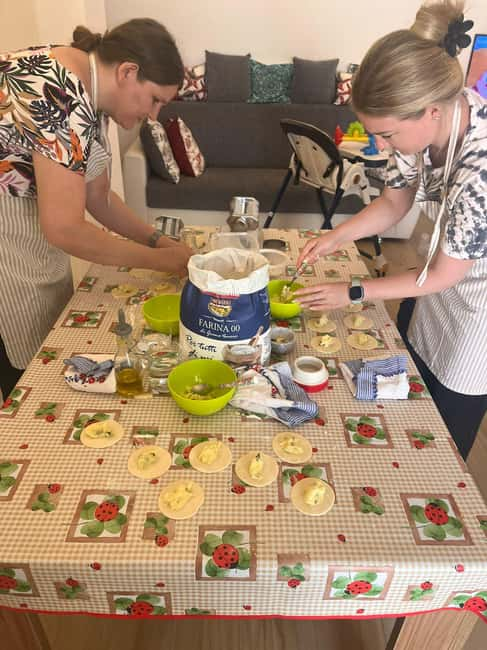
Sardinian cooking is often at its best when it stays simple. Local flour, careful hands, good cheese, cured meat, and a few strong regional flavors do much of the work. This class gives you a chance to see that approach from the kitchen table rather than only from a restaurant menu.
You begin with fresh pasta. The main lesson focuses on culurgiones, the Sardinian filled pasta known for its distinctive shape and careful sealing. You also prepare fresh tagliatelle, so the class gives you practice with both filled and cut pasta.
I like this combination because the two pastas teach different skills. Tagliatelle helps you understand dough, rolling, and cutting. Culurgiones asks for more patience, since you must add filling, close the edges, and create the decorative finish. You do not need prior cooking experience, and the class is designed for beginners.
The hosts, including Giulia and Maria, help you through the process instead of expecting perfect results from the start. Giulia has been praised for making the work straightforward and for patiently helping with culurgiones. Maria has also been especially patient with a young child, which makes this a good option for families who want a hands-on activity.
The setting matters. You are not simply watching a demonstration from across a large room. In a group capped at six people, you should have a proper chance to handle the dough and ask for help. Pasta making is physical and slightly fiddly, so that personal attention is worth more than a large class with a lower price.
More Cooking Classes with Wine Tasting in Italy
- Florence: Pasta Cooking Class with Unlimited Wine
★ 4.9 · 10,285 reviews - Florence: Pasta & Tiramisu Cooking Class with Unlimited Wine
★ 4.9 · 6,708 reviews - Florence: Pasta Cooking Class with Unlimited Wine
★ 5.0 · 6,413 reviews
What the three-hour experience feels like
The full activity lasts about three hours. That gives you enough time to work at a relaxed pace, eat the finished food, and talk with the host without rushing through every step.
The class begins with instruction and preparation. You learn how Sardinian fresh pasta is made, work with local flours, and follow simple methods passed down through local cooking traditions. The exact order of the dishes may vary, but the heart of the session is hands-on pasta making.
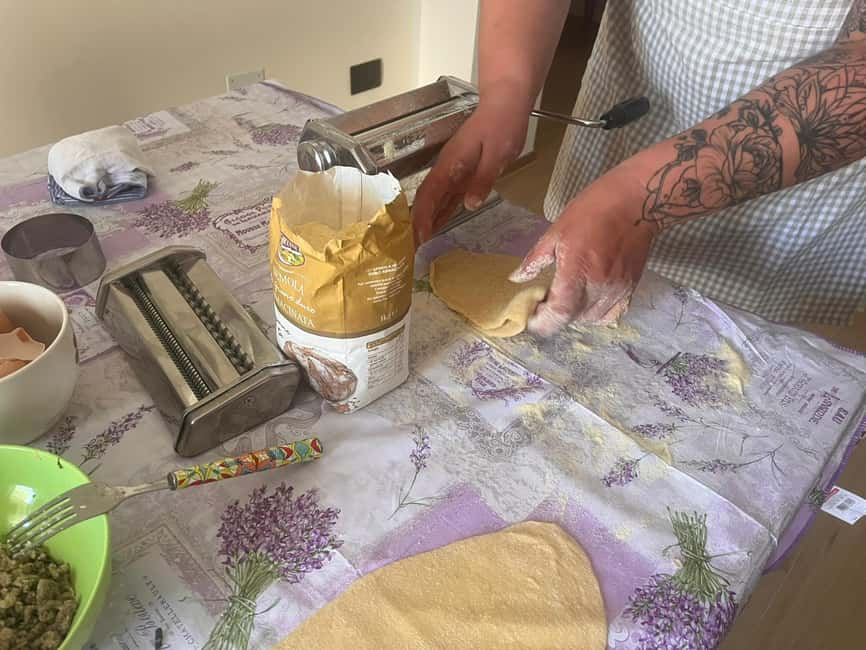
You will likely spend the most attention on the culurgiones. The dough must be thin enough to cook well but sturdy enough to hold the filling. Closing the pasta takes practice. Your first few pieces may look less tidy than the host’s, and that is part of the fun. The goal is not to produce factory-perfect pasta. It is to learn a method you can repeat.
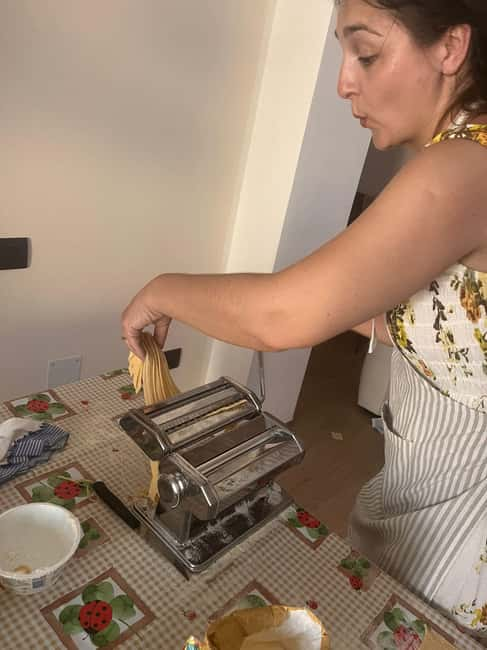
The tagliatelle offers a useful change of pace. Once rolled, the dough is cut into ribbons and prepared for the meal. Making the pasta yourself also changes how you eat it later. You have seen the effort involved, so a simple sauce and fresh texture become easier to appreciate.
A small group helps keep this portion practical. You can watch the host’s hands, copy the motion, and receive corrections before a small mistake becomes a large lump of dough. If you have never made pasta, that direct help is one of the strongest reasons to choose this class.
Sardinian antipasti before the pasta
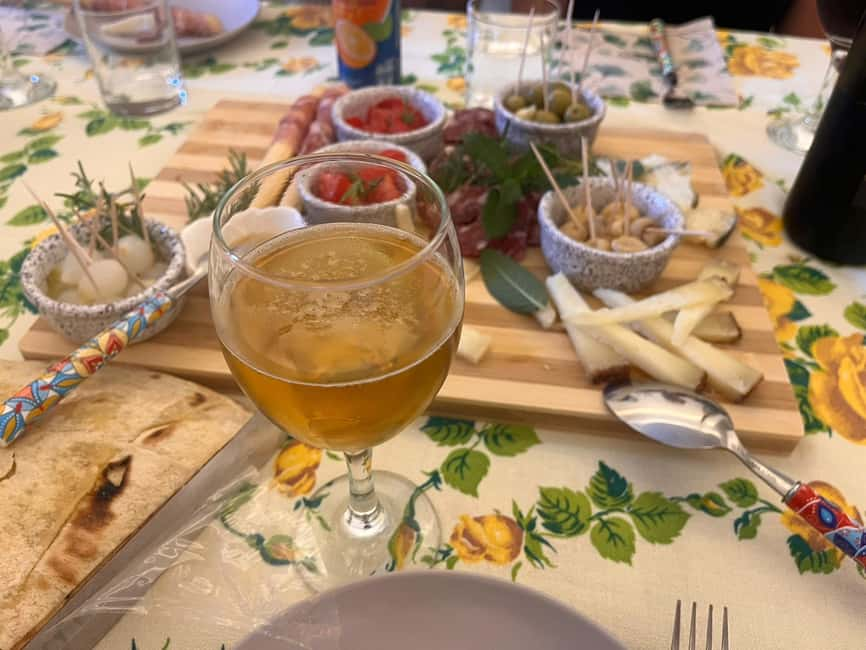
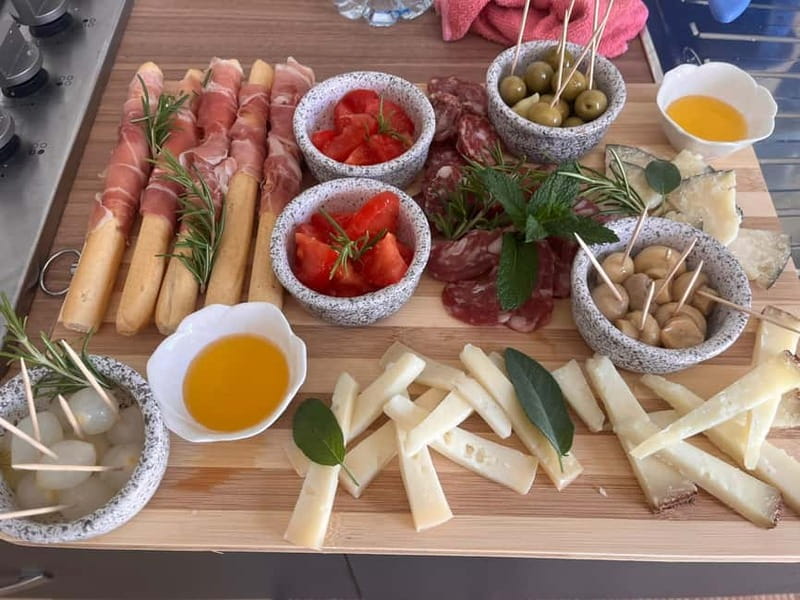
After the cooking work, the experience shifts from lesson to shared meal. The first course is a traditional Sardinian antipasto selection with cheeses, cured meats, local honey, and regional wine.
This is more than a starter. It gives you a quick introduction to the island’s preference for bold, straightforward ingredients. Salty cured meat, firm or soft cheese, and sweet honey create an easy balance, and the wine gives you something local to sip while the meal gets underway.
The antipasti also make the experience feel like a home gathering rather than a timed restaurant service. You have prepared food together, and now you sit down to eat it together. That social change is important. If you want a quiet technical workshop with little conversation, this may feel too communal. If you like food as a way to meet people and learn local habits, it is a strong fit.
The wine is included during the meal, so you do not need to add a separate drink budget. The information provided does not specify the wine variety, so you should not book this expecting a particular bottle or vineyard. The point is to taste a regional wine alongside local food.
Eating the culurgiones and tagliatelle you made
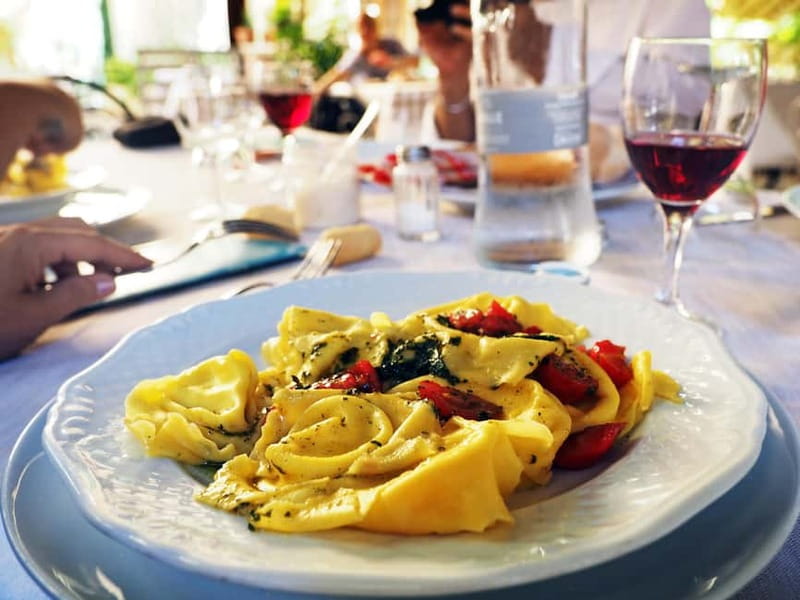
The central reward comes when the handmade pasta reaches the table. You taste the culurgiones and tagliatelle prepared with traditional sauces, turning the lesson into a proper Sardinian meal.
Fresh pasta made by hand has a different feel from dried pasta. The texture is softer and more delicate, and the filled culurgiones give you a chance to judge your own work. The sauces are described as traditional, but specific recipes are not listed, so the menu may depend on the host and available ingredients.
I appreciate that the meal is not limited to a small tasting portion. One person described leaving very full, which fits the generous structure of antipasti, pasta, dessert, and drinks. At $98 per person, the quantity matters. You are paying for instruction, food, wine, a social setting, and recipes to take home, not just for a plate of pasta.
The meal also gives you a chance to compare your handmade pieces with the host’s technique. You may notice differences in thickness, shape, or filling. That is useful feedback, especially if you plan to try the recipes later.
More Home Cooking Classes in Italy
- Pastamama, Home Cooking Classes at Grace’s Home
★ 5.0 · 521 reviews - Traditional Home Cooking Experience in Venice
★ 5.0 · 377 reviews - Catania: Pistachio Ravioli, Pasta Home Cooking Class w/ Wine
★ 4.7 · 204 reviews - 3-Recipe Italian Cooking Class in Como – Cesarine Best NYT Hosts
★ 5.0 · 186 reviews
Dessert and a small glass of Mirto
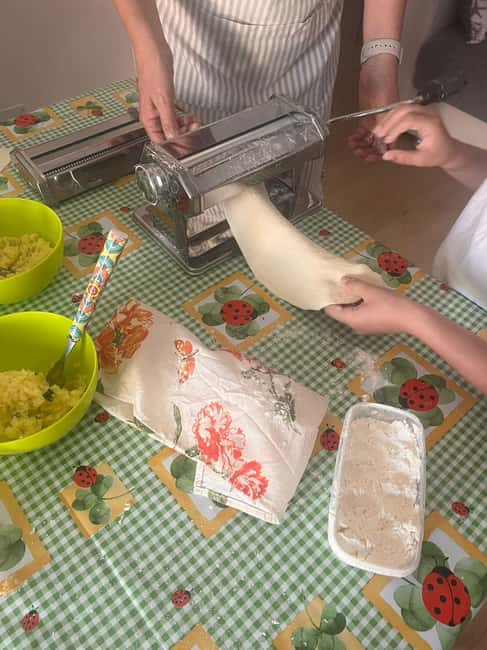
The final course is a traditional Sardinian dessert followed by homemade Mirto, the island’s famous myrtle liqueur. Mirto is strongly linked with Sardinian food culture, and a small taste makes a fitting end to a meal built around local traditions.
The dessert is not identified by name, so you should not expect a specific sweet. The same applies to the Mirto: it is described as homemade and artisanal, but the precise recipe and strength are not given. If you do not drink alcohol, you may want to ask the host about alternatives before the meal begins. The supplied details confirm wine and Mirto, but do not specify nonalcoholic options.
This ending adds a local touch that a standard pasta lesson might miss. You are not only learning a technique that could be taught anywhere in Italy. You are sampling a Sardinian meal from beginning to end, including the after-dinner drink traditionally associated with the island.
Why the small group improves the lesson
The class allows no more than six participants. That is a useful limit for pasta making, where everyone needs table space, flour, tools, and attention.
A small group also changes the mood. You can ask the host to show a fold again, compare shapes with other participants, and receive help without stopping the entire class. The personal teaching style is a recurring strength of this experience. Giulia is described as an excellent teacher who explains the work clearly and answers questions. Maria is noted for her friendly manner and patience with a child.
The group size does not guarantee a private class. You may still share the kitchen with other people, and the tone depends partly on the mix of participants. Still, six is small enough for a personal experience rather than a mass activity.
Families should consider the hands-on nature of the class. Children who enjoy working with dough may have a great time, but the experience requires sitting, listening, and using care with food preparation. The information provided confirms that a young daughter was welcomed and supported, though it does not set a minimum age.
The airport location and meeting point
The kitchen is near Cagliari Airport. That makes the class useful if you are arriving or leaving the city and want a local activity close to your transport plans.
It is not described as a central Cagliari walking tour, so do not choose it mainly for historic sights or city views. You come here for food, instruction, and hospitality. If you are staying in central Cagliari, you will need to arrange your own way to the meeting point because hotel pickup and drop-off are not included.
When you arrive, ring the entryphone labeled Callegari. That small detail is worth saving before you set out. The experience provider is Timonfaya Travel Lanzarote, while the class itself is in Sardinia, so keep the local meeting instructions handy and follow the booking confirmation carefully.
Starting times vary. The activity lasts three hours, but you must check available times for your chosen date. A morning or afternoon class could fit well before a flight, while an evening session may work better as a full meal during your stay. The available schedule will decide which option is practical.
Languages, value, and what is included
Instruction is offered in English, German, Italian, and Spanish. That is helpful in a class where small movements and cooking terms matter. You can book with more confidence if you are not fluent in Italian, though the host may still use demonstrations and gestures to make the process clear.
The $98 price is not cheap for a three-hour activity, but it covers a lot. You receive the pasta lesson, a full meal, antipasti, wine, dessert, homemade Mirto, and digital recipes. You are also paying for a small group and direct instruction in a local home kitchen.
I would judge the price by what you want from the experience. If you only want to eat pasta, a restaurant will cost less. If you want a meal plus a practical skill and a close look at Sardinian home cooking, the price is easier to justify. The recipes extend the value beyond the afternoon because you can try the dishes again at home.
Hotel transport is not included. That is the main extra cost to remember, especially if you are not already near the airport. The class makes the most financial sense when you can reach the kitchen easily or combine it with airport plans.
You can cancel up to 24 hours in advance for a full refund, and you can reserve now while paying later. Those options help if your Cagliari schedule is still changing.
Who should book this Cagliari cooking class?
I would choose this class if you want a personal food experience rather than a sightseeing tour. It suits people who enjoy learning by doing, especially anyone curious about how filled pasta is shaped.
It is a good match for:
- First-time pasta makers who want patient instruction
- Couples looking for a shared meal with a local focus
- Families with children who enjoy hands-on cooking
- Food lovers who want to understand Sardinian dishes
- People arriving at or leaving from Cagliari Airport
- Anyone who wants recipes to use at home
It may not suit you if you dislike group meals, avoid pasta, or want a class in central Cagliari. It is also not the right choice if you want a formal culinary school with advanced technique. This is a friendly introduction to home cooking, not a professional chef course.
Should you book it?
Book this experience if culurgiones, family-style food, and local hospitality sound more appealing than another restaurant meal. The small group, patient hosts, full menu, and digital recipes give the $98 price real substance.
Before booking, check the starting time, plan your own transport, and save the Callegari entryphone instruction. If the airport location fits your schedule, this is one of the more useful ways to spend three hours in Cagliari. You will eat well, learn a skill, and leave with a better understanding of why Sardinian pasta is made with such care.
FAQ
Where does the cooking class take place?
The class takes place in a real Sardinian kitchen in Cagliari, near Cagliari Airport.
How long does the experience last?
The cooking class and meal last three hours.
How much does the class cost?
The listed price is $98 per person.
What pasta will I learn to make?
You will learn to prepare traditional Sardinian culurgiones and fresh tagliatelle.
Do I need previous cooking experience?
No. The class is suitable for beginners and does not require prior pasta-making experience.
What food is included?
The meal includes Sardinian antipasti with cheeses, cured meats, and local honey, followed by the pasta you prepare. Dessert is also included.
Are drinks included?
Yes. Regional wine is included during the meal, along with a glass of homemade Mirto liqueur.
Which languages are available?
The instructor can teach in English, German, Italian, or Spanish.
How many people can join the class?
The group is limited to six participants.
Is hotel pickup included?
No. Hotel pickup and drop-off are not included. When you reach the meeting point, ring the entryphone labeled Callegari.
More Pasta Making Classes in Italy
- 3 in 1 Cooking Class near Navona: Fettuccine, Ravioli & Tiramisu
★ 5.0 · 7,376 reviews - Rome: Pasta Making Class with Wine, Limoncello, and Dessert
★ 4.9 · 3,177 reviews - Pastamania – Florence Pasta Making Class
★ 5.0 · 3,050 reviews - Rome Cooking Class: Make Pasta and 3 Spritz Cocktails
★ 5.0 · 2,937 reviews
Newest classes around Italy
- Cooking Class in a Sicilian countryhouse★ 5.0 · 5 reviews
- Cesarine: Market Tour & Home Cooking Class in Catania★ 4.0 · 6 reviews
- Cesarine: Home Cooking Class & Meal with a Local in Catania★ 4.5 · 10 reviews
- Cooking Class in Taormina with Lunch Included★ 5.0 · 2 reviews
- Cooking class in Capri for small groups★ 4.0 · 4 reviews
- Cooking Class and Wine Pairing in Capri★ 5.0 · 57 reviews
- Lezione di Cucina : Pasta Fresca★ 5.0 · 12 reviews
- Private Cooking Class Experience in Reggio Calabria★ 5.0 · 5 reviews
Italy Cooking Classes, compared.
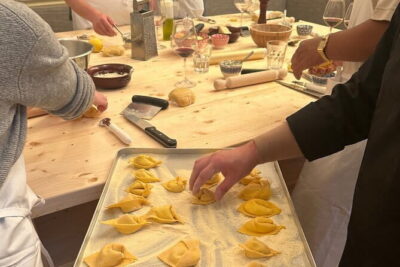
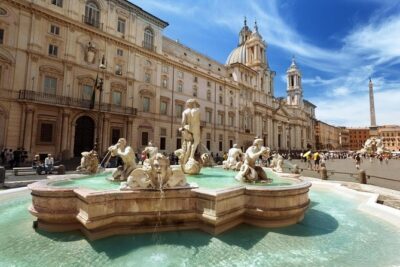
3 in 1 Cooking Class near Navona: Fettuccine, Ravioli & Tiramisu
Read our review →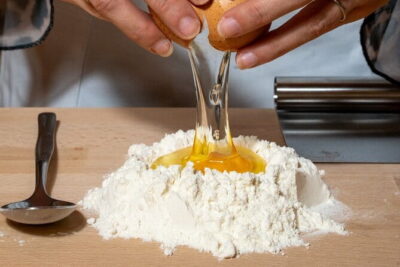
Pasta & Tiramisu Cooking Class with Unlimited Wine
Read our review →
Cooking Class and Lunch at a Tuscan Farmhouse with Local Market Tour from Florence
Read our review →
Pasta Making Class with Wine, Limoncello, and Dessert
Read our review →
Rome Cooking Class: Make Pasta and 3 Spritz Cocktails
Read our review →Browse the lists this tour appears in