
Review · DA NANG COOKING CLASSES
5 traditional dishes Da Nang cooking class with market trip
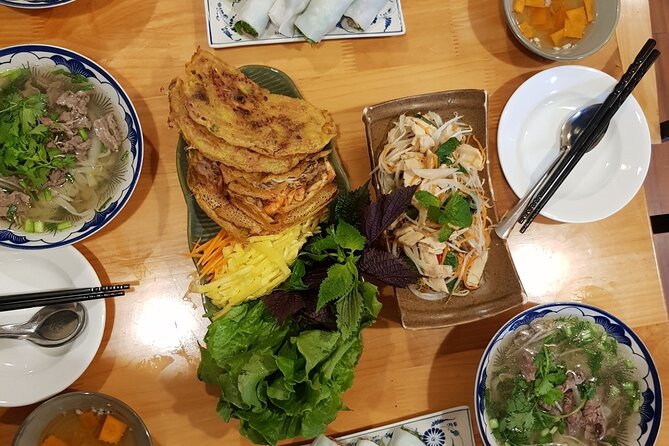
Da Nang’s food culture makes the most sense when you see the ingredients before they reach the plate. This four-hour class begins at Bắc Mỹ An Market, where you shop for produce with a local instructor, then return to the kitchen to prepare five Central Vietnamese dishes.
I like the market visit because it gives the cooking real context, not just a string of recipes. I also like the menu: crispy bánh xèo, bún bò Huế, fresh rolls, young jackfruit salad, and avocado ice cream create a good spread of textures and flavors. The main consideration is group size. The class may be intimate, but the advertised maximum is 30, and some cooking and plating can be shared.
Key points to know before booking
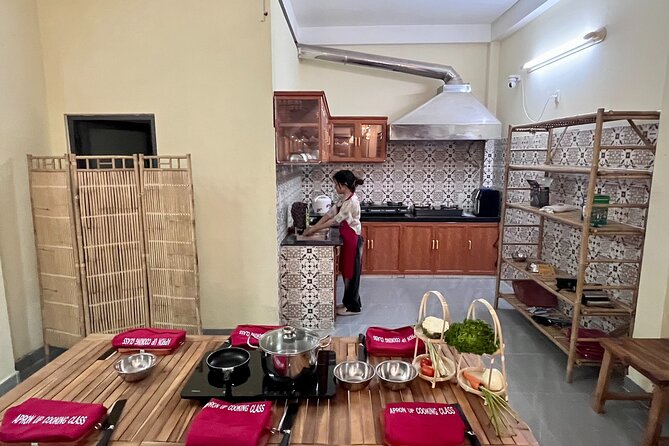
- Five dishes in four hours: You prepare bún bò Huế, bánh xèo, tam huu fresh rolls, young jackfruit salad, and Da Nang avocado ice cream, with a vegetarian version available.
- Bắc Mỹ An Market comes first: The visit lets you see local produce and buy the ingredients used in class.
- Local instructors lead the session: Instructors named Blue, Bora, and Chi have guided classes, with patient teaching and clear demonstrations.
- A practical Da Nang meeting point: Meet at 07 Nguyễn Bá Lân in Bắc Mỹ An, Ngũ Hành Sơn, 10 minutes before the start.
- Good value at $39: The price includes the market trip, cooking tools, the meal, drinks, a recipe book, and a certificate.
- Small-group quality is not guaranteed: Some sessions have had six people, but the stated maximum is 30.
Why the market visit matters at Bắc Mỹ An
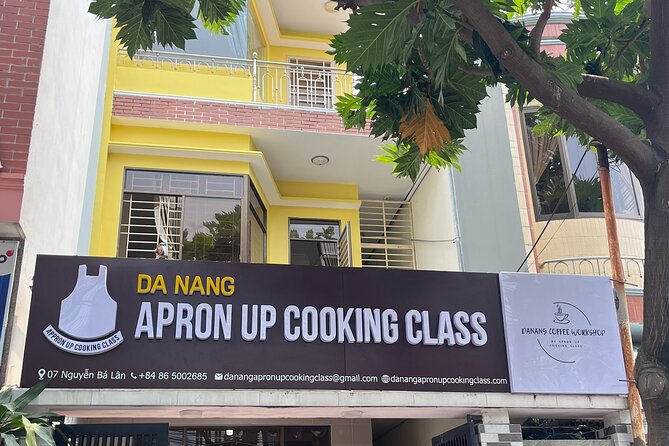
The class starts at 07 Nguyễn Bá Lân, a short walk from Chợ Bắc Mỹ An. You should arrive 10 minutes before the scheduled start so the group can leave together without a rushed introduction.
Bắc Mỹ An Market is more than a shopping stop. It is where you begin to understand how Vietnamese cooking is built from fresh herbs, vegetables, noodles, rice products, and sauces. The instructor helps you identify the ingredients and buy what the kitchen needs. That makes the later recipes easier to follow because you have already seen the raw materials in their everyday setting.
I like this order. Many cooking classes hand you a premeasured bowl of ingredients and move straight to the stove. Here, you get a look at the food system first. You can ask about unfamiliar produce and see how a local market functions before sitting down to cook.
The market can also be the most demanding part for some people. It is a working food market, not a quiet museum. If you prefer a polished sightseeing stop, this may feel informal. If you want a direct look at ordinary food shopping in Da Nang, it is one of the more useful parts of the morning or afternoon.
The exact class schedule is not specified in the supplied details, so check your booking time carefully. The full experience lasts about four hours and ends back at the original meeting point.
More Cooking Classes with a Market Tour in Vietnam
- 5 Dishes Cooking Class with Market Trip in Da Nang
★ 5.0 · 466 reviews - Da Nang Cooking Class with Coffee Tasting and Market Visit
★ 5.0 · 310 reviews - Market Tour, Basket Boat Ride & Cooking Class by Hangcoconut
★ 4.8 · 95 reviews
Five dishes that show Central Vietnamese cooking
After shopping, you return to the kitchen and work through a menu designed to cover several types of Vietnamese food. The selection gives you more than one version of the same dish, which is important if you want skills you can use at home.
Bún bò Huế
Bún bò Huế is a beef noodle soup associated with Central Vietnam. It brings a warm, savory course to the menu and gives the class a chance to explain broth, noodles, seasoning, and assembly.
The soup is listed as part of the shared cooking work. That means you may not prepare every element entirely on your own. If you are booking mainly for individual hands-on time, ask how the class divides the soup preparation when you arrive.
Still, making one large soup together makes practical sense. Broth is a group dish, and the shared pot helps the class eat at the same time. It also provides a useful contrast with the faster dishes prepared at each workstation.
Bánh xèo
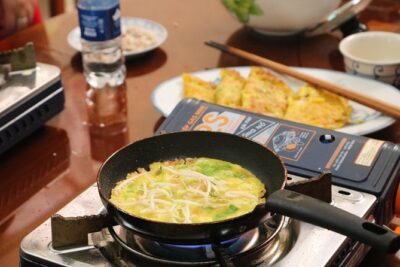
Bánh xèo is the class showpiece for the stovetop. The crisp rice pancake requires attention to batter, heat, filling, and folding. It is also the dish where technique matters most. A pancake that is too thick or cooked at the wrong temperature will not have the same crisp edge.
The class is a good place to learn this because an instructor can show you the motions rather than leave you with a recipe card. One family with children aged 10 and 13 especially appreciated the patient instruction around making a properly browned, crispy pancake.
You should expect a demonstration followed by guided practice. The experience is designed for all skill levels, so you do not need prior cooking experience. The payoff is a dish that feels distinctly Vietnamese and is realistic to try again at home.
More Cooking Classes with a Market Tour in Da Nang:
- Da Nang Cooking: Market tour, farming, and cooking class
★ 4.8 · 13 reviews - Hanoi Cooking Class: Culture, Local Market & Meaning CSR Impact
★ 5.0 · 5,147 reviews - 5 Traditional Dishes Hanoi Cooking Class with Market Trip
★ 5.0 · 4,890 reviews - Cooking Class and Lunch at a Tuscan Farmhouse with Local Market Tour from Florence
★ 5.0 · 4,831 reviews
Tam huu fresh rolls
Tam huu fresh rolls add a cool, fresh element to the meal. They also teach the delicate side of Vietnamese cooking, especially how to handle rice paper and keep a roll together.
This can be less forgiving than it looks. One participant found the roll difficult to keep intact and felt that this dish had less flavor than the others. That is useful to know before booking. Fresh rolls depend on balance and careful assembly, and they may not be the most satisfying item if you prefer bold seasoning or hot food.
The good news is that mistakes are part of learning this dish. You can see how much filling to use, how wet the rice paper should be, and how tightly to roll it. Do not expect every piece to look restaurant-ready on the first try.
Young jackfruit salad
The young jackfruit salad gives the menu a different texture and introduces an ingredient many first-time visitors may not use at home. It is lighter than the soup and pancake, helping keep the meal from becoming five heavy courses.
The recipe also shows how Vietnamese cooks make salads with more than leafy greens. You work with produce, herbs, and dressing, then learn how a dish can be fresh, crunchy, and strongly seasoned without being complicated.
The menu has also been described in class feedback as including other local salad styles, but the stated menu here is young jackfruit salad. If this particular dish matters to you, confirm the menu on the day.
Da Nang avocado ice cream
The final course is Da Nang avocado ice cream, with a vegetarian version of the menu available for vegetarians. This is a fun ending because it moves away from the familiar savory dishes and shows a local approach to a sweet, creamy dessert.
It also helps explain why the menu feels balanced. You are not simply cooking five savory recipes and then stopping. The dessert gives the class a clear finish, and you get to sit down with a full meal rather than sample isolated cooking exercises.
From demonstrations to a shared meal
The teaching style is practical and friendly. Instructors named Blue, Bora, and Chi have led sessions, and the class is intended for beginners as well as confident home cooks. You can expect demonstrations, explanations of technique, and time to take part in the preparation.
Blue is described as warm and patient, while Bora has guided both the market visit and the kitchen work. Chi has also been praised for clear instruction. Since the teaching team can vary, your instructor may not be one of those three people, but the class format remains the same.
The strongest feature here is the connection between buying, cooking, and eating. You do not merely watch a chef prepare local food. You help select ingredients, handle them in the kitchen, and then sit down for a meal made by the group.
The meal includes the food you prepare, along with fruit, rice vodka, and coffee or tea. The inclusion of rice vodka adds a local touch, though you can simply skip it if you do not drink. Lunch and dinner are both listed among the inclusions, but the experience itself is about four hours, so check the start time to understand which meal period applies to your booking.
One point to keep in mind is shared plating. In some sessions, the soup is prepared as a group dish, and other food may be plated together rather than served as five separate portions that each person makes alone. If your priority is full individual ownership of every dish, this may feel less hands-on than a private class.
Group size, family fit, and the pace of the class
The maximum advertised group size is 30, but some sessions have been much smaller, including one group of six. That difference matters. A small group gives you more room for questions and more direct time with the instructor. A full class could feel more crowded around the cooking stations and during plating.
The class has worked well for families. The instructors have been praised for helping children understand favorite Da Nang dishes, and the pace gives younger cooks several different jobs instead of asking them to focus on one long recipe.
You should still consider the four-hour duration. This is not a quick demonstration followed by a tasting. You spend time at the market, return to the kitchen, prepare several dishes, and eat at the end. That makes it a good choice for someone who wants an activity with substance, but less suitable if you want a short break between sightseeing stops.
The meeting point is near public transportation, and service animals are allowed. No hotel pickup is included in the supplied details, so plan to reach 07 Nguyễn Bá Lân on your own.
Is $39 a fair price?
At $39 per person, the value is good if you want both a cooking lesson and a market visit. The price includes roughly four hours of activity, the market shopping trip, cooking tools, the food you eat, coffee or tea, fruit, rice vodka, a recipe book, and a certificate.
The recipe book adds value after you leave. You are not limited to memory or hurried notes, and the booklet includes the dishes made during class, with additional recipes according to the available details. That makes this more useful than a one-off food experience if you plan to cook Vietnamese food at home.
The price is less compelling if you mainly want to eat. Da Nang has many inexpensive local meals, and a cooking class takes much longer than dining out. You are paying for instruction, access to the kitchen, market guidance, and the chance to understand the ingredients.
I would also judge the value by the group size on your date. A six-person class can feel like excellent value because you receive more attention. A larger group still offers a broad introduction, but the hands-on time may be spread across more people.
Dietary needs and what to clarify
The menu is described as flexible, and the class can adjust for dietary requirements. A vegetarian version is specifically available. You should still provide your dietary information at booking and confirm it with the instructor before cooking begins.
The supplied details do not spell out how the menu changes for allergies, vegan diets, gluten avoidance, or meat restrictions. Do not assume every ingredient can be removed without changing a recipe. Ask in advance if your needs are strict.
This is especially important because the menu includes broth, rice paper, sauces, and shared preparation. A flexible class can often adapt, but the exact substitution depends on the dish and the ingredients available that day.
Cancellation and simple booking advice
You receive confirmation when you book, and the ticket is mobile, so you do not need a printed voucher. Free cancellation is available up to 24 hours before the start time for a full refund.
Within 24 hours, you cannot receive a refund or make changes. The experience also requires a minimum number of participants. If the provider cancels because that minimum is not reached, you are offered another date or experience, or a full refund.
I would book the class early if your Da Nang schedule is tight. It has been booked more than five times in a recent week, and the smaller groups are likely to be the most comfortable. At the same time, leave room in your plans for the four-hour duration and travel to the meeting point.
Who should book this Da Nang class?
I would choose this experience if you want a hands-on introduction to Central Vietnamese food rather than a formal chef lesson. The market stop is a major reason to book. It gives you a better sense of what makes the cooking local, and it helps the dishes feel connected to Da Nang instead of pulled from a generic Southeast Asian menu.
It suits first-time cooks, families, couples, and solo visitors who enjoy meeting people over food. The menu offers enough variety to keep the session interesting, and the recipe book gives you a way to continue the experience at home.
I would hesitate if you dislike group cooking, need every dish to be prepared individually, or want a private lesson with guaranteed personal attention. The class can include shared preparation and may reach 30 people, even though smaller groups are possible.
FAQ
Where does the cooking class meet?
Meet at 07 Nguyễn Bá Lân, Bắc Mỹ An, Ngũ Hành Sơn, Da Nang, Vietnam. You should arrive 10 minutes before the start time.
Which market does the class visit?
The class visits Chợ Bắc Mỹ An, also known as Bắc Mỹ An Market, to learn about local produce and buy ingredients for the cooking session.
How long does the experience last?
The class lasts approximately four hours and ends back at the original meeting point.
Which dishes will I cook?
The join-in menu includes bún bò Huế, bánh xèo, tam huu fresh rolls, young jackfruit salad, and Da Nang avocado ice cream. A vegetarian version is available.
What is included in the $39 price?
The price includes the market visit, cooking tools, the meal, coffee or tea, fruit, rice vodka, a recipe book, and a certificate.
Can I cancel for a full refund?
Yes. You can cancel at least 24 hours before the experience start time for a full refund. Cancellations or changes made within 24 hours are not refunded or accepted.
Should you book it?
Book this class if you want to connect Da Nang’s food with its markets, ingredients, and everyday cooking habits. At $39, the combination of five dishes, a guided market visit, a full meal, recipes, and a certificate is solid value.
Go in expecting a shared class rather than a private kitchen lesson. If you accept that tradeoff, this is a friendly, practical way to leave Da Nang with more than restaurant memories. You leave with a better sense of Central Vietnamese flavors and recipes you can try again.
Newest classes around Da Nang
- Market Tour, Basket Boat Ride & Cooking Class by Hangcoconut★ 4.8 · 95 reviews
- HOI AN Cooking Class and Lantern Workshop★ 4.7 · 6 reviews
- Da Nang Vegetarian Cooking and coffee Class★ 4.6 · 11 reviews
- Da Nang Cooking: Market tour, farming, and cooking class★ 4.8 · 13 reviews
- Da Nang: Cooking Pho & Vietnamese Dishes With Local Chef★ 5.0 · 5 reviews
- Da Nang Family Cooking Class – with Local Family in Da Nang★ 4.3 · 4 reviews
- Da Nang: Cooking Class and tasting Pho with Local Girl★ 5.0 · 6 reviews
- Da Nang: Coffee Making And Cooking Class★ 5.0 · 7 reviews
Da Nang Cooking Classes, compared.
5 Dishes Cooking Class with Market Trip in Da Nang
Read our review →
Da Nang Cooking Class with Coffee Tasting and Market Visit
Read our review →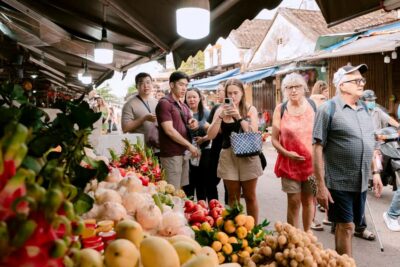
RICE PAPER Noodle Making Experience & Hoi An Cooking Class Class
Read our review →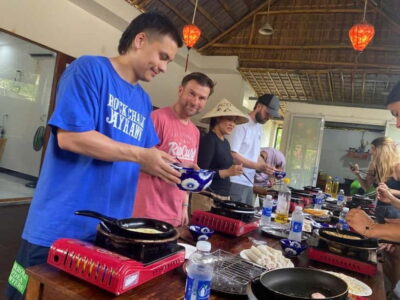
Market Tour, Basket Boat Ride & Cooking Class by Hangcoconut
Read our review →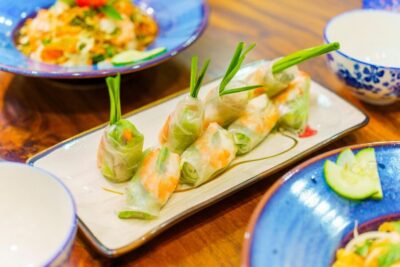
Da Nang Cooking: Market tour, farming, and cooking class
Read our review →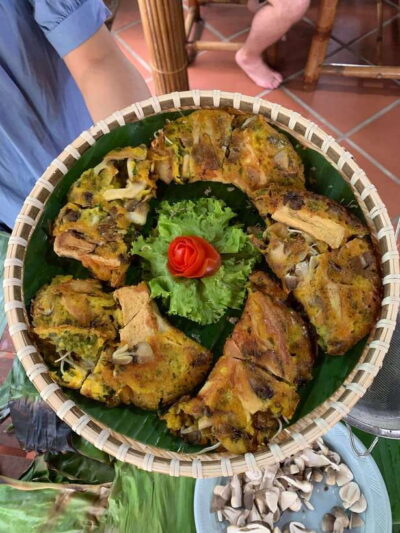
Browse the lists this tour appears in