Review · COOKING CLASSES
Buenos Aires: Empanadas and Alfajores Guided Cooking Class
The best part of this Buenos Aires cooking class is the setting: you enter a real Argentine home in San Telmo, not a restaurant kitchen built for tourists. Over three hours, you make empanadas, alfajores, and mate while the hosts fold in stories about food and daily life. Thomas and Sophia are among the guides who lead sessions, with other family members helping at the table.
I like the small group of up to eight, which gives you room to work with your hands and ask questions. I also like the full meal at the end: this is not a quick demonstration followed by one sample bite. The main consideration is that the class may focus on one main empanada filling more than once, and some participants have found the instructions or recipe handover less clear than the cooking itself.
Key points at a glance
- A real home in San Telmo: You cook in a family setting rather than a commercial classroom.
- Three Argentine staples: Make savory empanadas, corn-starch alfajores with dulce de leche, and mate.
- Hands-on from start to finish: Prepare dough and fillings, fold the repulgue, shape cookies, and eat the results.
- Small and social: The group is limited to eight, making conversation and personal help easier.
- Good family option: Children and teenagers have taken part successfully, with the work suited to different cooking abilities.
- Strong value at $37: Ingredients, mate, water, cooking instruction, and a meal are included.
Walking into an Argentine home in San Telmo
Your meeting point is Paseo Colon 1355 in San Telmo. Arrive at the stated starting time and ring the bell. The address matters because this is a home-based experience, so you should not expect a bright sign or a shopfront announcing the class.
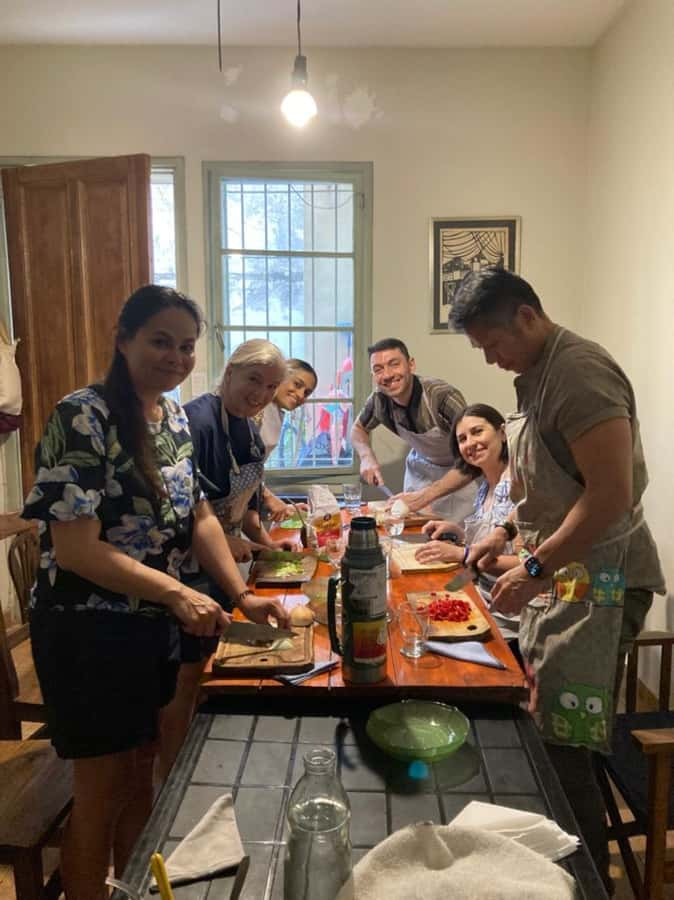
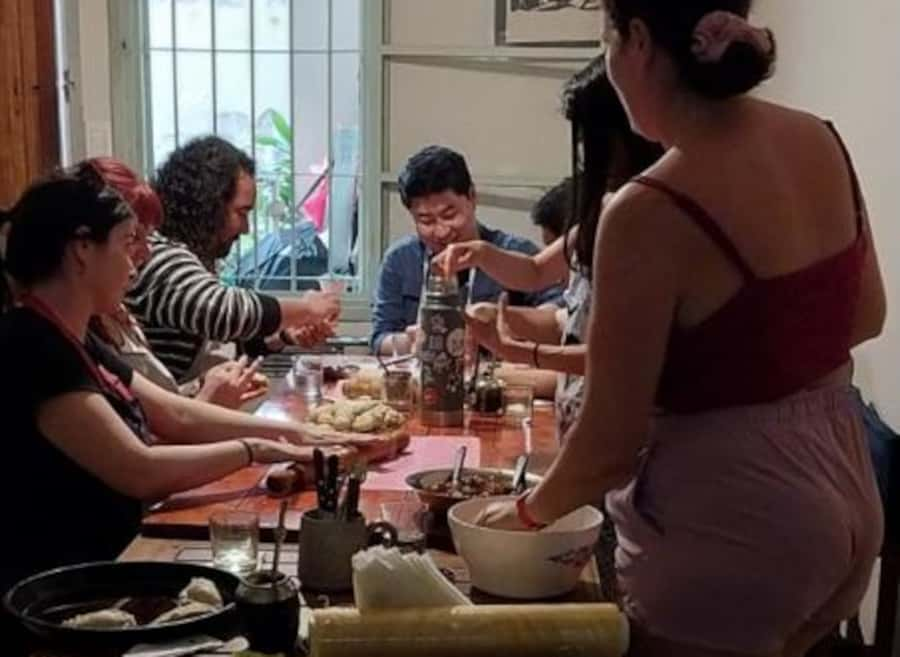
That private-house setting is the heart of the evening. You sit around a family table, meet the hosts, and begin cooking in the same kind of close setting where Argentine food is normally prepared and shared. Some sessions take place in a more than 100-year-old home, adding a sense of place that a standard cooking school cannot easily provide.
I like the way this changes the tone. You are not simply being shown how to make a dish. You are part of a small group working together, with people from different countries often sharing the table. The cooking gives everyone something easy to talk about, even if nobody arrives knowing the others.
The room is cozy, and that has both good and bad sides. A small space makes the class feel personal, but someone seated at the end of the table may have trouble seeing every stage of the demonstration. If you want the clearest view, ask to move closer when the host shows a folding technique or dough detail.
More Guided Days Out in the world:
- Budapest Cooking Class & Market Tour with Local Guide & Wines
★ 5.0 · 553 reviews - Private Guided Cooking Workshop Experience in Jodhphur
★ 5.0 · 158 reviews - Bergen: Guided Fishing Tour with Outdoor Cooking
★ 4.8 · 96 reviews
Making empanadas, from dough to the repulgue
Empanadas are the main event. These filled pastries are a daily Argentine staple, suitable for a quick meal, a party, or a family table. They may be baked or fried and can hold meat, ham and cheese, vegetables, or other fillings.
The class takes you through the basic process rather than handing you a premade shell. You learn how to prepare the dough, organize the filling, and bring the two together without making a mess of the edges. This hands-on approach is useful because the difficult part is not only the ingredients. It is learning how much filling to use and how firmly to seal the pastry.
The final fold is called the repulgue, the twisted or pinched edge that gives an empanada its classic look. It also helps keep the filling inside. Do not worry about making every fold perfect. The point is to learn a repeatable method, and the hosts keep the mood relaxed rather than treating the table like a pastry examination.
The filling deserves a little attention before you book. The class includes savory empanadas, and vegetarian alternatives have been available alongside a traditional meat option. However, the precise filling selection can vary. One participant specifically wished there had been a second filling instead of making the same meat filling twice, so you should not assume you will prepare several different varieties.
That is a minor limitation for most people, but it matters if you are booking mainly to compare regional fillings. The class is stronger as a lesson in dough, shaping, and Argentine food culture than as a broad survey of empanada styles.
You eat the finished empanadas as part of the meal. The quantity is generous enough that some people have had pieces left over to take with them. Bring a reasonable appetite, especially because alfajores are still ahead.
Learning mate as a social ritual
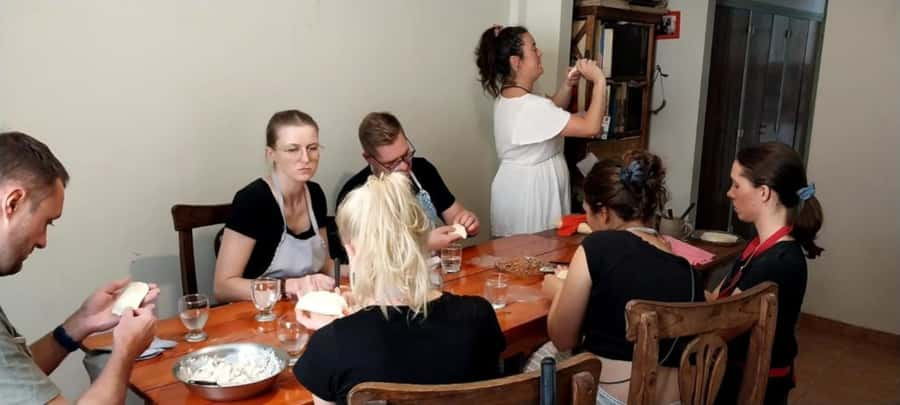
Mate is not just an herbal drink to add beside the meal. It is a central Argentine custom, and the preparation has its own method and rhythm. During the class, you learn how to prepare and drink it in the traditional style.
This part gives the cooking lesson cultural weight. You see how a familiar local drink fits into conversation and hospitality, rather than treating it as an exotic ingredient. The hosts explain the process while you share mate and continue chatting around the table.
The included mate is a useful part of the price because it gives you something to do while dough rests or ingredients are organized. Water is also included. Wine is not included, but it is available to purchase if you would like a glass with the meal.
I would pay attention here even if you mainly booked for food. Empanadas and alfajores are easy to find in Buenos Aires, but learning how mate is prepared and shared gives you a better understanding of how food and conversation work together in Argentina.
Rolling corn-starch alfajores with dulce de leche
The second cooking project is alfajores, a favorite Argentine sweet made here with corn starch and a creamy dulce de leche filling. The result is softer and more delicate than an ordinary cookie, with the filling providing the main sweetness.
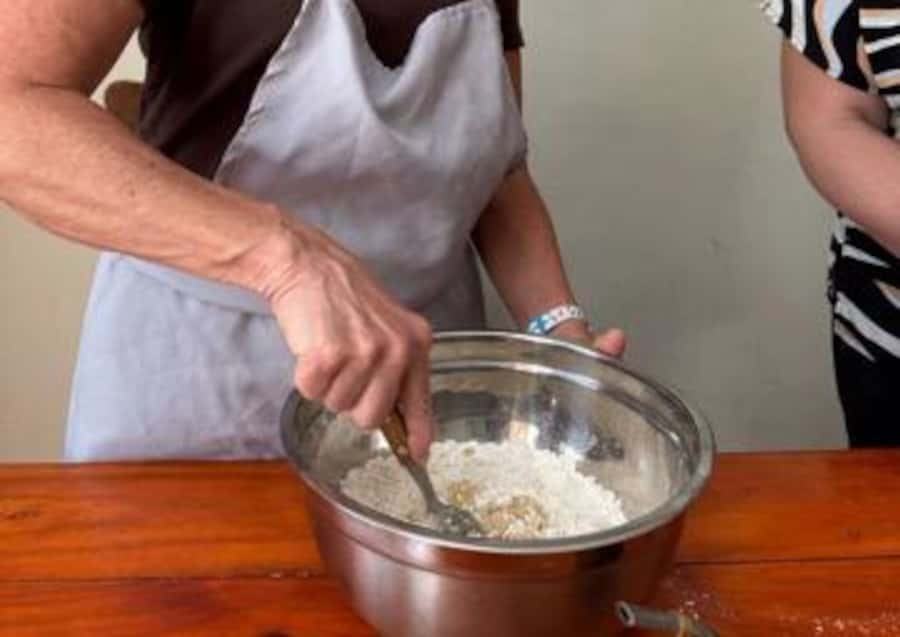
You prepare the cookie mixture, shape the pieces, and assemble them with dulce de leche. The work is approachable for beginners and gives children or teenagers a clear job to handle. The class is not limited to serious cooks. People with little experience can take part, and the hosts keep an eye on the process.
This is a smart pairing with empanadas. The savory pastry requires shaping and sealing, while the alfajores show a different side of Argentine cooking. You finish with something sweet made from scratch, rather than spending the full three hours on one dish.
The balance is also practical for a home cook. You leave with two recipes that can be made for different occasions: empanadas for a meal or gathering, and alfajores for a snack or dessert. Recipes are generally shared afterward, but the process has not always been clear. I recommend confirming before you leave that you have received them, rather than assuming they will arrive automatically.
More Cooking Classes in the world:
- Half-Day Thai Cooking Class at Organic Farm in Chiang Mai
★ 5.0 · 19,087 reviews - Florence: Pasta Cooking Class with Unlimited Wine
★ 4.9 · 10,285 reviews - 3 in 1 Cooking Class near Navona: Fettuccine, Ravioli & Tiramisu
★ 5.0 · 7,376 reviews - Florence: Pasta & Tiramisu Cooking Class with Unlimited Wine
★ 4.9 · 6,708 reviews
Eating together makes the class work
After the cooking, you sit down and eat what the group has prepared. This is a proper meal, not a token tasting, with empanadas, alfajores, mate, and water included. The hosts continue the conversation, often discussing Argentine customs, Buenos Aires, and the differences between food traditions in various countries.
This shared meal is where the class earns much of its value. Cooking gives strangers a common task, and eating gives you time to talk without rushing to the next sightseeing stop. The format works particularly well for solo visitors and couples who want a social evening without joining a large organized group.
The hosts also shape the mood. Thomas is described as relaxed, funny, and capable without making the class feel like a formal school lesson. Sophia and Sophie are names used for instructors in different sessions, while Maria and Stella have also helped host classes. The exact team may vary, but the experience is built around a warm family welcome and direct help at the table.
You may find the group dynamic changes from one date to another. That is part of the appeal, but it also means the class is not a private, fully customized lesson. Most people will enjoy meeting others, while someone seeking quiet instruction or a highly technical pastry course may prefer a different format.
What the three-hour schedule feels like
The class lasts three hours, enough time for instruction, preparation, cooking, eating, and conversation. It is best treated as an evening activity rather than a quick stop between major sights.
A typical flow begins with introductions and an explanation of the food. You then work through the empanada dough and filling, prepare and fold the pastries, and learn the repulgue. Mate is part of the session, so the cultural explanation runs alongside the kitchen work rather than being saved for a separate lecture.
The alfajores follow as the sweet course. Once everything is ready, you eat together and talk. The structure is clear, though some participants have wanted more direct explanations at certain stages. If you are a complete beginner, watch carefully, ask for the next step to be repeated, and do not hesitate to request a closer demonstration.
The class is offered in English or Portuguese. That is important for a recipe-based activity, where small details about dough texture and sealing can make a difference. The English instruction has worked well for many participants, but clarity can depend on where you sit and how closely you can see the demonstration.
Is $37 a good value?
At $37 per person, the price is reasonable for a three-hour activity that includes ingredients, instruction, mate, water, and a full meal. You are also paying for access to a local home and a small group, not just a recipe sheet and a plate of food.
The value is strongest if you count the social and cultural side. A restaurant meal might cost less or more depending on what you order, but it would not include the cooking lesson, the repulgue practice, or the mate ritual. You also leave with techniques you can use at home.
The value is less clear for someone who wants a wide range of fillings or advanced pastry instruction. The class appears designed for an enjoyable introduction, not a professional culinary course. Expect a friendly, practical lesson rather than precise restaurant training.
Wine costs extra, so include that in your budget if you want it. It is not necessary for the experience, since the meal already includes mate and water.
Who should book this cooking class?
I would recommend it to visitors who want a personal view of Buenos Aires food culture and enjoy meeting people around a table. It is especially suitable for couples, solo visitors, families, and older children or teenagers who like doing rather than simply watching.
It also suits mixed cooking abilities. You do not need to arrive as an experienced cook, and the process is forgiving. The food is familiar enough to understand, but the repulgue and mate preparation add details you may not pick up by ordering empanadas at a café.
Families should note that teenagers and children as young as 12 have enjoyed taking part, with a 14-year-old successfully making the food from scratch. The small group helps, since each person has more space to work than in a large class.
I would be more cautious if you need strict dietary planning beyond the available vegetarian option. The information confirms meat and vegetarian fillings, but it does not provide a full list of dietary accommodations. Ask before booking if you have allergies or other food restrictions.
The experience is also not ideal if you want to keep your evening tightly scheduled. The three-hour duration is fixed, and the whole point is to slow down, cook, eat, and talk.
Practical details before you go
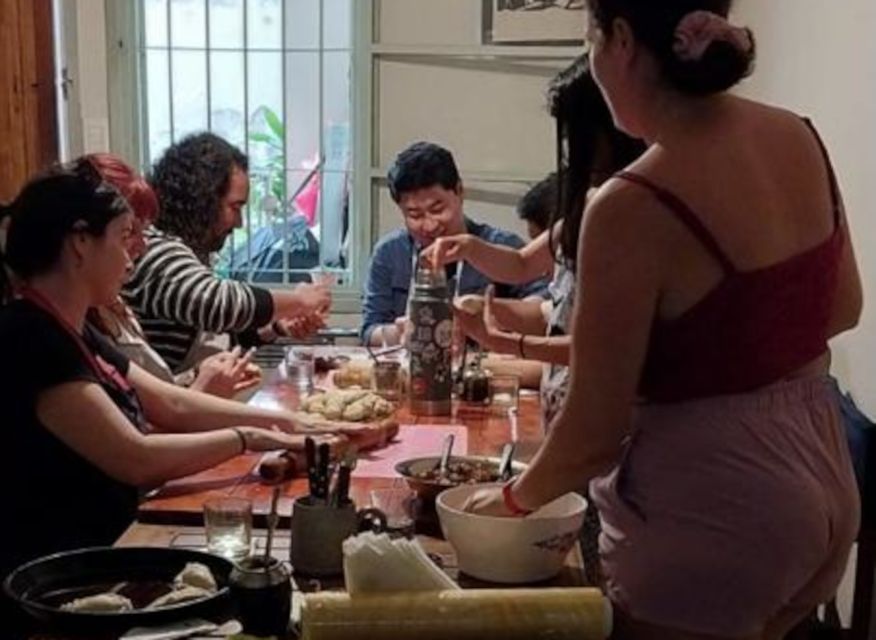
Meet at Paseo Colon 1355 in San Telmo at the class start time and ring the bell. Since this is a private-home setting, allow enough time to find the address without arriving late.
The activity is wheelchair accessible, and group size is limited to eight. English and Portuguese are available. You can cancel up to 24 hours before the start for a full refund, and the reserve-now, pay-later option lets you hold a place without paying immediately.
The most useful tip is to confirm your recipes before leaving. Some people received them smoothly, while others had to ask for them or follow the host on Instagram first. If you want to recreate the food at home, make that request clearly at the end.
Also ask about the filling if you care about variety. The class can include a vegetarian alternative, but you should not presume a second savory style will be prepared.
Should you book it?
Book this class if you want an easygoing evening in a real Buenos Aires home, with food you prepare yourself and hosts who make conversation part of the lesson. The combination of empanadas, alfajores, mate, and a group of no more than eight gives you a useful taste of Argentine cooking without making the activity feel formal.
Skip it if you want a technical baking course, several empanada fillings, or a private itinerary. For most visitors, though, $37 buys much more than dinner. It buys a place at a family table, a few practical recipes, and a memorable way to understand Argentine food from the inside.
FAQ
Where does the cooking class meet?
Meet at Paseo Colon 1355 in San Telmo at the starting time of the class. Ring the bell when you arrive.
How long does the experience last?
The cooking class lasts three hours.
What food will I make?
You will make Argentine empanadas with savory fillings and alfajores made with corn starch and dulce de leche. The class also teaches the traditional preparation of mate.
Is food and drink included?
Yes. Ingredients, mate, water, and the meal are included. Wine is not included but is available to purchase.
What languages are available?
The class is offered in English and Portuguese.
How large is the group?
The class is limited to eight participants. It is wheelchair accessible, and you can cancel up to 24 hours in advance for a full refund.
Newest classes around the world
- Aroidee’s Farm-Fresh Thai Cooking Experience★ 5.0 · 8 reviews
- Authentic Thai Cooking Class and Farm Visit in Chiang Mai★ 5.0 · 66 reviews
- Yummy Tasty Thai Cooking School in Chiang Mai★ 5.0 · 2 reviews
- Signature Thai Cooking Course★ 5.0 · 79 reviews
- Half Day Guided Thai Cooking Class in Chiang Mai★ 5.0 · 13 reviews
- Online Thai and Akha Cooking Class★ 5.0 · 70 reviews
- Northern Thai Cooking Class in Chiang Mai in a Countryside Home★ 5.0 · 2 reviews
- Private Half-Day Thai Cooking Class in Chiang Mai★ 5.0 · 4 reviews
Cooking Classes, compared.
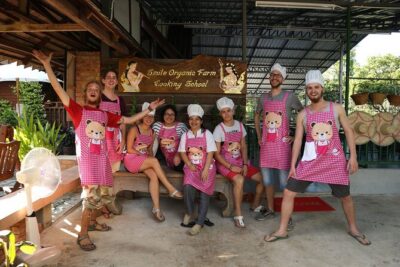
Half-Day Thai Cooking Class at Organic Farm in Chiang Mai
Read our review →

3 in 1 Cooking Class near Navona: Fettuccine, Ravioli & Tiramisu
Read our review →
Pasta & Tiramisu Cooking Class with Unlimited Wine
Read our review →
Hanoi Cooking Class: Culture, Local Market & Meaning CSR Impact
Read our review →
5 Traditional Dishes Hanoi Cooking Class with Market Trip
Read our review →