
Review · BANGKOK COOKING CLASSES
Blue Elephant Sathorn Bangkok Cooking School with Michelin Guide
The market visit gives the morning class its best local flavor. You’ll handle kaffir lime leaves, galangal, fresh seafood, and other ingredients before learning how they work together in Thai cooking. Back at Blue Elephant Sathorn, chefs guide you through four dishes in a traditional building with a restaurant setting.
I like the small maximum of 20 people, which gives the class a better chance of feeling hands-on rather than like a cooking demonstration. I also like the practical finish: you eat what you make, receive recipes and a certificate, and take home a shopping bag with products. The main catch is timing. The market tour is only offered in the morning, and Bangkok traffic can make a taxi ride slow and costly in time.
Key points at a glance
- Morning market tour: Visit a local market before class and learn about ingredients such as kaffir lime leaves and galangal.
- Four or five dishes: Morning classes include four Thai dishes, while afternoon classes include five.
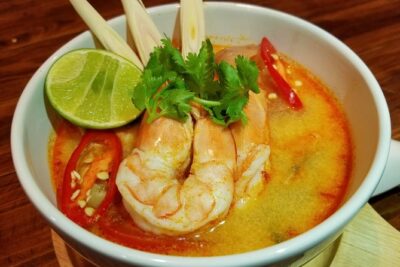
- Daily changing menu: The menu depends on the day, from Pad Thai and green curry to Tom Yum and seafood dishes.
- BTS access: The school is at 41 S Sathon Road, close to BTS Surasak station.
- Small class size: Sessions are limited to 20 people, with multilingual instruction available.
- Useful take-home extras: You receive recipes, an apron, certificate, herbal drink, and a shopping bag with products.
Starting at Blue Elephant Sathorn near BTS Surasak
Blue Elephant Sathorn is in Bangkok’s Sathon district, an area where office towers, old temples, smart restaurants, and local streets sit close together. The school and restaurant are at 41 S Sathon Road, near BTS Surasak station. For most visitors, the Skytrain is the sensible way to arrive.
The meeting point matters here because Bangkok traffic can be rough, especially around rush hour. Hotel pickup and drop-off are not included, and the school advises against relying on a taxi unless you allow one to two hours for traffic. I would build in extra time and arrive at the station area early rather than begin the class worried about being late.
The activity lasts about four hours. Confirmation is provided when you book, and the ticket is mobile, so you do not need to print a voucher. The class ends back at the school, which makes it easy to continue exploring Sathon or return to the BTS line.
On arrival, you receive a refreshing towel and Thai herbal drink. That small welcome is useful in Bangkok’s heat, especially if you have come from sightseeing. You then move into the cooking experience, with recipes and ingredients supplied.
More Guided Days Out in Bangkok:
- Budapest Cooking Class & Market Tour with Local Guide & Wines
★ 5.0 · 553 reviews - Buenos Aires: Empanadas and Alfajores Guided Cooking Class
★ 4.8 · 486 reviews - Private Guided Cooking Workshop Experience in Jodhphur
★ 5.0 · 158 reviews
Why the morning market visit is worth choosing
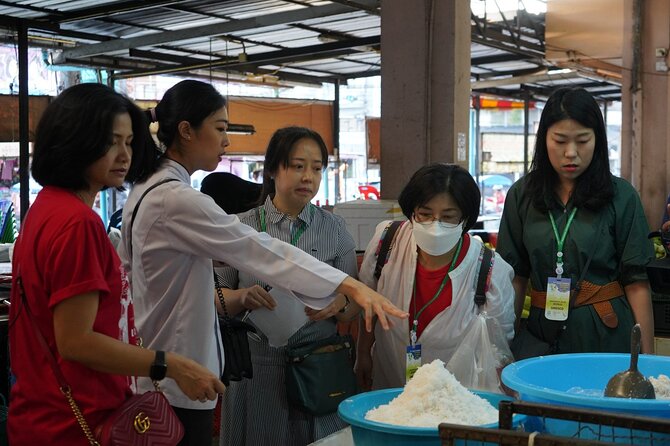
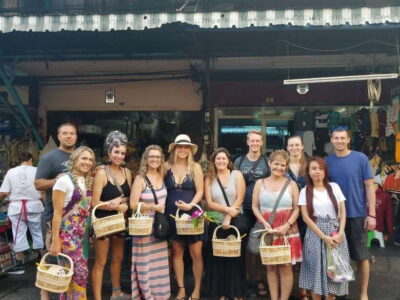
The morning class begins with a fresh local market visit. This is more than a quick stop for photographs. You get to see the raw materials that give Thai food its sharp, fragrant character, then use those same ingredients in the kitchen.
The visit includes guidance on choosing items such as kaffir lime leaves and galangal. These ingredients can look unfamiliar if you are used to buying Thai curry paste in a jar. Learning how they smell, feel, and fit into a dish gives you a better chance of repeating the recipes at home.
A market also gives useful context to the cooking. Thai food depends on balance: hot, sour, salty, sweet, and aromatic notes need to work together. Seeing the herbs, vegetables, seafood, and spices before cooking helps explain why the final dishes taste so layered.
The tradeoff is simple. The morning class includes four dishes, while the afternoon class includes five. If your priority is the market and the morning rhythm, choose the earlier session. If you care more about cooking one extra dish and do not mind skipping the market, the afternoon class may be the better fit.
The market tour is not available in the afternoon, and the published daily menus can change without notice if ingredients are unavailable. That is normal for a class built around fresh produce, but you should not book with only one dish in mind unless you are comfortable with a possible change.
Four dishes in a fully equipped kitchen
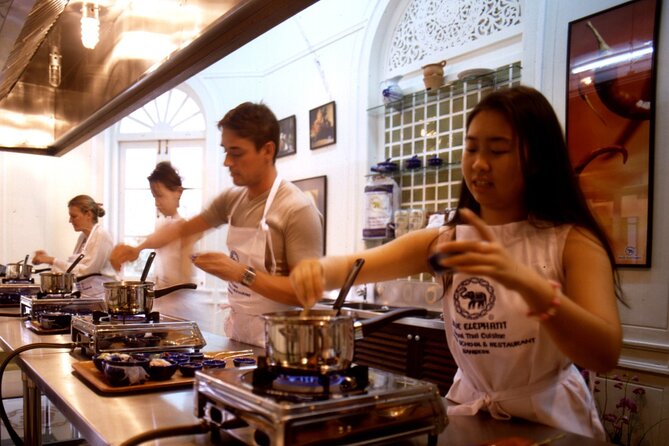
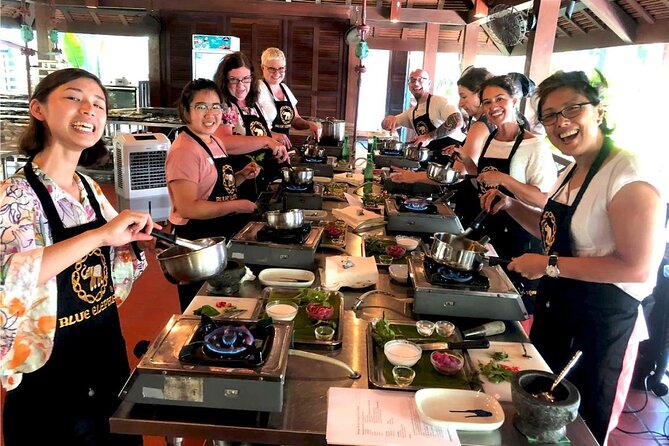
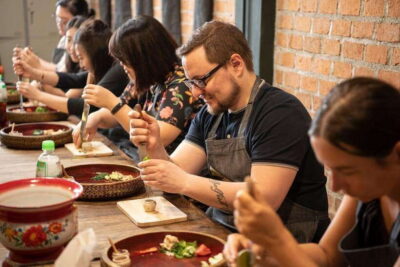
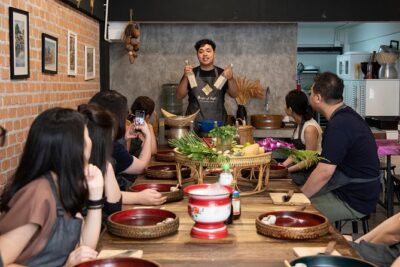
After the market, you return to the school for the main cooking session. You receive an apron and work in a fully equipped kitchen, with chefs guiding the class through Thai techniques and recipes. The setup is designed for participation, not just watching someone else cook.
Class size is limited to 20 people per session. That is not a private lesson, but it is small enough to make personal help more realistic. You can ask about cutting, seasoning, heat, and timing as the dishes come together.
The recipes change by day. That gives repeat visitors a reason to return, and it also lets you choose a date that matches the food you most want to learn. The listed menus include:
- Monday: Laab Kai, Tom Yum Koong, Plaa Krapong Phad Cha, and beef yellow curry
- Tuesday: Yum Ma Khue Muang, Tom Kha Kai Hed Fang, tamarind prawns, and jungle curry with sea bass
- Wednesday: green mango prawn salad, herbal beef soup, roast duck red curry with lychee, and Pad Kra Paow Kai
- Thursday: Som Tum, Pad Thai with prawns, grilled sea bass with herbs, and scallop curry with bai chaplu
- Friday: prawn cakes, spicy and sour fish soup, stir-fried spicy beef with eggplant, and green curry with chicken
- Saturday: lemongrass prawn salad, turmeric fish soup, cashew chicken, and red beef curry with pumpkin
- Sunday: crispy rice parcels with green curry, smoky fish soup, black pepper prawns, and Panang chicken
The menu names may look daunting if you are new to Thai food, but that is part of the value. You are not simply making the most familiar dishes found on a tourist menu. You get a wider look at regional flavors, curry styles, soups, salads, and seafood preparations.
The four-dish morning menu is still a substantial amount of food. The afternoon class includes five dishes, so you should arrive with only a light breakfast or lunch. A large meal is provided through cooking and tasting, and eating beforehand can leave you too full to enjoy it.
What the daily menu means for your booking
I would check the menu before selecting a date. Monday is a good choice if you want Laab Kai, Tom Yum Koong, sea bass, and beef curry. Thursday suits someone hoping to learn Pad Thai and Som Tum. Friday gives you a familiar green curry alongside prawn cakes and spicy beef.
Seafood appears often, including prawns, fish, scallops, and fish soup. If you have allergies or a strong dislike of seafood, contact the operator before booking and confirm what can be changed. Vegetarian and other dietary restrictions can be accommodated, but the exact replacement dishes are not specified.
The menu can change based on ingredient availability. That point is worth taking seriously in a class focused on fresh local produce. You should treat the published menu as a guide, not an absolute promise.
The day-based menus also make this a good activity for repeat visits. One person who has attended several times whenever in Bangkok found enough variety to keep returning. That makes sense: the cooking format remains familiar, but the dishes and ingredients change across the week.
More Cooking Classes in Bangkok:
- Bangkok: Hands-on Thai Cooking Class and Market Tour
★ 4.9 · 1,614 reviews - Bangkok: Tingly Thai Cooking School Half-Day Cooking Class
★ 4.9 · 1,191 reviews - Bangkok: Maliwan Thai Cooking Class with Market Tour
★ 4.9 · 1,133 reviews - Hands on Thai Cooking Class and Market Tour
★ 5.0 · 660 reviews
Learning from chefs instead of just following a recipe
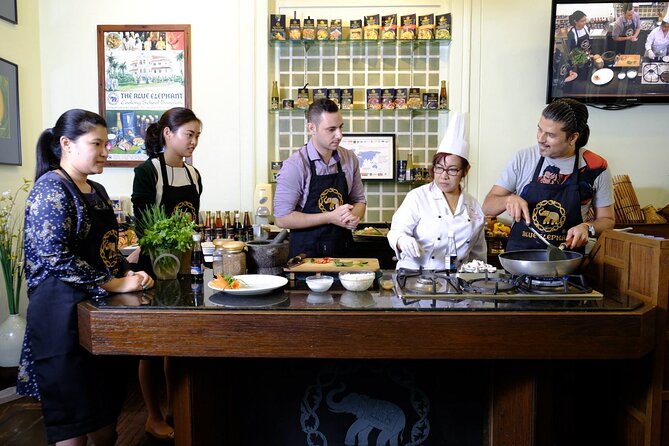
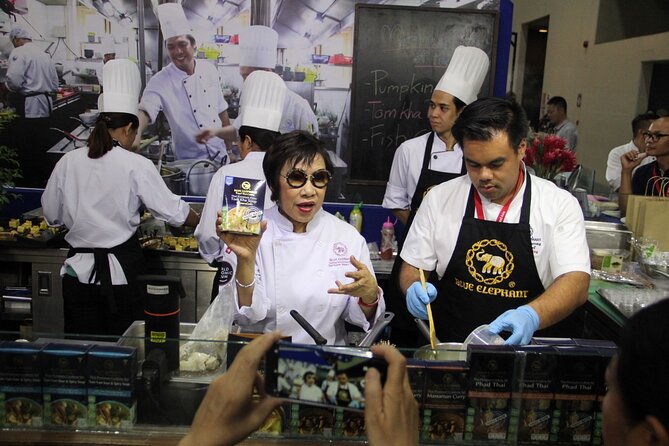
The value of a cooking class depends on what you can remember once you leave. Here, the chefs explain Thai ingredients and techniques while you work through the dishes. You are not only handed a printed recipe and left to copy it.
The instruction is described as multilingual, which helps if your group includes people with different language needs. The chefs are presented as experts in Thai cuisine, and the class places emphasis on patience, explanation, and hands-on guidance.
You should still keep your expectations sensible. A four-hour class cannot turn you into a Thai chef, and a group of up to 20 means the attention will not be as constant as in a private lesson. Its strength is breadth: you prepare several dishes, learn how ingredients are used, and get a practical introduction to Thai cooking in one morning or afternoon.
The kitchen experience also gives you a chance to adjust to Thai flavors. You can see how chili, herbs, curry pastes, coconut milk, seafood, and aromatics are combined rather than tasting a finished dish with no idea how it was built.
Eating your own cooking in a traditional setting
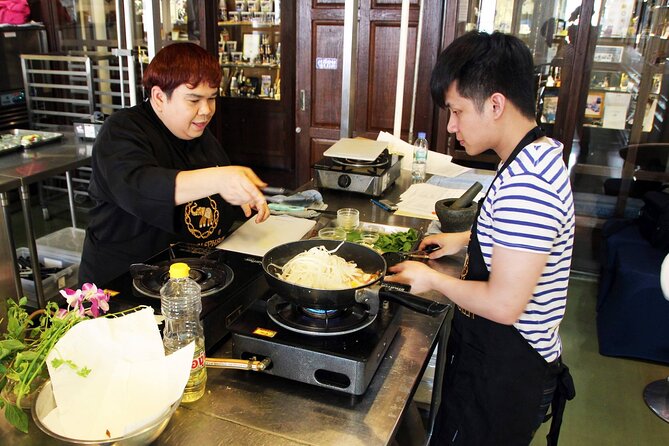
When the dishes are ready, you eat them in the restaurant setting or take them home to share. The traditional building adds character to the meal and gives the class a more polished finish than a basic classroom lunch.
There is a simple pleasure in sitting down to food you have just prepared. It also lets you judge the results while the cooking steps are still fresh in your mind. If one dish is too spicy, too sour, or not quite balanced, you can ask about it before the session ends.
The experience provides a generous amount of food, so I would avoid scheduling it immediately after another major meal. This is especially important for the afternoon class, which includes five dishes.
The format works well for couples and families. Children aged 6 to 12 may join the cooking station with their parents. Children under six cannot attend the class unless a caretaker is present. That rule is worth checking before you book, as the cooking area is a working kitchen rather than a child-only activity.
Price, group size, and what you take home
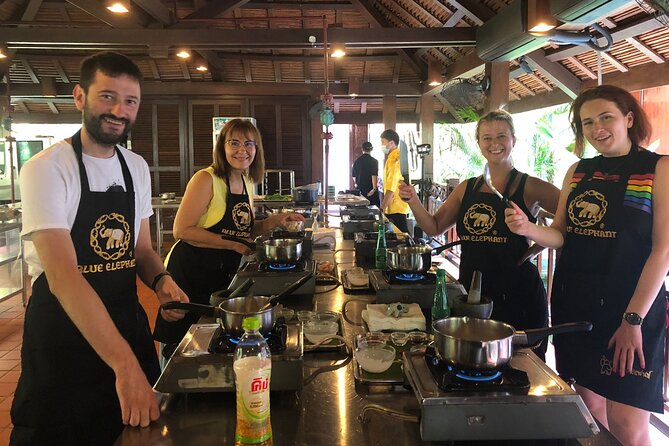
At about $161.15 per person, this is not Bangkok’s cheapest cooking class. You are paying for a well-known cooking school and restaurant setting, chef instruction, a market visit in the morning, a substantial meal, and a class with a maximum of 20 people.
The value is strongest if you want more than one or two familiar recipes. You get four dishes in the morning or five in the afternoon, ingredient instruction, recipes, an apron, certificate, herbal drink, and a shopping bag with products. The market visit adds another layer of learning that a standard kitchen-only class may not provide.
The value is weaker if you mainly want a low-cost meal or a quick Pad Thai lesson. You also need to arrange your own transport, and the price does not include tips or personal expenses. There is no hotel transfer.
The certificate is a pleasant souvenir rather than the main reason to book. The more useful take-home items are the recipes and the ingredient knowledge. The shopping bag and products are practical extras, especially if you want to continue experimenting with Thai food later.
The experience is often booked well ahead, with an average booking lead time of about 43 days. That suggests you should reserve early if your Bangkok dates are fixed, particularly if you want a specific day’s menu or the morning market visit.
The practical details that can make or break the day
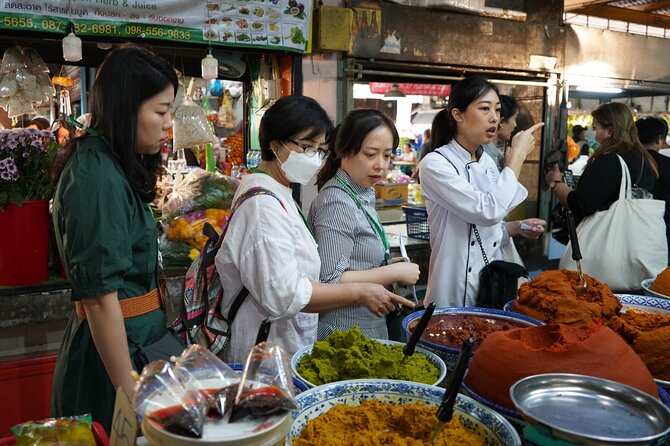
Choose the morning if you want the market tour and prefer to finish your food activity earlier. Choose the afternoon if five dishes appeal more than market shopping. Either way, check the menu for your chosen day and allow time to reach Sathorn.
Use BTS Surasak as your transport reference point. A taxi may work outside heavy traffic, but the school warns that rush-hour delays can last one to two hours. Hotel pickup is not provided, so transport planning is part of the booking decision.
Bring a light appetite, not a full one. The class includes cooking and tasting, and the meal is large enough to replace lunch or dinner for many people.
The activity requires good weather and a minimum number of participants. If poor weather or low enrollment causes cancellation, you are offered another date, an alternative experience, or a full refund. You can also cancel for a full refund up to 24 hours before the start time. Changes or cancellations within 24 hours are not refunded.
Who will get the most from Blue Elephant Sathorn
I would recommend this class to food lovers who want a structured introduction to Thai ingredients and cooking methods. It suits couples looking for a shared activity, families with children aged six and above who can cook with a parent, and repeat visitors who want to work through different daily menus.
It is also a good choice if you value setting and presentation. The traditional building, restaurant meal, chef-led instruction, certificate, and take-home items make it feel like a full experience rather than a short demonstration.
I would hesitate if you dislike seafood, need a private class, or want complete control over the menu. Seafood appears often, class sizes can reach 20 people, and ingredients may force a menu change. I would also think twice if your schedule makes a long traffic delay stressful.
Should you book this Thai cooking class?
Book it if you want a polished, hands-on Thai cooking session with a real market visit, several dishes, and a meal at the end. The morning option offers the best mix of market context and kitchen work, while the afternoon session gives you one extra dish.
The main reasons to book are the patient chef guidance, changing menus, small group limit, and useful take-home material. The main reasons to skip it are the high price, lack of hotel transfer, possible traffic delays, and the fact that the market visit is morning-only.
For most food-focused visitors, I would choose a morning class, arrive by BTS Surasak, eat lightly beforehand, and select a date based on the menu. That approach gives you the fullest version of the experience and the best chance of leaving with cooking skills you can use at home.
FAQ
Where does the cooking class begin?
The class begins at Blue Elephant Bangkok Sathorn Cooking School and Restaurant, at 41 S Sathon Road in Bangkok. It is near BTS Surasak station.
How long does the experience last?
The cooking class lasts approximately four hours.
Is a market visit included?
A fresh local market visit is included with the morning class only. It is not offered during the afternoon session.
How many dishes will I prepare?
The morning class includes four Thai dishes. The afternoon class includes five Thai dishes.
Does the menu stay the same every day?
No. The menu changes by day of the week and may also change without notice if ingredients or raw materials are unavailable.
Can vegetarian and other dietary restrictions be accommodated?
Yes. Vegetarian and other dietary restrictions can be accommodated.
Can children join the cooking class?
Children aged 6 to 12 may join the cooking station with their parents. Children under six are not allowed to attend unless a caretaker is present.
How large is the class?
Each session is limited to a maximum of 20 participants.
What is included, and is hotel transportation provided?
The experience includes recipes, ingredients, an apron, certificate, herbal drink, refreshing towel, and a shopping bag with products. Morning participants also receive the market visit. Hotel pickup and drop-off are not provided, and tips and personal expenses are not included.
Newest classes around Bangkok
- Thai cooking class experience in Bangkok with Tingly Thai cooking school★ 5.0 · 59 reviews
- Bangkok Udomsuk Thai Cooking Class with local market tour★ 5.0 · 5 reviews
- Thai Cooking Class in Bangkok★ 5.0 · 23 reviews
- Hands-On Thai Cooking Class Bangkok with Local Chef (Small Group)★ 5.0 · 119 reviews
- Thai Cooking Class★ 5.0 · 25 reviews
- Baipai Thai Cooking School: Authentic Cooking Class Tour★ 5.0 · 3 reviews
- Sompong Thai Cooking School★ 5.0 · 92 reviews
- Sompong Thai Cooking School: Hands-On Culinary Experience★ 5.0 · 4 reviews
Bangkok Cooking Classes, compared.
Tingly Thai Cooking School Half-Day Cooking Class
Read our review →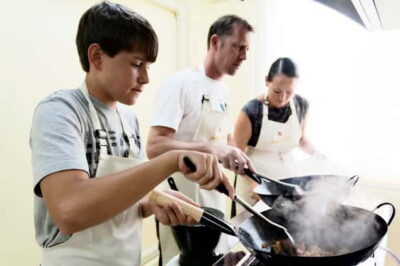
Tingly Thai Cooking Class with Morning Market Tour
Read our review →
Hands-on Thai Cooking Class & Market Tour in Sukhumvit
Read our review →
Pink Chili – Thai Cooking Class and Market Tour in Bangkok
Read our review →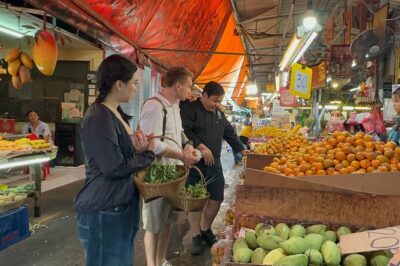
Authentic Thai Cooking with the Largest market visit &TukTuk ride
Read our review →Browse the lists this tour appears in