
Review · ITALY COOKING CLASSES
Fettuccine & Ravioli Class in Assisi’s Home-Style Cooking School
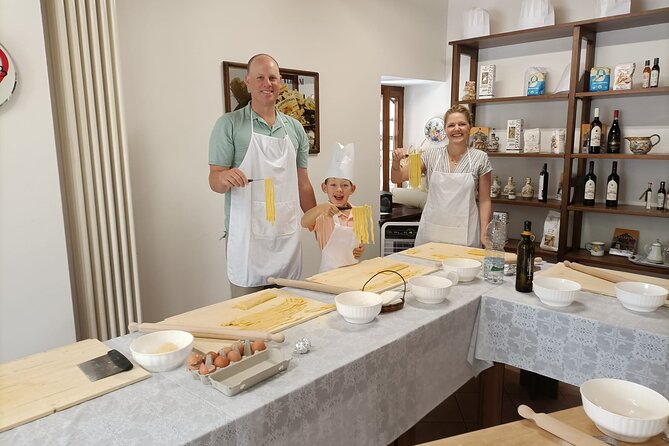
Fresh pasta is the point here, but the warm contact with a local cook is what gives this Assisi class its appeal. You knead dough, roll it thin, shape ravioli, and then eat the results instead of simply watching a chef work.
I like the chance to break up a day of church and hill-town sightseeing with something practical and social. I also like that the host can adjust the lesson to your skill level. The main consideration is price: at $162.56 per person, this is not a cheap meal, though the instruction, food, wine, and cultural exchange make it more than a restaurant stop.
Key points to know before booking
- You make two fresh pasta dishes: Prepare traditional fettuccine and stuffed ravioli by hand.
- The meal includes what you cook: Sit down afterward to eat the pasta, along with tiramisù and local wine.
- The host may shape the lesson around you: The class can be adapted to your experience and skill level.
- The setting has a personal feel: The activity is described as a street-side cooking school, while host experiences may also take place in a family home.
- The class lasts about 2 hours 15 minutes: That makes it a manageable addition to a day in Assisi.
- The group can reach 18 people: Ask about the group size if you are hoping for a quiet, highly personal lesson.
Why a pasta class fits so well in Assisi
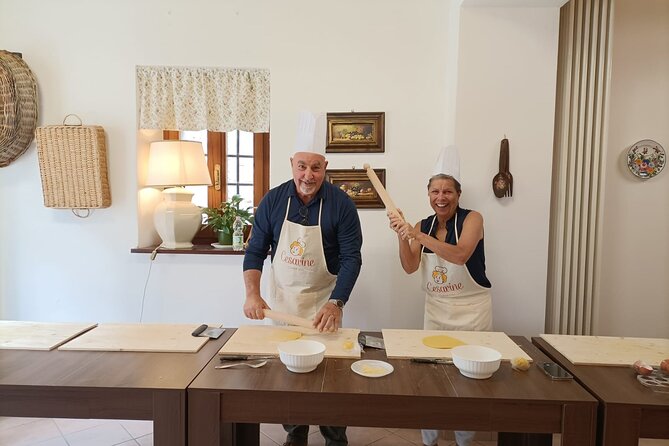
Assisi can fill a day quickly with basilicas, stone lanes, and steep walks. A cooking class gives you a different way to understand the area. Instead of only looking at Umbrian food on a menu, you handle the dough and see how simple ingredients become a meal.
This is also a useful pause in the middle of sightseeing. Two hours and 15 minutes is long enough to feel like a real activity, but short enough to fit around other plans. You finish at the same place where you begin, so you do not lose time arranging a second meeting point.
The class is offered in English, which matters when the lesson depends on small instructions. You need to understand how firmly to knead, how thin to roll the dough, and how to seal the ravioli. The cooking itself is hands-on, so English guidance makes the process much easier.
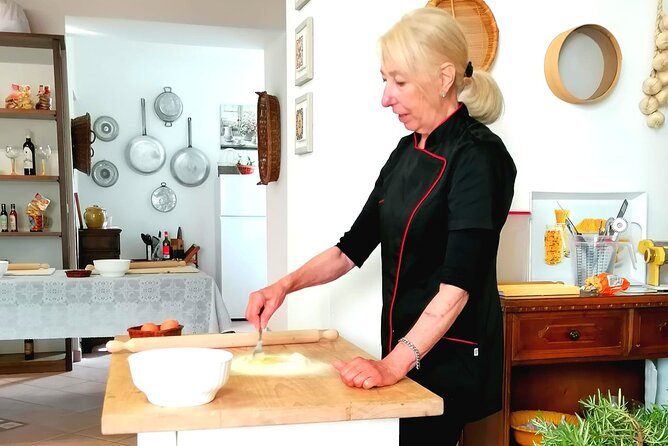
The tone appears to be personal rather than formal. The host is a home cook, not simply someone demonstrating a fixed restaurant menu. Past hosts have included Eleonora, Anna, and Sara, though your host will depend on the date and assignment.
More Pasta Making Classes in Italy:
- Florence: Pasta Cooking Class with Unlimited Wine
★ 4.9 · 10,285 reviews - 3 in 1 Cooking Class near Navona: Fettuccine, Ravioli & Tiramisu
★ 5.0 · 7,376 reviews - Florence: Pasta & Tiramisu Cooking Class with Unlimited Wine
★ 4.9 · 6,708 reviews
Meeting your Cesarine host at Via Borgo Aretino 6
The class begins at Via Borgo Aretino 6, 06081 Assisi PG, Italy. The activity ends back at this meeting point, a small but helpful detail if you are planning the rest of your day.
The location is near public transportation. Still, give yourself time to find the address, especially if you are coming from another part of Assisi or arriving with a full sightseeing schedule. The supplied information does not specify a hotel pickup or transfer, so plan to reach Via Borgo Aretino 6 on your own.
The setting is described as a street-side cooking school. At the same time, the host experiences connected with this class can feel very much like an invitation into local family life. Anna, for example, welcomed a group into her home with her husband Arnoldo and son Donatello. That kind of setting can make the meal feel less like a class and more like an evening with an Italian family.
Because the host and exact setting may vary, do not assume every session will look identical. You may work in a cooking-school space, or you may find yourself in a more domestic setting. The common thread is the personal instruction and shared meal.
Kneading and rolling the fettuccine dough
The first major task is fresh fettuccine. You prepare the dough from scratch, then work it by hand with help from the host. The important lesson is not only the recipe. It is learning the feel of the dough.
A good instructor can show you when the dough needs more work and how to roll it evenly. That is where this class earns its place over simply ordering pasta at lunch. You leave with a better sense of the process, even if your first sheet is not perfectly thin.
Fettuccine is a sensible dish for beginners. It is familiar, direct, and forgiving enough to let you focus on technique. You will knead, roll, and cut the dough into ribbons. The host can adjust the pace if you already cook, or slow down if this is your first attempt at fresh pasta.
You should expect flour, hands-on work, and a little trial and error. This is not a polished demonstration where every strand comes out identical. That is part of the fun. The uneven pieces are evidence that you made the food yourself.
Filling and shaping traditional ravioli
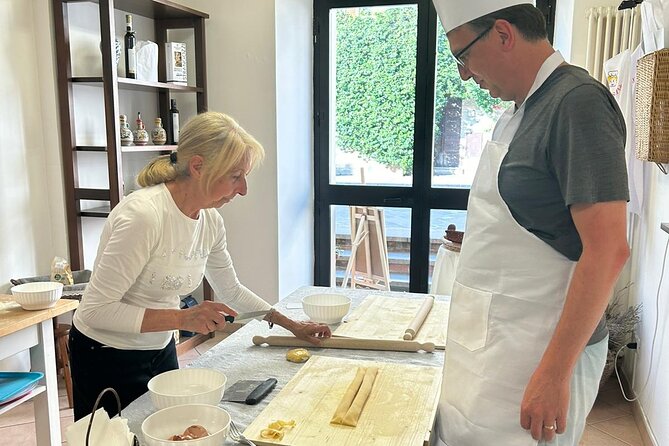
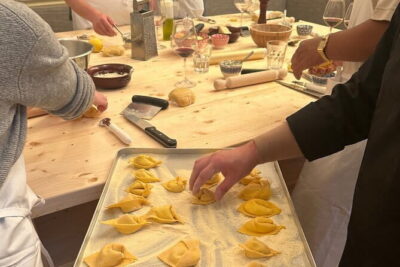
Ravioli adds a second skill. Instead of cutting simple pasta ribbons, you fill and seal small pasta parcels. The host shows you how to place the filling, fold the dough, and close the edges so the pasta stays together during cooking.
This part often requires more care than fettuccine. Too much filling can make sealing difficult. Poorly closed edges can open in the pot. The class gives you a chance to learn these small details with immediate help, rather than guessing at home.
The supplied menu identifies ravioli as a traditional Italian stuffed pasta, but it does not specify the filling or sauce. That is worth keeping in mind if you have dietary restrictions or strong food preferences. Ask the provider before booking if you need to know the ingredients.
Making ravioli also gives the lesson a useful contrast. Fettuccine teaches you about rolling and cutting. Ravioli adds filling, folding, and sealing. In one short class, you work with two different forms of fresh pasta rather than repeating the same technique.
More Cooking Classes in Italy:
- Florence: Pasta Cooking Class with Unlimited Wine
★ 5.0 · 6,413 reviews - Cooking Class and Lunch at a Tuscan Farmhouse with Local Market Tour from Florence
★ 5.0 · 4,831 reviews - Rome: Pasta Making Class with Wine, Limoncello, and Dessert
★ 4.9 · 3,177 reviews - Pastamania – Florence Pasta Making Class
★ 5.0 · 3,050 reviews
Tiramisù and the meal at the end
The food does not stop with pasta. Tiramisù is part of the meal, and one host, Anna, also demonstrated how to prepare it. The supplied information does not spell out every step or ingredient, so you should expect the dessert to be prepared with the host rather than assume a particular recipe.
After the cooking, you eat the fettuccine and ravioli you helped make. Local wine is included, giving the meal a distinctly Italian rhythm: work together, sit down, and share the results.
The meal can be more generous than a simple taste of pasta. Anna’s family served an aperitivo, wine, and a typical four-course meal in their dining room. That fuller format may not appear at every session, but it shows how the experience can grow beyond the two dishes named in the menu.
One especially personal touch came during a birthday celebration, when Anna brought out a special cake and sang Happy Birthday in English. You should not book expecting a custom celebration, but the story shows the kind of friendly exchange that can happen when the host treats the occasion personally.
The food is important, but the conversation matters just as much. One group spoke almost no Italian, while the hosts spoke little English, yet they still managed to laugh, cook, and share a meal together. You do not need fluent Italian to take part, though a few simple Italian words will always help.
What the host adds to the experience
The strongest feature is the host, and that also means the experience can vary from one session to another. Eleonora has been described as friendly, outgoing, and thorough. Sara has welcomed visitors into her home and taught traditional cooking practices with patience. Anna’s session included her husband Arnoldo and their son Donatello, turning the meal into a family occasion.
These details matter because you are not signing up only for a recipe lesson. You are paying for contact with a person who cooks in an Italian home-style tradition. The best version of this class gives you time to ask questions about food and daily life in the Assisi area.
The host can tailor the lesson to your background. If you rarely cook, you can focus on basic handling and shaping. If you already make pasta, you can ask about technique and work more independently. This flexibility is a strong reason to choose the class over a large, fixed-format cooking demonstration.
The maximum group size is 18 people. That is not necessarily a crowd, but it is larger than the intimate family setting described in some host experiences. If you care most about one-on-one instruction, confirm the expected group size before you pay.
Is $162.56 per person good value?
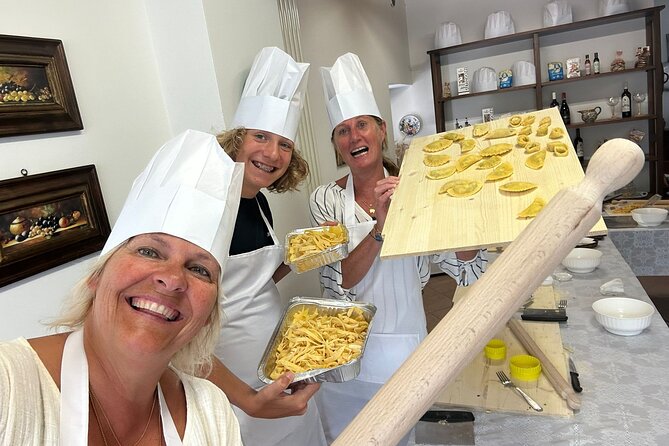
The cost is $162.56 per person, so you should compare it with more than the price of a bowl of pasta. The fee covers about 2 hours and 15 minutes of instruction, two handmade pasta dishes, tiramisù, and local wine. It also pays for the host’s time and the chance to eat in a personal setting.
I would consider it good value for someone who wants a cultural activity and a meal in the same booking. You are learning a skill, meeting a local cook, and eating food prepared with your help. That combination is harder to price than a standard restaurant lunch, but it can become one of the more memorable parts of a short stay.
The value is weaker if you only want a quick meal or if you already have several cooking classes planned elsewhere in Italy. You may also find the price harder to justify if your main goal is a large portion of food rather than conversation and instruction.
The included wine and dessert help round out the cost. So does the possibility of a longer family-style meal, although you should not assume every session includes the same four-course format described by Anna’s family.
How to fit the class into an Assisi day
The class lasts roughly half a morning or afternoon, depending on your start time. It works well as a break between sightseeing blocks, especially because it begins and ends at Via Borgo Aretino 6.
Do not schedule a major timed attraction immediately afterward. Fresh pasta, a shared meal, and conversation can take the full two hours and 15 minutes, and a generous host may not rush you out of the door.
This is also an activity to protect from an overly packed itinerary. Assisi rewards slow walking, and the class has the same quality. If you arrive distracted by the next church or train, you may miss the best part, which is the relaxed exchange around the table.
The class is offered in English, but the host’s level of spoken English can vary. Communication has worked even when Italian and English were limited on both sides, though you should be ready for gestures, demonstrations, and a few language gaps.
Who will enjoy this class most
I would recommend it most strongly to couples, families, and small groups who like to do something rather than only look at things. Children and adults can take part together, though the supplied information does not give a minimum age, so check before booking for young children.
It is also a good fit for anyone who wants a local connection without committing to a full-day food tour. You learn two useful pasta forms, eat the results, and return to the same meeting point.
The class may suit you less if you dislike group activities, have strict dietary needs that have not been confirmed, or want a highly technical professional cooking course. This is home-style cooking, with emphasis on participation and hospitality.
You should also consider your comfort with a flexible format. A family host may add conversation, extra dishes, or a personal touch. That can be wonderful, but it may not follow a precise restaurant-school script.
Booking details and cancellation
Confirmation is received at the time of booking. The activity is offered in English, accepts mobile tickets, and has a maximum capacity of 18 people.
Free cancellation is available if you cancel at least 24 hours before the start time. Cancel later than that, or request changes within the final 24 hours, and you will not receive a refund. Cutoff times follow local Assisi time.
The class is booked, on average, 53 days ahead. That does not mean every date sells out, but it is a useful signal for planning. If your Assisi visit falls on a fixed date, reserve early rather than leaving the cooking class until the last morning.
Should you book the Assisi pasta class?
Book it if you want fresh food, local conversation, and a hands-on break from sightseeing. The class gives you more than recipes: you learn by doing, then share the meal with the person who taught you.
I would be especially happy to choose it for a family, a couple celebrating a special occasion, or anyone who values personal contact over a polished show. The strongest sessions appear to come from hosts such as Eleonora, Anna, or Sara, whose patience and hospitality shape the day.
Think twice if $162.56 feels high for a short activity, or if you need a tightly controlled menu and a guaranteed private setting. Ask about the host, group size, and ingredients before booking. For most food-minded visitors, though, this is a memorable way to meet Assisi through its kitchen rather than only through its monuments.
FAQ
Where does the pasta class begin?
It begins at Via Borgo Aretino, 6, 06081 Assisi PG, Italy.
Where does the activity end?
The activity ends back at the meeting point on Via Borgo Aretino 6.
How long does the experience last?
The class lasts approximately 2 hours and 15 minutes.
What pasta will I make?
You will prepare fettuccine and ravioli from scratch.
Is tiramisù included?
Yes. Tiramisù is included as part of the food experience, and the lesson may include preparing it with the host.
Is wine included?
Yes. The handmade meal is paired with local wine.
Is the class offered in English?
Yes. The experience is offered in English.
How much does the class cost?
The listed price is $162.56 per person.
How many people can join?
The activity has a maximum of 18 participants.
Can I cancel for a full refund?
Yes, if you cancel at least 24 hours before the experience start time. Cancellations made less than 24 hours ahead are not refunded.
Newest classes around Italy
- Cooking Class in a Sicilian countryhouse★ 5.0 · 5 reviews
- Cesarine: Market Tour & Home Cooking Class in Catania★ 4.0 · 6 reviews
- Cesarine: Home Cooking Class & Meal with a Local in Catania★ 4.5 · 10 reviews
- Cooking Class in Taormina with Lunch Included★ 5.0 · 2 reviews
- Cooking class in Capri for small groups★ 4.0 · 4 reviews
- Cooking Class and Wine Pairing in Capri★ 5.0 · 57 reviews
- Lezione di Cucina : Pasta Fresca★ 5.0 · 12 reviews
- Private Cooking Class Experience in Reggio Calabria★ 5.0 · 5 reviews
Italy Cooking Classes, compared.
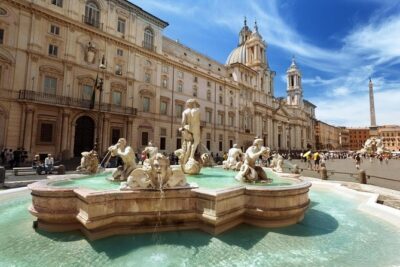
3 in 1 Cooking Class near Navona: Fettuccine, Ravioli & Tiramisu
Read our review →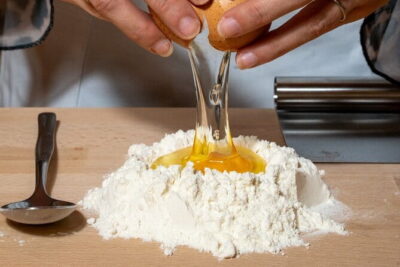
Pasta & Tiramisu Cooking Class with Unlimited Wine
Read our review →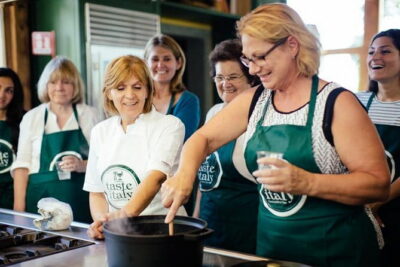
Cooking Class and Lunch at a Tuscan Farmhouse with Local Market Tour from Florence
Read our review →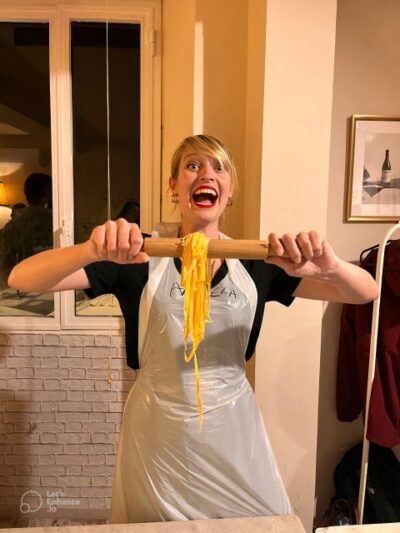
Pasta Making Class with Wine, Limoncello, and Dessert
Read our review →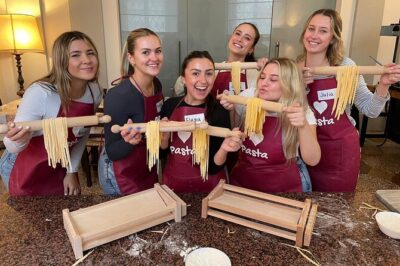
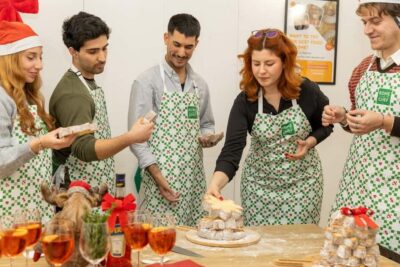
Rome Cooking Class: Make Pasta and 3 Spritz Cocktails
Read our review →Browse the lists this tour appears in