
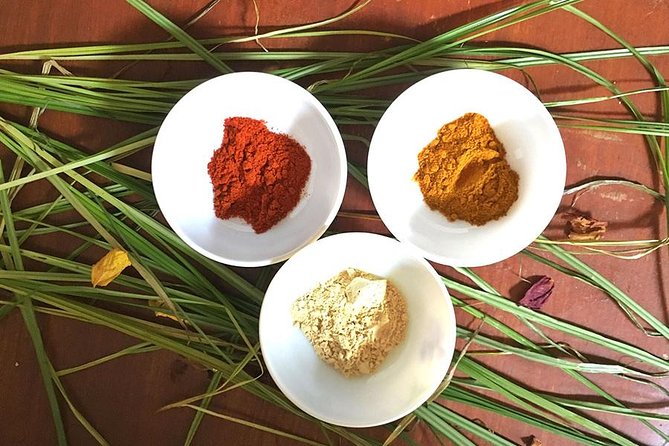
Review · COOKING CLASSES
Unique Ethiopian Cooking Class and Coffee Ceremony with a Local in Addis Ababa
The best part of this Addis Ababa experience is the setting: you enter Daniel and Tigist’s home, not a polished cooking studio. Tigist teaches you to prepare injera and a traditional dish such as shiro or tibs, then the family serves the meal with a slow, hand-roasted coffee ceremony.
I like the personal scale and the chance to see a quieter, greener side of Addis Ababa. I also like that you can request lunch or dinner, ask for a vegetarian menu, and even add another dish if you are willing to stay longer. The main consideration is transport, since hotel pickup is not included and meeting arrangements have sometimes required extra clarification.
Key things to know before booking
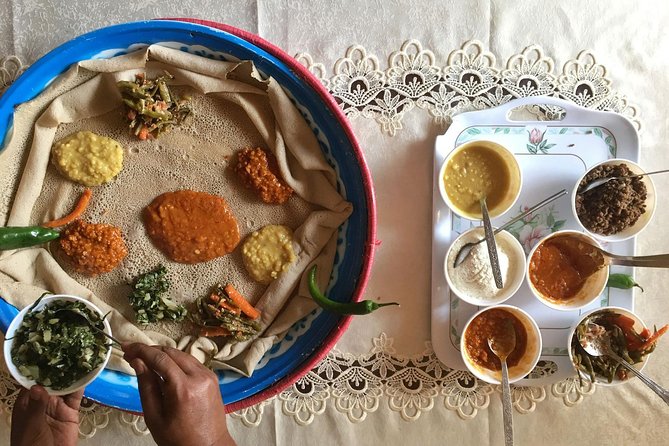
- You cook in a real Ethiopian home: Daniel and Tigist host you in their own kitchen, surrounded by family photographs and everyday home life.
- Injera is part of the lesson: You learn how to pour and cook Ethiopia’s famous fermented flatbread, not simply eat it at the end.
- The menu can change: Your dish may be shiro, a chickpea or broad bean stew, or tibs, stir-fried meat with vegetables and spices.
- Coffee is roasted by hand: The ceremony begins with raw beans and turns into a traditional coffee service.
- This is a private experience: Only your group takes part, making it a good choice for families, couples, and small groups.
- Plan your transport carefully: The tour ends where it starts, but hotel pickup and drop-off are not included.
A home kitchen instead of a cooking school
This experience works because it feels like an invitation into daily life. Daniel and Tigist live on the outskirts of Addis Ababa, in an area that is calmer and greener than the city center and not often visited by tourists.
Their home is described as clean, comfortable, and homey. Pictures of their three boys decorate the rooms, and you may meet the children if you book an evening or weekend session. That detail matters. You are not just learning a recipe from an instructor who leaves when the class ends. You are sharing time with a family in its own space.
I would choose this class if you want food to serve as your introduction to Ethiopian culture. The kitchen gives you a direct look at how meals are prepared, how coffee fits into social life, and how a local family welcomes people into the home.
The setting is also the reason to keep expectations realistic. This is not a commercial cooking studio with matching workstations, printed recipe cards, or a carefully staged demonstration kitchen. You are visiting a private home. That makes the experience more personal, but it may also mean a less formal pace.
More Coffee Stops in the world:
- Da Nang Cooking Class with Coffee Tasting and Market Visit
★ 5.0 · 310 reviews - Hanoi Cooking Class: Pho/Bun Cha/Banh Xeo…+Free Egg/Salt Coffee
★ 5.0 · 267 reviews - Market Tour and Cooking Class with a Coffee Ceremony at a Home in Addis Ababa
★ 5.0 · 32 reviews
Meeting Daniel and Tigist outside central Addis Ababa
The listed meeting point is on an unnamed road in Addis Ababa, and the activity returns to that same meeting point. Hotel pickup and drop-off are not included, so you need to pay close attention to the exact meeting instructions after booking.
Transport deserves extra care here. Past arrangements have included different pickup references, and one account described being directed to Asko Bus Station instead of Japan Market, with a long ride across the city. A pickup was also handled by someone named Abraham in one arrangement. I would confirm the final meeting point, pickup contact, and estimated travel time before the day of the class.
The location itself adds value. The outskirts offer a calmer view of Addis than the central streets, and the ride helps you see a part of the city that is easy to miss if you stay near the main sights. Still, Addis Ababa traffic can make a short distance take much longer than expected, so do not schedule this too tightly against a flight, museum visit, or other fixed appointment.
Learning to make injera from batter to plate
Injera is the heart of the cooking lesson. This soft, spongy flatbread is made from fermented batter and used both as food and as an eating surface. You tear off a piece with your hand, use it to pick up stews and vegetables, and share the meal from a common plate.
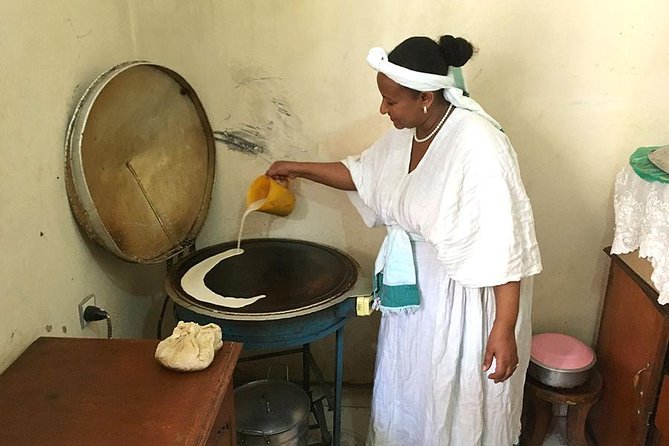
Tigist shows you how to pour and cook the injera. That simple description hides the tricky part. The batter must be handled with care, and the flatbread needs the right cooking technique to develop its familiar texture. You may not produce a perfect first piece, but that is part of the fun and gives you a better sense of the skill involved.
I like that the class does not treat injera as a decorative side dish. You learn how it is made and how it functions at the table. For anyone interested in Ethiopian food, this is more useful than a quick tasting at a restaurant.
The cooking portion lasts about two hours, although the total activity runs around three hours. If you want to add an extra dish, note it during booking. The class will take longer, so this is best requested only if you have enough time.
Shiro, tibs, and a menu that follows the season
The second dish may be shiro or tibs. Shiro is a stew made with chickpea or broad bean flour, while tibs is stir-fried meat cooked with vegetables and spices. The difference gives you a choice between a comforting stew and a more savory meat dish, although the final menu depends on the season and available ingredients.
Vegetarian cooking is available, but you need to request it when booking. The same applies to allergies, dietary restrictions, and cooking preferences. Do not wait until you arrive. The hosts need this information before they shop and plan the meal.
The menu may vary, and that is a strength rather than a flaw if you want a genuine home meal. You are not ordering from a fixed restaurant menu. You are learning what the family can prepare at that time of year.
The tradeoff is predictability. If you have your heart set on one exact dish, ask in advance rather than assuming it will be available. You can also request an additional dish, but remember that it extends the cooking time.
More Cooking Classes in the world:
- Half-Day Thai Cooking Class at Organic Farm in Chiang Mai
★ 5.0 · 19,087 reviews - Florence: Pasta Cooking Class with Unlimited Wine
★ 4.9 · 10,285 reviews - 3 in 1 Cooking Class near Navona: Fettuccine, Ravioli & Tiramisu
★ 5.0 · 7,376 reviews - Florence: Pasta & Tiramisu Cooking Class with Unlimited Wine
★ 4.9 · 6,708 reviews
Roasting coffee as the afternoon winds down
The coffee ceremony gives the experience its second major act. You learn to roast coffee beans by hand, beginning with raw beans and turning them into the dark, fragrant coffee used in the ceremony.
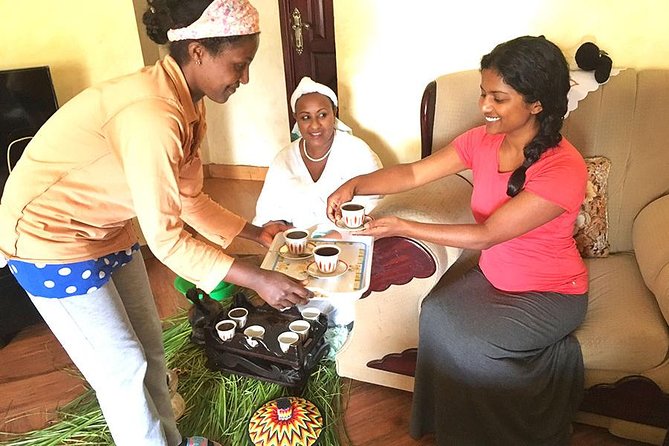
Ethiopian coffee culture is about more than caffeine. The roasting, brewing, pouring, and sharing create a social pause. After working in the kitchen, the coffee ceremony gives you time to sit, talk, and enjoy what you helped prepare.
This is one of the strongest reasons to book the full experience instead of taking a short cooking demonstration. You get both sides of the meal: the practical work of cooking and the social ritual that follows.
The coffee portion also makes the class suitable for people who are less interested in detailed cooking technique. You can still enjoy the home setting, the meal, and the coffee ceremony even if you are not confident at the stove.
A private class with room for conversation
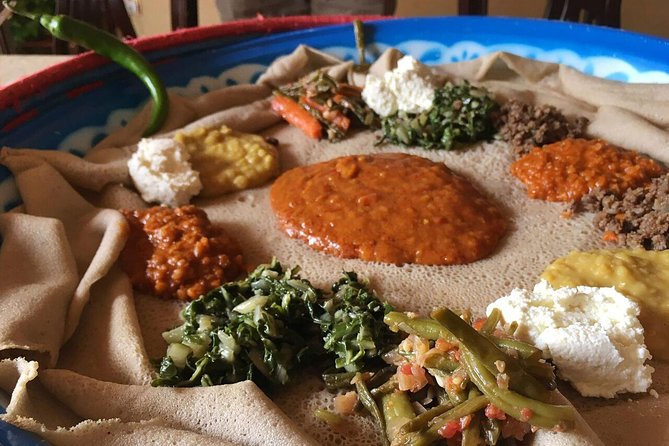
The experience is private, so only your group participates. That is a big advantage for couples, families, and small groups who want to ask questions without holding up a larger class.
It is also helpful if you have a mixed group. One person may want to focus on injera technique, another may care more about spices, and someone else may mainly want to talk with Daniel and Tigist about family life in Addis Ababa. A private format gives the hosts more room to adjust the conversation.
The family atmosphere is a major part of the appeal. Daniel and Tigist are described as warm and welcoming, and the children may be present during evening or weekend visits. You should see this as a cultural exchange, not simply a lesson with a meal attached.
That intimacy comes with a small caution. Because the experience takes place in a family home, the rhythm may be informal. If you prefer a tightly timed, highly structured class, this may feel relaxed rather than polished.
Lunch or dinner, and how long to allow
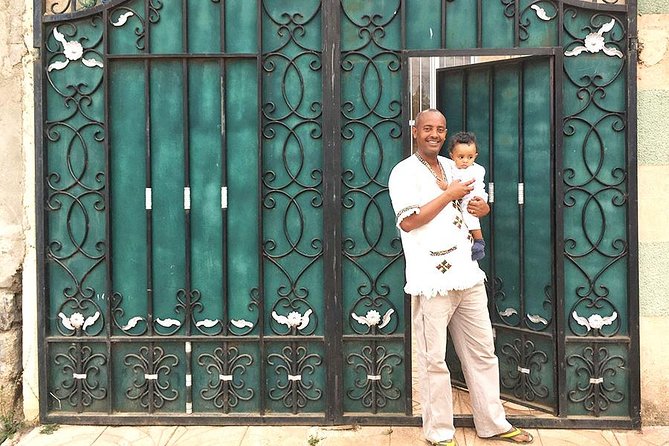
You can choose a lunch or dinner tour, which makes it easier to fit into an Addis Ababa itinerary. A daytime visit may suit you if you want to continue sightseeing afterward. An evening visit may give you a better chance of meeting the children, depending on the family’s schedule.
Allow about three hours in total. Around two hours are devoted to cooking, with time afterward for the meal and coffee ceremony. Adding another dish extends the session.
Do not book it immediately before an important departure. The class itself has a stated duration, but transport across Addis Ababa can be unpredictable. I would leave a generous buffer, especially if you need to cross the city afterward.
What the $116 price covers
At $116 per person, this is not a cheap meal or a basic group demonstration. The price includes a private cooking class, the meal with Daniel, beverages, taxes, handling charges, and gratuities.
The value depends on what you want from the outing. If your goal is simply to eat Ethiopian food at the lowest cost, a restaurant is the better choice. If you want a private lesson, a home visit, a full meal, and a traditional coffee ceremony in one sitting, the price is easier to justify.
Group discounts may be available, which could improve the value for a family or small group. Since transportation is not included, add your own cost and time for reaching the meeting point.
I would consider this a special-occasion activity rather than a budget meal. The strongest part of the price is the access to a private home and the time spent with the hosts. The weakest part is the lack of included pickup, especially if the meeting point is difficult to reach.
Who will enjoy this experience most
This class suits you if you want a personal introduction to Ethiopian food and home life. It is particularly good for:
- Couples looking for a relaxed cultural activity
- Families who enjoy cooking together
- Small groups who want a private experience
- Anyone curious about injera, shiro, tibs, and Ethiopian coffee
- Visitors who prefer meeting local people to attending a formal class
- Vegetarians, provided the request is made at booking
It may not suit you if you need a fixed menu, hotel transportation, or a short activity with no schedule changes. It is also less suitable if you want a professional culinary course with advanced technique and formal instruction.
Service animals are allowed, and the home is near public transportation. The available details do not provide a full accessibility assessment, so ask specific questions before booking if you need step-free access or special equipment.
Booking details that matter
Confirmation is sent within 48 hours of booking, subject to availability. Since this is a private home visit, it is sensible to book early and wait for the final meeting instructions before making firm transport plans.
Send all allergies, dietary restrictions, vegetarian requests, and preferred cooking topics at the time of booking. You can also ask for another dish, but expect a longer session.
Cancellation is flexible up to two full days before the local start time. Cancel at least two days ahead for a full refund. Changes or cancellations made later are not accepted for a refund.
Should you book Daniel and Tigist’s cooking class?
Book it if you want more than a recipe lesson. You will cook injera, prepare a traditional dish, roast coffee, eat in a family home, and see a quieter side of Addis Ababa. The warm host family and private format give the experience its real value.
Think twice if you need easy hotel pickup, a guaranteed dish, or a highly polished cooking-school setup. Confirm the meeting point carefully, allow extra time for city traffic, and provide food preferences early.
For a visitor with three hours to spare and a genuine interest in Ethiopian food and daily life, this is one of the more personal ways to spend an afternoon or evening in Addis Ababa.
FAQ
Where does the cooking class take place?
It takes place in Daniel and Tigist’s home in Addis Ababa, on the quieter outskirts of the city.
How long does the experience last?
The activity lasts about three hours. The cooking class itself takes around two hours, followed by the meal and coffee ceremony.
Is hotel pickup included?
No. Hotel pickup and drop-off are not included. The experience begins and ends at the listed meeting point.
What food might I learn to cook?
You might learn to make injera along with shiro, a chickpea or broad bean stew, or tibs, stir-fried meat with vegetables and spices. The menu can change with the season.
Can I request vegetarian food?
Yes. A vegetarian option is available, but you need to request it when booking.
Can I mention allergies or dietary restrictions?
Yes. You should provide allergies, dietary restrictions, and cooking preferences at the time of booking.
Is the experience private?
Yes. Only your group participates in this private activity.
Can I cancel for a full refund?
Yes, if you cancel at least two full days before the experience start time. Cancellations or changes made later are not eligible for a refund.
Newest classes around the world
- Aroidee’s Farm-Fresh Thai Cooking Experience★ 5.0 · 8 reviews
- Authentic Thai Cooking Class and Farm Visit in Chiang Mai★ 5.0 · 66 reviews
- Half Day Guided Thai Cooking Class in Chiang Mai★ 5.0 · 13 reviews
- Yummy Tasty Thai Cooking School in Chiang Mai★ 5.0 · 2 reviews
- Signature Thai Cooking Course★ 5.0 · 79 reviews
- Online Thai and Akha Cooking Class★ 5.0 · 70 reviews
- Northern Thai Cooking Class in Chiang Mai in a Countryside Home★ 5.0 · 2 reviews
- Private Half-Day Thai Cooking Class in Chiang Mai★ 5.0 · 4 reviews
Cooking Classes, compared.
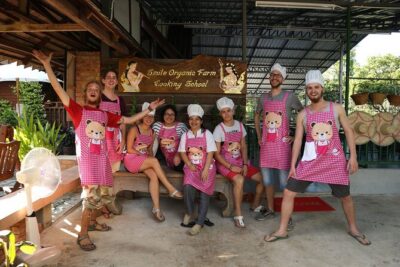
Half-Day Thai Cooking Class at Organic Farm in Chiang Mai
Read our review →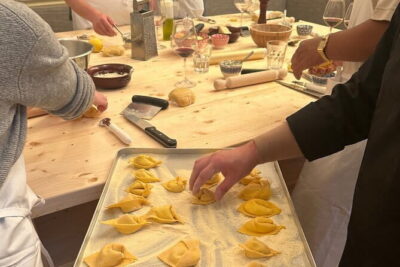

3 in 1 Cooking Class near Navona: Fettuccine, Ravioli & Tiramisu
Read our review →
Pasta & Tiramisu Cooking Class with Unlimited Wine
Read our review →
Hanoi Cooking Class: Culture, Local Market & Meaning CSR Impact
Read our review →
5 Traditional Dishes Hanoi Cooking Class with Market Trip
Read our review →
Cooking Class and Lunch at a Tuscan Farmhouse with Local Market Tour from Florence
Read our review →Browse the lists this tour appears in