Review · COOKING CLASSES
Culinary for Social Change-Cooking Class
The best part of this Accra class is that you do more than eat Ghanaian food. You cook beside Chef Jay and her team, learning how a Ghanaian meal comes together while your booking helps fund a program for underprivileged women. I like the clear social purpose, and I like that you get a full food experience with a meal, local drinks, dessert, and a recipe to try later.
The main drawback is the strict non-refundable policy. You also need to plan around the Wednesday-to-Saturday schedule and the stated need for good weather and a minimum number of participants. At $60 per person, this is not a bargain meal, but it offers hands-on cooking, a private setting, and direct support for a good cause.
Key points before you book

- Cook Ghanaian favorites: You may prepare jollof rice, kelewele, fried chicken, and salad, based on the class menu described by recent participants.
- Meet at Labone Arcade: The class begins at 16 Orphan Cres in Accra and ends at the same location.
- Support women through food: Your booking directly funds Culinary for Social Change, a program for underprivileged women.
- Three hours in a private group: Only your group takes part, giving the class a more personal feel than a large cooking demonstration.
- Drinks and dessert are part of the experience: Local drinks, chilled coconut water, snacks, and bottled water are included. Alcohol is not.
- Bring the lesson home: You receive a recipe after the class so you can try the dish again.
Cooking for a cause at Labone Arcade
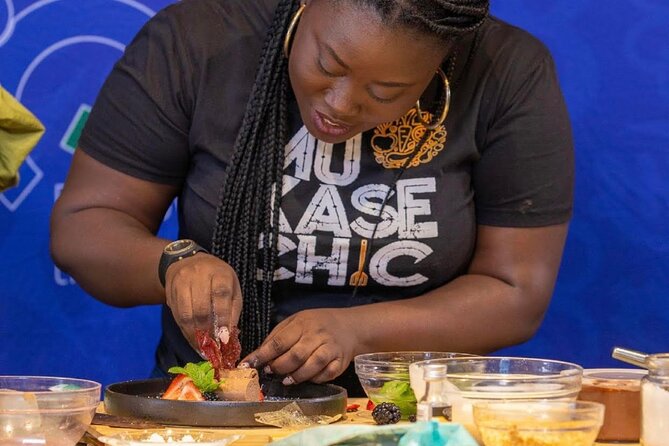
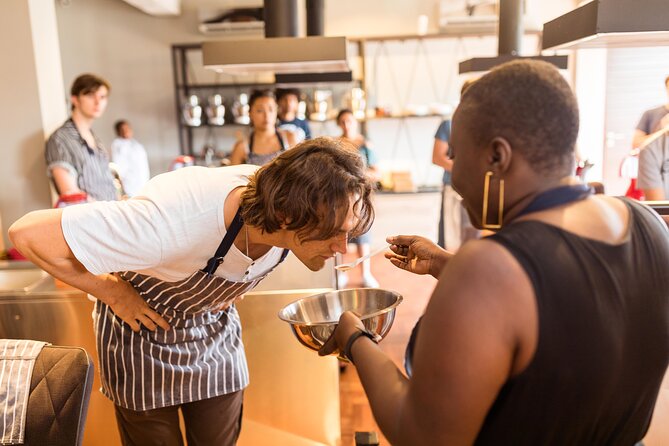
This class gives you a useful introduction to Ghanaian hospitality through food. You are not simply seated at a table while someone else cooks. You work alongside Chef Jay and her staff, then sit down to taste what you helped prepare.
That difference matters. Ghanaian cuisine is best understood through its balance of spice, heat, texture, and shared plates. A cooking class lets you ask questions as you go and see how separate ingredients become a meal. You also gain a better sense of the care behind Ghanaian hosting, where food is often part of the welcome.
The social mission adds another layer. Culinary for Social Change uses the class income to help underprivileged women. You still receive a practical cooking lesson and a meal, but the money also supports a program with a stated community purpose. If you like spending part of your travel budget on experiences that help local people, this is a strong reason to consider the class.
The setting at Labone Arcade is also practical. It is near public transportation, and the activity is private, meaning only your group participates. That suits couples, families, and small groups of friends who want to cook without sharing a crowded workstation with strangers.
More Cooking Classes in the world:
- Half-Day Thai Cooking Class at Organic Farm in Chiang Mai
★ 5.0 · 19,087 reviews - Florence: Pasta Cooking Class with Unlimited Wine
★ 4.9 · 10,285 reviews - 3 in 1 Cooking Class near Navona: Fettuccine, Ravioli & Tiramisu
★ 5.0 · 7,376 reviews
Starting with Ghanaian hospitality and kitchen basics
The class runs from 10:00 a.m. to 1:00 p.m., Wednesday through Saturday. That morning-to-lunch timing works well if you want to keep the rest of your day open for Accra sightseeing, shopping, or a slower afternoon.
You begin at 16 Orphan Cres, Labone Arcade, in Accra. The meeting point is also the ending point, so you do not need to arrange a second pickup location. The activity is offered with a mobile ticket, which keeps your booking details on your phone.
The exact order of the cooking steps can vary, and the supplied information does not give a fixed minute-by-minute schedule. You can expect an introduction to Ghanaian cuisine, instruction from Chef Jay, and time to cook along with her and the team. That hands-on format is the point of the experience, so wear something you are comfortable cooking in and arrive ready to take part.
I would not book this if you want a quick tasting with no participation. You are paying for time in the kitchen as well as the food. The class works best when you are willing to chop, stir, season, taste, and ask questions.
Jollof rice, kelewele, and a Ghanaian meal
The strongest food details available come from a class menu that included jollof rice, kelewele, fried chicken, and salad. That combination gives you a useful snapshot of Ghanaian cooking.
Jollof rice is the centerpiece. It is a seasoned rice dish cooked with a tomato-based mixture and spices, though the precise recipe and method used in this class are not provided. Learning it in person is valuable because small choices in seasoning and cooking technique can make a major difference.
Kelewele brings a different character to the plate. The dish is made with spiced fried plantain, giving you a sweet, savory, and spicy contrast to the rice. It is the kind of side that makes a cooking lesson especially useful because you can learn how to balance seasoning with the natural sweetness of plantain.
Fried chicken and salad round out the meal. The menu is familiar enough to be approachable, but the seasoning and preparation give it a Ghanaian setting. I like that the meal is not limited to one dish. You get to see how a main course, side, protein, and fresh element work together.
The information does not promise that every class will prepare exactly this menu. Still, jollof rice and kelewele are the clearest examples of what you may cook. If a particular dish matters to you, ask the provider before booking.
Drinks, dessert, and the meal at the end
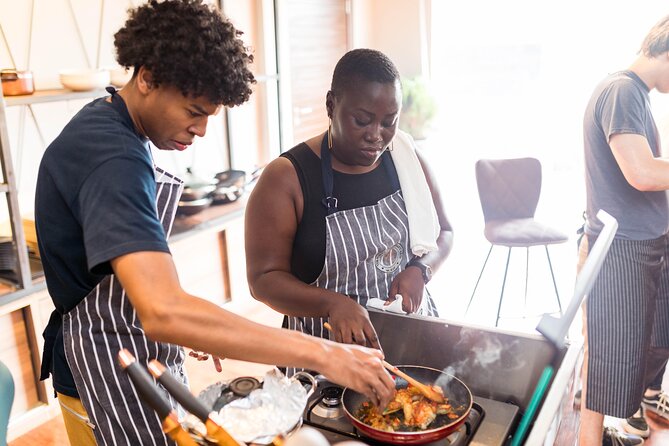
Food is only part of the three-hour experience. Local drinks are served during the class, and chilled coconut water is included. Bottled water and snacks are also listed as part of the experience.
The drink selection gives the class a little more local character than a standard cooking lesson with plain tap water or packaged refreshments. Coconut water is especially welcome in Accra’s warm climate. Alcoholic beverages are not included, so do not expect wine, beer, or cocktails with the meal.
You also get dessert, although no specific dessert is named. That is worth noting if you have allergies or strong food preferences. The supplied details do not identify ingredients, spice levels, or dietary substitutions, so contact Culinary for Social Change before booking if you need those answers.
At the end, you taste the food prepared during the class. This shared meal is where the lesson pays off. You can compare the ingredients you handled with the finished dishes and see how the separate components fit together.
Same region, a different dish to learn:
- Florence: Pasta & Tiramisu Cooking Class with Unlimited Wine
★ 4.9 · 6,708 reviews - Florence: Pasta Cooking Class with Unlimited Wine
★ 5.0 · 6,413 reviews - Hanoi Cooking Class: Culture, Local Market & Meaning CSR Impact
★ 5.0 · 5,147 reviews - 5 Traditional Dishes Hanoi Cooking Class with Market Trip
★ 5.0 · 4,890 reviews
Why the private format matters
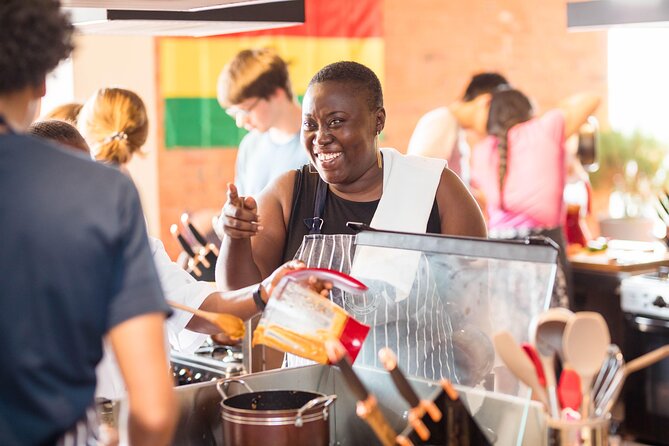
This is a private activity for your group only. That can change the mood of a cooking class in a useful way. You have more room to ask questions, work at your own pace, and focus on the dishes that interest you.
The private format is especially useful for a group of friends visiting Accra together. A group that traveled during the December holiday period described the chef and staff as friendly, and the class was a highlight of their time in Ghana. A separate group specifically praised the chance to learn jollof rice and kelewele while picking up cooking tips and insight into Ghanaian food.
Those details suggest that the personal contact is a major part of the value. The class is not just a recipe exchange. You are also meeting the people connected with the program and getting a direct introduction to Ghanaian food culture.
There is a trade-off. Private activities can cost more per person than a large shared class. At $60, you should expect the private setting and social purpose to be part of what you are paying for. If your only goal is the cheapest possible meal, you can find less expensive food in Accra. If you want participation, instruction, and a charitable purpose in one booking, the price is easier to justify.
What your $60 really covers
The $60 price includes the three-hour cooking experience, the food prepared in class, local drinks, snacks, chilled coconut water, bottled water, dessert, and a recipe to take home. It also supports the Culinary for Social Change program for underprivileged women.
I see the value in the combination rather than in the meal alone. A restaurant meal may cost less, but it will not give you the cooking instruction or the chance to work with Chef Jay’s team. A standard cooking class may teach you a recipe, but it may not carry the same direct social purpose.
The value depends on your interests. Food lovers, curious first-time visitors to Ghana, and people who prefer small private activities will likely get more from it than someone who dislikes cooking. The class is also a good fit if you want a meaningful group activity that creates conversation and produces lunch at the same time.
You can also book the chef for a private Ghanaian gastronomy dining experience. The available information does not give the price, menu, or format for that option, so you would need to ask the provider for details. It may suit you if you want a meal prepared for a special gathering rather than a participatory class.
Timing, transport, and practical planning
The class is scheduled from 10:00 a.m. to 1:00 p.m., Wednesday through Saturday. Since the experience starts and ends at Labone Arcade, plan your transport around that address rather than expecting hotel pickup.
The location is near public transportation, which helps if you are moving around Accra independently. Your confirmation arrives at the time of booking, and the mobile ticket means you can keep the details on your phone.
I would allow enough time to reach Labone Arcade before 10:00 a.m. The supplied information does not state how long late arrivals can be accommodated, so arriving early is the sensible choice. A cooking class has a sequence, and missing the first steps could make the rest harder to follow.
The activity requires good weather and a minimum number of participants. If poor weather causes a cancellation, you are offered another date or a full refund. If the minimum number is not met, you are offered another date, another experience, or a full refund.
The standard cancellation rule is much less flexible. The booking is non-refundable and cannot be changed for any reason if you cancel or request an amendment. I would only reserve this once your Accra plans are firm.
Who will enjoy this class most
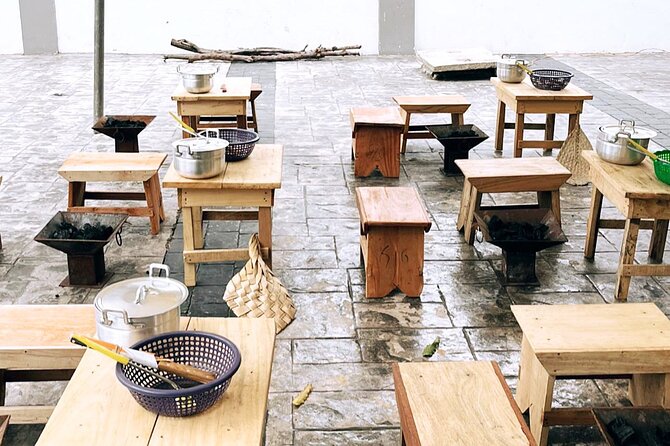
I would recommend it most strongly to:
- Food-focused visitors who want to cook rather than only eat
- First-time visitors who want an introduction to Ghanaian cuisine
- Small groups of friends looking for a shared activity
- People who value social-impact tourism
- Anyone who wants a recipe and cooking ideas to take home
- Families or couples who prefer a private class
It may be less suitable if you need a fully fixed menu, have serious dietary restrictions, or want an alcohol-inclusive food event. The details do not confirm allergy adjustments, vegetarian options, or the exact dessert and drink choices.
It is also not the best choice for a tight schedule. Three hours gives the class enough time to feel like a real activity, but it is still a sizeable part of your morning. That is time well spent if cooking is a priority, but less so if you are trying to cover many Accra sights in one day.
A useful introduction to Ghana beyond the plate
Food offers a direct way to understand a place. In this class, you learn through cooking methods, seasoning, shared eating, and conversation with the chef and staff. That is more memorable than reading a short menu description and moving on.
The class also gives you a chance to take part in Ghanaian hospitality instead of observing it from the outside. You prepare the food, sit down to taste it, and leave with a recipe. The social mission means the experience keeps its local purpose in view rather than treating culture as a product alone.
I would keep expectations realistic. The class is only about three hours, and the available details do not promise a broad survey of every region or dish in Ghana. Think of it as a focused introduction built around a few popular foods, not a full culinary course.
That focus is part of its appeal. You can leave with dishes you may actually cook again, especially jollof rice and kelewele. The recipe gives the lesson a useful afterlife once your trip is over.
Should you book Culinary for Social Change?
Book this class if you want hands-on Ghanaian cooking, a private group setting, and a clear social purpose. The strongest reasons are the chance to cook with Chef Jay and her team, the popular menu of jollof rice and kelewele, and the fact that your payment supports work with underprivileged women.
Think twice if your plans may change, you need a guaranteed menu, or you are seeking the lowest-cost way to eat in Accra. The $60 fee is fair for a three-hour private class with food, drinks, a recipe, and social impact, but the non-refundable policy makes careful planning essential.
For a food-minded morning in Accra, this is a thoughtful choice. You get a meal, a lesson, and a practical way to send part of your travel budget toward someone else’s future.
FAQ
Where does the cooking class begin and end?
The class begins at Labone Arcade, 16 Orphan Cres, Accra, Ghana. It ends back at the same meeting point.
What days and times is the class available?
The experience runs Wednesday through Saturday, from 10:00 a.m. to 1:00 p.m.
How long does the experience last?
The cooking class lasts approximately three hours.
What food and drinks are included?
Local drinks, snacks, chilled coconut water, bottled water, and dessert are included. Alcoholic beverages are not included.
Is this a private activity?
Yes. Only your group participates in the activity.
Can I cancel for a refund?
The experience is non-refundable and cannot be changed for any reason. If the provider cancels because of poor weather or because the minimum number of participants is not met, you are offered another date or experience, or a full refund depending on the situation.
Newest classes around the world
- Aroidee’s Farm-Fresh Thai Cooking Experience★ 5.0 · 8 reviews
- Authentic Thai Cooking Class and Farm Visit in Chiang Mai★ 5.0 · 66 reviews
- Yummy Tasty Thai Cooking School in Chiang Mai★ 5.0 · 2 reviews
- Signature Thai Cooking Course★ 5.0 · 79 reviews
- Half Day Guided Thai Cooking Class in Chiang Mai★ 5.0 · 13 reviews
- Online Thai and Akha Cooking Class★ 5.0 · 70 reviews
- Northern Thai Cooking Class in Chiang Mai in a Countryside Home★ 5.0 · 2 reviews
- Private Half-Day Thai Cooking Class in Chiang Mai★ 5.0 · 4 reviews
Cooking Classes, compared.
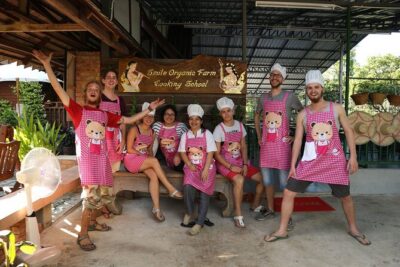
Half-Day Thai Cooking Class at Organic Farm in Chiang Mai
Read our review →

3 in 1 Cooking Class near Navona: Fettuccine, Ravioli & Tiramisu
Read our review →
Pasta & Tiramisu Cooking Class with Unlimited Wine
Read our review →
Hanoi Cooking Class: Culture, Local Market & Meaning CSR Impact
Read our review →
5 Traditional Dishes Hanoi Cooking Class with Market Trip
Read our review →