Review · COOKING CLASSES
St. John’s: From the Sea Cooking Class
The best part of this Antigua cooking class is that the menu is not fixed. You begin with the practical question of the day, what has just come off the boats? Your fish might be mahi-mahi, snapper, tuna, or grouper, depending on the season and sea conditions.
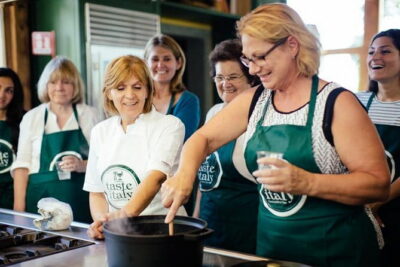
I like the hands-on format, where you help with the starter, fish, side dishes, and dessert instead of watching someone else do the work. I also like the setting: lunch is served on a veranda high above the Caribbean Sea, with local juice, cistern water, and Nicole’s Old Fashioned Rum Punch.
The main consideration is access. You must make your own way to Nicole’s Table, and the hillside home is not suitable for wheelchair users. The class also needs a minimum of four people, so smaller parties may need to join an existing class or move to another date.
Key points to know before booking
- The seafood changes daily: Your main course depends on the freshest local catch, not a rigid printed menu.
- You prepare the full meal: Help make the starter, fish, sides, and dessert, then sit down for a three-course lunch.
- The setting is part of the experience: Nicole’s Table is a Caribbean home high on a hill overlooking the sea.
- You take home the recipes: The goal is to make the dishes again after your holiday.
- The class runs from about 11:00 to 15:00: That timing works well for many cruise and hotel schedules.
- A four-person minimum applies: Small parties should ask about joining an existing class before booking.
Fresh fish sets the menu at Nicole’s Table
At $164 per person, this is not simply a meal with a short demonstration attached. You spend about four hours preparing the meal, eating it, and learning how local ingredients fit into everyday Caribbean cooking.
The menu can shift from the examples given. That flexibility is important. If the boats bring in snapper instead of mahi-mahi, the cook adapts. You may end up with grilled ginger-lime mahi-mahi and pineapple salsa, blackened fish tacos with spicy slaw, or a baked stuffed whole snapper.
I see this as a strength, especially if you want a food experience tied to Antigua rather than a class that could happen in any city. It also means you should not book with one exact dish in mind. The pleasure is in finding out what is available and working with it.
The class is taught in English and is designed to be practical. You can take a very active role or keep things more relaxed. Either way, the aim is to make the food manageable when you return home, not to bury you in complicated restaurant techniques.
More Cooking Classes in the world:
- Half-Day Thai Cooking Class at Organic Farm in Chiang Mai
★ 5.0 · 19,087 reviews - Florence: Pasta Cooking Class with Unlimited Wine
★ 4.9 · 10,285 reviews - 3 in 1 Cooking Class near Navona: Fettuccine, Ravioli & Tiramisu
★ 5.0 · 7,376 reviews
A Caribbean home with a view over the water
Nicole’s Table is set in a home high on a hill above the Caribbean Sea. That setting changes the feel of the class. You are not in a busy commercial kitchen or a formal culinary school. You are spending part of the day in a private Caribbean setting, with the view adding a sense of place to the meal.
The veranda is where the finished lunch is enjoyed. After the work is done, you can sit down to eat with the sea spread out below. The view is not an extra stop added to the schedule. It is part of the meal and one reason the experience takes most of the day.
You should plan your expectations correctly. This is a food-and-home experience, not a sightseeing tour around St. John’s. There is no scheduled city tour, market visit, or boat trip included. The value comes from the cooking, the setting, and the chance to hear stories about life in the West Indies while you work.
Transportation is not included. You meet at Nicole’s Table, and directions are sent after booking. Give yourself enough time to reach the home without rushing, especially since the class begins at 11:00.
What you may prepare from starter to dessert
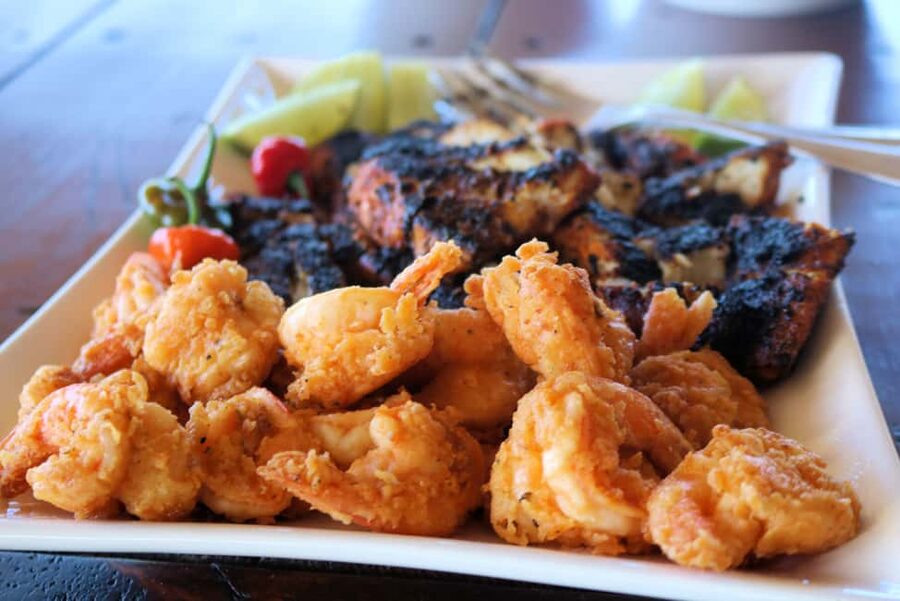
The class typically begins with a drink and a light introduction to the food. Included drinks are Nicole’s Old Fashioned Rum Punch, a local juice, and water from the household cisterns.
The rum punch gives the opening a distinctly Antiguan touch, though the minimum drinking age is 18. If you do not drink alcohol, the local juice and water are included alternatives.
The starter may be garlic shrimp in a crisp wonton cup with avocado. This is a useful first dish for a hands-on class because it combines several textures and simple preparation steps. You are not only cooking the seafood. You are also working with the cup, avocado, and seasoning so the finished plate feels complete.
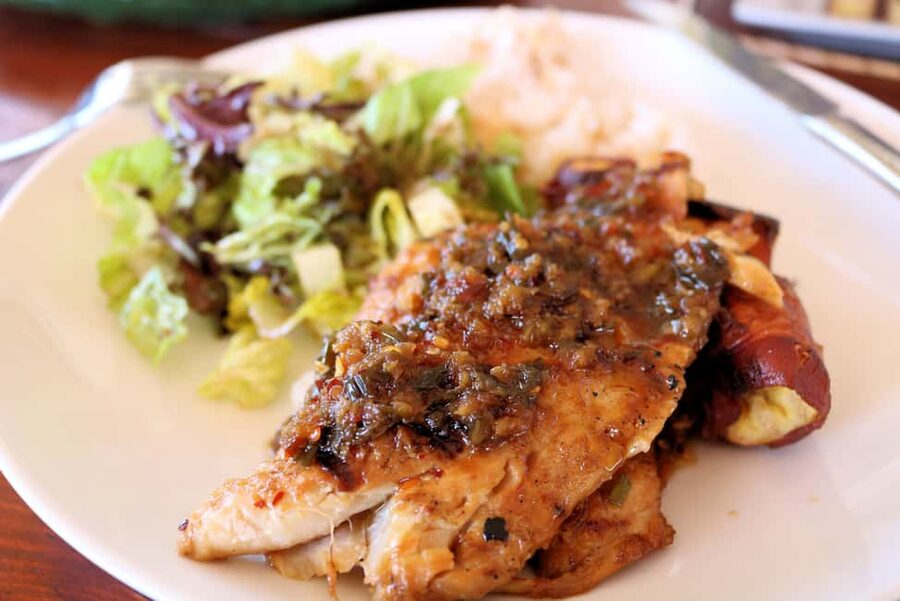
The main course is built around the fresh fish. One possible version is grilled ginger-lime mahi-mahi with pineapple salsa. Another is blackened fish tacos with spicy slaw. A third option is a baked stuffed whole snapper.
These dishes give you different ways to handle fish at home. Grilling calls for attention to heat and timing. Blackening brings a stronger spice profile and works well in tacos. A whole baked snapper gives you a more traditional presentation and may be useful if you want to serve fish to a group.
The sides may include basmati rice and a rainbow salad. They are not filler. Rice gives the plate substance, while the salad adds color and freshness beside the fish. Because the class is meant to be repeated at home, these supporting dishes matter as much as the main course.
Dessert is typically mini cheesecakes with passion fruit. The small portions make sense after a seafood lunch, and passion fruit keeps the ending tied to the region’s tropical flavors.
The actual menu can change. That is worth repeating because it affects how you plan. You will receive the recipes for the dishes prepared during your class, but the recipes may reflect the fish and ingredients available that day.
Stories, recipes, and a relaxed pace
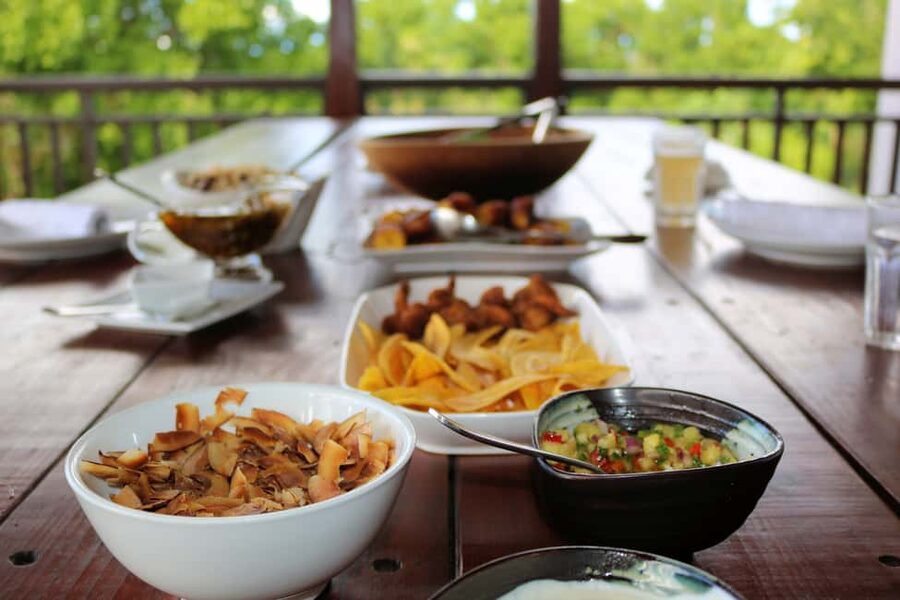
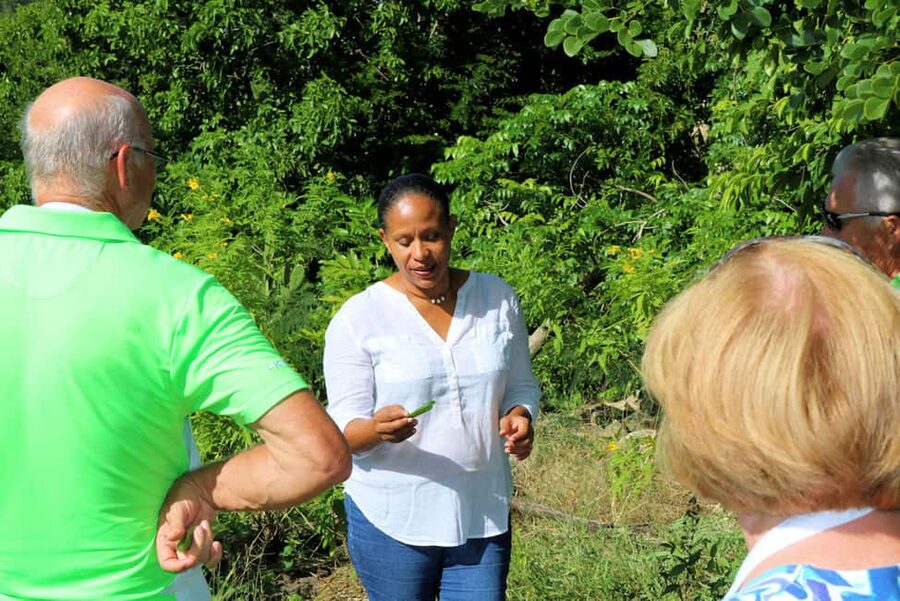
Food is explained through stories about living in the West Indies. This gives the class a personal angle that a standard demonstration often lacks. You are not only learning how to season fish. You are hearing why certain foods matter and how meals fit into island life.
The teaching style is informal. You can expect to work with the food, ask questions, and follow along without the stiff feeling of a professional kitchen exam. If you enjoy learning by doing, take an active role. If you prefer to watch some steps and join in on others, the format allows that too.
I especially like the promise of recipes that are easy to repeat. A holiday cooking class is less useful if the food depends on equipment or ingredients you cannot find at home. Here, the stated goal is to help you cook the same menu after your return.
The recipes also give the $164 price more weight. You are paying for a four-hour experience, a full lunch, drinks, instruction, and material you can use later. It is still a significant price for a meal, so this makes the most sense for someone who values the activity and the setting, not just the food on the plate.
Same region, a different dish to learn:
- Florence: Pasta & Tiramisu Cooking Class with Unlimited Wine
★ 4.9 · 6,708 reviews - Florence: Pasta Cooking Class with Unlimited Wine
★ 5.0 · 6,413 reviews - Hanoi Cooking Class: Culture, Local Market & Meaning CSR Impact
★ 5.0 · 5,147 reviews - 5 Traditional Dishes Hanoi Cooking Class with Market Trip
★ 5.0 · 4,890 reviews
Why the four-hour timing works well
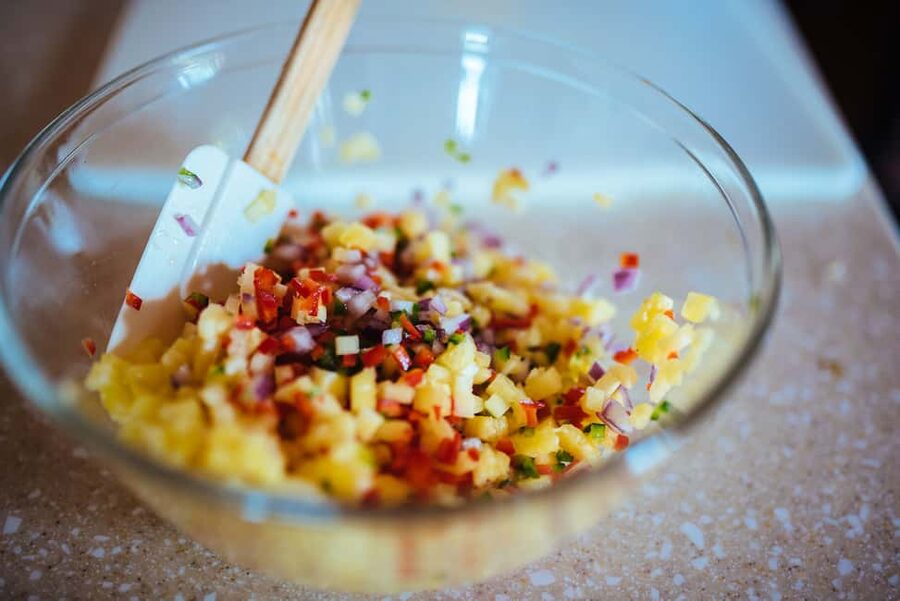
Classes start at 11:00 and usually finish around 15:00. That gives you a full late morning and early afternoon, with enough time for preparation, conversation, cooking, and lunch.
The schedule can work well for a cruise or hotel guest, but you should still check your own transport and departure plans. Since there is no pickup service, your day depends on getting to Nicole’s Table and back on your own.
The timing also makes this a natural alternative to a rushed restaurant lunch. You spend the first part of the day making the meal, then eat what you prepared. If you prefer a quick activity between other plans, this may feel too long.
A four-hour class is best treated as the main event for the day. Keep the rest of your schedule light, particularly if you want time to enjoy the meal and the veranda without watching the clock.
Who will get the most from this class
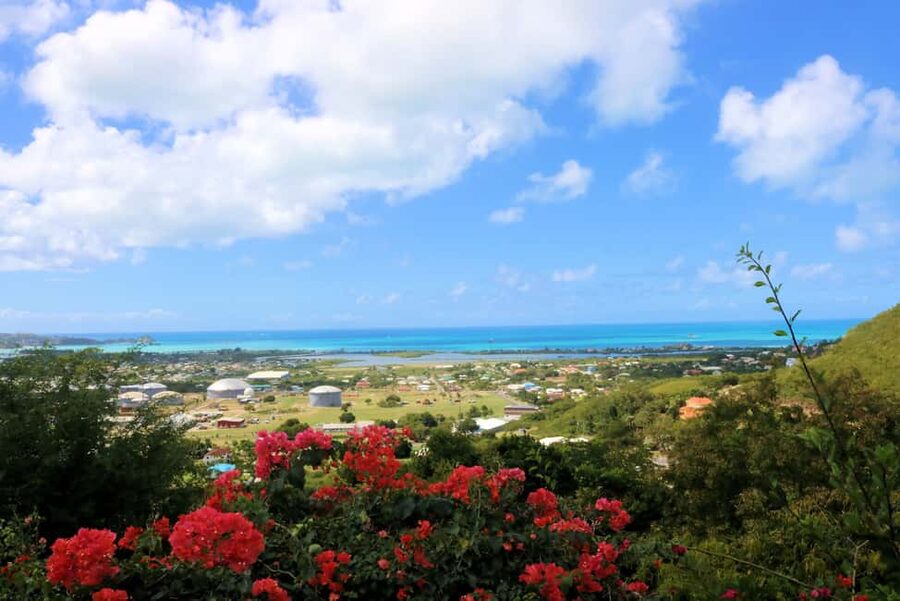
I would choose this for someone who wants a local food experience with a personal setting. It suits couples, families with older children, and small groups of friends who like to cook, eat, and talk.
It is also a good choice if you want more than a standard restaurant meal. The food is only one part of the day. You also get the chance to work with a local catch, hear about West Indian life, and eat in a home overlooking the sea.
Children must be accompanied by an adult. Unaccompanied minors are not allowed, and pets are not permitted. The drinking age is 18, though nonalcoholic drinks are included.
This is not the right fit for wheelchair users. The home is high on a hill, and the activity is not listed as wheelchair accessible. If mobility is a concern, ask before booking rather than relying on the general description.
Specific dietary requirements and food allergies should be shared when you book. That matters here because the class centers on seafood, shrimp, dairy in the cheesecake, and other ingredients that may be used in the changing menu.
Group size and the benefit of joining others
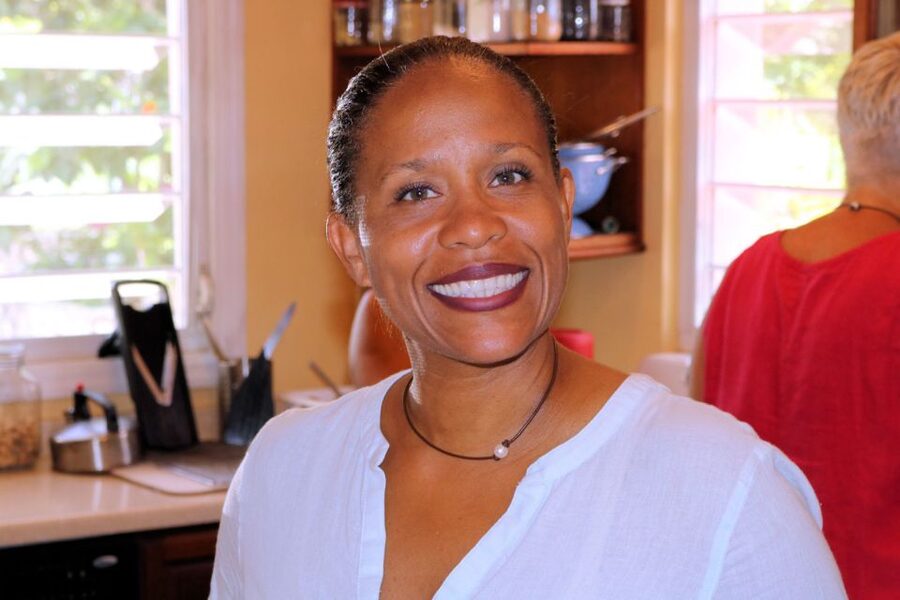
The class requires at least four people. If your party has fewer than four, you can book into an existing class or contact the provider about the date you want.
This rule can affect your plans. A private class for two is not guaranteed, and a booking may need to move to another day if the minimum is not met. Ask about an existing class if you want to reduce that risk.
The four-person minimum can also help the class feel social rather than overly formal. You may be cooking with people outside your own group, which fits the relaxed, local-event character of the experience. If you want a completely private meal, confirm that arrangement before paying.
Practical value at $164 per person
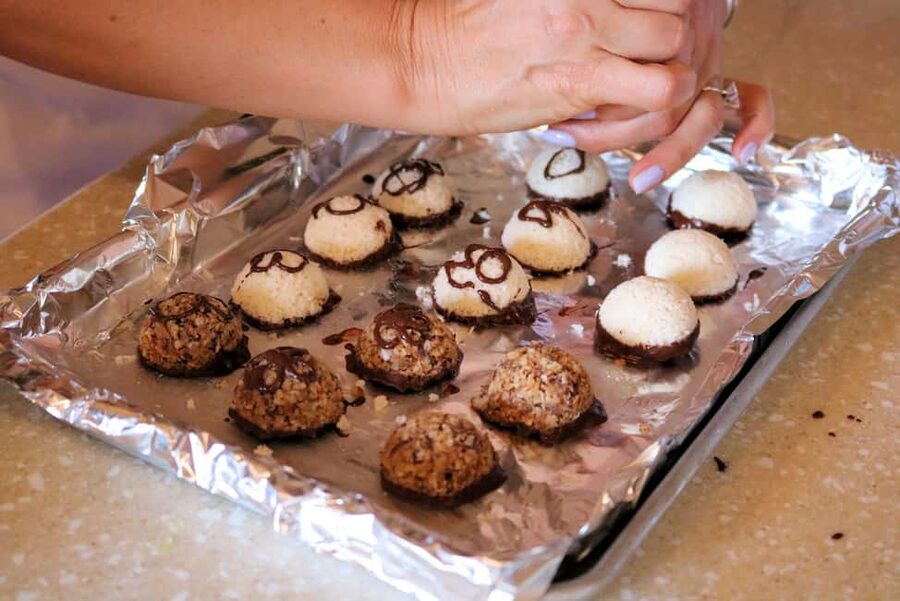
The price is easiest to understand when you separate it into what is included. You receive hands-on training, drinks, a three-course lunch, recipes, and the use of a home setting overlooking the Caribbean Sea.
That is good value for someone who would otherwise pay for a premium meal and still want a separate activity. It is less attractive if you only want to eat seafood, since a restaurant lunch will likely require less time and planning.
The changing menu also protects you from a dull, predictable class, but it removes some control. You cannot insist on mahi-mahi or plan the day around one particular recipe. I would consider that a fair exchange for food selected according to season and sea conditions.
The most praised qualities are the friendly welcome, beautiful setting, and food that people want to recreate at home. The experience is built around those same strengths. You are treated to a meal, but you also leave with a practical memory of how it came together.
Booking details that matter
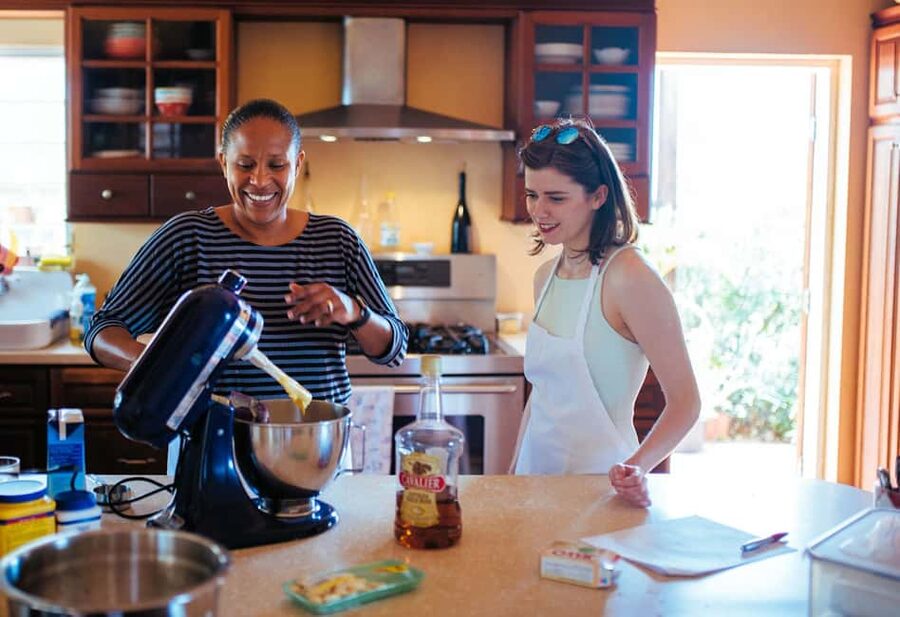
You can cancel up to 24 hours before the activity for a full refund. A reserve-now-and-pay-later option is also available, which helps if your Antigua plans are still shifting.
The meeting point is Nicole’s Table. There is no included transportation, and directions are sent after booking. The class is conducted in English.
Hand washing is required. If you have flu-like symptoms, you will also need to wear a mask. These are small points, but they are useful to know before arriving at a home-based cooking class.
Should you book the seafood cooking class?
Book it if you want a meal you helped create, a Caribbean home setting, and recipes you can use after Antigua. The flexible fish menu, veranda lunch, and informal stories give the class a clear sense of place.
Think twice if you dislike seafood, need wheelchair access, want a private class for fewer than four people, or have only a short gap between other activities. You should also be comfortable letting the day’s catch decide the menu.
For the right person, the strongest memory will not be one specific fish. It will be the whole sequence: finding out what is fresh, preparing it with help, sitting down to lunch, and looking out over the Caribbean Sea with the recipes ready to take home.
FAQ
Where does the cooking class take place?
The class takes place at Nicole’s Table in Antigua, in a home high on a hill overlooking the Caribbean Sea.
How long does the experience last?
The class lasts about four hours. Classes start at 11:00 and usually finish around 15:00.
What seafood might be used?
The fish depends on what is fresh and available that day. Possible choices include mahi-mahi, snapper, tuna, and grouper.
What food and drinks are included?
You help prepare and eat a three-course lunch. A typical menu includes garlic shrimp in a wonton cup, a fish main course, rice, salad, and mini passion-fruit cheesecakes. Drinks include Old Fashioned Rum Punch, local juice, and water.
Do I need to bring transportation?
Yes. Transportation to and from Nicole’s Table is not included, and there is no pickup service. Directions are sent after booking.
Is the class suitable for children or wheelchair users?
Children must be accompanied by an adult, and unaccompanied minors are not allowed. The class is not suitable for wheelchair users.
Newest classes around the world
- Aroidee’s Farm-Fresh Thai Cooking Experience★ 5.0 · 8 reviews
- Authentic Thai Cooking Class and Farm Visit in Chiang Mai★ 5.0 · 66 reviews
- Signature Thai Cooking Course★ 5.0 · 79 reviews
- Half Day Guided Thai Cooking Class in Chiang Mai★ 5.0 · 13 reviews
- Yummy Tasty Thai Cooking School in Chiang Mai★ 5.0 · 2 reviews
- Online Thai and Akha Cooking Class★ 5.0 · 70 reviews
- Northern Thai Cooking Class in Chiang Mai in a Countryside Home★ 5.0 · 2 reviews
- Private Half-Day Thai Cooking Class in Chiang Mai★ 5.0 · 4 reviews
Cooking Classes, compared.
Half-Day Thai Cooking Class at Organic Farm in Chiang Mai
Read our review →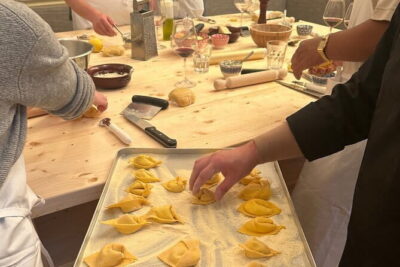

3 in 1 Cooking Class near Navona: Fettuccine, Ravioli & Tiramisu
Read our review →
Pasta & Tiramisu Cooking Class with Unlimited Wine
Read our review →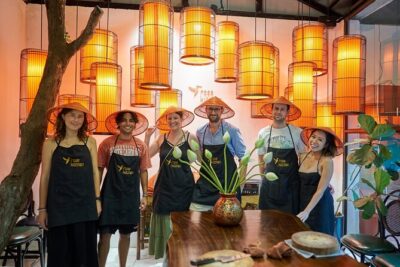
Hanoi Cooking Class: Culture, Local Market & Meaning CSR Impact
Read our review →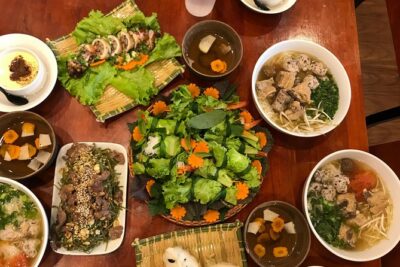
5 Traditional Dishes Hanoi Cooking Class with Market Trip
Read our review →