Review · COOKING CLASSES WITH A MARKET TOUR
Singapore: Market-to-Table Experience and Cooking Class
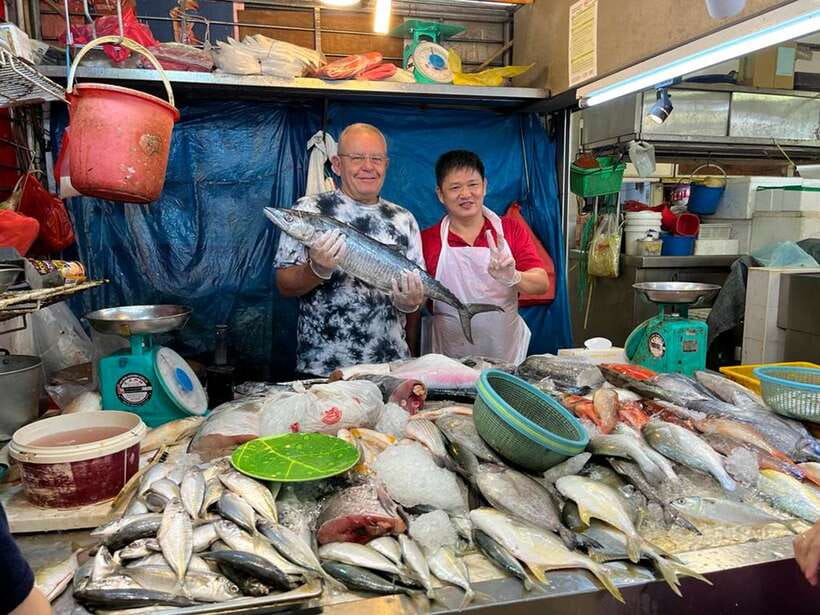
Singapore’s food culture makes the best opening act for this experience. You start at a local wet market, where a guide-chef explains ingredients, vendors, and daily life, then sit down for a Singaporean breakfast before cooking a three-dish meal yourself.
I like the mix of market culture and practical kitchen time. I also like the small-group feel and the chance to learn from guides such as Denise, Vivian, Angel, and Collin, who are trained chefs and licensed guides. The main consideration is pacing: the market visit is fascinating, but one participant wanted less market time and more cooking, and the advertised three hours may run closer to three and a half.
Key points at a glance
- A real neighborhood start: Meet at the Let’s Go Tour Singapore sign near Northern Bridge Road and Jalan Sultan Road before walking to a local wet market.
- Food with cultural context: Your guide connects ingredients and dishes to Singapore’s Chinese, Malay, Indian, and wider Asian influences.
- Breakfast is part of the lesson: You stop at a local coffeeshop for an iconic Singapore breakfast before heading to the kitchen.
- Menus change by day: Tuesday, Thursday, and Saturday feature Hokkien Mee, vegetarian spring rolls, and Ondeh Ondeh. Wednesday, Friday, and Sunday feature chicken rice, Ngoh Hiang, and Kueh Dadar.
- Friendly, hands-on teaching: Ingredients and equipment are supplied, and the cooking is designed for beginners and families.
- Good practical flexibility: You can cancel up to 24 hours ahead for a full refund, reserve without paying at once, and request wheelchair access or flag dietary concerns in advance.
Why a wet market is the right place to begin
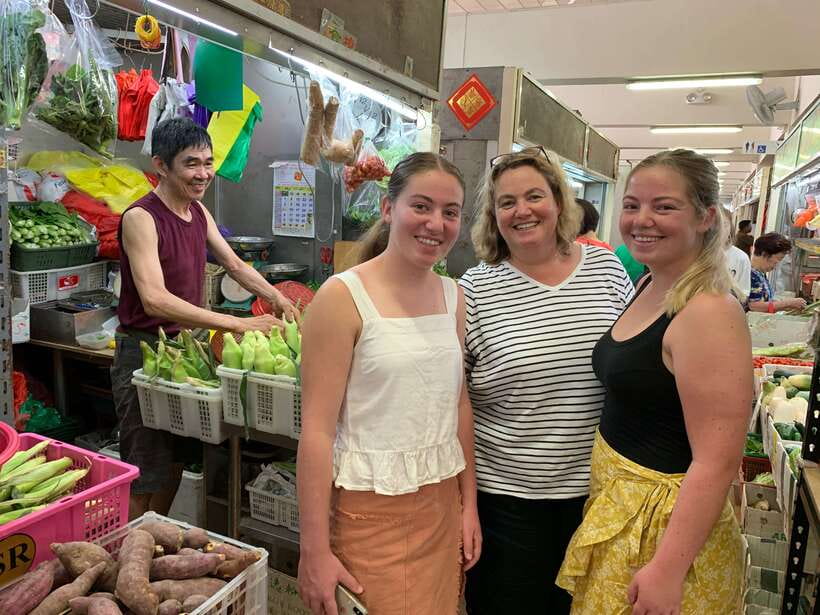
Many food classes begin with a neat table of measured ingredients. This one starts closer to the source. At the wet market, you get a look at the foods Singapore cooks with every day, along with the practical side of shopping and eating in a city shaped by many cultures.
Your guide is both a licensed tour guide and a trained chef. That combination matters. You are not only shown an ingredient, then handed a vague explanation. You can ask how it is used, what kind of dish it suits, and why it matters in local cooking.
The market visit also gives the class a sense of place. You see a part of Singapore that is more ordinary and local than the polished shopping streets and major sights. Vivian has taken groups through the surrounding neighborhood while explaining local culture. Collin has been praised for making the market visit informative and entertaining, and Denise led one small group through both the market and kitchen with a relaxed approach.
Expect walking and the ordinary sounds and smells of a working market. If you prefer a cooking class with very little introduction, this section may feel long. One participant specifically felt that trimming the market portion would have left more time for cooking. For most people, though, the market is what gives the class its local character.
More Cooking Classes with a Market Tour in the world:
- Hanoi Cooking Class: Culture, Local Market & Meaning CSR Impact
★ 5.0 · 5,147 reviews - 5 Traditional Dishes Hanoi Cooking Class with Market Trip
★ 5.0 · 4,890 reviews - Cooking Class and Lunch at a Tuscan Farmhouse with Local Market Tour from Florence
★ 5.0 · 4,831 reviews
A Singapore breakfast at a neighborhood coffeeshop
After the market, you stop at a local coffeeshop for an iconic Singapore breakfast. The meal is not just a pause between activities. It helps show how food fits into everyday life here, where a simple coffeeshop can be as useful to local routines as a restaurant is to a special night out.
The supplied details do not name the breakfast dish, so you should not book this expecting a particular item. The value is the setting and the explanation from your guide. You get to see how a local meal fits into the morning, then carry that context into the cooking session.
This stop also breaks up the morning nicely. You are not asked to stand through a long market walk and then immediately start chopping. You get time to eat, listen, and ask questions before returning to the studio.
What you actually cook on each day
The menu changes with the day of the week, so check the schedule before booking. This is one of the most important practical details.
Menu A, offered Tuesday, Thursday, and Saturday, includes:
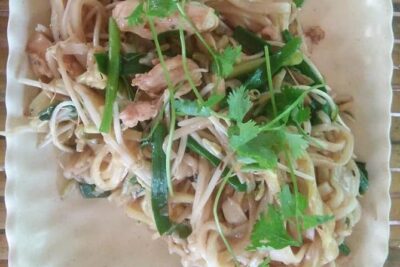
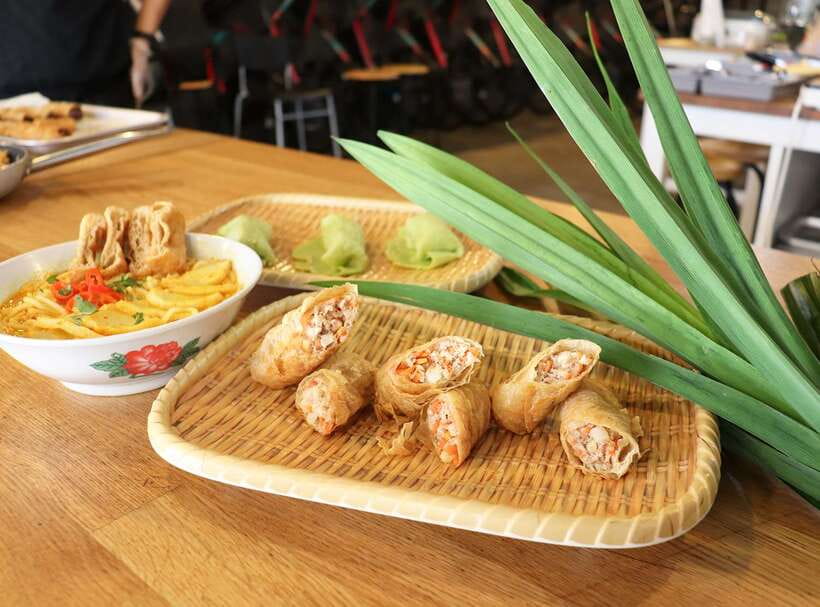
- Hokkien Mee, also described as Singapore noodles
- Vegetarian spring roll
- Ondeh Ondeh
Menu B, offered Wednesday, Friday, and Sunday, includes:
- Traditional chicken rice
- Ngoh Hiang
- Kueh Dadar
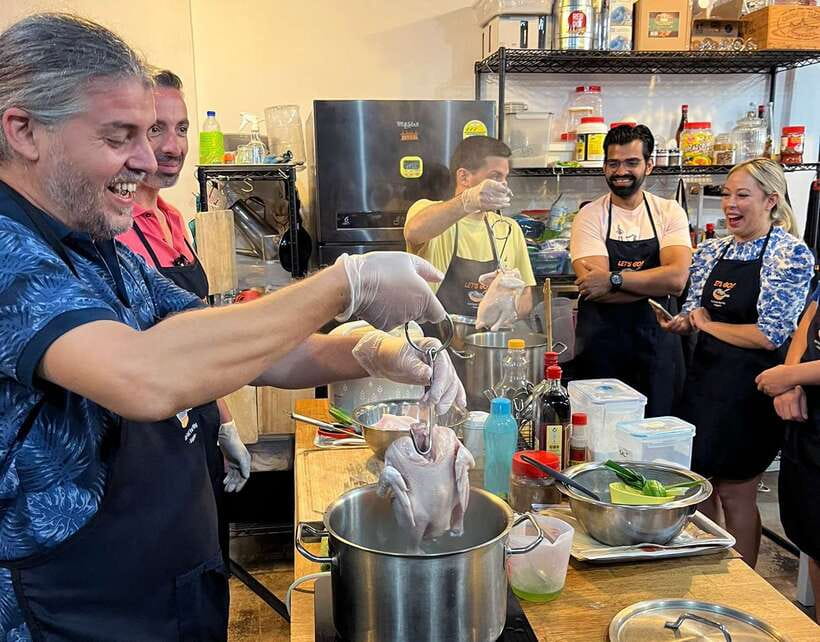
The chicken rice menu is a strong choice if you want one of Singapore’s best-known comfort foods. Karen specifically learned how to make Hainanese chicken and rice, and that dish gives you a useful introduction to the balance of rice, chicken, seasoning, and simple preparation that makes the dish so popular.
Ngoh Hiang is a five-spice minced meat roll. It offers a different lesson in texture and seasoning, while Kueh Dadar brings in pandan crepes, palm sugar, and sweetened grated coconut. That pairing gives you one savory dish, one spiced snack, and one dessert with clear Southeast Asian flavors.
Menu A is the better fit if you want noodles and a vegetarian item in the same class. Ondeh Ondeh provides the sweet finish. The available details do not specify every ingredient in the spring roll or noodle dish, so anyone with food restrictions should flag them before the class rather than assume a dish is suitable.
The general description also refers to laksa, a coconut milk-based noodle soup, and local favorites such as Kueh Dadar and Ngoh Hiang. Since the day-by-day information lists Hokkien Mee or chicken rice instead of laksa, confirm the menu for your date if laksa is the dish you most want to learn.
From demonstration to hands-on cooking
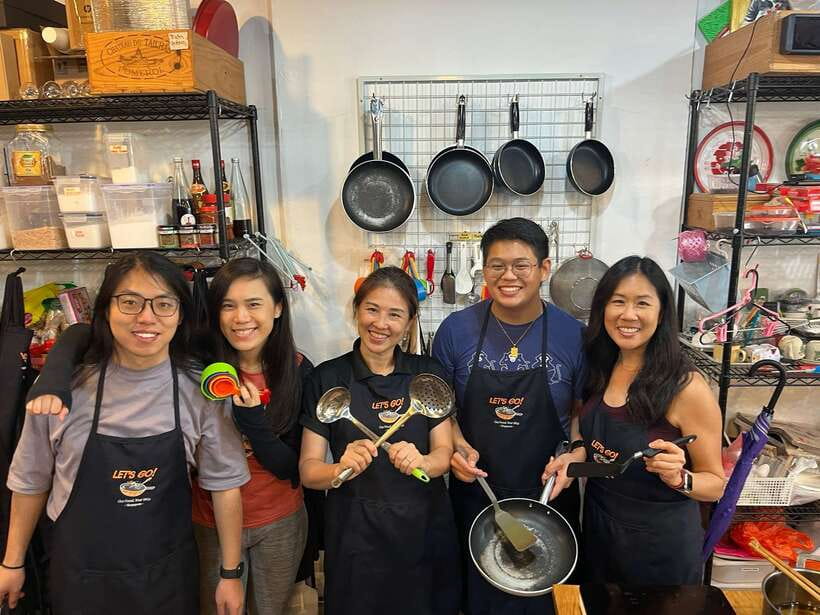
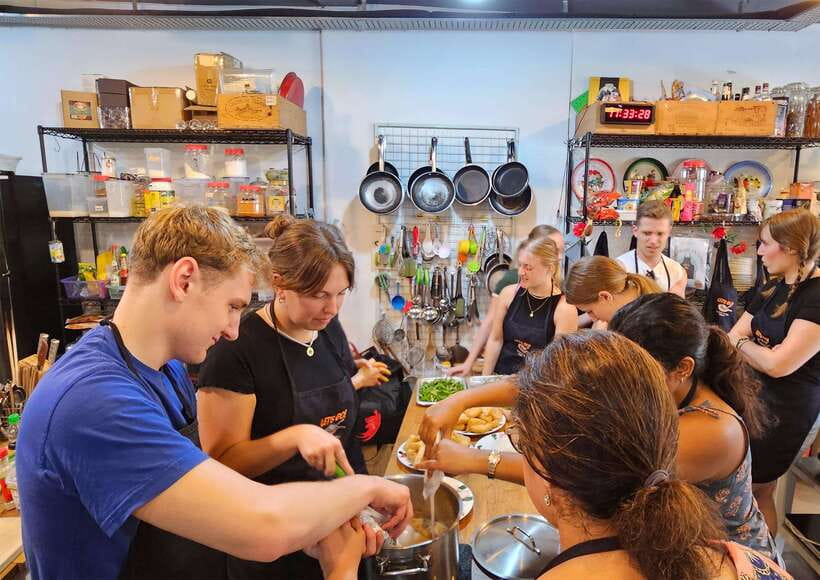
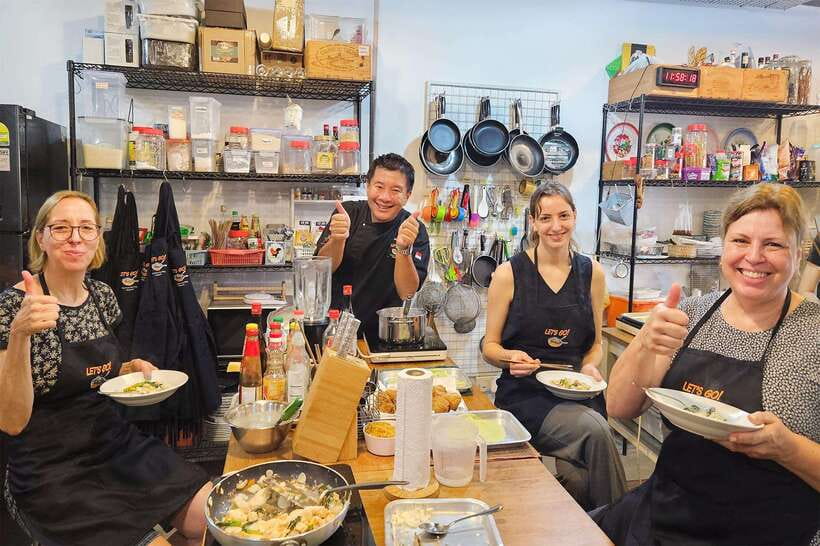
Back at the studio, you prepare the dishes from scratch with the supplied ingredients and equipment. This is not a class where you simply watch a chef finish food and then sit down to eat. The appeal is in the work: learning the steps, using the tools, and seeing how separate ingredients become familiar Singaporean dishes.
The teachers are described as warm, outgoing, and experienced. Angel has been singled out as an easy-to-understand instructor, which is useful if English is not your first language. Classes are conducted in English and Chinese.
The class suits beginners because the hosts are there to explain technique rather than assume you already cook Southeast Asian food. You can expect practical tips along the way, including advice that helps you repeat the dish at home. Collin has also taken photos of participants while they cooked, a small but welcome touch for people who want a record of the morning.
The cooking portion generally takes a little over two hours when preparing three dishes, based on one detailed account. Add the market, breakfast, and time to eat, and the whole experience can run to about three and a half hours. The stated duration is three hours, so keep your later plans loose.
More Cooking Classes in the world:
- Half-Day Thai Cooking Class at Organic Farm in Chiang Mai
★ 5.0 · 19,087 reviews - Florence: Pasta Cooking Class with Unlimited Wine
★ 4.9 · 10,285 reviews - 3 in 1 Cooking Class near Navona: Fettuccine, Ravioli & Tiramisu
★ 5.0 · 7,376 reviews - Florence: Pasta & Tiramisu Cooking Class with Unlimited Wine
★ 4.9 · 6,708 reviews
How the small-group setting affects the experience
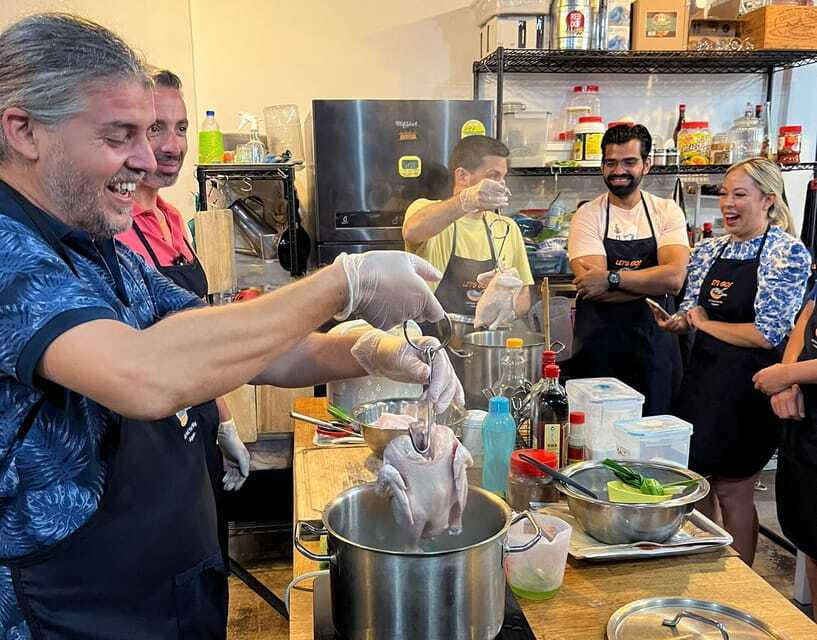
The class can feel personal rather than mass-produced. One group consisted of only three people, including two local participants, which made the morning relaxed. The available information does not promise a fixed maximum group size, so you should not assume every session will be that small.
Still, the format appears built around direct contact with the guide. You are able to ask about ingredients and cooking steps, and the hosts have time to explain local customs rather than rushing through a script.
The small-group advantage is especially useful in a kitchen. You can see what the instructor is doing, ask for help, and take part in the preparation. Families can also treat it as a shared activity rather than sending one person to watch while everyone else waits.
The pace is the only real question. The market and neighborhood walk are important parts of the experience, but they reduce the time available for cooking. If your main goal is to master several dishes in detail, this may feel compact. If you want a broader morning that connects food with daily life, the balance works better.
What the $109 price includes
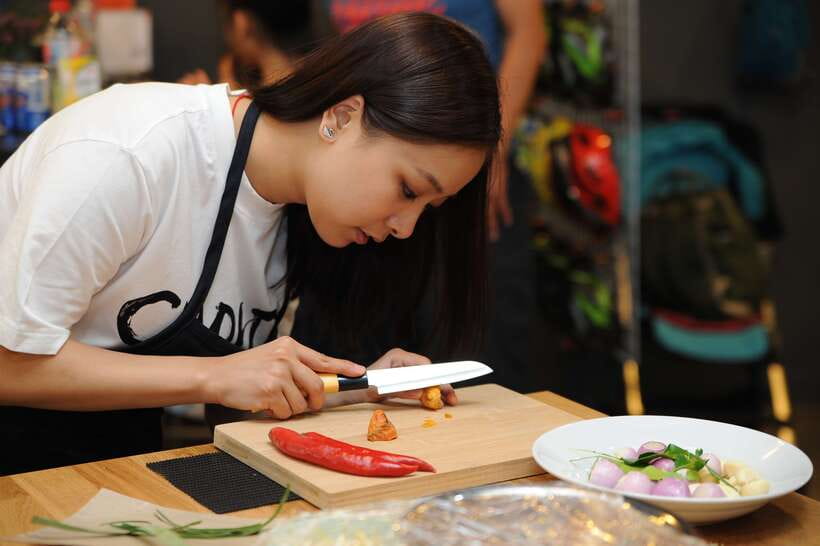
At $109 per person, this is not the cheapest way to eat in Singapore. You could buy several hawker meals for less. But the price covers more than lunch.
You are paying for a guided market visit, the local breakfast stop, instruction from a licensed guide-chef, all cooking ingredients, kitchen equipment, bottled water, and the meal you prepare. You also receive context that is hard to get from a recipe alone: where ingredients appear in local life, how dishes connect to culture, and what makes the food recognizably Singaporean.
The value improves if you would otherwise book both a market tour and a cooking class. Here, those two pieces are joined in one three-hour-plus morning. It is also useful if you like returning from a trip with a skill rather than only photos and restaurant recommendations.
The price is less compelling if you only want to eat traditional food, or if you already have a full schedule of food tours and cooking classes. You should also choose your day carefully, because the menu changes and the difference between noodles and chicken rice may matter more to you than the market portion.
Who will enjoy this morning most
I would recommend this for first-time visitors who want an introduction to Singapore through food. It gives you a look at a local market, a neighborhood coffeeshop, and a kitchen in one compact outing.
It is also a good fit for families and mixed-age groups. The activity is described as suitable for all ages, and the hands-on work gives children and adults something to do together. Parents should still mention dietary concerns ahead of time.
Food-focused visitors will appreciate the combination of background and technique. You can taste local food elsewhere, but making chicken rice, Ngoh Hiang, Hokkien Mee, or Kueh Dadar gives you a better sense of how the dishes are built.
It may not suit you if you dislike markets, prefer a quiet restaurant meal, or want an advanced cooking course. The class is about local food culture and useful home cooking, not professional chef training.
Timing, meeting point, and practical details
Meet at the Let’s Go Tour Singapore sign at the junction of Northern Bridge Road and Jalan Sultan Road. Arrive ready for a neighborhood walk before the kitchen portion.
The tour runs rain or shine. Singapore’s weather can be wet and hot, so light clothing and suitable walking footwear make sense, though the supplied information does not set a particular dress code.
English and Chinese are available. The activity is wheelchair accessible, but you need to mention your access needs when booking. Wheelchair rental is not provided.
Dietary concerns should also be noted in advance. The class menu includes meat, noodles, coconut, pandan, palm sugar, and other ingredients, but the available information does not promise a specific substitution plan. Early notice gives the hosts the best chance to respond clearly.
Cancellation is flexible up to 24 hours before the activity for a full refund. You can also reserve now and pay later, which helps if you are still arranging your Singapore schedule.
Should you book this Singapore cooking class?
Book it if you want more than a recipe demonstration. The market, coffeeshop, and kitchen work together well, giving you a grounded introduction to Singaporean food and daily life. The strongest parts are the guide-chefs, the local setting, and the chance to prepare three dishes yourself.
Choose your date based on the menu, and allow up to three and a half hours rather than planning a tight connection afterward. If you want maximum cooking time, the market may feel a little generous. If you want food with stories, local context, and a shared meal at the end, $109 is a fair price for the full morning.
FAQ
How long does the experience last?
The stated duration is three hours. One detailed account put the full morning, including cooking and eating, at about three and a half hours, so leave extra time afterward.
What is included in the price?
The price includes bottled water, the local market tour with a licensed guide and chef, and all ingredients and equipment needed for the cooking class.
Where is the meeting point?
Meet at the Let’s Go Tour Singapore sign at the junction of Northern Bridge Road and Jalan Sultan Road.
Which languages are available?
The experience is offered in English and Chinese.
What dishes are included on Tuesday, Thursday, and Saturday?
Menu A includes Hokkien Mee, also called Singapore noodles, vegetarian spring rolls, and Ondeh Ondeh.
What dishes are included on Wednesday, Friday, and Sunday?
Menu B includes traditional chicken rice, Ngoh Hiang, and Kueh Dadar.
Is breakfast included?
Yes. The experience includes a stop at a local coffeeshop for an iconic Singapore breakfast.
Can I mention dietary concerns before booking?
Yes. You should note any dietary concerns when booking.
Is the activity wheelchair accessible?
Yes, the activity is wheelchair accessible. You need to mention your accessibility needs in advance, and wheelchair rental is not provided.
Newest classes around the world
- Authentic Thai Cooking Class and Farm Visit in Chiang Mai★ 5.0 · 66 reviews
- Aroidee’s Farm-Fresh Thai Cooking Experience★ 5.0 · 8 reviews
- Signature Thai Cooking Course★ 5.0 · 79 reviews
- Half Day Guided Thai Cooking Class in Chiang Mai★ 5.0 · 13 reviews
- Yummy Tasty Thai Cooking School in Chiang Mai★ 5.0 · 2 reviews
- Online Thai and Akha Cooking Class★ 5.0 · 70 reviews
- Northern Thai Cooking Class in Chiang Mai in a Countryside Home★ 5.0 · 2 reviews
- Private Half-Day Thai Cooking Class in Chiang Mai★ 5.0 · 4 reviews
Cooking Classes with a Market Tour, compared.
Hanoi Cooking Class: Culture, Local Market & Meaning CSR Impact
Read our review →
5 Traditional Dishes Hanoi Cooking Class with Market Trip
Read our review →
Cooking Class and Lunch at a Tuscan Farmhouse with Local Market Tour from Florence
Read our review →
Cooking Class, Market & Thai Herbs Garden Tour
Read our review →
Authentic Cooking Class with Market & Farm Visit
Read our review →
Paella Cooking Experience & Boqueria Market Tour
Read our review →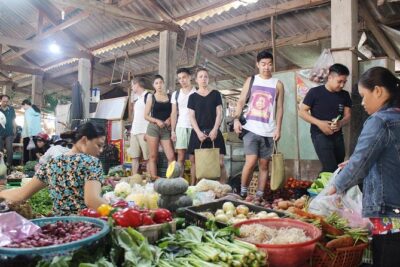
Cooking Class Hoi An:Local Market, Basket Boat, Fishing & Cooking
Read our review →