
Review · ITALY COOKING CLASSES
Sicilian cooking class in the historic baglio Florio Adamo
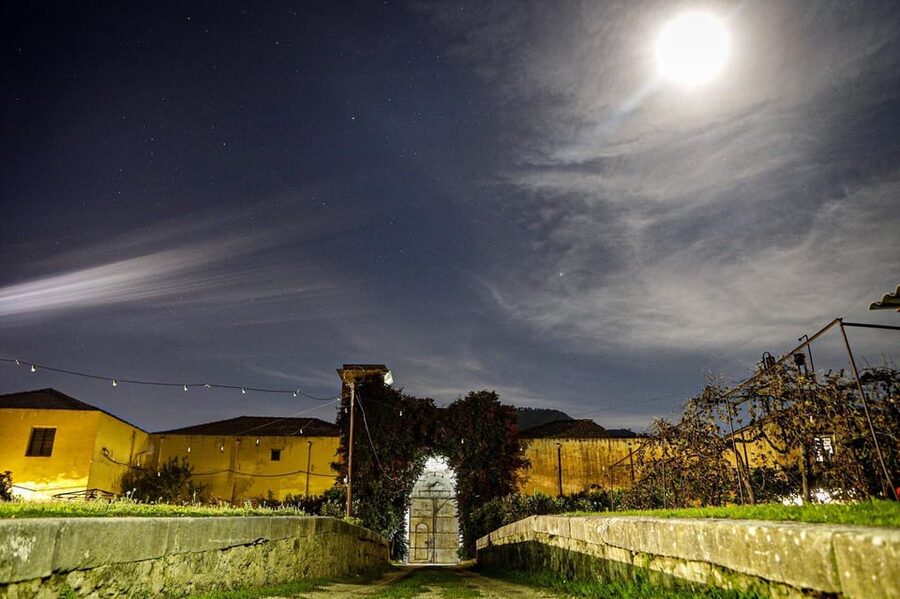
The best part of this Sicilian cooking class is the setting: you cook inside a former Florio factory, under an old porch and in a spacious 19th-century kitchen. Liliana and Vito guide you through family recipes using seasonal farm ingredients, ancient Perciasacchi wheat, garden herbs, and Adamo wine.
I like the hands-on cooking and the meal that follows, since you make several dishes rather than one token recipe. I also like the family connection. Liliana shares the estate’s story, while Vito has a gift for explaining both the food and the winery in a relaxed way.
The main consideration is transport. Pickup can be arranged, but car travel is not part of the standard experience and may cost extra. The former estate is also still being restored, so expect character and unfinished corners rather than a polished cooking school.
Key points to know
- Historic Florio setting: Cook in a former winery and family estate with old winemaking equipment and a large traditional kitchen.
- Several Sicilian dishes: Prepare at least two appetizers, fresh pasta, a sauce such as almond pesto, and a dessert.
- Family-style instruction: Liliana, Vito, and sometimes Vincenzo share recipes passed down through their family.
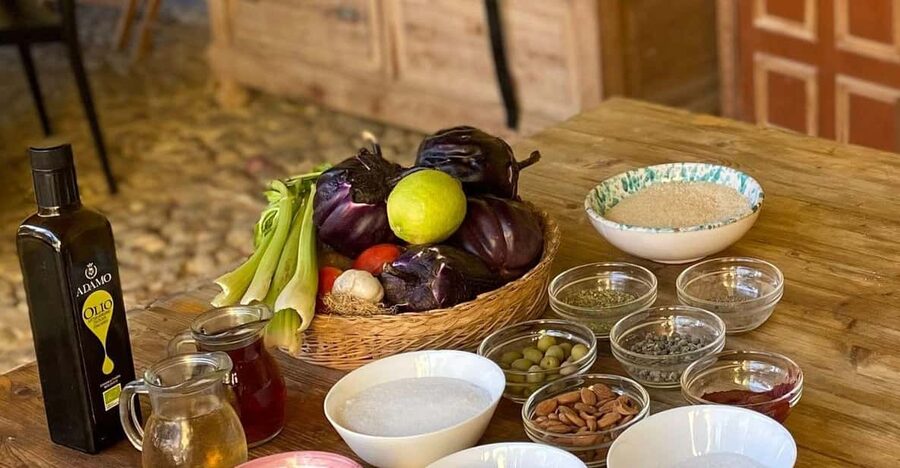
- Farm ingredients: Use seasonal produce, Perciasacchi flour, garden mint and basil, ricotta, almonds, and local wine.
- A meal, not just a lesson: Sit down afterward to eat what you made, with Adamo white, red, or rosé wine.
- Useful transport note: Pickup may be arranged, but separate car service is not included in the listed price.
Cooking in a former Florio factory
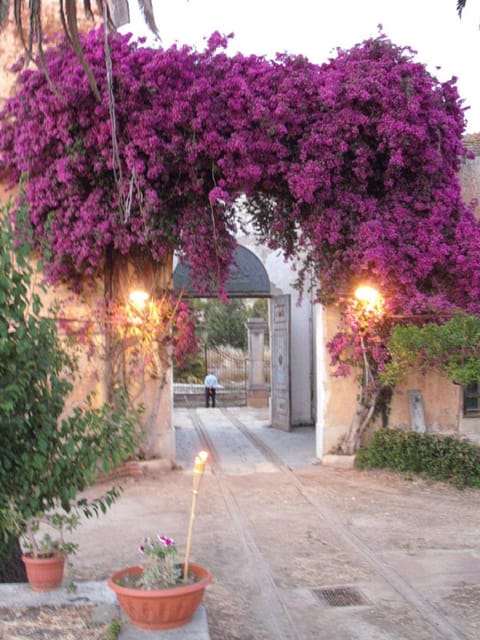
This is not a class in a bright city studio with stainless-steel counters and numbered workstations. You arrive at the former Florio factory, part of a family-run farm and winery, and cook in a place that still shows its working past.
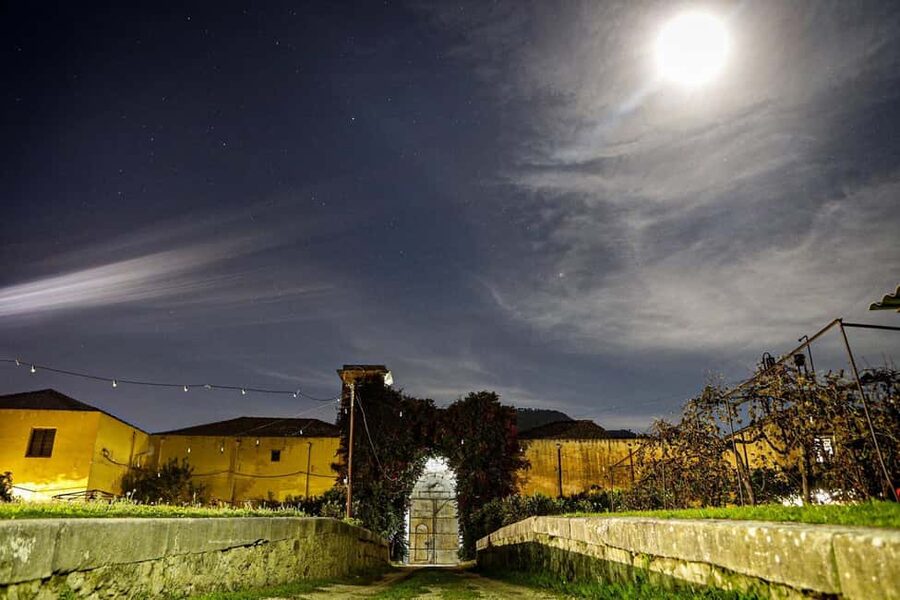
The old porch provides the setting, while the kitchen has the spacious feel of a rural Sicilian house. Old winemaking equipment helps explain how closely food, farming, and wine remain linked here. The estate is under renovation, so the surroundings may look unfinished in places. I see that as part of the bargain, though travelers wanting a slick culinary school should take note.
The location gives the lesson a useful sense of place. You are not simply copying a recipe from a printed card. You are preparing food connected to the land around you, using ingredients produced or selected by the family. That makes the cooking feel less like a staged activity and more like a visit to a working Sicilian household.
Liliana welcomes you and introduces the property. Vito often leads the actual cooking, and Vincenzo may handle the welcome, winery story, or hotel pickup. The exact combination of hosts can vary, but the family approach remains central.
More Italian Classes in Italy:
- Cooking Class and Lunch at a Tuscan Farmhouse with Local Market Tour from Florence
★ 5.0 · 4,831 reviews - Tuscan Cooking Class and Dinner in Florence
★ 4.5 · 732 reviews - Rome Pasta Making Class with Italian Sauces and Wine Included
★ 5.0 · 645 reviews
A Sicilian menu with plenty to do
The class lasts about three and a half hours, which gives you time to cook at a sensible pace and eat afterward. The menu can vary, but you should expect several parts rather than a single dish.
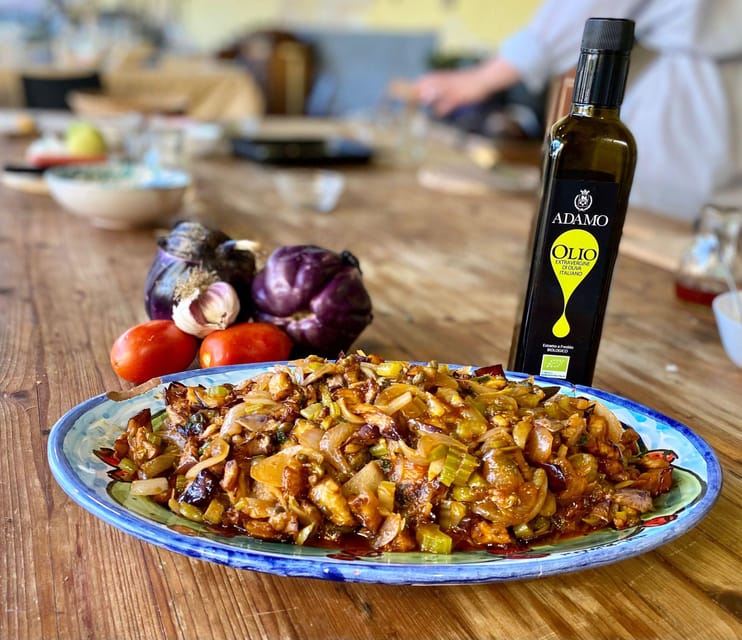
You begin with appetizers. These may include eggplant caponata or arancine. Caponata is one of Sicily’s great sweet-sour dishes, built around eggplant and other vegetables. It looks simple, but the balance of frying, seasoning, acidity, and sweetness matters. This is one recipe worth paying attention to, since it is practical to recreate at home.
Arancine require more work. These stuffed rice fritters are shaped, filled, coated, and fried. The activity description promises at least two appetizers, so you may prepare both caponata and arancine, or a similar combination. The precise menu depends on the day and available ingredients.
One especially useful detail is the emphasis on traditional preparation. The class describes cooking without machines, following the methods taught by Liliana’s mother and grandmother. That means the lesson focuses on handwork, texture, and family technique rather than speed.
Handmade pasta with Perciasacchi flour
The pasta course is one of the most distinctive parts of the class. You work with Perciasacchi flour, made from an ancient Sicilian wheat produced by the family. The dough is prepared by hand, giving you a better feel for how flour, moisture, and pressure affect the finished pasta.
The pasta may be shaped as busiate, a corkscrew-like form associated with western Sicily. The shape holds sauce well and gives you a clear reason to learn the technique instead of buying dried pasta at a supermarket.
The sauce can be almond pesto. This is a good match for the flour because it keeps the dish tied to local ingredients without burying the pasta under a heavy sauce. You may also use tomatoes, basil, mint, or other seasonal items from the estate’s garden.
I would pay close attention during this section. Pasta making is the part most likely to become a regular habit at home, while fried arancine can require more time and equipment. You also leave with the food you prepare, so the lesson continues into dinner if you have leftovers.
Garden herbs, bruschetta, and small details
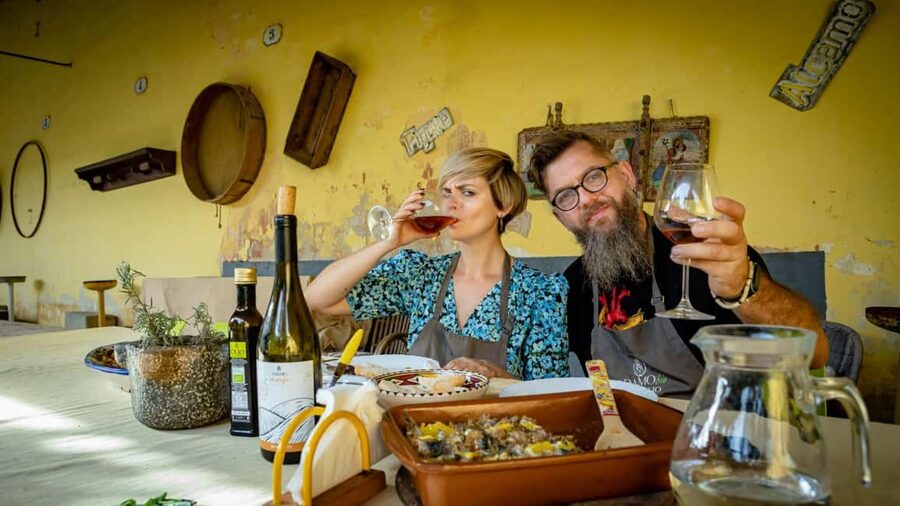
The class makes use of aromatic herbs from the garden, including mint and basil. These may appear in tomato bruschetta or other dishes. It is a small detail, but it shows how the menu is shaped by what is fresh rather than by a fixed restaurant formula.
Bruschetta is familiar to many people, yet a good version depends on basic choices: ripe tomatoes, proper seasoning, fresh herbs, and well-toasted bread. Here, the lesson can help you understand how Sicilian cooks use a few strong ingredients without adding unnecessary fuss.
The same principle applies to the rest of the menu. The food is traditional and direct. You should not expect elaborate plating or modern restaurant tricks. The pleasure comes from handling the ingredients yourself and seeing how a few local products become a full meal.
More History Outings in Italy:
- Cooking Class in a Historic Home in the Heart of Brindisi
★ 4.7 · 28 reviews - Bolognese Cooking Class with Margherita in the Historic Center
★ 5.0 · 26 reviews - Catania: Cooking class set in a sea front historic villa
★ 5.0 · 5 reviews - Undiscovered Charleston: Half Day Food, Wine & History Tour with Cooking Class
★ 5.0 · 948 reviews
Ricotta cassatelle for dessert
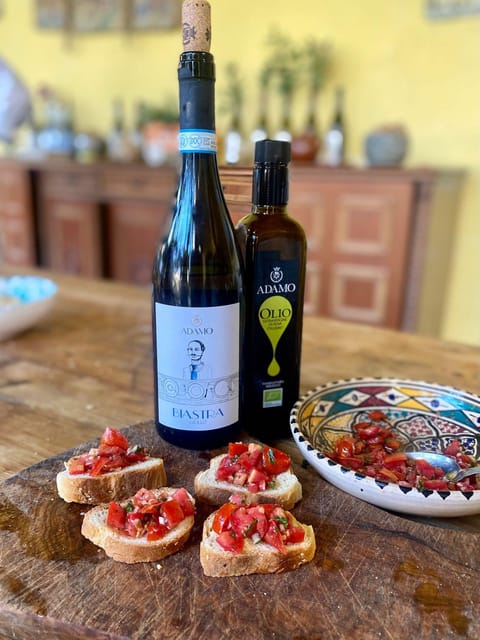
Dessert is part of the class, not an afterthought. A likely example is fresh ricotta cassatelle, small fried pastries filled with ricotta. They are a useful introduction to Sicilian sweets, which often combine fresh cheese, pastry, frying, citrus, nuts, or sugar.
This course also gives the class a good rhythm. You start with savory preparations, move into pasta, then finish with something sweet before sitting down to eat. Since the dessert is made by hand, you get another chance to practice shaping and filling rather than simply watching someone else work.
The menu includes at least two appetizers, pasta, and dessert, but the exact dishes can change. If you have allergies or strong food restrictions, ask before booking. The supplied information does not specify vegetarian, vegan, gluten-free, or allergy adaptations.
Wine is part of the table
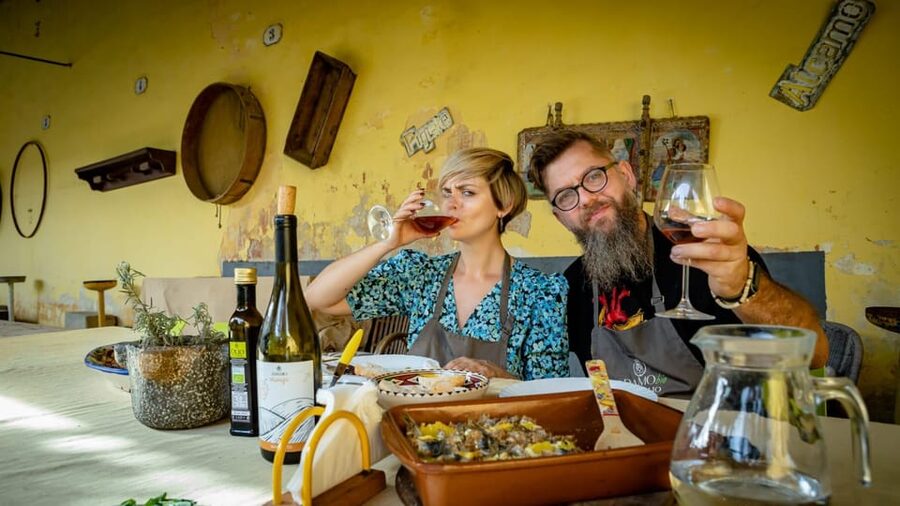
After the cooking, you eat the dishes you prepared with Adamo wines. The available choices can include white, red, and rosé. The class encourages you to compare combinations, so the wine is not merely a drink placed beside the meal.
The winery connection adds value to the experience. Vincenzo may explain the family business, and the hosts can introduce you to their wine and olive oil. The food is designed for a relaxed shared meal, not a rushed tasting with tiny portions.
Several useful touches make the meal feel generous. You can eat what you prepare, and the food may be substantial enough to leave you with leftovers for later. You can also take the prepared food with you at the end of the lesson.
That matters when you compare this with a shorter class that teaches one dish and ends with a small sample. At $94 per person, you are paying for a half-day activity, several recipes, instruction, a sit-down meal, and wine. The price is fair if you value the full food-and-estate experience. It is less attractive if you only want to learn one specific Sicilian recipe.
What the teaching style feels like
The instruction is personal and informal. Liliana is described as warm and dedicated, while Vito is particularly involved in explaining the recipes, techniques, and winery. The atmosphere is meant to be friendly rather than formal.
Small-group cooking is a major advantage here. You should have room to take part instead of standing at the edge of a large demonstration. The exact group size is not specified, but the available descriptions consistently present the experience as intimate and hands-on.
You will likely chop, mix, shape, roll, fill, and assemble the dishes yourself. The hosts may demonstrate a step first, then guide you as you repeat it. This is the right format if you want to learn through your hands rather than simply watch a local cook work.
The class also leaves room for conversation. You can ask about ingredients, family methods, the estate, and wine as you go. Traditional music may be played in the background, adding to the relaxed country-house feeling.
The estate and its unfinished edges
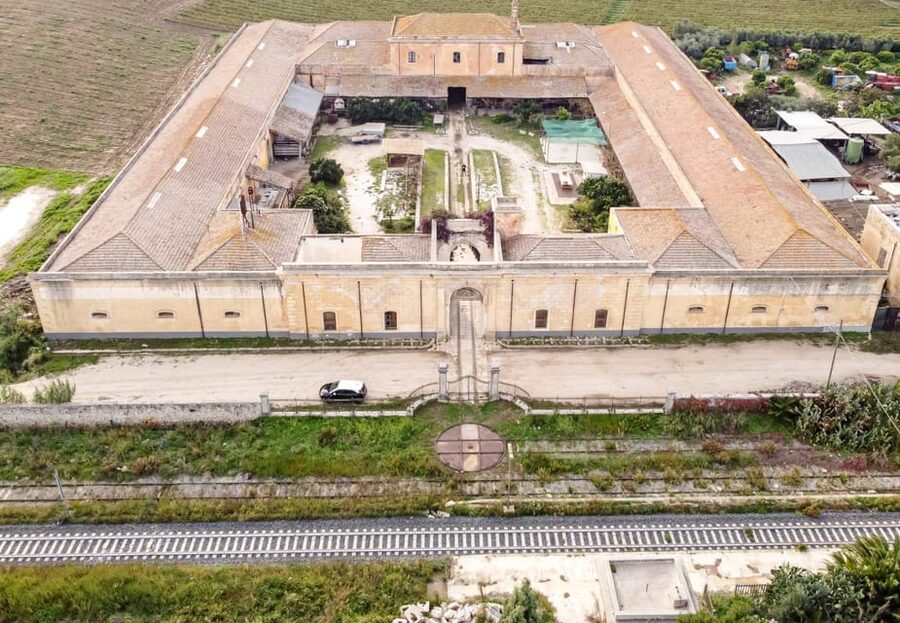
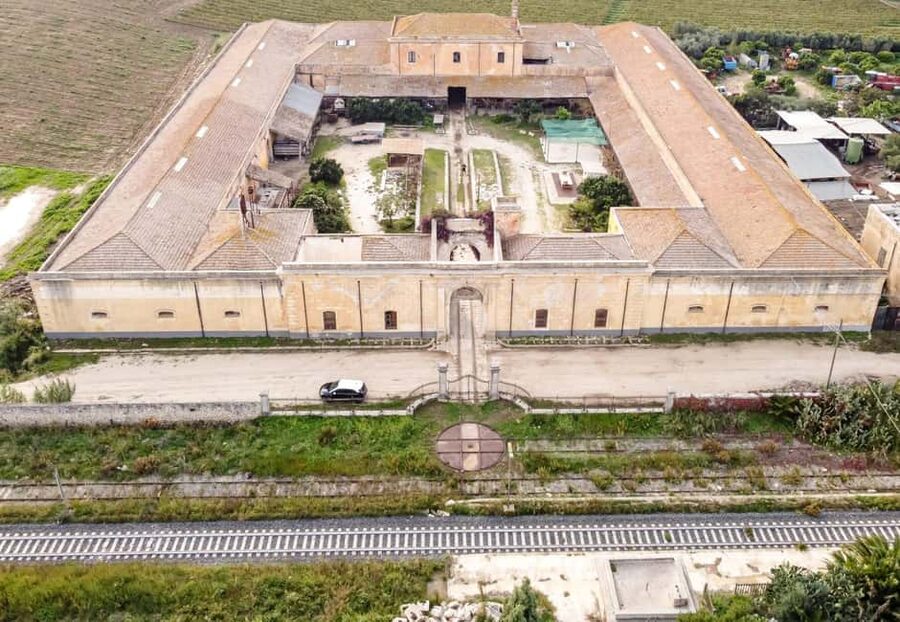
The former Florio property is a strong reason to book this activity, but it is also important to set expectations. Some parts of the estate are still under renovation. You may see beautiful old architecture alongside unfinished areas.
I would not treat that as a defect unless you expect a fully restored heritage site. The rough edges help you see the property as a place being brought back into use. Still, the setting is better described as historic and evolving than polished.
You may also receive a short look at the vineyards after the meal, with an explanation of the family’s agricultural work. This depends on the schedule, but the connection between the kitchen, the winery, and the surrounding farm is part of the experience.
Getting there and planning your visit
The listed experience lasts three and a half hours, and starting times depend on availability. Plan enough time around it so you are not watching the clock during the meal.
Pickup is included in the activity information, but the transport wording needs careful attention. The host can pick you up by car, and you can provide your location or a nearby reference point. At the same time, car travel is not included in the standard price, so arrange the details in advance and confirm whether a separate fee applies.
This matters most if you are staying outside the immediate area or do not have a rental car. Do not assume that a hotel pickup automatically means free transportation. Contact the provider before booking if transport determines whether the class is practical for you.
The kitchen is listed as wheelchair accessible. If you need a specific arrangement, it is still sensible to explain your requirements when booking, since the property includes old buildings and outdoor areas.
Cancellation is free up to 24 hours before the activity for a full refund. You can also reserve now and pay later, which helps if your route through Sicily is still changing.
Who will enjoy this class most
This experience suits you if food is one of the main reasons you are visiting Sicily. It also works well for couples, families, and small groups who want an activity with a meal built in.
You will get the most from it if you enjoy participating. The cooking is not just a backdrop for lunch. You should expect to handle ingredients, follow instructions, and spend time at the worktable.
The class is also a good choice for anyone interested in western Sicilian food traditions, ancient wheat, farm produce, and wine. The setting adds more context than a city-center cooking lesson.
I would think twice if you need an exact menu, strict dietary control, or a highly polished venue. The dishes can vary, the estate is still being restored, and the experience has a rural family character rather than a professional culinary-school finish.
Should you book the Florio factory cooking class?
Book it if you want a generous Sicilian food experience built around family recipes, local wine, and an old agricultural setting. The strongest reasons are the hands-on menu, the chance to make caponata and handmade pasta, and the time spent eating what you prepare.
At $94, the price makes sense when you count the length of the class, several courses, wine, instruction, and the food you can take with you. Confirm transportation before paying, especially if you are not driving.
If your ideal class is polished, central, and tightly standardized, choose something else. If you prefer a personal lesson in a real family setting, with a little dust and unfinished stonework along with the good food, this is a very appealing choice.
FAQ
How long does the Sicilian cooking class last?
The class lasts approximately three and a half hours, including cooking and the shared meal.
How much does the experience cost?
The listed price is $94 per person.
Which dishes will I prepare?
You will prepare at least two appetizers, which may include eggplant caponata or arancine. The class also includes fresh pasta made with Perciasacchi flour, a sauce such as almond pesto, and a Sicilian dessert such as ricotta cassatelle.
Is wine included?
The meal is served with Adamo white, red, or rosé wines. The experience also includes the chance to consider different food and wine combinations.
Is hotel pickup available?
Pickup can be arranged by car. You can provide your location or a nearby reference point, but car travel is not included in the listed price and may need to be arranged separately.
Is the class taught in English?
Yes. English-language guiding is available.
Can I cancel the booking?
You can cancel up to 24 hours before the activity for a full refund. Reserve now and pay later is also available.
Newest classes around Italy
- Cooking Class in a Sicilian countryhouse★ 5.0 · 5 reviews
- Cesarine: Market Tour & Home Cooking Class in Catania★ 4.0 · 6 reviews
- Cesarine: Home Cooking Class & Meal with a Local in Catania★ 4.5 · 10 reviews
- Cooking Class in Taormina with Lunch Included★ 5.0 · 2 reviews
- Cooking class in Capri for small groups★ 4.0 · 4 reviews
- Cooking Class and Wine Pairing in Capri★ 5.0 · 57 reviews
- Lezione di Cucina : Pasta Fresca★ 5.0 · 12 reviews
- Private Cooking Class Experience in Reggio Calabria★ 5.0 · 5 reviews
Italy Cooking Classes, compared.

3 in 1 Cooking Class near Navona: Fettuccine, Ravioli & Tiramisu
Read our review →
Pasta & Tiramisu Cooking Class with Unlimited Wine
Read our review →
Cooking Class and Lunch at a Tuscan Farmhouse with Local Market Tour from Florence
Read our review →
Pasta Making Class with Wine, Limoncello, and Dessert
Read our review →
Rome Cooking Class: Make Pasta and 3 Spritz Cocktails
Read our review →Browse the lists this tour appears in