
Review · VIETNAM COOKING CLASSES
Sapa: Local Hmong Cooking Class
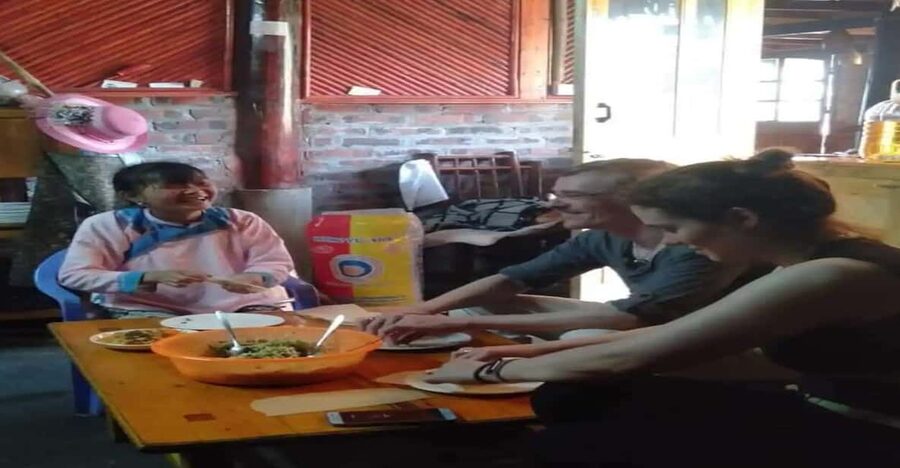
Sapa’s best food lesson may happen far from a restaurant, at Sapa Tour Indigo Homestay in Ta Van. Sung guides you through Hmong home cooking, from rolling spring rolls to seasoning free-range chicken, while rice terraces surround the cooking area. The food is part of the lesson, but the family stories give the class its real character.
I like the direct connection to local ingredients, especially tofu made by the nearby Dzay community and rice grown in the surrounding terraces. I also like that you cook several dishes yourself, rather than watching a chef work while you take notes. The main drawback is simple: the meeting point can be hard to spot, with one visitor suggesting clearer signage at the corner of the small road.
Key points to know before you book
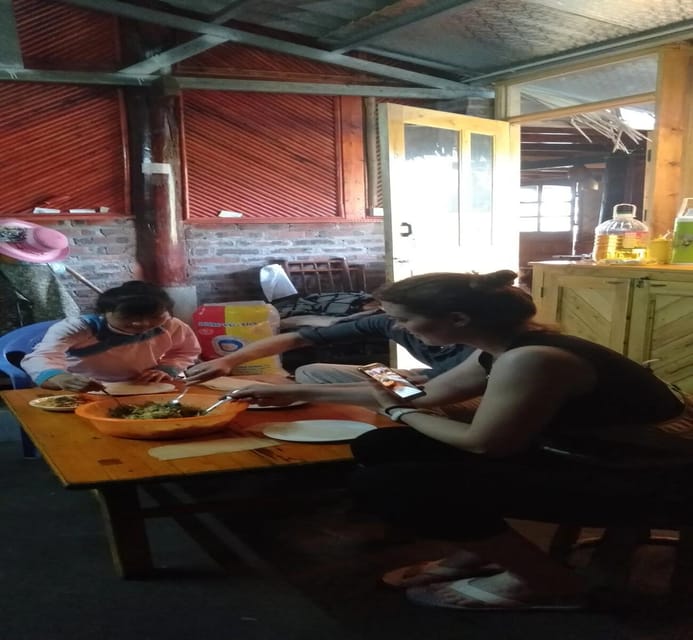
- Cook eight local dishes: The class can include spring rolls, bamboo, mushrooms, tofu with tomato, sticky rice, fresh rice, chicken, pork, and fruit or cucumber dessert.
- Meet Sung in Ta Van: She teaches in English and shares Hmong culture, family traditions, and local food customs.
- Eat beside rice terraces: The setting connects the meal to farming, especially rice planting, growing, and harvesting.
- Local ingredients matter: Bamboo, wild Chinese black mushrooms, mountain flowers, leaves, herbs, free-range chicken, and locally made tofu all feature in the lesson.
- Plan for a full half-day: The activity lasts 3.5 hours and includes a welcome drink, meal, ingredients, tools, and a recipe book.
- Bring dietary details early: You are asked to report allergies or food restrictions before the class.
Cooking Hmong food in Ta Van
This is not a quick demonstration followed by a snack. You spend about 3.5 hours preparing food, learning techniques, listening to local stories, and eating what you have made.
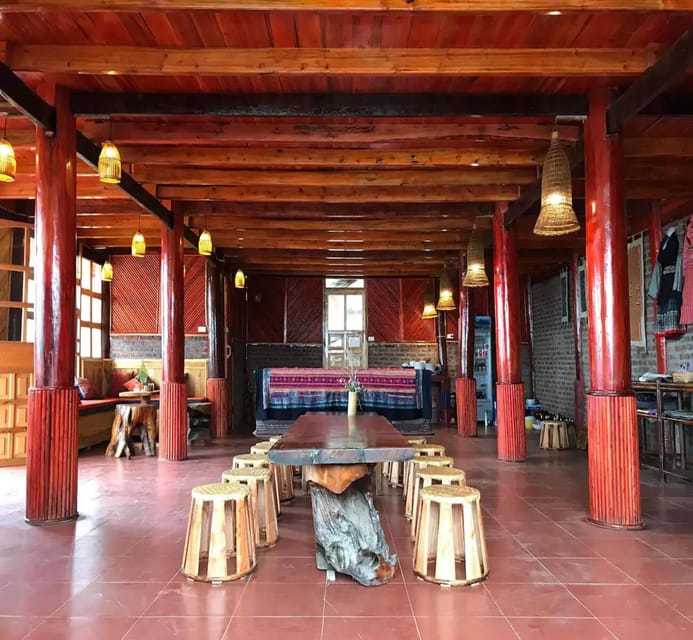
The class takes place at Sapa Tour Indigo Homestay in Ta Van, in the Dong Bac area of northern Vietnam. The meeting point is also the end point, so you do not need to change locations during the activity. Hotel transfer is not included, and you will need to make your own way there.
The setting matters. Sapa is famous for its rice terraces, but this class helps you understand the work behind the view. Rice is not just something served in a bowl. It is planted, tended, harvested, processed, and shared. Sung explains that process while you are close to the terraces themselves.
That connection between field and table is the strongest reason to choose this class over a standard city cooking lesson. You are not simply learning a recipe. You are seeing how local food fits into family life, farming, and community traditions.
More Cooking Classes in Vietnam:
- Hanoi Cooking Class: Culture, Local Market & Meaning CSR Impact
★ 5.0 · 5,147 reviews - 5 Traditional Dishes Hanoi Cooking Class with Market Trip
★ 5.0 · 4,890 reviews - Cooking Class Hoi An:Local Market, Basket Boat, Fishing & Cooking
★ 5.0 · 3,660 reviews
Meeting Sung and learning through stories
Sung is the English-speaking local guide and cooking teacher. Her role goes beyond showing you how to chop or roll. She explains Hmong culture, family life, and traditions passed from one generation to the next.
That storytelling gives the class a personal feel. You can ask questions while preparing the dishes, rather than waiting for a formal talk at the beginning. The result should feel more like a shared meal being prepared with a local family than a polished restaurant workshop.
The information available about the class does not give a fixed group size, so you should not assume a private lesson or a small class. Ask about the group arrangement if that matters to you. The experience is conducted in English.
The class has also received a full 5 out of 5 rating from six published responses, with particular praise for Sung’s English, her explanations of Hmong culture and history, and the warm welcome from the family. That is useful if personal interaction matters as much to you as the cooking itself.
Rolling spring rolls and preparing the first dishes
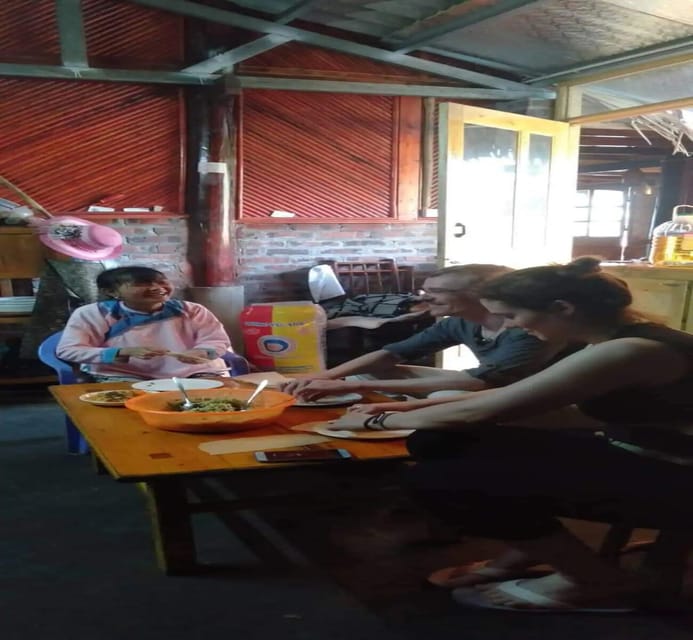
Spring rolls are one of the first practical lessons. You learn how to prepare the filling and roll the wrappers properly. This is a good opening dish because the technique is hands-on and easy to understand through practice.
Do not expect a silent demonstration where every roll comes out perfect. The value is in learning the method, then eating the results later. You will likely notice how much care goes into getting the filling evenly placed and the wrapper securely folded.
The menu also includes bamboo, prepared with local fresh herbs and onion leaf when available. Bamboo is an especially useful local ingredient because it shows how food gathered or grown in the area becomes part of everyday cooking.
Availability matters here. Bamboo, onion leaf, and some other ingredients depend on what is available on the day. The same applies to the naturally colored sticky rice described below, so the exact menu may vary.
Wild mushrooms, tofu, and tomato
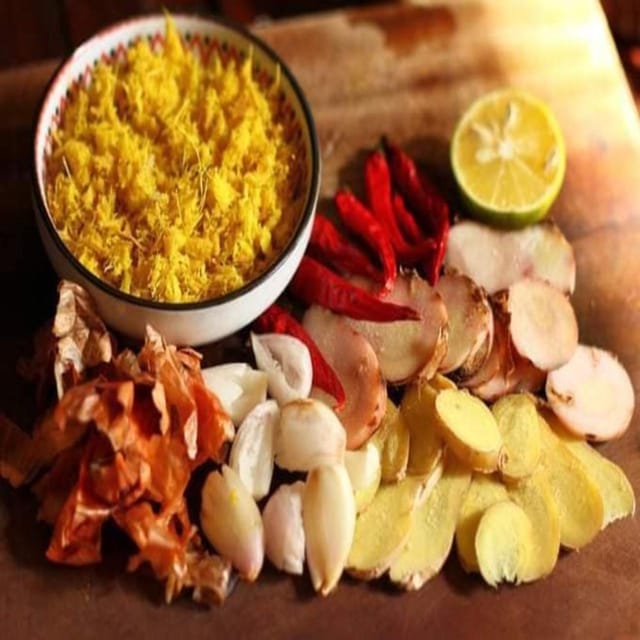
Chinese black mushrooms are another local ingredient. They grow wild in the cool forests surrounding Sapa, according to the class description. This gives you a chance to learn about a food tied to the area’s climate and forests, not just an ingredient bought from a supermarket.
The tofu with tomato has a strong local connection. The Dzay community is known for making tofu from scratch, and the class uses tofu obtained from them. You learn how to prepare it with a flavorful tomato sauce.
This dish is a useful reminder that food traditions cross community lines. Although the class focuses on Hmong cooking, the meal also reflects the wider mix of ethnic groups living around Sapa. You get a taste of how nearby communities contribute to local food culture.
The class does not promise that you will make the tofu from raw soybeans yourself. The description says the tofu comes from the Dzay community, then you learn how to prepare it. That distinction is worth knowing if you are seeking a full tofu-making workshop.
Same region, a different dish to learn:
- Hoi An Cooking Class(Market,BasketBoat Crabfishing&Cooking Class)
★ 5.0 · 3,386 reviews - From Hoi An: Market Tour, Basket Boat Ride and Cooking Class
★ 4.8 · 2,208 reviews - Cai Be Mekong Delta Tour: Cooking Class, Cycling & Craft Villages
★ 5.0 · 1,881 reviews - Hoi An: Basket Boat with Lantern-Making & Cooking Class Tour
★ 4.9 · 1,444 reviews
Sticky rice colored with flowers and leaves
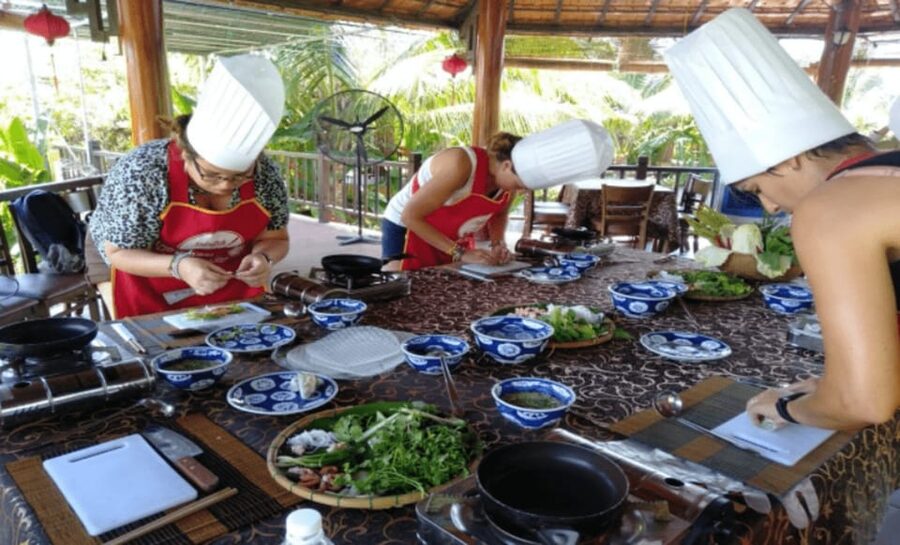
Red and yellow sticky rice adds color to the meal without relying on artificial dye. The yellow color comes naturally from a flower, while the red comes from a leaf found in the mountains.
This is one of the more unusual parts of the class. You learn how rice is colored naturally, then see how a familiar staple becomes part of a special meal. The process is available depending on ingredients, so it may not appear every time.
The class also covers fresh rice grown in the host family’s own terraces. Sung explains planting, growing, and harvesting, with the terraces nearby allowing you to see some stages up close.
The wording fresh rice can sound unclear to visitors, but the important point is the farming lesson. You are learning where local rice comes from and how much work stands behind a simple serving. For anyone interested in agriculture, this may be as valuable as the cooking techniques.
Free-range chicken and traditional pork
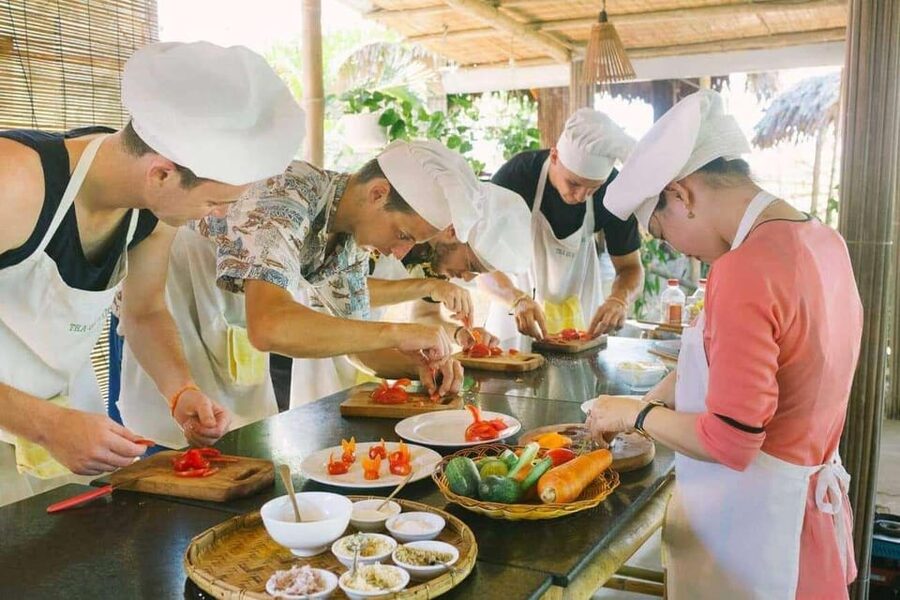
You prepare chicken for frying and season it before it goes into the pan. The chickens are free range at the home, which gives this part of the menu a direct connection to household food production.
The pork lesson focuses on traditional preparation. The available details do not specify the exact cut, seasoning, or cooking method, so you should expect a practical introduction rather than a fixed recipe with every measurement guaranteed.
Together, the chicken and pork show two sides of the meal. You learn how meat is seasoned for flavor, but you also hear how it fits into a household setting where ingredients may come from the family’s own animals or nearby producers.
This is a useful point for anyone comparing cooking classes. The menu is not limited to one famous dish. It gives you a broad look at a complete local meal, including meat, rice, vegetables, mushrooms, tofu, and a simple dessert.
Sharing the meal you prepared
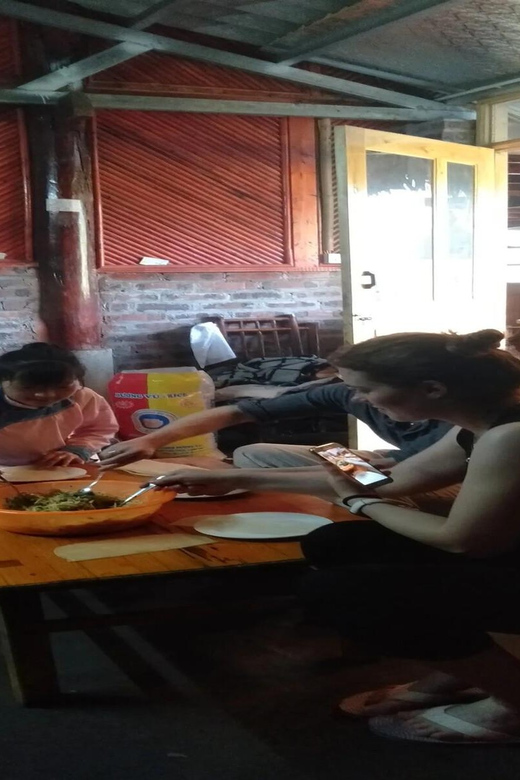
After the cooking, you sit down to eat the food together. The meal is included in the $36 price, along with a welcome drink, ingredients, cooking tools, and a recipe book.
The shared meal is more than a convenient finish. It lets you taste how the individual parts work together. Spring rolls, sticky rice, tofu, meat, bamboo, and mushrooms each have a different role, and eating them at once gives you a clearer sense of the local table.
Dessert is listed as watermelon or cucumber. That may sound plain, but it suits a substantial meal and keeps the final course light. The exact dessert is not fixed.
Drinks beyond the welcome drink are not included. Keep that in mind if you usually order tea, soft drinks, or another beverage with lunch or dinner. The activity includes a local lunch or dinner, but not other expenses that are not specifically listed.
What $36 gets you
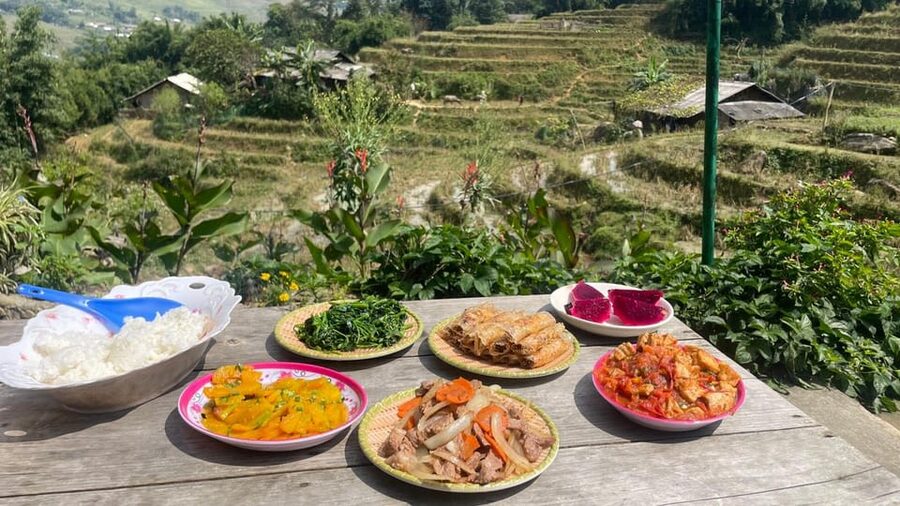
At $36 per person, this class is priced above a simple meal but includes much more than eating at a local restaurant. You receive 3.5 hours of instruction, a full meal, all ingredients, equipment, a welcome drink, and a recipe book.
The strongest value comes from the setting and personal contact. You are not paying only for food. You are paying for a local teacher, a family welcome, explanations of farming and culture, and time spent preparing a broad menu.
The value is less clear if your main goal is to master one dish in precise detail. With so many items on the menu, the class may give you an overview of several techniques rather than a long, technical lesson on one recipe.
It also works best if you are happy to make your own way to Ta Van. Since hotel transfer is not included, the true cost of the outing may be higher once you factor in transport from your accommodation.
Who will enjoy this class most
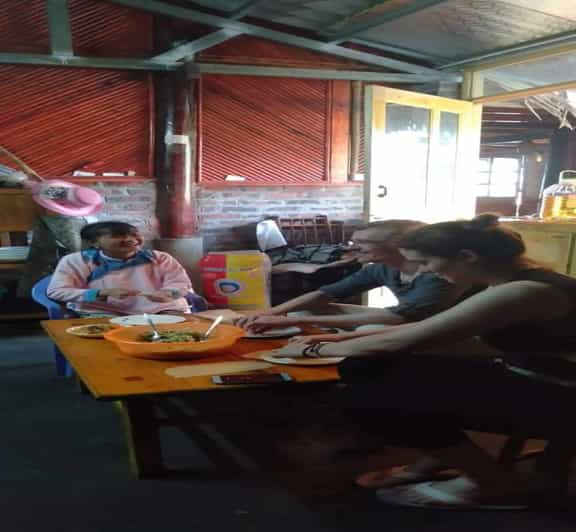
I would choose this experience if you want food to open a door into local life. It suits curious eaters, home cooks, families with older children, and anyone who prefers a meal with conversation and context.
It is also a good fit if you have already seen Sapa’s terraces and want to understand their purpose. The rice lesson gives the scenery a human story. Instead of seeing only dramatic slopes, you learn about planting, growing, and harvesting.
People with strict allergies or dietary restrictions should contact the provider before booking. The class specifically asks you to share that information in advance, but the available details do not confirm which substitutions are possible.
This is not suitable for wheelchair users. The meeting point is in Ta Van, and the activity involves hands-on food preparation, but no detailed accessibility information is provided. If mobility is a concern, ask for more details before paying.
Practical details for a smoother visit
The starting time is not fixed in the information provided. Check availability for the date you want, then allow enough time to reach Sapa Tour Indigo Homestay in Ta Van.
Look carefully for the small road at the meeting point. Signage at the corner may be limited, so save the exact meeting-point name and allow a little extra time to find it. The class ends back at the same location.
Wear clothes that are comfortable for cooking. The experience includes several preparation steps, and you will be working with ingredients and cooking tools for much of the session.
Tell the provider about allergies and food restrictions before the day of the class. The menu contains meat, tofu, mushrooms, rice, herbs, and other ingredients, so early notice is important if you need changes.
The class offers free cancellation up to 24 hours in advance for a full refund. You can also reserve now and pay later, which helps if your Sapa plans are still shifting.
Should you book the Hmong cooking class?
Book it if you want a personal, food-focused experience tied to rice farming, family tradition, and the communities around Sapa. Sung’s English instruction, the warm family welcome, and the chance to cook eight local dishes are the main reasons to choose it.
Think twice if you need hotel pickup, a wheelchair-accessible activity, or a tightly fixed menu. Bamboo and naturally colored sticky rice depend on availability, and the small-road meeting point may take extra care to find.
For $36, you receive a substantial half-day experience rather than just a cooking demonstration. If the idea of preparing food among rice terraces appeals to you, this is one of the more direct ways to connect Sapa’s scenery with the people who grow and cook its food.
FAQ
Where does the cooking class start?
The class starts at Sapa Tour Indigo Homestay in Tả Van, Sa Pa, Lào Cai, Vietnam.
Where does the activity finish?
The activity ends back at the same meeting point, Sapa Tour Indigo Homestay.
How long does the class last?
The cooking class lasts 3.5 hours.
What language is the class conducted in?
The class is conducted in English, with a live English-speaking guide.
What dishes will I prepare?
The menu can include spring rolls, bamboo, Chinese black mushrooms, tofu with tomato, red and yellow sticky rice, fresh rice, fried chicken, pork, and watermelon or cucumber for dessert.
Are all ingredients and cooking tools included?
Yes. The price includes all ingredients and tools needed for the class.
Is a meal included?
Yes. A local lunch or dinner is included, along with a welcome drink.
Are other drinks included?
No. Drinks beyond the welcome drink are not included.
Do I need to report allergies or food restrictions?
Yes. You should tell the provider about allergies or food restrictions before the activity.
Can I cancel for a full refund?
Yes. You can cancel up to 24 hours in advance for a full refund. The activity also offers a reserve now and pay later option.
Newest classes around Vietnam
- Can Tho Cooking Class in the countryside – Vegetarian available★ 5.0 · 10 reviews
- Full-Day Experience in Mekong Cycling and Authentic Home Cooking★ 5.0 · 89 reviews
- Biking and Cooking Class in Can Tho Rural★ 5.0 · 5 reviews
- Cooking, Farming and Waterfall In Vietnam Countryside★ 3.0 · 6 reviews
- Cooking class & Vibrant Market by Scooter/Tuktuk (Half-Day)★ 5.0 · 55 reviews
- Top Home Cooking Class with Stunning River View AC Kitchen★ 5.0 · 25 reviews
- Tam Coc Cooking Class with Unique Experience★ 4.3 · 13 reviews
- Street Food Walking Tour with a Cooking Instructor★ 5.0 · 5 reviews
Vietnam Cooking Classes, compared.
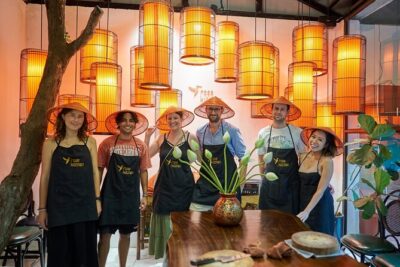
Hanoi Cooking Class: Culture, Local Market & Meaning CSR Impact
Read our review →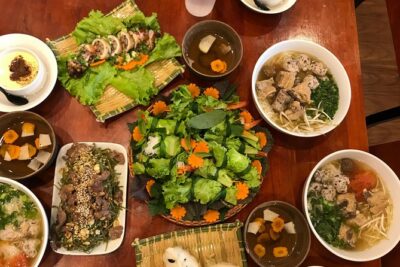
5 Traditional Dishes Hanoi Cooking Class with Market Trip
Read our review →
Cooking Class Hoi An:Local Market, Basket Boat, Fishing & Cooking
Read our review →
Hoi An Cooking Class(Market,BasketBoat Crabfishing&Cooking Class)
Read our review →
Market Tour, Basket Boat Ride and Cooking Class
Read our review →
Cai Be Mekong Delta Tour: Cooking Class, Cycling & Craft Villages
Read our review →
Basket Boat with Lantern-Making & Cooking Class Tour
Read our review →
Hoi An Cooking Class(Local market,Basket Boat,Fishing & Cooking)
Read our review →Browse the lists this tour appears in