
Review · VIETNAM COOKING CLASSES
Sapa: Bun Cha Cooking Class
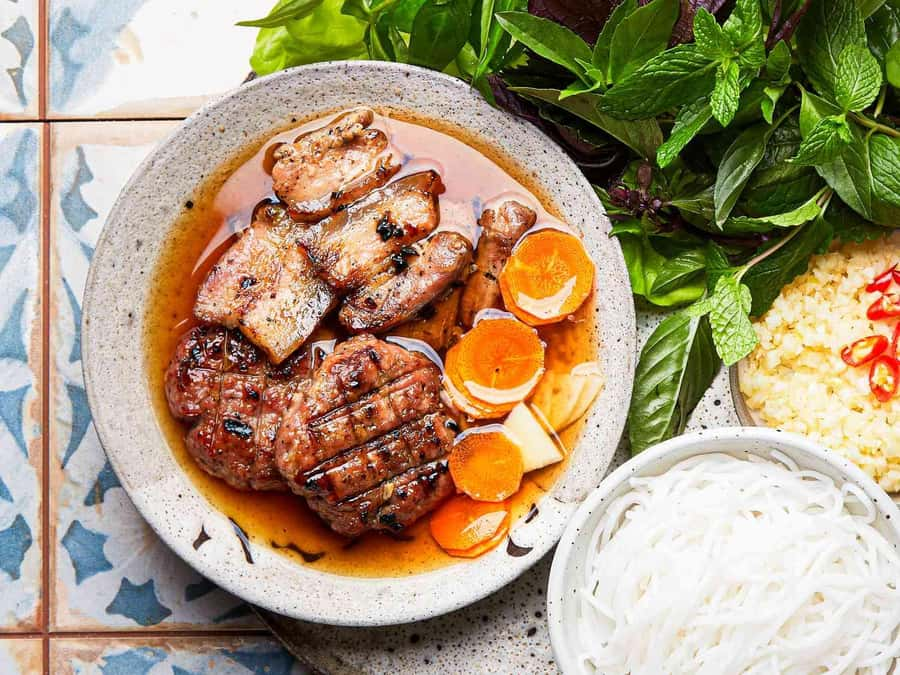
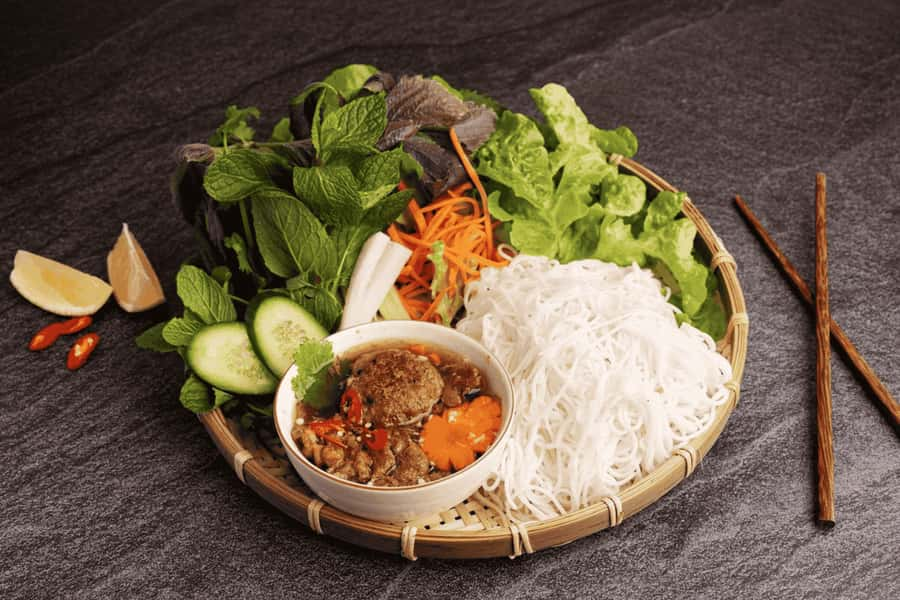
Bun cha is one of Vietnam’s most satisfying street foods: smoky pork, cool herbs, soft rice vermicelli, and a sharp sweet-sour sauce. This Sapa cooking class lets you learn the dish from the inside out, with a local chef guiding you through the work instead of simply putting a plate in front of you. Grilling the pork over charcoal is the heart of the class, and it gives the meal its best flavor.
I like two things right away. You get a practical recipe to take home, and you eat the food you have prepared in a warm, home-style setting. The chef also shares small tips that can make a real difference, especially when mixing the dipping sauce and handling the pork. The main consideration is simple: this is not a vegetarian class, since pork is the main ingredient and cannot be replaced.
Key points at a glance
- Charcoal grilling is the centerpiece: Learn how the pork gets its smoky flavor before assembling the dish.
- The sauce matters: You will prepare the traditional sweet-sour dipping sauce rather than relying on a ready-made version.
- Your meal is included: After cooking, you sit down and eat the bun cha you made.
- Small group format: The class is limited to 10 participants, allowing room for step-by-step help.
- Sissy’s practical tips: Chef Sissy is praised for sharing useful tricks that help the dish turn out well.
- Good value at $25: Ingredients, tools, instruction, recipes, and the meal are included, but transport and extra drinks are not.
Why bun cha makes a good Sapa cooking class
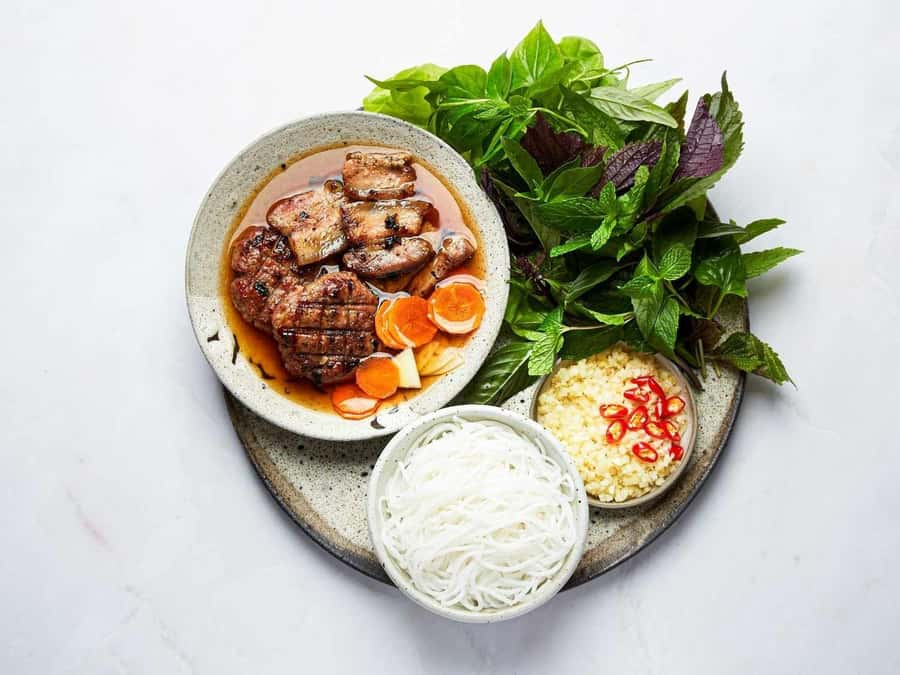
Sapa is better known for mountain scenery and hill-tribe culture than for Hanoi street food, which makes this class a useful change of pace. Bun cha is strongly linked with Hanoi, but its parts are easy to understand and satisfying to prepare: seasoned pork, rice vermicelli, herbs, and dipping sauce.
I like this kind of cooking lesson because it teaches a complete meal rather than one isolated technique. You learn how flavor is built in stages. The pork brings smoke and savory depth, the herbs add freshness, the noodles soften the dish, and the sauce ties everything together.
The class also gives you a more useful memory than a standard restaurant meal. Afterward, you know what goes into bun cha and how the pieces fit together. The recipe to take home means you can try to repeat it later, even if the charcoal grill and local ingredients are not quite the same.
More Cooking Classes in Vietnam:
- Hanoi Cooking Class: Culture, Local Market & Meaning CSR Impact
★ 5.0 · 5,147 reviews - 5 Traditional Dishes Hanoi Cooking Class with Market Trip
★ 5.0 · 4,890 reviews - Cooking Class Hoi An:Local Market, Basket Boat, Fishing & Cooking
★ 5.0 · 3,660 reviews
Meeting at 02 Nguyen Chi Thanh in Sapa
The meeting point is the office at 02 Nguyen Chi Thanh, Sapa. You should search for the address directly on Google Maps before setting out, especially if you are still finding your way around town.
Transportation is not included, so you are responsible for reaching the venue. That keeps the price down, but it also means you should allow enough time to locate the office. The information provided does not give a hotel pickup option or a transfer service, so do not assume one is available.
The class lasts about two hours. Starting times vary, so check availability when booking. A two-hour session is long enough for instruction, cooking, and the meal without taking over an entire day of sightseeing.
Meeting the local chef and the ingredients
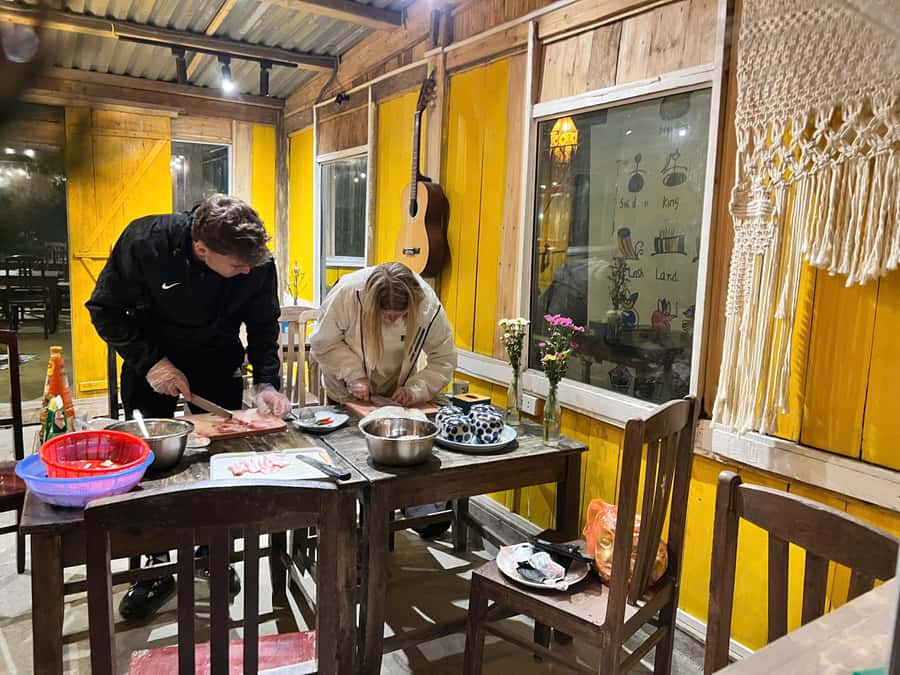
The class begins with a welcome and a short introduction to Vietnamese food and ingredients. This opening is useful because it gives you a basic map of the dish before the hands-on work starts.
You will work with the main parts of bun cha: pork, fresh herbs, rice vermicelli, and the dipping sauce. The chef explains what each part does, then guides you through the preparation in order.
No previous cooking experience is needed. That matters if you are comfortable eating Vietnamese food but less confident in a kitchen. The instructions are given in English and Vietnamese, and the small group is limited to 10 people.
Chef Sissy is specifically praised for sharing tips and tricks that help the finished bun cha turn out well. You should expect the chef to correct and guide you as you work, rather than leaving you to copy a recipe without help.
Marinating the pork before the grill
The pork is the main cooking project. You will learn how to prepare and marinate it before it goes over the charcoal.
This is where the class becomes more useful than a simple demonstration. You are not only seeing the finished dish. You are working through the stage that sets up the pork’s flavor and texture.
The supplied information does not specify the exact ingredients or length of the marinade, so you should not expect a fixed list of seasonings in advance. The important point is that the chef takes you through the process and shares practical guidance aimed at helping you succeed.
For many home cooks, the pork will be the part worth paying attention to most closely. Small choices in seasoning and preparation affect how well the meat works with the sauce and noodles. The take-home recipe gives you a reference once you return home.
Same region, a different dish to learn:
- Hoi An Cooking Class(Market,BasketBoat Crabfishing&Cooking Class)
★ 5.0 · 3,386 reviews - From Hoi An: Market Tour, Basket Boat Ride and Cooking Class
★ 4.8 · 2,208 reviews - Cai Be Mekong Delta Tour: Cooking Class, Cycling & Craft Villages
★ 5.0 · 1,881 reviews - Hoi An: Basket Boat with Lantern-Making & Cooking Class Tour
★ 4.9 · 1,444 reviews
Grilling pork over charcoal
The charcoal grill is the class’s most distinctive feature. You will learn to cook the pork over live charcoal, the step that gives bun cha its smoky character.
This is also the point where a cooking class offers something a restaurant meal cannot. At a restaurant, you taste the result. Here, you learn how the result is produced and get a better sense of the timing involved.
The provided details do not promise a particular type of grill or explain how much individual grill time each participant receives. In a small group of up to 10, you should have a better chance to follow the process closely, but the exact amount of hands-on time may vary.
I would pay attention to the chef’s advice here. The goal is not simply to cook the pork until it is done. It is to get the right balance between cooking it through and keeping the grilled flavor that makes bun cha appealing.
Mixing the traditional sweet-sour sauce
The dipping sauce is not a minor extra. It is the part that brings the pork, noodles, and herbs together.
You will prepare a traditional sweet-sour sauce with the chef’s guidance. This gives the class a second useful lesson beyond grilling. Once you understand the balance of the sauce, you can adjust it more easily when making Vietnamese food at home.
The exact recipe is not listed, so the chef’s instruction matters. Take notes with the recipe provided, and pay attention to how the chef explains the flavor balance. This is one of the class’s most transferable skills, since a sauce can change the character of an otherwise simple plate.
I like that the sauce is made as part of the class rather than treated as something already prepared. It helps you understand why bun cha tastes bright and lively alongside the smoky pork.
Building the bowl with noodles and herbs
After the pork and sauce are prepared, you put together the other parts of the dish. Rice vermicelli and fresh herbs provide a softer, cooler contrast to the grilled meat.
The class teaches you all the different parts of bun cha, not just the pork. That matters because the dish works through contrast. The noodles make it filling, the herbs keep it fresh, and the sauce gives each bite its main seasoning.
The information does not specify the particular herbs used or how the dish is plated. You can still expect the chef to show you how the prepared ingredients come together before you eat.
This final assembly is usually the point at which the earlier steps make sense. The separate ingredients become a complete Vietnamese meal rather than a collection of cooking exercises.
Eating your own bun cha in a home-style setting
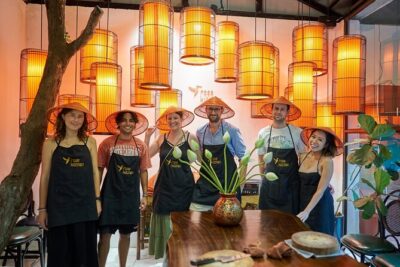
After cooking, you sit down and eat the meal you made. The setting is described as cozy and authentic, with a warm home-style feel.
That setting is a good match for bun cha. The dish is casual food, and eating it in a relaxed environment keeps the class from feeling like a formal culinary school session.
Your meal is included in the $25 price. Additional food and drinks are not included, so bring that in mind if you want something beyond the bun cha you prepare.
The eating portion also gives you a chance to ask final questions and compare the finished result with the chef’s guidance. If your pork or sauce tastes different from what you expected, that is part of the value of a hands-on lesson. You can learn what to change next time.
What the $25 price includes
At $25 per person, the class offers a solid bundle of practical value. The price includes:
- The bun cha cooking class
- Guidance from a local chef
- Ingredients
- Cooking tools
- Recipes to take home
- The meal you prepare
That is more useful than paying only for a tasting, since you leave with both food and a repeatable method. The recipe adds lasting value, particularly if you enjoy cooking after returning home.
The price does not include transport, extra food, or drinks. These exclusions are easy to understand, but they matter when you plan your budget. You should also confirm the starting time and meeting details before you go.
The class has a rating of 4.8 from six verified bookings. The strongest praise focuses on the fun, clear instruction, authentic method, and Chef Sissy’s practical tips. That fits the main strength of the activity: it is a small, focused lesson built around one well-known Vietnamese dish.
Who will enjoy this class most
I would recommend this class to food lovers who want more than a restaurant meal. It suits you if you like to ask questions, handle ingredients, and learn a recipe you can try again.
It is also a good choice for first-time cooks. You do not need previous experience, and the chef guides you through each stage. The two-hour length keeps the class manageable if you are fitting it between other plans in Sapa.
Families and mixed-ability groups may also find the format approachable, though the available information does not specify a minimum age or any special family arrangements. If you are booking for children, confirm those details first.
This class is less suitable if you avoid pork. The pork cannot be replaced, so vegetarians should choose another workshop option. It may also be less appealing if you want a broad survey of Vietnamese cuisine, since the lesson focuses on bun cha rather than several different dishes.
Practical details before you book
The class is offered in English and Vietnamese. That gives English-speaking participants a clear way to follow the chef’s instructions, while the bilingual format also reflects the local setting.
The group is limited to 10 people. That is small enough to feel more personal than a large demonstration, though the exact amount of individual attention can depend on how many people attend.
You can cancel up to 24 hours in advance for a full refund. You can also reserve now and pay later, which is useful if your Sapa schedule depends on weather or changing transport plans.
The office is at 02 Nguyen Chi Thanh, and you should arrange your own way there. The activity takes about two hours, but allow extra time for getting to the meeting point and for any questions or conversation after the meal.
Should you book the Sapa bun cha class?
Book it if you want a hands-on food experience at a reasonable price, especially if smoky grilled pork and Vietnamese sauces appeal to you. The combination of charcoal cooking, a full meal, a take-home recipe, and step-by-step guidance makes the $25 fee easy to justify.
I would be less likely to choose it if you are vegetarian, do not eat pork, or want a class that covers several different Vietnamese dishes. For everyone else, this is a focused and practical introduction to bun cha, with enough personal guidance to make the meal feel like something you learned rather than simply consumed.
FAQ
Where does the Sapa bun cha cooking class meet?
The meeting point is the office at 02 Nguyen Chi Thanh, Sapa, Vietnam. You can search for the office directly on Google Maps.
How long does the cooking class last?
The class lasts approximately two hours.
How much does the class cost?
The price is $25 per person.
Is the meal included?
Yes. You eat the bun cha you prepare during the class.
Are ingredients and cooking tools included?
Yes. The class includes all ingredients and cooking tools.
Do I receive a recipe to take home?
Yes. A recipe is included for you to take home.
Do I need previous cooking experience?
No. Previous cooking experience is not required, and the chef provides step-by-step guidance.
Is the class suitable for vegetarians?
No. Pork is the main ingredient in bun cha and cannot be replaced in this workshop.
What languages does the instructor speak?
Instruction is available in English and Vietnamese.
Can I cancel for a full refund?
Yes. You can cancel up to 24 hours in advance for a full refund.
Newest classes around Vietnam
- Can Tho Cooking Class in the countryside – Vegetarian available★ 5.0 · 10 reviews
- Full-Day Experience in Mekong Cycling and Authentic Home Cooking★ 5.0 · 89 reviews
- Biking and Cooking Class in Can Tho Rural★ 5.0 · 5 reviews
- Cooking, Farming and Waterfall In Vietnam Countryside★ 3.0 · 6 reviews
- Cooking class & Vibrant Market by Scooter/Tuktuk (Half-Day)★ 5.0 · 55 reviews
- Top Home Cooking Class with Stunning River View AC Kitchen★ 5.0 · 25 reviews
- Tam Coc Cooking Class with Unique Experience★ 4.3 · 13 reviews
- Street Food Walking Tour with a Cooking Instructor★ 5.0 · 5 reviews
Vietnam Cooking Classes, compared.
Hanoi Cooking Class: Culture, Local Market & Meaning CSR Impact
Read our review →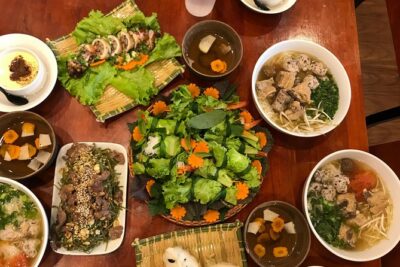
5 Traditional Dishes Hanoi Cooking Class with Market Trip
Read our review →
Cooking Class Hoi An:Local Market, Basket Boat, Fishing & Cooking
Read our review →
Hoi An Cooking Class(Market,BasketBoat Crabfishing&Cooking Class)
Read our review →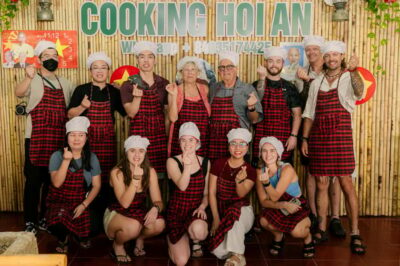
Market Tour, Basket Boat Ride and Cooking Class
Read our review →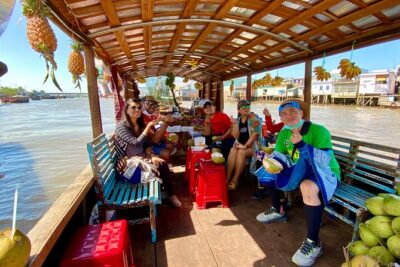
Cai Be Mekong Delta Tour: Cooking Class, Cycling & Craft Villages
Read our review →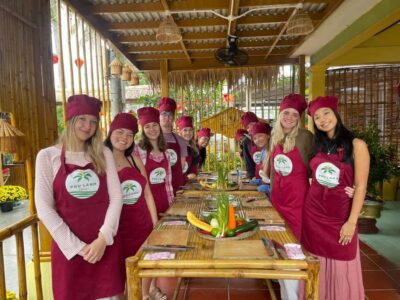
Basket Boat with Lantern-Making & Cooking Class Tour
Read our review →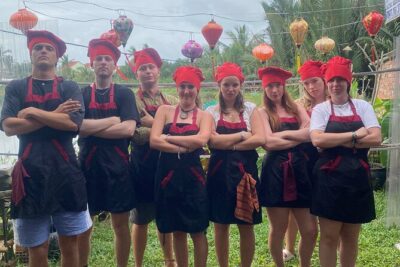
Hoi An Cooking Class(Local market,Basket Boat,Fishing & Cooking)
Read our review →Browse the lists this tour appears in