Review · COOKING CLASSES
Rio de Janeiro: Brazilian Cooking Class in Rio de Janeiro
Brazilian food is far more varied than grilled meat and cheese bread, and this Copacabana cooking class gives you a hands-on way to meet the country through its kitchen. Chef Simone leads you through seven recipes, including seafood moqueca on Mondays, Wednesdays, and Fridays, or feijoada on Saturdays.
I like the small maximum of seven people, which leaves room for questions and personal help. I also like the meal at the end: you do not simply watch a chef cook, you sit down with the instructor to eat what you made, with a caipirinha and coconut drink in hand. The $220 price is high for a three-hour activity, and the advertised duration also appears as four hours in the highlights, so confirm the timing before booking.
Key details before you book
- Chef Simone leads the class: Her friendly teaching style, Brazilian food knowledge, and easy conversation are central to the experience.
- The main dish depends on the day: Choose moqueca on Monday, Wednesday, or Friday, or feijoada on Saturday.
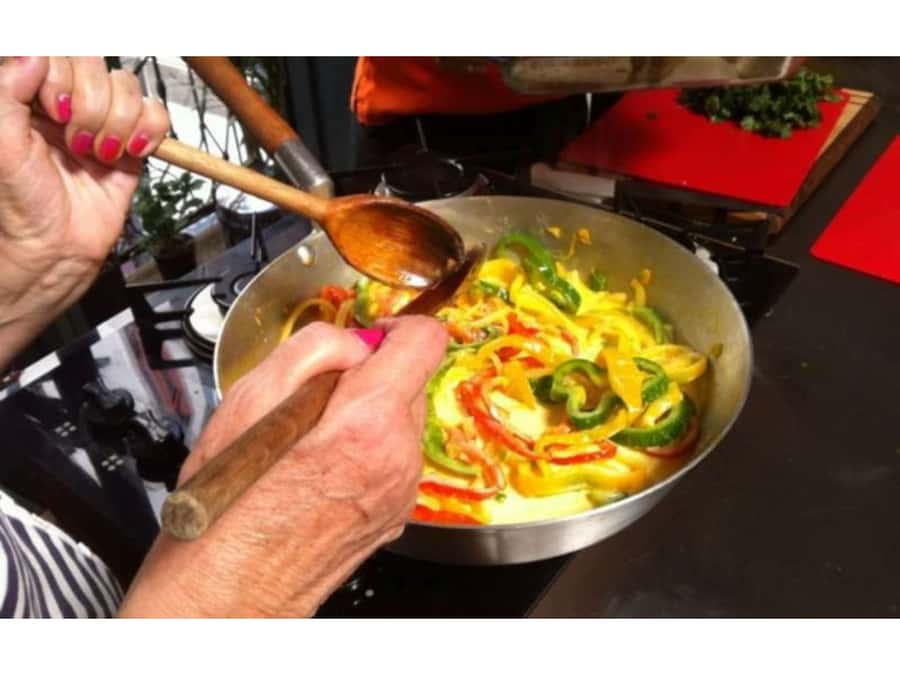
- You cook the food yourself: The class covers fried cheese, sausage, drinks, the main dish, farofa, rice, and dessert.
- A small private group keeps it personal: The class accepts up to seven participants and is offered in English, Portuguese, or Spanish.
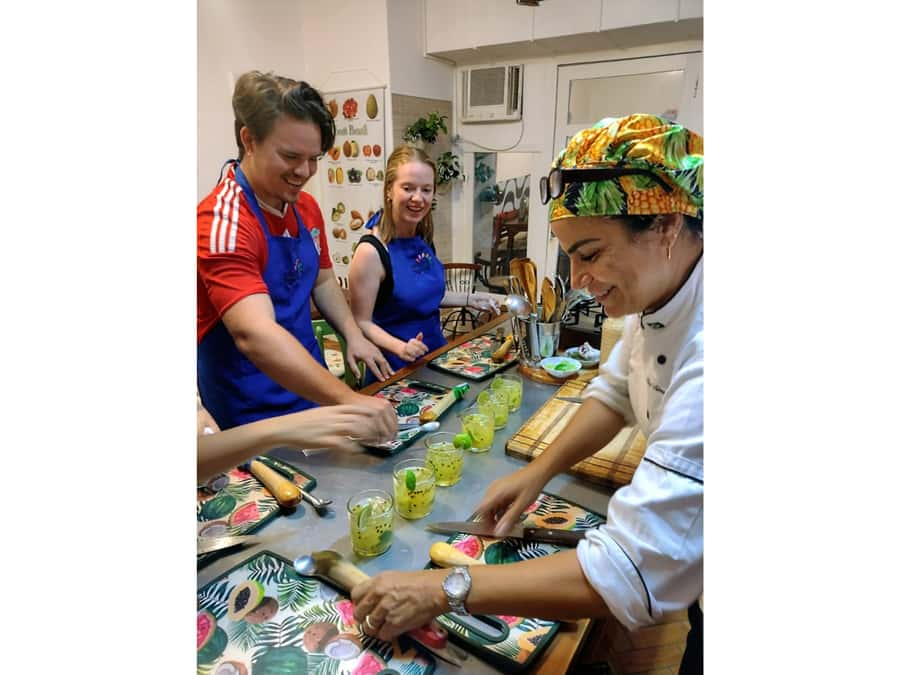
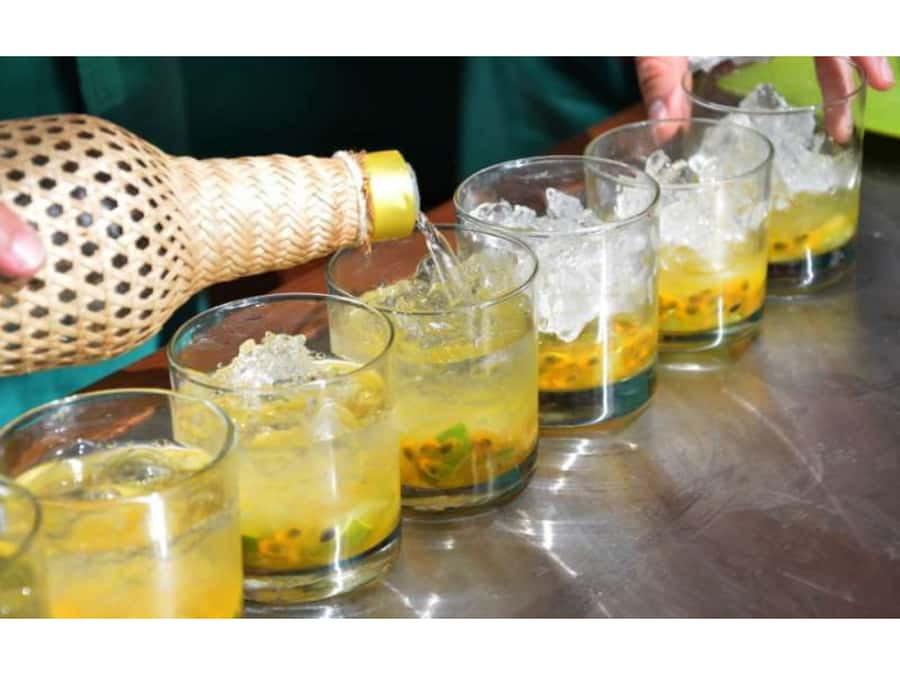
- Two drinks are included: You prepare and enjoy a lime caipirinha and a batida de coco.
- Transportation is not included: You make your own way to the cooking studio in the Copacabana area.
A Brazilian meal built around participation
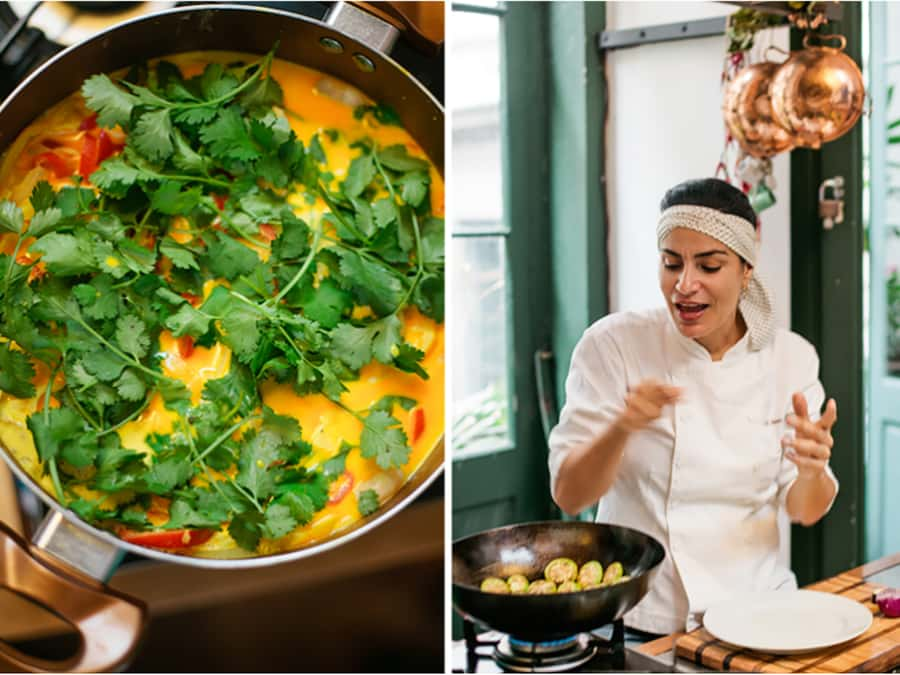
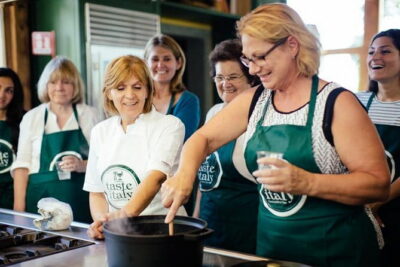
This is not a demonstration where you sit quietly while someone else handles the knives and pans. You take part in preparing the food, learning how the ingredients work together and seeing the steps behind familiar Brazilian dishes.
The class is designed for all skill levels. You do not need cooking experience, and the format gives an experienced home cook something useful too. The emphasis is on practical recipes you can repeat at home, using ingredients described as available around the world.
That last point matters. Some food classes are enjoyable in Rio but hard to recreate after you return home. Here, you learn dishes that are tied to Brazil yet do not depend entirely on rare ingredients or specialist equipment. You can ask how to handle the seasoning, how to balance sweetness and heat, and how the different parts of the meal fit together.
The social side is just as important. You cook with the instructor, chat while the food comes together, then sit down to eat. One particularly useful detail is the relaxed atmosphere around Chef Simone. She has been praised for being attentive, entertaining, and easy to talk with, and her daughter sometimes assists with the class. That can make the session feel more like cooking with friends than attending a formal lesson.
More Cooking Classes in the world:
- Half-Day Thai Cooking Class at Organic Farm in Chiang Mai
★ 5.0 · 19,087 reviews - Florence: Pasta Cooking Class with Unlimited Wine
★ 4.9 · 10,285 reviews - 3 in 1 Cooking Class near Navona: Fettuccine, Ravioli & Tiramisu
★ 5.0 · 7,376 reviews
Starting with cheese, sausage, and Brazilian drinks
The opening dishes give you a quick introduction to the sweet, salty, and spicy combinations common in Brazilian cooking.
First comes fried cheese with spicy guava jam. The pairing is a good example of Brazil’s habit of putting contrasting flavors together. Salty cheese meets soft sweetness and a touch of heat, making a simple starter more interesting than its short ingredient list suggests.
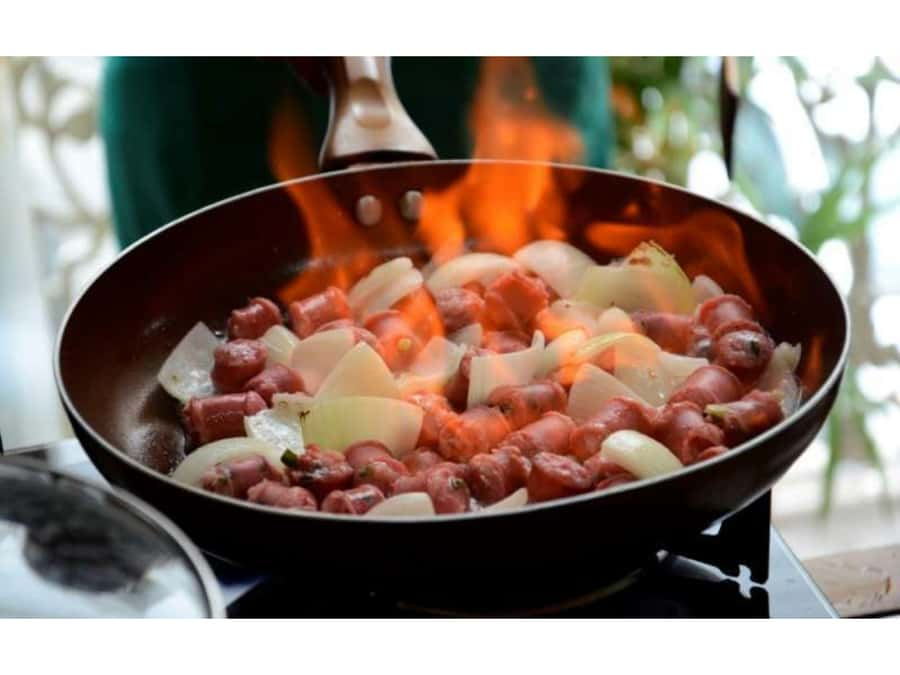
You also prepare fried sausage slivers. The menu describes these as scrambled fried sausage, so expect a small savory dish that introduces the rich, hearty side of Brazilian food before the main course arrives. These first recipes are useful because they are approachable and easy to repeat at home.
The drinks are part of the lesson rather than an afterthought. You prepare a lime caipirinha and a batida de coco. The caipirinha brings lime and cachaça into the meal, while the coconut drink offers a softer, sweeter contrast.
Two alcoholic drinks are included. That is worth noting if you do not drink, are traveling with children, or prefer to take the class without alcohol. The supplied details identify two drinks as part of the package, but they do not specify nonalcoholic substitutions, so ask ahead if that matters to you.
Picking between moqueca and Saturday feijoada
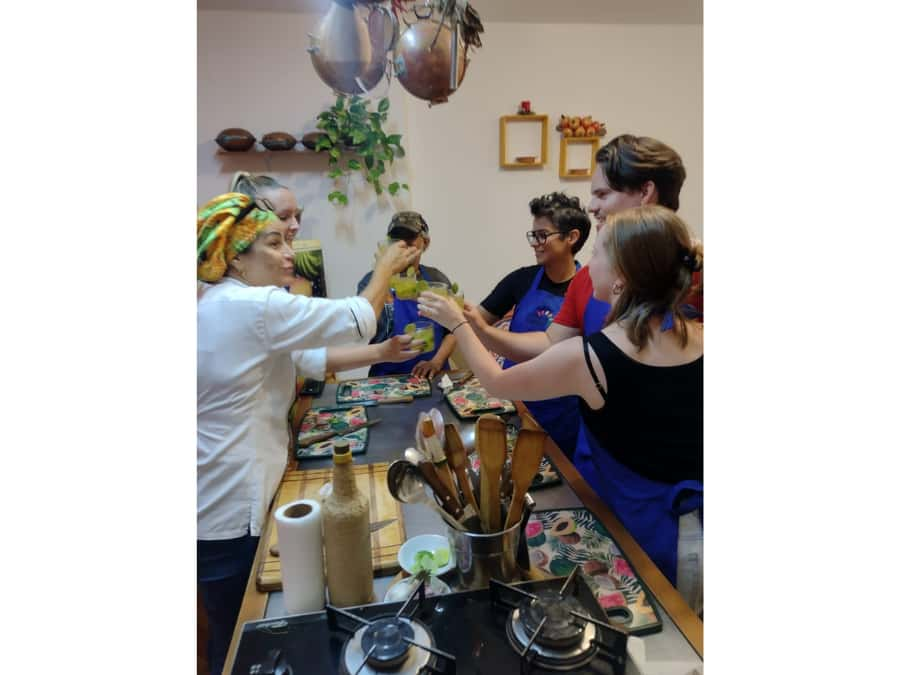
The main dish is the decision that should guide your booking date.
On Mondays, Wednesdays, and Fridays, the class prepares seafood moqueca. This Brazilian stew is built around seafood and the flavor of the cooking liquid. You learn how the ingredients are combined and cooked into a dish that feels distinctly coastal and tropical without requiring an elaborate restaurant kitchen.
The seafood option suits you if you want something lighter than beans and pork, or if seafood is one of the reasons Brazilian food interests you. One class attendee specifically enjoyed the fish dish and the food stories that accompanied it. Keep in mind that the supplied information does not specify the exact seafood used, so anyone with allergies should ask before reserving.
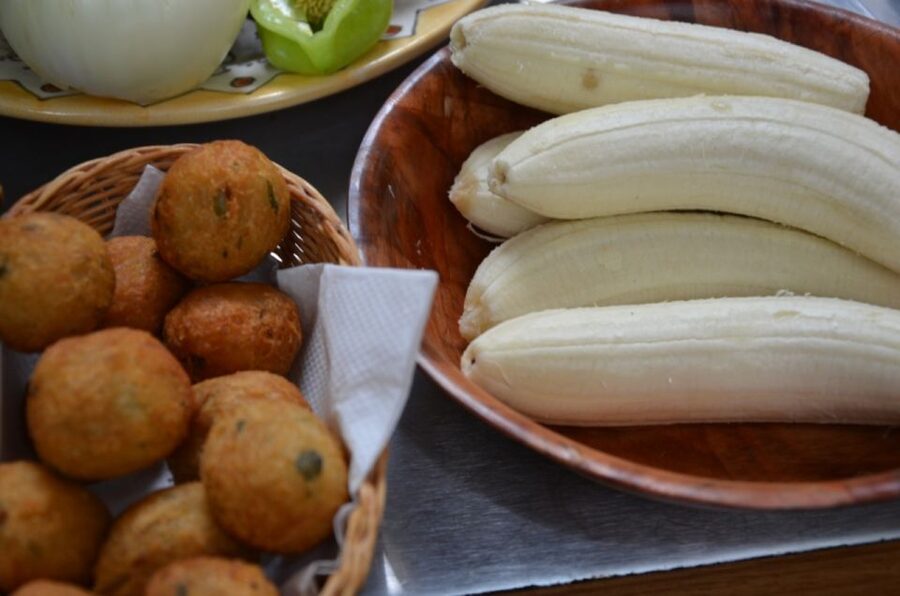
On Saturdays, the main dish is feijoada, the famous pork and black bean stew. It is heavier, slower-feeling food, with a deep savory character that makes sense as the centerpiece of a substantial meal. The class pairs it with cassava sticks, banana farofa, and flavored rice, giving you several textures and flavors beside the beans.
I would choose Saturday if your main goal is to understand one of Brazil’s best-known comfort foods. One recent participant singled out the feijoada as a favorite, but the seafood menu also received strong praise. In practical terms, there is no bad choice here. Select moqueca for seafood and a coastal style of cooking, or Saturday feijoada for a more filling, traditional bean-based meal.
Farofa, rice, and the parts that complete the plate
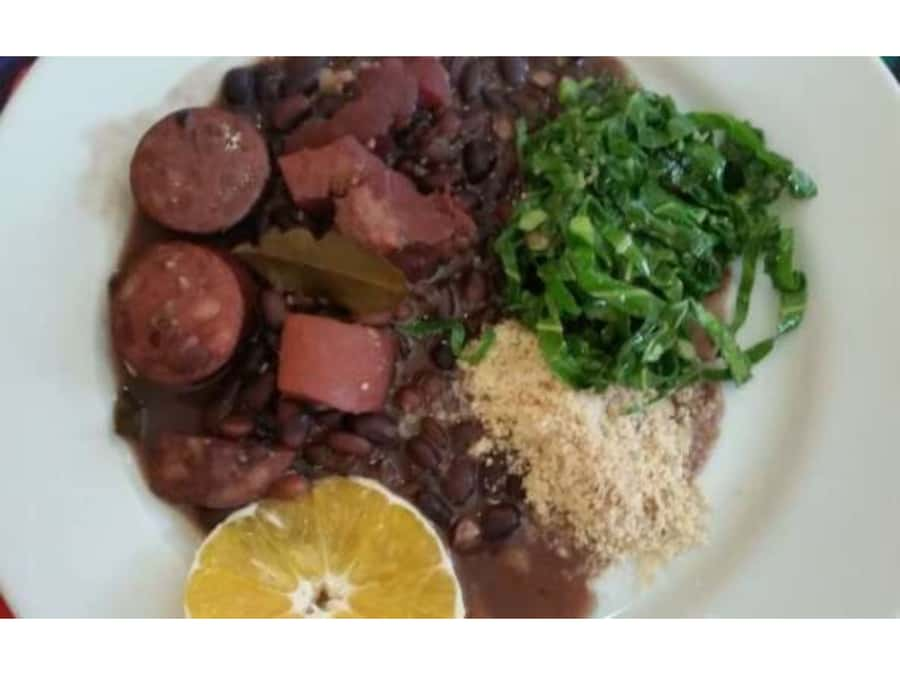
The main dish gets the attention, but the side dishes help explain how a Brazilian meal comes together.
Cassava sticks are included with the main course. Cassava, also called manioc, is a major food in Brazil, and its presence gives the meal a useful connection to everyday Brazilian cooking rather than presenting only a tourist-friendly centerpiece.
The menu also includes banana farofa with flavored rice. Farofa is made from toasted cassava flour and can take on sweet, savory, smoky, or spicy flavors depending on the recipe. Here, banana adds a sweet note, which should work particularly well with the salty and savory elements of feijoada. With moqueca, the farofa gives you a dry, crumbly contrast to the stew.
These sides are exactly the sort of details I appreciate in a cooking class. They show you how Brazilians build a complete plate, not just how to make one famous dish. If you cook Brazilian food at home later, the farofa and rice may become as useful as the main course.
Same region, a different dish to learn:
- Florence: Pasta & Tiramisu Cooking Class with Unlimited Wine
★ 4.9 · 6,708 reviews - Florence: Pasta Cooking Class with Unlimited Wine
★ 5.0 · 6,413 reviews - Hanoi Cooking Class: Culture, Local Market & Meaning CSR Impact
★ 5.0 · 5,147 reviews - 5 Traditional Dishes Hanoi Cooking Class with Market Trip
★ 5.0 · 4,890 reviews
Dessert changes with the available ingredients
Dessert is described as a surprise, so you should not expect a fixed final course.
The chef may use exotic fruits available at the time, or prepare a sweet such as brigadeiro or doce de leite. Brigadeiro is a soft chocolate sweet often associated with Brazilian celebrations, while doce de leite is a caramel-like milk confection.
This changing dessert adds a nice local touch, but it also means the exact ending is not known in advance. If you have dietary restrictions, ask before the class. The details provided do not list ingredient substitutions or allergen information.
The dessert also reflects the class’s broader approach. You get a planned set of recipes, but the final course can respond to what is available. That keeps the meal connected to Brazilian ingredients rather than treating the menu as a rigid script.
Chef Simone’s teaching style and the value of a small group
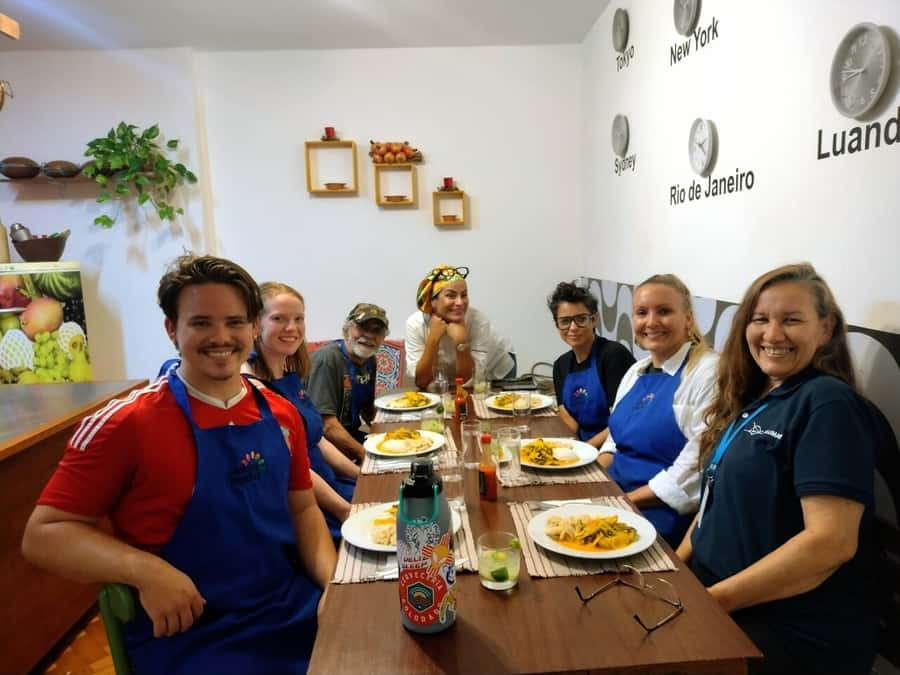
The strongest reason to book this class is the instructor.
Chef Simone has been praised for her clear explanations, friendly manner, and attention to each participant. One person who attended with a son described the class as social and relaxed, with Simone’s daughter helping during the session. Another participant valued Simone’s knowledge of Rio and Brazil beyond the kitchen.
That wider context adds real value. Food is easier to remember when you understand where it fits in a country’s culture. You may hear about Brazilian ingredients, eating habits, and the background of the dishes while you work, rather than receiving a detached lecture.
The maximum of seven participants is another practical advantage. A smaller group gives you a better chance to ask how to adjust a recipe, clarify a technique, or get help with a cooking step. The activity is also described as a private group, so confirm how that arrangement applies to your booking if you want exclusive use for your own party.
Classes are offered in Portuguese, English, and Spanish. That makes the activity accessible to a wide range of visitors, though you should select your preferred language when booking or confirm it with the provider.
What the three to four hours feel like
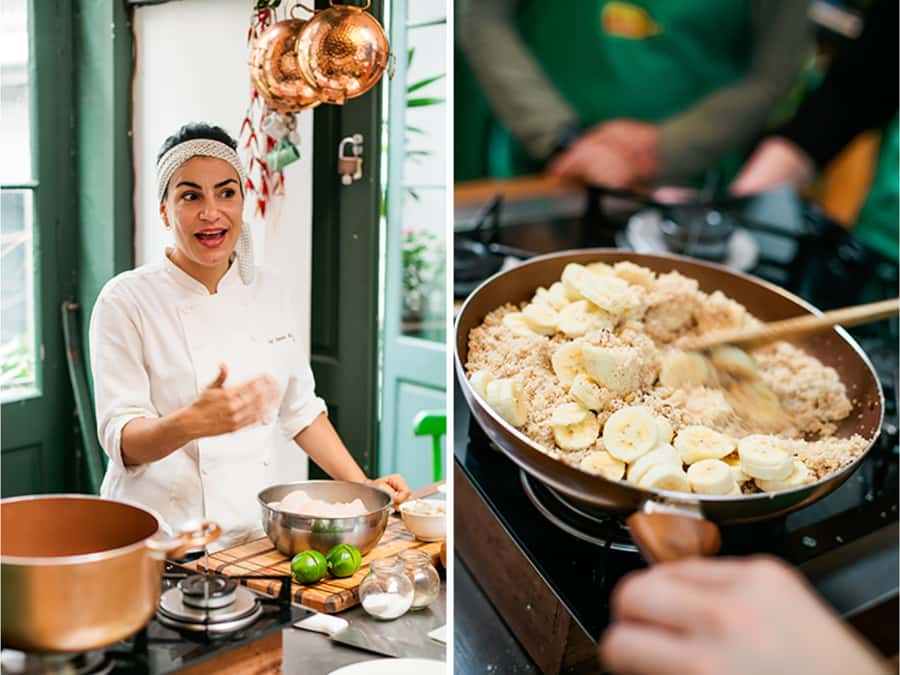
The activity is listed as lasting three hours, while the highlights describe a four-hour cooking class. That difference is small but important. Set aside at least three hours, and possibly four, especially if you have another reservation afterward.
The session begins when you meet the instructor at the cooking studio in Copacabana. There is no included hotel pickup or drop-off, so you need to arrange your own transportation to the meeting point.
The cooking portion then moves through the menu, beginning with starters and drinks before reaching the main dish and sides. You are involved in preparing the food, not just watching. The instructor guides you through the work and answers questions along the way.
Once the cooking is done, you sit down with the instructor to eat. That shared meal is the natural payoff. It also gives you time to taste the food properly, compare the flavors, and enjoy the drinks without trying to cook at the same time.
Because the class includes several recipes, the pace may be active. If you prefer a slow, quiet lesson focused on one complex dish, this may feel busy. If you like variety and want a full meal, the range of recipes is a benefit.
Is $220 a fair price?
At $220 per person, this is not a budget food activity. You are paying a premium for a small-group class with an experienced local chef, all ingredients and equipment, five served dishes, two drinks, and the chance to eat the meal you prepare.
The value is strongest for someone who wants more than a quick tasting. You receive practical instruction, several recipes, cultural conversation, and a full social meal in one session. The small group also matters because a class with seven or fewer people can offer more direct help than a large demonstration.
The price is harder to justify if you mainly want to sample Brazilian food. You could spend less at a restaurant and avoid the cooking time. It is also less attractive if you are not interested in learning recipes or if you have limited time in Rio.
For couples, families, and food-focused visitors, the class can make sense as a special occasion. For solo participants, the private-group setup and social format may be appealing, but the per-person cost remains high. Since transportation is not included, add the cost and time of reaching the Copacabana studio.
Free cancellation up to 24 hours before the activity and the option to reserve now and pay later make planning less risky. Still, confirm the exact start time, duration, menu day, and meeting point before you commit.
Who should book this Rio cooking class?
I would recommend it most strongly to:
- Food-focused visitors who want to learn Brazilian recipes rather than only eat them.
- Couples and families looking for a shared activity with a meal at the end.
- Novice cooks who want friendly guidance without needing prior experience.
- Experienced home cooks who enjoy learning regional techniques and adapting recipes.
- Visitors staying near Copacabana who want an activity that does not require a full-day excursion.
- People curious about Brazilian culture who value conversation with a local chef.
I would think twice if you have a tight schedule, do not drink alcohol, have serious food allergies, or want a very low-cost meal. Ask about substitutions and the exact menu before booking.
Should you book it?
Book this class if you want a personal introduction to Brazilian food and like the idea of working for your dinner. Chef Simone’s warm teaching style, the small group size, and the chance to choose between seafood moqueca and Saturday feijoada give the experience real character.
The main cautions are the $220 price, the lack of transportation, and the unclear three-hour versus four-hour duration. Confirm those details first. If they fit your budget and schedule, this is a strong choice for a hands-on Rio activity that gives you recipes, conversation, drinks, and a proper meal in one sitting.
FAQ
How long does the cooking class last?
The activity details list a duration of three hours, while the highlights describe a four-hour class. Confirm the expected timing when booking and allow extra room in your schedule.
Where does the class take place?
The cooking studio is in the Copacabana region of Rio de Janeiro.
Which main dish will I cook?
You cook seafood moqueca on Mondays, Wednesdays, and Fridays. Saturday classes prepare black bean feijoada with pork.
Is cooking experience required?
No. The class is designed for novices as well as experienced cooks, and the instructor guides you through the recipes.
What drinks are included?
Two alcoholic drinks are included: a lime caipirinha and a batida de coco.
Is transportation included?
No. Pickup and drop-off transportation are not included, so you must make your own way to the cooking studio.
Newest classes around the world
- Aroidee’s Farm-Fresh Thai Cooking Experience★ 5.0 · 8 reviews
- Authentic Thai Cooking Class and Farm Visit in Chiang Mai★ 5.0 · 66 reviews
- Signature Thai Cooking Course★ 5.0 · 79 reviews
- Half Day Guided Thai Cooking Class in Chiang Mai★ 5.0 · 13 reviews
- Yummy Tasty Thai Cooking School in Chiang Mai★ 5.0 · 2 reviews
- Online Thai and Akha Cooking Class★ 5.0 · 70 reviews
- Northern Thai Cooking Class in Chiang Mai in a Countryside Home★ 5.0 · 2 reviews
- Private Half-Day Thai Cooking Class in Chiang Mai★ 5.0 · 4 reviews
Cooking Classes, compared.
Half-Day Thai Cooking Class at Organic Farm in Chiang Mai
Read our review →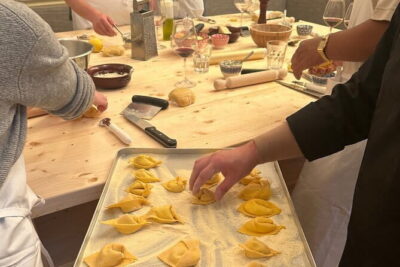

3 in 1 Cooking Class near Navona: Fettuccine, Ravioli & Tiramisu
Read our review →
Pasta & Tiramisu Cooking Class with Unlimited Wine
Read our review →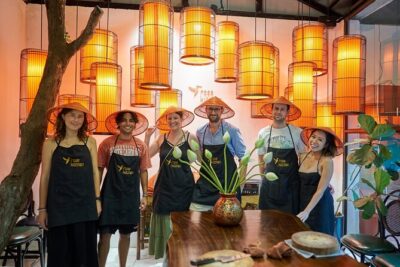
Hanoi Cooking Class: Culture, Local Market & Meaning CSR Impact
Read our review →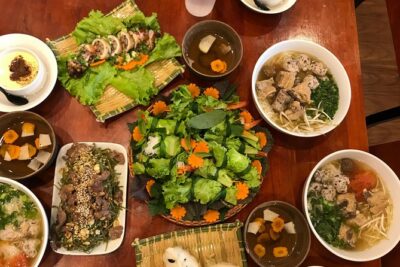
5 Traditional Dishes Hanoi Cooking Class with Market Trip
Read our review →