
Review · ITALY COOKING CLASSES
Olbia: cooking class on real pasta carbonara
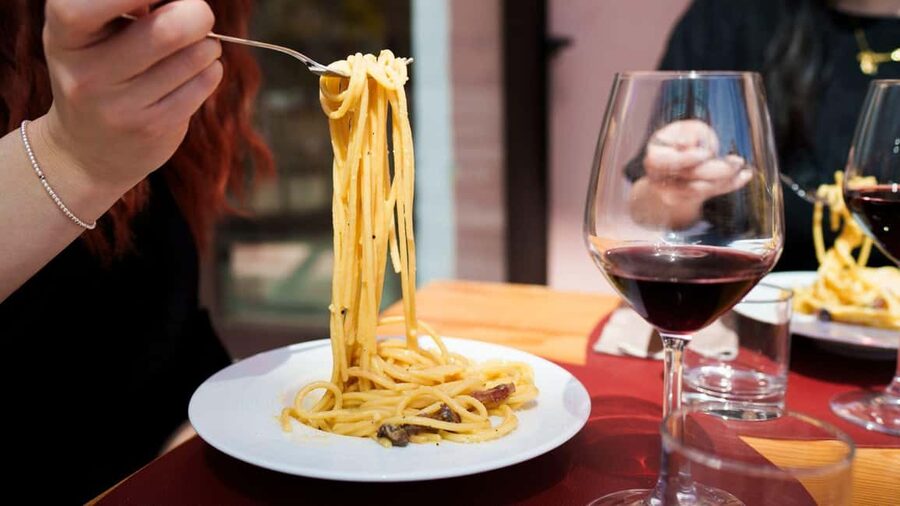
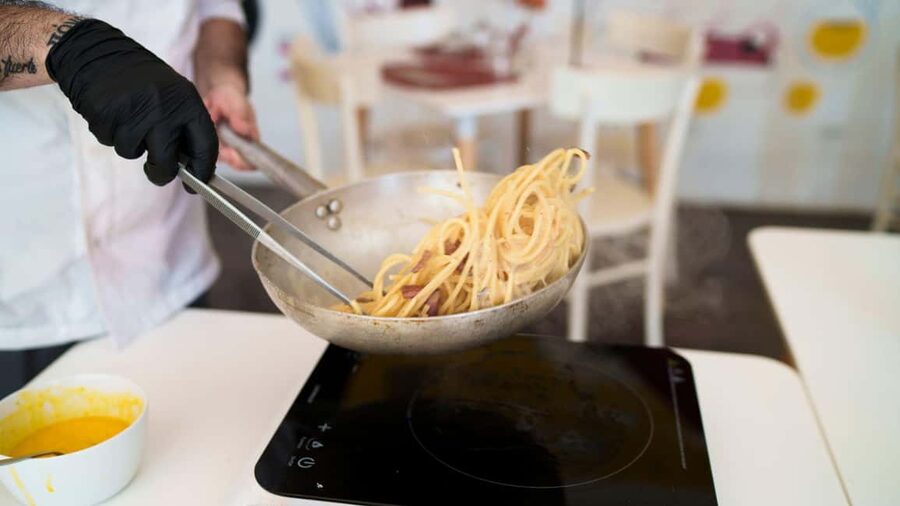
Olbia’s carbonara class puts the focus where it belongs: the sauce, the guanciale, and the tricky final mantecatura that turns simple ingredients into a silky dish. I like that you cook with a chef rather than watch a polished demonstration, and I like the small six-person limit, which gives the class a more personal feel.
The 1.5-hour format fits neatly into a morning or afternoon in Olbia, and the meal is included, with selected wine to accompany your pasta. One point to weigh carefully: this is a carbonara class, not a full pasta-making workshop. One participant found it too simple and expected to make the pasta itself, while another felt the $77 price was high.
Key points to know before booking
- You make carbonara, not necessarily fresh pasta: The class centers on preparing the sauce and dish, so check your expectations before booking.
- The group is capped at six people: That is a useful size for asking questions and taking an active role.
- Francesco receives especially warm praise: He is described as lovely, helpful, and clear when explaining how to remake the dish at home.
- Lunch is part of the experience: You eat the carbonara you prepared, accompanied by selected wine.
- The meeting point is easy to identify: Find Rosinita restaurant at number 6 on Piazza Mercato, under the large glass roof.
- The price is $77 per person: The value depends on how much you want the instruction and social meal, rather than simply a plate of pasta.
Why this carbonara class is different from a normal lunch
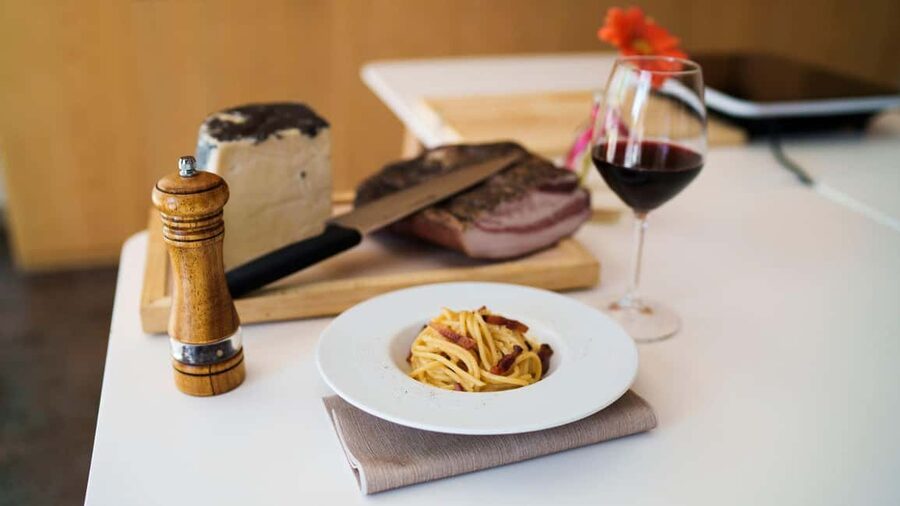
Carbonara looks easy on a menu. It is not hard in the way a long cooking project is hard, but a few small choices decide whether the result is creamy or clumpy, balanced or heavy. This class concentrates on those choices.
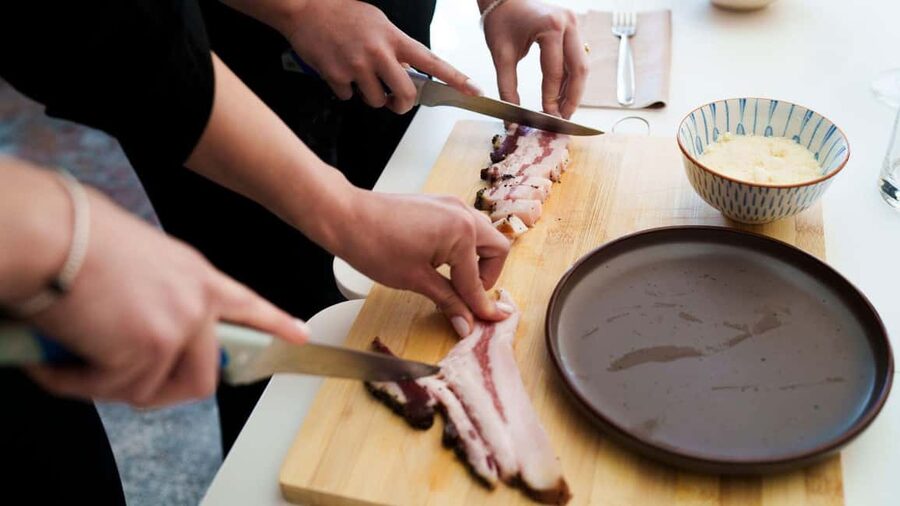
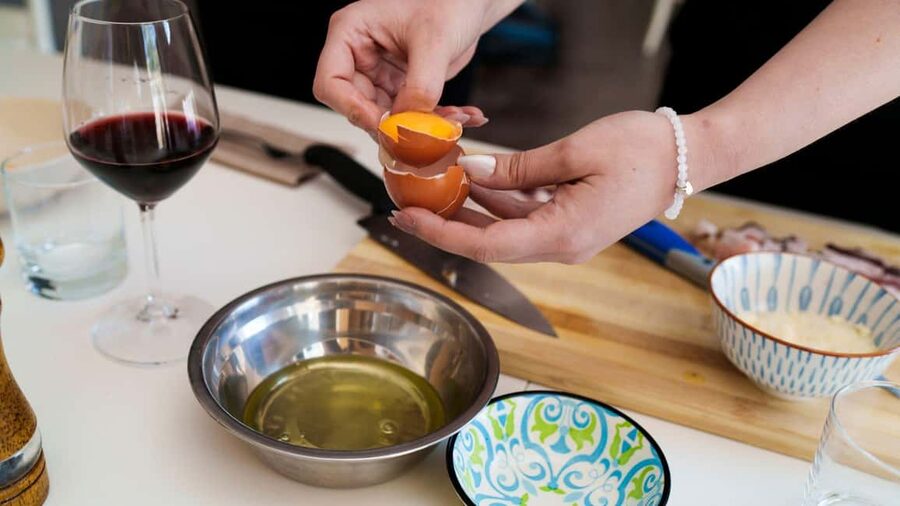
You learn how to select the right guanciale and how to handle the final mantecatura, the mixing step that brings the pasta, cheese, fat, and egg together. Those are the useful details you can carry into your own kitchen. A plate in a restaurant gives you pleasure for 20 minutes. A good lesson can help you repeat the dish for years.
I also like the social shape of the class. You do not simply sit down, eat carbonara, and leave. You work with your hands, hear stories and food trivia, then share the meal you helped prepare. That makes the food feel tied to a place and a tradition rather than just another tourist lunch.
Still, keep the promise precise. The activity is about real carbonara, not about learning every part of handmade Roman pasta. If rolling dough or cutting fresh noodles is your main goal, this may feel limited. The class is best for someone who wants to understand one famous dish properly.
More Pasta Making Classes in Italy:
- Florence: Pasta Cooking Class with Unlimited Wine
★ 4.9 · 10,285 reviews - 3 in 1 Cooking Class near Navona: Fettuccine, Ravioli & Tiramisu
★ 5.0 · 7,376 reviews - Florence: Pasta & Tiramisu Cooking Class with Unlimited Wine
★ 4.9 · 6,708 reviews
Finding Rosinita at Piazza Mercato
The meeting point is Rosinita restaurant, at number 6 on Piazza Mercato in central Olbia. The square has an imposing glass roof, which gives you a clear visual clue when you arrive. The restaurant is easy to pick out by its pink-painted façade.
That detail matters in a busy holiday schedule. You do not need to search for a vague meeting point or wait beside an anonymous street corner. Go to the market square, look for the glass roof, then find the pink restaurant.
The class does not include transportation, so you need to make your own way there. The information provided does not specify parking, public transport, or walking times, so allow enough time to find Piazza Mercato without cutting it close. If you are already staying in Olbia, placing the class in your day around the market area should be straightforward.
Meeting the chef and settling into a small group
The activity begins with a meeting with the chef. The guide can lead the class in Italian, English, or Spanish, which makes the lesson accessible to a broad mix of visitors. The group limit is six participants, a strong feature for a hands-on class.
A small group gives you a better chance to follow each step and ask about technique. It also keeps the meal more social without turning it into a large demonstration. If everyone is involved, you should expect to stand close to the cooking area and take an active part rather than sit back.
Francesco is the chef specifically praised for being friendly, helpful, and clear. His explanations apparently make the recipe feel repeatable at home, which is exactly what I want from a short class. A charming host is a bonus, but the real test is whether you leave understanding what to do differently next time you cook carbonara.
The class lasts 1.5 hours. That is long enough for a focused lesson and a meal, but not long enough for a broad tour of Sardinian cooking. The short schedule works well if you have only part of the day free, though it leaves little room for a slow, elaborate cooking session.
Learning the rules of real carbonara
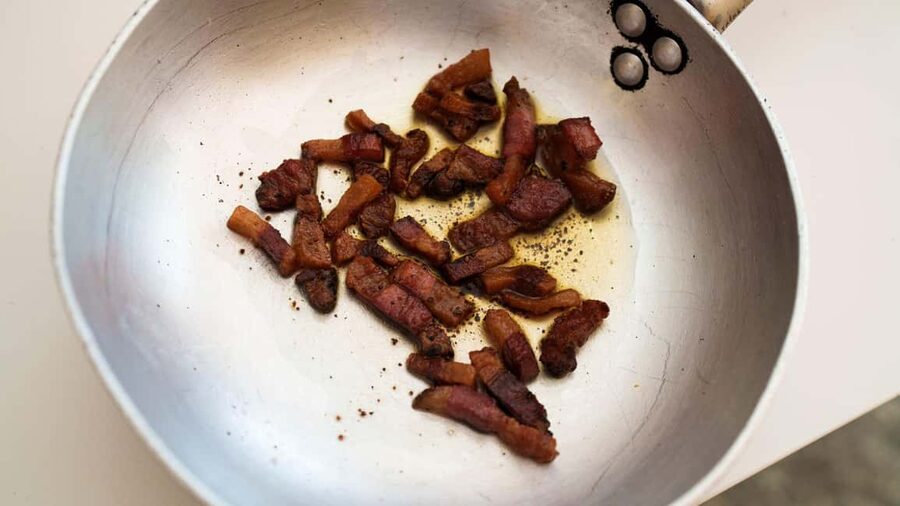
The central lesson is how to prepare authentic carbonara with traditional methods and straightforward ingredients. The class highlights the choice of guanciale, a cured pork product that gives the dish its distinctive savory character. You also learn about the final mixing process, where technique matters as much as the ingredients.
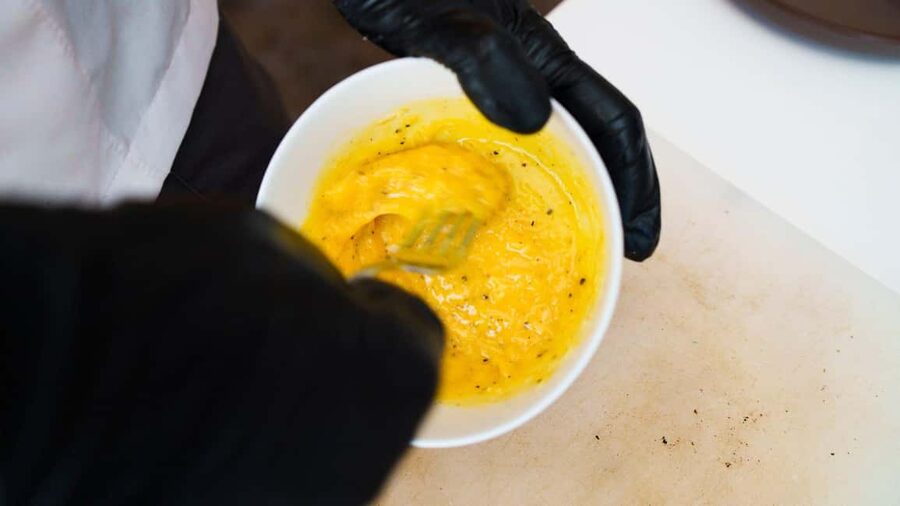
This is where I see the clearest value. Carbonara is often treated as a recipe with a fixed list of items, but the result depends on heat, timing, and movement. The ideal mantecatura is not just a word to remember. It is the point at which you bring everything together into a smooth sauce without scrambling the egg.
The chef also shares stories and trivia as you cook. That keeps the lesson from feeling like a silent recipe recital. You get some cultural context while still spending most of the time on the dish itself.
The available details do not say that you make the pasta dough from flour and eggs. In fact, one participant felt disappointed because there was no chance to make pasta itself. Take that as an important booking note. If your idea of an Italian cooking class includes kneading, rolling, and cutting dough, ask about the precise format before paying.
That limitation is not necessarily a flaw. A narrow lesson can be useful if you want to master the sauce and preparation of carbonara. It becomes a problem only if you expect a complete fresh-pasta course.
More Cooking Classes in Italy:
- Florence: Pasta Cooking Class with Unlimited Wine
★ 5.0 · 6,413 reviews - Cooking Class and Lunch at a Tuscan Farmhouse with Local Market Tour from Florence
★ 5.0 · 4,831 reviews - Rome: Pasta Making Class with Wine, Limoncello, and Dessert
★ 4.9 · 3,177 reviews - Pastamania – Florence Pasta Making Class
★ 5.0 · 3,050 reviews
Eating the dish you prepared
After the cooking, you taste the carbonara you made. Lunch is included, so the class ends around a shared meal rather than a quick sample at the counter. Selected wine accompanies the food, adding to the convivial restaurant setting.
I like this finish because it gives the class a clear reward. You can judge the texture and seasoning immediately, while the technique is still fresh in your mind. If something went wrong, the meal also gives you a chance to ask what caused it and how to correct it at home.
The word lunch should not make you expect a large multi-course feast. The central meal is the carbonara you prepare, and the supplied information does not promise extra courses or a set amount of wine. At $77, you are paying for instruction, participation, food, and the social setting together.
That distinction helps with the value question. If you compare the price with a basic restaurant plate, the class looks expensive. If you compare it with a small-group lesson led by a chef, followed by lunch and wine, the price is easier to understand. The right choice depends on whether you want a skill and a memory, or simply a filling meal.
How authentic is the experience?
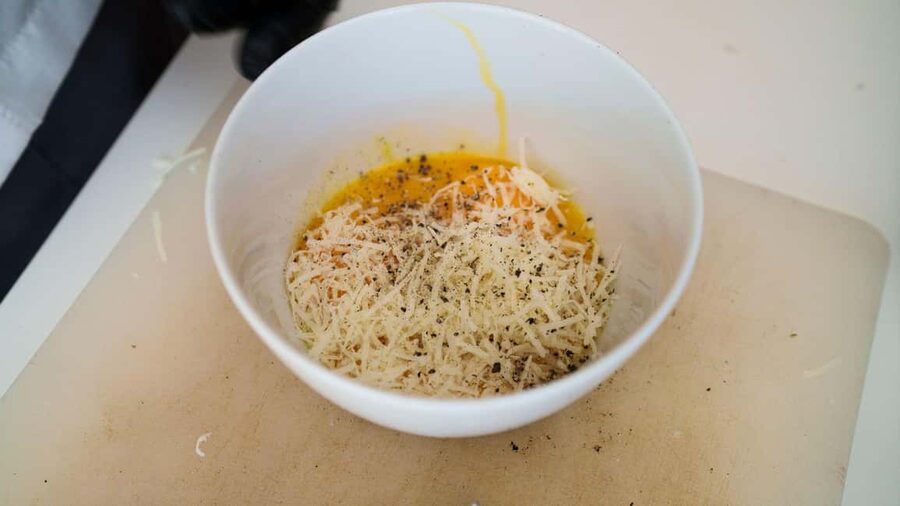
The class aims to teach Italian tradition through one dish rather than present a broad Sardinian food tour. Carbonara is especially interesting because it is strongly associated with Rome, while this class takes place in Olbia, Sardinia. That makes the lesson less about sampling a local Sardinian specialty and more about learning a famous Italian classic in a Sardinian setting.
You should not book this expecting a full survey of island cuisine. There is no stated tasting of regional cheeses, seafood, breads, or other Sardinian recipes. The focus stays on carbonara, with the chef’s stories and trivia adding background around the dish.
That narrow focus can be a strength. You leave with one recipe to practice instead of a blur of small tastings and cooking terms. For a first cooking class, or for anyone who already loves carbonara, that simplicity may be exactly right.
The atmosphere also matters. Cooking, eating, and sharing wine in a small group gives the activity a personal tone. It is less formal than a restaurant meal and more relaxed than a large class. I would choose it for a couple, friends, or a family that enjoys doing something together rather than only taking photos around Olbia.
Who will enjoy the 90-minute format?
This class suits you if you want an activity that is compact, social, and easy to fit between other plans. At 1.5 hours, it will not take over your day. You can build it into a morning or afternoon in Olbia, provided the available starting time works with your schedule.
It also suits people who enjoy practical souvenirs. You do not take home a bottle or a trinket. You take home the method for making carbonara, including the details that can make the difference between a good result and a disappointing one.
Families can bring children of any age, but active participation begins at about age eight. Younger children may attend, though the information does not promise that they will take part in every cooking step. Parents should decide if a focused food lesson fits their child’s attention span.
The class is not suitable for people with food allergies. That is an important restriction because the central activity involves preparing and eating the dish. If you have an allergy, do not assume the recipe can be adjusted unless the provider confirms it before booking.
The activity does not allow pets. That may matter if you are traveling with a dog and need to arrange care during the class.
What the price includes, and what it does not
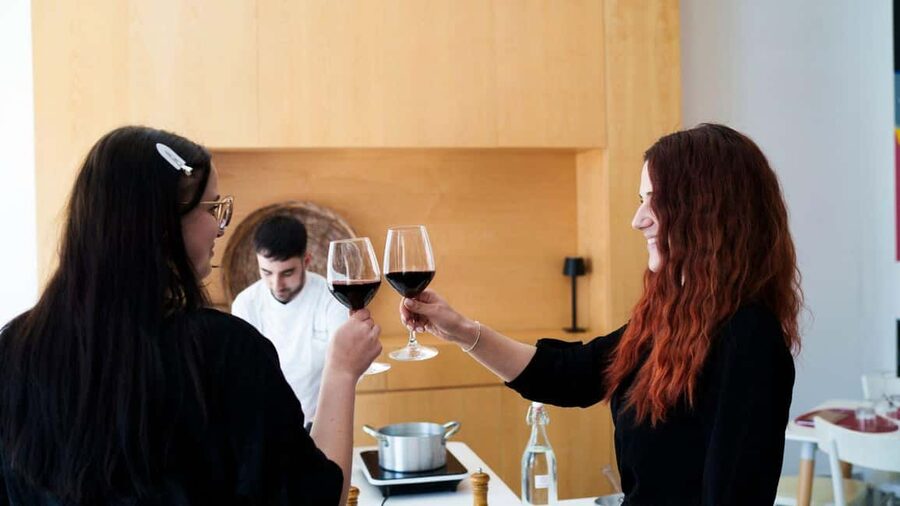
The cost is $77 per person. It includes the pasta carbonara cooking class, the chef’s instruction, and lunch. Selected wine is also described as part of the meal experience.
There is no separate charge listed for the lesson or the food, which makes the total easy to understand. You are buying a compact package rather than paying for a class and then ordering lunch afterward.
Still, value comes down to expectations. I would call $77 fair for a small group of six, direct chef instruction, a prepared meal, and wine, especially if learning the technique matters to you. I would call it poor value if you mainly want to eat carbonara, since a restaurant meal should cost less.
The strongest value comes from the teaching. The most useful parts are likely to be the choice of guanciale, the handling of the ingredients, and the mantecatura. If the chef explains those steps clearly, you can recreate the dish long after your Sardinia trip.
The weakest value comes from the limited subject. There is no stated fresh-pasta workshop, and one person found the activity too simple for that reason. Know what you are buying, and the price becomes easier to judge.
Booking flexibility and practical details
You can cancel up to 24 hours before the activity for a full refund. You can also reserve now and pay later, which helps if your Olbia schedule is still moving around.
The start time is not fixed in the information provided, so check availability for the date you want. Since the class is short but scheduled, do not assume you can arrive at any point during the day.
The languages are Italian, English, and Spanish. The small group is limited to six people, though the exact group makeup can change. The meeting point is the pink-fronted Rosinita restaurant at number 6 on Piazza Mercato, identified by the square’s large glass roof.
I would arrive with an appetite and a willingness to participate. This is not a passive tasting. You are expected to cook, then eat the result.
My verdict: book it if carbonara is the point
I would book this class if you want a friendly, focused lesson on carbonara and like the idea of eating what you prepare. The small group, multilingual instruction, included lunch, and praise for Francesco’s clear and kind teaching all work in its favor.
I would skip it if your main goal is to make pasta dough from scratch or to sample a wide range of Sardinian food. The $77 price is harder to justify for a simple meal, and the 1.5-hour schedule leaves little room for a full culinary workshop.
Before booking, ask yourself one direct question: do I want to learn how to make real carbonara, or do I want to learn how to make fresh pasta? If your answer is carbonara, this is a well-focused Olbia activity. If your answer is fresh pasta, choose a class that clearly promises dough-making.
FAQ
Where does the cooking class meet?
It meets at Rosinita restaurant, number 6 on Piazza Mercato in Olbia. The square has a large glass roof, and the restaurant has a pink-painted façade.
How long does the experience last?
The class lasts 1.5 hours.
How much does the class cost?
The price is $77 per person.
What is included in the price?
The price includes the pasta carbonara cooking class, a chef, and lunch. The meal is accompanied by selected wine.
What languages are available?
The chef or guide can lead the activity in Italian, English, or Spanish.
How many people are in the group?
The group is limited to six participants.
Do children take part in the class?
Children of all ages are allowed, but active participation is possible from age eight and up.
Is the class suitable for people with food allergies?
No. The experience is not suitable for people with food allergies.
Can I cancel the booking?
Yes. You can cancel up to 24 hours in advance for a full refund. You can also reserve now and pay later.
Newest classes around Italy
- Cooking Class in a Sicilian countryhouse★ 5.0 · 5 reviews
- Cesarine: Market Tour & Home Cooking Class in Catania★ 4.0 · 6 reviews
- Cesarine: Home Cooking Class & Meal with a Local in Catania★ 4.5 · 10 reviews
- Cooking Class in Taormina with Lunch Included★ 5.0 · 2 reviews
- Cooking class in Capri for small groups★ 4.0 · 4 reviews
- Cooking Class and Wine Pairing in Capri★ 5.0 · 57 reviews
- Lezione di Cucina : Pasta Fresca★ 5.0 · 12 reviews
- Private Cooking Class Experience in Reggio Calabria★ 5.0 · 5 reviews
Italy Cooking Classes, compared.
3 in 1 Cooking Class near Navona: Fettuccine, Ravioli & Tiramisu
Read our review →
Pasta & Tiramisu Cooking Class with Unlimited Wine
Read our review →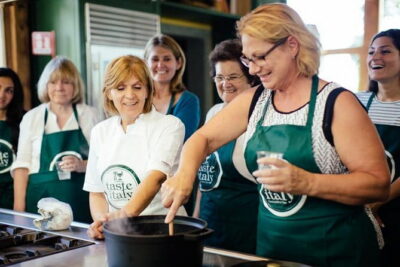
Cooking Class and Lunch at a Tuscan Farmhouse with Local Market Tour from Florence
Read our review →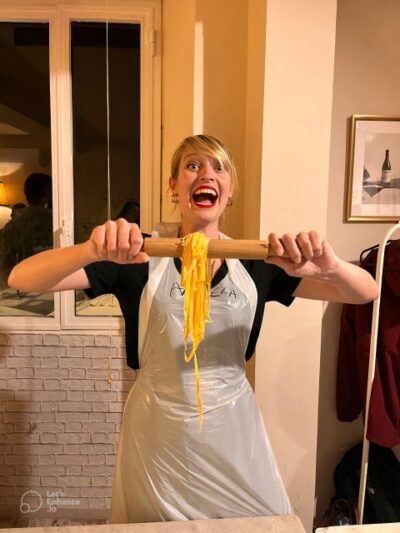
Pasta Making Class with Wine, Limoncello, and Dessert
Read our review →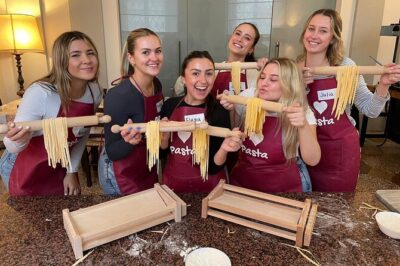
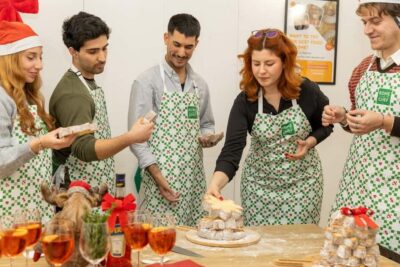
Rome Cooking Class: Make Pasta and 3 Spritz Cocktails
Read our review →Browse the lists this tour appears in