Review · COOKING CLASSES WITH A MARKET TOUR
Market Tour and Traditional Kenyan Cooking Class in Nairobi
A market basket becomes your lesson plan on this four-hour Nairobi experience. You meet at K Mall Komarock, shop for fresh ingredients, then take them to the host’s home to prepare a Kenyan meal from the ground up. The small setting makes this feel like a visit to a local kitchen, not a polished cooking school.
I like the market stop, where food shopping becomes part of the cultural lesson, and the chance to make chapati, ugali, and pilau rather than simply watch a chef work. The private format also allows direct guidance in English or Swahili.
The main limitation is space. The kitchen is small, so the host handles much of the cooking, and you help where there is room. If you want a fully hands-on class with your own workstation, this may feel more like a home demonstration with shared preparation.
Key points at a glance
- Market first: Begin at K Mall Komarock and shop for fresh local ingredients before cooking.
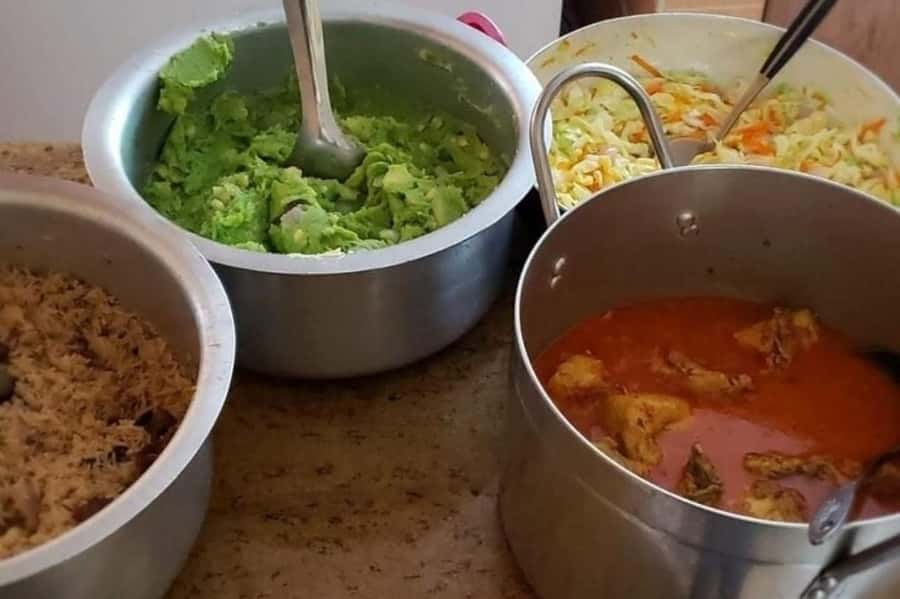
- Kenyan home food: Prepare dishes such as ugali, chapati, pilau, and curries with Kenyan and Indian influences.
- Small home kitchen: The host does much of the cooking, while you take part in the preparation when space allows.
- Private experience: Your booking is for your own party, rather than a large shared class.
- Food and drinks included: The price covers the meal, soda, fruit, and water, along with transport to and from the market.
- Flexible booking: You can cancel up to 24 hours before the activity for a full refund, and reserve now while paying later.
A Nairobi food lesson that starts at the market
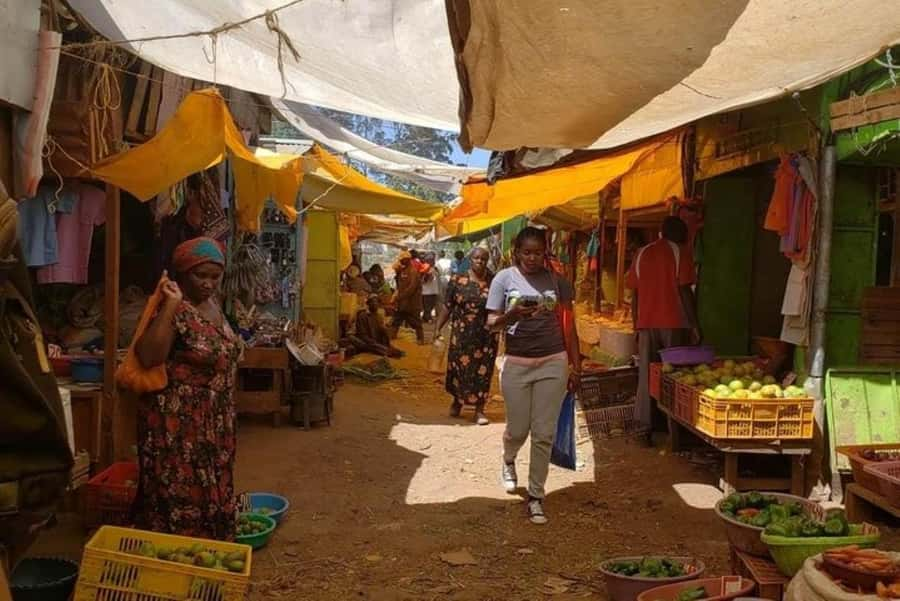
Many cooking classes separate food from daily life. This one puts the shopping trip first. You meet at the K Mall Komarock parking lot, then go to a local market to buy the supplies for your meal.
That order matters. You see the ingredients before they are cleaned, chopped, seasoned, and cooked. You also get a better sense of how a Kenyan household plans a meal, since the market is not just a backdrop for photographs. It is part of the work.
The market visit is one of the strongest parts of the experience. It gives you a taste of ordinary Nairobi food shopping and lets the host explain what you are buying. The exact products can vary, since the meal is built around what is available and suitable on the day.
You should expect a local market rather than a food hall designed for tourists. That means the experience may feel less tidy and more practical. Come ready to look closely, ask questions, and accept that the shopping is part of the lesson.
Transport to and from the market is included. The meeting point is K Mall Komarock parking lot, so you need to arrange your own way there. Uber fees are not included, an important detail if you plan to use ride-hailing for the meeting point or the return journey.
More Cooking Classes with a Market Tour in the world:
- Hanoi Cooking Class: Culture, Local Market & Meaning CSR Impact
★ 5.0 · 5,147 reviews - 5 Traditional Dishes Hanoi Cooking Class with Market Trip
★ 5.0 · 4,890 reviews - Cooking Class and Lunch at a Tuscan Farmhouse with Local Market Tour from Florence
★ 5.0 · 4,831 reviews
From fresh ingredients to a Kenyan home meal
After the market, you go to the host’s home and begin preparing the food. The class focuses on traditional home cooking, with Kenyan and Indian influences in the menu.
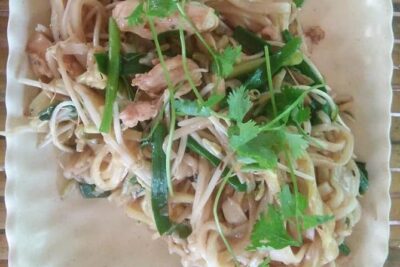
Possible dishes include ugali, chapati, pilau, and curries. This combination gives you a useful look at the range of food served in Kenya. Ugali is a firm cornmeal staple, chapati is a soft flatbread, and pilau brings fragrant rice and spice to the table. Curries show the Indian influence named in the experience details.
The menu is not presented as a fixed restaurant-style tasting. Instead, the ingredients purchased at the market guide the meal. That makes the class more personal, though it also means you should not expect every dish to appear every time.
The food is prepared from scratch. You can help with the preparation and learn how each dish comes together. The host provides one-to-one instruction for your party, which is useful if you want to ask about ingredients, cooking methods, or how the dishes fit into Kenyan home life.
The meal itself is included in the $55 price. Soda, fruit, and water are also provided, so you are not paying only for a lesson and then buying lunch separately. For a four-hour private activity that includes food, market transport, and a guide, the price is reasonable, especially for couples, families, or small groups who value a personal setting.
What the small kitchen changes
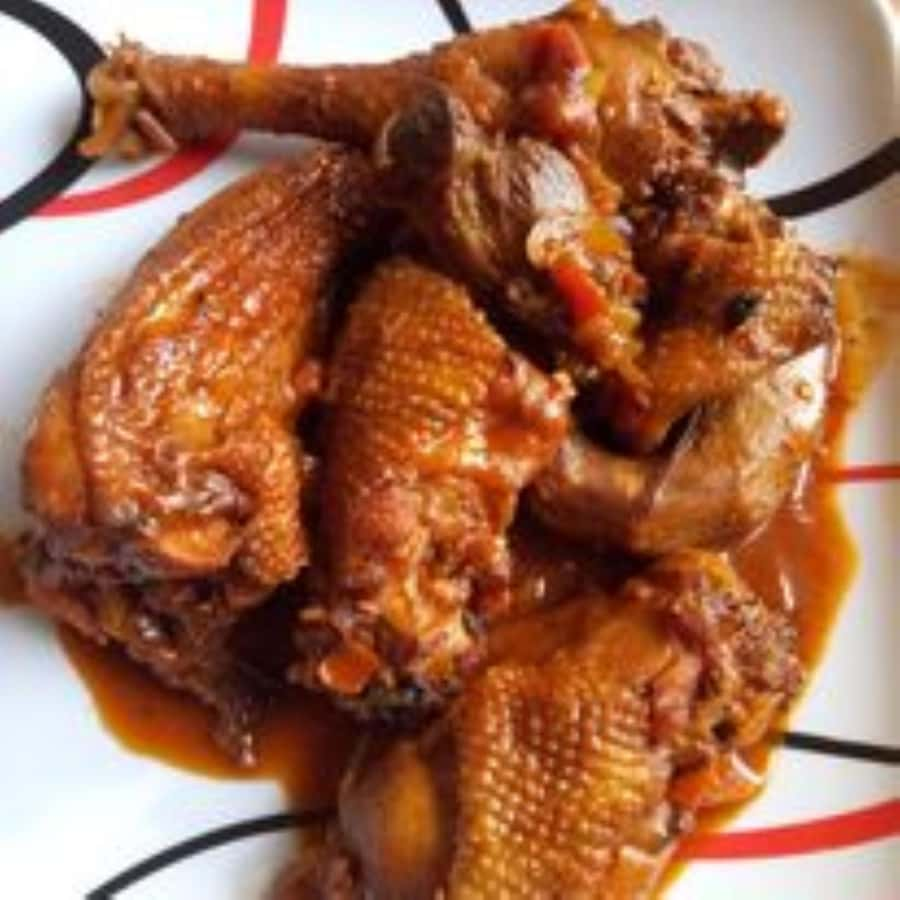
The home kitchen is part of the character of the experience, but it also sets a clear limit. The available information notes that space is tight, so the host does most of the cooking.
You still help prepare the meal, but this is not a class where each person has a large counter, a separate stove, and a full set of tools. Think of it as a guided visit to a working home kitchen. You watch key steps, take part where possible, and then eat what you helped prepare.
I see this as a fair trade for a more personal encounter. A large cooking studio would give you more room and more control, but it would not show you how these dishes are made in a real home setting. If your goal is to master every technique through repeated practice, choose a larger formal class. If your goal is to understand the food and share the process with a local host, the small kitchen works in its favor.
The most praised part of the experience is the host’s warmth and willingness to share. The host is identified as Evaline Mbugua in the booking information, while guest feedback refers to Mary Evelyn or Mary. Since the names differ, I would confirm the host’s name and meeting details before setting out.
Chapati, ugali, pilau, and the value of learning by doing
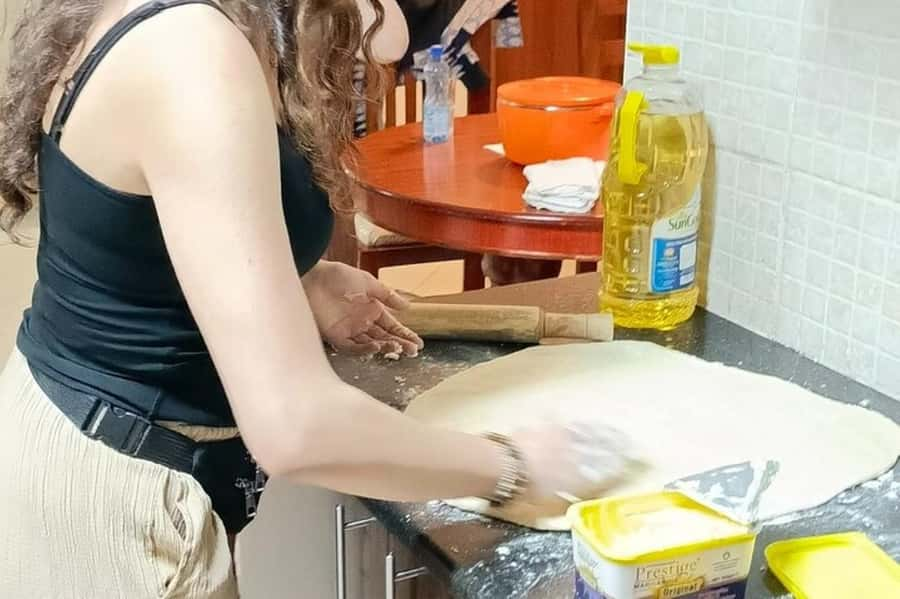
Chapati may be the most enjoyable hands-on part of the meal. It is not simply placed in front of you. You learn how this familiar Kenyan bread is prepared, and you may help with the work before it reaches the pan.
Ugali offers a different lesson. It is a simple staple, but its texture and cooking method matter. Watching it come together helps you understand why basic ingredients can carry such importance in a home meal.
Pilau and curries add more spice and aroma to the menu. Their inclusion also shows that Kenyan cooking is not one narrow tradition. Food in Nairobi reflects local ingredients and outside influences, including the Indian influence named by the host.
The cooking is paired with conversation. The experience is designed around personal guidance rather than a lecture, so you can ask questions as the meal takes shape. The language options are English and Swahili.
That personal contact is a major reason to choose this activity. The host is not only showing you recipes. She is connecting the ingredients, the market, and the home meal in one short visit.
More Cooking Classes in the world:
- Half-Day Thai Cooking Class at Organic Farm in Chiang Mai
★ 5.0 · 19,087 reviews - Florence: Pasta Cooking Class with Unlimited Wine
★ 4.9 · 10,285 reviews - 3 in 1 Cooking Class near Navona: Fettuccine, Ravioli & Tiramisu
★ 5.0 · 7,376 reviews - Florence: Pasta & Tiramisu Cooking Class with Unlimited Wine
★ 4.9 · 6,708 reviews
How four hours are likely to feel
The experience is scheduled for four hours, which gives enough time for the market visit, transport, preparation, cooking, and eating. You should not treat it as a quick meal stop.
The opening market portion sets the pace. You meet at K Mall Komarock parking lot, go shopping, and gather what is needed. Then the home portion takes over. Since several dishes may be prepared, cooking can involve waiting while one item cooks and helping with another.
The small kitchen may make the timing feel informal rather than tightly programmed. That is useful if you enjoy conversation and watching the process. It may be less suitable if you need a fast, highly structured class with each minute planned.
The meal comes at the end of the process, but food and drinks are part of the overall experience. You get to eat what has been prepared rather than leaving with only notes or a recipe card.
Four hours is also long enough for the cultural side to matter. You are not rushing through a market photo stop and a short tasting. You are spending a substantial part of the day with the host and seeing how shopping and cooking connect.
Private format, language, and the right type of company
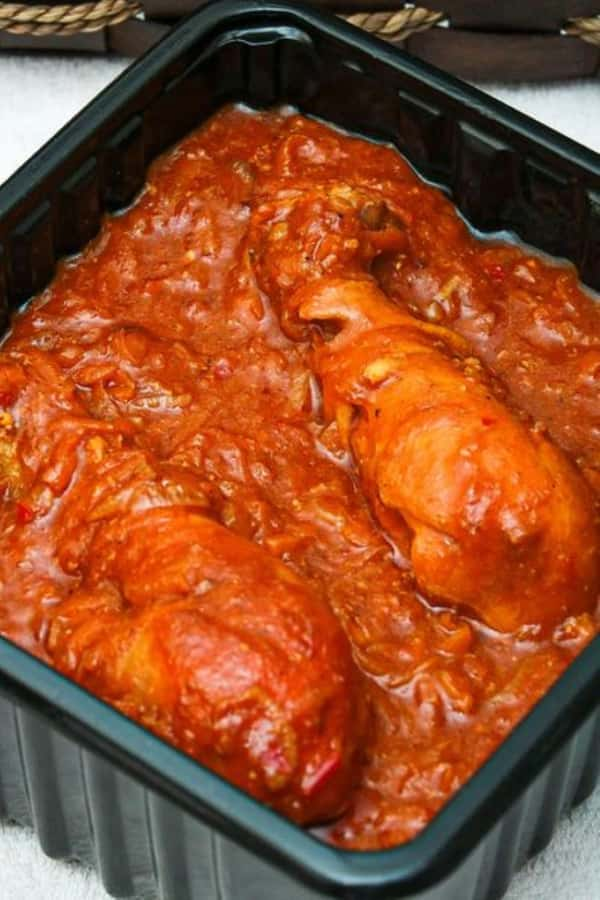
This is a private group experience. That is a useful advantage for families, couples, and friends who want to move at their own pace. You do not have to compete with a large class for space or attention.
The private format is especially helpful in a small home kitchen. Fewer people means less crowding and more opportunity to speak directly with the host. It also lets you ask questions that might not fit into a standard group presentation.
English and Swahili are offered. If you speak either language, you can take part in the explanation and conversation without relying on a translation app or guidebook.
I would recommend this experience most to people who care about daily food culture. It suits a first visit to Nairobi, a food-focused itinerary, or anyone who prefers meeting a local person over eating in a formal restaurant.
It may not suit someone seeking a polished culinary workshop. The cooking space is limited, and the host does much of the cooking. You should be comfortable with an informal home visit and shared preparation.
Is $55 good value in Nairobi?
At $55 per person, the value depends on what you want from a cooking activity. The cost includes the market experience, food, soda, fruit, water, transport to and from the market, and a four-hour private session.
That is more than the price of a simple local meal, but you are paying for time, instruction, ingredients, and access to a private home setting. You also receive a cultural introduction that a restaurant meal cannot provide.
The private format improves the value for a small group. If several people book together, you are sharing the cost of a guide and a meal while keeping the session reserved for your party.
The value is weaker if you mainly want to eat. A restaurant or food tour may be more efficient for tasting several dishes. This activity earns its price through the market visit, cooking lesson, conversation, and personal setting.
Remember to budget for your own transport to the meeting point and any Uber costs. Market transport is included, but Uber fees are not.
What to know before you book
Start by checking the available time slots. The activity lasts four hours, and the market plus home cooking schedule makes it a substantial commitment rather than a short morning add-on.
Wear comfortable clothing suitable for food preparation. The supplied details do not specify a dress code, but a cooking activity is best approached practically. You may also want to keep your schedule light afterward, since the pace is meant to allow time for preparation and eating.
Confirm the meeting point carefully: K Mall Komarock parking lot. Also confirm the host’s name, since the provider is listed as Evaline Mbugua while guest feedback uses Mary Evelyn and Mary.
The booking terms are flexible. You can reserve now and pay later, and cancellation is free up to 24 hours before the start time. That helps if your Nairobi plans are still shifting.
The experience has a 4.8 rating from six ratings, with the strongest praise focused on the host’s kindness, the local market visit, the cooking, and the feeling of being welcomed into everyday Nairobi life. The most useful caution is the small kitchen, not the food or the guide.
Should you book this Nairobi cooking class?
Book it if you want more than a meal. The market visit, private home setting, and Kenyan dishes give you a direct look at how food moves from shopping basket to family table.
I would choose it for a couple, family, or small group that enjoys conversation and does not need a formal cooking studio. It is also a good fit if you want to make chapati and learn about ugali, pilau, and curries while sharing a meal with a local host.
Skip it if you want a highly technical class, a large kitchen, or complete control over every dish. The host handles much of the cooking because of limited space.
For most people seeking a warm, food-centered cultural activity in Nairobi, the combination of market, home kitchen, and shared meal makes the $55 price worthwhile. Confirm the host’s name and transport plan, then arrive ready to help, watch, ask questions, and eat.
FAQ
Where does the experience begin?
You meet at the K Mall Komarock parking lot before going to the local market.
How long does the activity last?
The activity lasts four hours.
What languages does the guide speak?
The guide offers the experience in English and Swahili.
Is this a private cooking class?
Yes. It is arranged as a private group experience for your party.
What foods might be prepared?
The meal may include Kenyan and Indian influenced dishes such as curries, ugali, chapati, and pilau.
Is food included in the price?
Yes. Food, soda, fruit, and water are included.
Is transport included?
Transport to and from the market is included. Uber fees are not included.
Can I cancel for a refund?
Yes. You can cancel up to 24 hours in advance for a full refund.
Newest classes around the world
- Aroidee’s Farm-Fresh Thai Cooking Experience★ 5.0 · 8 reviews
- Authentic Thai Cooking Class and Farm Visit in Chiang Mai★ 5.0 · 66 reviews
- Signature Thai Cooking Course★ 5.0 · 79 reviews
- Half Day Guided Thai Cooking Class in Chiang Mai★ 5.0 · 13 reviews
- Yummy Tasty Thai Cooking School in Chiang Mai★ 5.0 · 2 reviews
- Online Thai and Akha Cooking Class★ 5.0 · 70 reviews
- Northern Thai Cooking Class in Chiang Mai in a Countryside Home★ 5.0 · 2 reviews
- Private Half-Day Thai Cooking Class in Chiang Mai★ 5.0 · 4 reviews
Cooking Classes with a Market Tour, compared.
Hanoi Cooking Class: Culture, Local Market & Meaning CSR Impact
Read our review →
5 Traditional Dishes Hanoi Cooking Class with Market Trip
Read our review →
Cooking Class and Lunch at a Tuscan Farmhouse with Local Market Tour from Florence
Read our review →
Cooking Class, Market & Thai Herbs Garden Tour
Read our review →
Authentic Cooking Class with Market & Farm Visit
Read our review →
Paella Cooking Experience & Boqueria Market Tour
Read our review →
Cooking Class Hoi An:Local Market, Basket Boat, Fishing & Cooking
Read our review →