Review · COOKING CLASSES WITH A MARKET TOUR
Authentic Kenyan Cooking Class & Market Tour in Nairobi
The best part of this four-hour Nairobi experience is the change of setting: you begin by shopping in a local market, then follow host Tabitha, also called Tabby, to her home for a Kenyan meal. This is not a restaurant demonstration. You handle ingredients, hear family stories, and eat together.
I like the market stop because it gives you a useful look at daily life, not just a plate of finished food. I also like the home setting, where cooking leads naturally to conversation with Tabitha and her husband. The main consideration is space: the kitchen is described as limited, so this suits you best if you prefer a close, hands-on gathering rather than a polished class with lots of room.
Key points at a glance
- Shop for fresh ingredients at a local market: You see where the meal begins and interact with people in the neighborhood.
- Cook several Kenyan staples: Expect dishes such as ugali, pilau, chapati, sukuma wiki, kachumbari, mukimo, githeri, and kuku kienyeji.
- Eat in Tabitha’s home: The meal is shared in a personal setting, with time for food, stories, and conversation.
- Meet at K-MALL Komarocks: Transport to and from the market is included, but getting to the meeting point and any Uber costs are separate.
- Use English or Swahili: Tabitha guides the experience in both languages.
- Plan for four hours and come ready to work: Comfortable clothes, shoes, a camera, and some cash are useful.
Starting at K-MALL Komarocks
Your meeting point is the K-MALL Komarocks parking lot. From there, the experience moves into a local market before continuing to Tabitha’s home on the outskirts of Nairobi.
This starting point matters because it keeps the tour practical. You do not have to find your way through the market alone, and the host handles transport to and from that part of the outing. You should still plan your own route to K-MALL unless a separate transport arrangement has been made. Uber or other transport fees are not included in the price.
The tour lasts four hours, so the market and cooking portions share the day. You will want to arrive ready to move around, carry yourself comfortably, and take part rather than simply watch. Comfortable shoes are a better choice than anything delicate, especially since the market visit is an active part of the experience.
The neighborhood is described as secure, which may help you feel more at ease during a first visit to this part of Nairobi. Still, use normal city sense, keep valuables close, and bring only the cash you need for the day.
More Cooking Classes with a Market Tour in the world:
- Hanoi Cooking Class: Culture, Local Market & Meaning CSR Impact
★ 5.0 · 5,147 reviews - 5 Traditional Dishes Hanoi Cooking Class with Market Trip
★ 5.0 · 4,890 reviews - Cooking Class and Lunch at a Tuscan Farmhouse with Local Market Tour from Florence
★ 5.0 · 4,831 reviews
Shopping in a Nairobi market
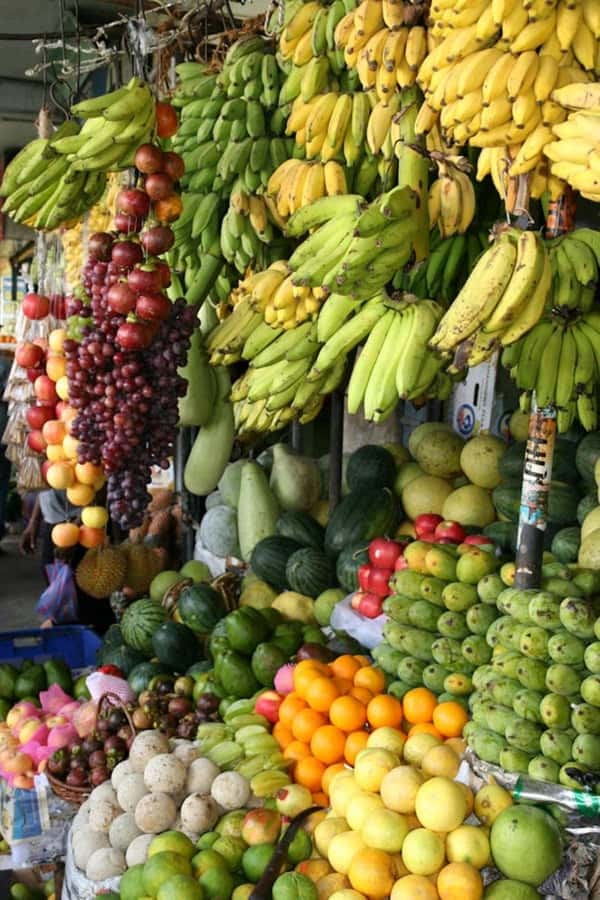
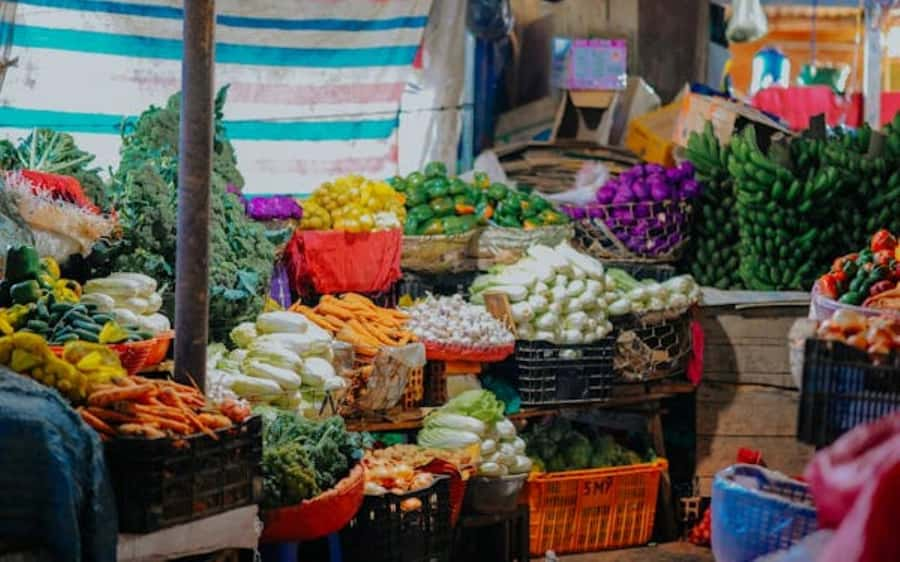
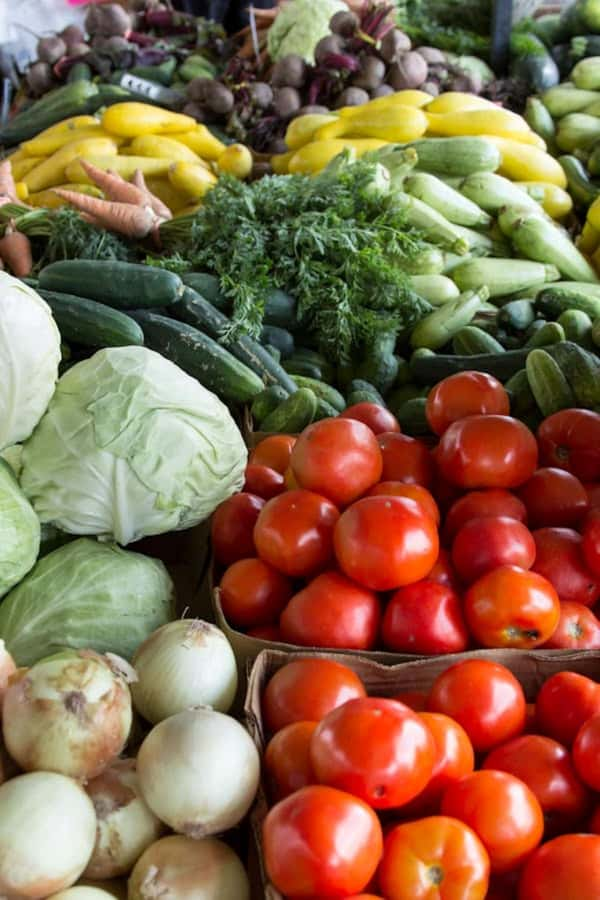
The market is more than a quick ingredient pickup. It gives you a look at how the cooking starts, with Tabitha choosing fresh items while you take in the sights, sounds, and movement around you.
You may find this part more revealing than a standard food lesson. At home, a recipe can seem fixed and tidy. In the market, you see the practical choices behind it: selecting produce, discussing food, and buying what will become lunch. You also have a chance to interact with local people rather than viewing Nairobi only from a vehicle or hotel.
The market can be busy and attention-grabbing. That is part of its appeal, though it may feel like a lot if you want a quiet, carefully staged tour. One useful detail from the experience is that Tabitha guides you through the market herself, so you are not left to work out the setting on your own.
Bring your camera if you want photographs, but ask before taking close pictures of people. A little courtesy goes a long way, and you may find that simple conversation is more rewarding than collecting images.
Cooking Kenyan food in Tabitha’s home
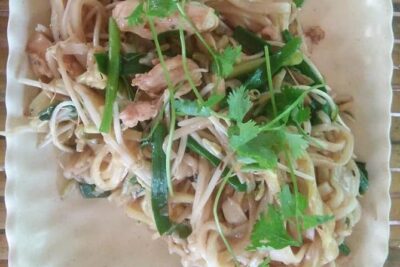
After the market, you go to Tabitha’s home for the cooking session. This is the heart of the experience. You are not placed at a table and handed a finished dish. You get the chance to help prepare food, taste along the way, and ask how the dishes fit into Kenyan home cooking.
The menu can include:
- Ugali, a firm maize dish often used to accompany other foods
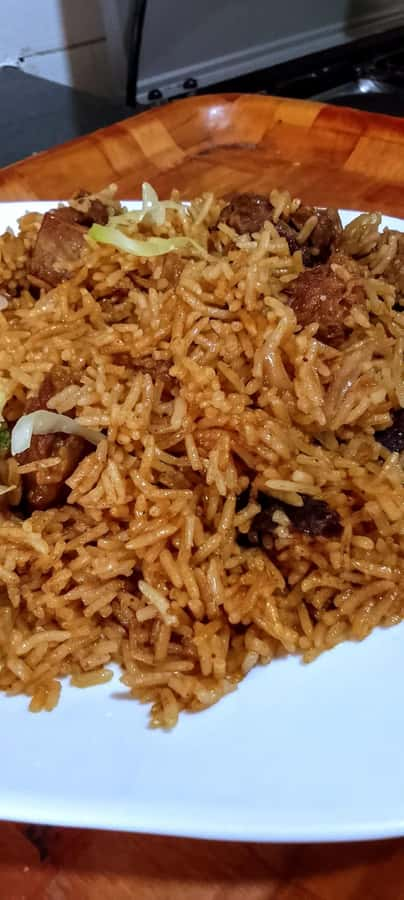
- Pilau, a spiced rice dish
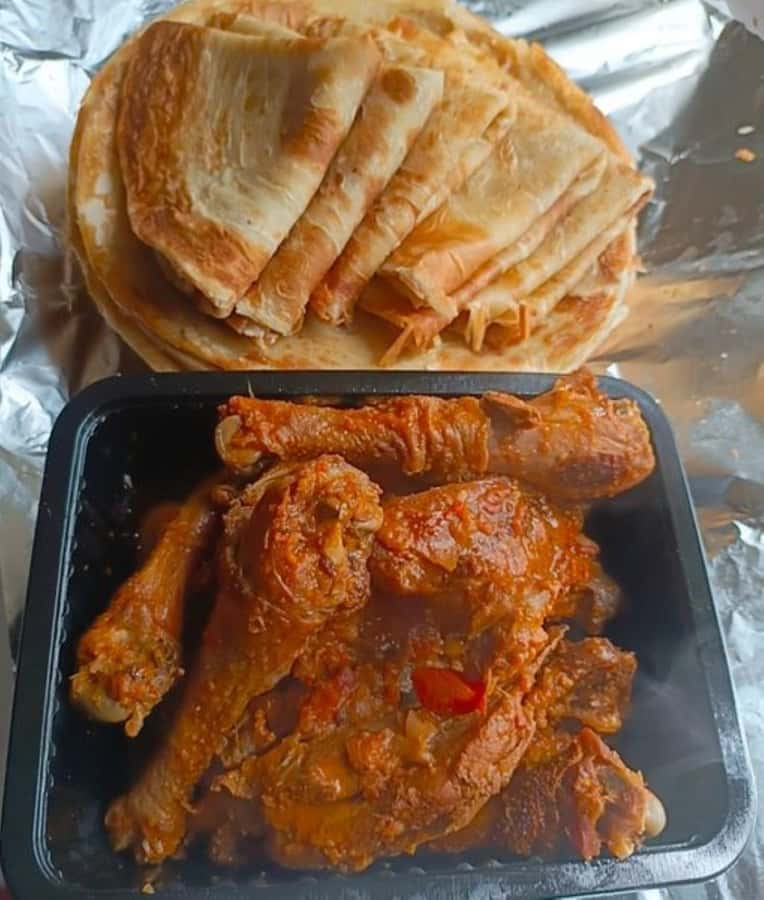
- Chapati, a pan-cooked flatbread
- Kachumbari, a fresh salad
- Sukuma wiki, a common leafy green dish
- Mukimo, a mashed mixture made in the Kenyan style
- Githeri, a traditional mixture of maize and beans
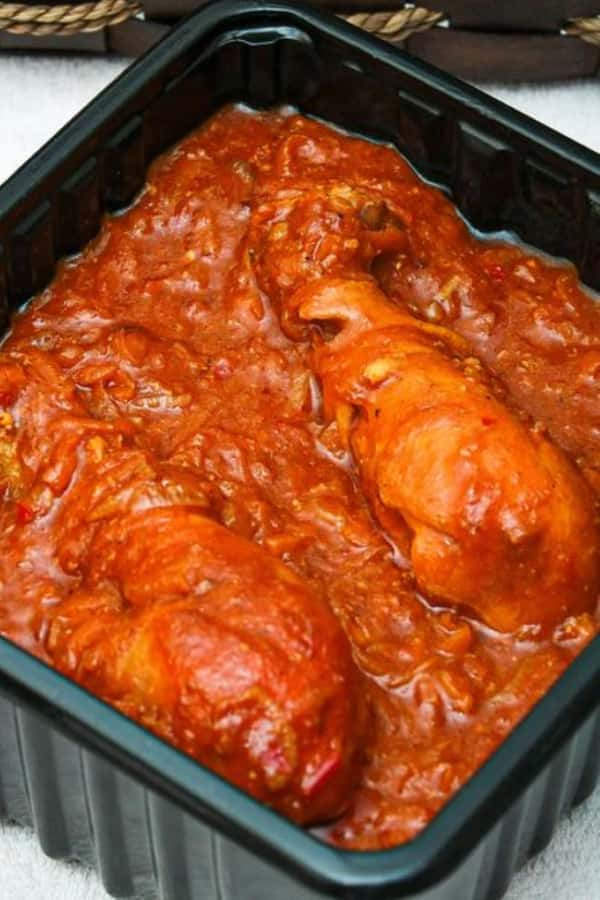
- Kuku kienyeji, traditionally raised local chicken
The exact combination may depend on the day and the group, so do not expect to prepare every item in the same amount. The experience description places special attention on kachumbari, sukuma wiki, ugali, chapati, pilau, and kuku kienyeji, while also listing mukimo and githeri among the dishes you may learn about.
This range gives you a good sense of Kenyan food beyond one familiar staple. Ugali shows you the role of maize in the meal. Pilau brings spice and fragrance. Chapati adds a hands-on dough element, and kachumbari gives the table a fresh contrast. The greens, beans, maize, and chicken help round out the meal into something closer to everyday home cooking.
The kitchen is small, and that is worth taking seriously. Limited space can make the class feel personal, but it also means you may not have a separate workstation or much room to step back. If you enjoy cooking beside other people, this is a plus. If you want a large professional kitchen, measured demonstrations, and plenty of elbow room, look elsewhere.
Why the home setting changes the meal
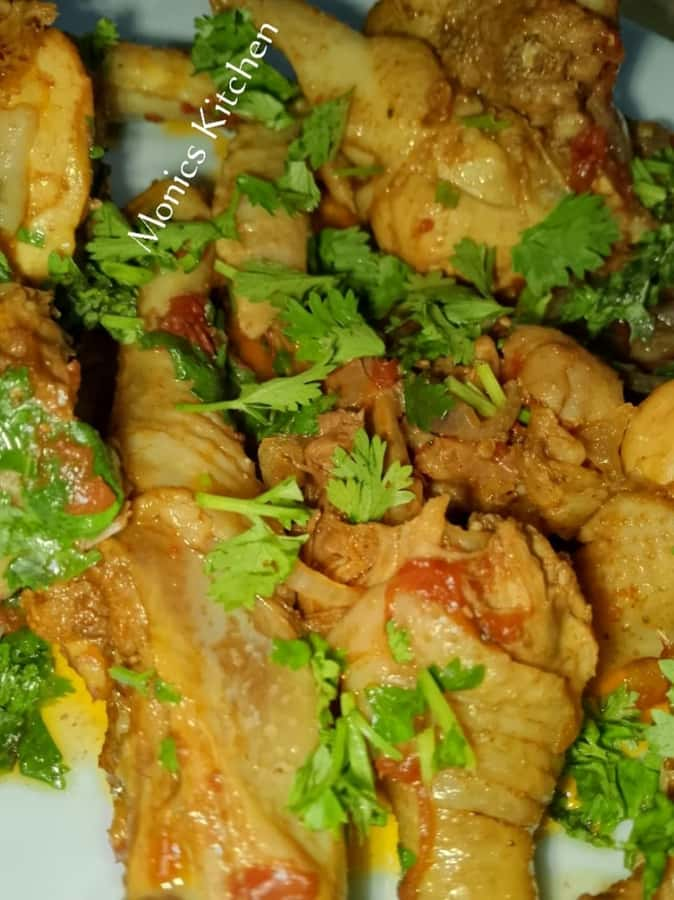
The home visit is what separates this from a basic cooking class. You spend time in a real household, chat with Tabitha and her husband, and share the food after preparing it.
That setting can make the cultural side feel more natural. Food is not treated as an isolated skill. It opens the door to talk about daily life, family routines, and the meaning of dishes that may be new to you. One especially useful feature is the chance to ask questions while the meal is being made, when ingredients and techniques are right in front of you.
You should also arrive with the right expectations. This is a personal home visit, not a theatrical cultural show. The pace may be informal, and the conversation may matter as much as the recipe. The experience has received strong praise for its warmth and for giving people a look at ordinary Kenyan life away from the main tourist circuit.
That does not mean the day will resemble every Kenyan household. It is one host’s home and one family’s way of cooking. But that is also its value. You get a specific human connection rather than a broad, packaged introduction with no personal face.
More Cooking Classes in the world:
- Half-Day Thai Cooking Class at Organic Farm in Chiang Mai
★ 5.0 · 19,087 reviews - Florence: Pasta Cooking Class with Unlimited Wine
★ 4.9 · 10,285 reviews - 3 in 1 Cooking Class near Navona: Fettuccine, Ravioli & Tiramisu
★ 5.0 · 7,376 reviews - Florence: Pasta & Tiramisu Cooking Class with Unlimited Wine
★ 4.9 · 6,708 reviews
What the food lesson is really worth
At $64 per person, the price covers four hours, the host, transport to and from the market, cooking instruction, lunch, and beverages. Those drinks include soda, water, and tea. Alcohol is not included.
I consider the price fair if you value the full chain of the experience: meeting at K-MALL, visiting the market, buying ingredients, cooking, talking, and eating. You are paying for more than lunch. You are paying for access to a host, a home setting, and a guided introduction to ingredients and dishes that can be hard to understand from a restaurant menu alone.
The value is less convincing if your main goal is a formal cooking course with written recipes, a spacious kitchen, or a long technical lesson on knife skills and measurements. None of those details is promised. The strength here is personal contact and participation.
Lunch and nonalcoholic drinks are included, which makes the price easier to judge. You do not need to budget separately for the meal itself. You should still carry some cash, as requested, for personal needs or purchases not covered by the activity.
Who will get the most from this experience
This suits you if you want to meet a local host and see a side of Nairobi that a normal sightseeing route may miss. It is especially good for people who enjoy food, conversation, and informal cultural exchange.
Solo visitors may appreciate the direct contact with Tabitha. Couples and small groups can share the work and the meal, while families should note that children below 10 receive free entrance. The activity is not suitable for people over 95, according to the provided conditions.
You should not book it if you have food allergies. The menu includes several dishes and ingredients, and the experience is not presented as an allergy-safe class. Tell the provider about dietary concerns before booking rather than hoping they can adjust everything on the day.
This is also not the right pick if you dislike markets, home visits, or shared cooking space. The day has a social feel. You will be near other people, handling food together, and spending time in a private home.
Language, comfort, and practical preparation
The tour is offered in English and Swahili. That gives you a useful way to ask about ingredients, cooking methods, and local expressions during the day.
Wear comfortable clothes that you do not mind cooking in. Comfortable shoes are important for the market visit. A camera is welcome, and cash is recommended. Weapons and sharp objects are not allowed, so pack light and leave anything restricted behind.
The experience offers free cancellation up to 24 hours before the start time, with a full refund. You can also reserve now and pay later, which helps if you are still arranging your Nairobi schedule.
Starting times vary, so check availability for the date you want. The four-hour length makes it possible to fit into a day that includes other plans, but the meeting point and transport time should still be considered when building your schedule.
The strongest parts of the experience
The repeated strength of this outing is Tabitha herself. Her role is not limited to showing you a recipe. She leads you through the market, welcomes you into her home, cooks with you, and makes room for conversation.
The food is another major reason to choose it. The menu offers a useful spread of Kenyan flavors and textures, from the plain, sturdy character of ugali to the spice of pilau and the fresh bite of kachumbari. You are likely to leave with a better idea of how several dishes work together on one table.
The third strength is the shift away from the city’s main tourist path. The ride through Nairobi and the visit to the market can be part of the learning, not just transport between attractions. You see more of the everyday setting before sitting down to eat.
The only clear limitations are the small kitchen, the need to arrange your own transport to K-MALL, and the lack of suitability for people with food allergies. These are easy to manage if you know about them in advance.
Should you book the Kenyan cooking class?
Book it if you want a warm, personal food experience built around a local market and a real home. The strongest reason to choose it is not one particular dish. It is the chance to connect the ingredients, the cooking, the meal, and the host’s own story in one afternoon.
At $64, it offers good value for a four-hour outing that includes lunch, drinks, market transport, and instruction. Choose another activity if you need a large kitchen, a tightly timed professional lesson, or full control over the menu.
For most food-focused visitors to Nairobi, I would make this a strong pick. Come hungry, dress for movement, bring curiosity, and leave room for conversation. The meal is important, but the human welcome is likely to be what stays with you.
FAQ
Where does the experience meet?
You meet at the K-MALL Komarocks parking lot, then proceed to the local market.
How long does the activity last?
The experience lasts four hours.
What languages does the host speak?
The live guide is available in English and Swahili.
What food might I prepare?
Possible dishes include kachumbari, sukuma wiki, ugali, chapati, pilau, kuku kienyeji, mukimo, and githeri.
Is lunch included?
Yes. Lunch is included, along with soda, water, and tea.
Is transport included?
Transport to and from the market is included. Uber or other transportation fees are not included, and you should plan how to reach the K-MALL meeting point.
What should I bring?
Bring comfortable shoes, comfortable clothes, a camera, and cash.
Can children join the experience?
Children below 10 years receive free entrance.
Newest classes around the world
- Aroidee’s Farm-Fresh Thai Cooking Experience★ 5.0 · 8 reviews
- Authentic Thai Cooking Class and Farm Visit in Chiang Mai★ 5.0 · 66 reviews
- Signature Thai Cooking Course★ 5.0 · 79 reviews
- Half Day Guided Thai Cooking Class in Chiang Mai★ 5.0 · 13 reviews
- Yummy Tasty Thai Cooking School in Chiang Mai★ 5.0 · 2 reviews
- Online Thai and Akha Cooking Class★ 5.0 · 70 reviews
- Northern Thai Cooking Class in Chiang Mai in a Countryside Home★ 5.0 · 2 reviews
- Private Half-Day Thai Cooking Class in Chiang Mai★ 5.0 · 4 reviews
Cooking Classes with a Market Tour, compared.
Hanoi Cooking Class: Culture, Local Market & Meaning CSR Impact
Read our review →
5 Traditional Dishes Hanoi Cooking Class with Market Trip
Read our review →
Cooking Class and Lunch at a Tuscan Farmhouse with Local Market Tour from Florence
Read our review →
Cooking Class, Market & Thai Herbs Garden Tour
Read our review →
Authentic Cooking Class with Market & Farm Visit
Read our review →
Paella Cooking Experience & Boqueria Market Tour
Read our review →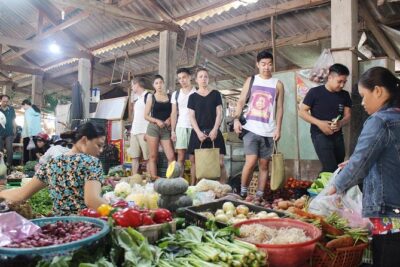
Cooking Class Hoi An:Local Market, Basket Boat, Fishing & Cooking
Read our review →