
Review · LUANG PRABANG COOKING CLASSES
Luang Prabang: Bamboo Forest Cooking-class & Farm Visit
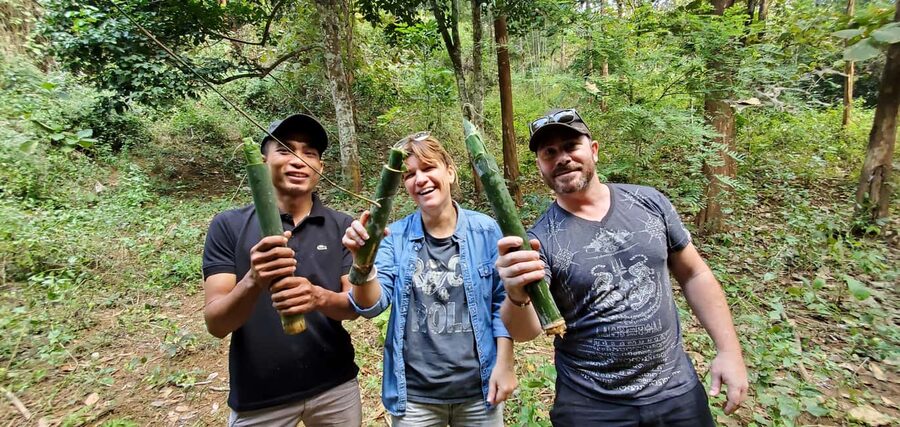
Making lunch in a Luang Prabang forest is far more hands-on than a normal cooking class. You help gather plants, cut bamboo, shape your own cup and chopsticks, and cook a Khmu meal using methods passed down through village life. The forest becomes your kitchen, not just a pretty backdrop.
I like the direct contact with local skills, especially learning which plants are edible, medicinal, or useful in daily life. I also like that your bamboo cup and chopsticks come home with you, giving the day a useful souvenir rather than another market purchase.
The main consideration is that this is an active outdoor day, not a comfortable classroom session. You will walk in the forest, work with bamboo, and deal with heat, insects, and uneven ground, so long pants, good footwear, and mosquito spray matter.
Key points to know before booking
- You make the cooking tools yourself: Shape bamboo into a drinking cup and chopsticks, then use natural materials during the meal.
- The day begins at a real vegetable farm: Pick the plants and vegetables needed for lunch while learning about edible and medicinal species.
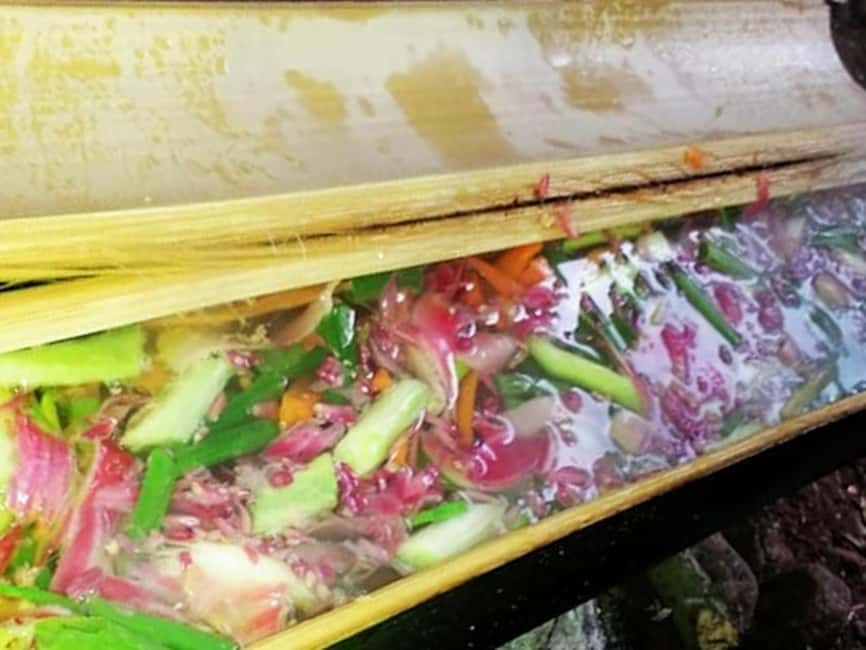
- Khmu cooking is the focus: Your guide shows how to prepare rice, meat, or fish with bamboo and forest cooking methods.
- Lunch is part of the lesson: You eat the meal you helped prepare in the forest, surrounded by the setting where it was cooked.
- The group stays small: With no more than 10 participants, the guide can offer a more personal, hands-on outing.
- The $100 price covers the essentials: Hotel transfers, ingredients, water, guide, tax, entrance fees, and handmade bamboo items are included.
A forest kitchen instead of a cooking studio
This six-hour outing runs from 9 AM to 3 PM and takes you into the traditional food culture of Laos’s Khmu people. You are not simply shown a finished dish. You take part in the work that makes the meal possible, from finding ingredients to preparing the tools and cooking site.
That difference matters. A standard cooking class can teach you how to follow a recipe. This experience shows you how a meal can grow out of the forest, a farm, a length of bamboo, and a few basic cooking skills. You see how materials serve several purposes at once: bamboo can become a cup, chopsticks, a cooking container, or part of the serving method.
I would choose this outing if you want cultural contact through ordinary daily tasks. The appeal is not a long list of dishes. It is seeing how food, plants, tools, and family tradition connect.
The experience is led by a local guide who speaks English, French, Thai, or Lao, depending on the guide assigned to your group. Peng led one outing and was praised for making the activity easy to join while still giving participants room to work at their own pace. Another guide described in the experience has a degree in agriculture and grew up living from the land, which is useful when the focus turns to plants and local farming.
More Farm Cooking Classes in the world:
- Half-Day Thai Cooking Class at Organic Farm in Chiang Mai
★ 5.0 · 19,087 reviews - Cooking Class and Lunch at a Tuscan Farmhouse with Local Market Tour from Florence
★ 5.0 · 4,831 reviews - Chiang Mai: Authentic Cooking Class with Market & Farm Visit
★ 4.9 · 4,546 reviews
Picking lunch at the vegetable farm
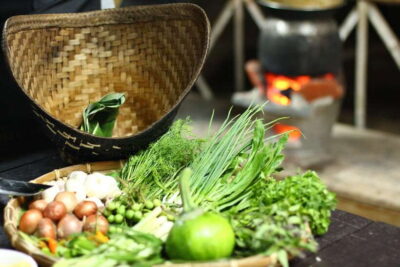
Your first major stop is an authentic vegetable farm. Here, you help select the vegetables and plants that will go into the meal rather than receiving a premeasured box of ingredients.
The farm visit gives the food a clear starting point. You can ask how a plant is used, how it is identified, and whether it serves a purpose beyond cooking. The guide explains plants used as food, medicine, and everyday materials, so you learn to look at the farm as a source of several kinds of household support.
This is also a good part of the day for questions. If you are curious about how local families recognize useful plants, this is where the outing becomes more than food preparation. You get a glimpse of how practical plant knowledge is built into village life.
The farm section may be the easiest part for most people, but do not treat it as a quick shopping stop. Pay attention to the distinction between edible and medicinal plants. You should not pick or eat anything on your own. Let the guide identify each plant and explain its use.
Because the menu can be adjusted, tell the provider about dietary restrictions before the outing. Rice, meat, fish, fruit, and drinking water are supplied, but the exact meal depends on the ingredients and your needs.
Entering the primary forest with a Khmu guide
After the farm visit, you head into the primary forest to learn older wild-cooking methods. The setting changes the pace of the day. You are no longer moving from one indoor station to another. You are walking, gathering materials, and making choices based on what the guide shows you.
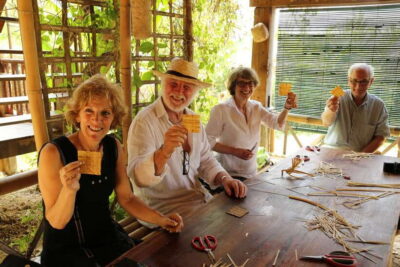
The forest portion has a practical purpose. You learn how to select bamboo, how to prepare it, and how to turn it into useful kitchen items. You may cut and shape bamboo for a drinking cup and chopsticks, then use those pieces during lunch.
This work is part of the attraction, but it is also the main physical demand. One participant was surprised to find themselves cutting bamboo in the forest for the meal. That is a fair warning: you should expect to get involved rather than stand back and watch.
The provider recommends long trousers, suitable walking shoes, mosquito spray, and a hat. Bring any personal medication and other essentials you need for six hours outdoors. The supplied information does not specify the walking distance, trail surface, or accessibility conditions, so ask before booking if those details affect your plans.
I like that the forest activity produces something you can use. Your bamboo cup and chopsticks are included as take-home items, but they carry more meaning because you made them during the day. The objects connect directly to what you learned instead of feeling like a separate craft demonstration.
Shaping bamboo into cups, chopsticks, and cooking tools
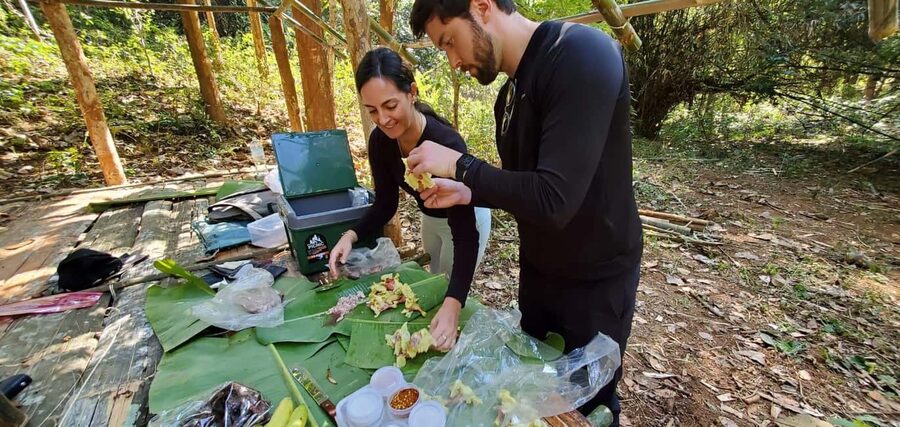
The bamboo work is one of the most distinctive parts of the experience. You learn how a natural material can be cut and prepared for drinking, eating, and cooking. The guide explains the process and lets you decide how much hands-on work you want to do.
That flexibility helps. One outing was designed so participants could be as active as they wanted, or take a quieter role. If you enjoy practical work, you can spend more time shaping your utensils. If bamboo cutting is not your thing, you can still follow the lesson and help with the meal at a level that suits you.
Do not expect polished workshop products. The point is not to make perfect tableware. The point is to understand how simple tools are made from available materials and then put to immediate use.
You also get a firsthand lesson in resourcefulness. A bamboo cup is not just a souvenir here. It is part of the meal, and the process shows how cooking traditions make use of what grows nearby.
More Cooking Classes in the world:
- Florence: Pasta Cooking Class with Unlimited Wine
★ 4.9 · 10,285 reviews - 3 in 1 Cooking Class near Navona: Fettuccine, Ravioli & Tiramisu
★ 5.0 · 7,376 reviews - Florence: Pasta & Tiramisu Cooking Class with Unlimited Wine
★ 4.9 · 6,708 reviews - Florence: Pasta Cooking Class with Unlimited Wine
★ 5.0 · 6,413 reviews
Cooking rice, meat, and fish with forest methods
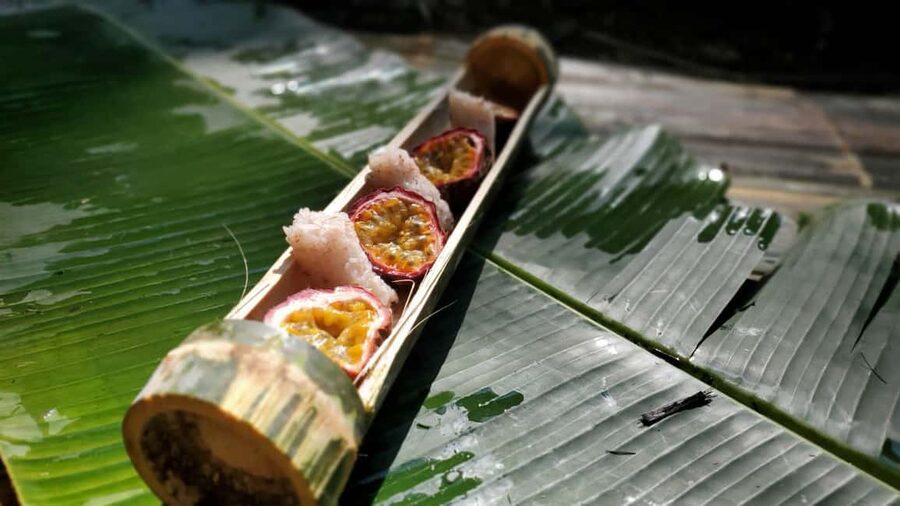
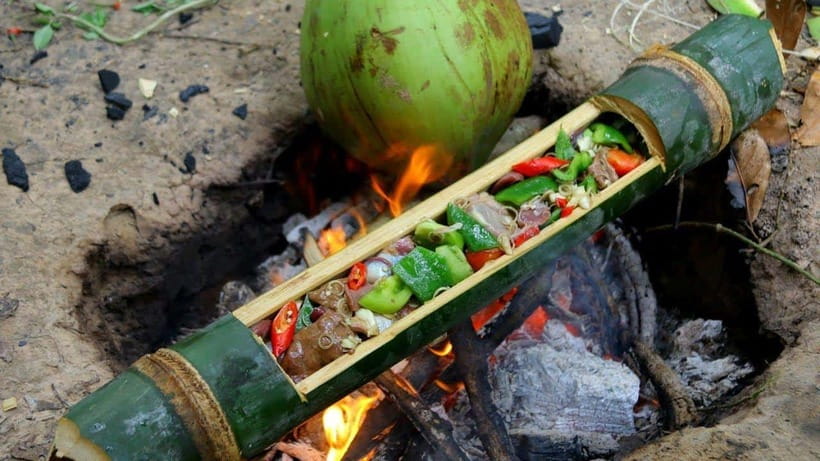
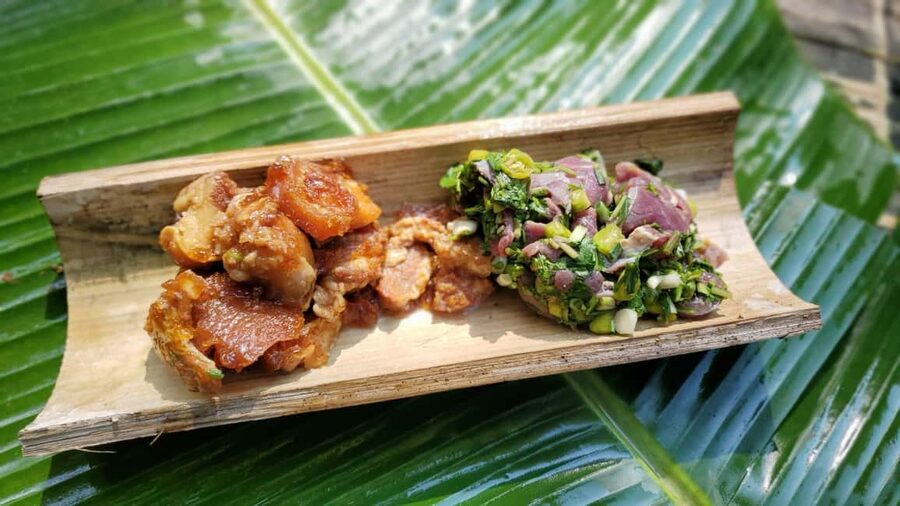
The meal centers on bamboo cooking. You learn how to select and prepare bamboo for fragrant rice, then cook meat or fish and arrange the finished dishes in a Khmu style.
The supplied information does not give a fixed menu, so I would avoid booking with a particular dish in mind. Think of the meal as a guided example of local cooking methods, shaped by the ingredients available and any dietary requests you make in advance.
Rice is a key part of the cooking lesson, and bamboo gives the preparation a strong sense of place. You see how a basic staple can be handled with tools and materials taken from the surrounding environment. Meat or fish may also be grilled, with fruit included as part of the provided food.
All basic meal ingredients are covered in the $100 price. Drinking water is included as well. Additional food or drink is not included, so bring personal extras only if you need something beyond the supplied meal and water.
The food is likely to appeal most to people who enjoy the process as much as the result. You help prepare it, and the cooking takes place outdoors, so this is not the right choice if you want a quick restaurant-style lunch with no work involved.
Eating what you made in the forest
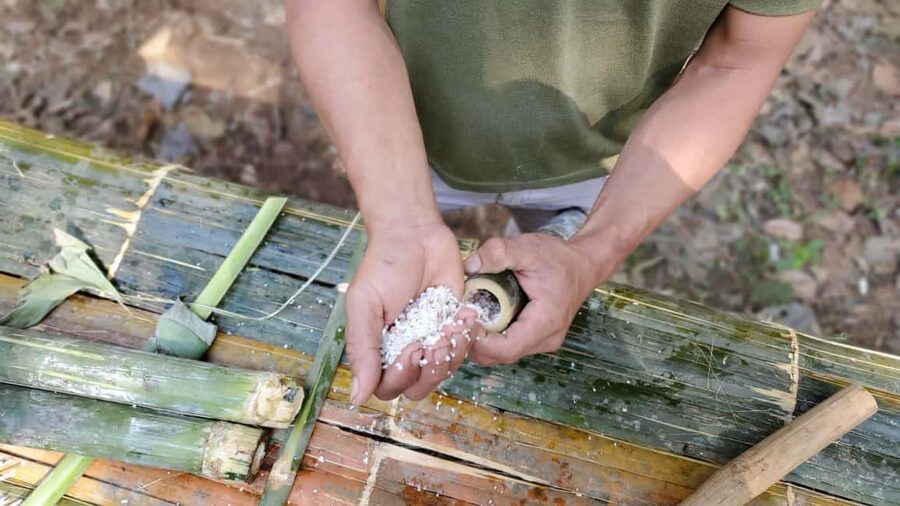
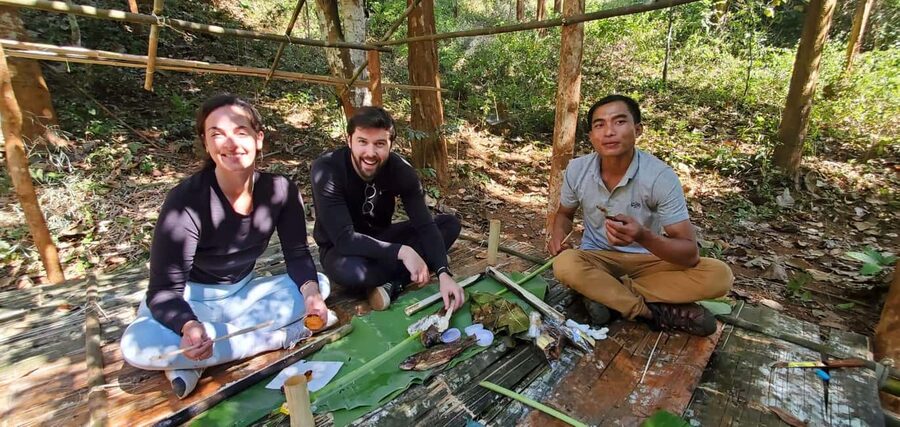
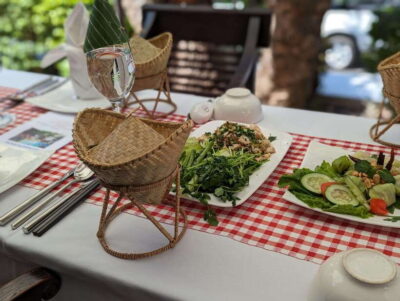
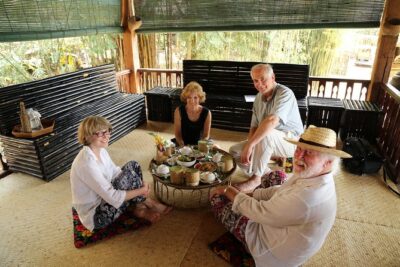
Lunch is the natural payoff of the morning. You sit in the forest and eat the meal prepared with your group, using the bamboo items you helped make.
This shared meal gives the experience its social side. You are not only learning from the guide. You are also working alongside the other participants, comparing your bamboo tools, helping with preparation, and sharing the final food.
The meal also helps you understand the value of the earlier steps. Picking vegetables can seem simple on its own. Shaping bamboo can seem like a craft activity. Cooking rice or fish can seem like a lesson. At lunch, those pieces come together into one practical sequence.
You should be ready for a simple outdoor setting. The experience is built around forest cooking, not a fully equipped dining area. The provider supplies the meal ingredients and water, but the forest itself supplies much of the atmosphere and the work space.
A small group makes the work more personal
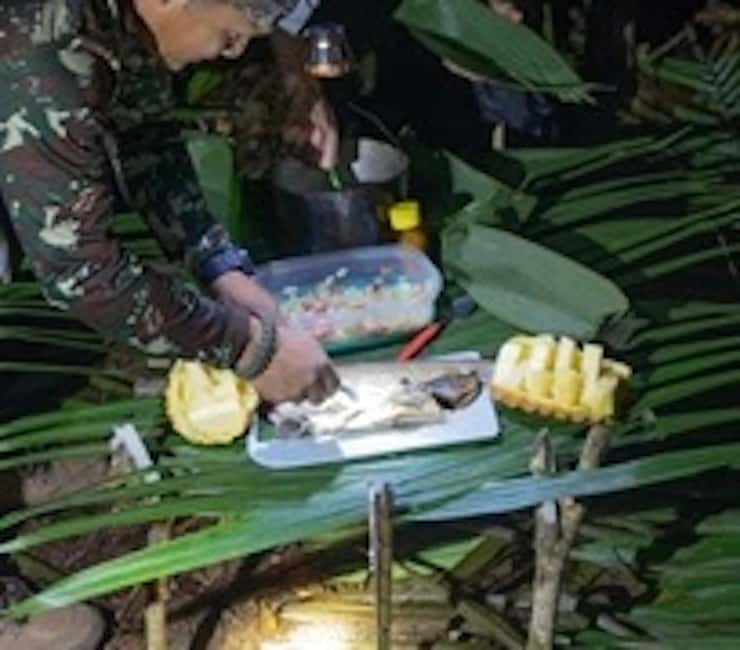
The group is limited to 10 participants. That number is important here because the activity involves tools, plants, bamboo, and cooking tasks that need explanation.
A small group also keeps the day from feeling like a production line. You have a better chance to ask questions and receive help while shaping your utensils or preparing ingredients. One participant described the outing as almost private rather than crowded, which fits the small-group format.
Still, small group does not mean guaranteed one-to-one instruction. If all 10 places are filled, you will share the guide’s attention. If you want the most hands-on role, speak up early and let the guide know what you would like to try.
The guide can adapt the level of participation, which makes the outing suitable for people with different interests. Those who want practical work can cut bamboo and help cook. Those who prefer observation can take a less active role while still learning about plants and food.
What the $100 price includes
At $100 per person, this is not a cheap add-on activity. I think the value depends on what you want from your day in Luang Prabang.
The price includes hotel transfer in both directions, all meal ingredients, drinking water, a guide, taxes, entrance fees, and the bamboo cup and chopsticks you make. It also includes an optional stop at a craft village on the way home.
That package is stronger than a basic cooking class because the cost covers transport, a farm visit, forest instruction, food, and handmade items. You are paying for access to a full six-hour experience rather than only a cooking lesson.
The price is harder to justify if you mainly want to taste Lao food or learn a few recipes. A restaurant meal and a short class would cost less. The value here comes from the time, the local setting, and the chance to learn through doing.
Hotel transfer also matters. You do not need to arrange separate transport to the farm or forest, although the meeting point is listed as the provider’s showroom, called Notre showroom. Confirm the pickup details and timing when you book, especially if you are staying outside the main Luang Prabang area.
The optional craft village stop
On the way home, you may have the option to stop at a craft village. This is not the main part of the six-hour experience, and the supplied details do not specify which village you will visit or how long the stop lasts.
I would treat it as a useful extra rather than a reason to book. The core of the day is the farm, forest, bamboo work, and lunch. If you enjoy local crafts and still have energy after the outdoor cooking, the stop can add another look at regional making traditions.
Ask the provider whether the stop is operating on your date and how it affects the return time. Since it is optional, you can decide based on your schedule and interest.
Who should book this experience
I would recommend this day to you if you like local food, practical crafts, plants, and small-group activities. It is especially suitable if you want a closer look at Khmu traditions instead of a general sightseeing trip.
It also suits curious cooks who care about method. You do not need advanced kitchen skills. The guide leads the process, and the activity can be as active or relaxed as you prefer.
Families and groups should consider the physical side before booking. The experience includes forest walking and bamboo work, and no accessibility information is provided. Contact the provider if a participant has mobility needs, medical concerns, or difficulty walking outdoors.
I would not choose it if you want air conditioning, a fixed menu, or a polished cooking studio. The charm comes from the simple setting, and the same setting brings heat, insects, uneven ground, and hands-on work.
Free cancellation is available up to 24 hours before the start, and you can reserve now and pay later. Those terms help if your Luang Prabang schedule is still changing, but you should still check availability and starting times for your date.
Should you book the Khmu forest cooking class?
Book it if you want a genuine, hands-on cultural day and are happy to work for your lunch. The strongest parts are the farm visit, the plant lessons, the bamboo tools, and the chance to eat food prepared in the forest with a Khmu guide.
Skip it if you only want a recipe lesson or if outdoor activity is likely to make the day uncomfortable. At $100, the outing needs to match your interests, but for someone who values local skills, small groups, and useful handmade souvenirs, it offers more than a standard meal and cooking demonstration.
FAQ
How long does the experience last?
The activity lasts six hours, from 9 AM to 3 PM.
Where does the experience take place?
It takes place in Luang Prabang Province, with visits to a vegetable farm and a primary forest area.
Is hotel transportation included?
Yes. Transfer to and from your hotel is included.
What languages can the guide speak?
Guides may speak English, French, Thai, or Lao.
How many people can join the group?
The group is limited to 10 participants.
What food is included?
Rice, meat, fish, fruit, and drinking water are provided. The exact meal is not specified and can be adjusted for dietary preferences or restrictions.
Can dietary restrictions be accommodated?
You should tell the provider about your dietary preferences or restrictions so the meal can be tailored to your needs.
What will I make from bamboo?
You will make a bamboo cup and chopsticks, and you will learn how bamboo can be used for cooking and serving.
What should I bring?
Bring long trousers, suitable footwear for forest walking, mosquito spray, a cap or hat, medication, and other personal essentials.
Is cancellation available?
Yes. You can cancel up to 24 hours in advance for a full refund. You can also reserve the experience and pay later.
Newest classes around the world
- Aroidee’s Farm-Fresh Thai Cooking Experience★ 5.0 · 8 reviews
- Authentic Thai Cooking Class and Farm Visit in Chiang Mai★ 5.0 · 66 reviews
- Signature Thai Cooking Course★ 5.0 · 79 reviews
- Half Day Guided Thai Cooking Class in Chiang Mai★ 5.0 · 13 reviews
- Yummy Tasty Thai Cooking School in Chiang Mai★ 5.0 · 2 reviews
- Online Thai and Akha Cooking Class★ 5.0 · 70 reviews
- Northern Thai Cooking Class in Chiang Mai in a Countryside Home★ 5.0 · 2 reviews
- Private Half-Day Thai Cooking Class in Chiang Mai★ 5.0 · 4 reviews
Luang Prabang Cooking Classes, compared.
Day-time Bamboo weaving & Cooking Classes join-in
Read our review →
Browse the lists this tour appears in