Review · ITALY COOKING CLASSES
Lake Garda: Cooking Class at a Local’s Home
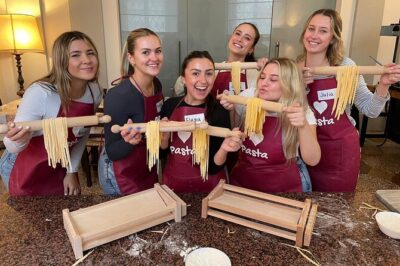
Making pasta by hand in an Italian home is the heart of this experience. You roll sfoglia, prepare two pasta types, and finish with tiramisu, all under the guidance of a local Cesarine host. I like the relaxed home setting and the chance to learn recipes you can repeat in your own kitchen. I also like that prosecco, snacks, wine, coffee, and the finished meal are included. The main drawback is that the exact address arrives only after booking, so you need to plan transport carefully.
Hosts such as Mariolina and Ada have received especially warm praise for their patience and hospitality. One family found the class easy to reach by car and suitable even for an older teenager. Another group had confusion when the meeting location changed shortly before the start, so confirm the address and travel time as soon as you receive it.
Key points at a glance
- Hand-rolled sfoglia: Learn the basic Italian method of rolling fresh pasta by hand rather than simply watching a demonstration.
- Two pasta recipes: Prepare two different classic pasta types from scratch, giving you more than one technique to take home.
- Tiramisu from the kitchen counter: Make the famous Italian dessert as part of the same three-hour lesson.
- Aperitivo before cooking: Start with prosecco and small snacks, a pleasant way to settle into the home setting.
- Real local hosts: Cesarine connects you with home cooks who share family recipes and traditional regional food.
- Flexible booking: You can cancel up to 24 hours before the class for a full refund, and reserve now without paying immediately.
Why a Lake Garda cooking class belongs in your trip
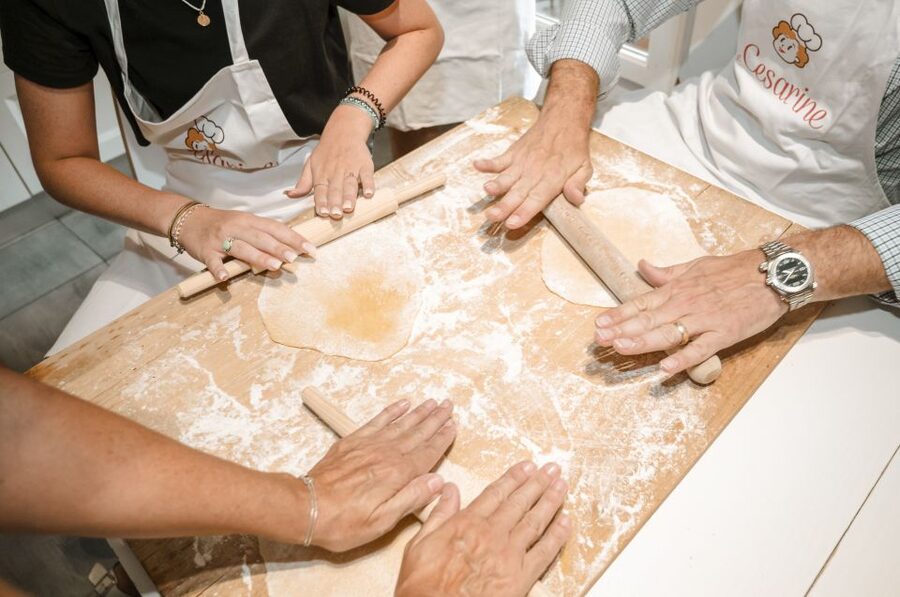
Lake Garda is easy to enjoy from the outside. You can admire the water, walk through lakeside towns, and move on to the next view. A home cooking lesson gives you a different kind of memory: flour on the work surface, pasta taking shape under your hands, and a meal that you helped prepare.
I like this activity because it turns Italian food from something you order into something you understand. You learn why fresh pasta feels different from dried pasta, how much touch matters when rolling dough, and how a few simple ingredients can become a complete meal.
The class is also a good break from sightseeing. Three hours is long enough to feel substantial without taking over an entire day. You are not rushing between several stops, and you are not sitting through a long formal lecture. The focus stays on cooking, conversation, and eating together.
The price is $152.93 per person. That is not a cheap meal, but it covers a three-hour lesson, an aperitivo, beverages, two pasta preparations, tiramisu, and the food you make. I see the value most clearly if you want a hands-on cultural activity rather than only another restaurant dinner.
More Cooking Classes in Italy:
- Florence: Pasta Cooking Class with Unlimited Wine
★ 4.9 · 10,285 reviews - 3 in 1 Cooking Class near Navona: Fettuccine, Ravioli & Tiramisu
★ 5.0 · 7,376 reviews - Florence: Pasta & Tiramisu Cooking Class with Unlimited Wine
★ 4.9 · 6,708 reviews
Arriving at a local home near Lake Garda
The activity does not begin at a public cooking school or fixed restaurant. It takes place in a local host’s home, and the full address is sent only after you book. This protects the host’s privacy, but it adds one practical step to your planning.
When booking, provide the neighborhood where you are staying, any food allergies or intolerances, and how you plan to reach the host’s home. Cesarine uses that information to match you with a suitable cook and then sends the host’s name, telephone number, and full address.
I recommend treating the address as essential trip information. Do not rely on the first map pin or an early automated meeting notice. One participant had a last-minute location display that caused confusion, while the actual home was about 15 minutes away by taxi. Check the final address with your hotel or accommodation, then allow enough time for the journey.
Driving can be practical if you have a car. One family parked about two minutes from Ada’s home and found the house easy to reach. If you use a taxi, confirm the destination with the driver and keep the host’s phone number available.
The activity ends at the same home where it begins. Transportation is not included, so you are responsible for getting there and back.
The aperitivo sets the tone
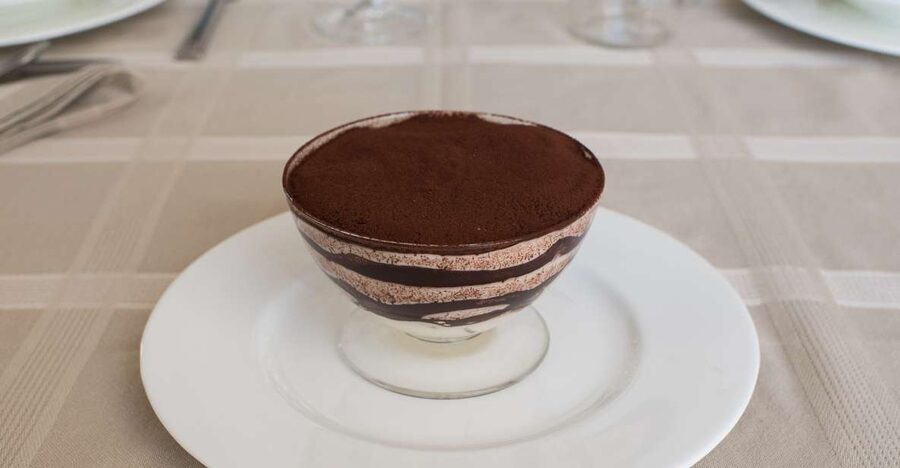
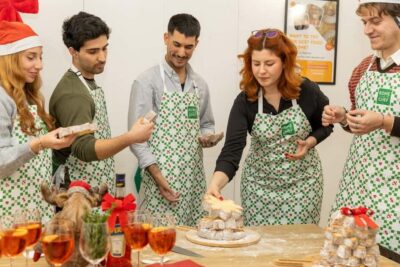
The first taste of the evening is an Italian aperitivo, with prosecco and small snacks. This is more than a drink before dinner. It gives you time to meet your host, get comfortable in a private home, and settle into the pace of the class.
You can expect water and wine during the experience, along with coffee. These drinks are included, as are the local taxes and tasting of the dishes you prepare. The aperitivo helps the activity feel social rather than like a technical lesson.
I like this opening because cooking with strangers can feel awkward for the first few minutes. A small snack and a glass of prosecco make conversation easier. The food also gives you a first glimpse of the host’s way of entertaining before you begin working with dough.
The exact snacks and wine are not specified, so do not book this expecting a fixed menu. The point is the welcome and the shared table, not a particular brand or dish.
Rolling sfoglia by hand
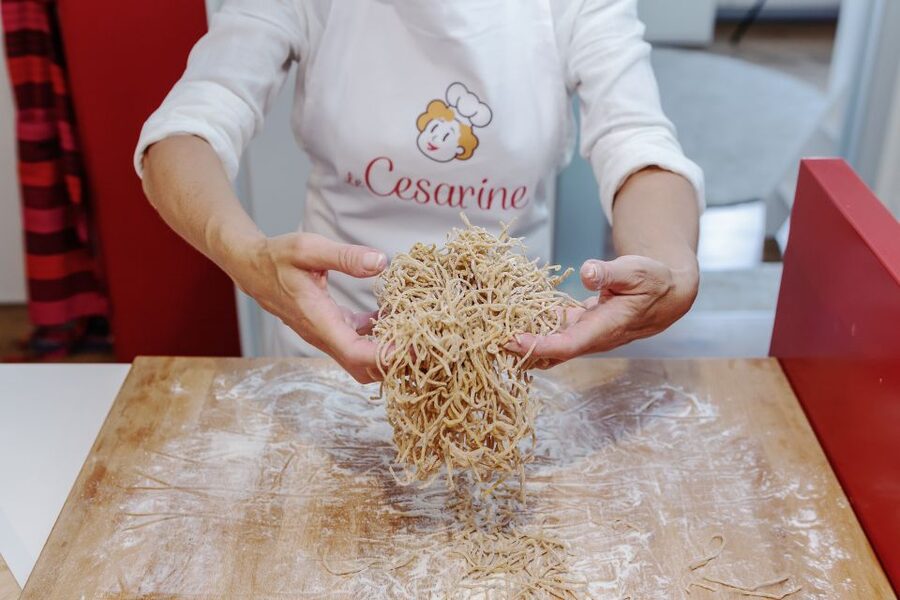
The central skill is making sfoglia, the thin sheet of fresh pasta rolled by hand. This is where the class becomes genuinely practical. You are not simply told how pasta works. You handle the dough and learn how it changes as you roll it.
Fresh pasta requires patience and a light touch. The point is not only to produce a neat sheet by the end. You also learn the feel of the dough, how thin to roll it, and how to turn a basic mixture into something ready for shaping.
Your host guides you through the process in Italian and English. That bilingual format is useful, especially when a movement is easier to understand by watching than by hearing an explanation. Hosts are home cooks rather than restaurant chefs, which suits the spirit of the activity. They teach from family cookbooks and personal kitchen habits.
Mariolina is one host praised for making her visitors feel welcome while teaching clearly. Ada was also described as patient, particularly with a family that included an older teenager. Those details matter if you want a class that feels friendly and manageable rather than intimidating.
You should expect to participate. This is not a demonstration where you sit back while someone else makes the pasta. Wear clothes you do not mind cooking in, and be ready to work at the pace of the group.
Same region, a different dish to learn:
- Florence: Pasta Cooking Class with Unlimited Wine
★ 5.0 · 6,413 reviews - Cooking Class and Lunch at a Tuscan Farmhouse with Local Market Tour from Florence
★ 5.0 · 4,831 reviews - Rome: Pasta Making Class with Wine, Limoncello, and Dessert
★ 4.9 · 3,177 reviews - Pastamania – Florence Pasta Making Class
★ 5.0 · 3,050 reviews
Two pasta types, not just one
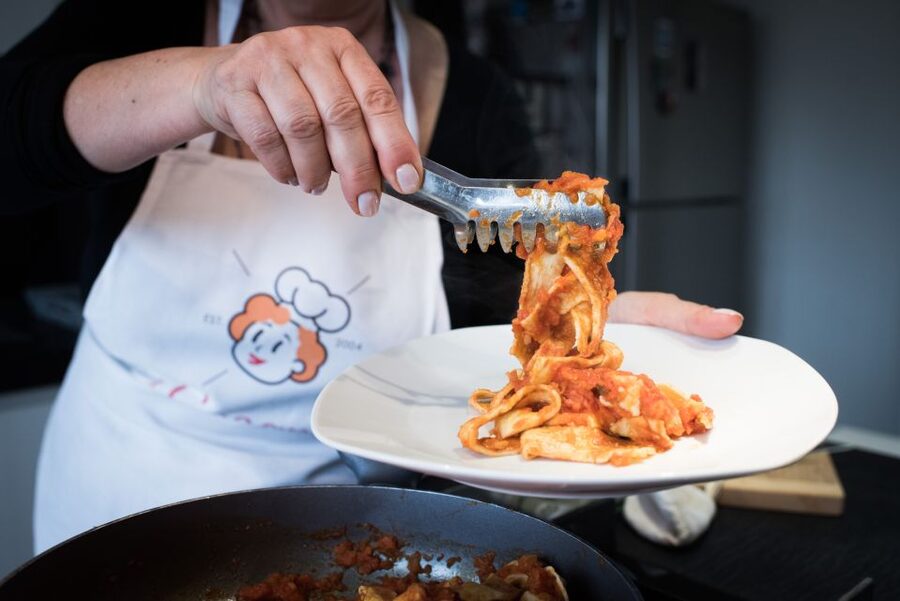
The class includes two different pasta preparations. That gives you more range than a single recipe lesson, although the exact shapes and sauces are not specified in advance.
This is useful because pasta-making has several stages. You may learn how the same basic dough can be shaped in different ways, or how two simple recipes create different results. The recipes are described as iconic and simple, making them suitable for cooks who want skills they can use at home.
I appreciate the practical focus. A complicated restaurant dish might be impressive but hard to repeat. Two straightforward pasta types give you a better chance of remembering the method once you are back in your own kitchen.
The meal is part of the class, not an extra purchase at the end. After preparing the recipes, you taste both pasta dishes. That final meal lets you see how the dough, shape, and cooking method come together.
If you have a particular allergy or intolerance, tell Cesarine when you book or email the company with your booking reference and name. Do not wait until you arrive. The host needs the information in advance to plan the lesson and meal.
Tiramisu finishes the cooking lesson
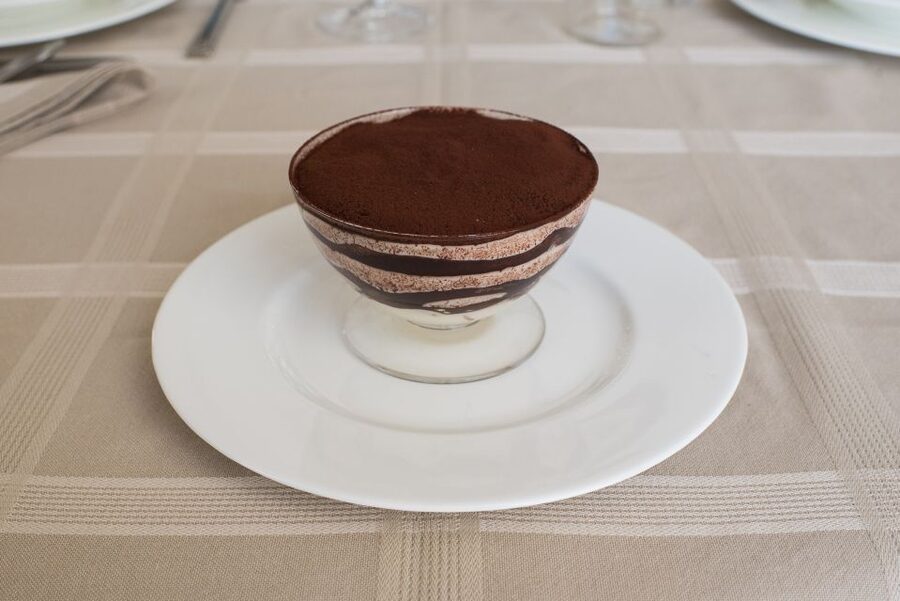
Tiramisu is the sweet course and the final major recipe. It is a smart choice for a class because it requires a different set of actions from pasta. After working with flour and dough, you shift to assembling a familiar Italian dessert.
The activity describes tiramisu as an iconic recipe, but it does not provide the exact ingredients or method. Your host will teach the version used in the home. That is part of the appeal: you are learning a family-style preparation rather than following a standardized restaurant menu.
Some hosts prepare tiramisu first, then move on to pasta. Ada’s class followed that order. This can be helpful because the dessert has time to rest while you work on the main course. The order may vary by host, so do not assume every session follows the same sequence.
The best part is that you taste the tiramisu you make. You are not leaving with a boxed recipe card and no sense of the result. You see how the dessert fits into an Italian meal and can ask questions while the host is preparing it.
The home setting makes the meal personal
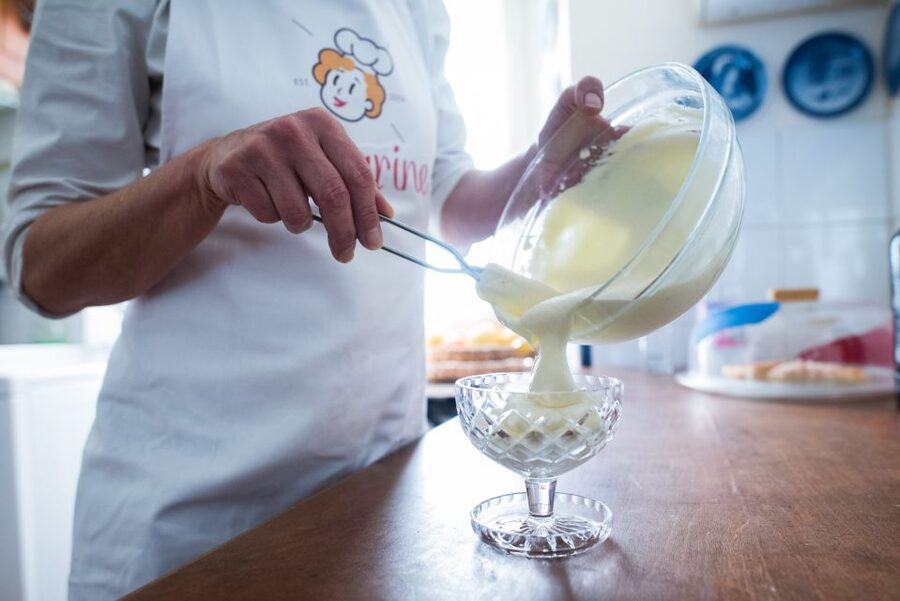
A restaurant cooking school can be polished and efficient. A local home offers something else. You see how an Italian host welcomes people, organizes a kitchen, and serves food in a personal setting.
That does not mean every home will be large or designed for instruction. You should expect a real private residence, not a staged attraction. For me, that is a strength, though people who need a formal classroom or highly predictable facilities may prefer a professional cooking studio.
The Cesarine network connects home cooks in more than 500 Italian cities. In this activity, the host is chosen based partly on your location and needs. The exact personality and home will vary, so the experience is not identical for every booking.
That variation is worth accepting if you value personal contact. Mariolina’s visitors felt as if they were spending time with a long-lost family member. Ada’s home was described as beautiful and welcoming. Those impressions point to the social side of the class, which can be just as important as the recipes.
Still, keep your expectations sensible. A home cooking class is not a private chef service, and the menu is not fully disclosed. You are paying for instruction, food, drinks, and time with a local cook.
Who will enjoy this three-hour class
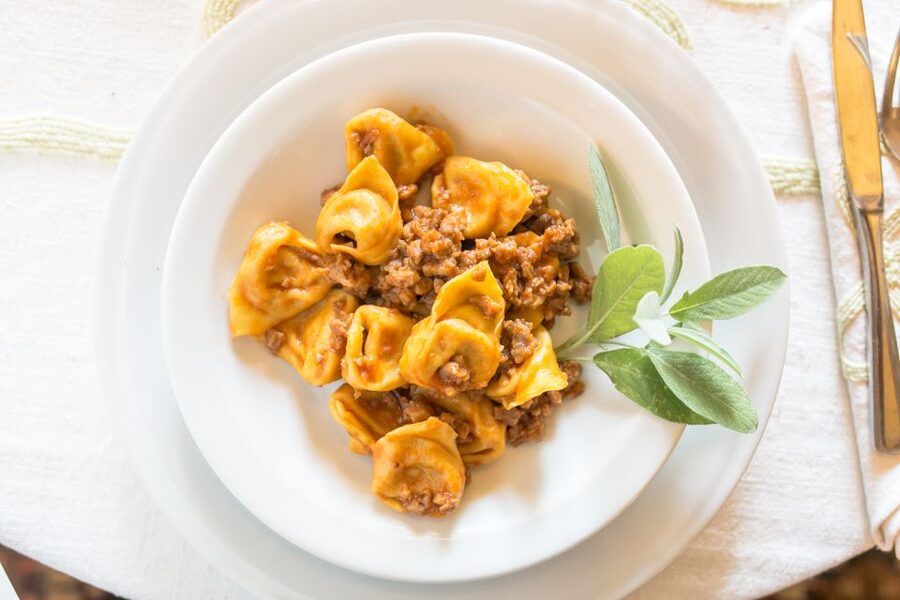
I would recommend this experience to several kinds of visitors:
- Couples who want an evening activity with food and conversation
- Families with older children or teenagers who enjoy hands-on projects
- First-time pasta makers who want guidance from someone who cooks the dishes regularly
- Food-focused visitors who prefer a local home to a standard restaurant meal
- People staying near Lake Garda who can arrange reliable transport to the assigned address
The class may be less suitable if you want to choose every dish in advance, avoid eating in a private home, or need wheelchair access. The activity is not suitable for wheelchair users according to the available information.
It also may not be the right choice for anyone with serious food allergies unless the host can safely adapt the recipes. You should send full details before the booking is finalized.
Timing, language, and booking details
The experience lasts three hours, but the starting time depends on availability. Check the schedule before you commit to another activity on the same day. A class beginning late in the afternoon or evening may work well after sightseeing, but your transport plans need to match the assigned home.
Instruction is available in Italian and English. You do not need advanced Italian to take part, though the class will still involve watching, copying movements, and asking questions.
The reservation system lets you reserve now and pay later. You can cancel up to 24 hours in advance for a full refund. That flexibility is useful when your Lake Garda plans depend on weather, ferry schedules, or changing day trips.
Cesarine’s customer operations team is available seven days a week for questions. I would use that support if the address, meeting point, or transport instructions seem unclear.
Is the $152.93 price fair?
At $152.93 per person, this is a premium activity. You are not paying only for the ingredients. The price includes a host’s time, instruction, the aperitivo, wine, water, coffee, two pasta recipes, tiramisu, and the meal at the end.
The value improves if you count the class as both a cooking lesson and a cultural visit. You receive personal instruction in a home and spend several hours making food rather than ordering it. The recipes also have lasting value because they are simple enough to attempt again.
The value is weaker if you mainly want a low-cost dinner. You could spend less at a restaurant and eat more quickly. You also need to arrange transportation separately, and the unknown host address can add taxi costs.
I would book it for the experience, not as a bargain meal. If you are excited by fresh pasta, local hospitality, and learning a skill you can carry home, the cost is easier to justify.
Should you book this Lake Garda cooking class?
Book this class if you want to meet a local home cook, work with your hands, and eat the food you prepare. The strongest reasons are the hand-rolled sfoglia, the two pasta recipes, and the chance to make tiramisu in a private Italian home.
I would be especially happy to recommend it for couples and families with an older teenager. The class has enough activity to hold attention, but the aperitivo and shared meal keep it relaxed. Hosts such as Mariolina and Ada also show why the personal welcome matters.
Before booking, think carefully about transport, allergies, and the private-home setting. Confirm the final address as soon as you receive it, and do not assume the initial location notice is the last word.
If those practical points work for you, this is one of the better ways to turn a Lake Garda visit into a skill, a meal, and a personal connection with Italy.
FAQ
Where does the cooking class take place?
The class takes place in a local host’s home. The full address is provided after booking for privacy reasons.
How long does the experience last?
The cooking class lasts three hours. Starting times depend on availability.
What will I learn to cook?
You will learn to roll sfoglia by hand, prepare two different pasta types, and make tiramisu.
Are food and drinks included?
Yes. The experience includes the two pasta dishes and tiramisu you prepare, an Italian aperitivo with prosecco and snacks, water, wine, and coffee.
Is transportation included?
No. You must arrange your own transportation to and from the host’s home.
Can I cancel the booking?
Yes. You can cancel up to 24 hours before the activity for a full refund. You can also reserve now and pay later.
Newest classes around Italy
- Cooking Class in a Sicilian countryhouse★ 5.0 · 5 reviews
- Cesarine: Market Tour & Home Cooking Class in Catania★ 4.0 · 6 reviews
- Cesarine: Home Cooking Class & Meal with a Local in Catania★ 4.5 · 10 reviews
- Cooking Class in Taormina with Lunch Included★ 5.0 · 2 reviews
- Cooking class in Capri for small groups★ 4.0 · 4 reviews
- Cooking Class and Wine Pairing in Capri★ 5.0 · 57 reviews
- Lezione di Cucina : Pasta Fresca★ 5.0 · 12 reviews
- Private Cooking Class Experience in Reggio Calabria★ 5.0 · 5 reviews
Italy Cooking Classes, compared.

3 in 1 Cooking Class near Navona: Fettuccine, Ravioli & Tiramisu
Read our review →
Pasta & Tiramisu Cooking Class with Unlimited Wine
Read our review →
Cooking Class and Lunch at a Tuscan Farmhouse with Local Market Tour from Florence
Read our review →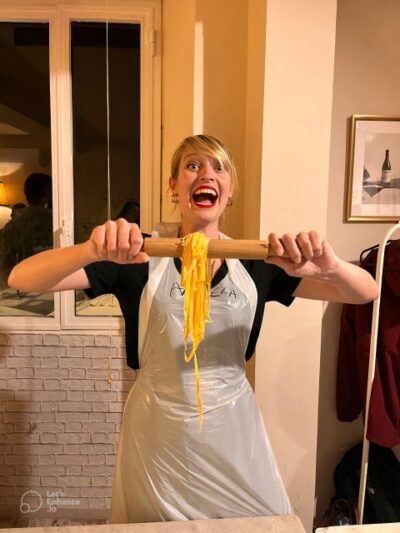
Pasta Making Class with Wine, Limoncello, and Dessert
Read our review →