
Review · ITALY COOKING CLASSES
Chianti: Homemade Pasta Making Class and Lunch
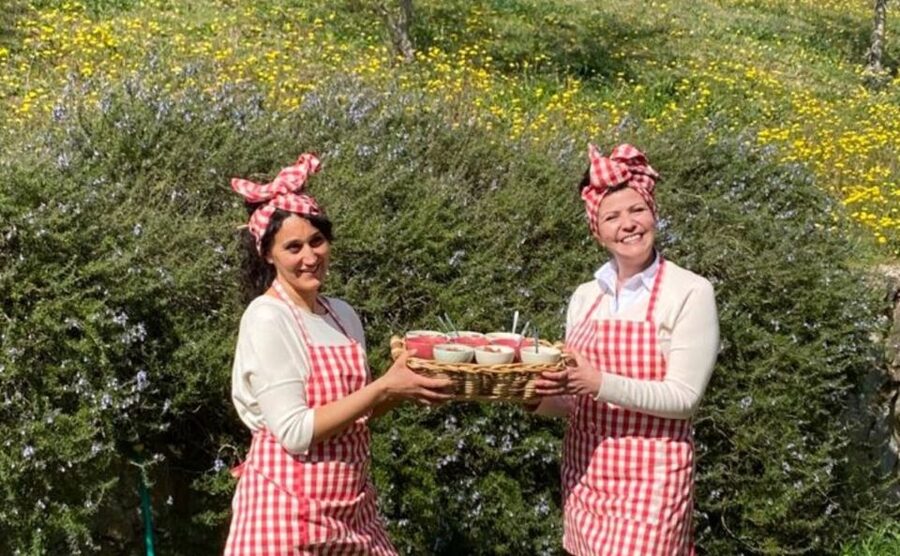
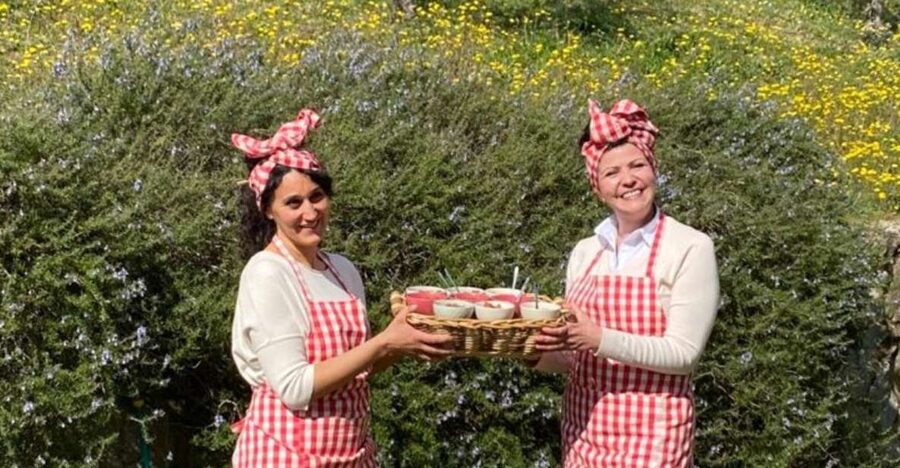
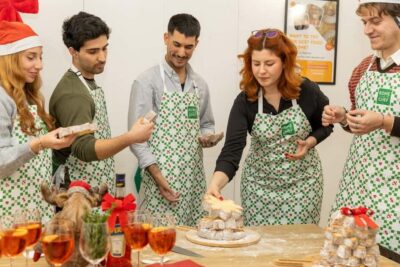
The best part of this Chianti cooking class is that you do not simply watch a chef perform. Anna Maria and Valentina bring you into their family kitchen, where you make three kinds of pasta, prepare dessert, and sit down to eat the results beneath a shady garden tree. Their dogs, old family recipes, and homemade wine help the afternoon feel personal rather than staged.
I like the small eight-person limit, which gives you plenty of hands-on time, and I like that the meal includes more than pasta: pappa al pomodoro, fettunta, sauces, dessert, coffee, and Chianti from the family vineyard. The main consideration is communication. The hosts speak English and Italian, and Google Translate may help at times, but the language gap can make instruction less exact than in a formal English-language cooking school.
Key points to know before booking
- Three kinds of pasta: You work by hand rather than simply watching a demonstration.
- A complete Tuscan meal: Expect appetizers, your freshly made pasta, dessert, coffee, and family vineyard wine.
- Anna Maria and Valentina host at home: The setting is a private Chianti farmhouse, not a restaurant classroom.
- Small groups matter: With no more than eight participants, the class remains social and practical.
- Recipes and a cooking gift: You take home traditional recipes, new skills, and a gift connected to the dish you prepared.
- Best for families and friends: The relaxed format works especially well for a shared afternoon in Tuscany.
Arriving at the Chianti farmhouse
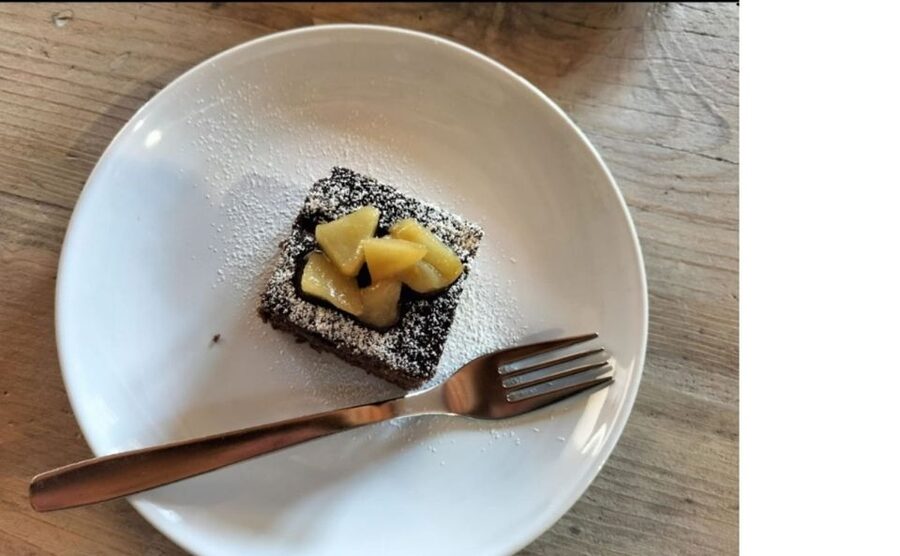
The meeting point is Via del Palagione, 53, with the full address supplied on your confirmation voucher. Since the experience takes place at a farmhouse rather than a central town kitchen, check the voucher carefully before setting out and allow time to find the property.
That rural setting is a big part of the appeal. You are not being ushered from a coach into a busy cooking studio. You arrive at a Tuscan home, meet Anna Maria and Valentina, and settle into an afternoon built around food and conversation. Their furry companions are part of the welcome, which adds a little country-house character.
The booking information does not include transportation. You should therefore treat reaching the farmhouse as your responsibility and confirm the exact location before the day. The stated meeting point is useful, but the full address is the one you should rely on.
More Pasta Making Classes in Italy:
- Florence: Pasta Cooking Class with Unlimited Wine
★ 4.9 · 10,285 reviews - 3 in 1 Cooking Class near Navona: Fettuccine, Ravioli & Tiramisu
★ 5.0 · 7,376 reviews - Florence: Pasta & Tiramisu Cooking Class with Unlimited Wine
★ 4.9 · 6,708 reviews
A warm welcome from Anna Maria and Valentina
Anna Maria and Valentina are originally from Tuscany, and the class centers on recipes passed through their families. Several dishes come from old family traditions, including recipes associated with their nonna. That gives the food a sense of place that a generic pasta workshop cannot easily copy.
The hosting style is warm and informal. You may hear family stories, share a few laughs, and spend time with the hosts outside the cooking itself. The afternoon is designed to feel like an invitation into their home, not a timed restaurant service.
The two women speak English and Italian. Communication can sometimes require patience, especially when explaining small cooking details. Google Translate has been used to bridge the gap, and it can produce a few comic mistakes along the way. Still, the format is simple enough for most beginners to follow, and the hosts are used to making the process clear through demonstration.
That point matters if you want technical instruction in polished culinary-school English. This is not that. It is a friendly, practical lesson in a family setting, where gestures, repetition, and shared work are just as important as spoken explanation.
Making three kinds of pasta by hand
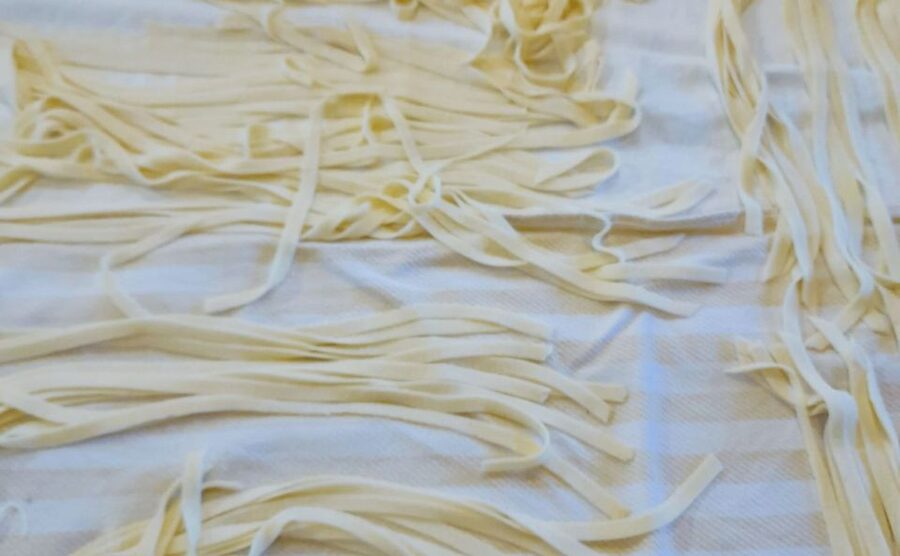
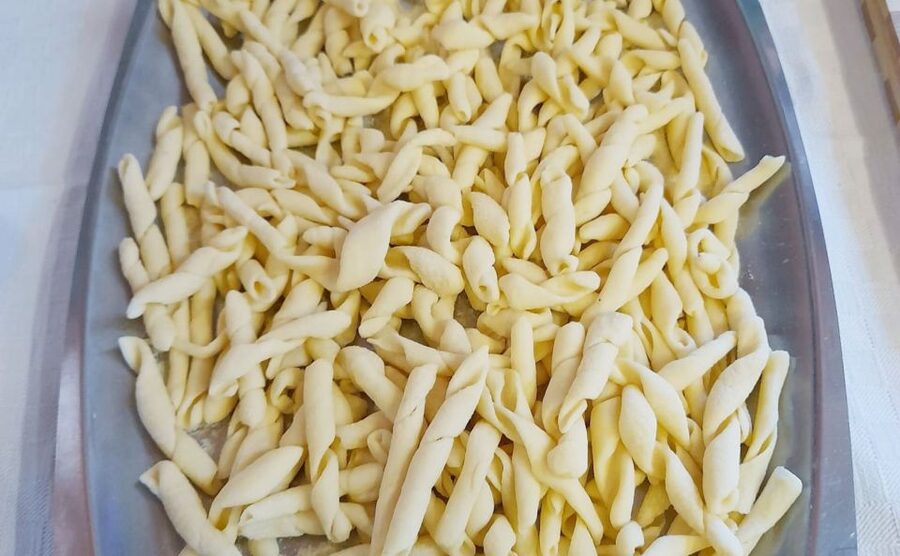
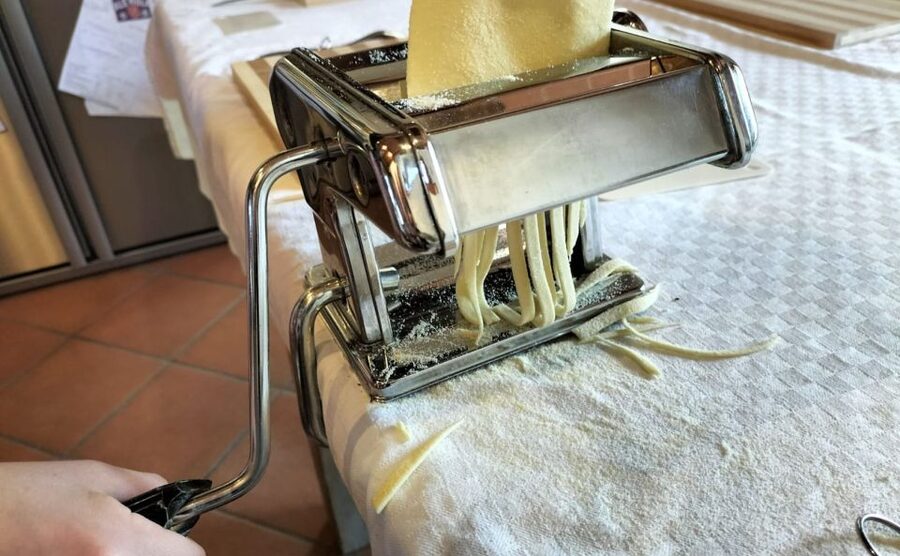
The cooking portion is the heart of the four-hour visit. You learn to make three types of pasta, all by hand, using methods described as old-school and easy to follow. You should expect to mix, shape, and work the dough rather than merely observe from the side.
The class is suitable for all skill levels. You do not need previous kitchen training, and the recipes are explained slowly. That makes this a good choice if you have always wanted to make pasta but have never known where to begin.
The three-pasta format gives the lesson useful variety. You learn that homemade pasta is not one single technique, but a family of shapes and methods. The work is hands-on without turning the afternoon into a hard labor session, and the small group size should help you get attention when your dough or shaping needs correction.
I would particularly recommend this format for families with older children and for couples who want to do something together. One family booked the class partly because their son had requested pasta making during the Italy trip. That is the kind of activity that gives children a real role, rather than asking them to stand around while adults cook.
Tuscan starters before the pasta is served
While you are working, the hosts prepare some parts of the meal in advance. This keeps the four-hour schedule manageable and means you are not waiting for every sauce and appetizer to be made after the pasta lesson.
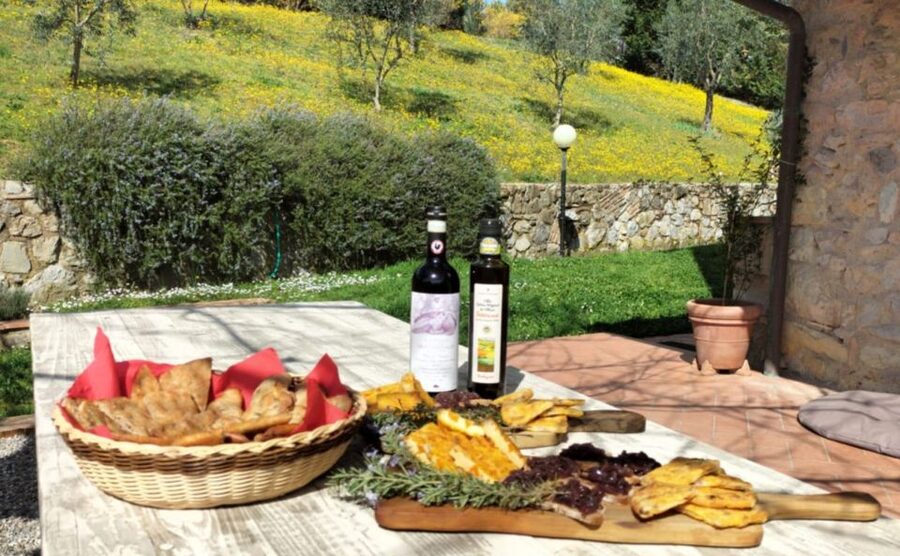
The first tastes can include pappa al pomodoro, a Tuscan tomato and bread soup, and fettunta, grilled bread rubbed with garlic and dressed with olive oil. These are humble dishes, but they explain a lot about Tuscan cooking: good ingredients, simple preparation, and very little need for decoration.
The meal may also include additional antipasti and sauces prepared by Anna Maria and Valentina. The exact menu can vary, so you should think of the listed dishes as a guide rather than a restaurant-style fixed menu. This is home cooking, and that is part of the charm.
These starters also give you something to eat while the pasta is finished. More important, they keep the afternoon from being only a lesson. You are learning, tasting, talking, and gradually moving toward a shared lunch.
More Lunches Out in Italy:
- Cooking Class and Lunch at a Tuscan Farmhouse with Local Market Tour from Florence
★ 5.0 · 4,831 reviews - Palermo: Market Tour and Sicilian Cooking Class with Lunch
★ 4.9 · 229 reviews - Genoese cooking lesson in the with lunch in the terrace
★ 5.0 · 189 reviews - Cooking Class on a Family Farm in Chianti with Lunch
★ 5.0 · 165 reviews
Lunch under the garden tree
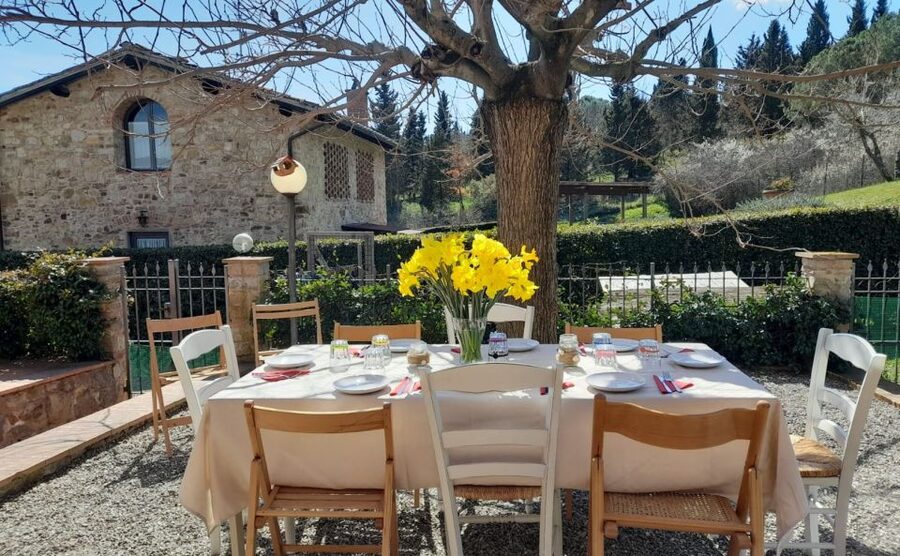
After the cooking, you sit down to eat the food you helped make. The meal is served outdoors in the garden, often beneath the shade of a large tree. The setting turns lunch into the social centerpiece of the experience.
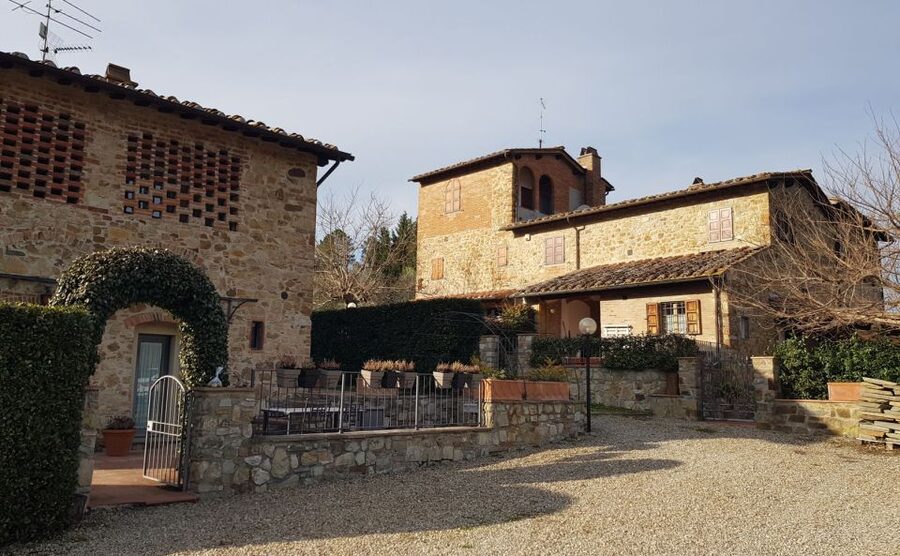
Your pasta is paired with sauces prepared for the meal, followed by a homemade dessert. Coffee is also served. The hosts pour Chianti wine sourced from the family vineyard, which connects the meal directly to the area around you rather than treating wine as an afterthought.
This is where the class earns much of its value. You are not leaving with a small tasting plate after an hour of instruction. The four-hour booking includes a substantial food experience, a relaxed garden lunch, wine, and time with the hosts and the other participants.
The outdoor meal depends on the setting and the day, so do not treat it as a promise of restaurant-style seating or formal service. You are visiting a family home. That means the pace is relaxed, the atmosphere is informal, and the experience works best if you enjoy lingering over food.
Why the small group size makes a difference
The group is limited to eight participants. That is small enough for the class to stay personal, while still giving you the chance to meet other people over lunch.
A group of six, for example, leaves enough room for everyone to work at the table without feeling crowded. In some sessions, cancellations have reduced the class to only one or two participants. That can create an unusually personal lesson, with more time for questions and individual help.
The social side is just as important as the instruction. You may arrive as separate couples or families and finish lunch as a shared group. The cooking naturally gives everyone something to talk about, and the final meal provides time to compare results and swap travel stories.
If you want complete privacy, this is not the right format. The booking is a small group experience, not a private class by default. If you enjoy meeting people and sharing a meal, the group arrangement is a strength.
What you take home after the meal
The practical souvenir is not limited to a small gift. You also take home traditional recipes and the skills to repeat the dishes in your own kitchen.
That is a real advantage over many short food tastings. You can recreate at least some of the afternoon later, though the ingredients and conditions at home will naturally differ from those in Tuscany. The gift is meant to help you remember the dish you cooked, giving the class a physical keepsake as well as a set of recipes.
The recipes are especially valuable because they are tied to the hosts’ families. You are not just collecting a standard tourist handout. You are receiving the cooking methods shared during the lesson, along with a little connection to the family traditions behind them.
Do ask questions while you are cooking. The hosts are open to explaining their methods, and this is the moment to clarify dough texture, shaping, sauces, or dessert preparation. Once you return home, you may remember the meal clearly but forget a small step unless you write it down.
How the $130 price compares
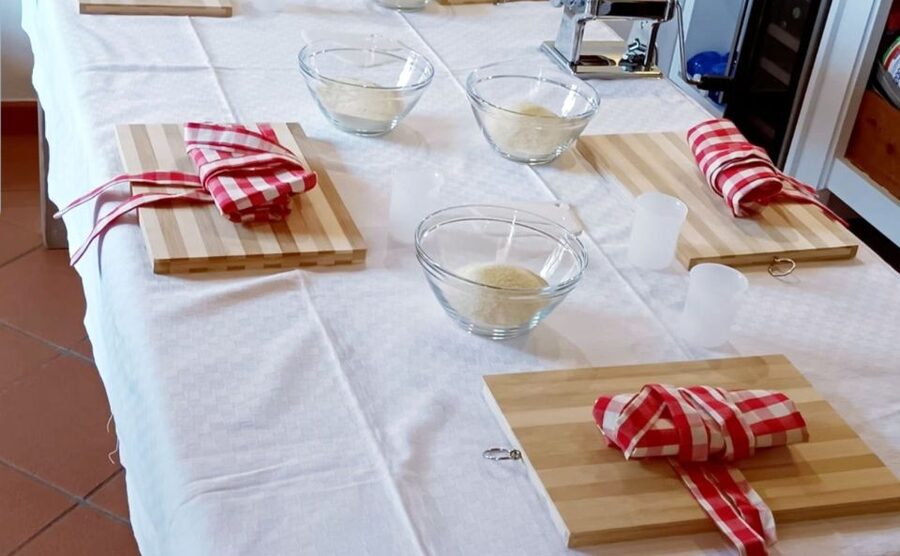
At $130 per person, this is not the cheapest food activity in Tuscany. But the price covers four hours, hands-on instruction, three kinds of pasta, dessert making, appetizers, lunch, wine, coffee, recipes, and a take-home gift.
That makes the value stronger than the price might first suggest. You are paying for a cooking lesson and a full meal, but also for the farmhouse setting and the time spent with the two hosts. A short demonstration followed by a tiny tasting would be a different, and usually less useful, product.
The price makes the most sense if you plan to eat lunch during the experience anyway. Instead of paying separately for a meal and then booking a brief cooking activity, you combine both into one afternoon. The wine from the family vineyard adds another local element.
I would not book it solely to save money. Book it because you want a relaxed food experience with personal hosting, practical instruction, and enough time to sit down and enjoy what you made. If you prefer a highly polished school with precise culinary theory, another class may suit you better.
Who will enjoy this class most
This is a strong pick for families, couples, and groups of friends. The activity has enough structure to keep everyone involved, but enough conversation and free time to feel like a social outing.
It is also a good choice for anyone who wants a break from sightseeing. Tuscany can become a parade of churches, vineyards, and viewpoints. Four hours at a farmhouse gives you a slower way to connect with the region through food.
Beginners should feel comfortable. The recipes are presented as easy to follow, and the hosts work with participants at different skill levels. Experienced home cooks may still enjoy the family methods, especially if they want to compare them with their own pasta techniques.
You should think twice if anyone in your party has food allergies or follows a special diet and has not contacted the hosts. The booking information specifically asks you to communicate food restrictions in advance. Do not wait until you arrive, since the menu and preparation may already be planned.
Timing, language, and practical planning
The experience lasts four hours, with starting times depending on availability. That is long enough for a complete cooking session and lunch, so avoid placing another tightly scheduled activity immediately afterward.
The host or greeter speaks English and Italian. The language barrier should not automatically put you off, but you should expect some communication through demonstration, gestures, and translation tools. If you want a detailed lecture on pasta science, ask questions clearly and allow a little extra patience.
Free cancellation is available up to 24 hours before the experience for a full refund. You can also reserve now and pay later, which helps if your Tuscany schedule is still shifting.
The group is capped at eight people. The confirmation voucher provides the full address, while the published meeting point is Via del Palagione, 53. Bring your booking details and make sure you have checked the directions before leaving for the farmhouse.
Should you book the Chianti pasta class?
I would book this if you want a personal Tuscan food experience, not just a quick cooking demonstration. The combination of three handmade pastas, dessert, garden lunch, family recipes, Chianti wine, and warm hosting gives the afternoon real substance.
The strongest reasons to choose it are Anna Maria and Valentina, the small group size, and the chance to cook in a family farmhouse rather than a formal tourist kitchen. The main drawbacks are the possible language limitations and the need to arrange your own way to the meeting point.
For a family, couple, or small group looking for one memorable food-focused afternoon in Chianti, the $130 price is fair. Bring an appetite, share any dietary restrictions ahead of time, and leave room in your schedule for lunch to run at a relaxed Tuscan pace.
FAQ
How long does the Chianti pasta class last?
The experience lasts four hours, including the cooking lesson and lunch.
How many people can join the class?
The class is limited to eight participants, making it a small-group experience.
What will I learn to cook?
You will learn to make three kinds of homemade pasta and a traditional Tuscan dessert. You will also receive recipes to take home.
What food is included?
The meal includes freshly prepared pasta, dessert, appetizers such as pappa al pomodoro and fettunta, coffee, and Chianti wine from the family vineyard.
Who teaches the class?
The class is hosted by Anna Maria and Valentina, who are originally from Tuscany.
What languages are spoken?
The hosts or greeters speak English and Italian.
Where does the experience meet?
The meeting point is Via del Palagione, 53. The full address is provided on the confirmation voucher.
Newest classes around Italy
- Cooking Class in a Sicilian countryhouse★ 5.0 · 5 reviews
- Cesarine: Market Tour & Home Cooking Class in Catania★ 4.0 · 6 reviews
- Cesarine: Home Cooking Class & Meal with a Local in Catania★ 4.5 · 10 reviews
- Cooking Class in Taormina with Lunch Included★ 5.0 · 2 reviews
- Cooking class in Capri for small groups★ 4.0 · 4 reviews
- Cooking Class and Wine Pairing in Capri★ 5.0 · 57 reviews
- Lezione di Cucina : Pasta Fresca★ 5.0 · 12 reviews
- Private Cooking Class Experience in Reggio Calabria★ 5.0 · 5 reviews
Italy Cooking Classes, compared.
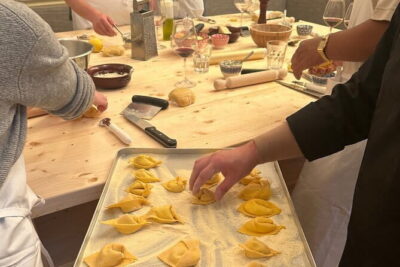
3 in 1 Cooking Class near Navona: Fettuccine, Ravioli & Tiramisu
Read our review →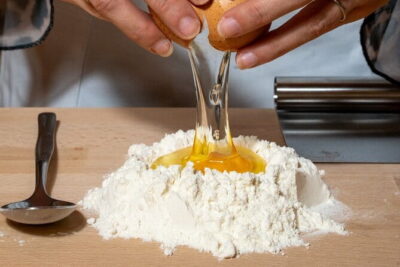
Pasta & Tiramisu Cooking Class with Unlimited Wine
Read our review →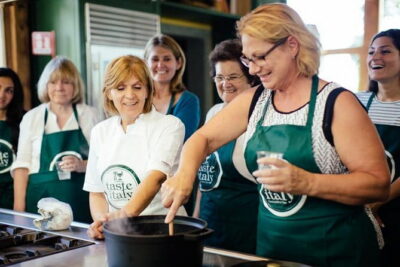
Cooking Class and Lunch at a Tuscan Farmhouse with Local Market Tour from Florence
Read our review →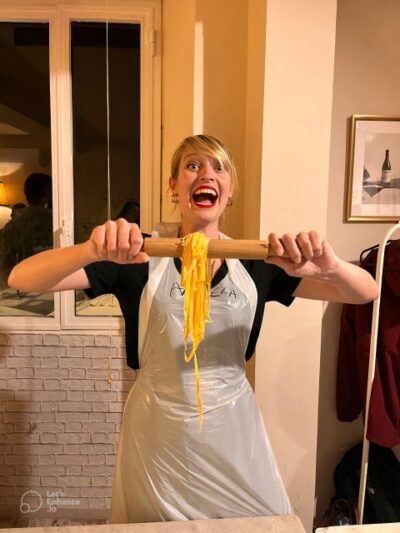
Pasta Making Class with Wine, Limoncello, and Dessert
Read our review →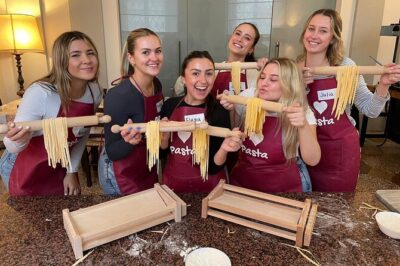
Rome Cooking Class: Make Pasta and 3 Spritz Cocktails
Read our review →Browse the lists this tour appears in